
Quince in syrup
The red of a quince is not a dye: over long, gentle heat the fruit’s own colourless tannins turn into red pigment.
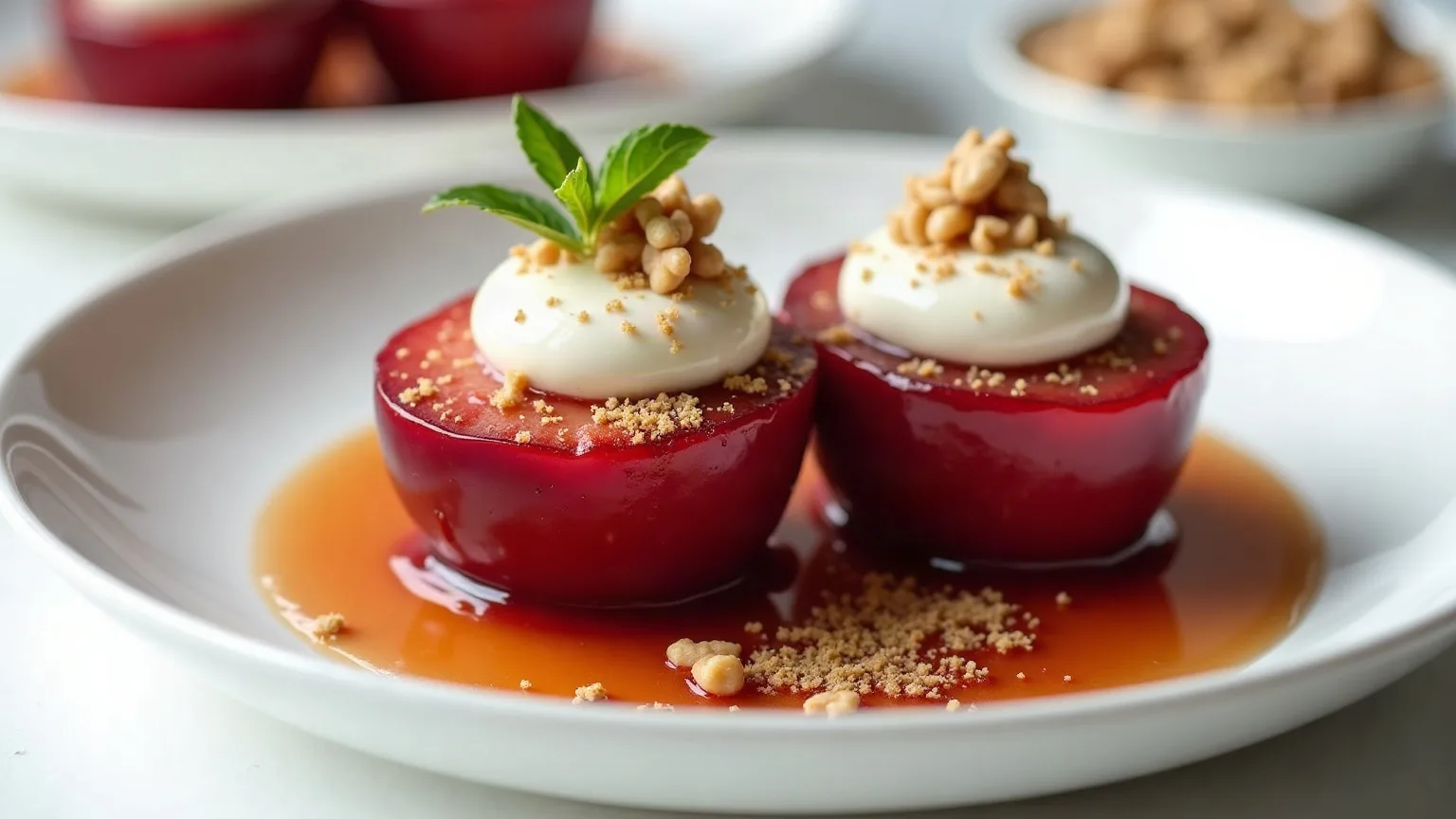
Desserts · Turkish · For guests · Seasonal
- Preparation
- 15 min
- Cooking
- 90 min
- Resting
- 60 min
- Difficulty
- Needs attention
- Cost
- Cheap
- Season
- Autumn, Winter
Quince in syrup is a Turkish dessert of autumn and winter; quinces reach the market between October and December and are hard and astringent raw. Cooked, they soften and turn from white to deep red. The colour comes from proanthocyanidins in the fruit: heated for a long time in an acidic medium, they become red anthocyanidins. Cloves and the quince’s own seeds go into the same pan; the gel around the seeds is rich in pectin and thickens the syrup. Clotted cream and walnuts on top is the classic Turkish way to serve it.
Method
- Wash the quinces, rub off the fuzz, leave the skins on, halve them lengthwise and scoop out the cores with a spoon. Keep the seeds.
You will need: A wide lidded oven dish or pan · A sharp knife and a spoon
-
Set the quince halves cut side up in the dish, fill the hollows with sugar and scatter the rest over; add the seeds, the cloves, the lemon and the water.
Look for The water should come halfway up the quinces, not cover them.
Why The gel coating the seeds is rich in pectin; it passes into the syrup and thickens it. The lemon keeps the medium acidic, which helps both the red colour form and the pectin set.Starch still asleep The granules are just floating there doing nothing. No body arrives before 62 °C.
-
Cover with a lid or foil and cook at 170 °C in the oven, or over a low flame, for 75 to 90 minutes, basting now and then.
Look for The quinces should be deep pink-red, and a knife should slide in without resistance.
Why The red comes with time: turning proanthocyanidins into anthocyanidins takes hours, and a quick, hot cook softens the fruit but leaves it yellowish. The lid stops the syrup evaporating and the base catching.If it went wrong
If they are still pale after ninety minutes, keep the lid on and give them 20 to 30 minutes more, adding a little hot water if needed. If the syrup has caramelised and thickened too far, stir in a ladle of hot water.
Starch gelatinised The granules soaked up water, swelled and burst into a network. It has thickened, and it will firm further as it cools. no way back
Caramelisation has begun Sugar is breaking into hundreds of new aroma molecules: nutty, faintly bitter, deep in colour. no way back
-
Let the quinces cool in their syrup, pick out the seeds and cloves, and at the table fill the hollows with clotted cream and scatter walnuts over.
Look for The cooled syrup should run slowly off a spoon and be glossy red.
Why As it cools the pectin brings the syrup towards a jelly and the fruit keeps drinking it. The seeds are not eaten; their work ended in the pan.
This recipe was run through the engine step by step — what goes in when, and at what temperature and for how long. The reactions above come from that run.
peak 170 °C · 155 minutes · engine 1.0.0 · confidence low
After the heat goes off
At room temperature or cold, a spoon of clotted cream and walnuts on each half.
Five days in the fridge in its syrup, without the cream.
If you like it warm, five minutes in its syrup over a low flame; the cream goes on afterwards.
Two months in its syrup in a sealed box; the texture softens a little.
Leftover quince and syrup can be mashed and eaten like jam on yoghurt or bread.
Soft cooked quince can be mashed for a child from twelve months; keep the syrup light in their share and grind the walnuts.
- The oven The method this recipe rests on
- Quince What it does in heat, water and acid
- Kaymak (pasteurised) What it does in heat, water and acid
- Walnut What it does in heat, water and acid
- Candied pumpkin Similar method, or something that sits on the same table
- Aşure, Noah’s pudding Similar method, or something that sits on the same table
- Zerde, saffron rice pudding Similar method, or something that sits on the same table
- For guests Other recipes that answer the same need
- Seasonal Other recipes that answer the same need
What it tastes like
The axes that define this recipe: sweet 40, aroma 60.
This profile is computed rather than measured: the role-weighted average of its ingredients’ taste vectors, shifted by what the cooking does. The thin line is the database average on that axis.
Closest in taste
Not hand-picked: ranked by distance across the eight taste axes.
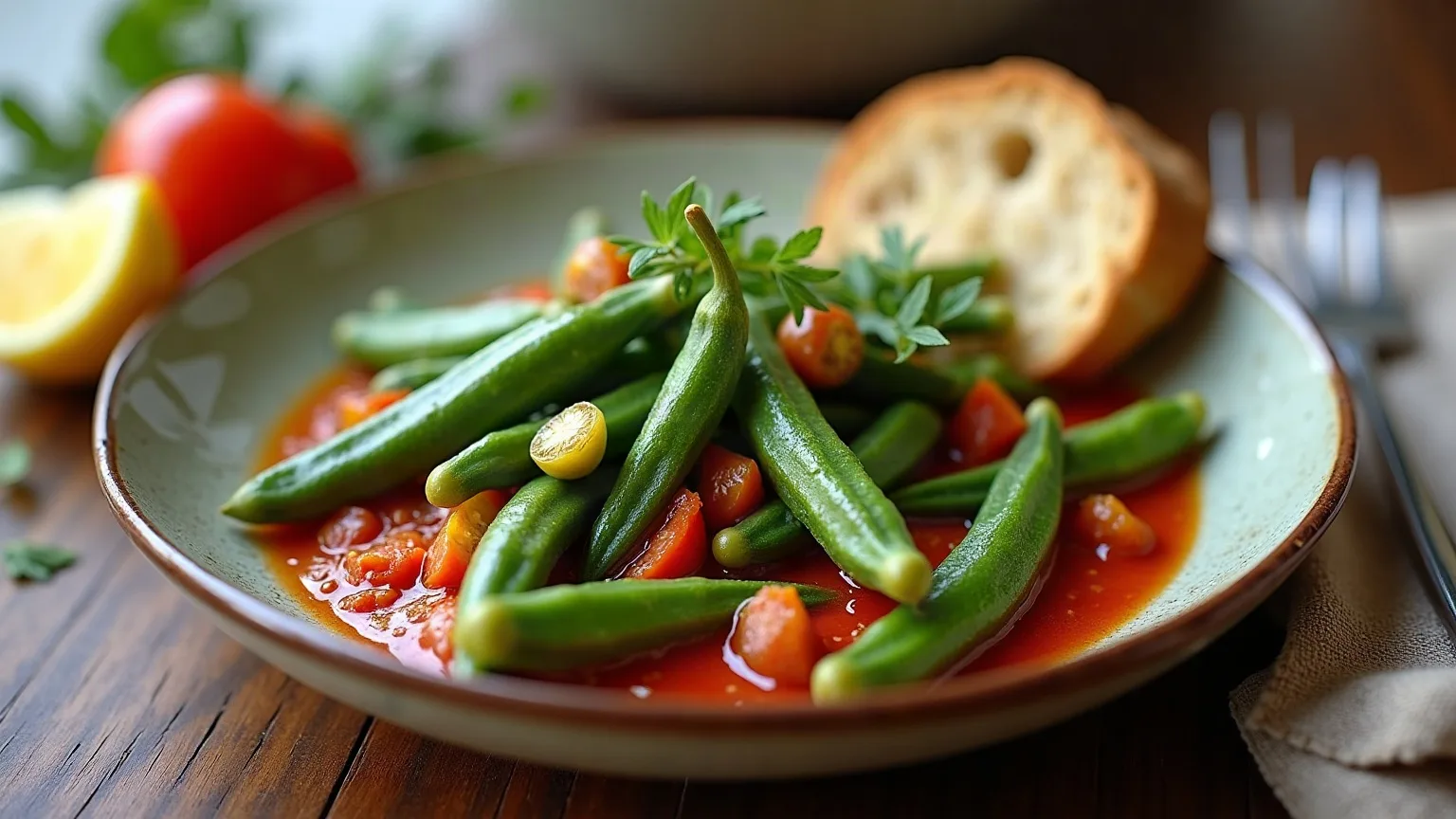
Okra in olive oil
Okra goes slimy for one reason: it was cut. Cooked without breaching the pod, it does not go slimy at all.…
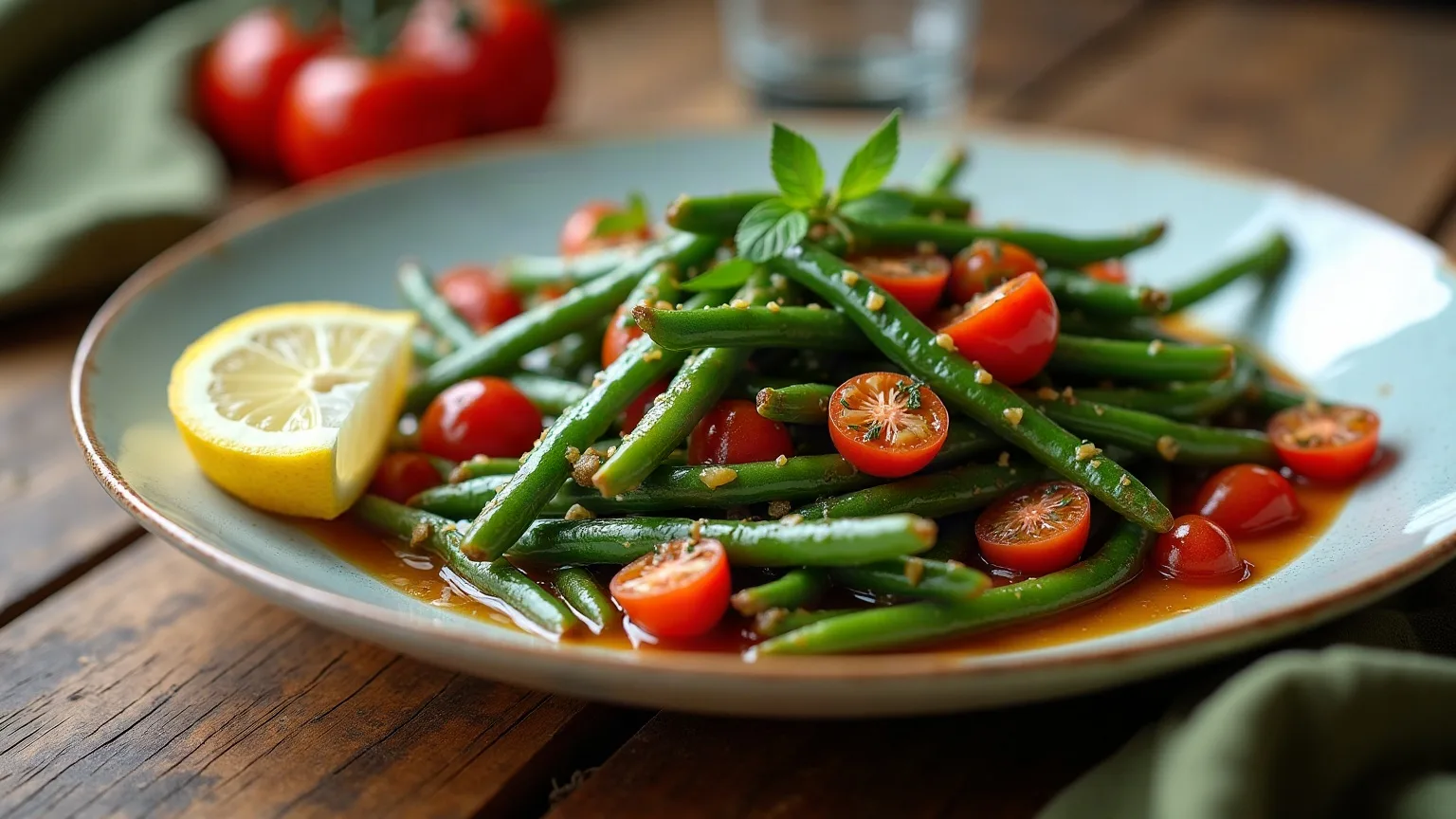
Green beans in olive oil
A classic that cooks in the vegetable’s own water, with none added. The secret is patience and a low flame: the beans sw…
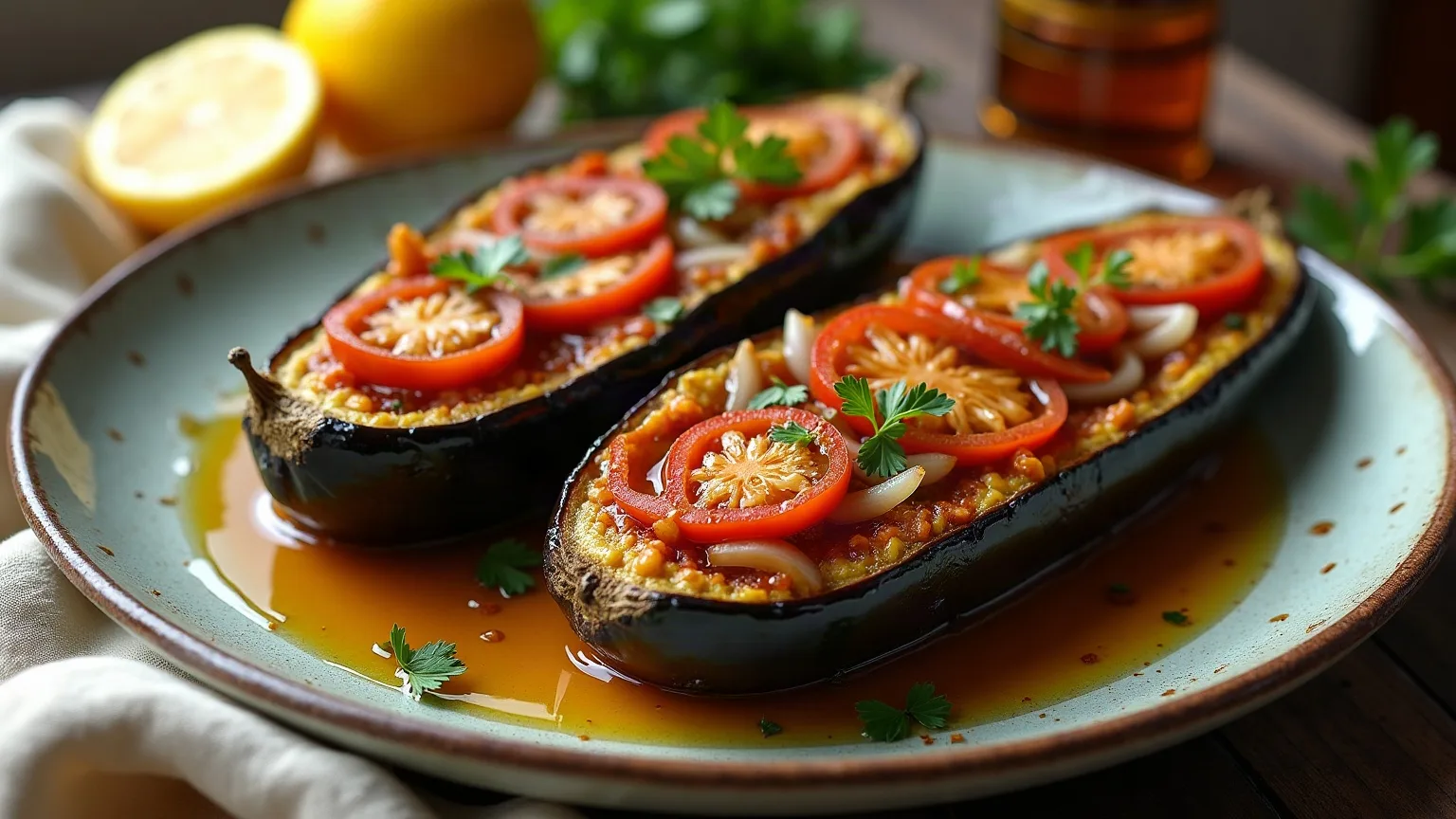
İmam bayıldı
Karnıyarık’s sibling: no meat, olive oil, eaten cold. The quantity of onion is not excessive — this is a dish about onio…
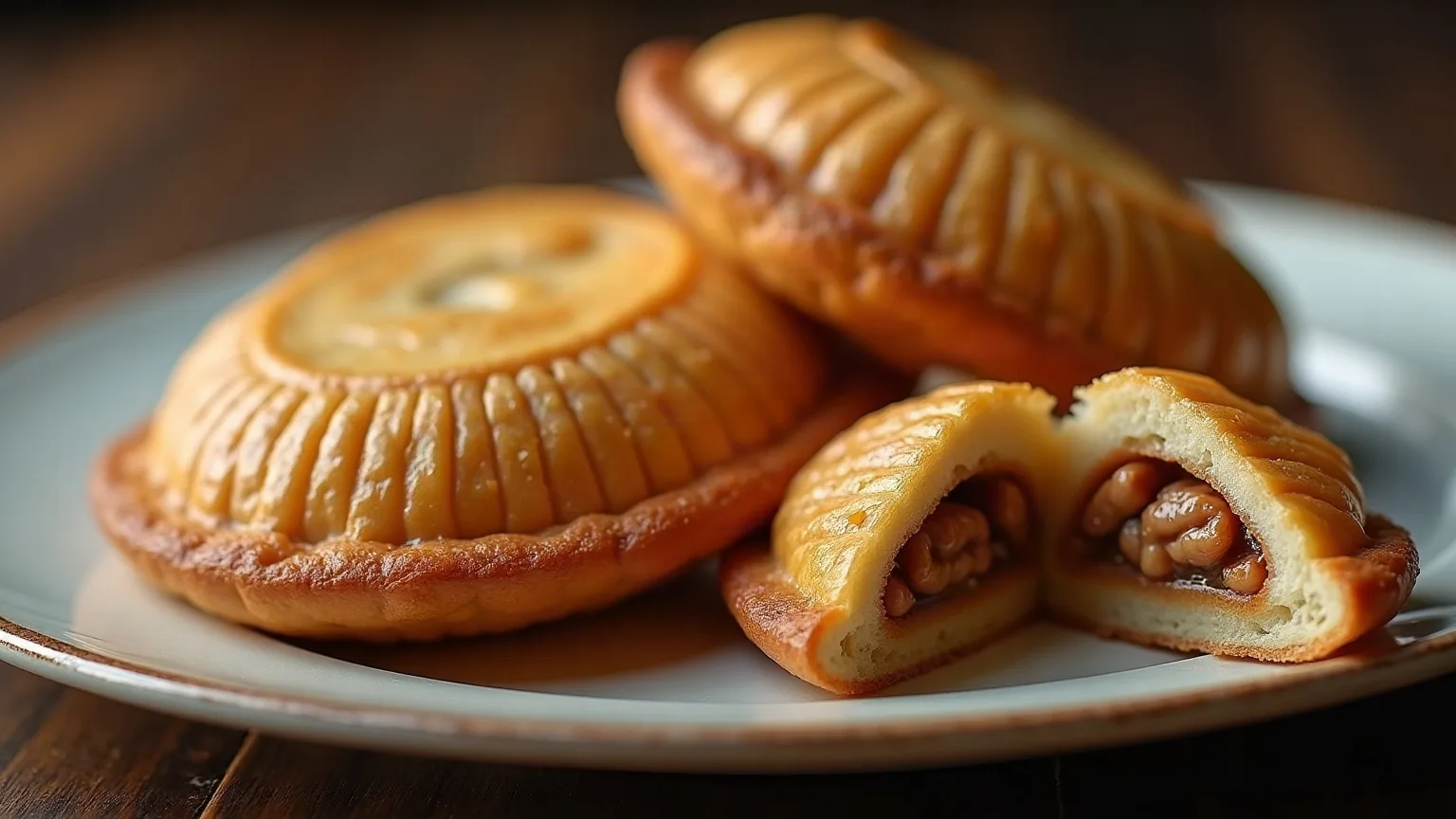
Kalburabastı
Walnut-filled dough ovals are pressed against a sieve to emboss ridges, baked and soaked in syrup. The name comes straig…