
Vegetable gratin
A lump-free béchamel is not a knack but a question of temperature difference: hot milk into hot roux, or cold into cold.
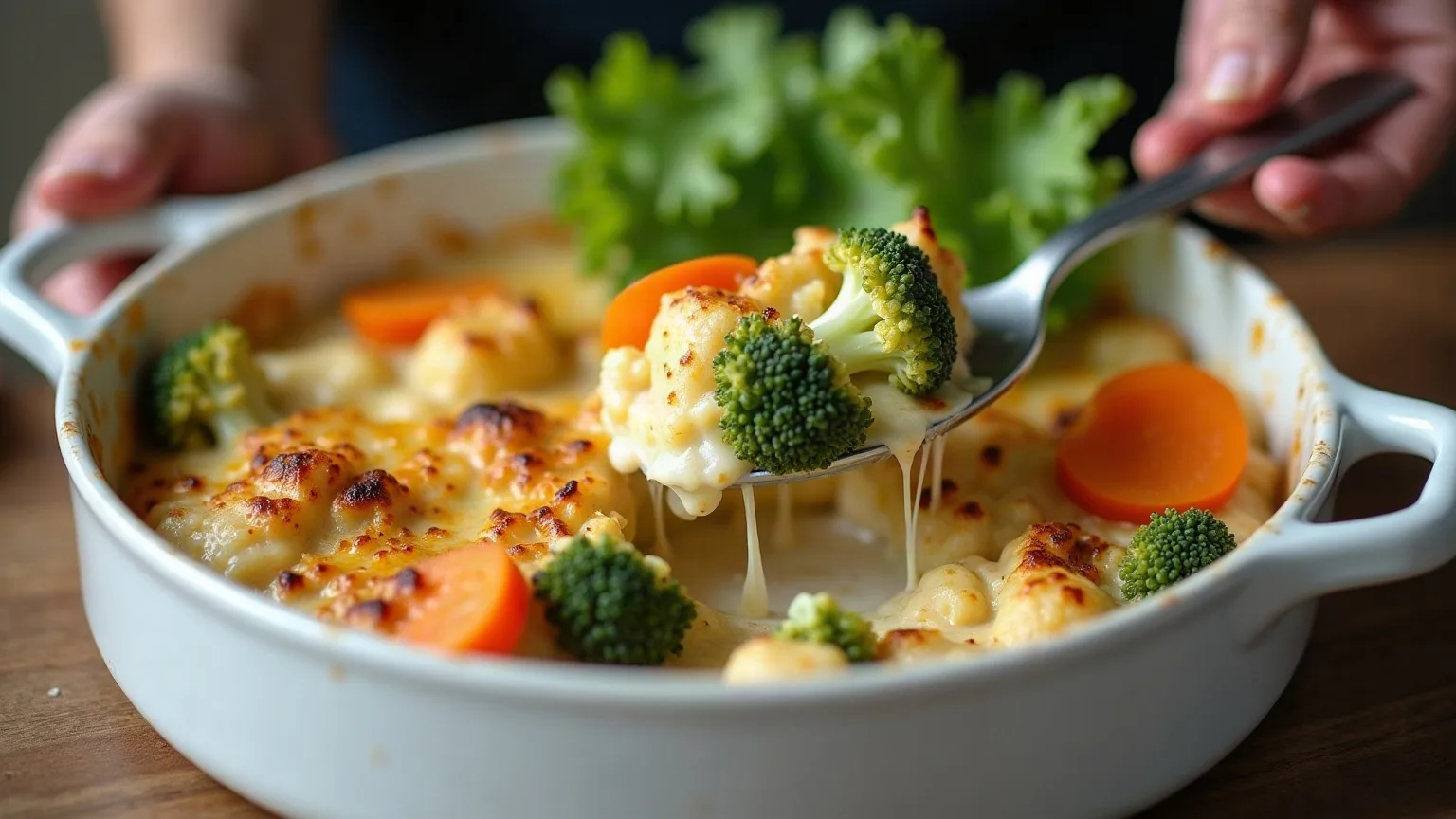
Vegetable dishes · French · For guests · Seasonal
- Preparation
- 25 min
- Cooking
- 40 min
- Resting
- 10 min
- Difficulty
- Practised hand
- Cost
- Cheap
- Season
- Autumn, Winter
A béchamel is flour, fat and milk, and one of the most frequently ruined sauces made from three ingredients. Lumps form when the outside of a clump of flour gels and seals a dry middle, which happens whenever the temperature difference is large. There are two safe routes: boiling milk into a hot roux, or cold milk into a cold one. Everything in between risks lumps.
Method
- Cut the vegetables to 2 cm and blanch them five minutes in salted water; drain.
- Heat the milk in a separate pan and keep it hot.
- Heat the oven to 200 °C.
You will need: An oven dish · A saucepan · A whisk
-
Blanch the vegetables five minutes in boiling salted water and drain them THOROUGHLY.
Look for A knife meeting slight resistance, and the sieve no longer dripping.
Why The blanching half-cooks them so twenty-five minutes in the oven finishes the job. The draining matters too: water dripping off the vegetables thins the béchamel and breaks the sauce. -
Melt the butter, cook the flour in it for two minutes, then whisk in the HOT milk a little at a time.
Look for The sauce should thicken and loosen again with each addition, staying smooth and glossy.
Why The temperature difference between a hot roux and hot milk is small, so the flour particles wet evenly and no lumps form. Cold milk into a hot roux is the commonest mistake.If it went wrong
If it lumps, blitz it for fifteen seconds or push it through a sieve: either fixes it completely.
Starch gelatinised The granules soaked up water, swelled and burst into a network. It has thickened, and it will firm further as it cools. no way back
A gluten web is forming Gliadin and glutenin hydrated into an elastic net. This is what will hold the gas. no way back
-
Simmer the sauce five minutes until it coats the back of a spoon, then add the salt, pepper and half the cheese off the heat.
Look for The sauce staying smooth; a pool of oil means it was too hot.
Why The cheese goes in off the heat: above 80 °C kaşar releases its fat and the sauce goes grainy. The pan’s residual heat is more than enough to melt it.Starch gelatinised The granules soaked up water, swelled and burst into a network. It has thickened, and it will firm further as it cools. no way back
A gluten web is forming Gliadin and glutenin hydrated into an elastic net. This is what will hold the gas. no way back
Salt · 0.41% Low. Everything reads flat and nothing steps forward.
-
Spread the vegetables in the dish, pour the sauce over, grate the rest of the cheese on and bake twenty-five minutes at 200 °C; rest ten.
Look for A mottled brown top with the sauce bubbling at the edges.
Why The cheese on top meets Maillard above 150 °C, and that golden crust is what a gratin is; the rest lets the sauce set.Starch gelatinised The granules soaked up water, swelled and burst into a network. It has thickened, and it will firm further as it cools. no way back
A gluten web is forming Gliadin and glutenin hydrated into an elastic net. This is what will hold the gas. no way back
Salt · 0.41% Low. Everything reads flat and nothing steps forward.
This recipe was run through the engine step by step — what goes in when, and at what temperature and for how long. The reactions above come from that run.
peak 200 °C · 42 minutes · engine 1.0.0 · confidence low
After the heat goes off
Hot, in its dish, with a green salad beside it — the plate is rich enough.
Three days in the fridge.
Fifteen minutes at 180 °C; a microwave separates the béchamel.
Not for the freezer: the béchamel separates and the broccoli goes spongy.
Stirred through pasta, or mashed into a soup.
Vegetables under béchamel are one of the most reliable ways children eat them. For 12–36 months leave the pepper out, halve the cheese — where most of the salt is — and crush the vegetables. For a baby under one, set aside a portion without salt or cheese.
- Milk → Oat milk Oat milk gives a lactose-free béchamel, slightly thinner: add 5 g more flour.
- The oven The method this recipe rests on
- Milk What it does in heat, water and acid
- Cauliflower What it does in heat, water and acid
- Broccoli What it does in heat, water and acid
- Roasted cauliflower Similar method, or something that sits on the same table
- Potato and mince bake Similar method, or something that sits on the same table
- Mushroom soup Similar method, or something that sits on the same table
- For guests Other recipes that answer the same need
- Seasonal Other recipes that answer the same need
What it tastes like
The axes that define this recipe: aroma 53.
This profile is computed rather than measured: the role-weighted average of its ingredients’ taste vectors, shifted by what the cooking does. The thin line is the database average on that axis.
Closest in taste
Not hand-picked: ranked by distance across the eight taste axes.
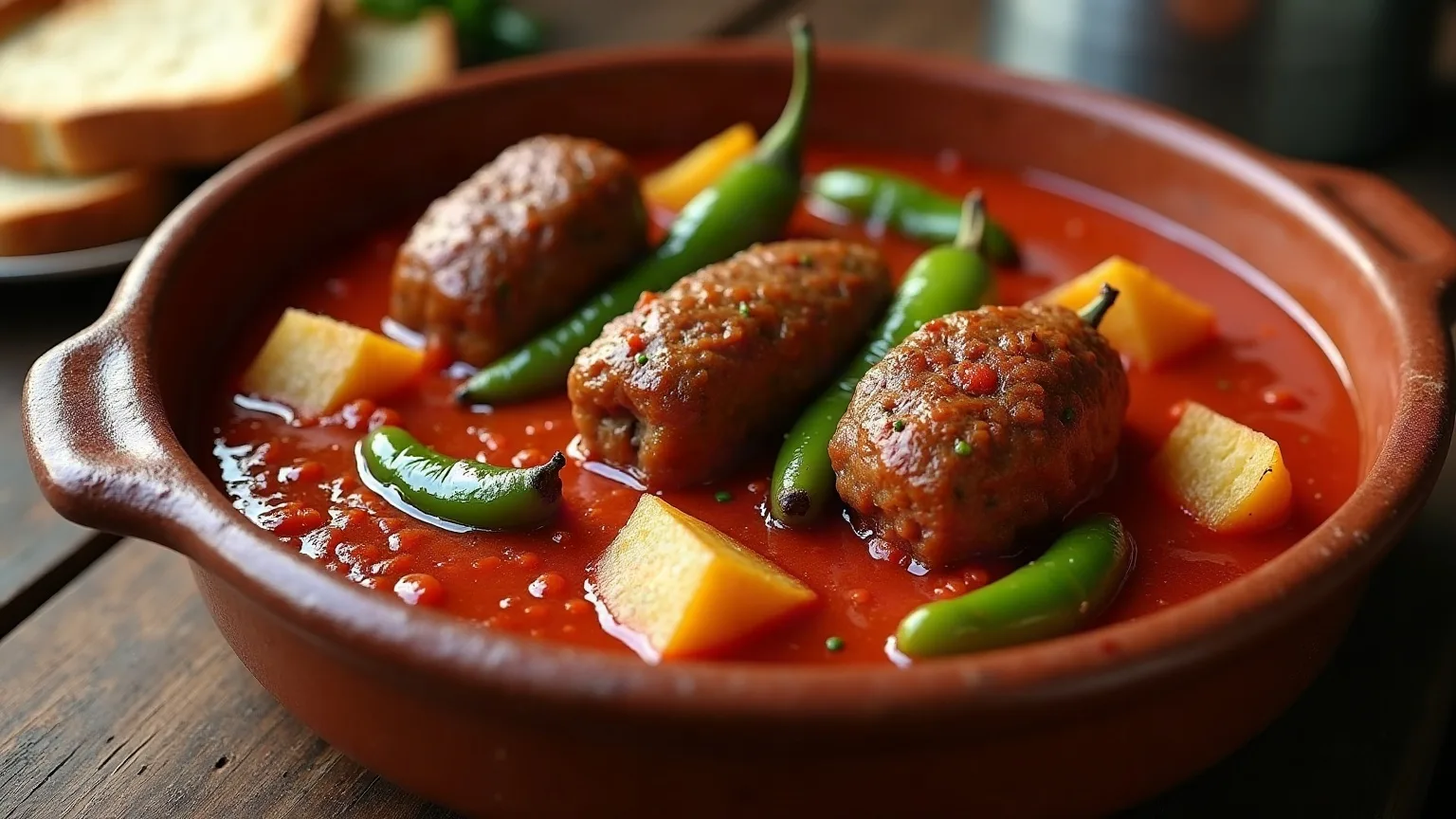
İzmir meatballs
Searing the meatballs and then baking them in sauce is two dishes in one: the crust stays outside while the inside drink…
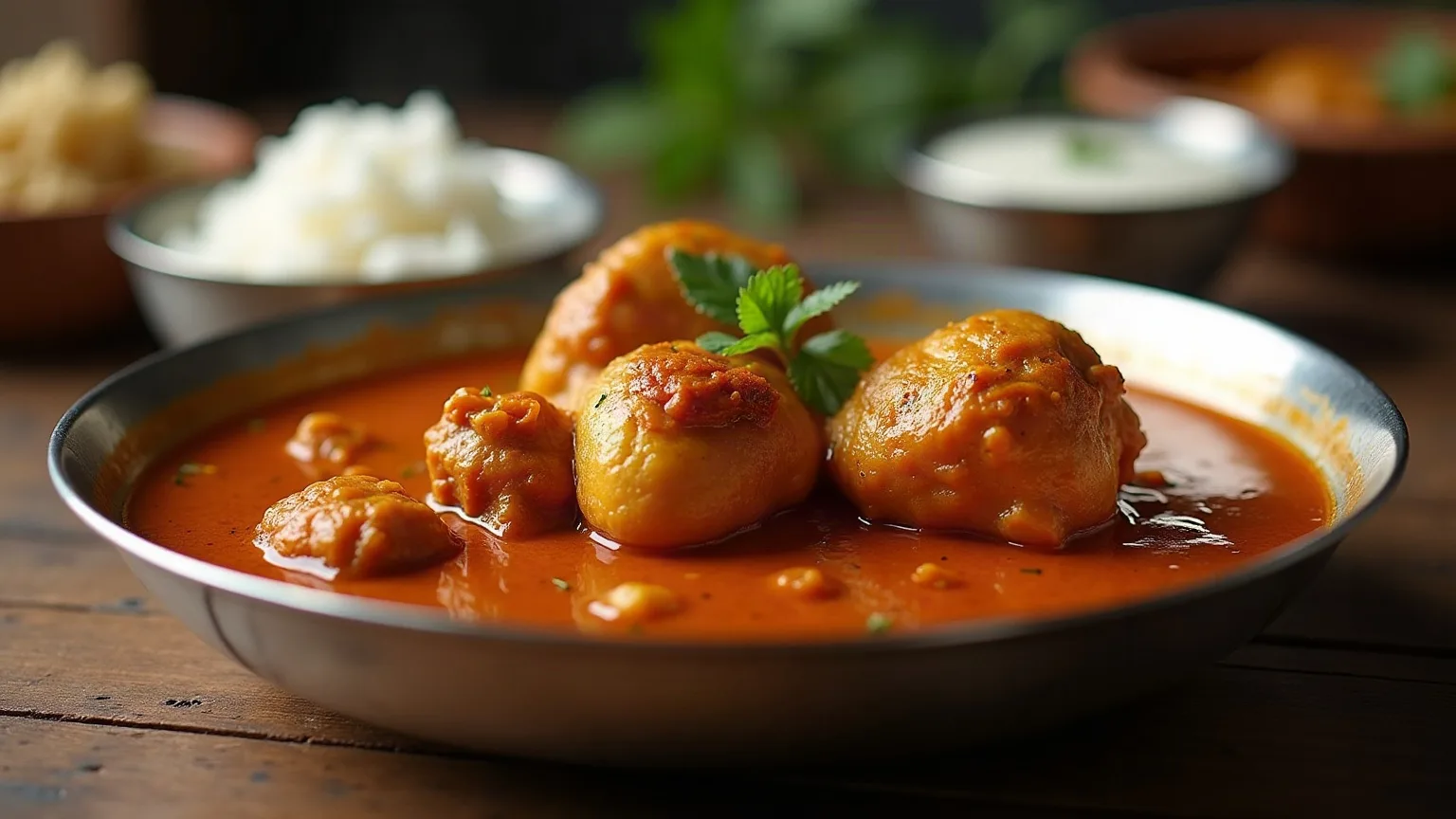
Chicken curry
Frying the spices in fat is not a step but half the recipe: their aromas dissolve in oil and not in water.…
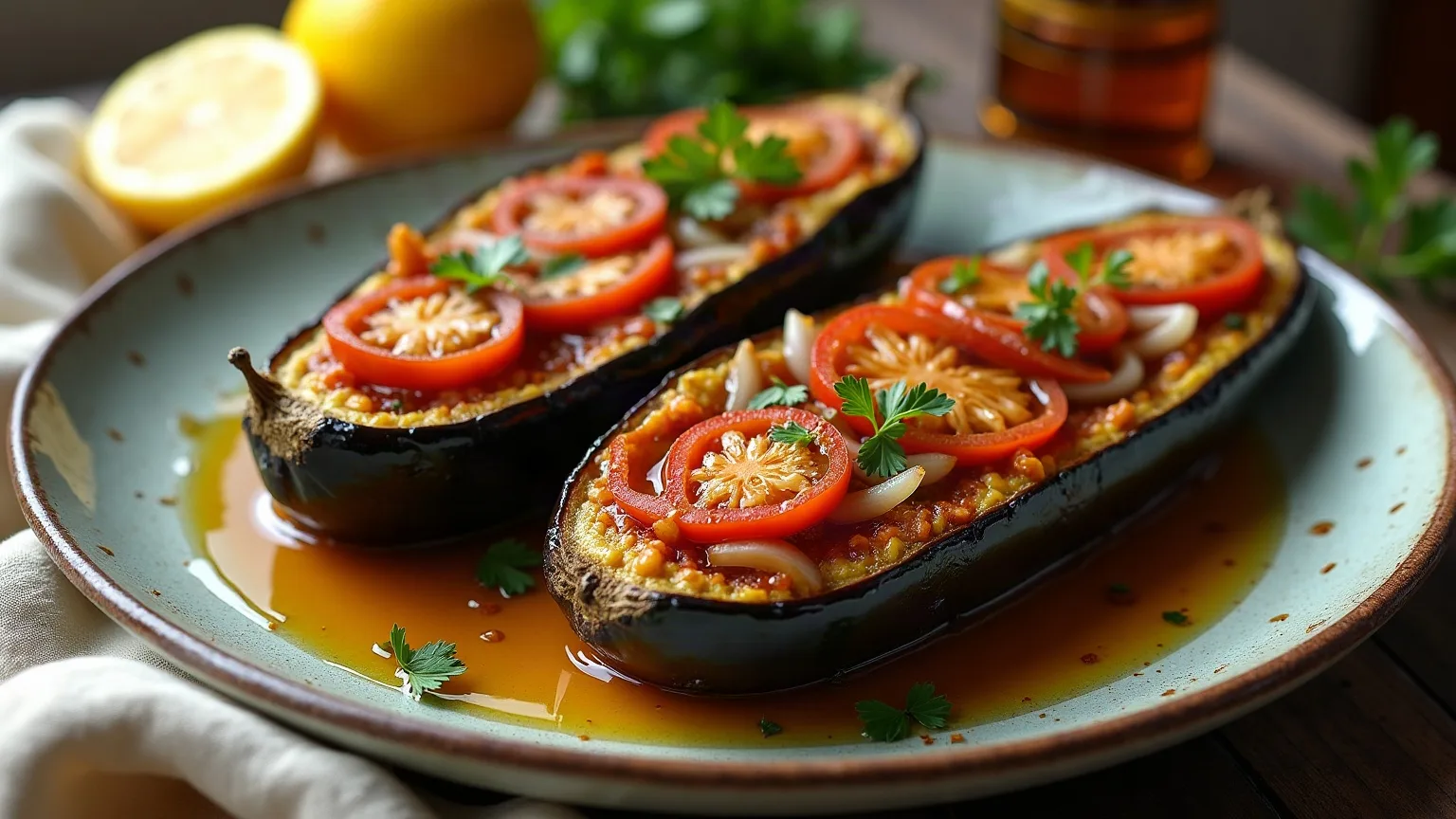
İmam bayıldı
Karnıyarık’s sibling: no meat, olive oil, eaten cold. The quantity of onion is not excessive — this is a dish about onio…
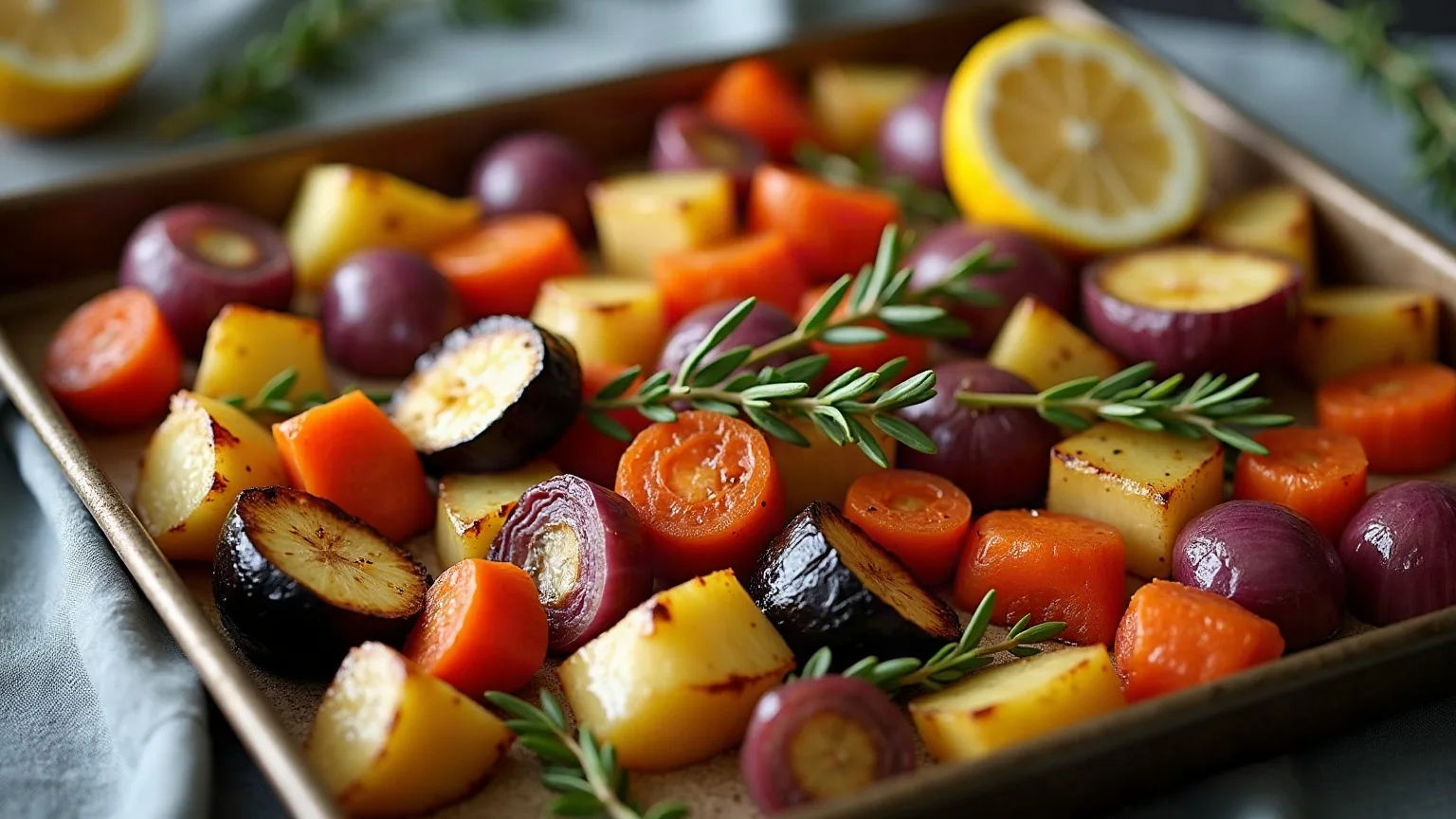
Tray-roasted vegetables
A vegetable that does not fit on the tray does not roast, it steams. Using two trays instead of one is the only trick in…