
Spaghetti with fresh tomato sauce
Fresh tomatoes, garlic, olive oil and basil. With ripe summer tomatoes, a fifteen-minute sauce — and reducing the tomato water by half is what makes it cling.
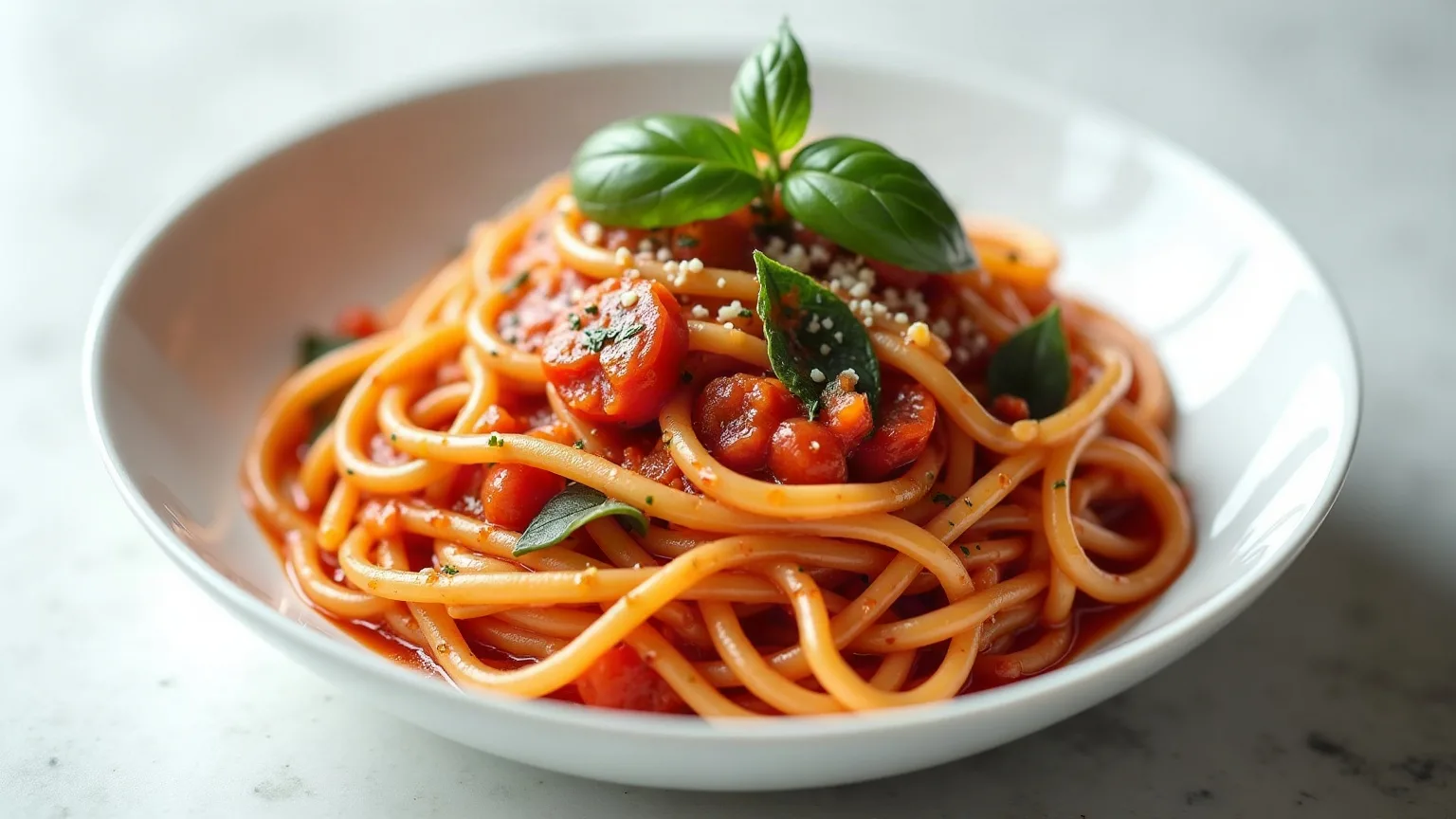
Pasta and noodles · Italian · Under 30 minutes · Vegan · Seasonal
- Preparation
- 10 min
- Cooking
- 18 min
- Difficulty
- Easy
- Cost
- Cheap
- Season
- Summer
Southern Italy’s pomodoro. Tomato flavour comes with ripeness: a July-to-September field tomato carries close to twice the sugar of a winter greenhouse one. In winter, whole tinned tomatoes give the better result.
Method
- Halve the tomatoes and grate them cut side down; the skin stays in your hand.
- Slice the garlic thin.
You will need: A pot · A wide frying pan · A grater
-
Warm the garlic in the olive oil on a low flame for one to two minutes, without colour.
Look for It should smell strongly and not change colour.
Why Garlic turns bitter above 160 °C; on a low flame it gives its aroma to the oil.If you want a crust, do not stay under 140 °C. Food cooks at this heat but never colours.
-
Add the grated tomato and the sugar and cook on a medium flame, stirring now and then, for 12–15 minutes, until reduced by half.
Look for The sauce thick, a spoon line stays open, and oil glints at the edge.
Why Tomato is 93–95% water; halving it concentrates the flavour and lets the sauce coat. Sugar only if the tomatoes are sour: a pinch balances the acid.If it went wrong
If it starts catching, pour it into another pan without scraping; leave the scorched layer behind.
Starch gelatinised The granules soaked up water, swelled and burst into a network. It has thickened, and it will firm further as it cools. no way back
-
Boil the spaghetti in 3 litres of salted water one minute short of the packet time; keep a ladle of water and drain.
Look for A thin white line in the middle.
Why The last minute is spent in the sauce, where the starch binds it.Starch gelatinised The granules soaked up water, swelled and burst into a network. It has thickened, and it will firm further as it cools. no way back
A gluten web is forming Gliadin and glutenin hydrated into an elastic net. This is what will hold the gas. no way back
Too much starch. It will set into a rubbery gel once cool — add more liquid.
-
Add the spaghetti to the sauce with half the ladle and toss for a minute; off the heat, tear in the basil.
Look for The sauce clinging, with no pool in the pan.
Why Basil aroma is volatile and fades after a minute of heat, so it goes in last.Starch gelatinised The granules soaked up water, swelled and burst into a network. It has thickened, and it will firm further as it cools. no way back
A gluten web is forming Gliadin and glutenin hydrated into an elastic net. This is what will hold the gas. no way back
Too much starch. It will set into a rubbery gel once cool — add more liquid.
If you want a crust, do not stay under 140 °C. Food cooks at this heat but never colours.
This recipe was run through the engine step by step — what goes in when, and at what temperature and for how long. The reactions above come from that run.
peak 120 °C · 26 minutes · engine 1.0.0 · confidence low
After the heat goes off
Straight away, with a swirl of olive oil.
The sauce four days; with the pasta, two.
In a covered pan with a spoon of water.
The sauce, without basil, freezes three months.
The sauce goes into menemen or şakşuka.
Suitable from ten months: cut the spaghetti short and boil a baby’s share in unsalted water. The sauce itself has no salt.
- Boiling & poaching The method this recipe rests on
- Tomato What it does in heat, water and acid
- Pasta What it does in heat, water and acid
- Olive oil What it does in heat, water and acid
- Pasta with tomato paste Similar method, or something that sits on the same table
- Pasta with minced meat Similar method, or something that sits on the same table
- Tomato soup Similar method, or something that sits on the same table
- Under 30 minutes Other recipes that answer the same need
- Vegan Other recipes that answer the same need
- Seasonal Other recipes that answer the same need
What it tastes like
The axes that define this recipe: sweet 29.
This profile is computed rather than measured: the role-weighted average of its ingredients’ taste vectors, shifted by what the cooking does. The thin line is the database average on that axis.
Closest in taste
Not hand-picked: ranked by distance across the eight taste axes.
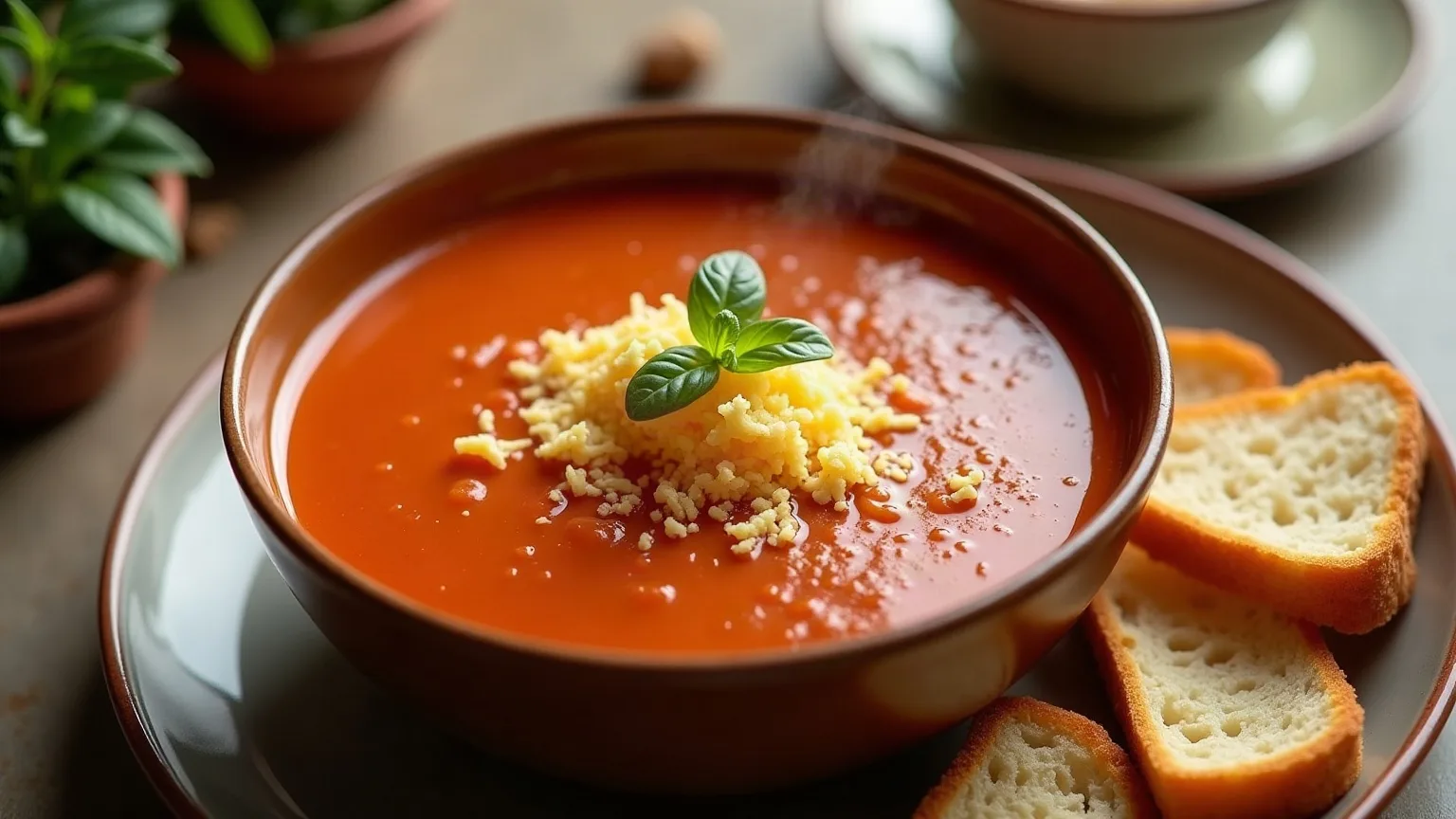
Tomato soup
The taste of this soup is the taste of the tomato, which means a bad tomato cannot make a good one. In winter use paste …
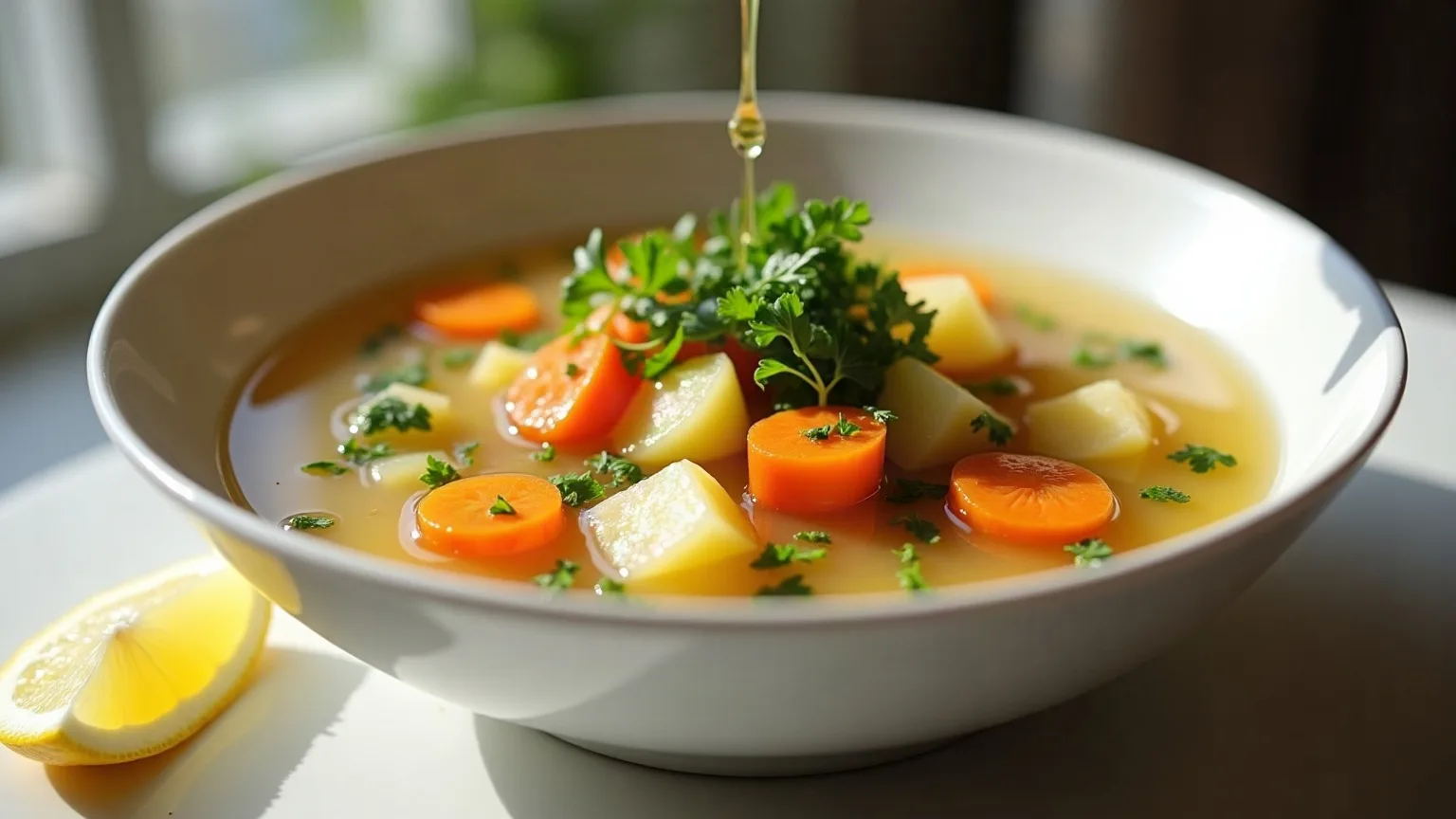
Vegetable soup
Throwing everything in at once is easy and wrong. These vegetables differ twofold in cooking time, and knowing the order…
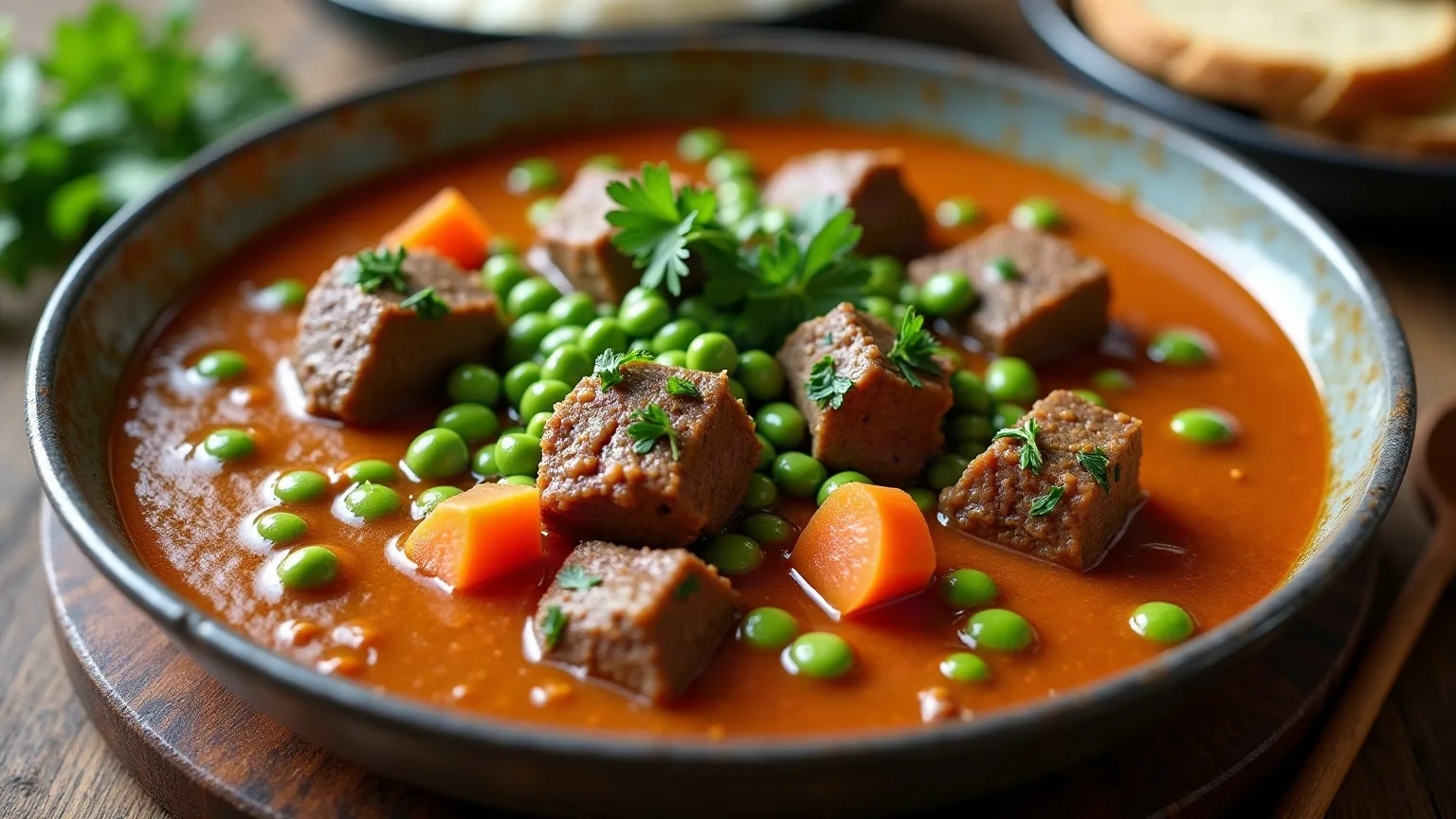
Lamb and pea stew
The peas go in last. Boiled with the meat from the start they lose both their colour and their texture.…
Bulgur pilaf
Bulgur does not cook, it takes up water. It is wheat that has already been boiled, so what matters is not the time on th…