
Scaled to however many of you there are.
Change the headcount and the amounts follow. Salt and spice do not scale in a straight line, and we account for that.
A recipe is how you make a thing: the amounts, the order, the timing and where it goes wrong. The dish pages explain what that thing is — where it comes from, the mechanism behind it, and why skipping one step makes it something else. One stays open in the kitchen; the other is read when you wonder.
32 of 117 recipes. Clear the filter
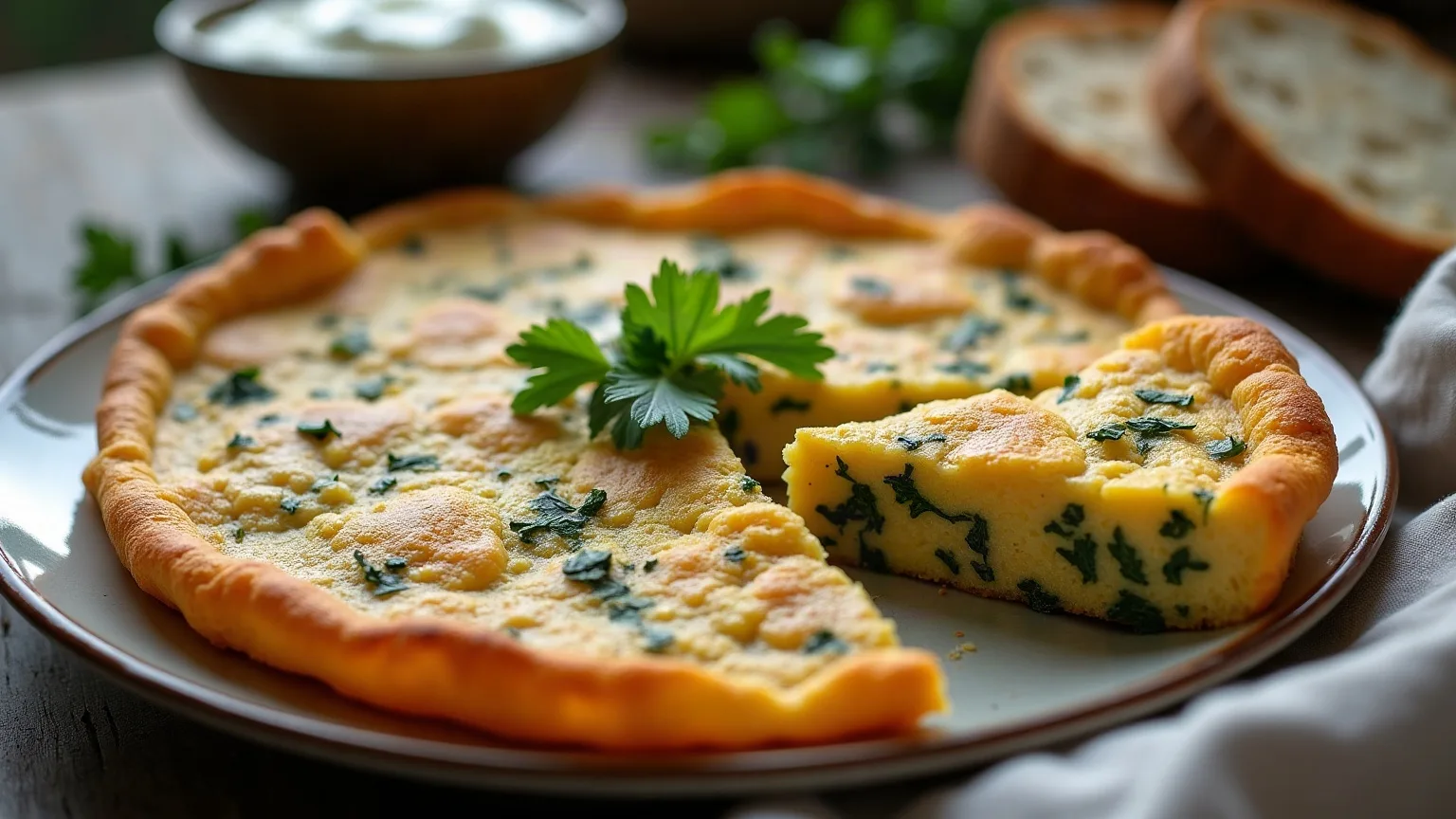
Kaygana
The Black Sea’s herb omelette, bound with flour. The flour holds the egg into a sheet that folds instead of breaking.
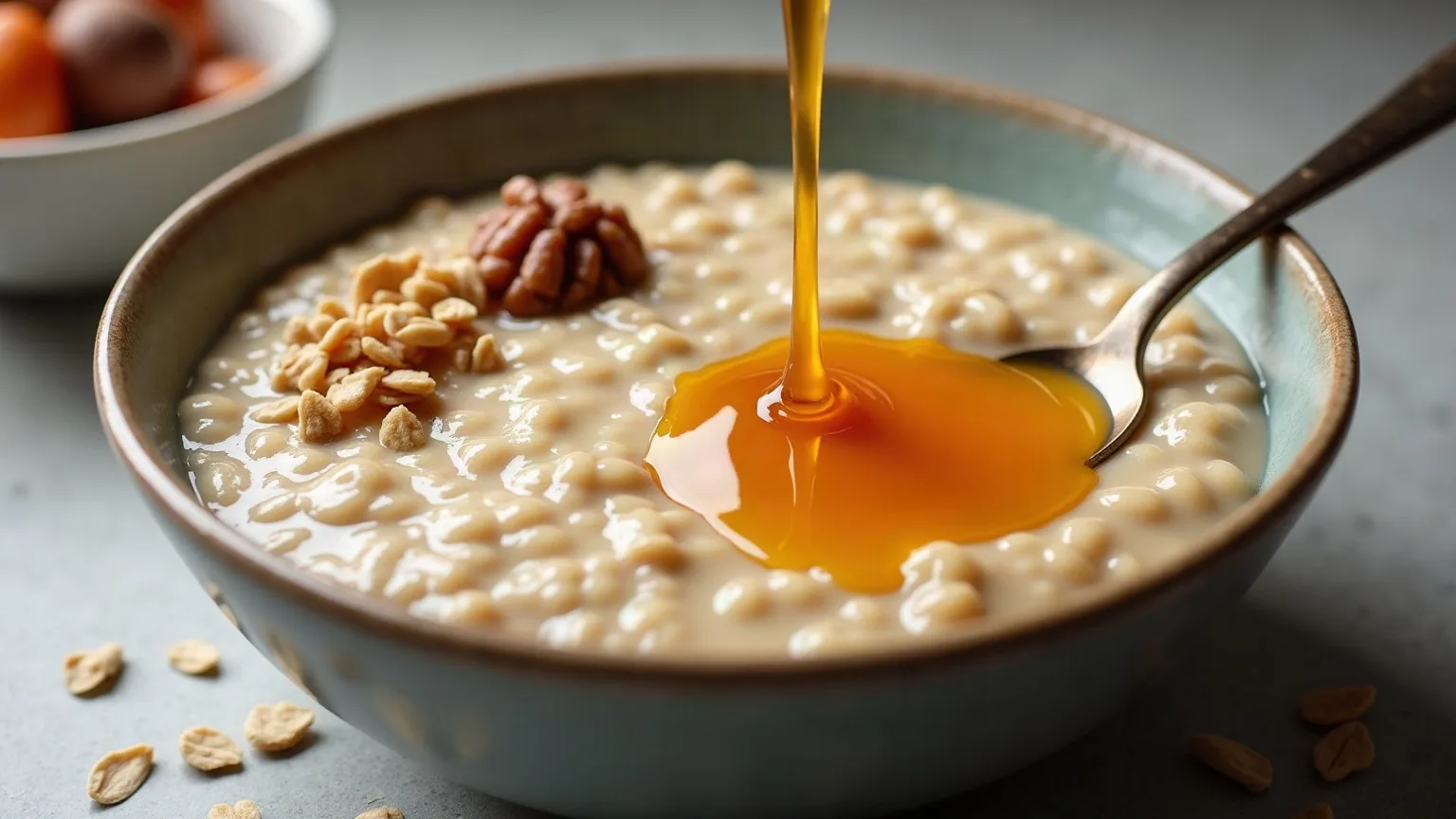
Porridge
Five minutes, of which the first one decides everything: the oats go into cold liquid, never into boiling.
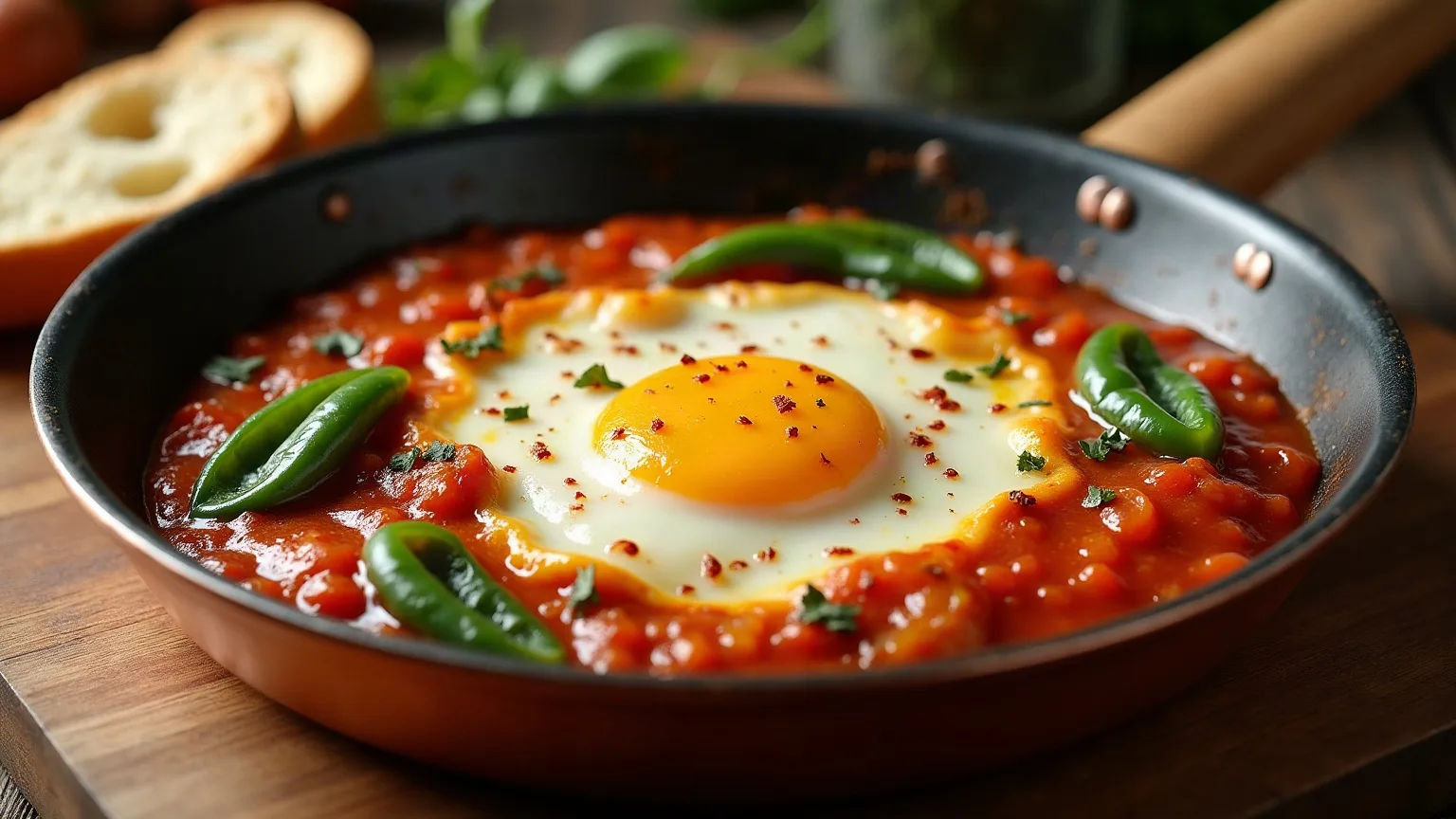
Menemen
Pepper, tomato and egg. Know the order and the heat and it takes fifteen minutes; miss them and you get a watery omelette.

Fried eggs in butter
Eight minutes and one number: the butter must not pass 150 °C.
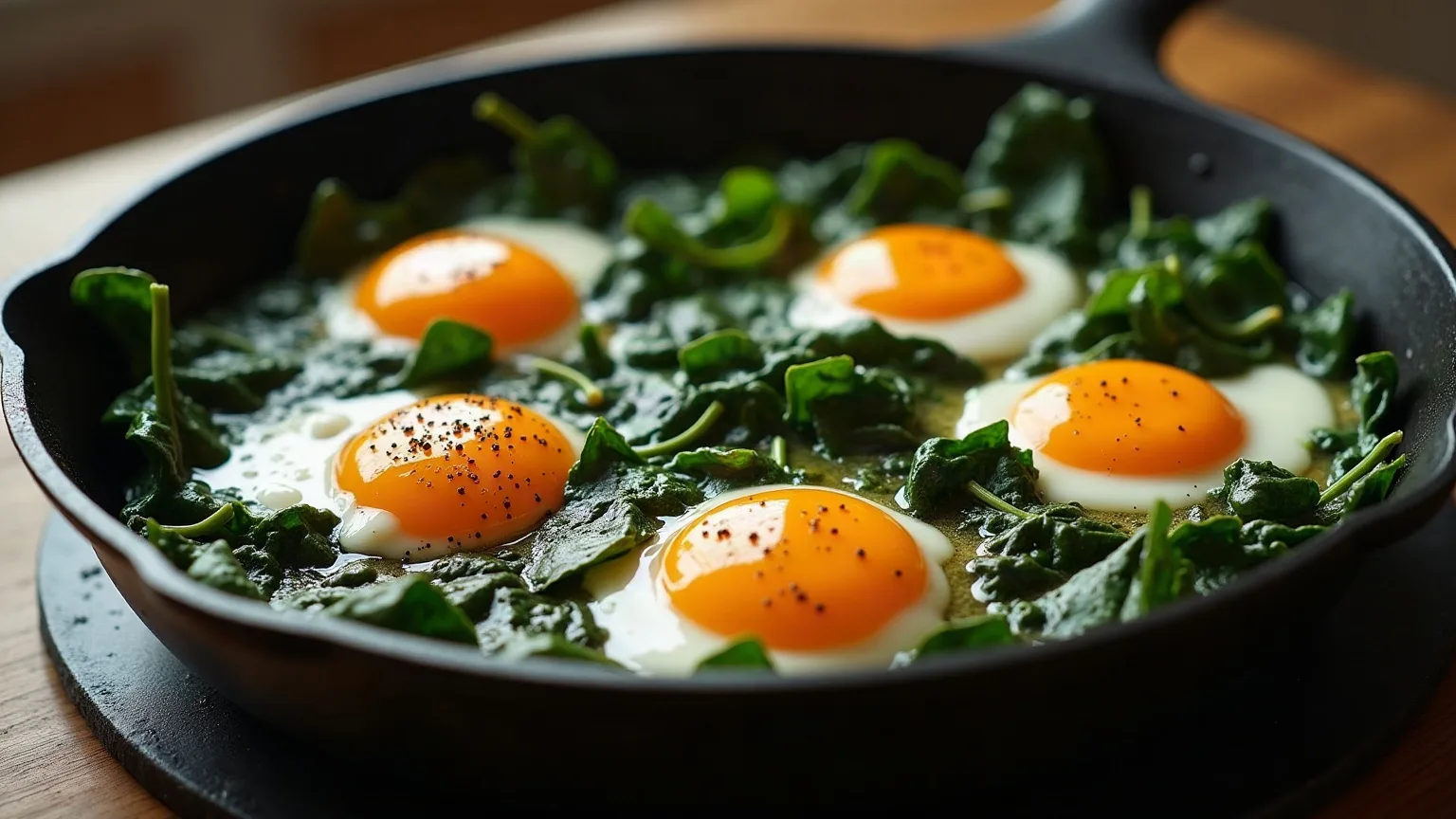
Spinach and eggs
Crack the eggs before the spinach has given up its water and a green puddle collects on the plate.
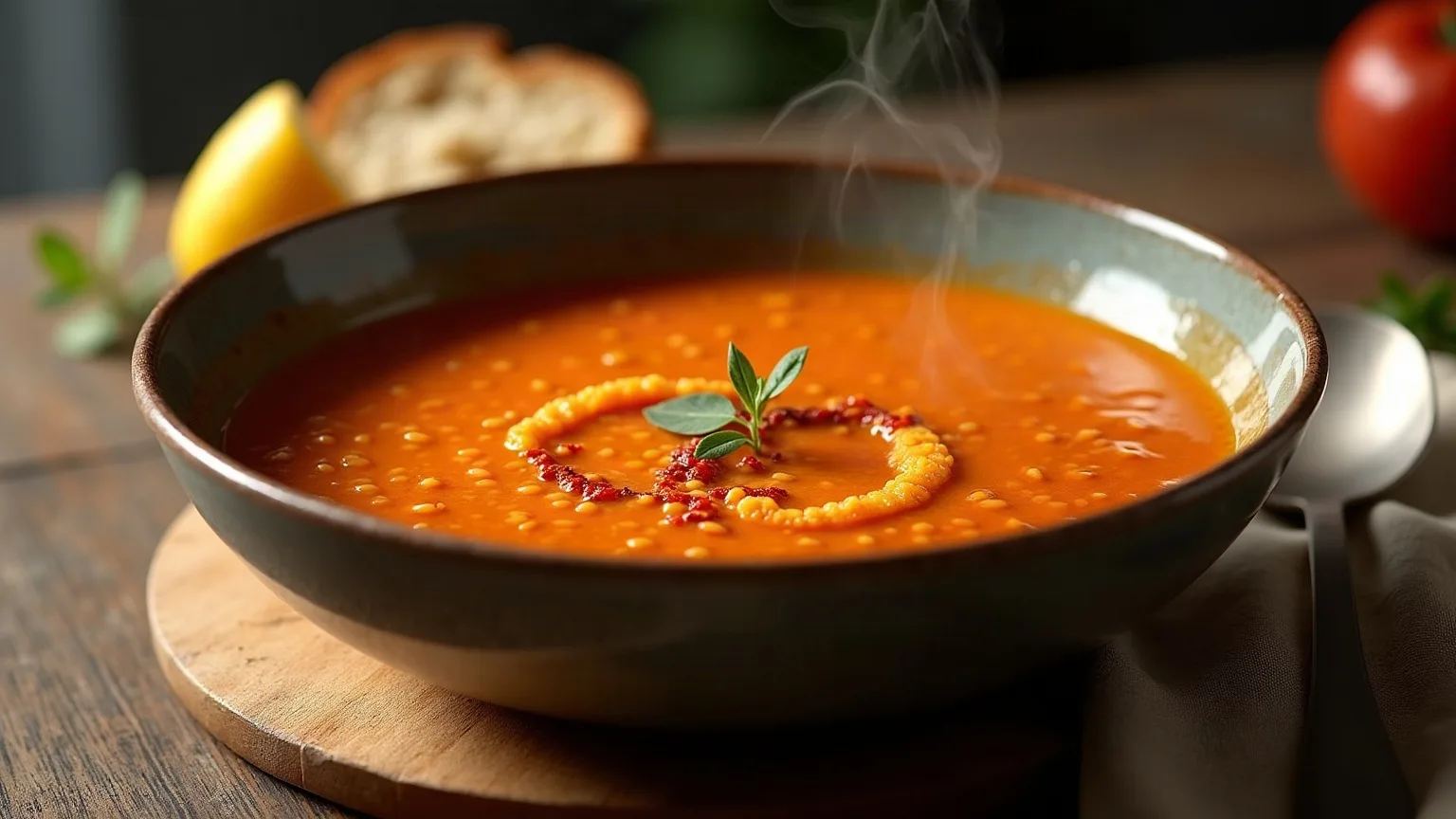
Red lentil soup
Turkey’s default soup. Four ingredients, thirty-five minutes and one rule: the lemon is squeezed at the table.
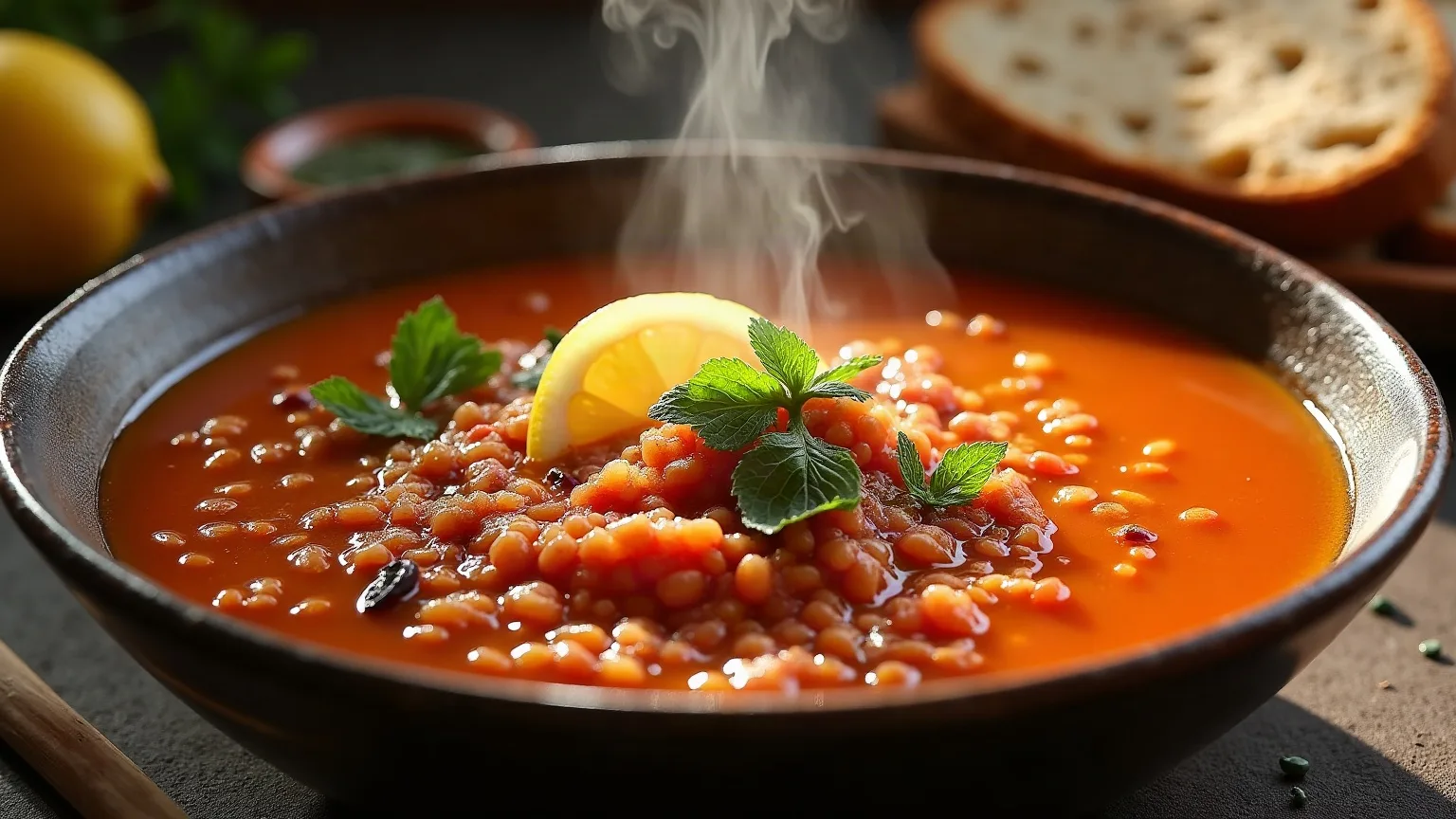
Ezogelin soup
The lentil soup’s cousin, with bulgur, tomato paste and mint. The difference is one step: the paste is fried in the fat.
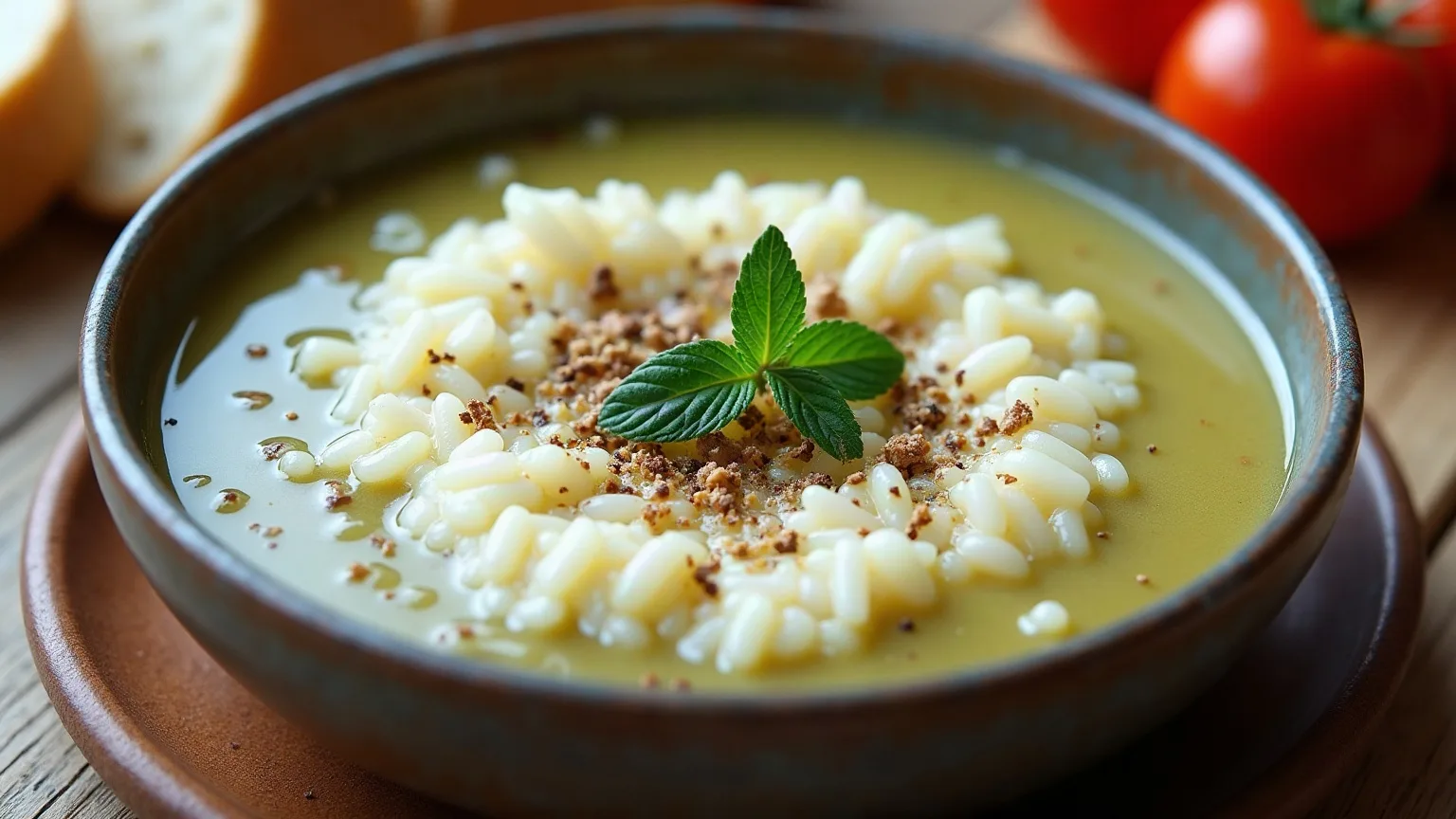
Yoghurt and rice soup
Every yoghurt soup has the same single problem: splitting. The answer is not the flour and the egg but the way the temperature is raised.

Tarhana soup
A yoghurt-and-vegetable mixture fermented through a summer, dried and powdered. Ten minutes to a soup — at the end of a year’s work.
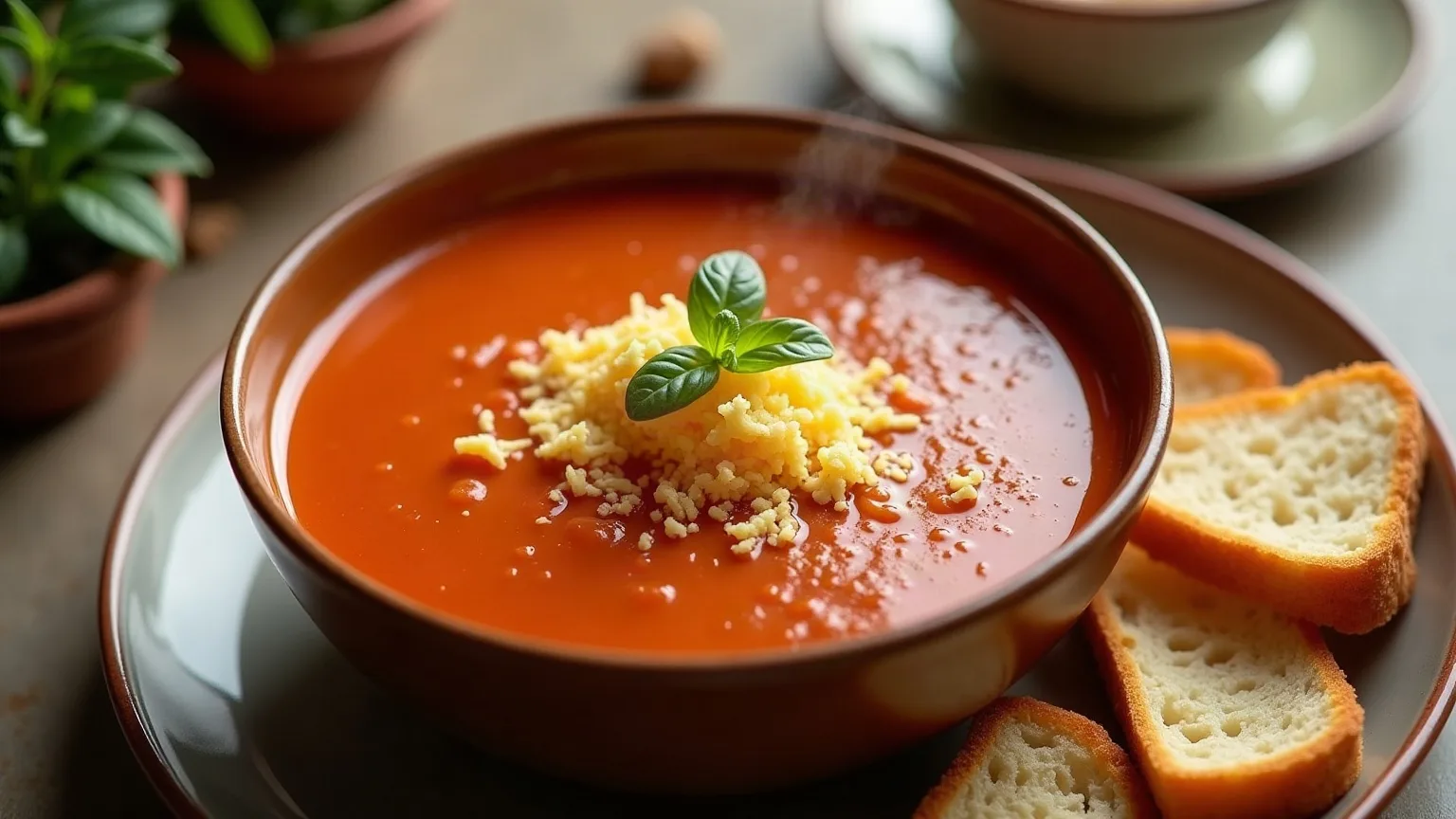
Tomato soup
The taste of this soup is the taste of the tomato, which means a bad tomato cannot make a good one. In winter use paste and wait for the season.
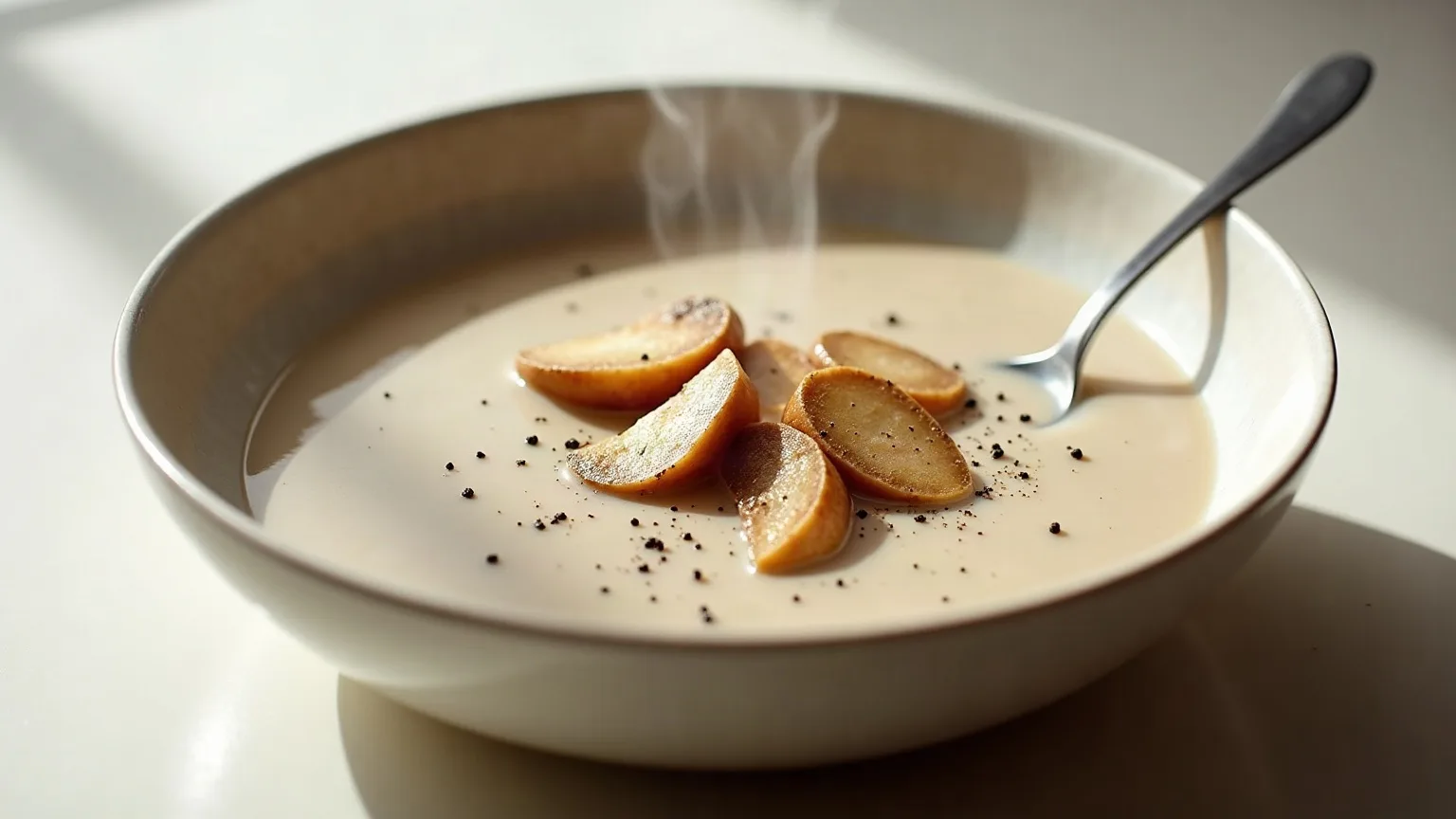
Mushroom soup
Mushrooms taste of something once they have browned. Dropped straight into water they give a soup colour and no flavour.
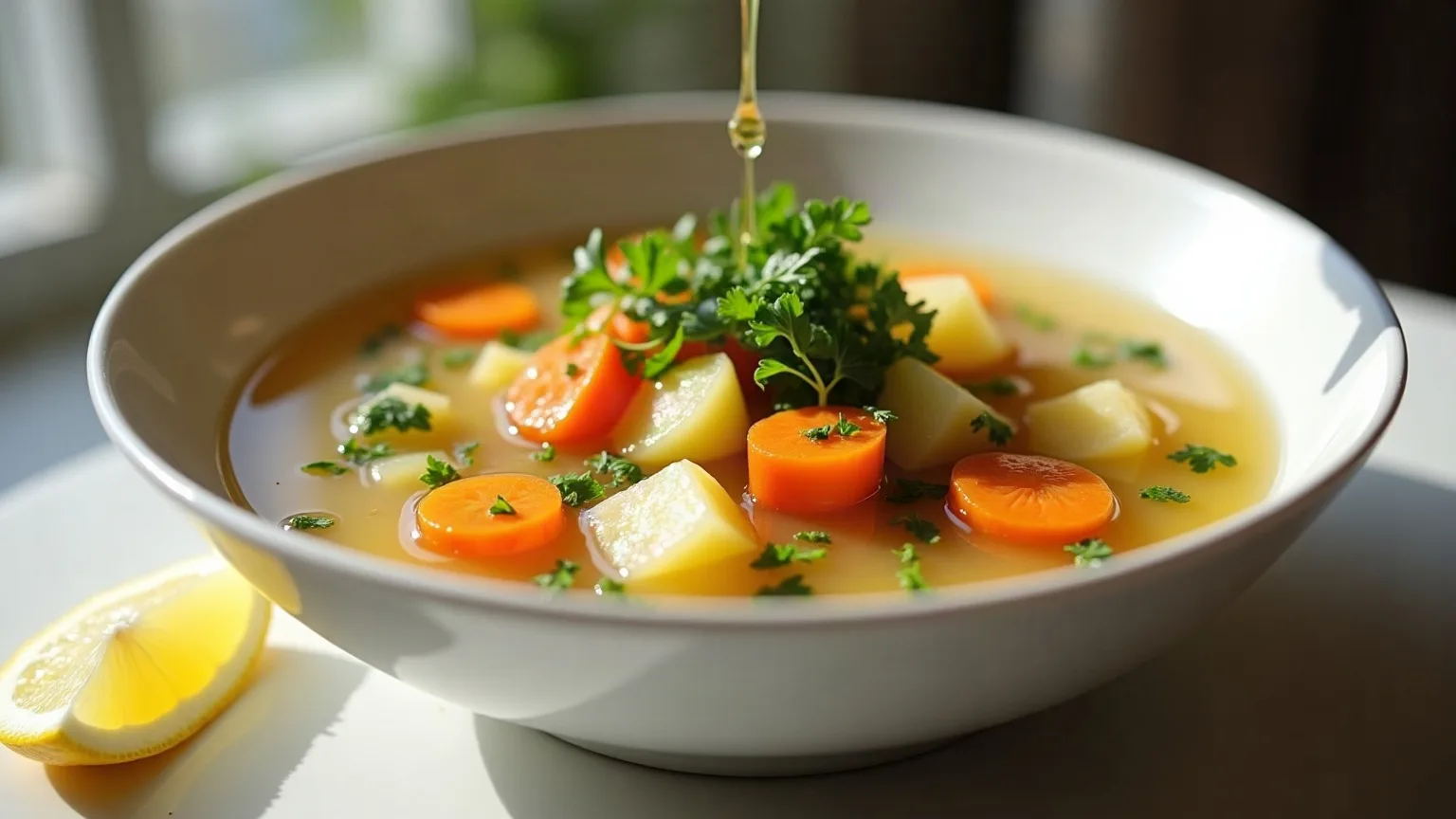
Vegetable soup
Throwing everything in at once is easy and wrong. These vegetables differ twofold in cooking time, and knowing the order is the only skill involved.
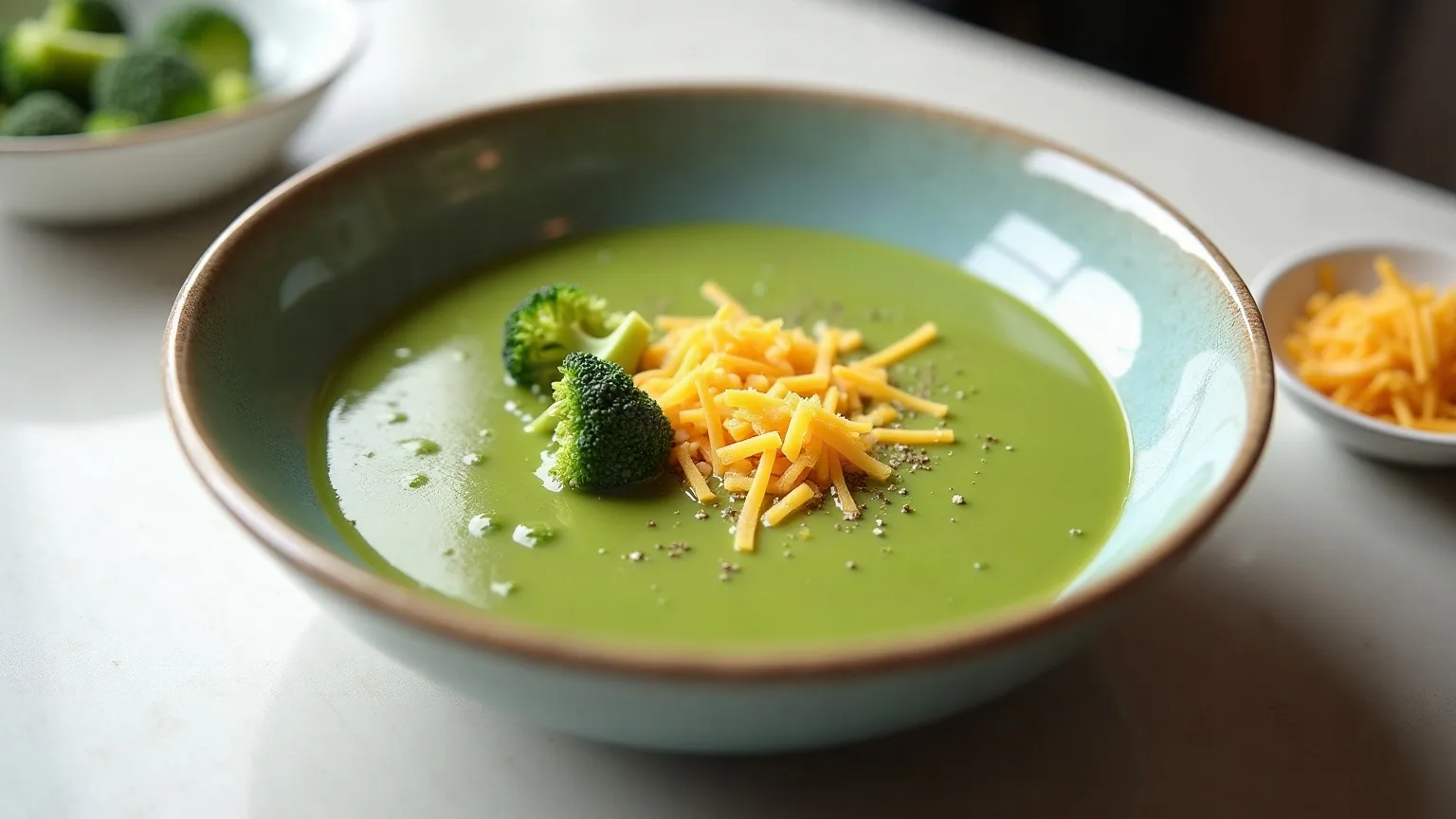
Broccoli soup
One rule for keeping it green: no lid, and not a minute over eight.
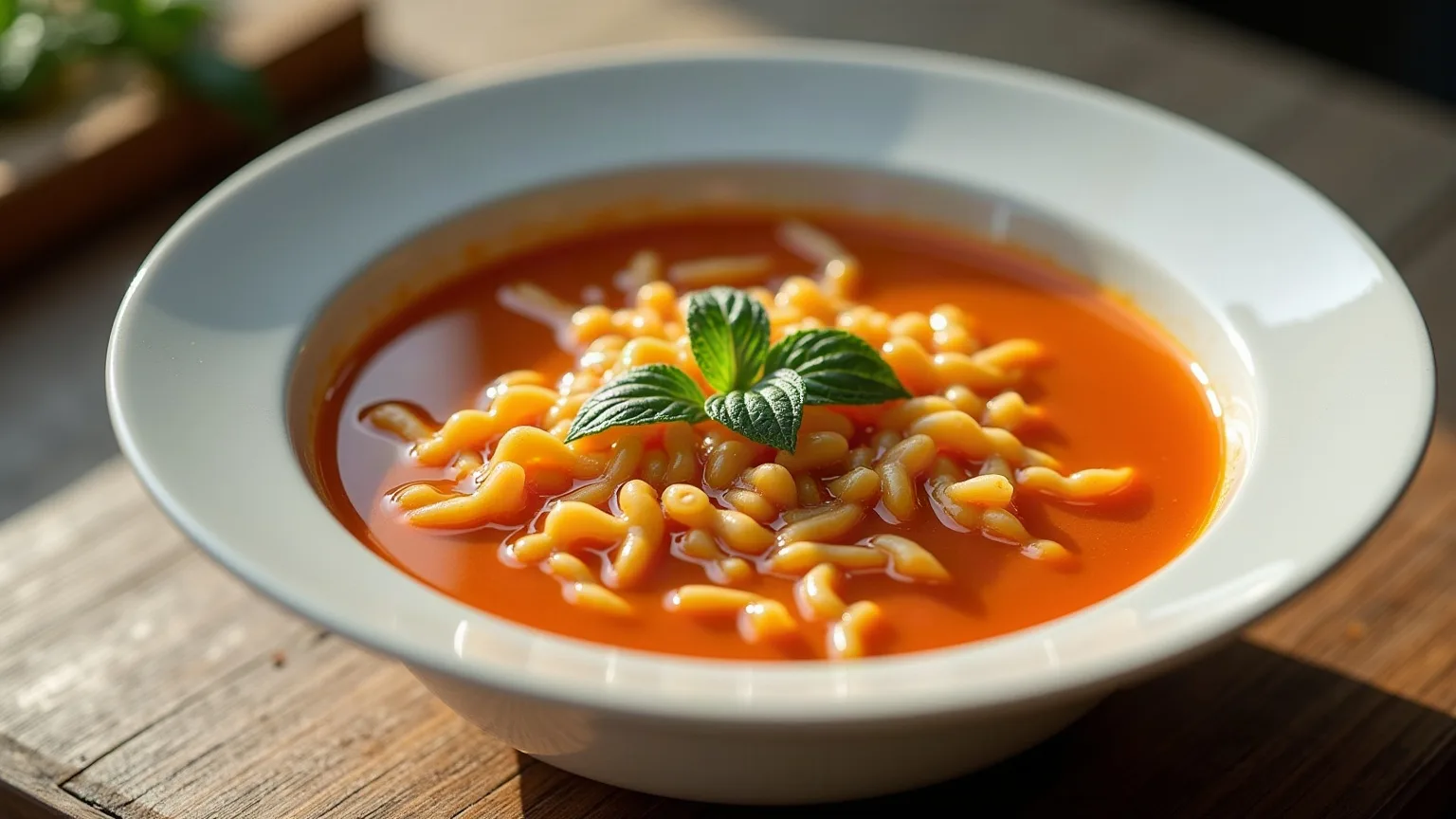
Vermicelli soup
A childhood soup and a fifteen-minute rescue. Toasting the vermicelli is the whole recipe.
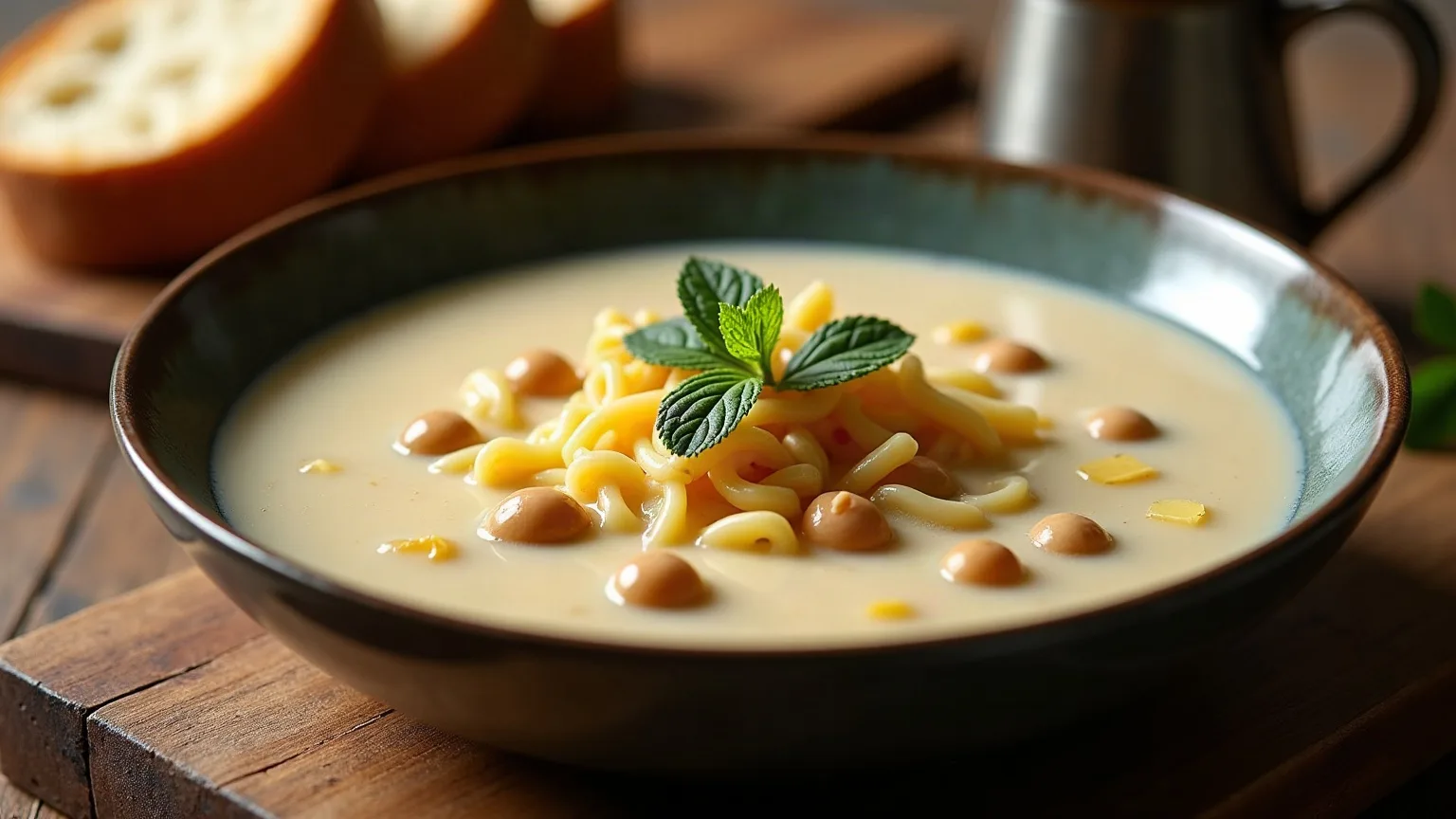
Tutmaç soup
Yoghurt, chickpeas and noodles cut into squares: a soup a thousand years old, named in Kaşgarlı Mahmud’s dictionary.

Flour soup
Three ingredients — flour, butter, water — and all of the flavour is in how long the flour is toasted.
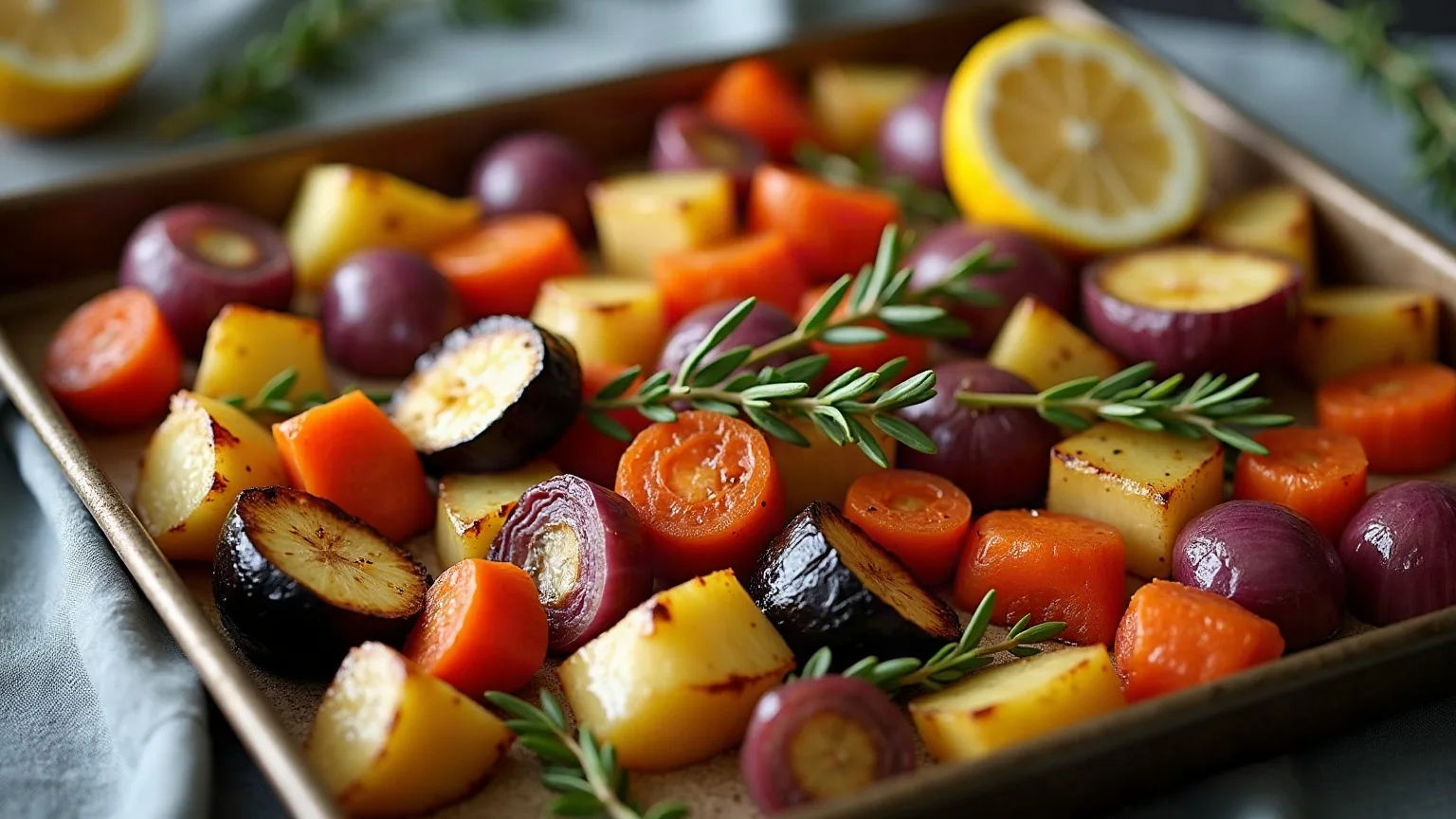
Tray-roasted vegetables
A vegetable that does not fit on the tray does not roast, it steams. Using two trays instead of one is the only trick in this recipe.
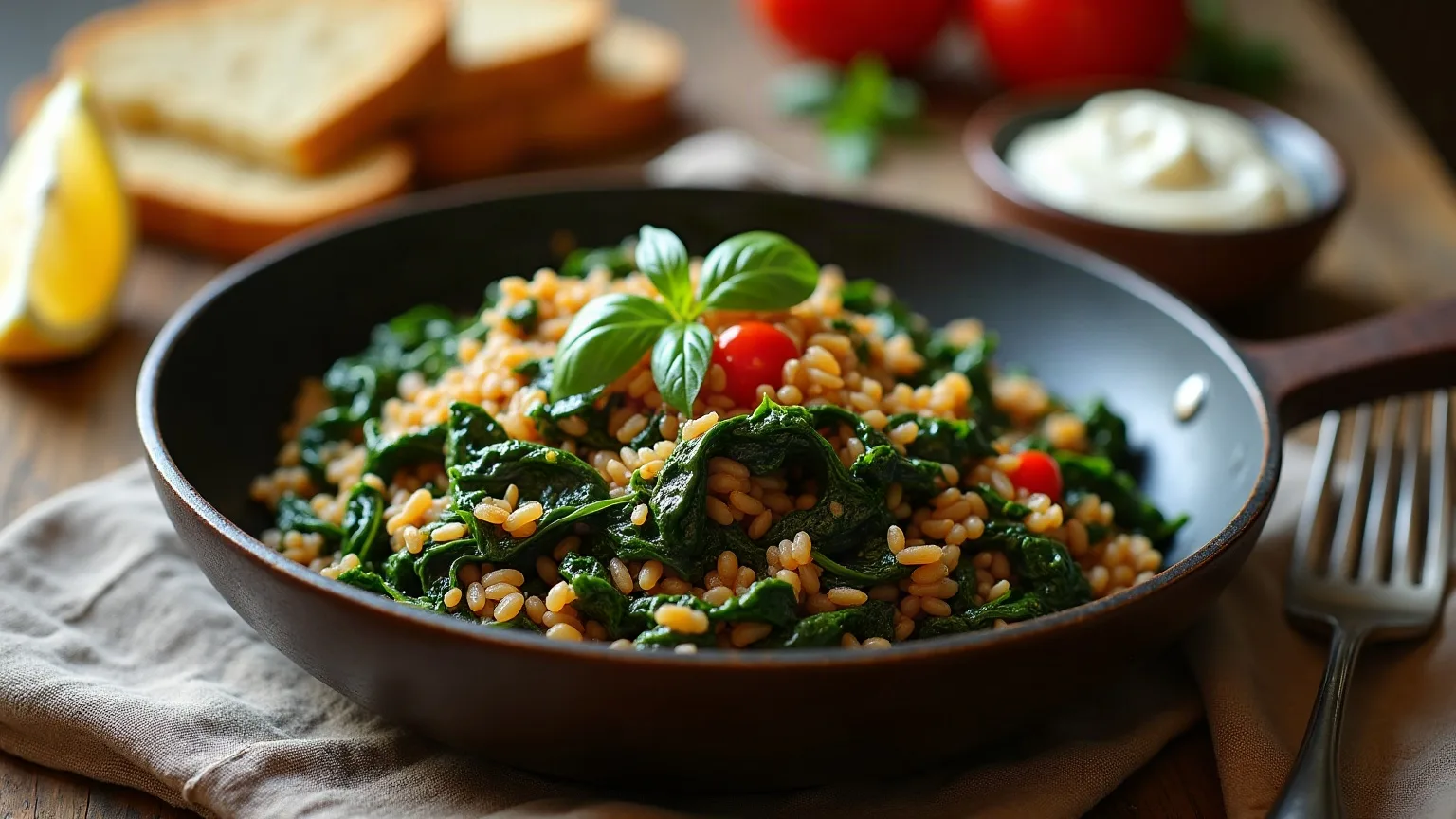
Spinach with rice
A kilo of spinach cooks down to a handful, which is why the size of the pan is part of the recipe.
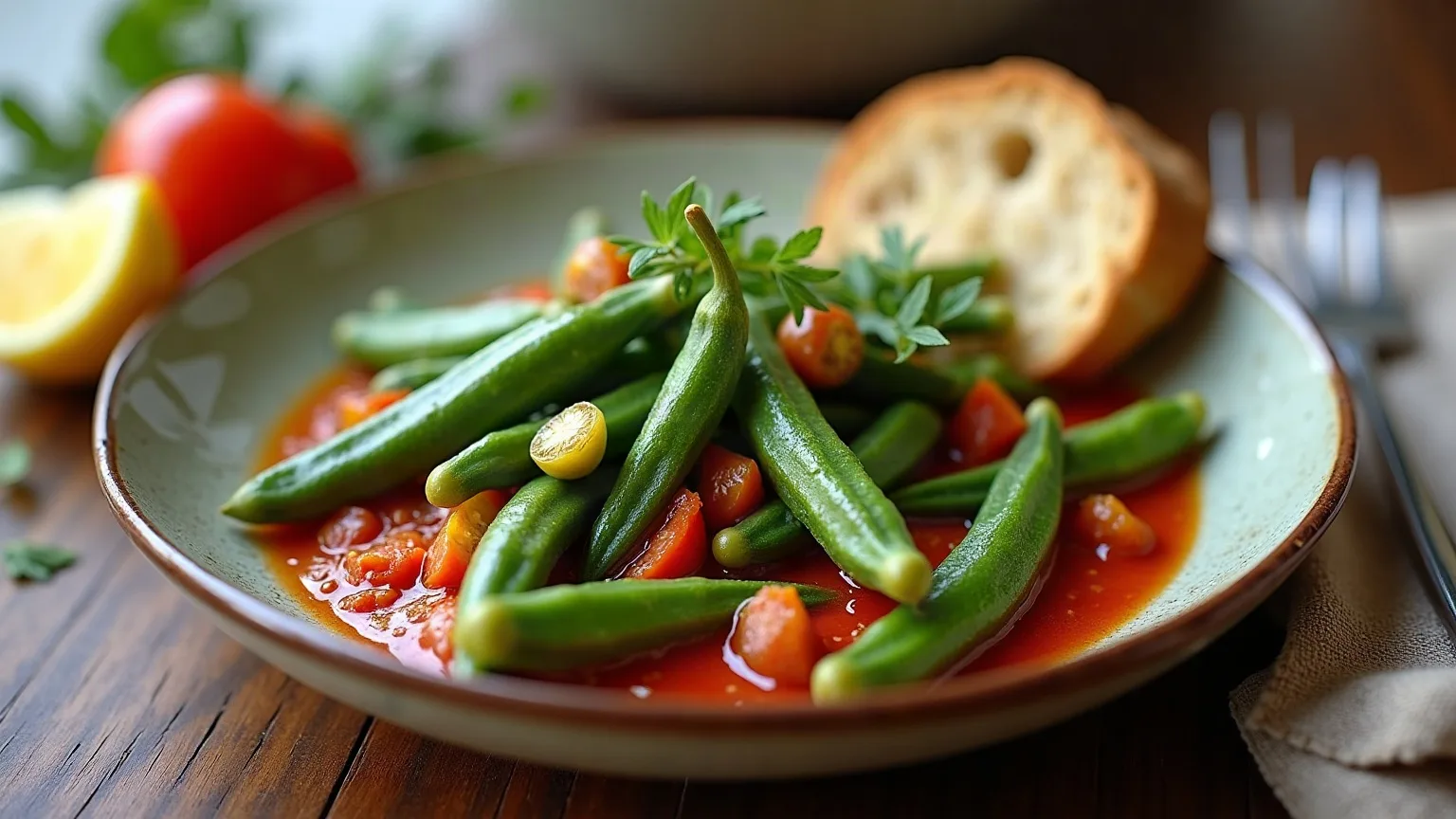
Okra in olive oil
Okra goes slimy for one reason: it was cut. Cooked without breaching the pod, it does not go slimy at all.
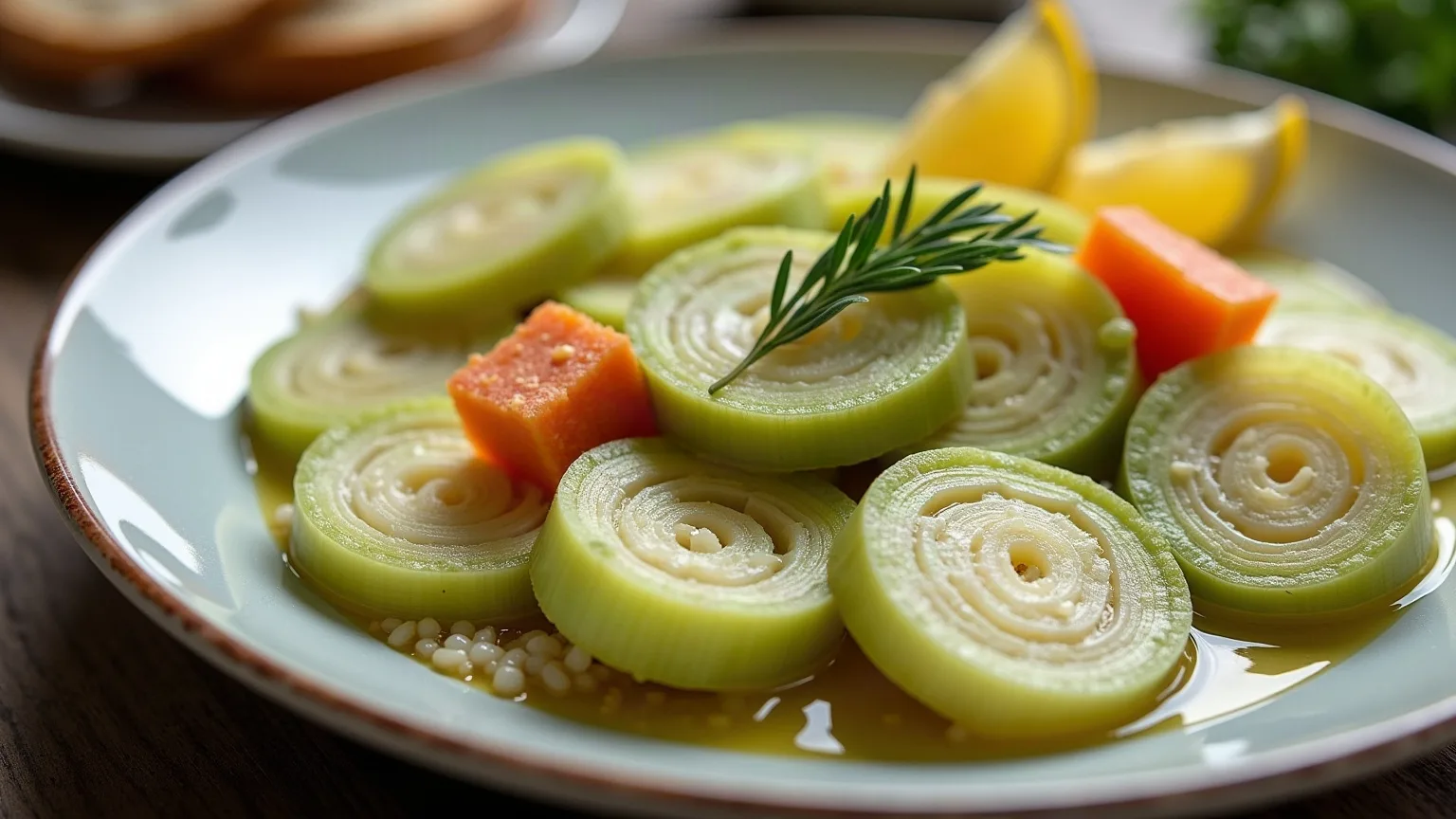
Leeks in olive oil
Leek grit hides between the layers and rinsing does not reach it: it has to be cut first and soaked after.
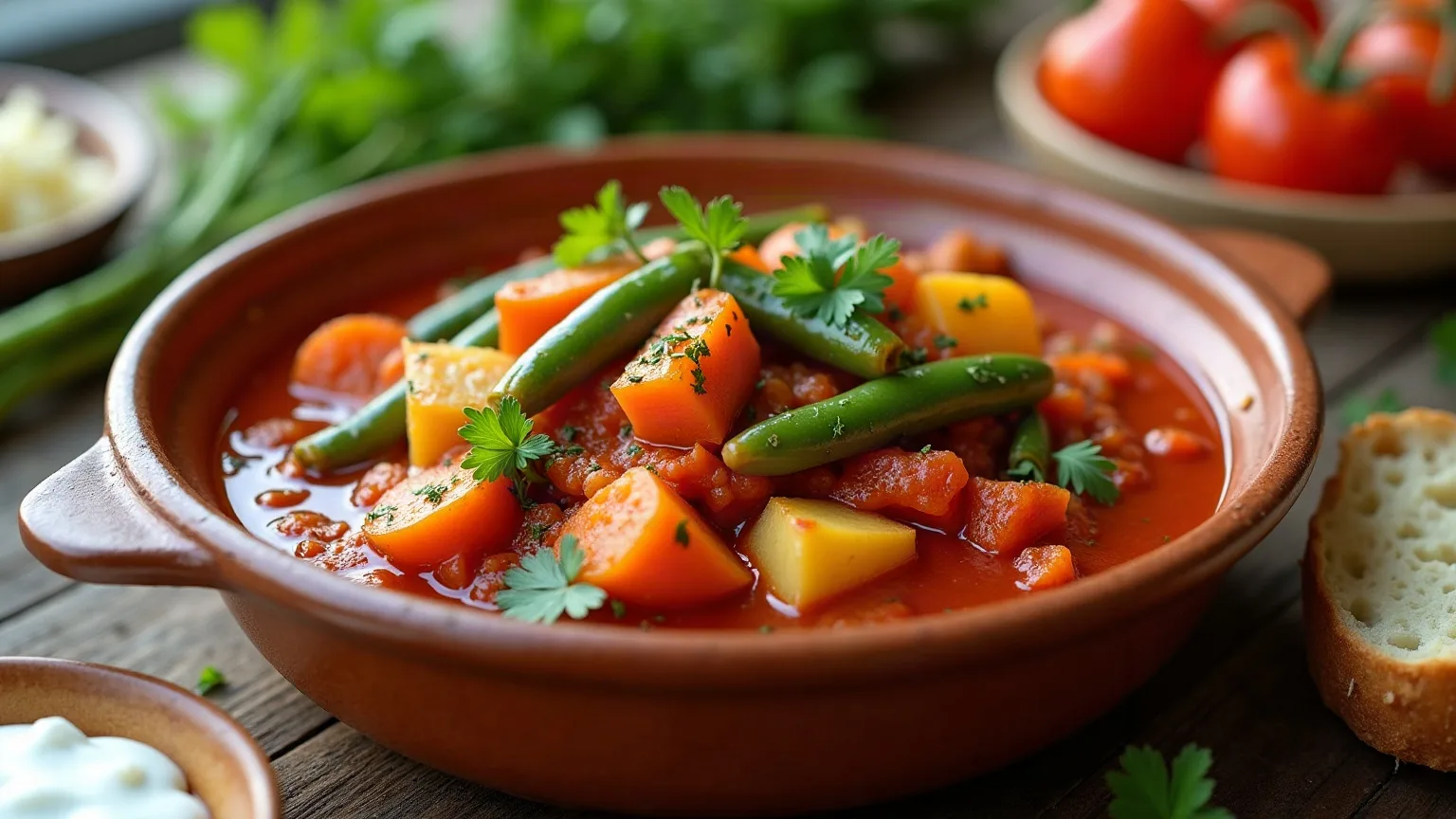
Türlü
The name means "all sorts" and the recipe means it: whatever is in the house goes in. The one rule is the order they cook in.
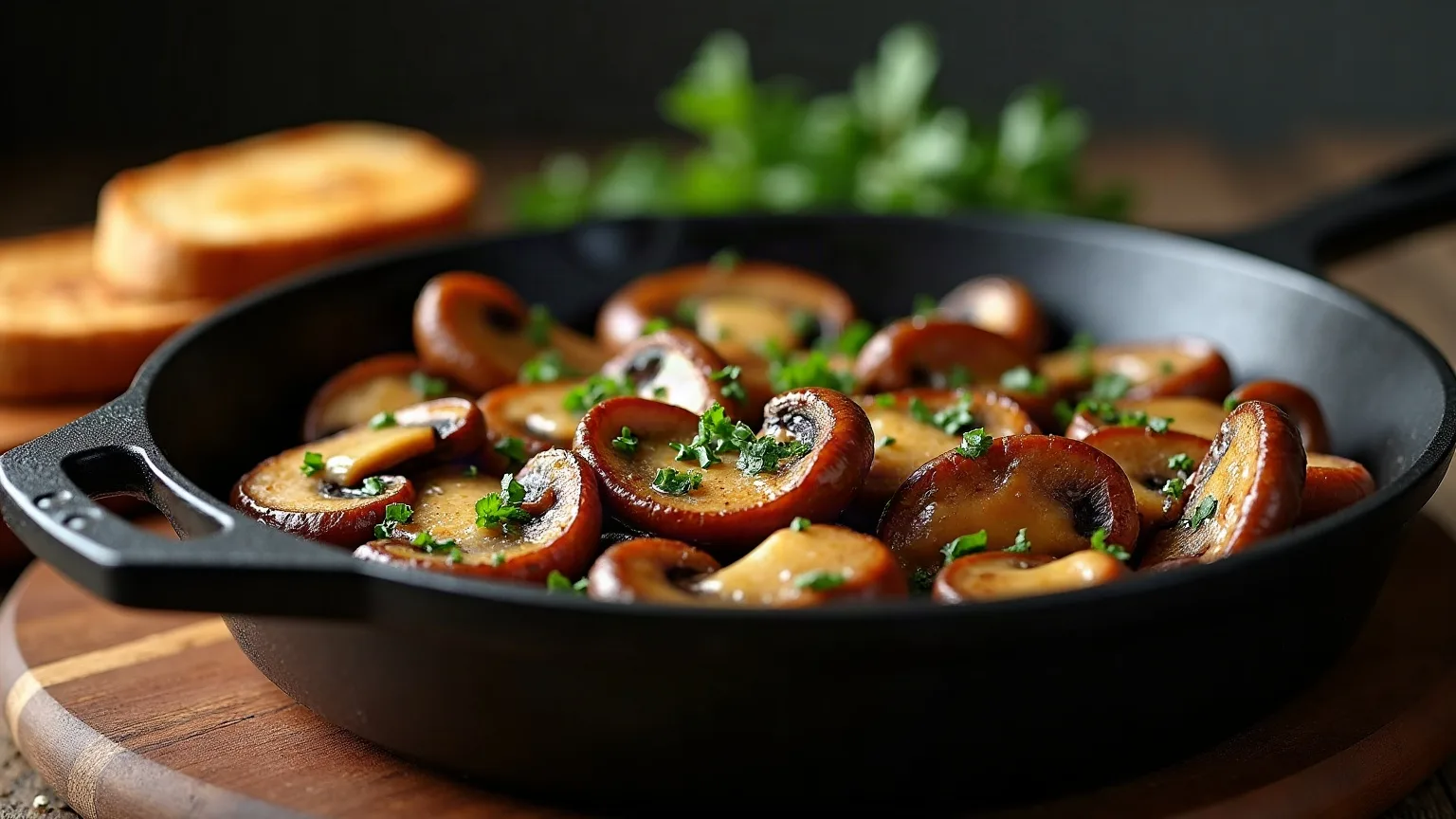
Sautéed mushrooms
Mushrooms are wiped, not washed. And the salt goes in last: early salt draws their water out and makes browning impossible.
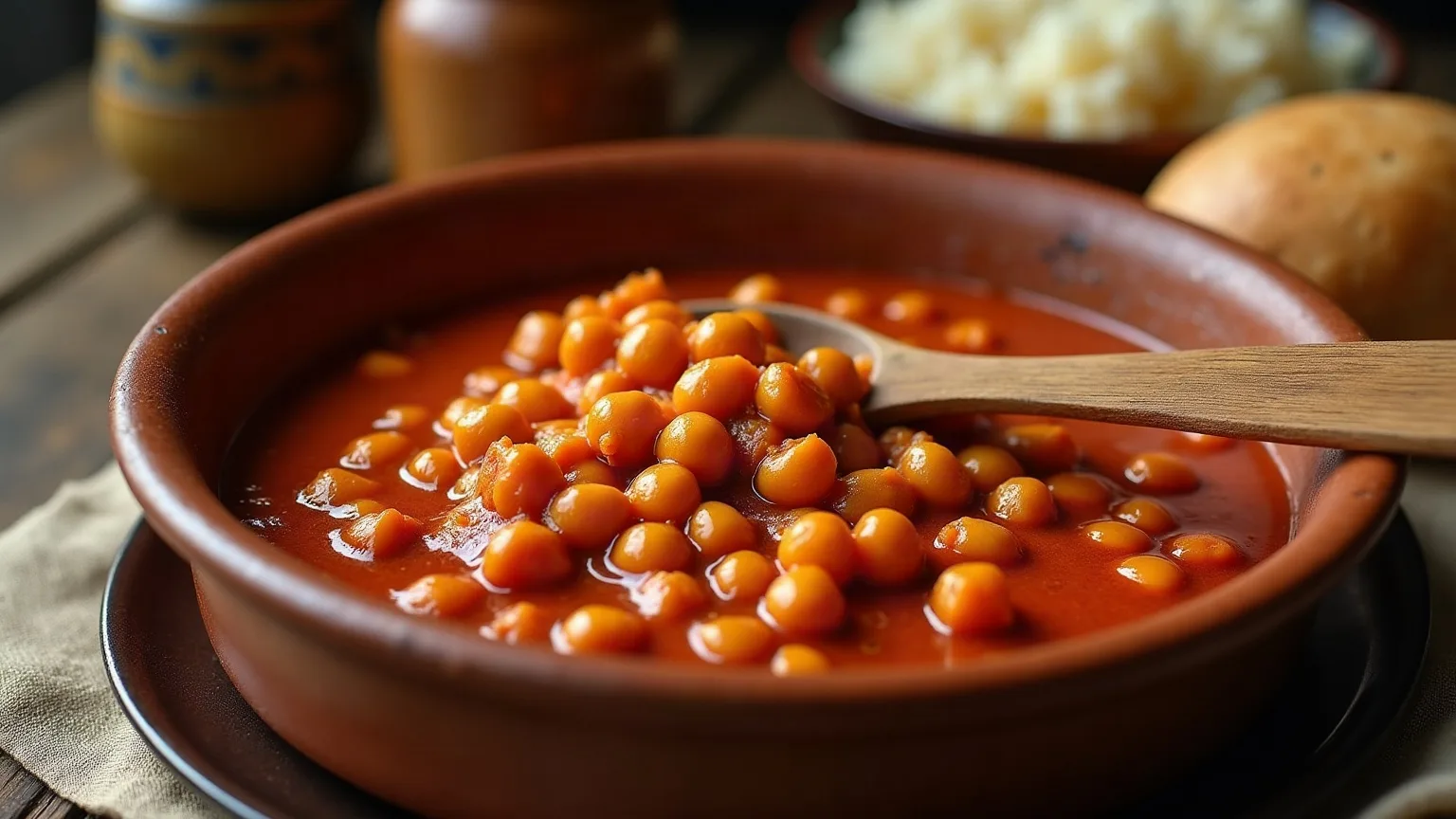
Chickpea stew
Dried chickpeas, tomato paste and olive oil — and a pinch of bicarbonate that halves the cooking time.
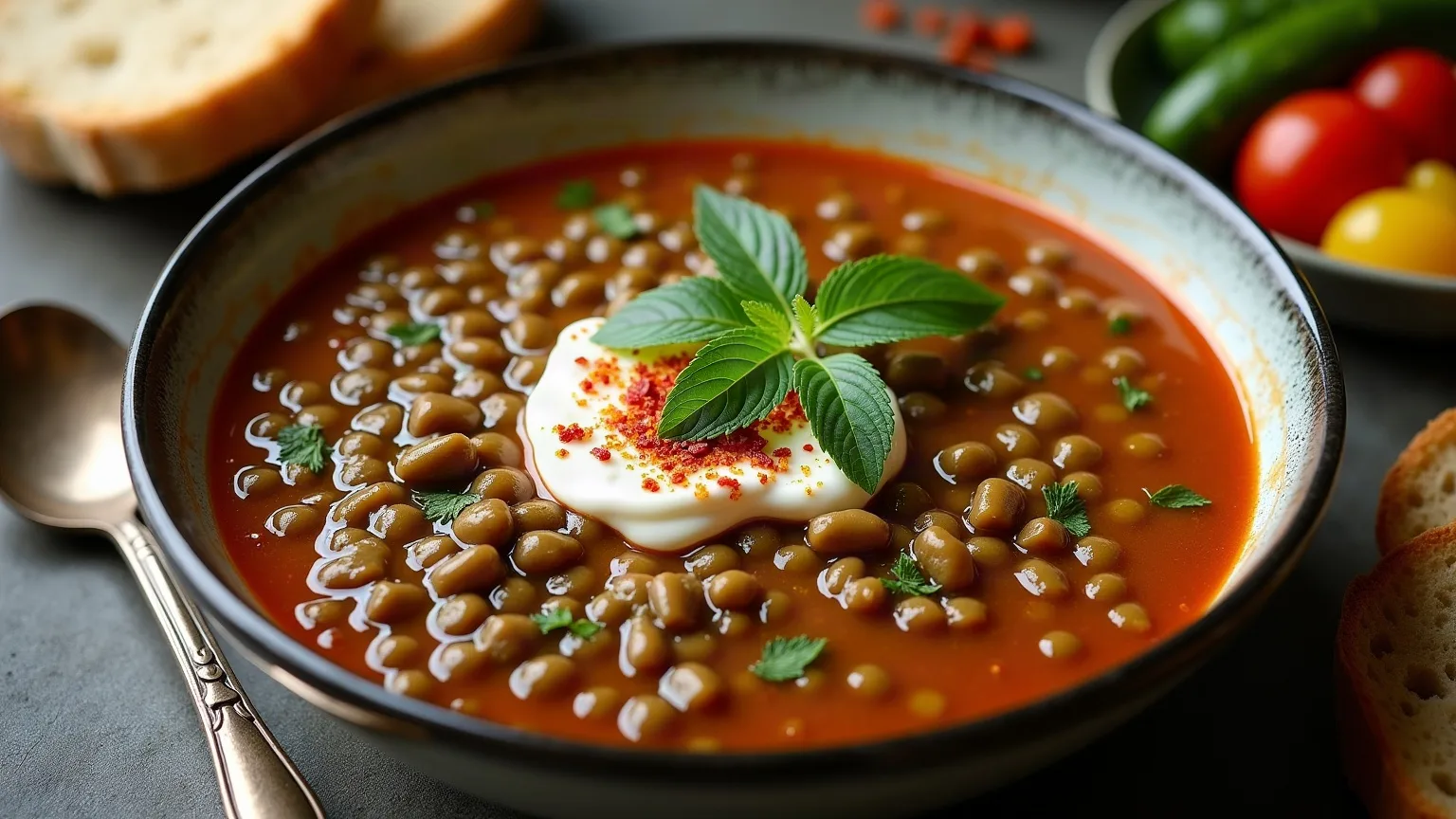
Green lentil stew
A green lentil keeps its skin and holds its shape; a red one is already skinned and split, so it collapses. The same plant, two different dishes.
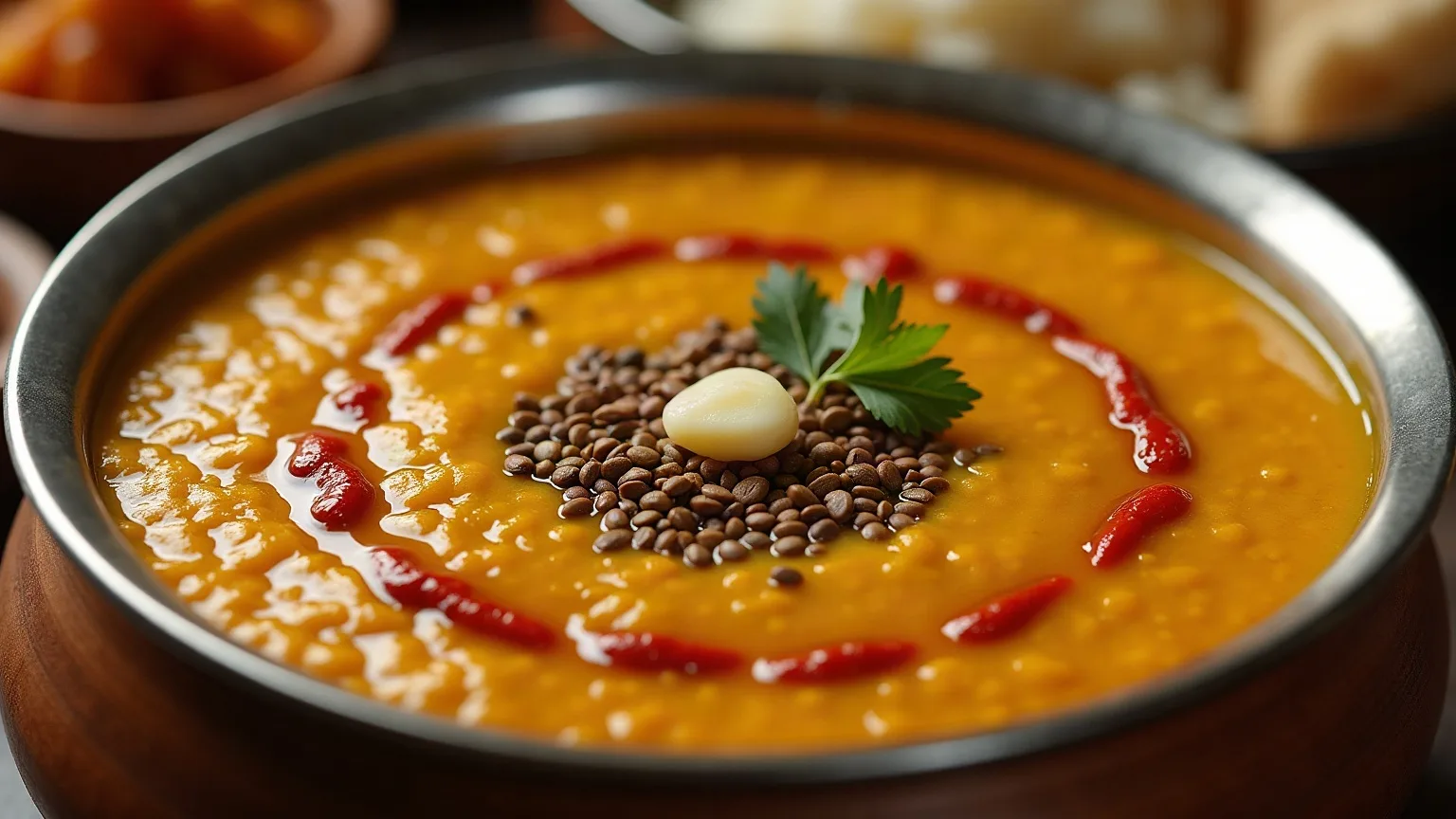
Red lentil dal
Twenty minutes of boiling lentils tastes of very little; almost all of the flavour is made in the last forty-five seconds, in hot fat.
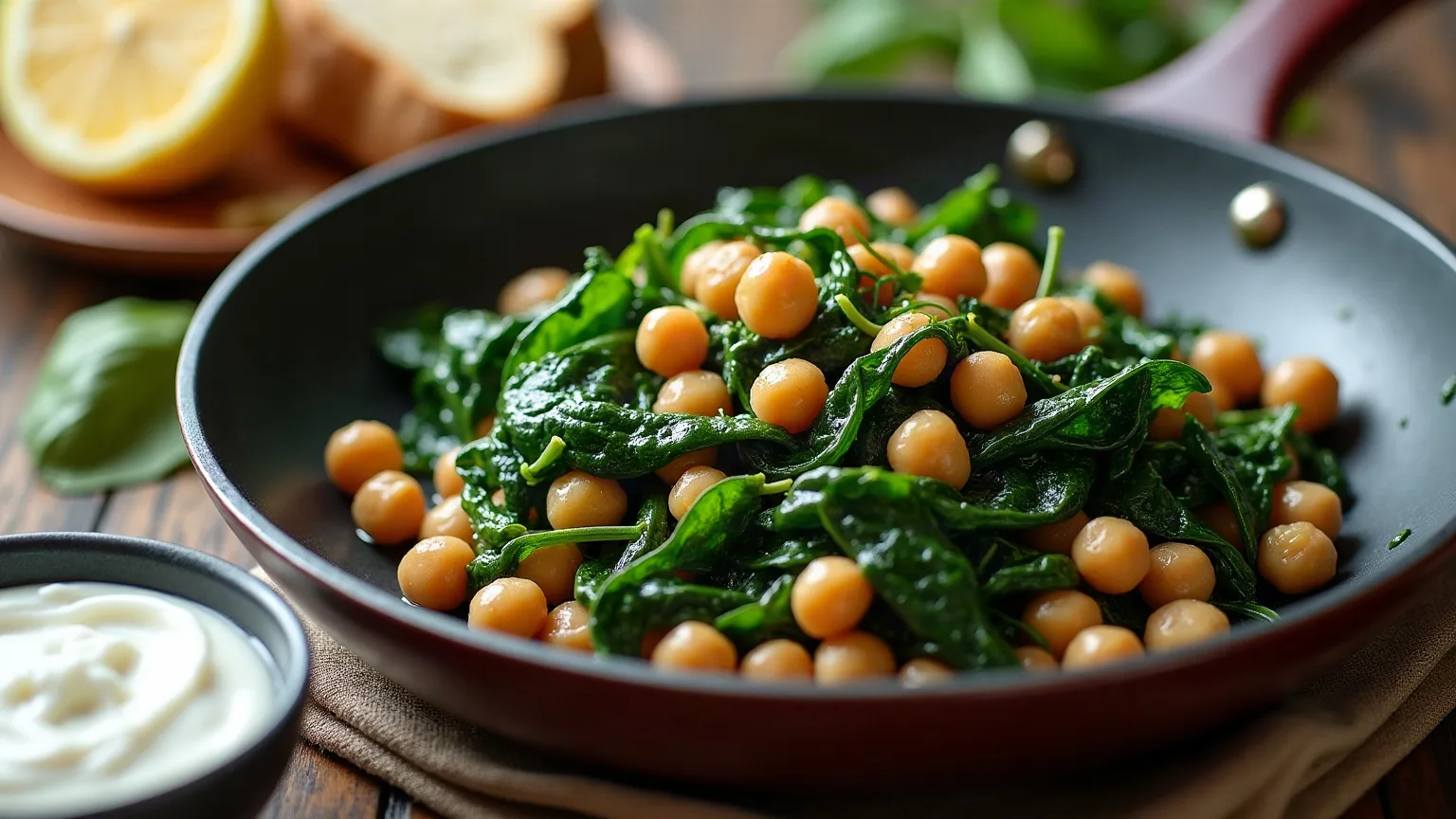
Spinach with chickpeas
Under a lid, spinach turns olive-drab in its own acid. With the lid off, the colour and the taste both stay where they were.
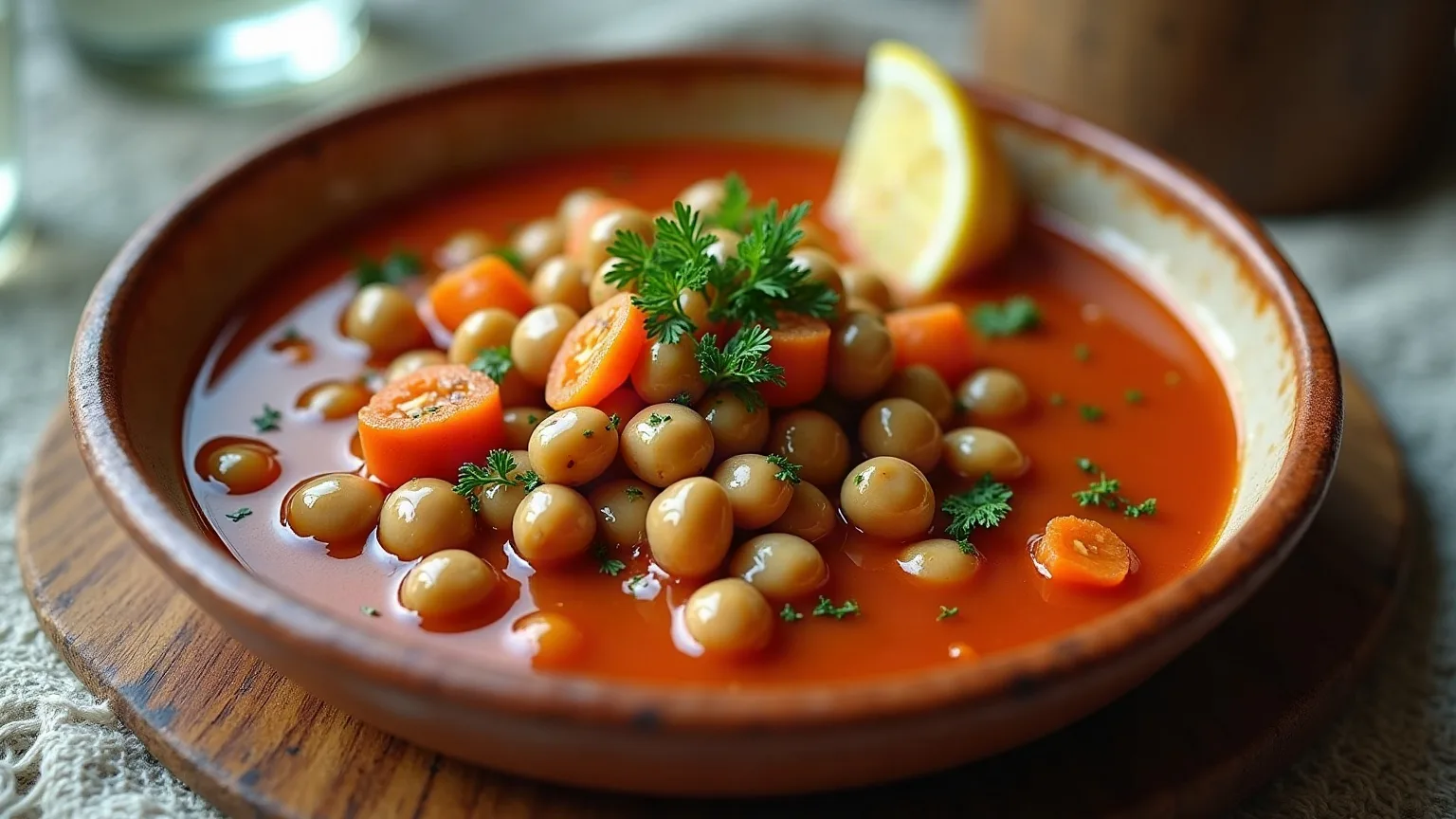
Black-eyed pea stew
The one common dried pulse that needs no soaking: its coat is thin and permeable, so it goes from dry seed to tender in twenty-five minutes.
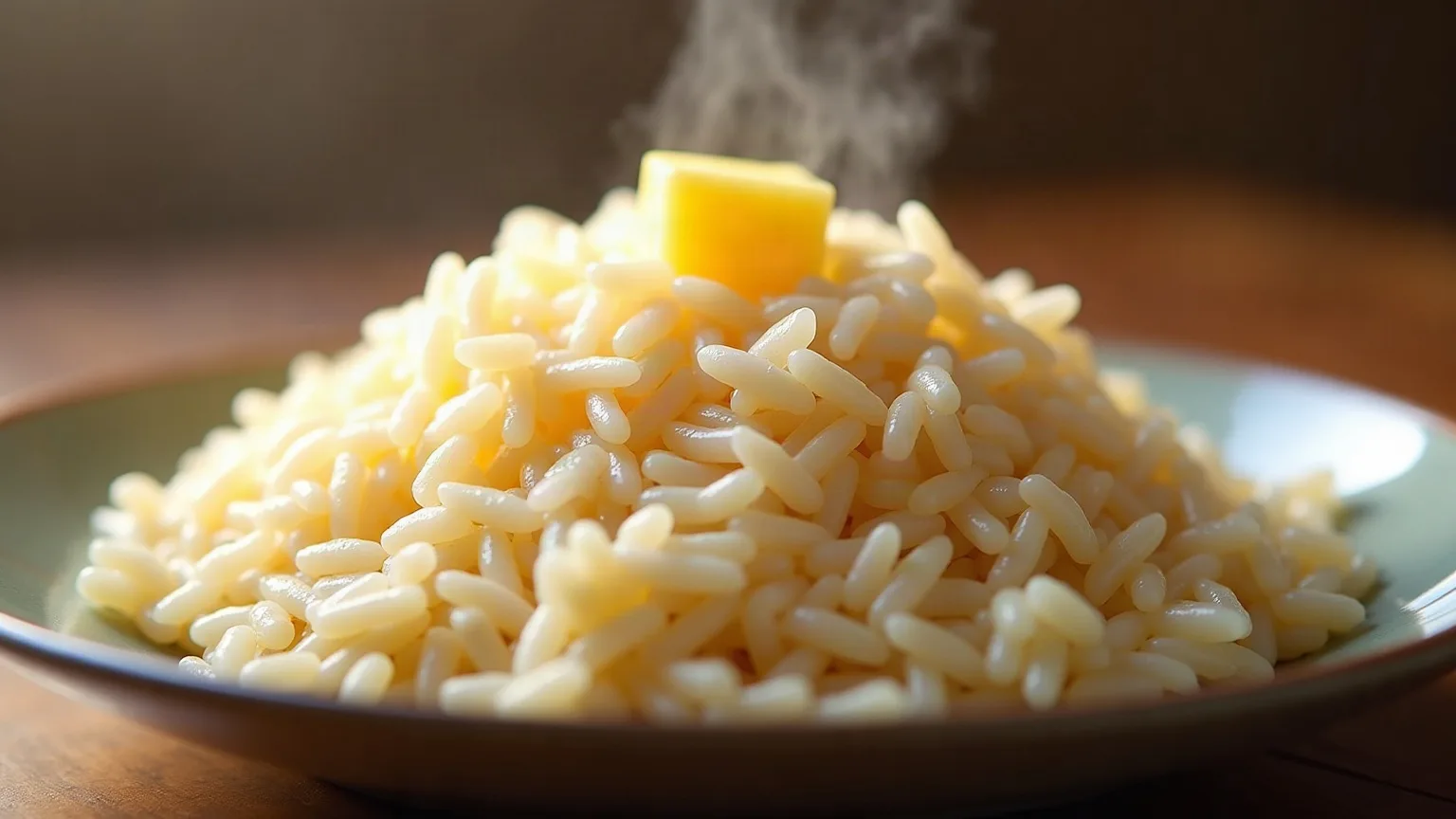
Buttered pilaf
Separate grains are not a recipe but two steps: rinse it, and leave the lid alone.
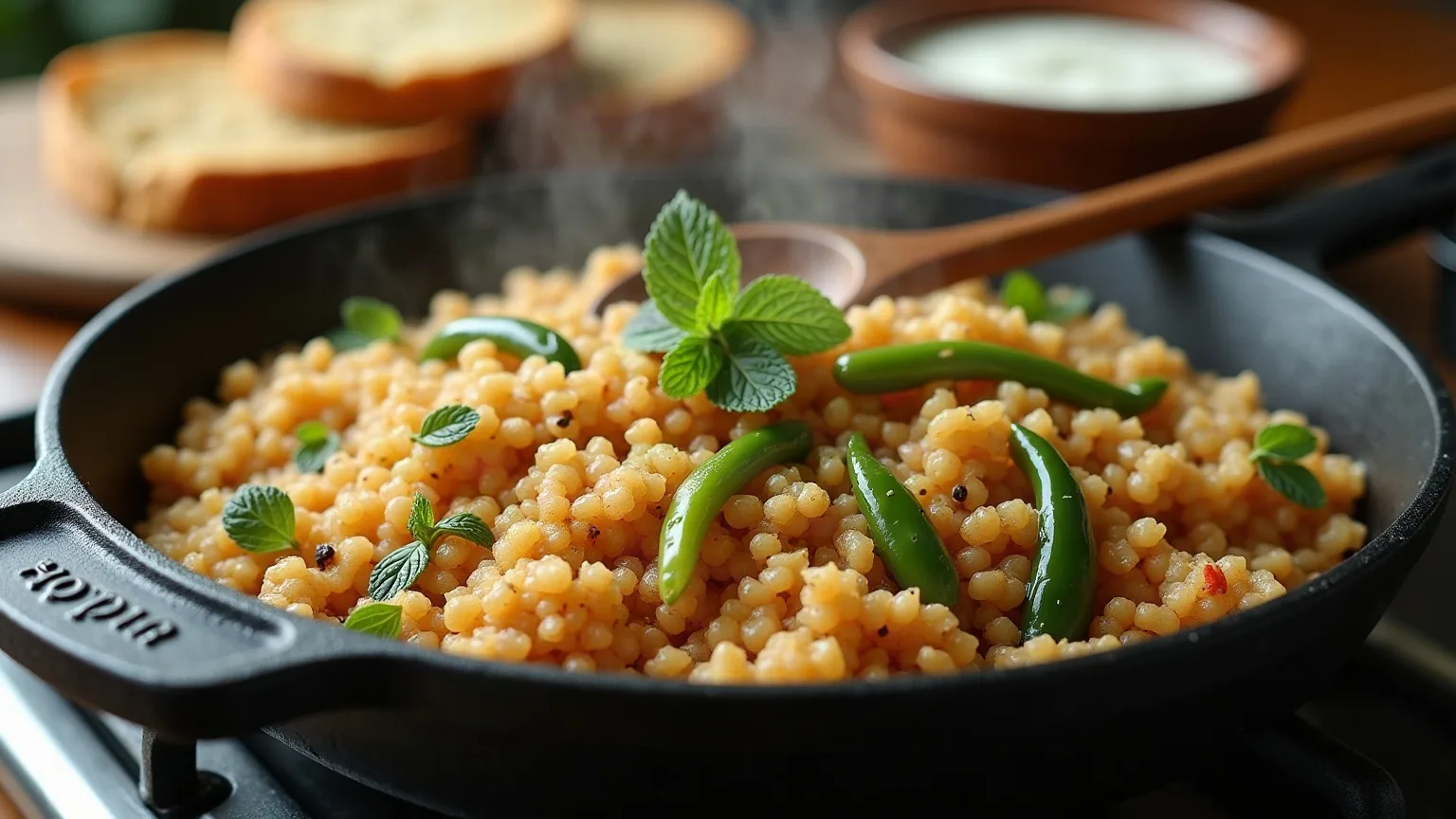
Bulgur pilaf
Bulgur does not cook, it takes up water. It is wheat that has already been boiled, so what matters is not the time on the flame but the time under the lid.
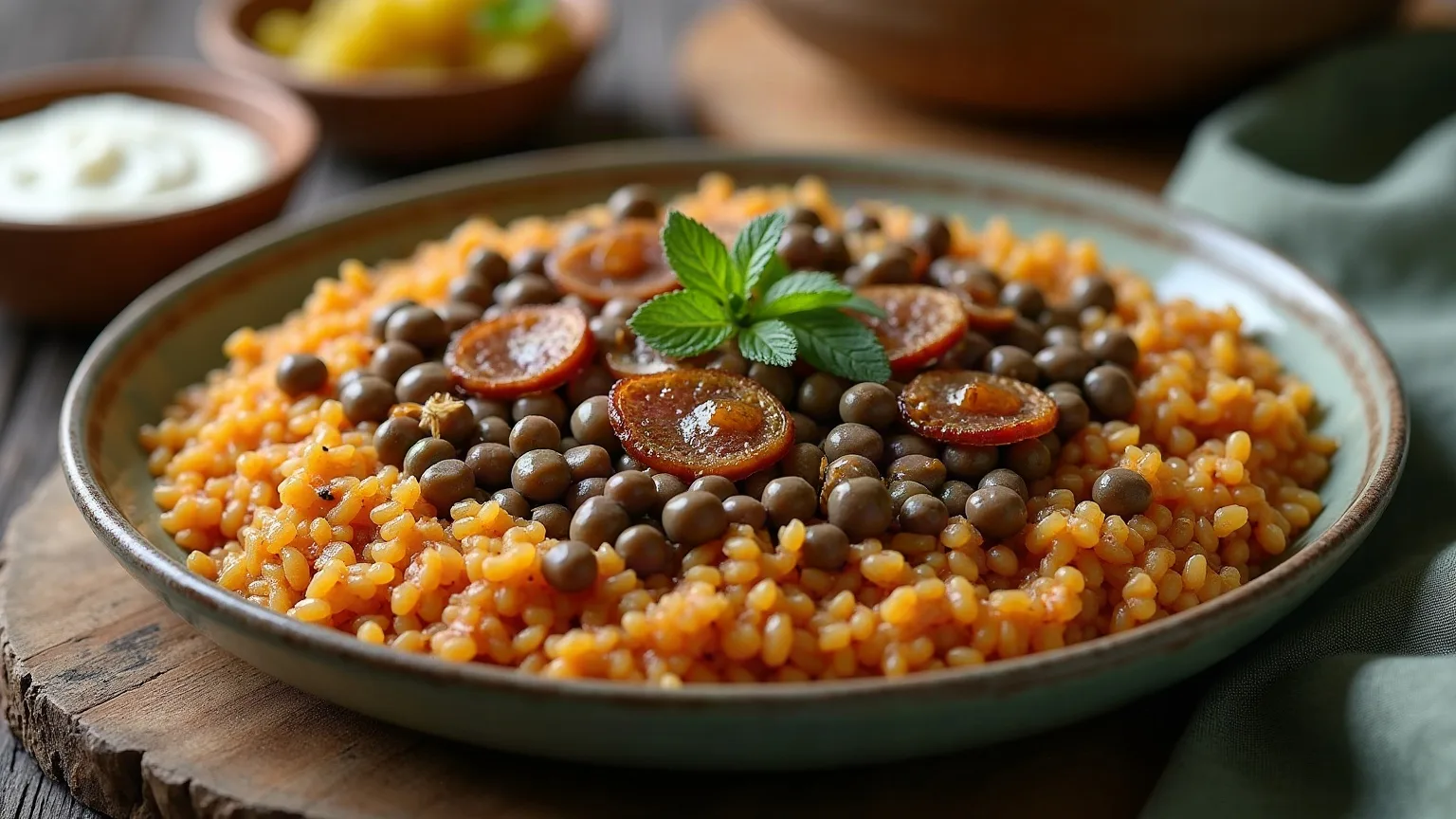
Bulgur pilaf with lentils
Two grains, two rules: the lentils must boil, the bulgur only absorbs. Put them in together and one collapses while the other stays hard.
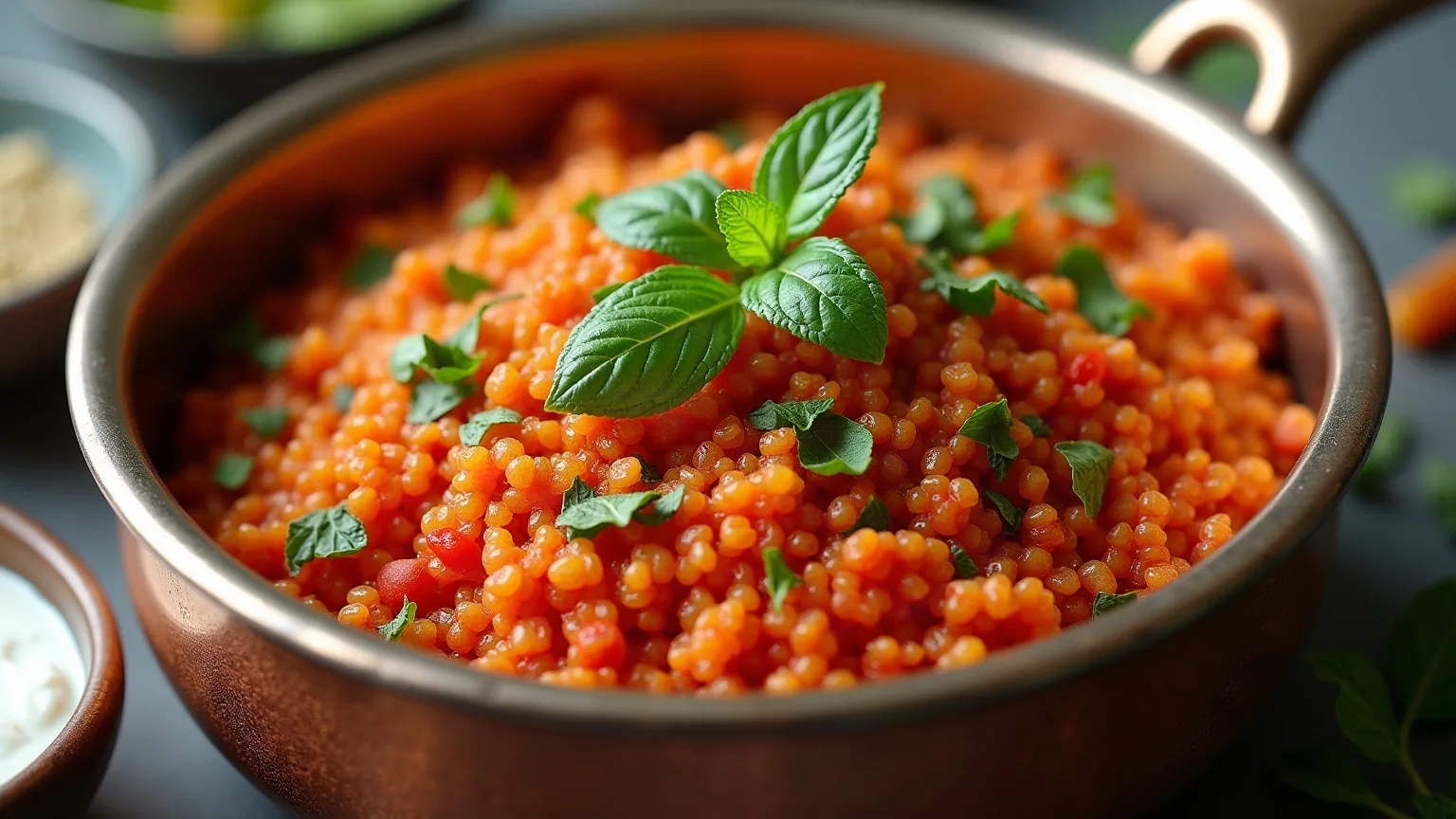
Tomato bulgur pilaf
The acid in tomato slows how fast bulgur takes up water. The answer is not more water but putting the tomato in after the bulgur has swollen.
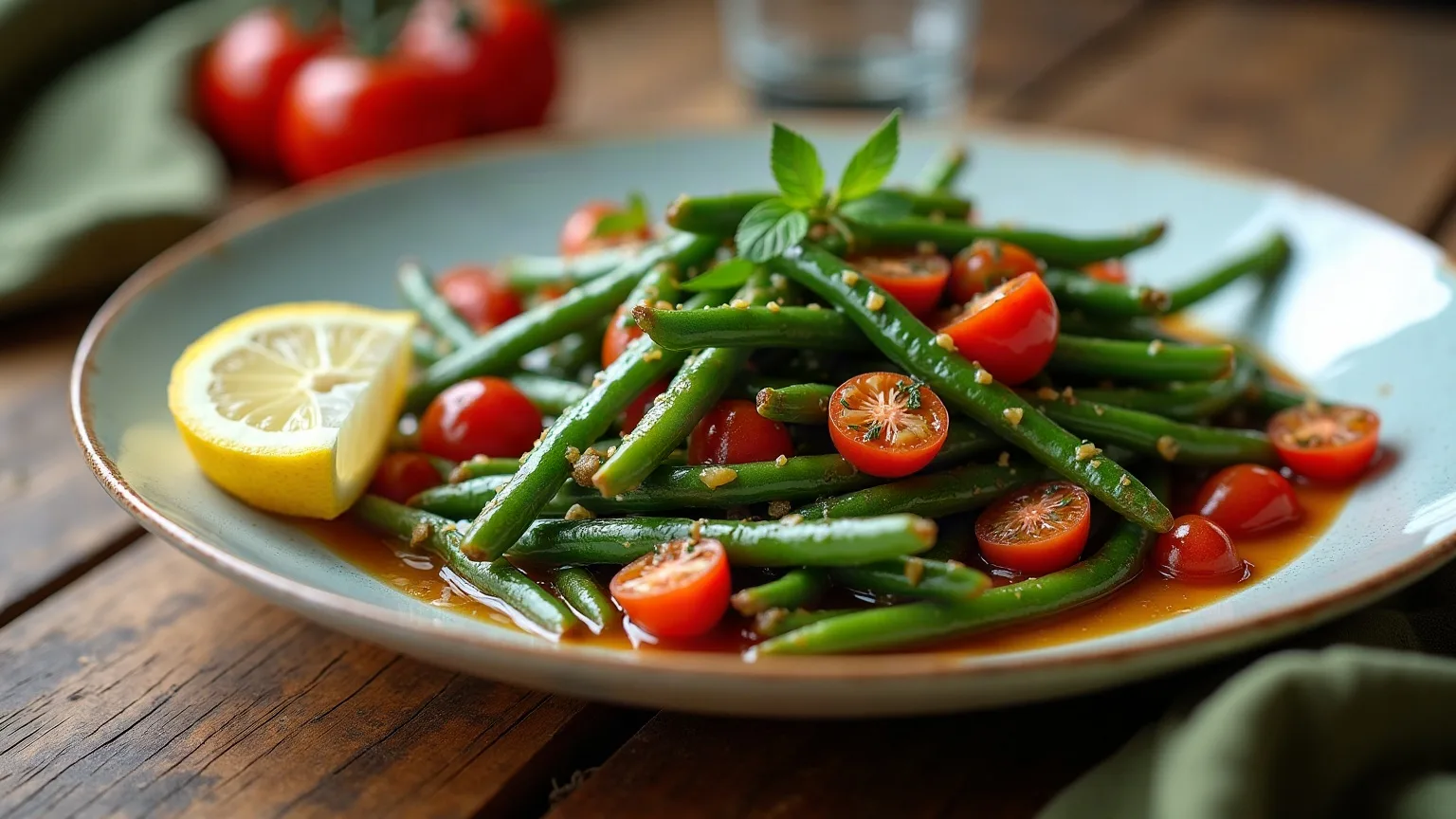
Green beans in olive oil
A classic that cooks in the vegetable’s own water, with none added. The secret is patience and a low flame: the beans sweat, they never boil.