
Scaled to however many of you there are.
Change the headcount and the amounts follow. Salt and spice do not scale in a straight line, and we account for that.
A recipe is how you make a thing: the amounts, the order, the timing and where it goes wrong. The dish pages explain what that thing is — where it comes from, the mechanism behind it, and why skipping one step makes it something else. One stays open in the kitchen; the other is read when you wonder.
22 of 116 recipes. Clear the filter
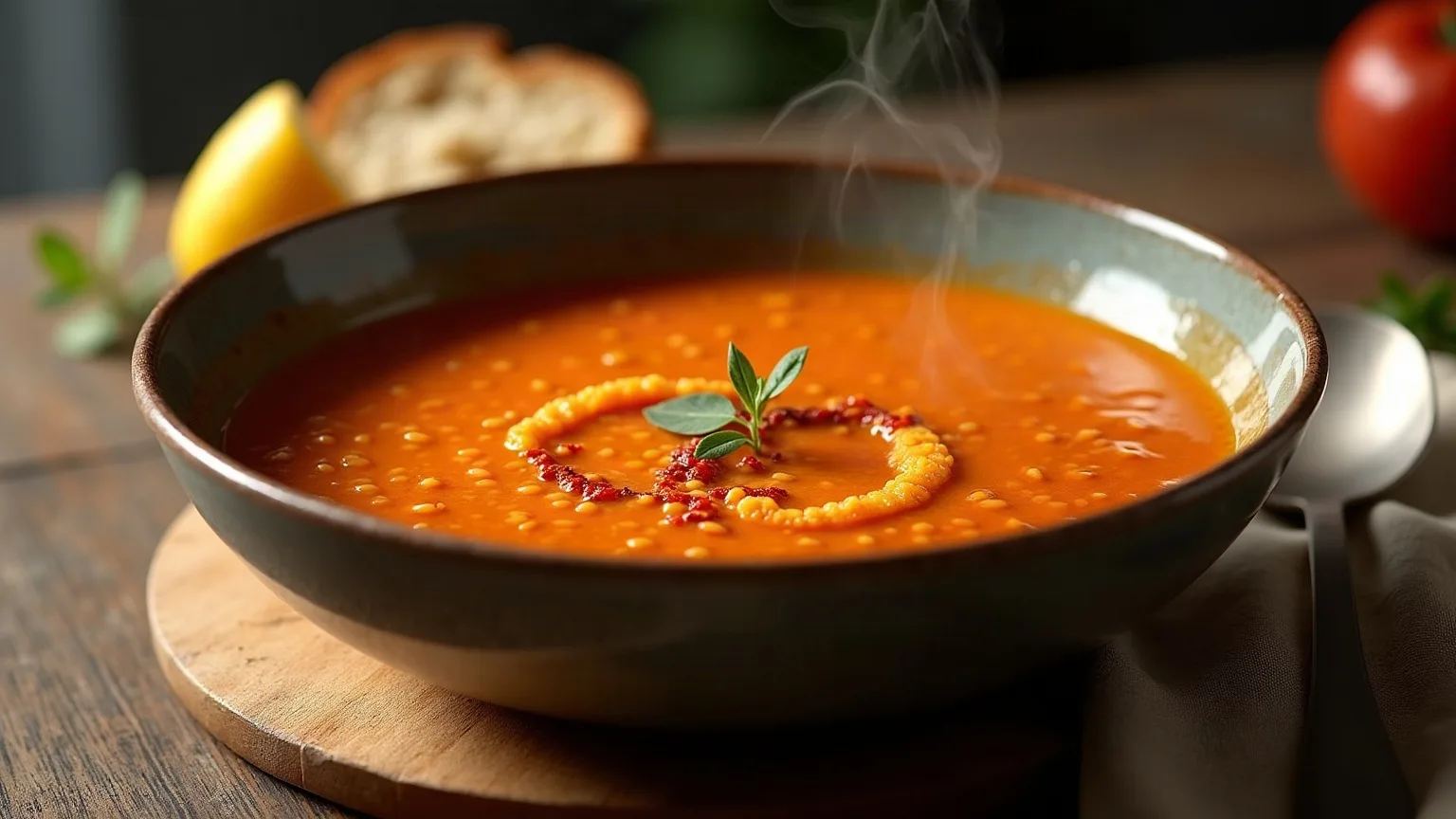
Red lentil soup
Turkey’s default soup. Four ingredients, thirty-five minutes and one rule: the lemon is squeezed at the table.
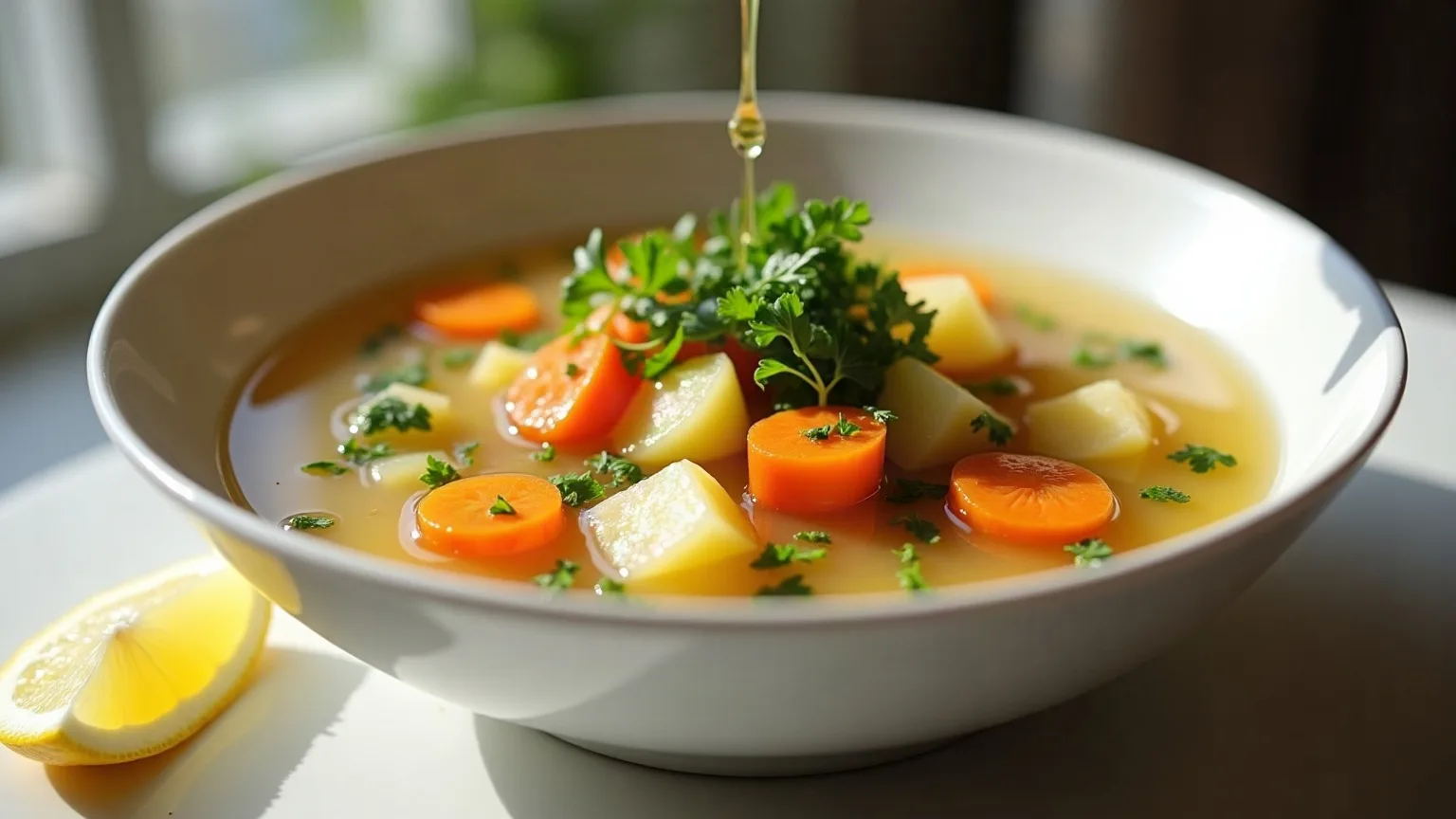
Vegetable soup
Throwing everything in at once is easy and wrong. These vegetables differ twofold in cooking time, and knowing the order is the only skill involved.
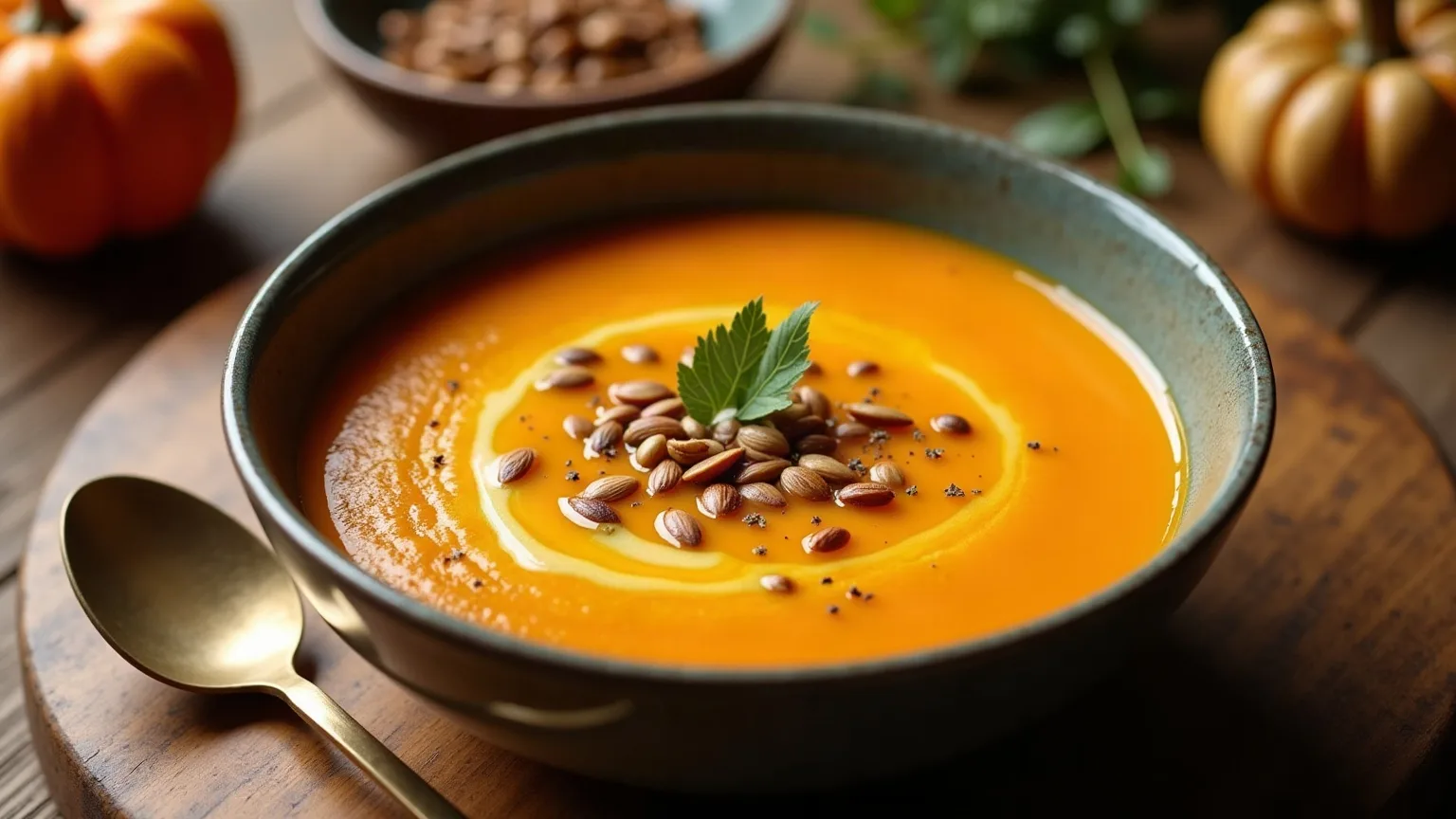
Pumpkin soup
Boiled pumpkin gives a watery, flat soup. Roasted pumpkin is the same vegetable and a completely different soup.
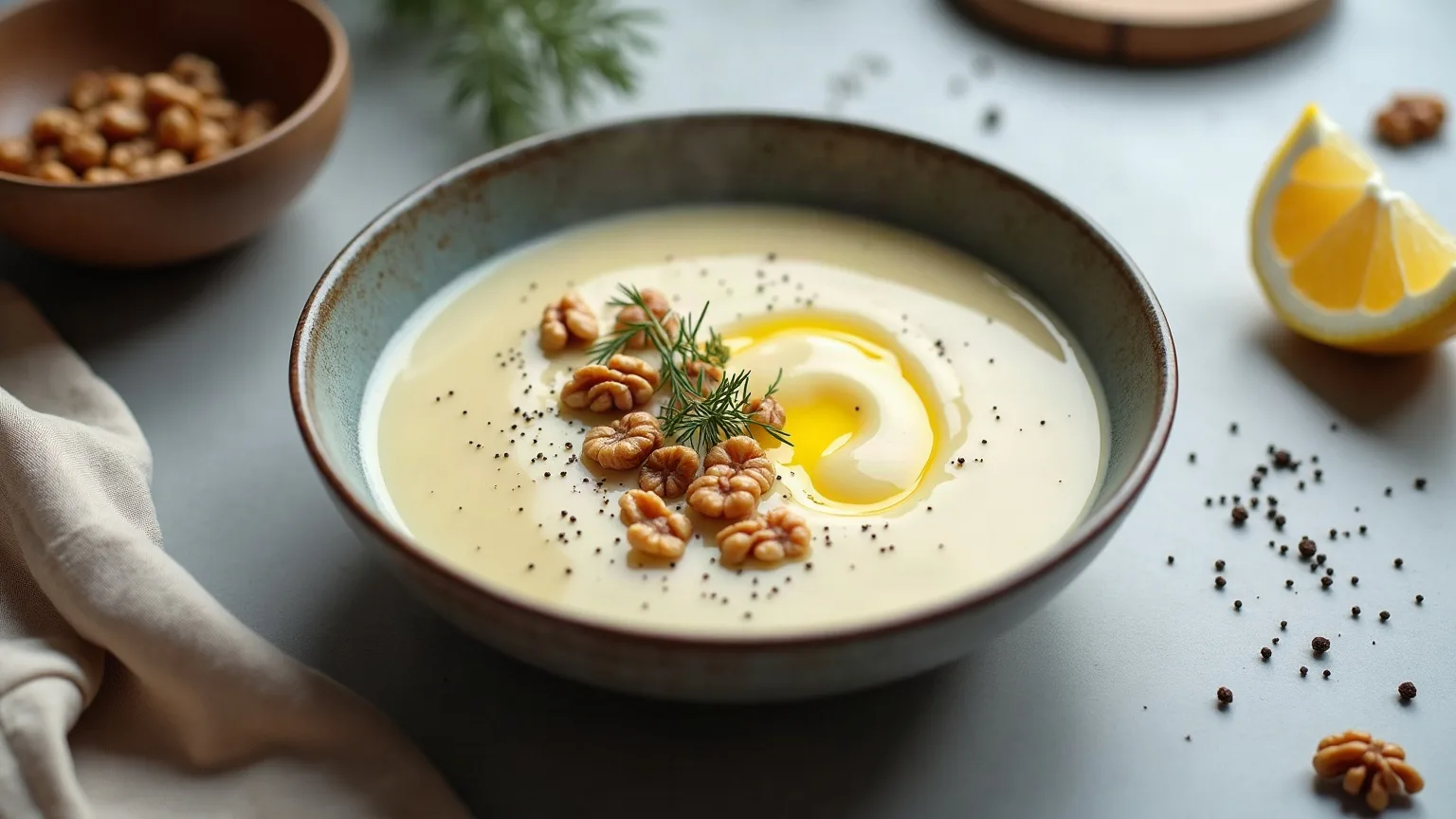
Celeriac soup
Celeriac starts browning the moment it is cut. Dropping it into acidulated water is a chemical intervention rather than a cosmetic one.
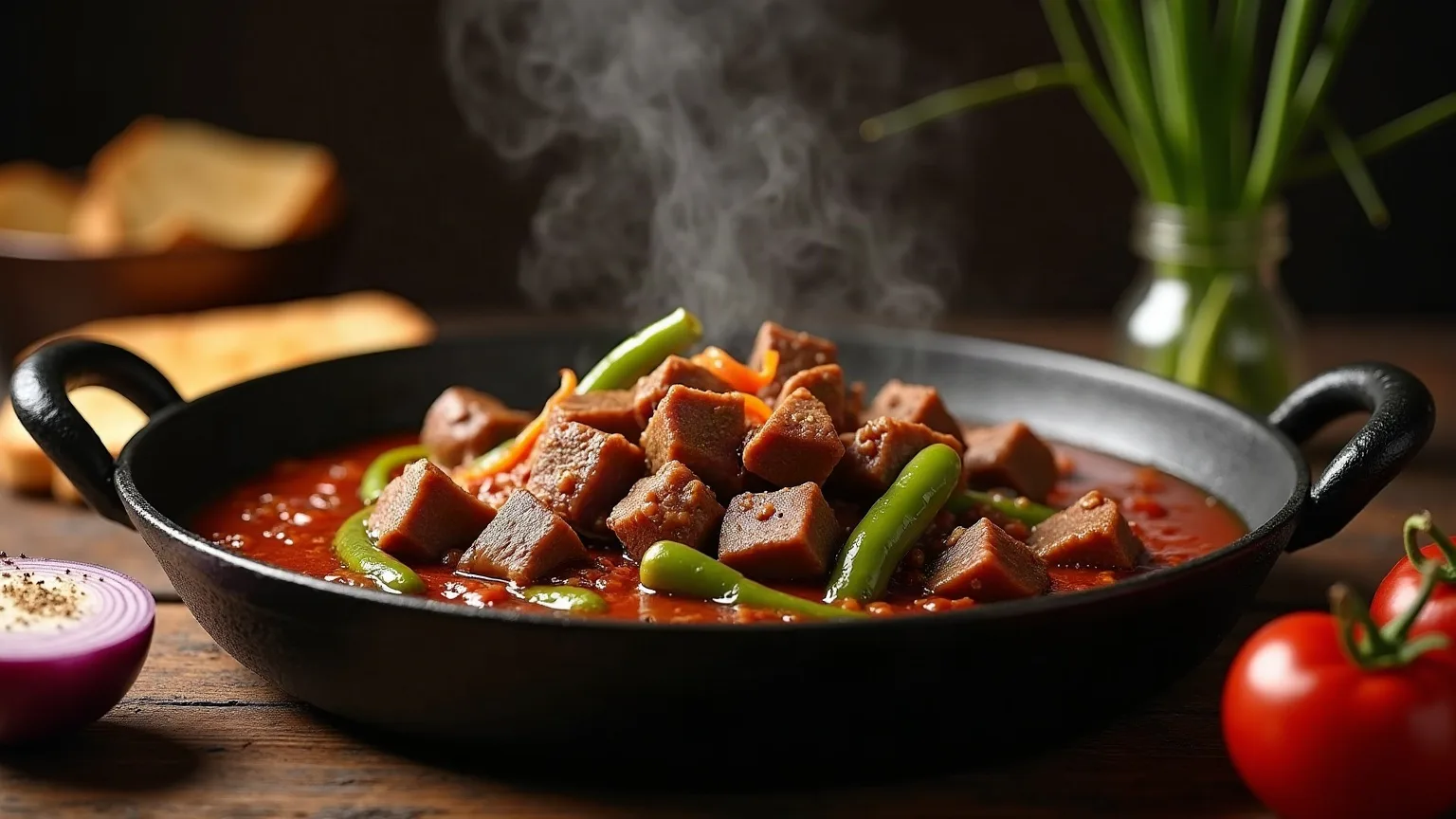
Saç kavurma
High heat, small pieces, an uncrowded pan. Miss any one of the three and it is not a sauté but a stew.
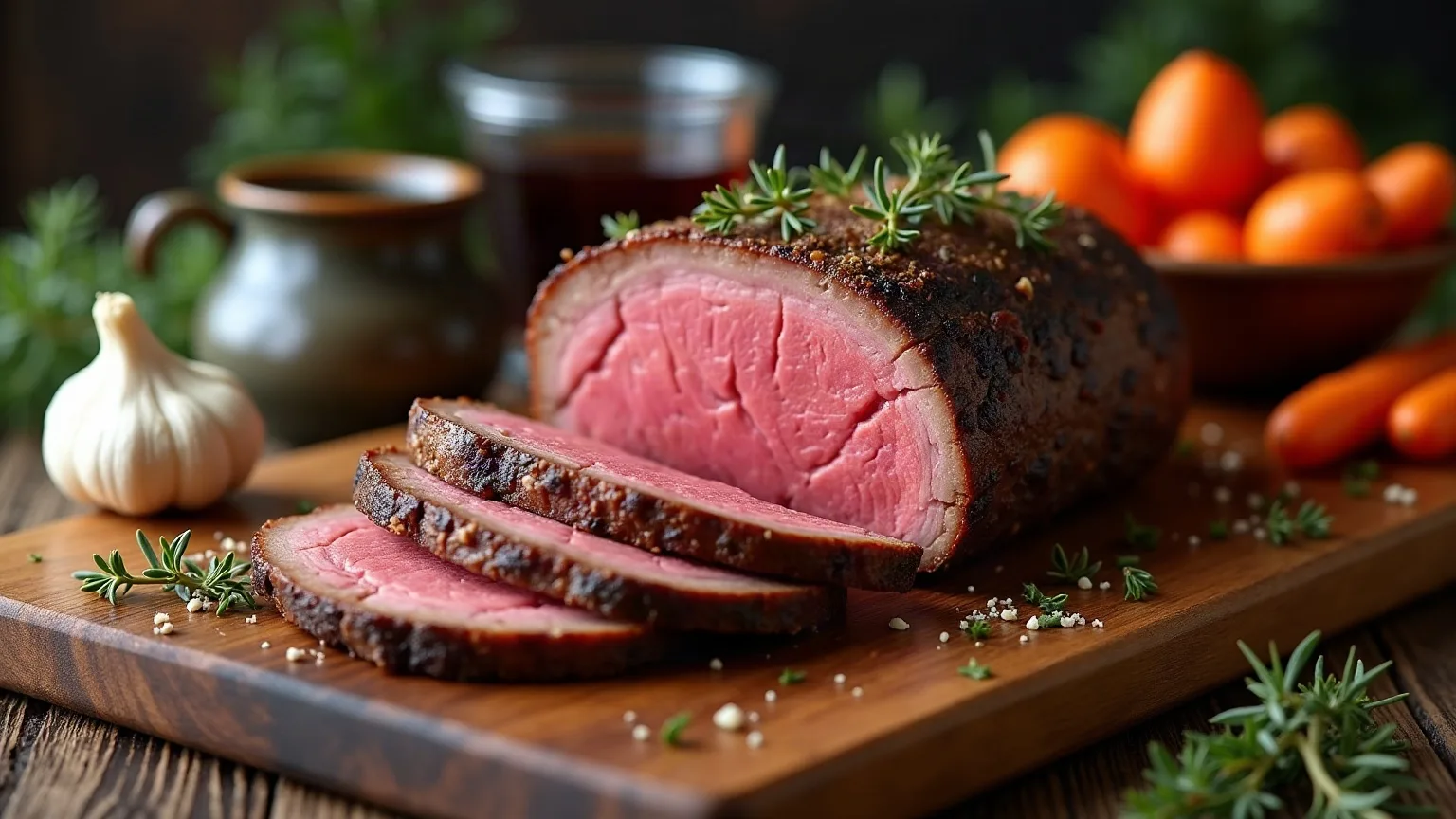
Roast beef
Not a dish to make without a thermometer. The answer to "how many minutes" depends on the temperature at the centre, not on the weight.
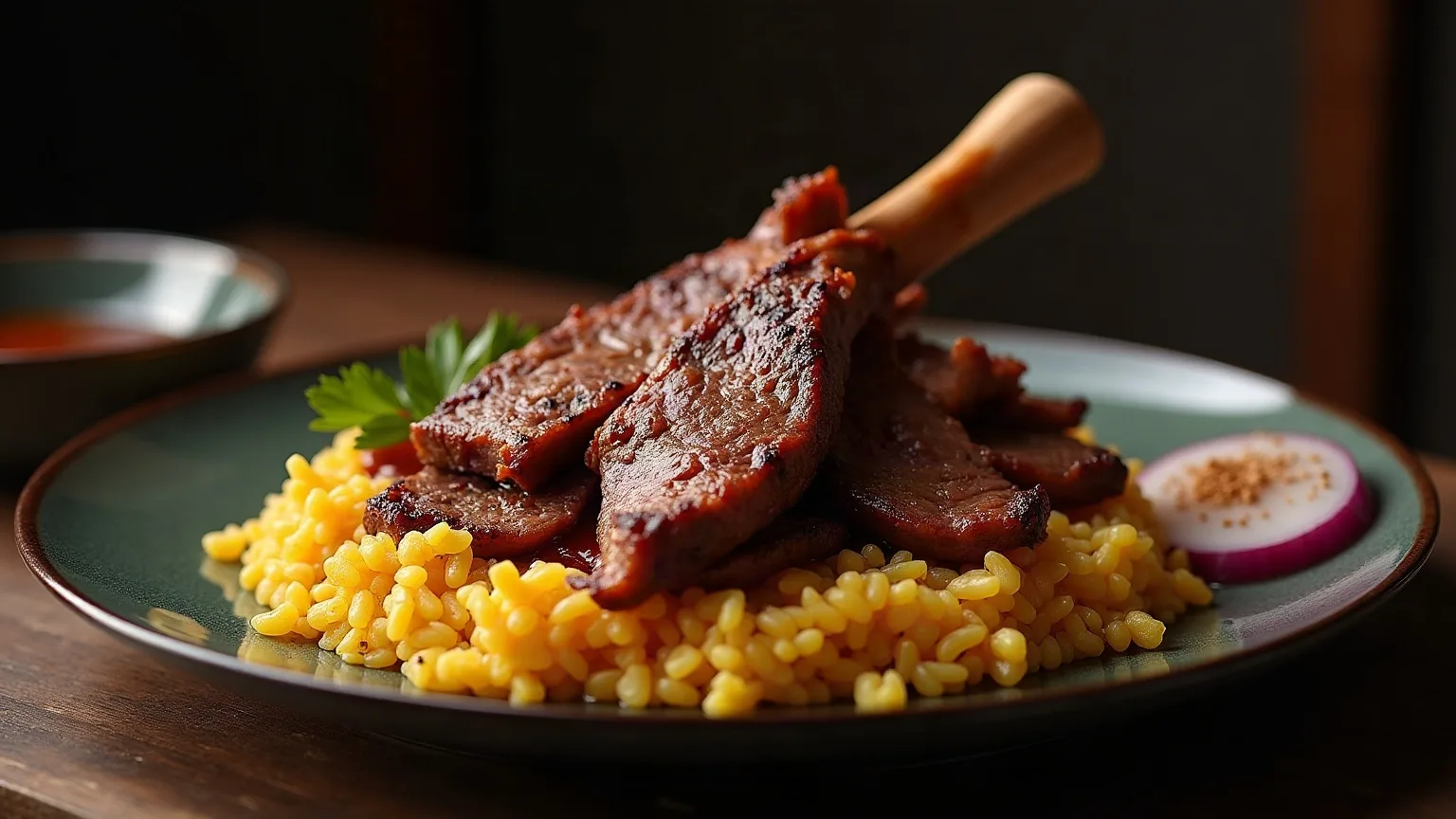
Oven lamb tandır
Four hours at 140 °C, then fifteen minutes at 240. Without the second number the meat is tender and pale.
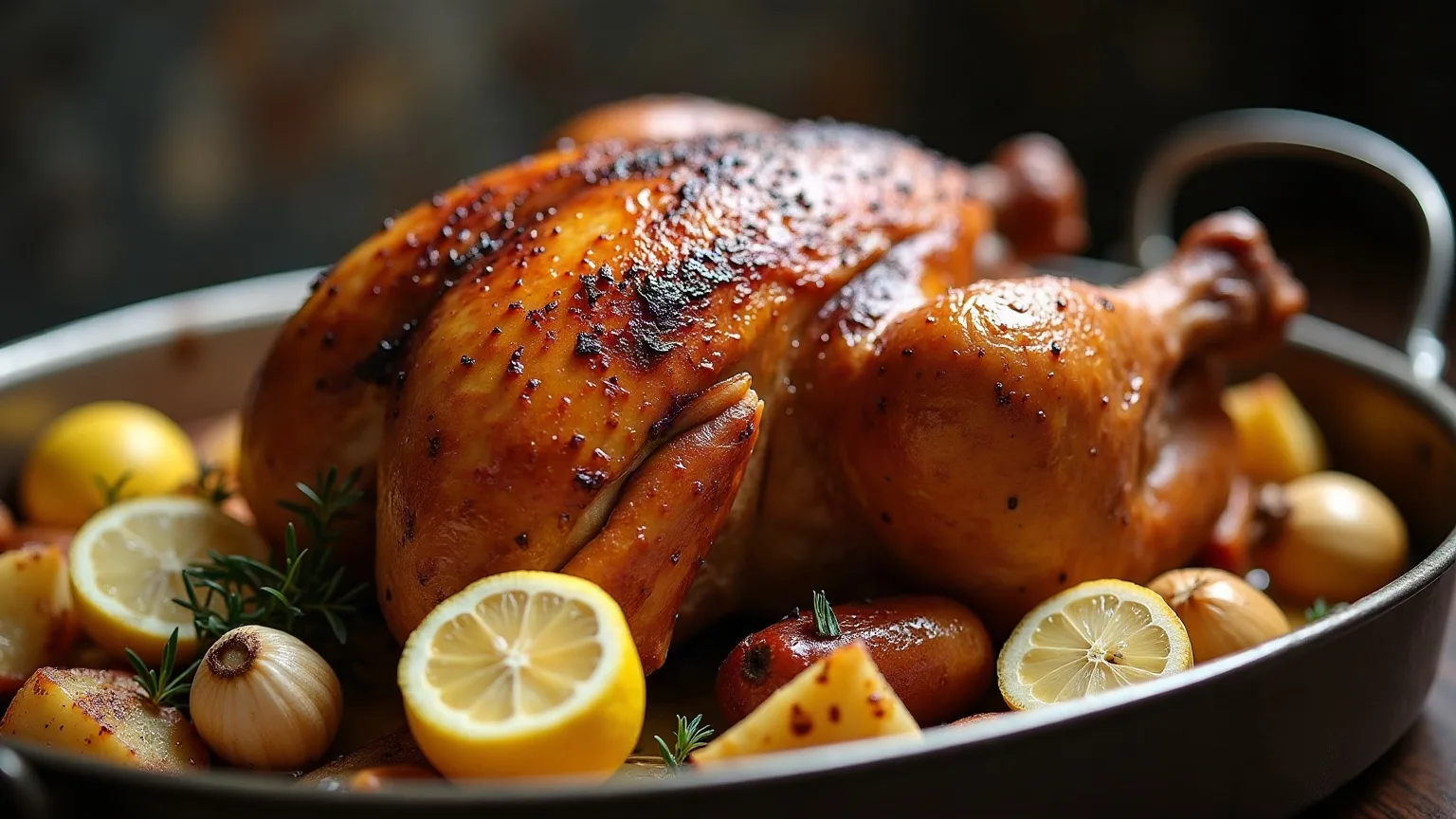
Whole roast chicken
The breast is ready at 65 °C and the leg at 75. Roasting a whole bird is entirely the business of hitting both at once.
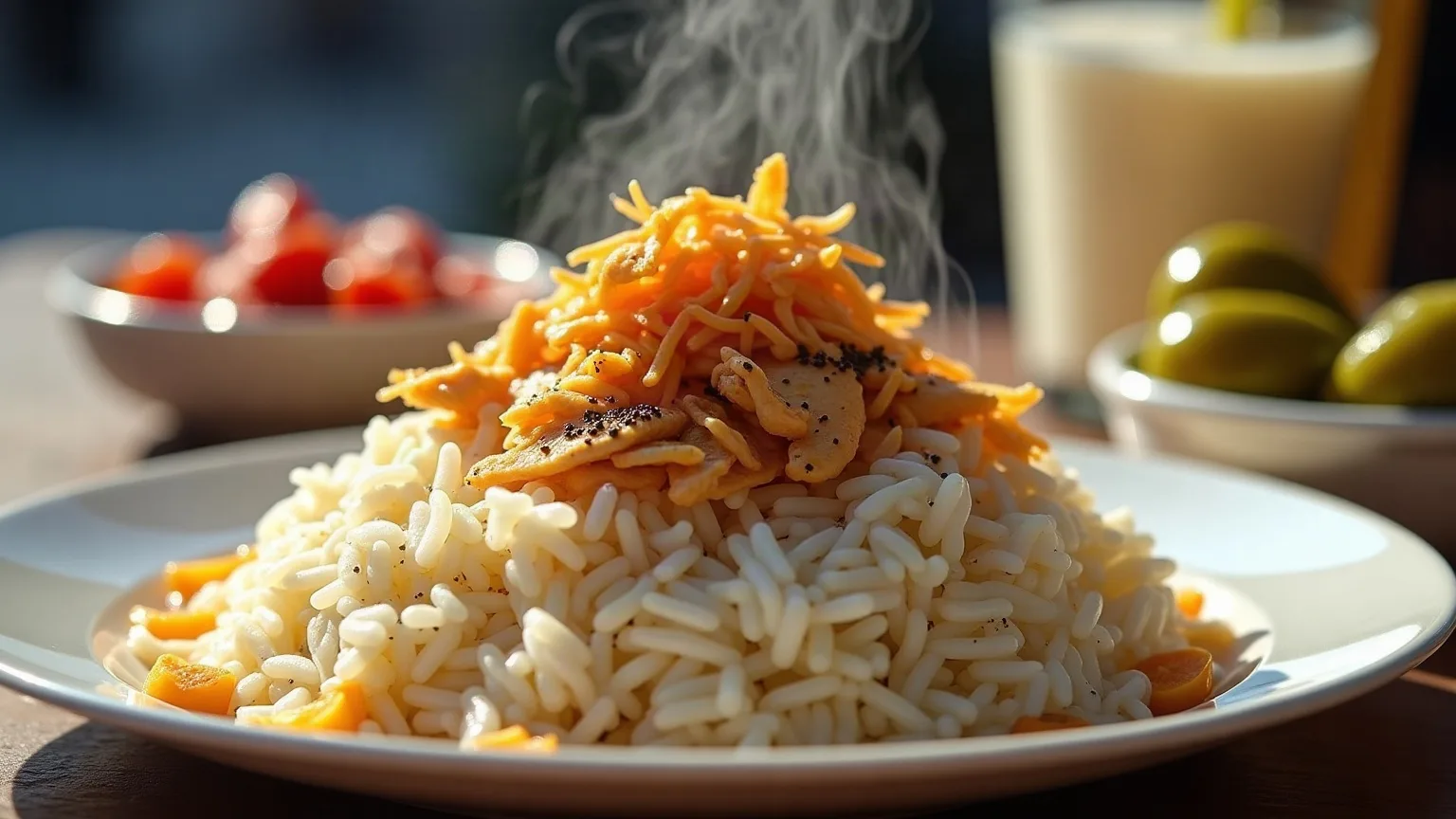
Chicken pilaf
When the water for the rice is the water the chicken cooked in, the dish becomes something else. Made with plain water, the same recipe is only rice.
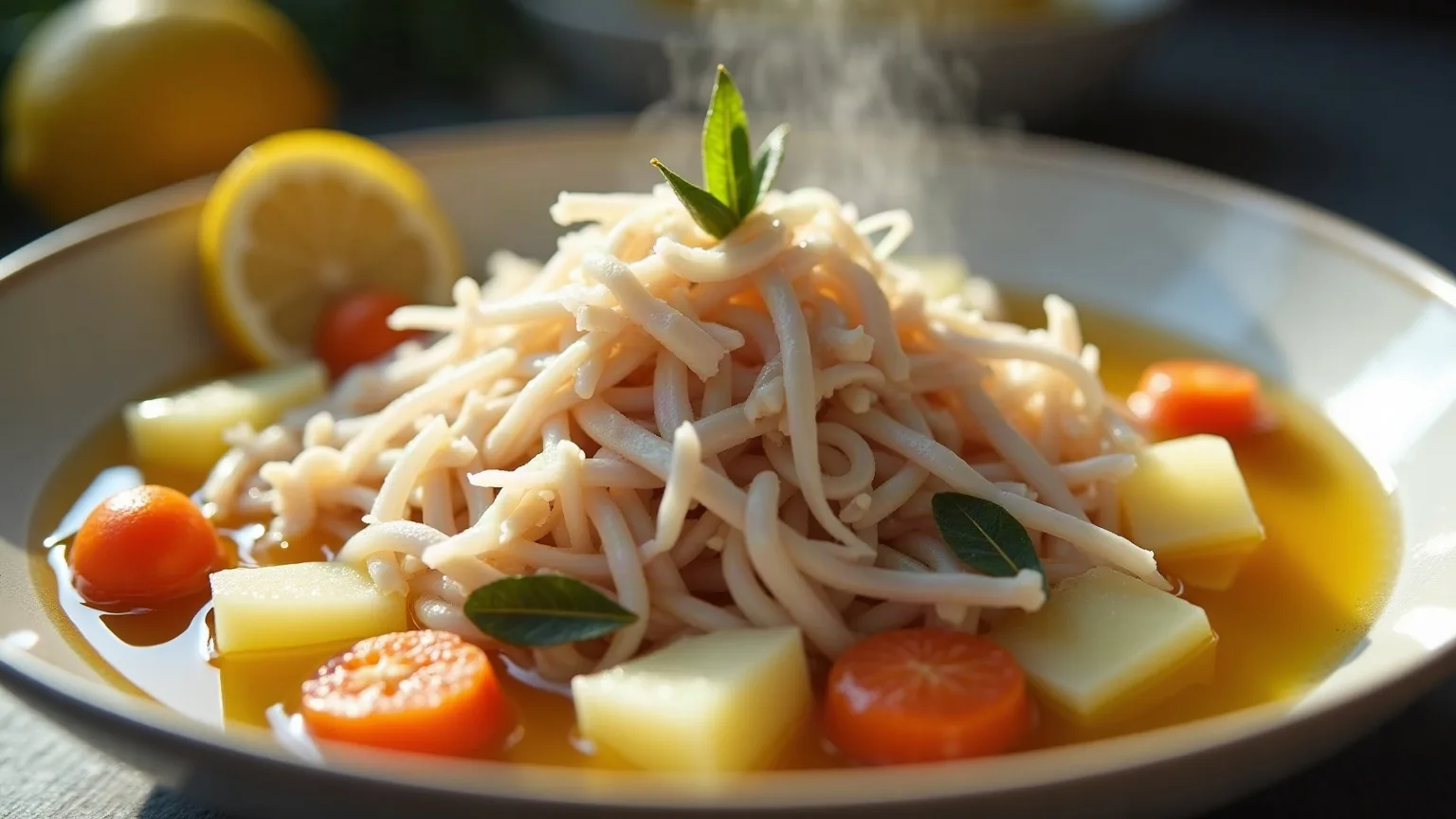
Poached chicken
There is one reason poached chicken comes out dry: the water was boiling. Poached at 80 °C it never does.
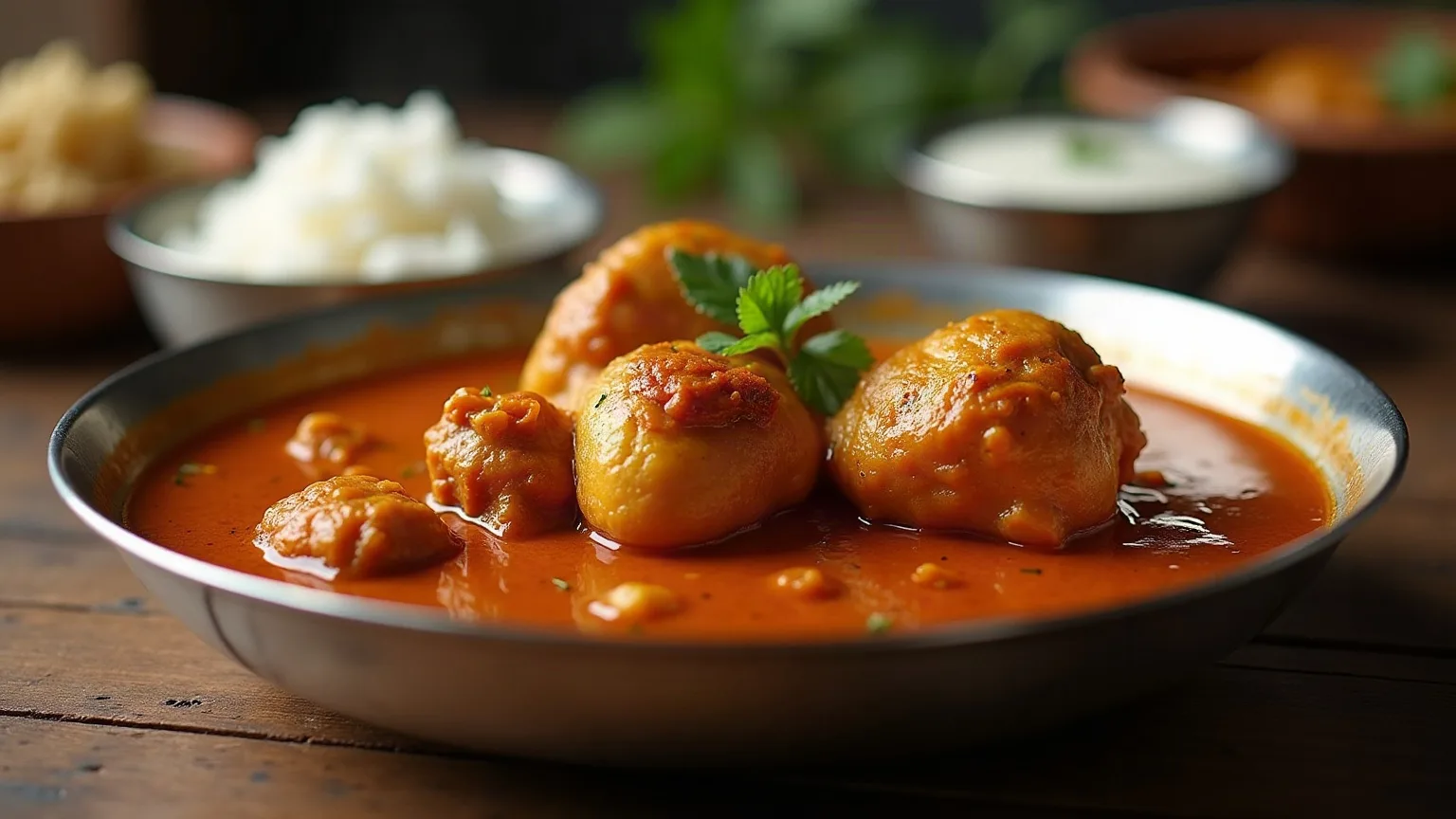
Chicken curry
Frying the spices in fat is not a step but half the recipe: their aromas dissolve in oil and not in water.
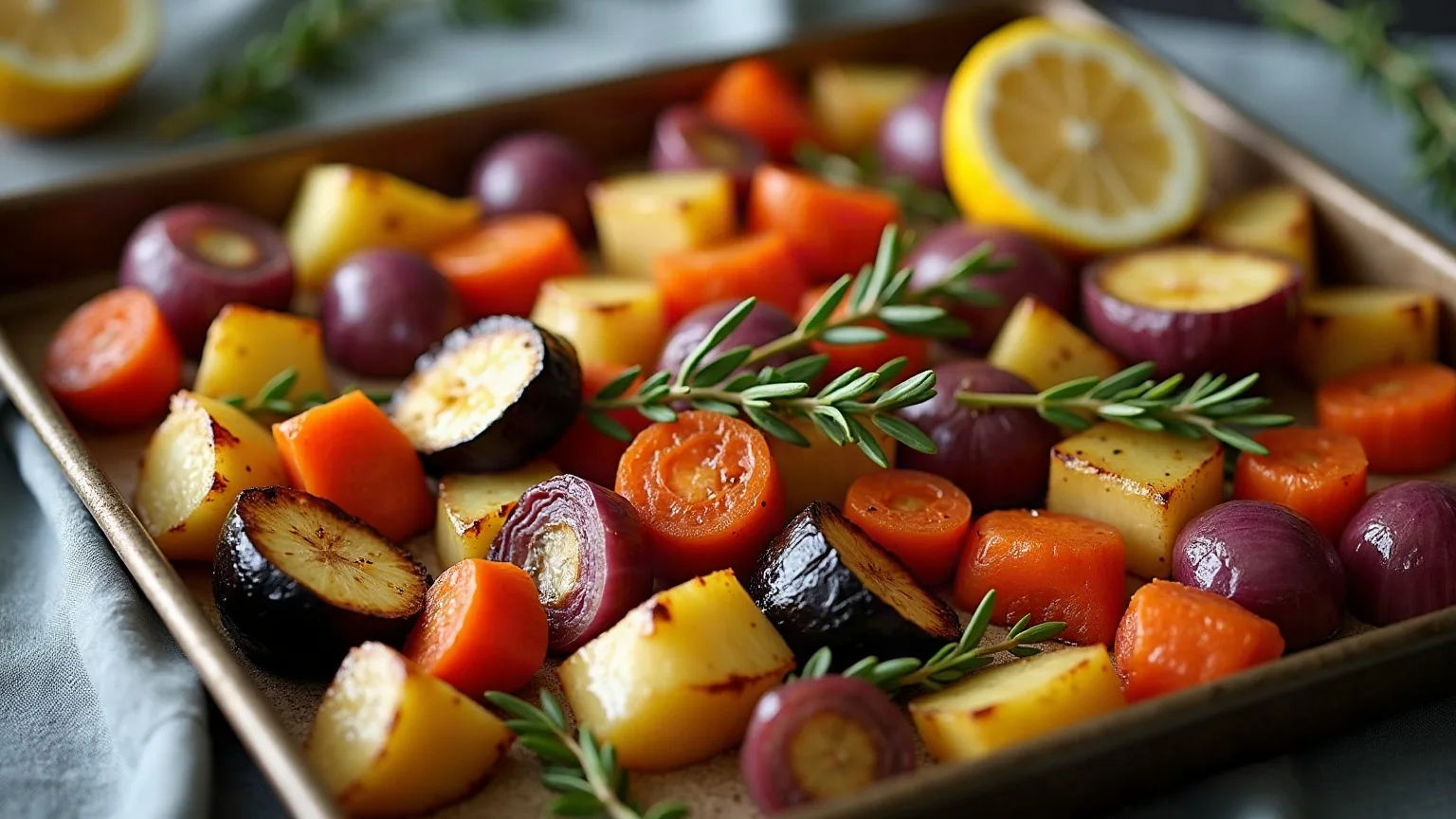
Tray-roasted vegetables
A vegetable that does not fit on the tray does not roast, it steams. Using two trays instead of one is the only trick in this recipe.
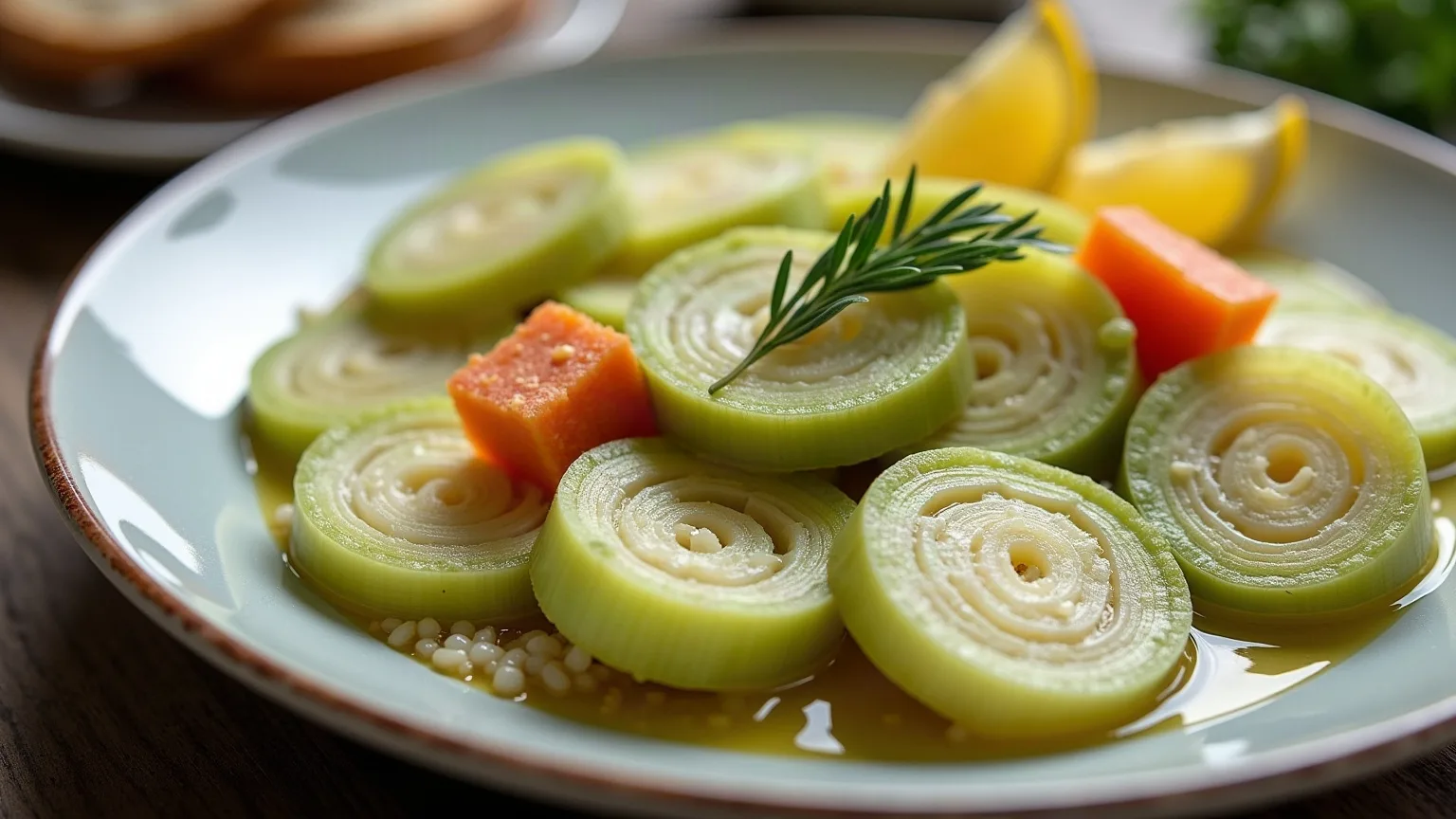
Leeks in olive oil
Leek grit hides between the layers and rinsing does not reach it: it has to be cut first and soaked after.
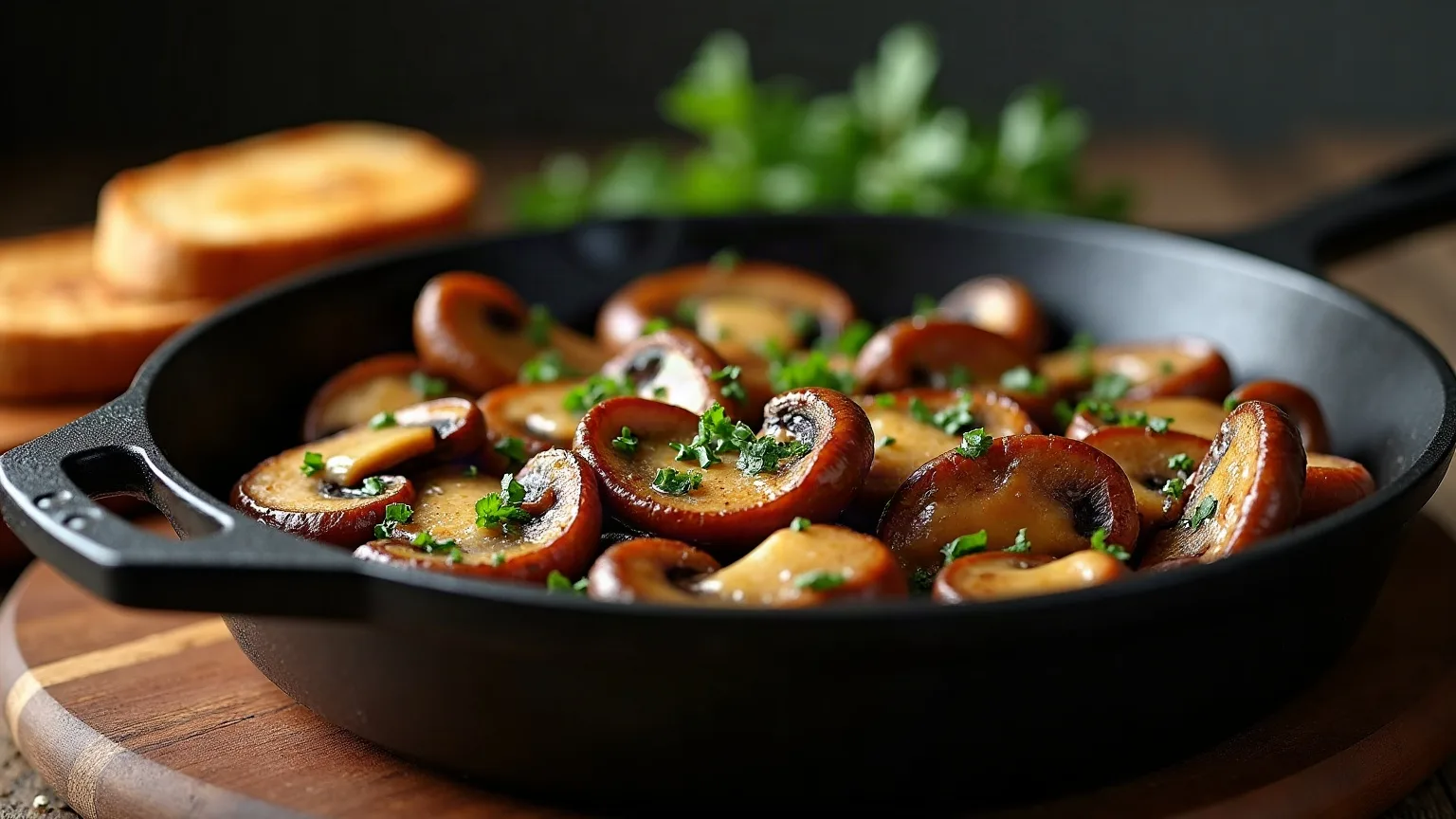
Sautéed mushrooms
Mushrooms are wiped, not washed. And the salt goes in last: early salt draws their water out and makes browning impossible.
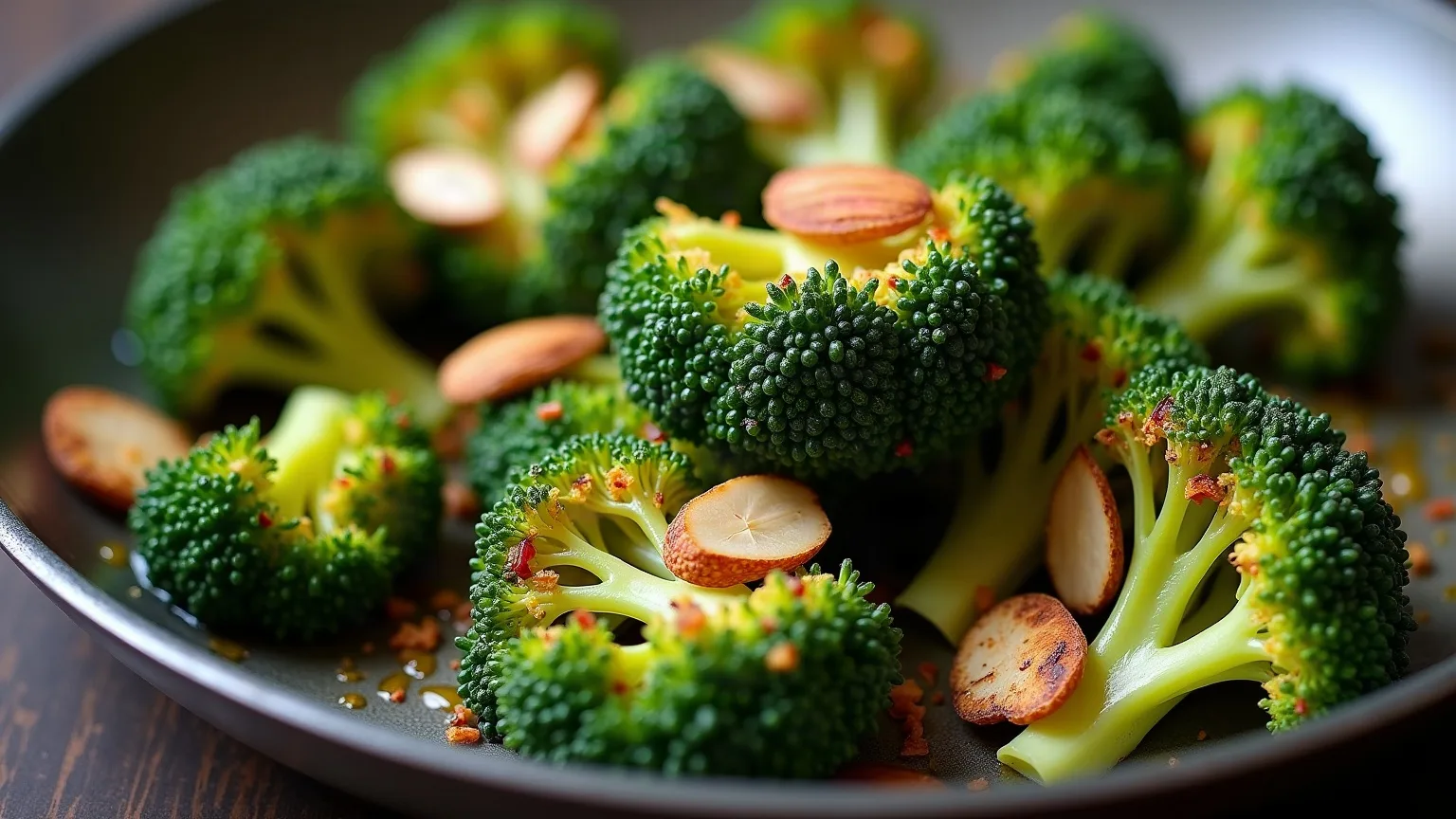
Garlic-sautéed broccoli
The broccoli is blanched two minutes and dropped into iced water. That shock locks the green in, and the sauté cannot take it back out.
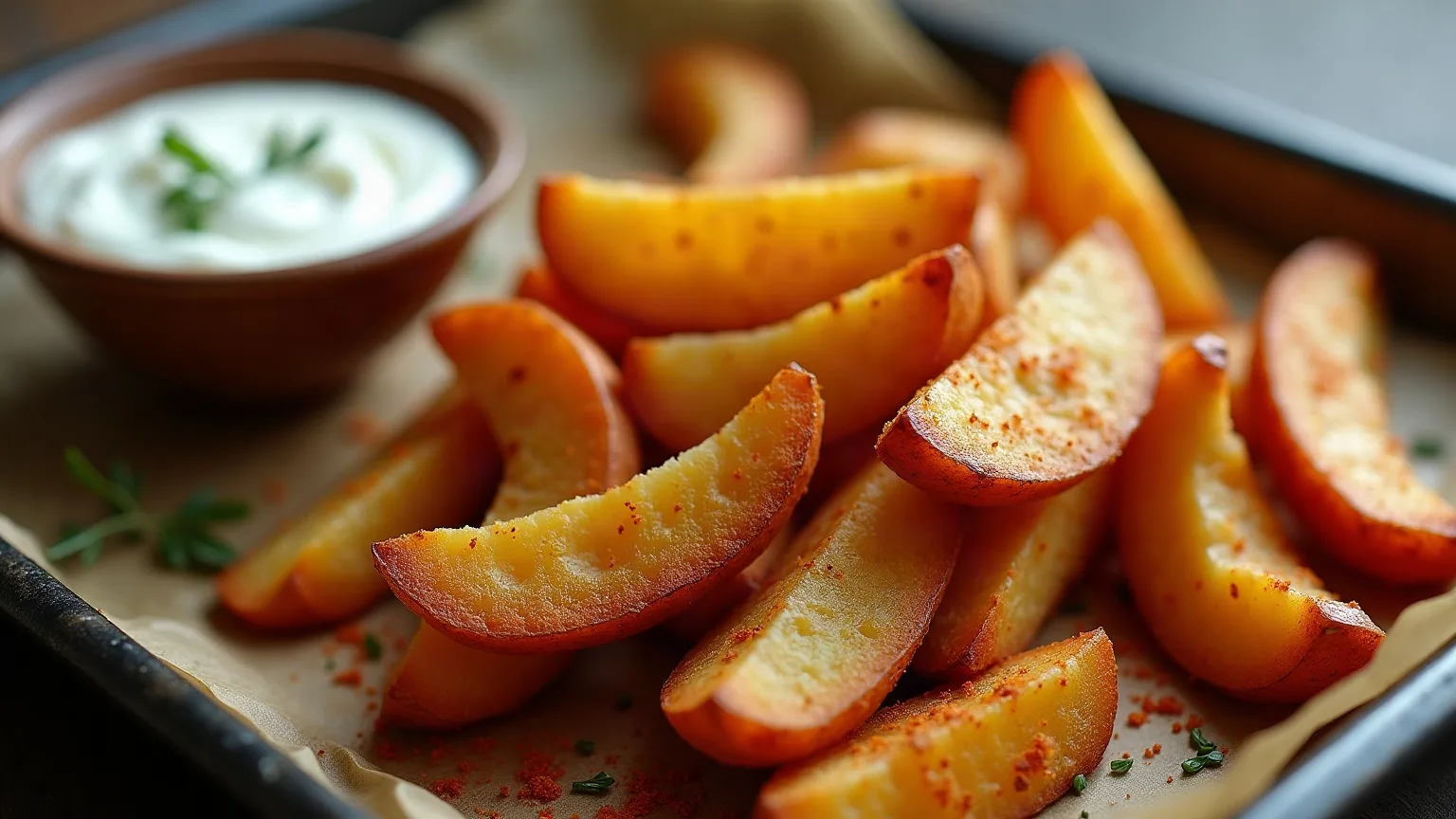
Oven potato wedges
The secret of a crisp wedge is not in the oven but before it: a boil and a shake. Without roughening the surface there is no crust.
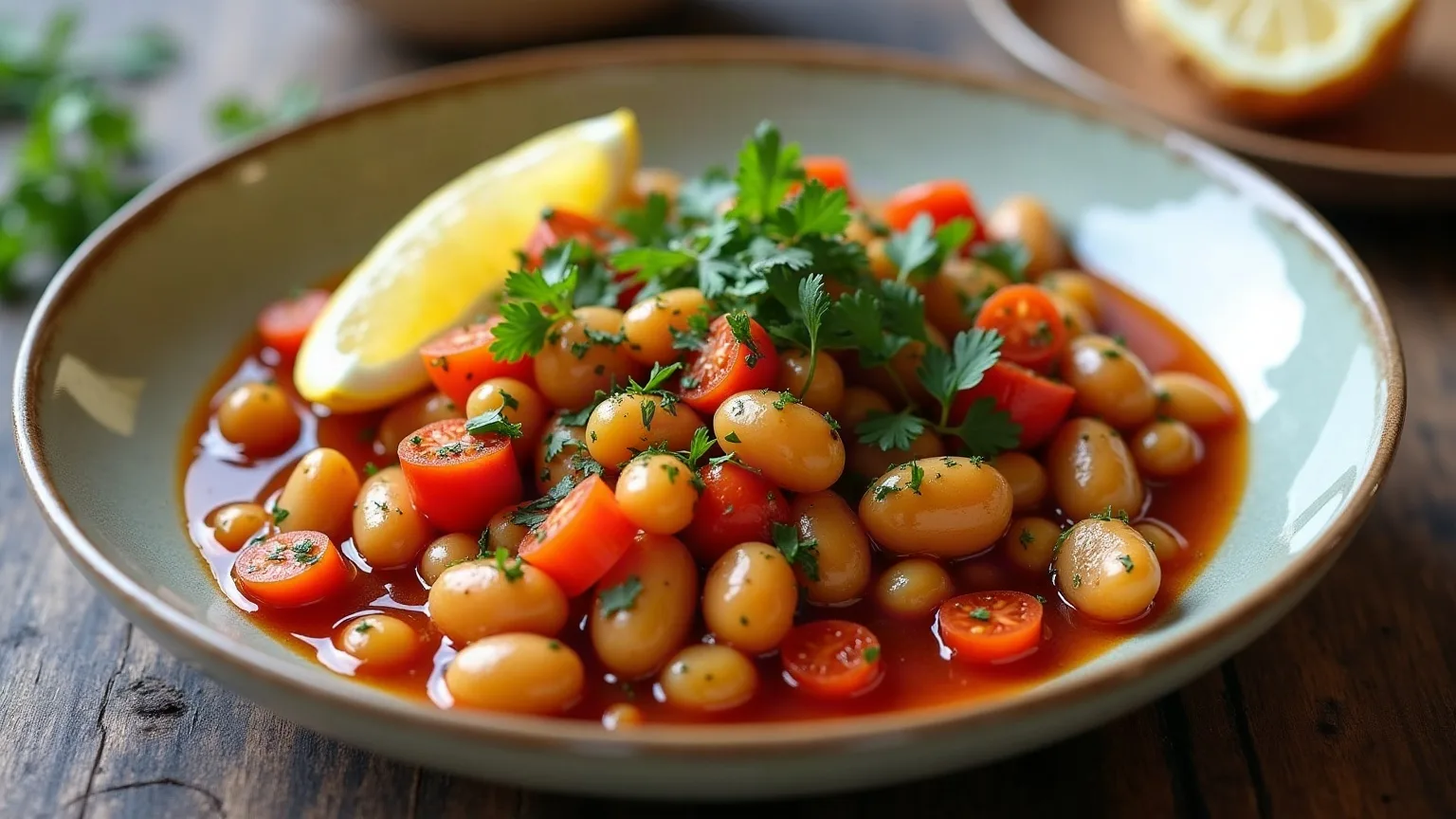
Borlotti bean pilaki
A pilaki is eaten cold, and that is why there is sugar in it: perception of sweetness drops as food cools, so what tastes right hot tastes flat cold.
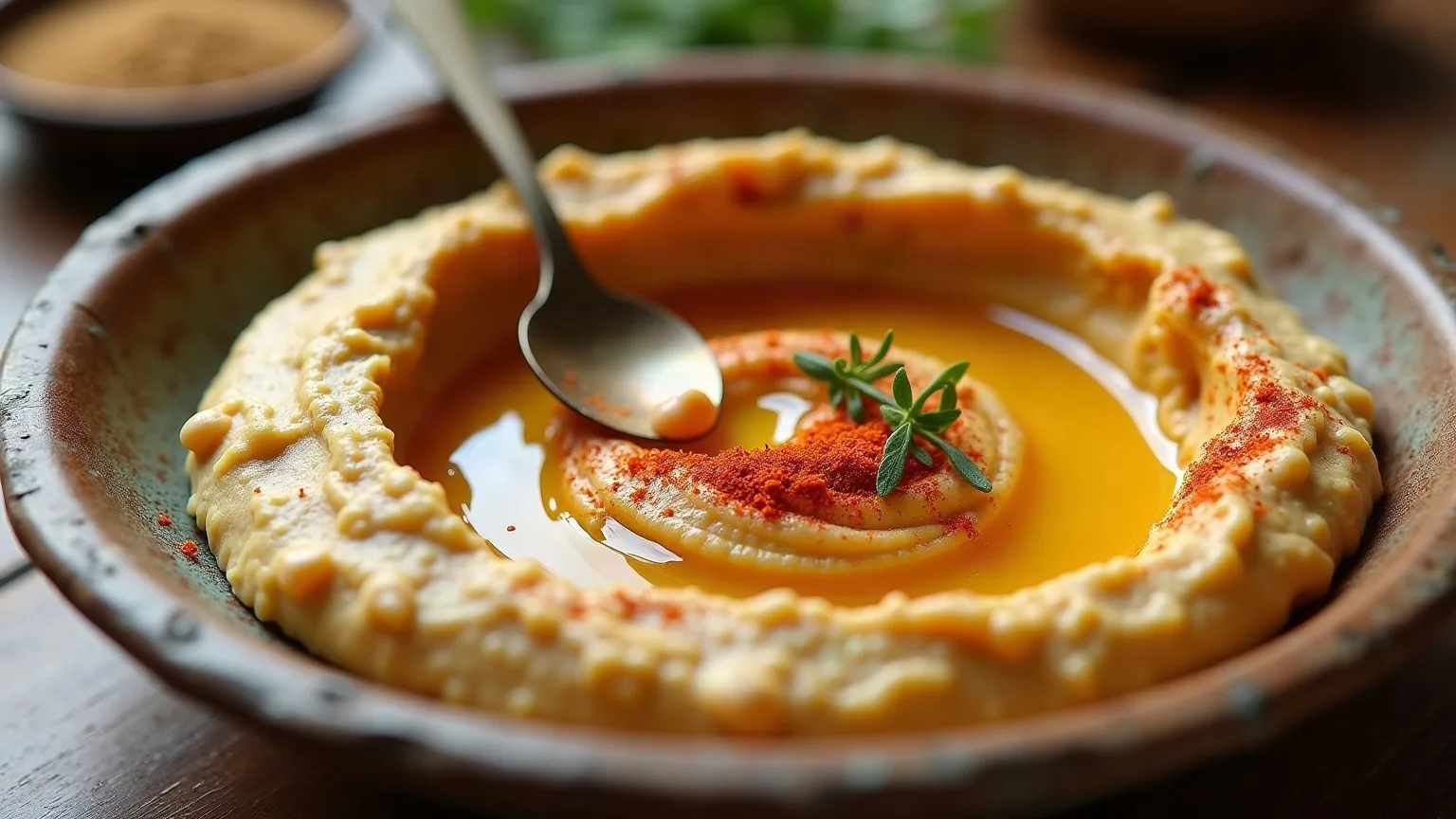
Hummus
Smooth hummus is not a question of the blender but of the skins: no machine makes it velvety while they are still on.
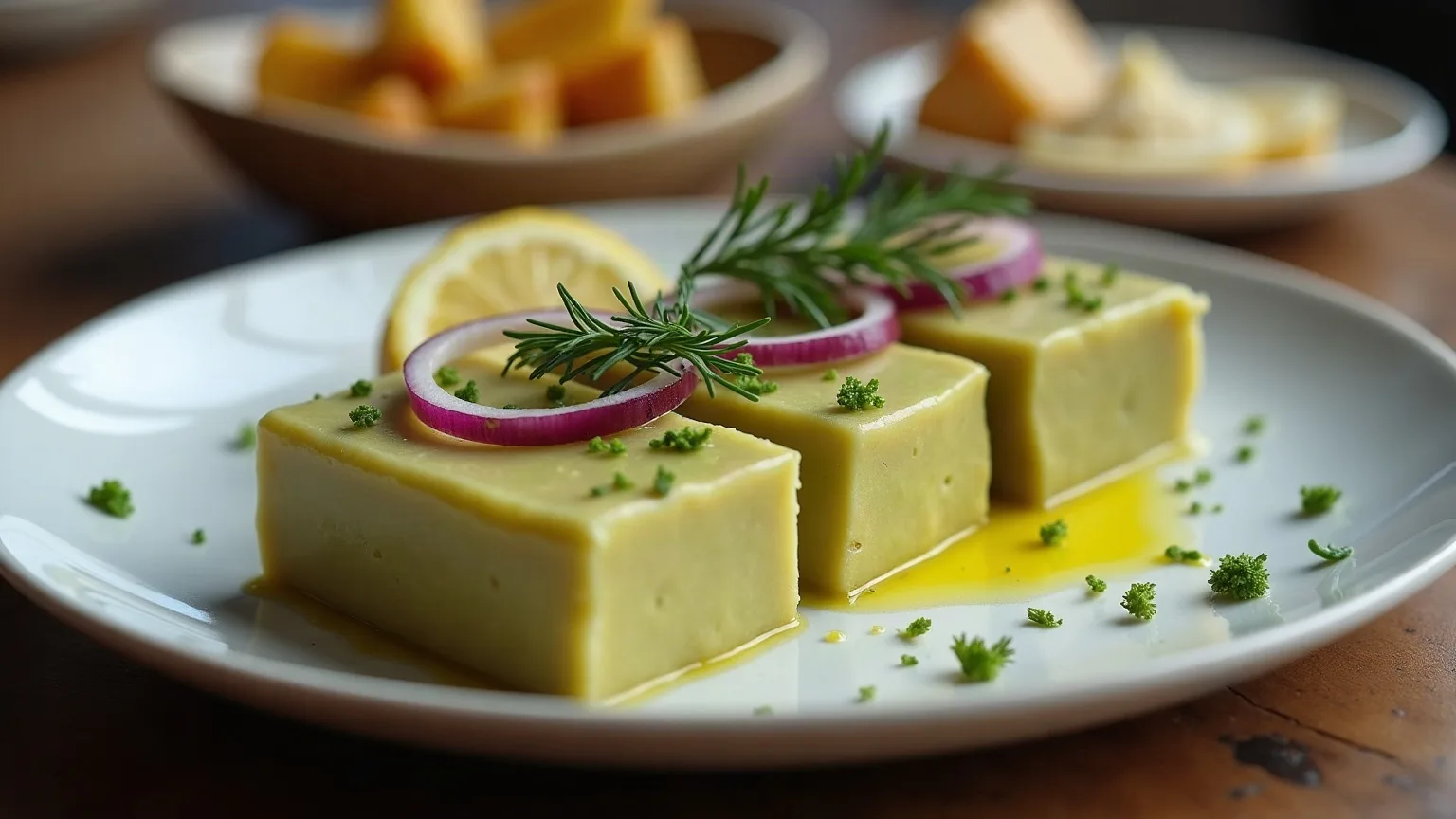
Broad bean purée
Broad beans are not boiled in their skins: the skin cooks but never chews, and the purée comes out gritty.
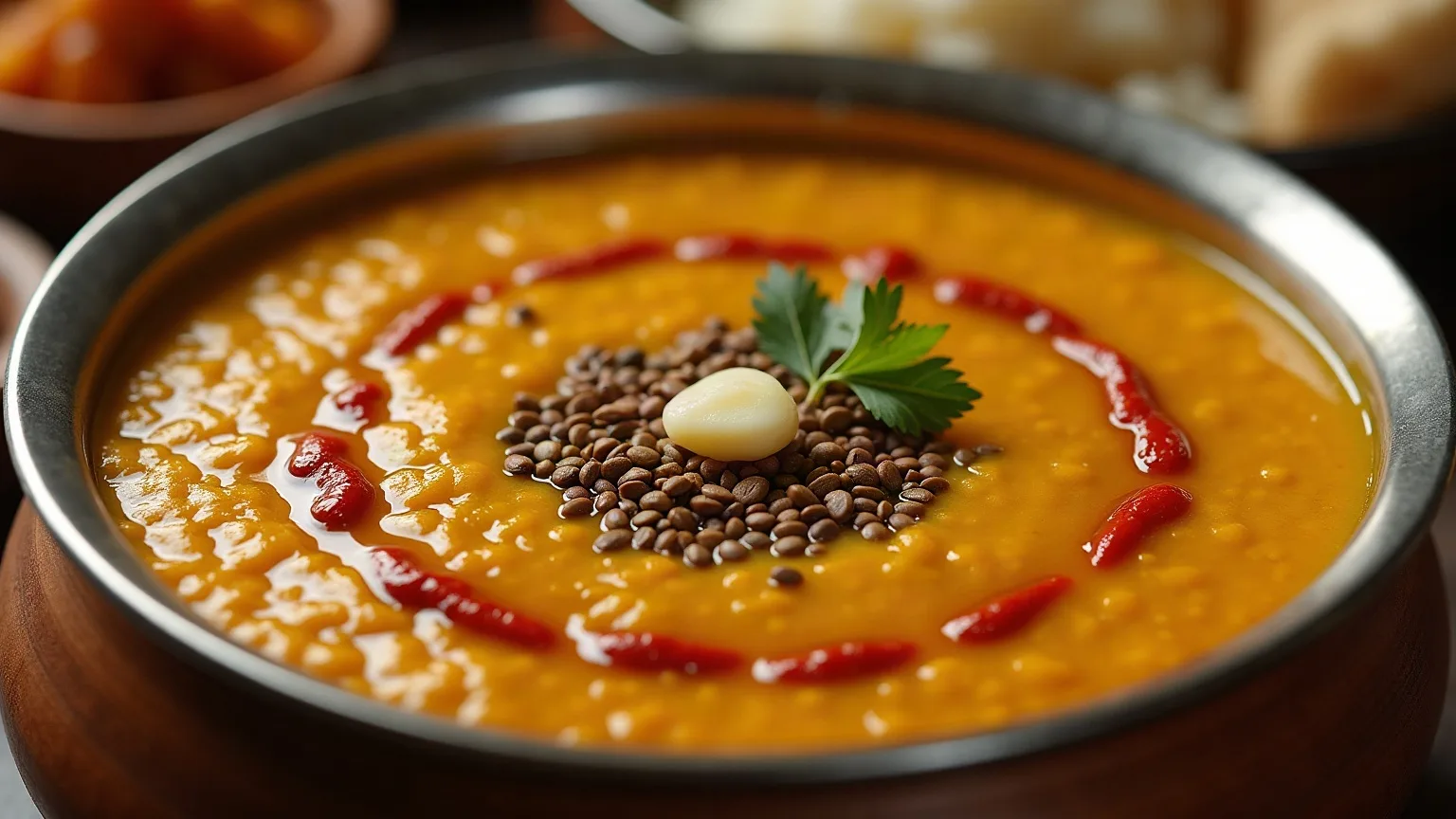
Red lentil dal
Twenty minutes of boiling lentils tastes of very little; almost all of the flavour is made in the last forty-five seconds, in hot fat.
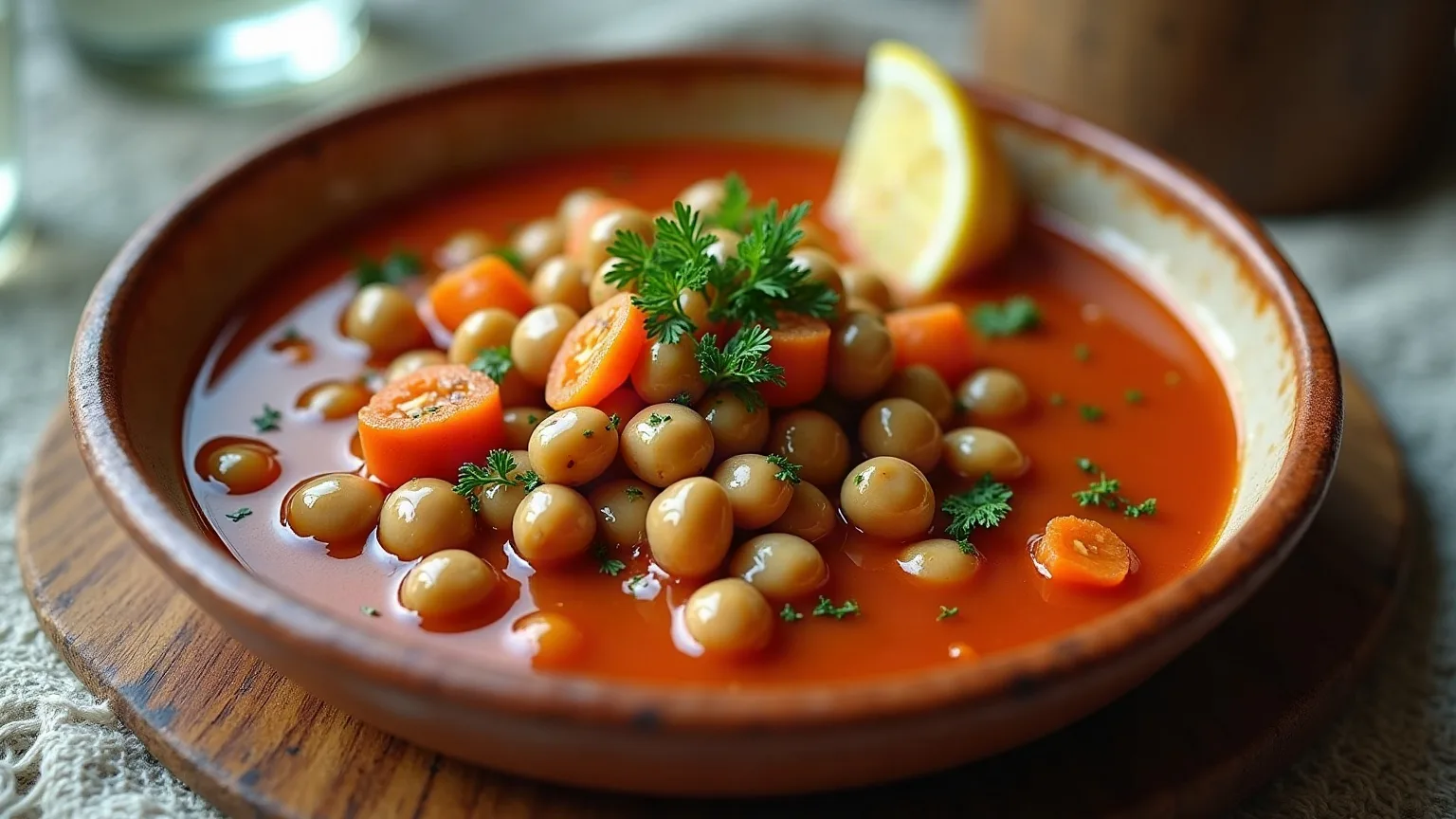
Black-eyed pea stew
The one common dried pulse that needs no soaking: its coat is thin and permeable, so it goes from dry seed to tender in twenty-five minutes.
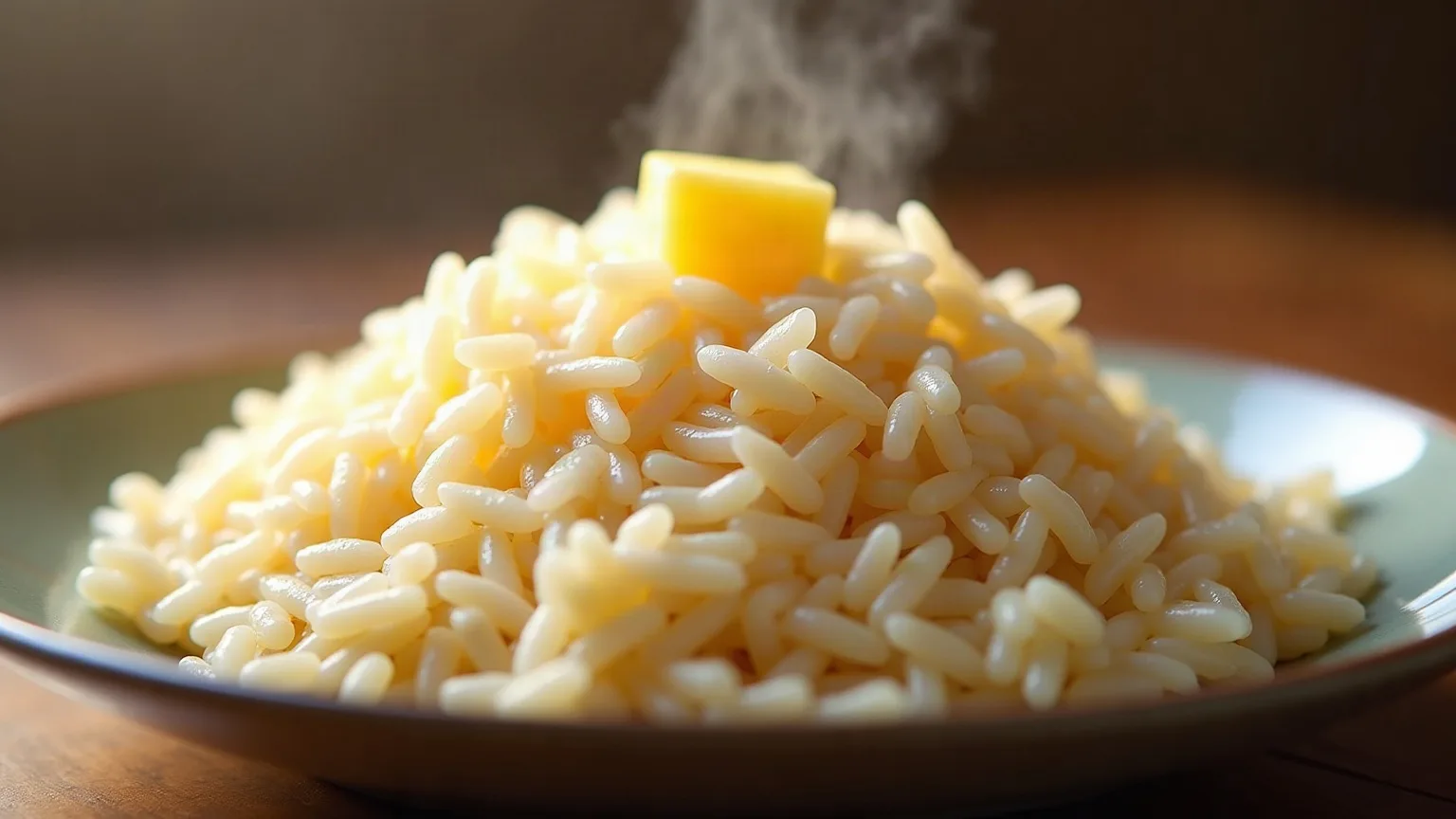
Buttered pilaf
Separate grains are not a recipe but two steps: rinse it, and leave the lid alone.