
Pottery kebab
Meat and vegetables sealed in a clay jug under a lid of dough and baked for two hours. The closed jug cooks in its own steam, and cracking it open at the table is part of the dish.
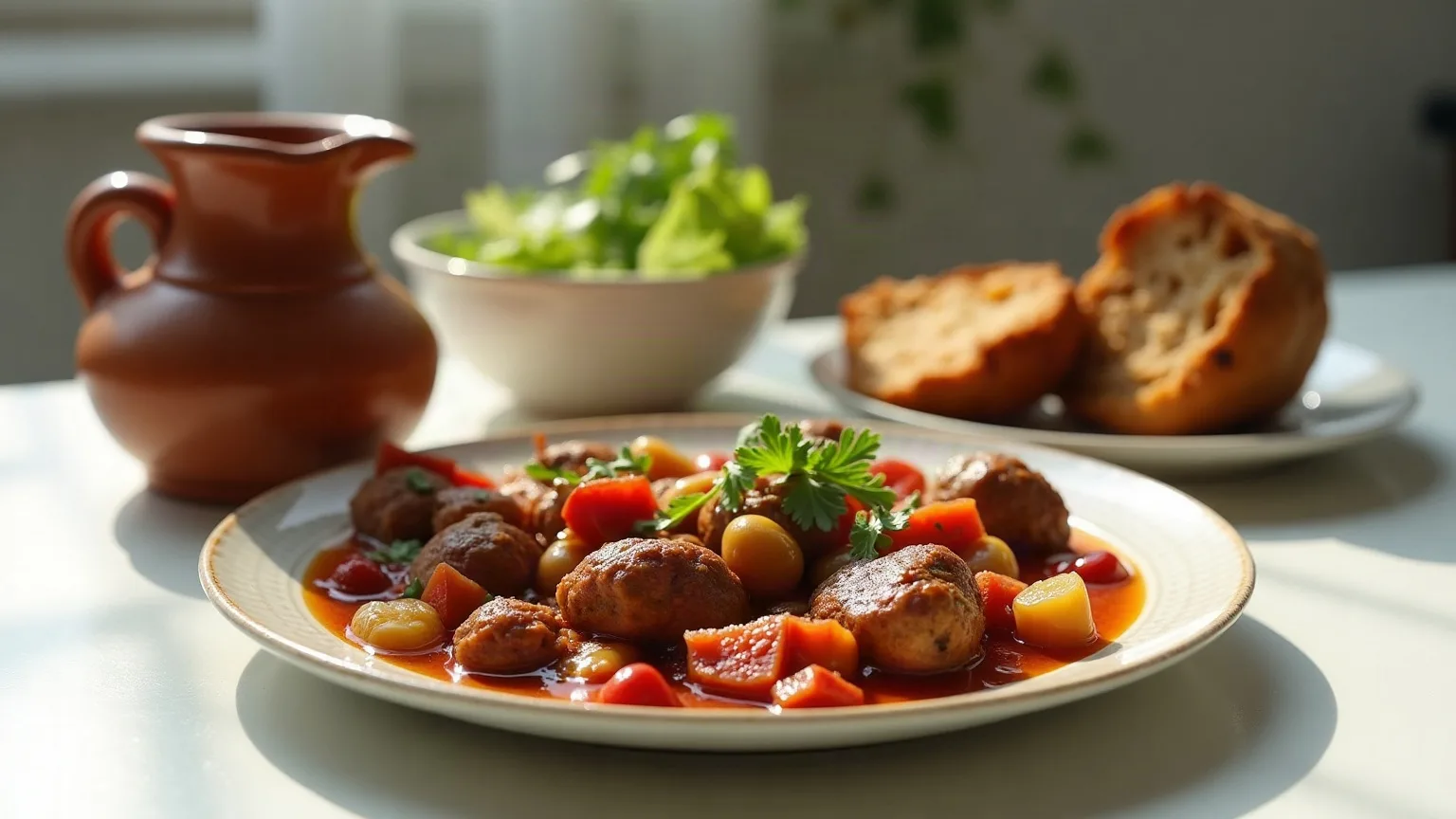
Grill and barbecue · Central Anatolia · For guests
- Preparation
- 40 min
- Cooking
- 130 min
- Resting
- 10 min
- Difficulty
- Practised hand
- Cost
- Dear
- Season
- Autumn, Winter
A dish born of the pottery of Cappadocia, and of Avanos in particular. Clay takes heat slowly and gives it back slowly; the inside sits around 95–100 °C for a long time, dissolving the meat’s collagen without drying it.
Method
- Soak the jug in water for 30 minutes.
- Knead the flour with 60 ml water for the sealing dough.
You will need: A clay jug, 2 L · An oven · Thick oven gloves
-
Mix the meat, chopped vegetables, garlic, paste, butter, salt and pepper in a bowl and fill the jug, leaving 3 cm at the top.
Look for Filled snugly without pressing down.
Why No water goes in: the vegetables and meat give up 150–200 ml of liquid as they cook. The gap at the top is for steam.Starch still asleep The granules are just floating there doing nothing. No body arrives before 62 °C.
Salt · 0.64% Right in the window. Flavours sharpen, bitterness retreats, water is held.
-
Seal the mouth with the dough and put the jug into a cold oven; set it to 200 °C and bake for two hours.
Look for A little steam escaping through a crack in the dough is normal.
Why Clay cracks under sudden change; heating up with a cold oven prevents it. The soaked jug gives off steam in the first half hour.If it went wrong
If the jug cracks, do not turn off the oven: stand it in a roasting tin and finish the cooking; never set it on a cold surface, it will shatter.
Starch gelatinised The granules soaked up water, swelled and burst into a network. It has thickened, and it will firm further as it cools. no way back
Maillard is running Amino acids have met reducing sugars. The crust, the roasted flavour and that smell all come from here. no way back
Salt · 0.64% Right in the window. Flavours sharpen, bitterness retreats, water is held.
-
Take the jug out, stand it on a wooden board for ten minutes, then break the seal and pour it onto a dish.
Look for The meat falls apart with a fork and the sauce is glossy.
Why Wood draws heat slowly, so the jug does not crack; resting lets the meat take its juices back.Starch gelatinised The granules soaked up water, swelled and burst into a network. It has thickened, and it will firm further as it cools. no way back
Salt · 0.64% Right in the window. Flavours sharpen, bitterness retreats, water is held.
This recipe was run through the engine step by step — what goes in when, and at what temperature and for how long. The reactions above come from that run.
peak 200 °C · 145 minutes · engine 1.0.0 · confidence low
After the heat goes off
With rice, the jug opened at the table.
Three days in the fridge.
In a pan on a low flame until it simmers.
Freezes three months.
As a sauce for rice or pasta.
From ten months, with the meat mashed. For an unsalted share, cook some in a small separate dish.
- The oven The method this recipe rests on
- Lamb What it does in heat, water and acid
- Tomato What it does in heat, water and acid
- Bulb onion What it does in heat, water and acid
- Orman kebab Similar method, or something that sits on the same table
- Taş kebabı Similar method, or something that sits on the same table
- Lamb casserole Similar method, or something that sits on the same table
- For guests Other recipes that answer the same need
What it tastes like
The axes that define this recipe: umami 50, aroma 66.
This profile is computed rather than measured: the role-weighted average of its ingredients’ taste vectors, shifted by what the cooking does. The thin line is the database average on that axis.
Closest in taste
Not hand-picked: ranked by distance across the eight taste axes.
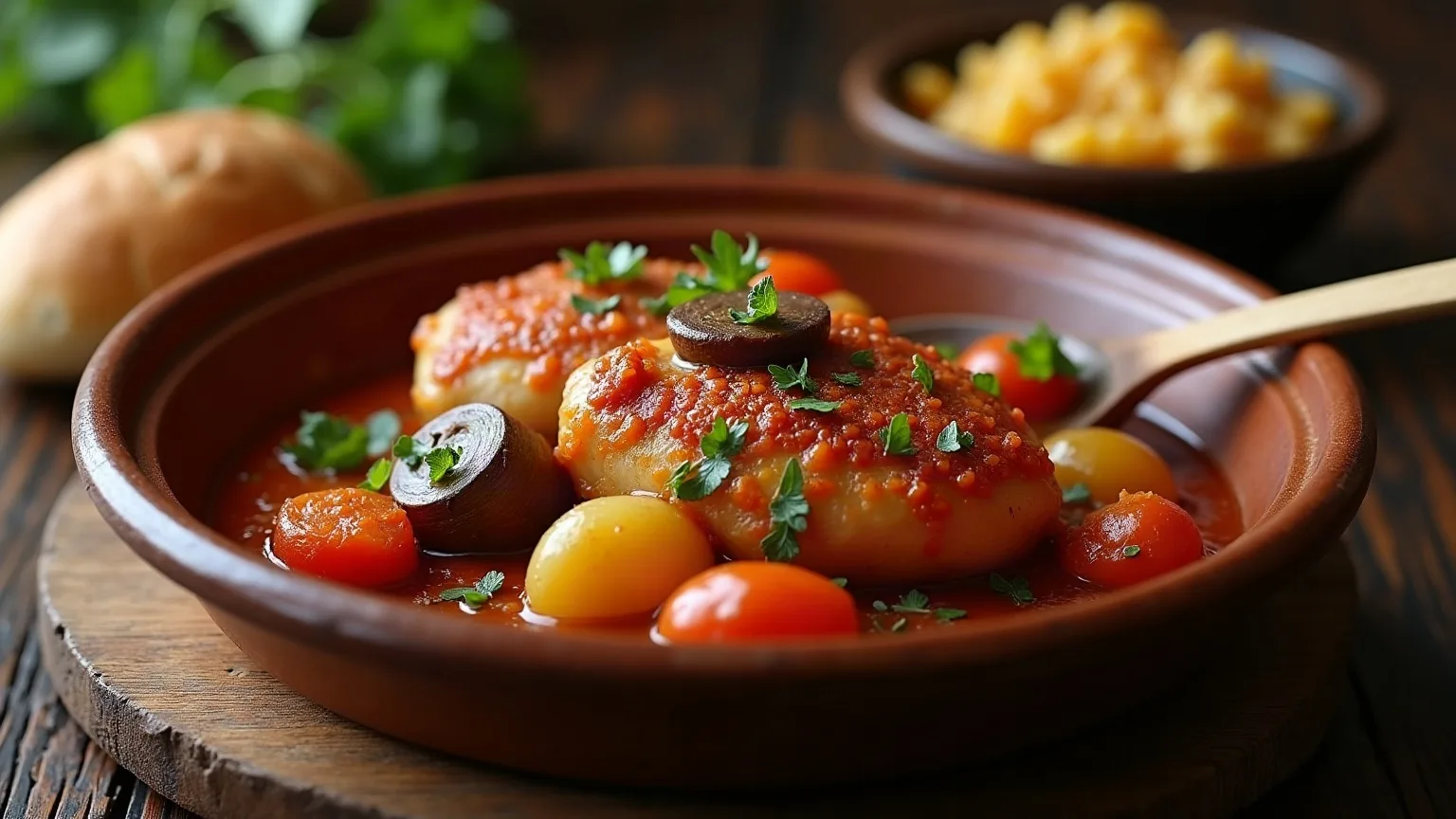
Chicken casserole
Made with thigh, and there is no alternative: breast certainly dries over forty minutes in an oven.…
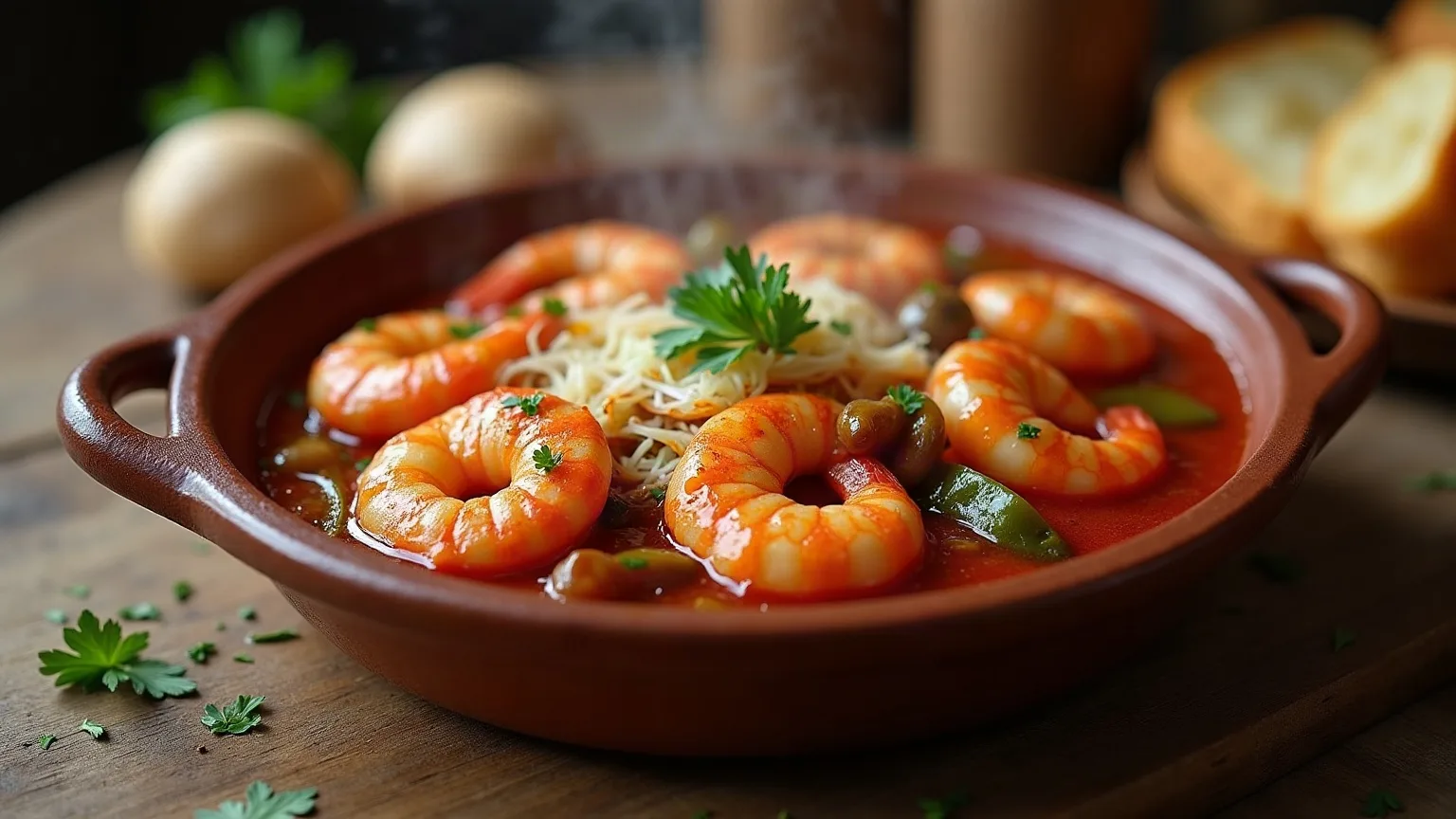
Prawn casserole
The prawns go in for the last four minutes. Cooked with the sauce from the start they turn to rubber, and there is no wa…
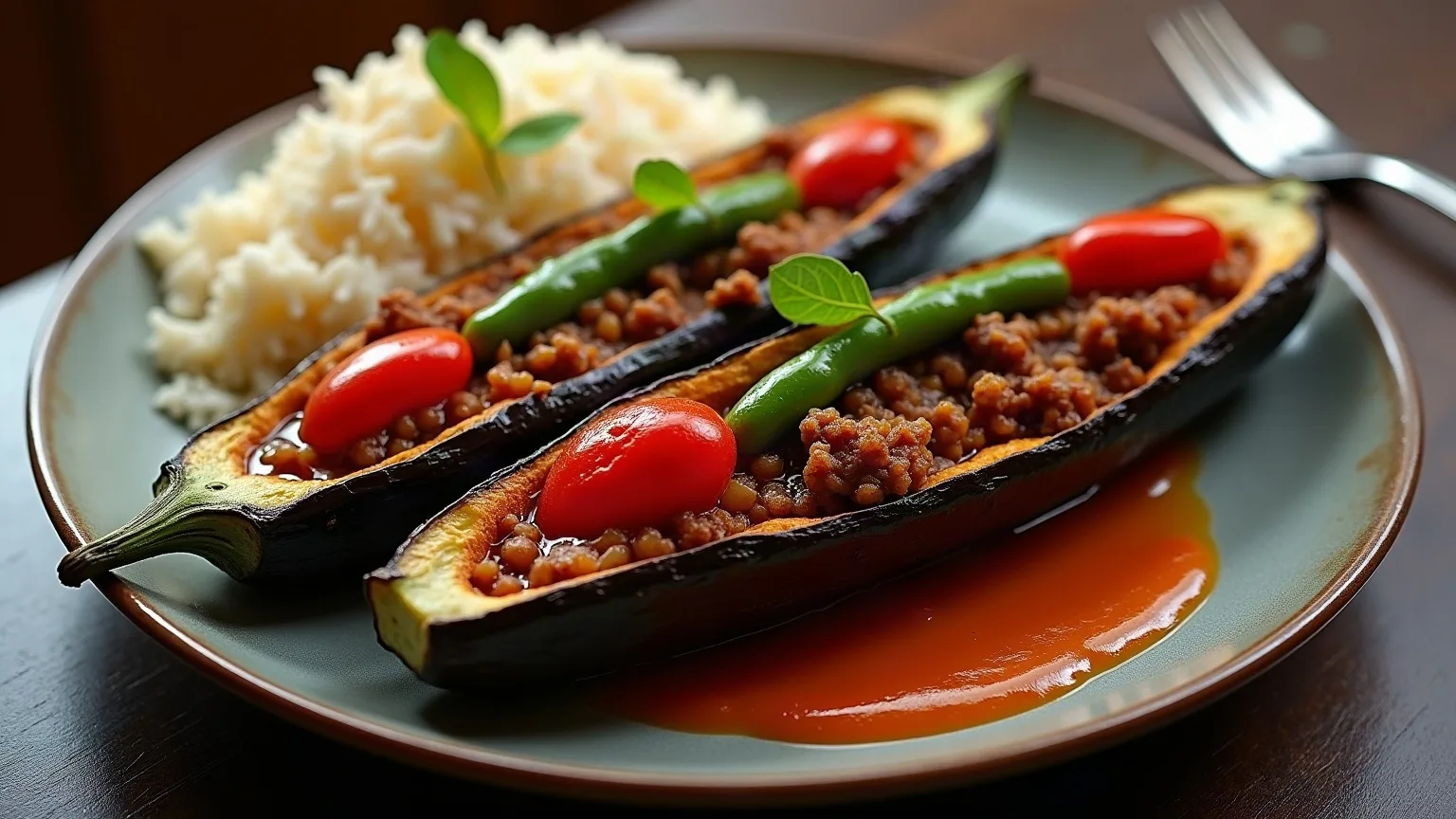
Karnıyarık
The one thing that stops an aubergine drinking oil is a soak in salted water: cells full of water leave no room for fat.…
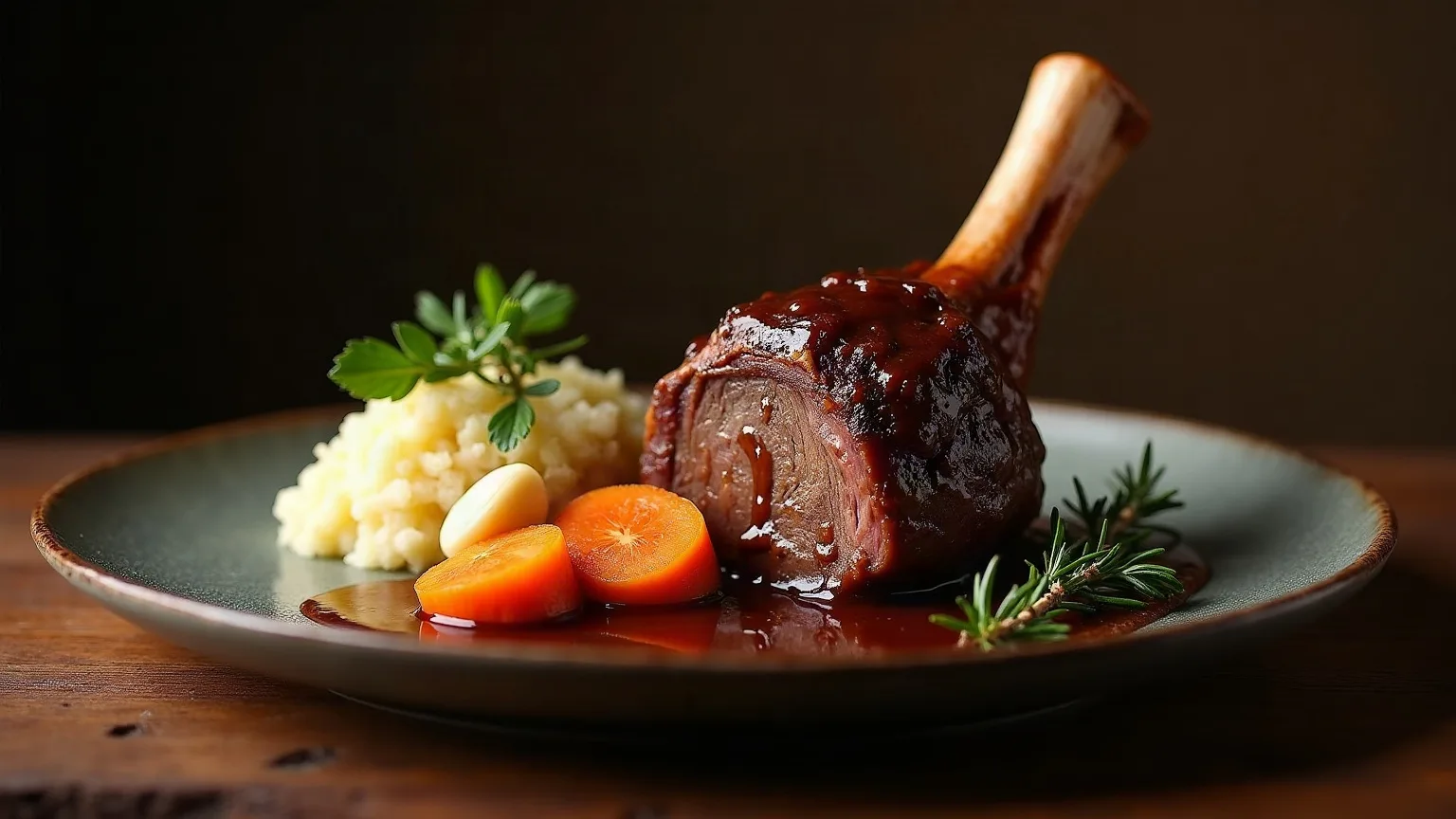
Slow-roast lamb shank
Three hours at 150 °C. There is no way to shorten it: collagen becomes gelatin with time rather than with temperature.…