
Homemade lemonade
A lemon’s scent is in the peel, not the juice: rubbed into sugar, the zest gives up its oil in an hour, and the juice comes after.
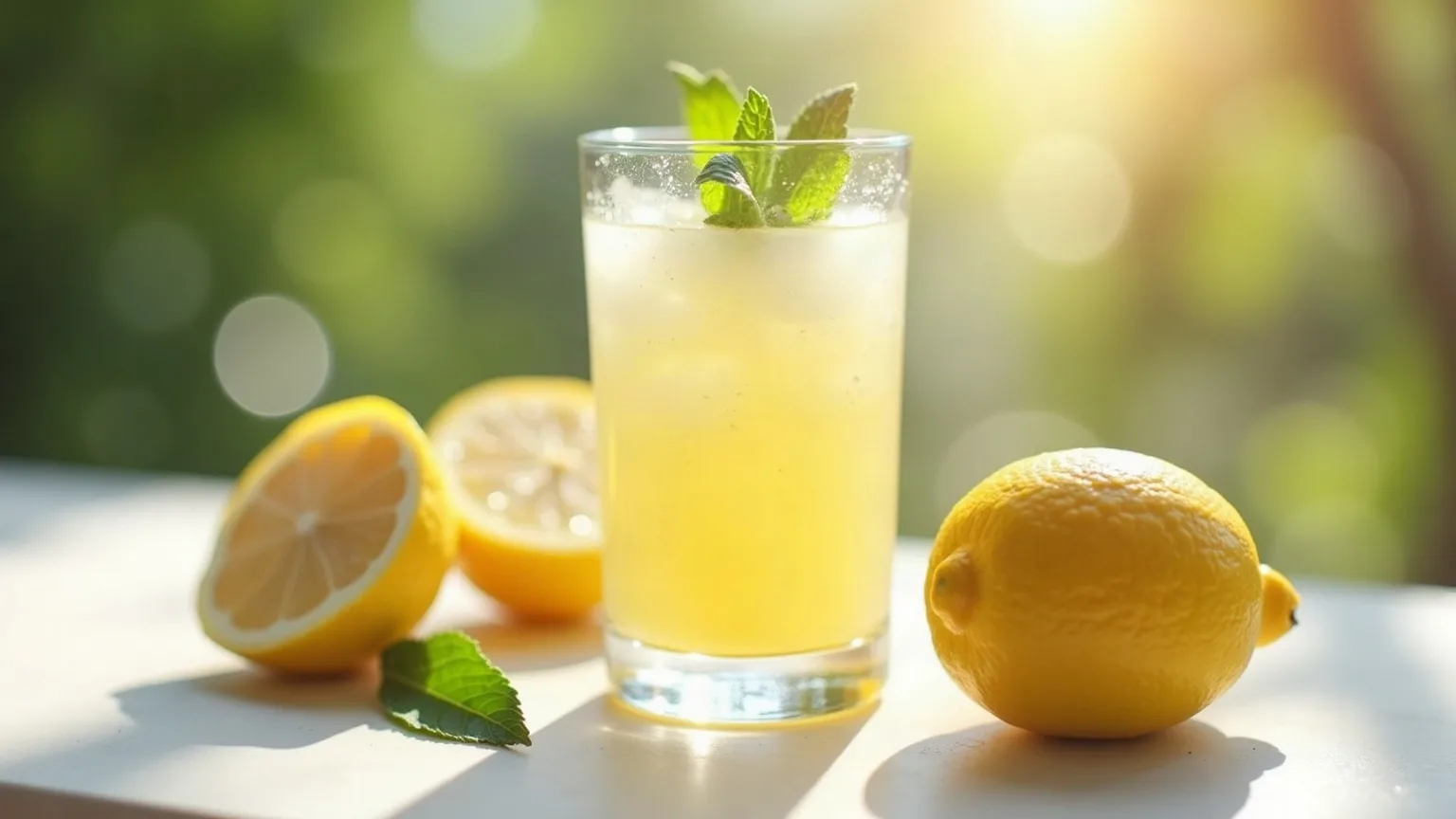
In Turkey homemade lemonade is mostly made with the peel, and the instinct is right: most of a lemon’s aroma is in the oil glands of the skin. But the white pith is bitter, and lemons blended whole and left to stand turn lemonade bitter within hours. Here only the yellow part of the peel is used, so the bitterness never arrives.
Method
- Scrub the lemons under warm water; the peel is going in.
You will need: A fine grater · A citrus squeezer · A jug
-
Grate only the yellow zest of the lemons over the sugar and rub it in with your fingers for a minute.
Look for The sugar should turn damp and pale yellow and smell strongly of lemon, with no white on the grater.
Why The sugar crystals tear the oil glands of the zest and soak the oil up. The white pith carries bitter compounds such as limonin; the moment the grater reaches the white, the bitterness goes into the drink too.If it went wrong
If pith went in, use the sugar within 30 minutes and finish the lemonade the same day: the bitterness climbs over hours.
-
Cover the bowl and leave it at room temperature for an hour.
Look for A yellow, oily syrup should gather at the bottom of the bowl.
Why Drawing the oil out of the zest takes time; after an hour the sugar is close to a lemon syrup. -
Squeeze the lemons; dissolve the sugared zest in 250 ml of warm water (35–40 °C), add the juice and the rest of the cold water, and strain.
Look for No undissolved sugar should be left at the bottom of the jug.
Why Sugar dissolves much faster in warm water than cold. The ratio is about 200 ml of juice, 150 g of sugar and 1.2 litres of water: sugar makes up roughly 10% of the drink, around where it balances the sourness. -
Bruise the mint and add it, chill to 4–6 °C and serve.
Look for It should balance sour and sweet, with the scent of the peel clearly there.
Why Cold lemonade tastes less sweet than warm, so adjust the sweetness only once it is chilled.
This recipe was run through the engine step by step — what goes in when, and at what temperature and for how long. The reactions above come from that run.
peak 25 °C · 75 minutes · engine 1.0.0 · confidence low
After the heat goes off
In an iced glass with a sprig of mint. Put the ice in the glass, not the jug: melting ice waters down the jug.
Two to three days in a closed jug in the fridge. The mint darkens within a day; take it out if you are keeping it longer.
It is not heated.
It can be frozen in ice-cube trays: lemonade cubes chill a glass without watering it down.
Pour what is left into ice trays, or use it for the lemon in a chicken marinade.
Children like it, but it is a sugary drink: a 250 ml glass carries about 27 g of sugar. For a child you can let a glass down half and half with water. Not for a baby under one.
- Sugar → Honey Honey works (120 g); add it with the warm water rather than at the rubbing step.
- Cold The method this recipe rests on
- Lemon What it does in heat, water and acid
- Mint What it does in heat, water and acid
- Homemade ayran Similar method, or something that sits on the same table
- Turkish tea Similar method, or something that sits on the same table
- Budget Other recipes that answer the same need
- Vegan Other recipes that answer the same need
- Seasonal Other recipes that answer the same need
- For guests Other recipes that answer the same need
What it tastes like
The axes that define this recipe: sweet 46, sour 32.
This profile is computed rather than measured: the role-weighted average of its ingredients’ taste vectors, shifted by what the cooking does. The thin line is the database average on that axis.
Closest in taste
Not hand-picked: ranked by distance across the eight taste axes.
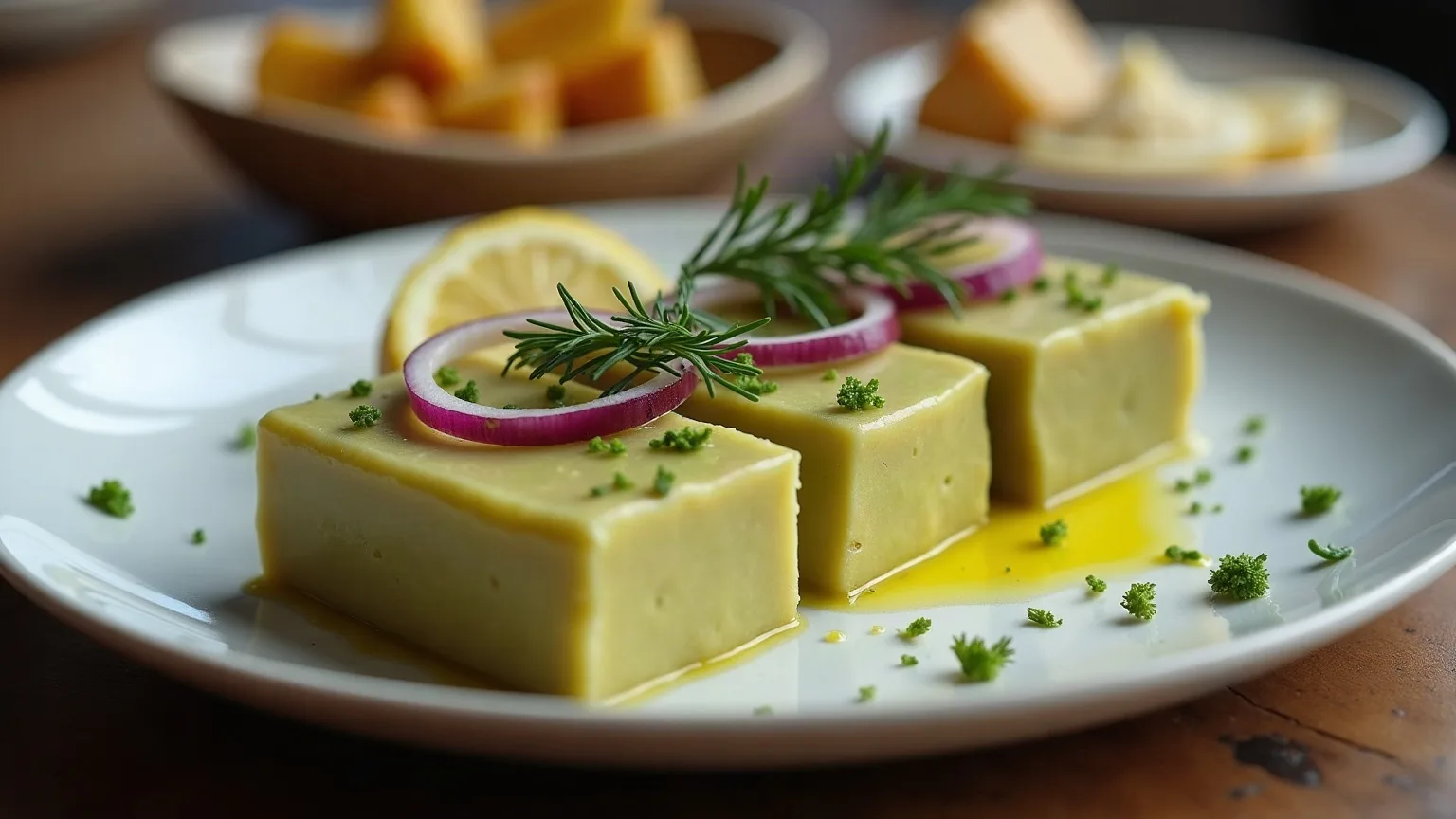
Broad bean purée
Broad beans are not boiled in their skins: the skin cooks but never chews, and the purée comes out gritty.…
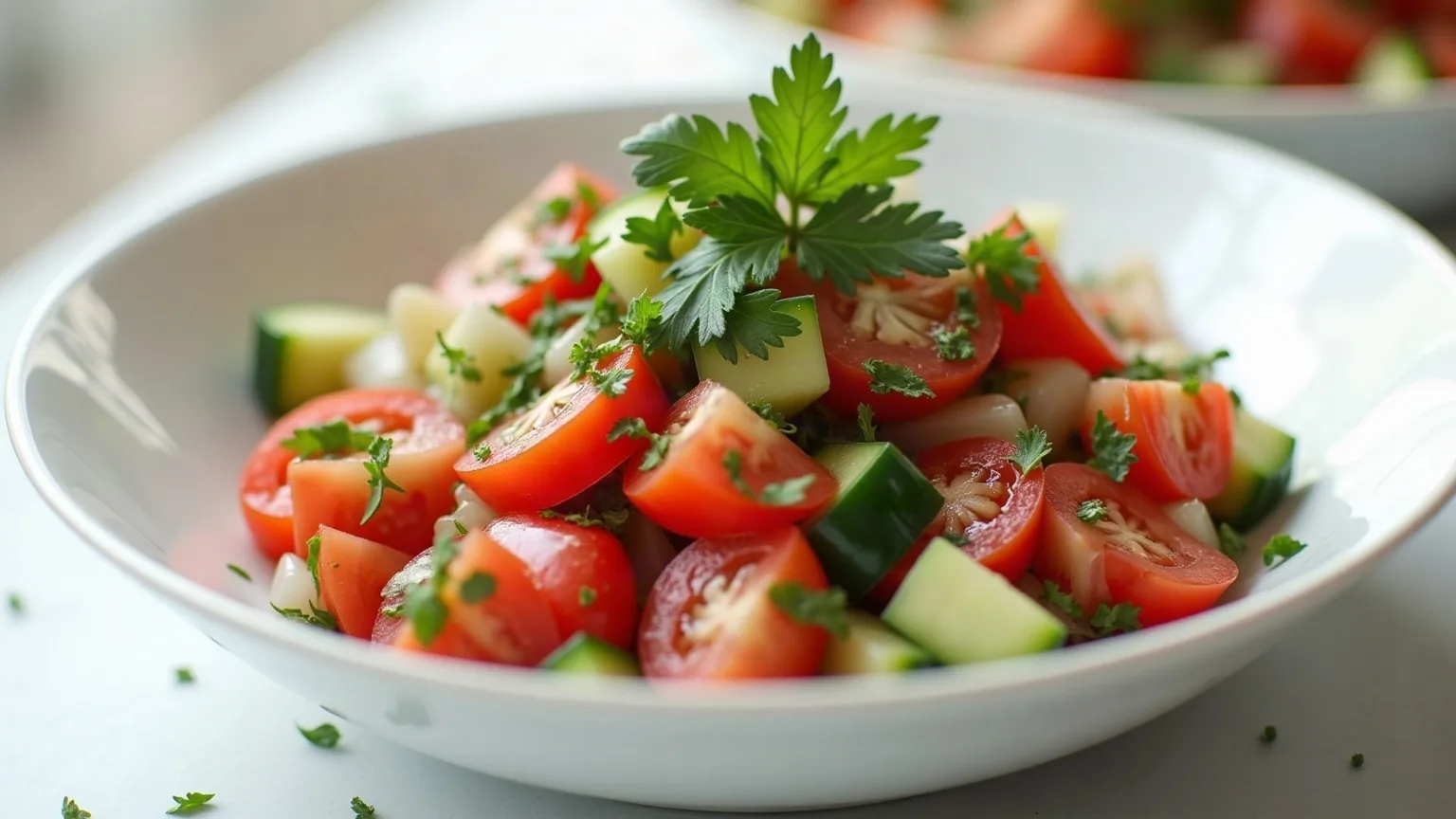
Shepherd’s salad
Tomato, cucumber, pepper, onion and parsley. The salt goes in last, just before it goes to the table: salted tomato give…
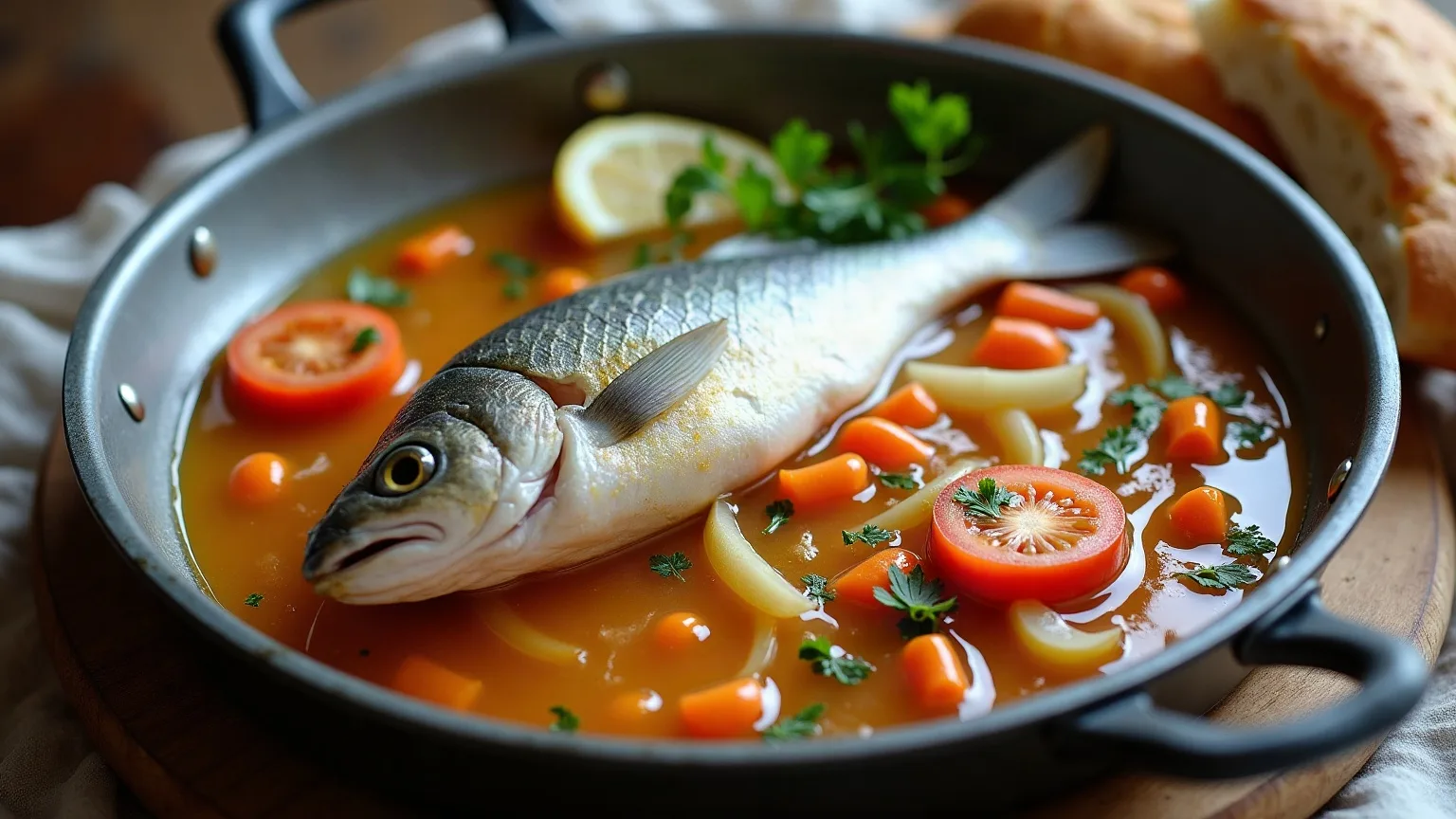
Steamed fish
In a buğulama the fish never touches water: it cooks in the steam the vegetables give off and never sees 100 °C.…
Leeks in olive oil
Leek grit hides between the layers and rinsing does not reach it: it has to be cut first and soaked after.…