
Turkish tea
Water boils in the lower kettle while the tea sits at 90–95 °C in the pot above for 10 to 15 minutes. The "rabbit’s blood" colour is the result of those two numbers.
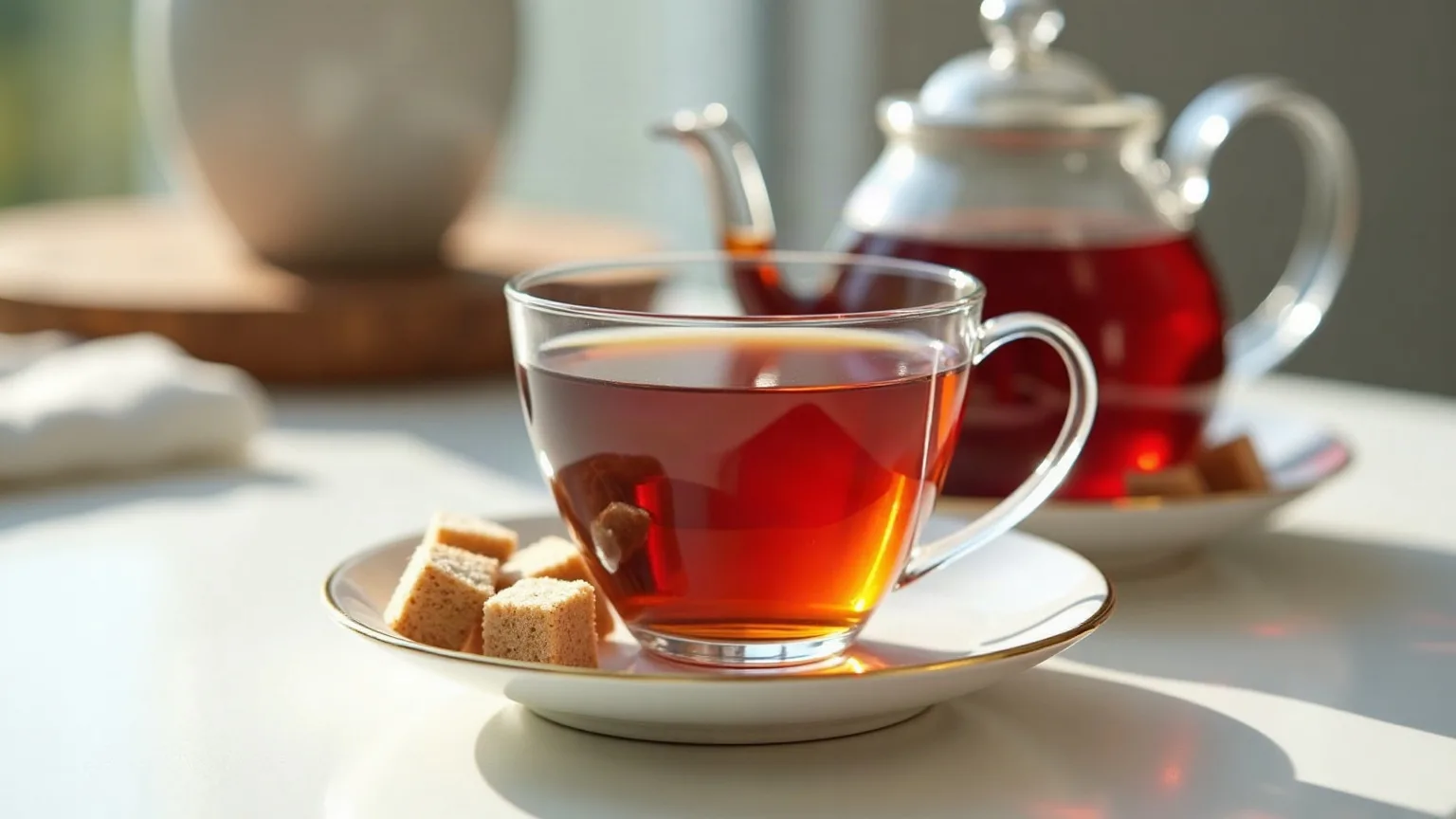
Turkish tea is drunk from a slim-waisted glass and brewed in a two-tier teapot. The water below provides both the hot water that thins the brew and the steam that keeps the pot above it hot. Black Sea tea, above all from Rize, spread from the 1940s on and replaced coffee as the everyday drink. How strong the brew is varies by person — which is why the table asks "light or strong?".
Method
- Fill the lower kettle with fresh cold water: water boiled twice makes a flat, dull tea.
You will need: A two-tier teapot · Slim tulip tea glasses
-
Bring the water to the boil. Meanwhile warm the dry tea in the upper pot over the steam for a minute or two.
Look for The lid of the pot should be too hot to touch and the tea should give off a dry, faintly smoky smell.
Why Boiling water poured into a cold pot loses 10 to 15 degrees at once. A pot that is already warm keeps the first pour above 90 °C. -
Pour about 300 ml of the boiling water over the tea, set the pot back on the kettle and brew it over the lowest flame for 10 to 15 minutes.
Look for The leaves should sink to the bottom and the brew should be a deep red-brown.
Why Water in a pot sitting on steam stays at 90–95 °C: hot enough to draw out the compounds that give black tea its colour and taste, below the boil that makes it bitter. Brewed under 10 minutes the tea is pale and thin; past 20 minutes it turns bitter and astringent, because the tannins keep coming out.If it went wrong
If the pot starts to boil — foam on top, a bubbling sound — take it off at once; if the tea turned bitter, pour less brew and more water into each glass.
-
Pour the brew into the glass first, then the hot water from below: a quarter of the glass for light tea, half for strong.
Look for Held to the light the glass should be clear and deep red — "rabbit’s blood" — rather than cloudy.
Why The brew is a concentrate: changing the ratio suits each glass to each person without a second brew.
This recipe was run through the engine step by step — what goes in when, and at what temperature and for how long. The reactions above come from that run.
peak 100 °C · 20 minutes · engine 1.0.0 · confidence low
After the heat goes off
In a slim-waisted glass with a cube or two of sugar on the saucer. Top the lower kettle up with fresh water as it runs down.
It does not keep. After an hour the brew turns harsh and its colour dulls; make a fresh pot.
It is not reheated: stale brew brought back to the boil turns bitter.
It does not freeze.
Cold brew left over makes iced tea with a slice of lemon and a little sugar, the same day.
Tea contains caffeine. This page does not suggest an amount for children.
- Boiling & poaching The method this recipe rests on
- Tea What it does in heat, water and acid
- Turkish coffee Similar method, or something that sits on the same table
- Salep Similar method, or something that sits on the same table
- Homemade lemonade Similar method, or something that sits on the same table
- Budget Other recipes that answer the same need
- Vegan Other recipes that answer the same need
What it tastes like
The axes that define this recipe: sweet 53.
This profile is computed rather than measured: the role-weighted average of its ingredients’ taste vectors, shifted by what the cooking does. The thin line is the database average on that axis.
Closest in taste
Not hand-picked: ranked by distance across the eight taste axes.
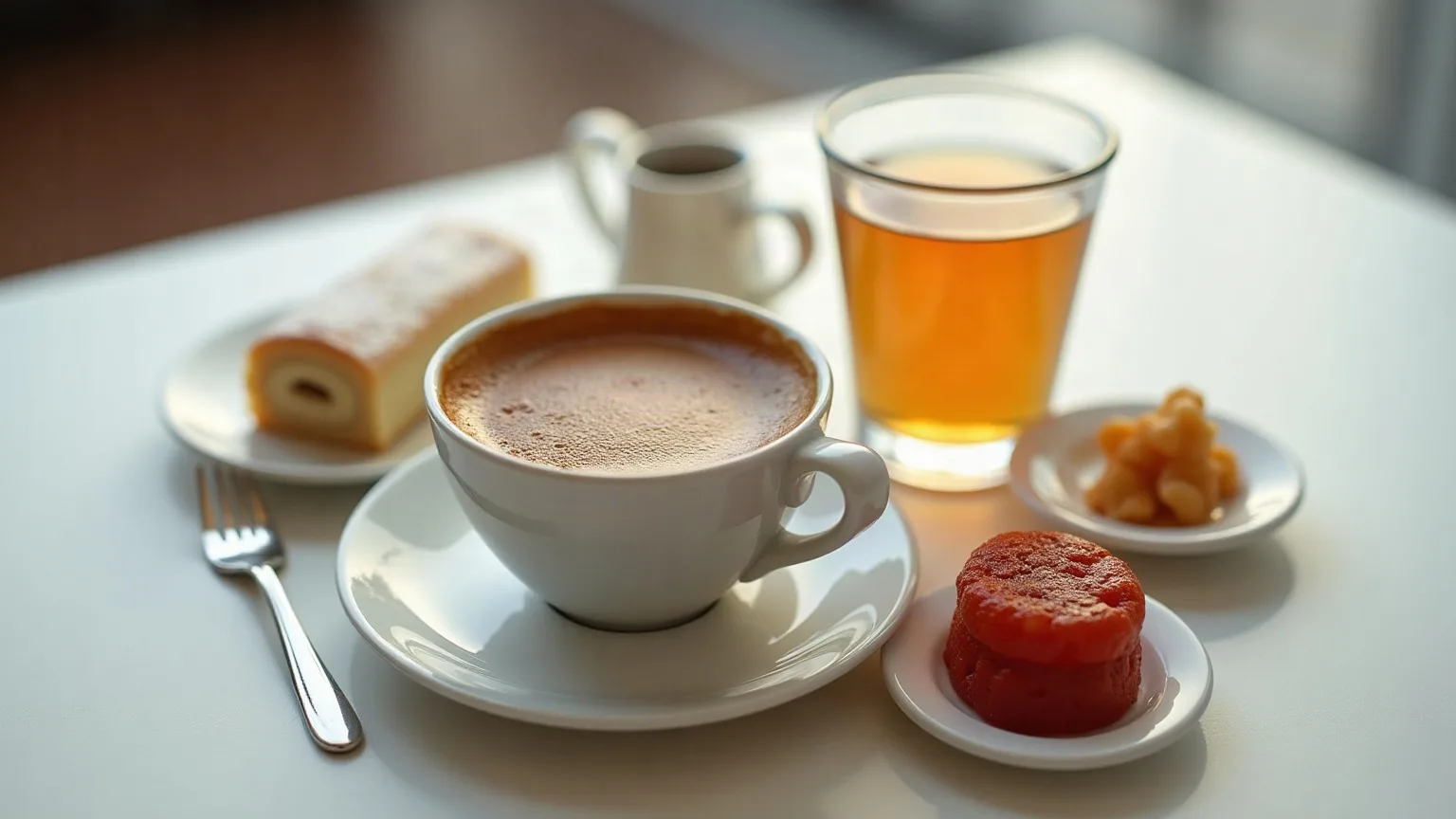
Turkish coffee
Cold water, coffee ground as fine as flour, and a low flame. The foam comes before the boil; let the coffee boil and the…
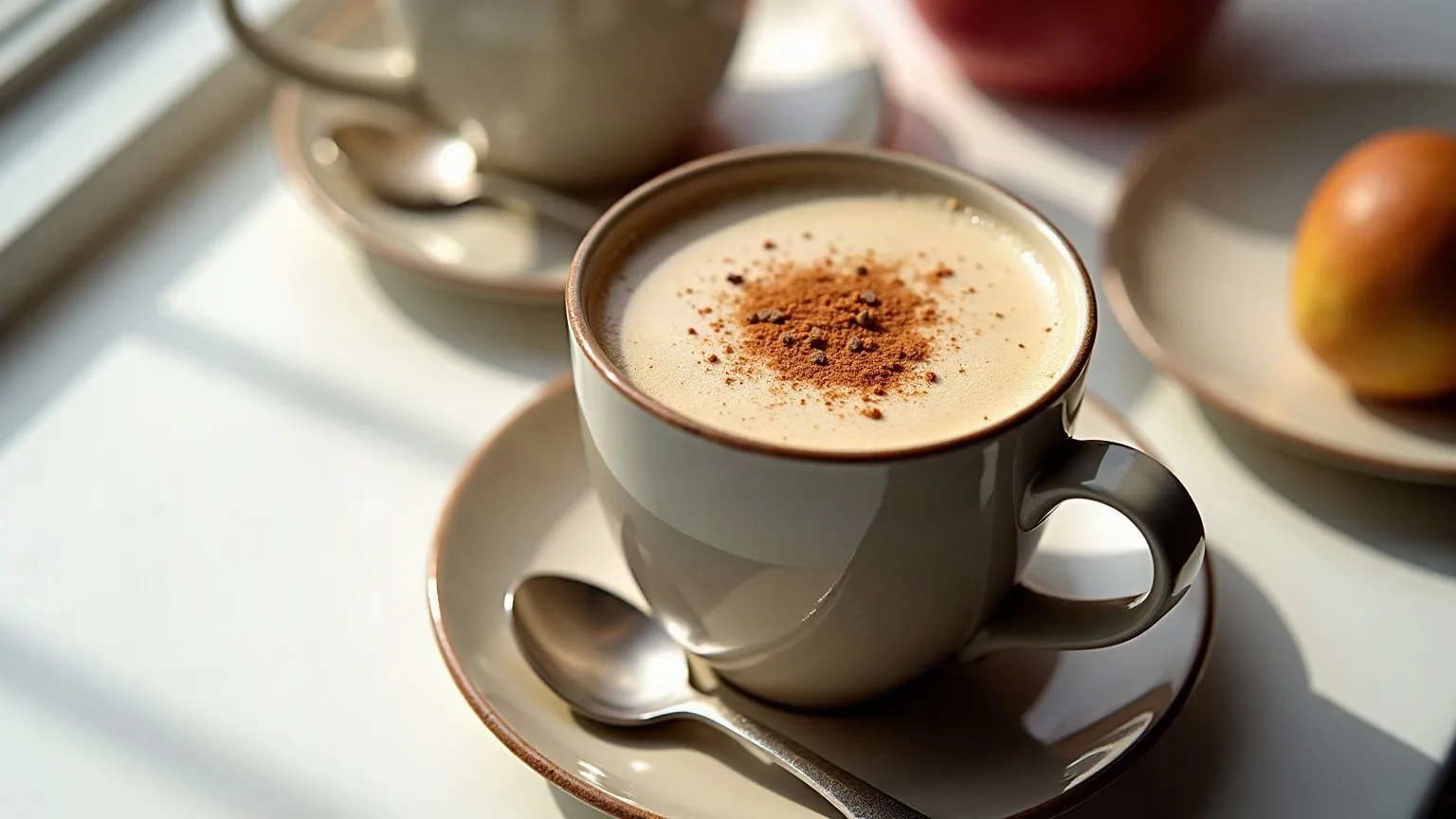
Salep
One tablespoon of salep thickens half a litre of milk, as long as the powder is mixed with the sugar before it meets hot…
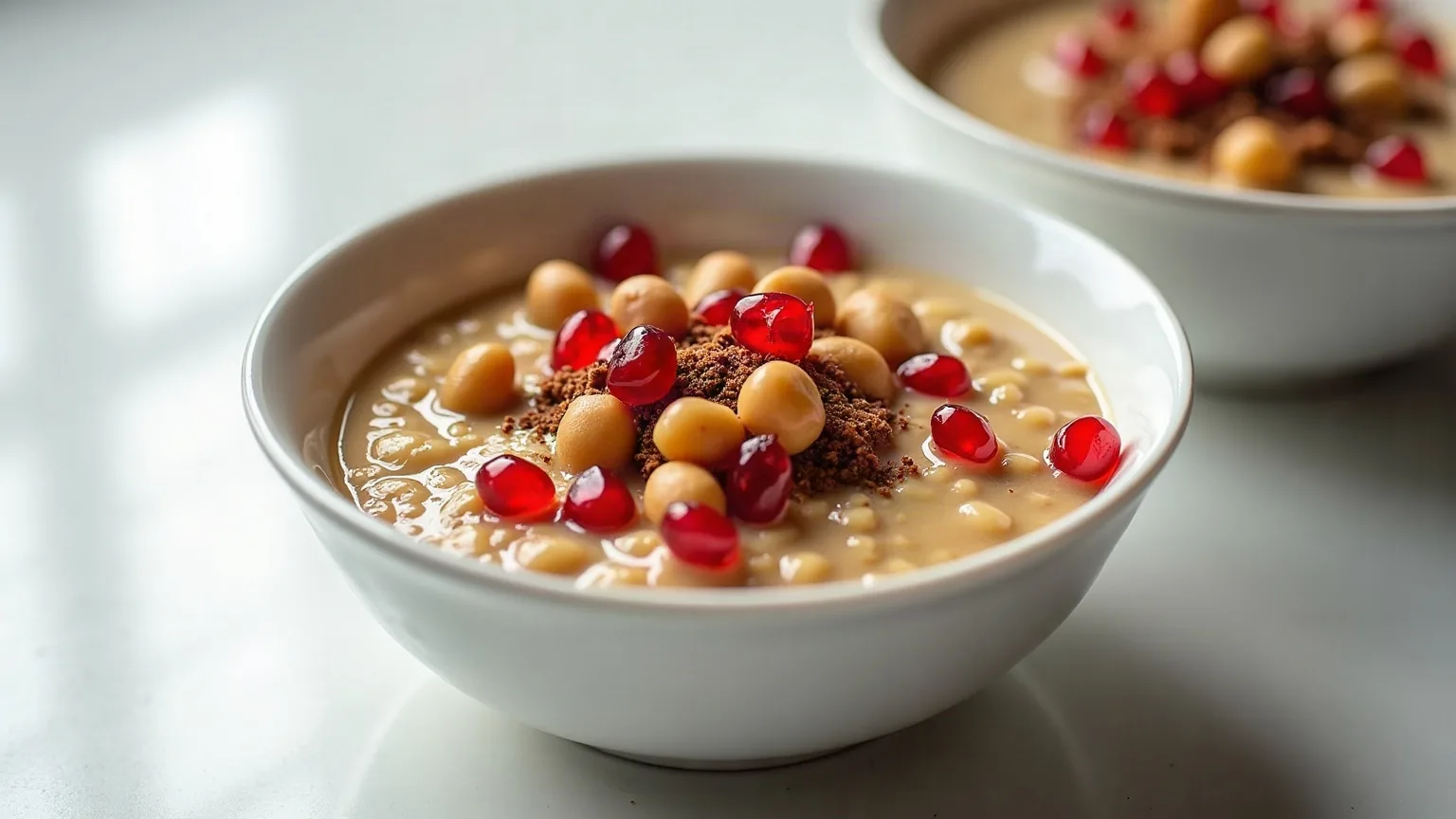
Aşure, Noah’s pudding
Wheat, chickpeas, beans and dried fruit in one pan. The sugar goes in only once the pulses are soft; added earlier, they…
Tomato soup
The taste of this soup is the taste of the tomato, which means a bad tomato cannot make a good one. In winter use paste …