
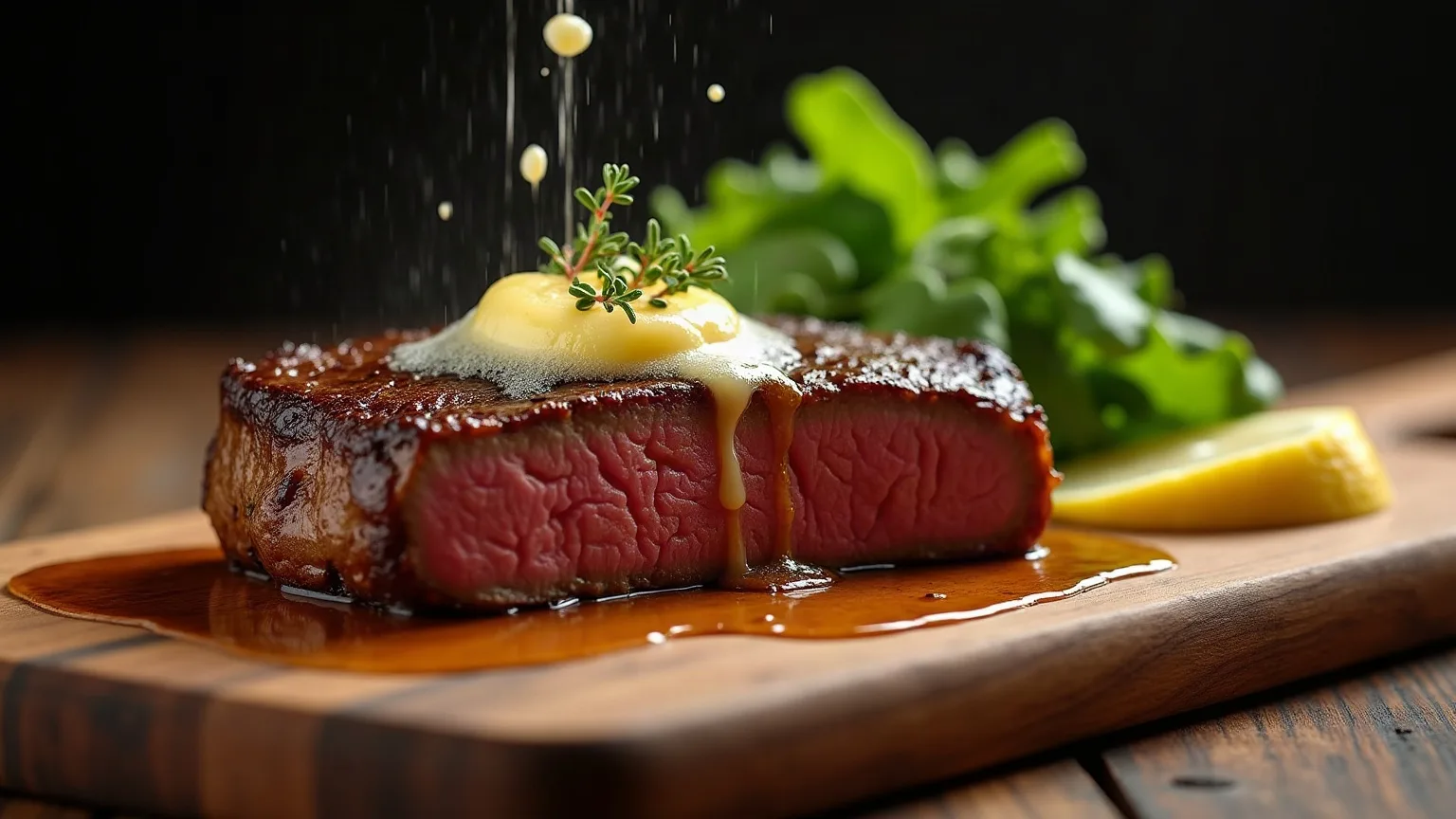
Pan-seared steak
Thickness decides the cooking time, not weight. A 2 cm steak always takes the same time whatever it weighs.
Meat dishes · French · Under 30 minutes · For guests · Post-workout
- Preparation
- 45 min
- Cooking
- 8 min
- Resting
- 7 min
- Difficulty
- Practised hand
- Cost
- Dear
- Season
- All year
Biftek entered Turkish kitchens through the French bifteck and stayed a restaurant dish. The usual reason it is not made at home is that the pan never gets hot enough: a restaurant burner reaches 300 °C and a domestic one barely 200. Cast iron closes the gap — it stores heat, so the temperature does not fall when the meat lands.
Method
- Take the meat out forty minutes ahead and salt it.
- Dry it THOROUGHLY: wet meat does not sear.
- Heat the pan empty for five minutes.
You will need: A cast-iron pan · Tongs · A meat thermometer, preferably
-
Salt the meat and leave it forty minutes at room temperature.
Look for After forty minutes the surface should look dry and matte rather than wet and shiny.
Why Salt first draws water to the surface and then that water, carrying the dissolved salt, is reabsorbed — which takes about forty minutes. Stop at ten and the surface is still wet and the sear suffers; at forty it has dried again and the meat is seasoned from within.If it went wrong
With no time, salt it immediately before it goes into the pan: forty minutes or none at all, because anything in between is the worst case.
Salt · 1.48% Right in the window. Flavours sharpen, bitterness retreats, water is held.
-
Heat the pan until it smokes, wipe it with the oil and lay the meat in: two and a half minutes a side for 2 cm.
Look for A violent, continuous sizzle as it lands. Do not move the meat AT ALL for the first two and a half minutes.
Why Maillard begins above 140 °C and a real crust wants a surface at 180–200. Cast iron holds that after the meat lands; a thin pan drops to 120 the moment it does, and no crust forms at all.If it went wrong
If no crust formed, the pan was cold. Take the meat out, heat the pan three minutes more and put it back: it will cook a little further, but there will be a crust.
Maillard is running Amino acids have met reducing sugars. The crust, the roasted flavour and that smell all come from here. no way back
Frying dynamics Surface water is flashing to steam and pushing outward — that is the shield keeping the oil out. no way back
Salt · 1.43% Right in the window. Flavours sharpen, bitterness retreats, water is held.
-
Add the butter, garlic and thyme, tip the pan and spoon the foaming butter over the meat for a minute.
Look for The butter should foam and go hazelnut brown; if it blackens, take the pan off.
Why The butter comes last because its milk solids burn at 150 °C while the searing happens at 200. By the final minute the pan has cooled a little, and the fat carries the garlic and thyme into the meat.Starch gelatinised The granules soaked up water, swelled and burst into a network. It has thickened, and it will firm further as it cools. no way back
Maillard is running Amino acids have met reducing sugars. The crust, the roasted flavour and that smell all come from here. no way back
Frying dynamics Surface water is flashing to steam and pushing outward — that is the shield keeping the oil out. no way back
Salt · 1.29% Right in the window. Flavours sharpen, bitterness retreats, water is held.
The oil is under 170 °C. No shield forms, so the food soaks up fat and goes soggy.
-
Move the meat to a board and rest it seven minutes, then slice across the grain.
Look for Very little juice on the board; a puddle means the rest was too short.
Why As it cooks the fibres contract and push the juice to the centre; resting lets it redistribute. A 400 g steak cut at once leaves 20–30 ml on the board, and the same steak rested leaves almost none.Salt · 1.29% Right in the window. Flavours sharpen, bitterness retreats, water is held.
This recipe was run through the engine step by step — what goes in when, and at what temperature and for how long. The reactions above come from that run.
peak 230 °C · 53 minutes · engine 1.0.0 · confidence low
What can go wrong here
The meat came out dry and tough⌄
What happened
The meat passed 70 °C. Past that point the muscle fibres contract and wring out their water, while collagen never gets the time to turn into gelatine. It loses moisture and never tenderises.
By the numbers
Beef medium at 57 °C, chicken at 74 °C. Rest it for 10 minutes off the heat; unrested meat leaves its juice on the plate.
Without a thermometer
The palm test: touch thumb to index finger and press the pad below your thumb — that firmness is rare. Middle finger is medium, ring finger is well done. Watch the juice too: pinkish and clear means you are there, running white means you went too far.
After the heat goes off
Sliced, with the pan butter poured over, and a green salad with lemon beside it.
Two days in the fridge, unsliced.
Do not reheat it: a second heating takes the centre past 60 °C and the medium is gone. Cold slices are better.
Not once cooked: it loses water on thawing. Raw, it keeps six months.
Cold steak slices make the best sandwich, the best salad and the best next-day lunch there is.
A medium steak does not suit a baby under one or a 12–36 month old: with a whole cut the risk is on the surface and the surface was seared, but a toddler’s slice is better cooked through. For a school-age child it is fine, sliced thin.
- Red meat → Lamb Lamb chops take the same technique, and being fattier they need no butter.
- Deep frying The method this recipe rests on
- Red meat What it does in heat, water and acid
- Butter What it does in heat, water and acid
- Sunflower oil (linoleic) What it does in heat, water and acid
- Roast beef Similar method, or something that sits on the same table
- Beef sauté Similar method, or something that sits on the same table
- Saç kavurma Similar method, or something that sits on the same table
- Under 30 minutes Other recipes that answer the same need
- For guests Other recipes that answer the same need
- Post-workout Other recipes that answer the same need
What it tastes like
The axes that define this recipe: richness 61, aroma 67, umami 43.
This profile is computed rather than measured: the role-weighted average of its ingredients’ taste vectors, shifted by what the cooking does. The thin line is the database average on that axis.
Closest in taste
Not hand-picked: ranked by distance across the eight taste axes.
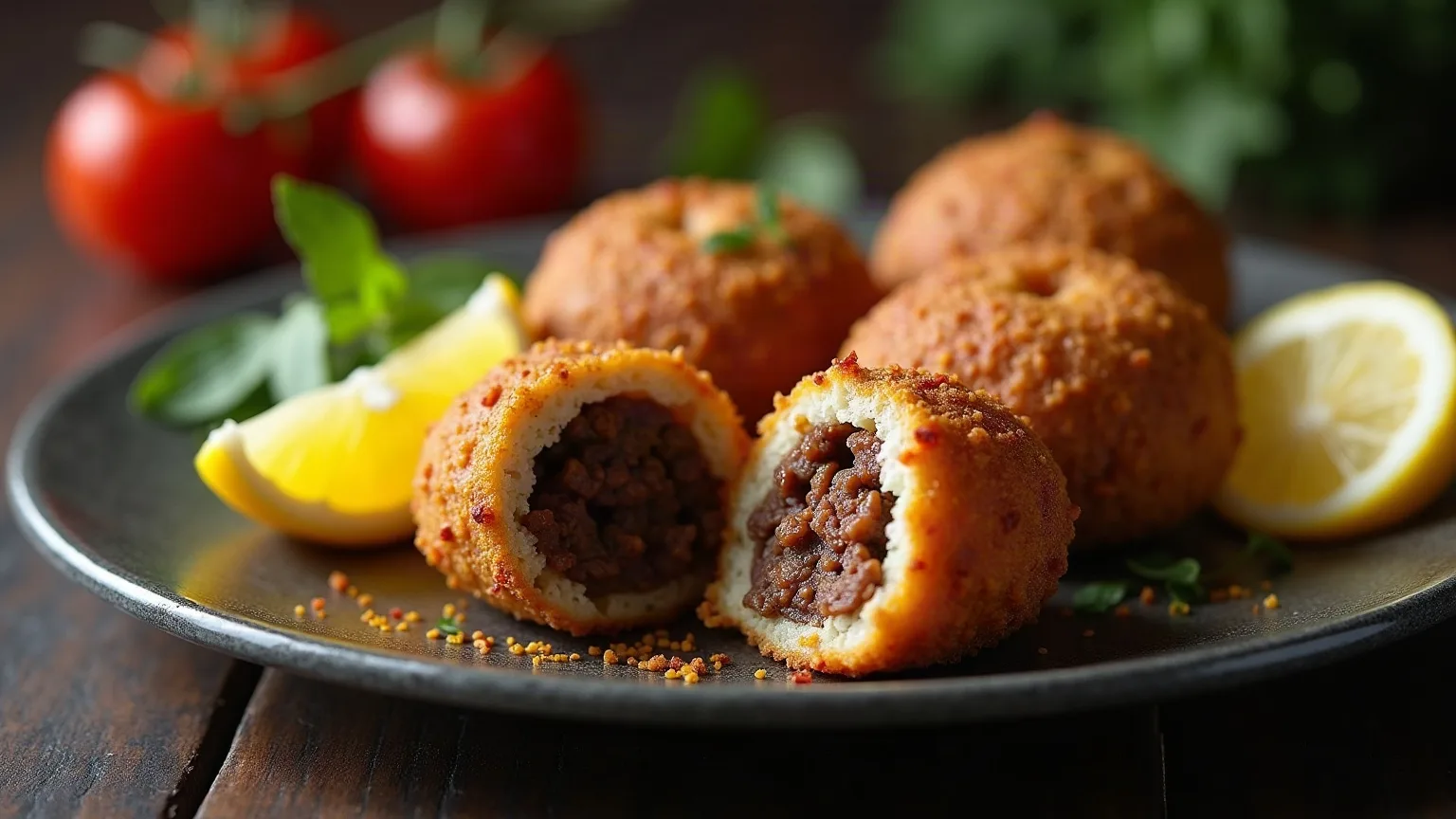
İçli köfte
Whether the shell thins without splitting depends on its temperature: cold bulgur cracks and warm bulgur stretches.…
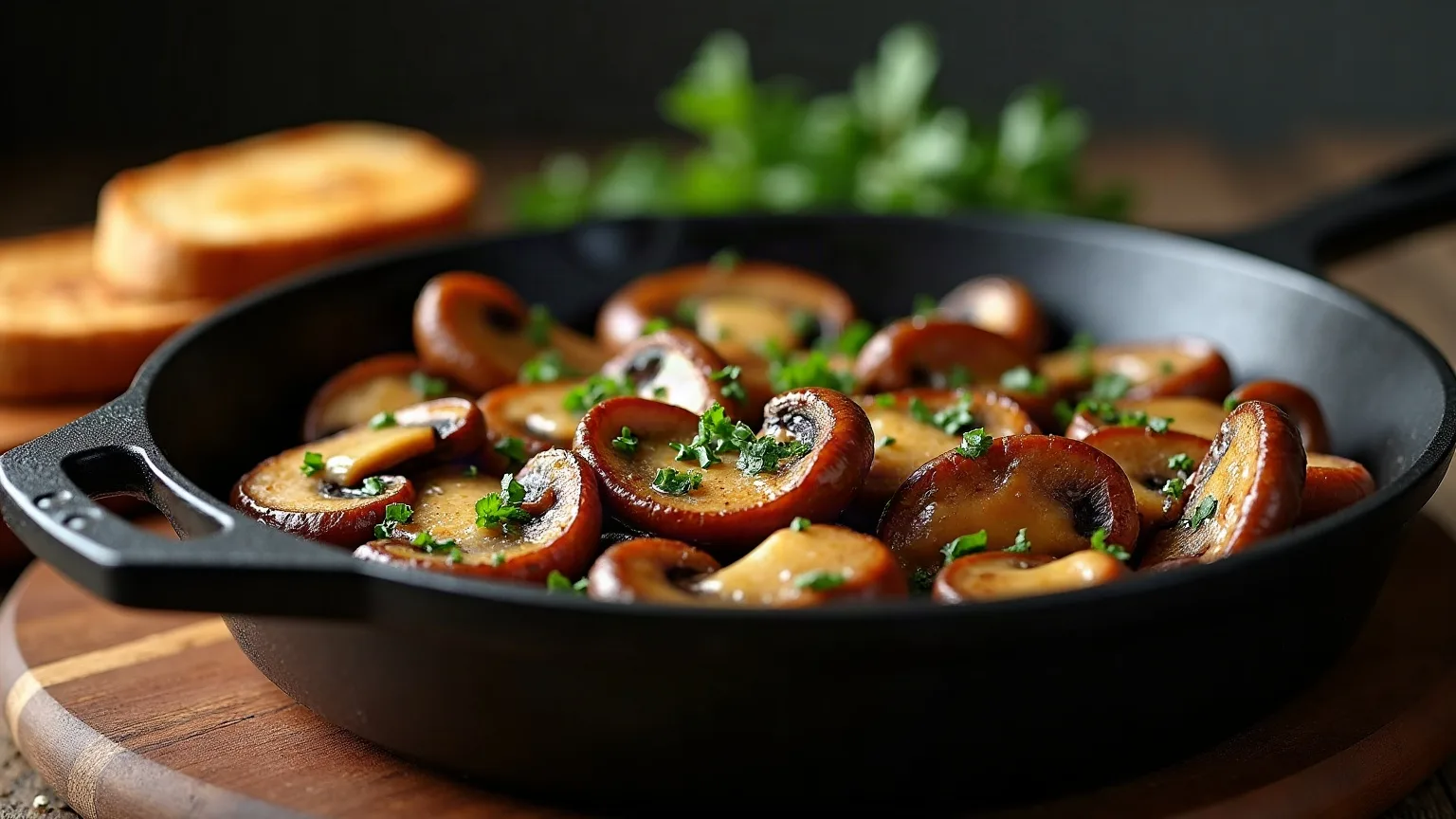
Sautéed mushrooms
Mushrooms are wiped, not washed. And the salt goes in last: early salt draws their water out and makes browning impossib…
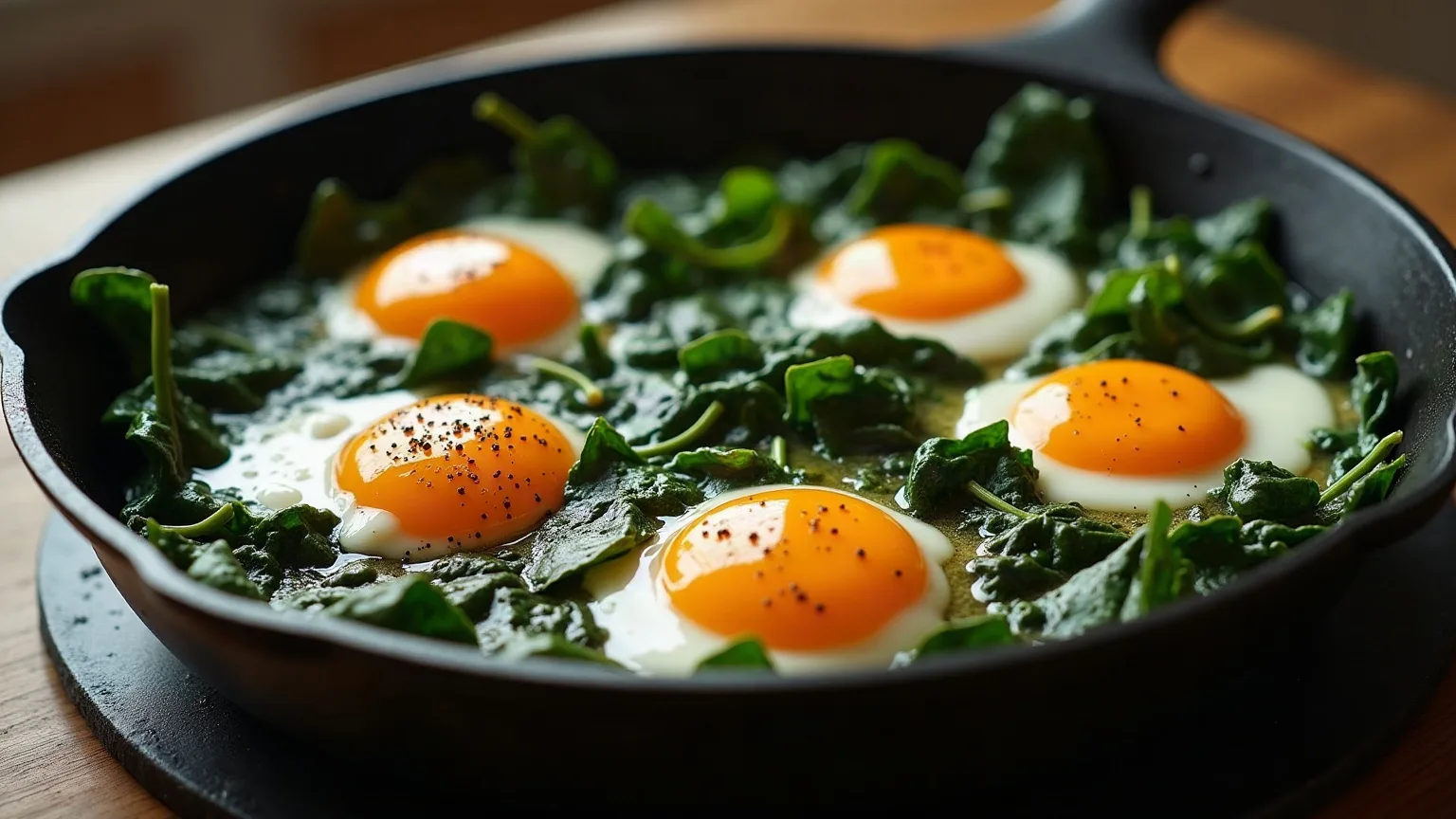
Spinach and eggs
Crack the eggs before the spinach has given up its water and a green puddle collects on the plate.…
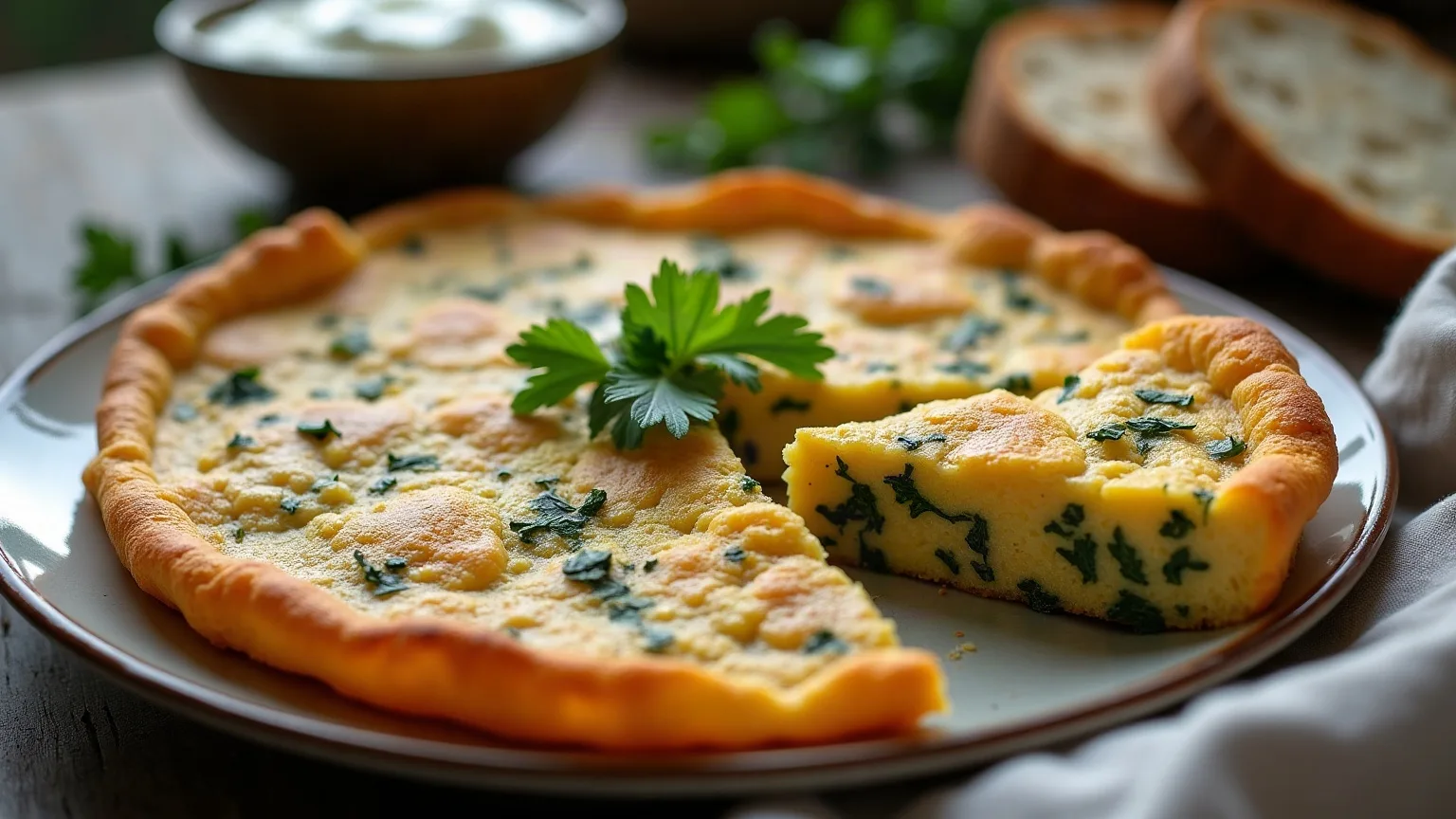
Kaygana
The Black Sea’s herb omelette, bound with flour. The flour holds the egg into a sheet that folds instead of breaking.…