
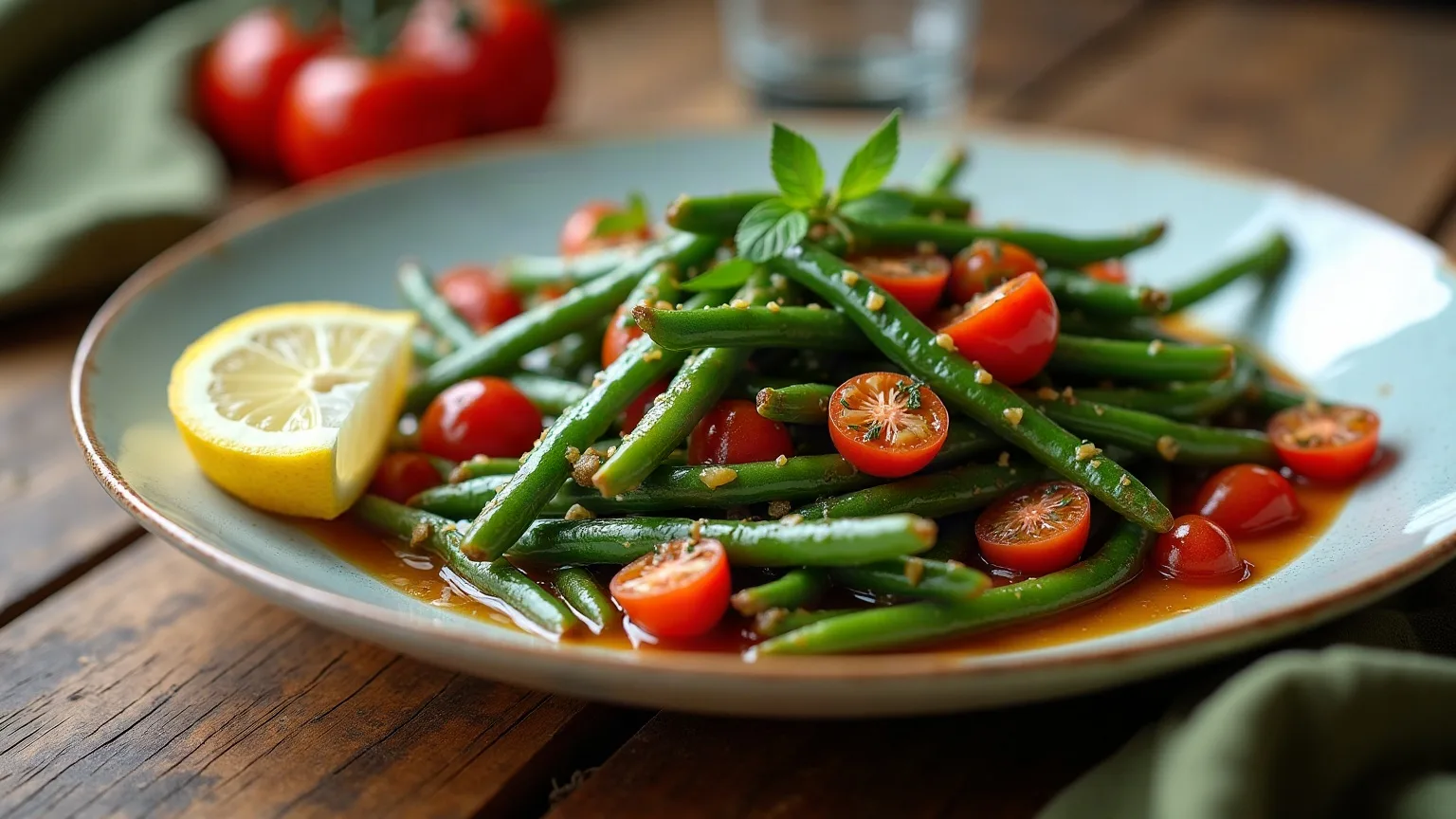
Green beans in olive oil
A classic that cooks in the vegetable’s own water, with none added. The secret is patience and a low flame: the beans sweat, they never boil.
Method
-
Sweat the onion in the olive oil over a low flame until translucent, with no colour.
Why Browning is not wanted here. Past 140 °C the onion starts to Maillard and the dish becomes something else entirely.Starch gelatinised The granules soaked up water, swelled and burst into a network. It has thickened, and it will firm further as it cools. no way back
If you want a crust, do not stay under 140 °C. Food cooks at this heat but never colours.
-
Add the beans, cover, and give them ten minutes to release their own water. Add none.
Why Beans are 90% water. Under a lid that water evaporates, condenses and becomes the cooking liquid; anything added from outside only dilutes the flavour.Starch gelatinised The granules soaked up water, swelled and burst into a network. It has thickened, and it will firm further as it cools. no way back
-
Add the tomato, sugar and salt, cover and cook gently for 30–35 minutes.
Why The sugar is not there to sweeten but to balance the tomato’s acid. A teaspoon takes the edge off without making anything sweet.Starch gelatinised The granules soaked up water, swelled and burst into a network. It has thickened, and it will firm further as it cools. no way back
Salt · 0.52% Low. Everything reads flat and nothing steps forward.
-
Take it off the heat, leave the lid off and let it cool to room temperature. Do not serve it hot.
Why As it cools the olive oil partly sets and coats the vegetables; only then does the texture come together. These dishes finish their flavour cold.Salt · 0.52% Low. Everything reads flat and nothing steps forward.
This recipe was run through the engine step by step — what goes in when, and at what temperature and for how long. The reactions above come from that run.
peak 120 °C · 111 minutes · engine 1.0.0 · confidence low
What it tastes like
The axes that define this recipe: sweet 36, aroma 47.
This profile is computed rather than measured: the role-weighted average of its ingredients’ taste vectors, shifted by what the cooking does. The thin line is the database average on that axis.
Closest in taste
Not hand-picked: ranked by distance across the eight taste axes.
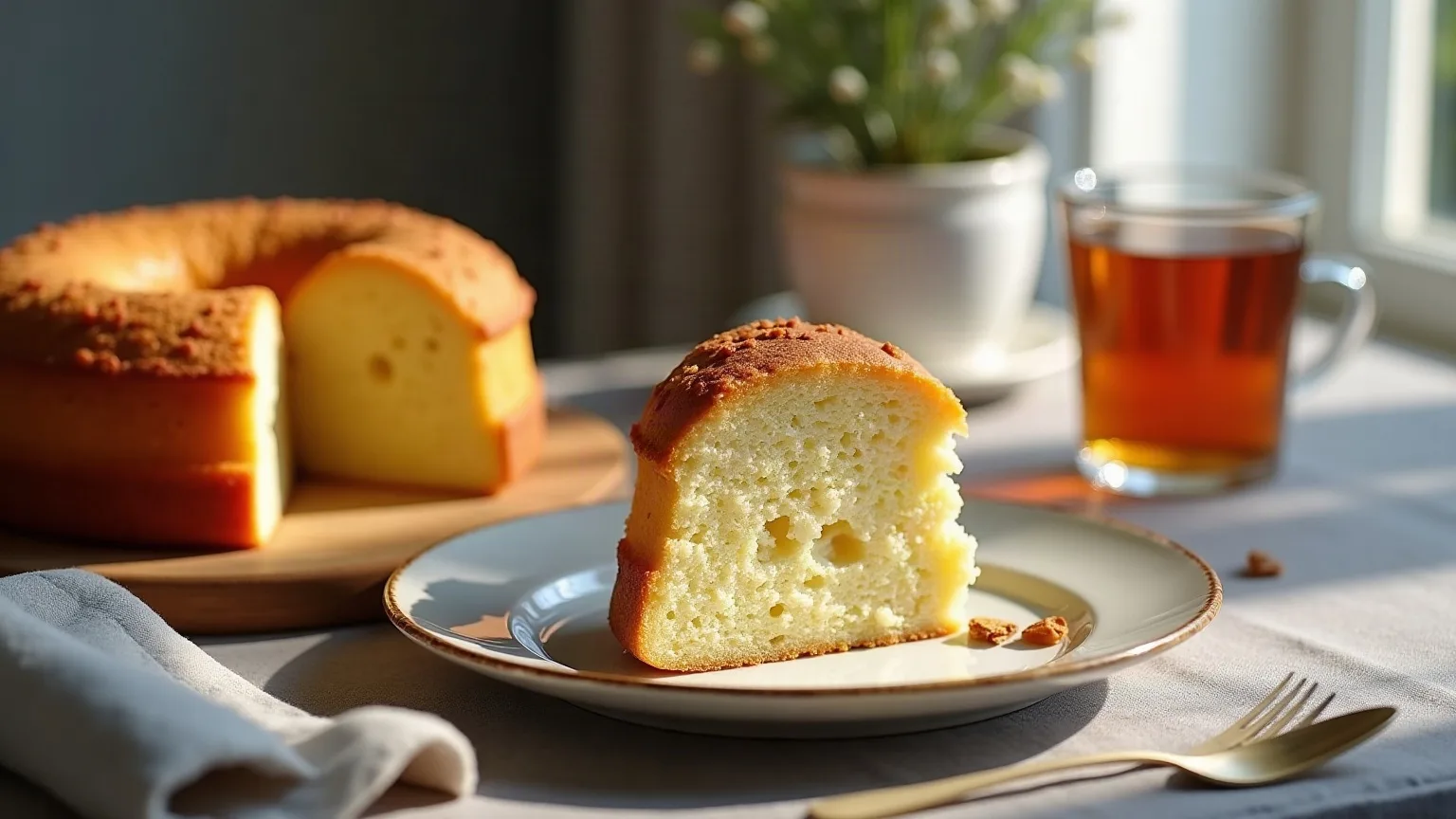
Yoghurt cake
Turkey’s everyday tea cake. The yoghurt is both the liquid phase and the acid half of the chemical leavening.…
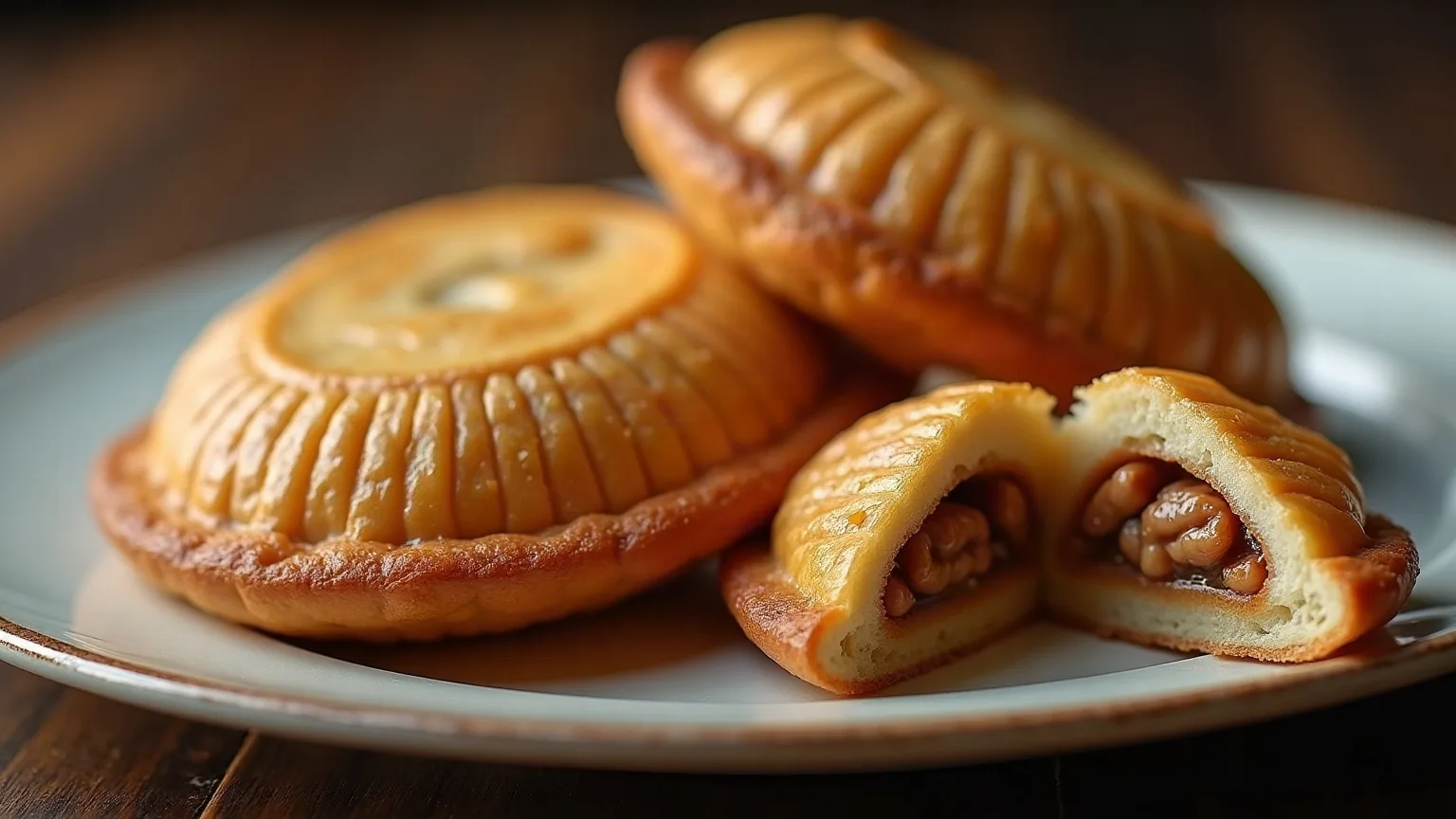
Kalburabastı
Walnut-filled dough ovals are pressed against a sieve to emboss ridges, baked and soaked in syrup. The name comes straig…
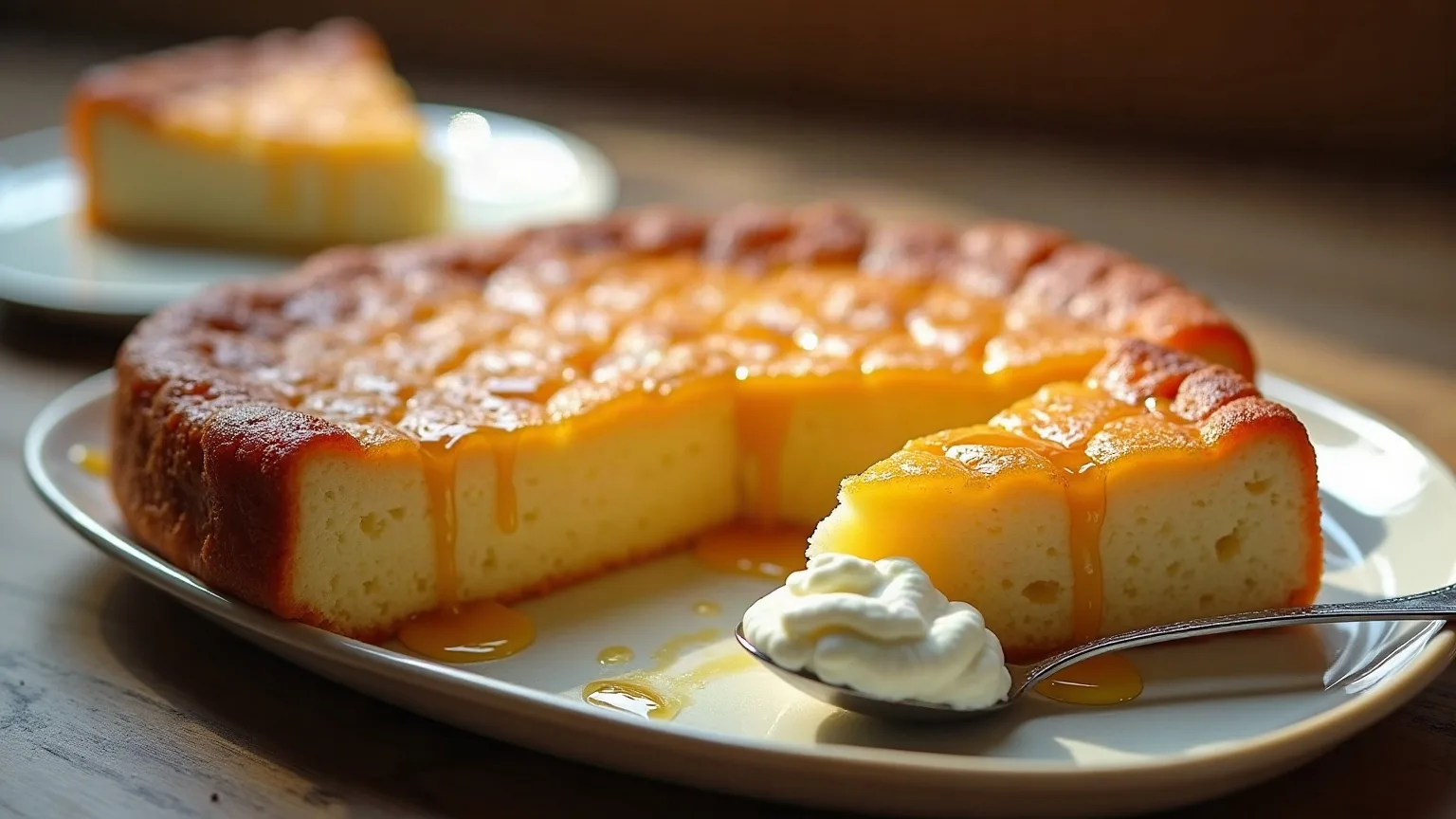
Yoghurt syrup cake
A pale tray bake cut into squares or diamonds and drenched in cold syrup. It looks like revani but is made with flour ra…
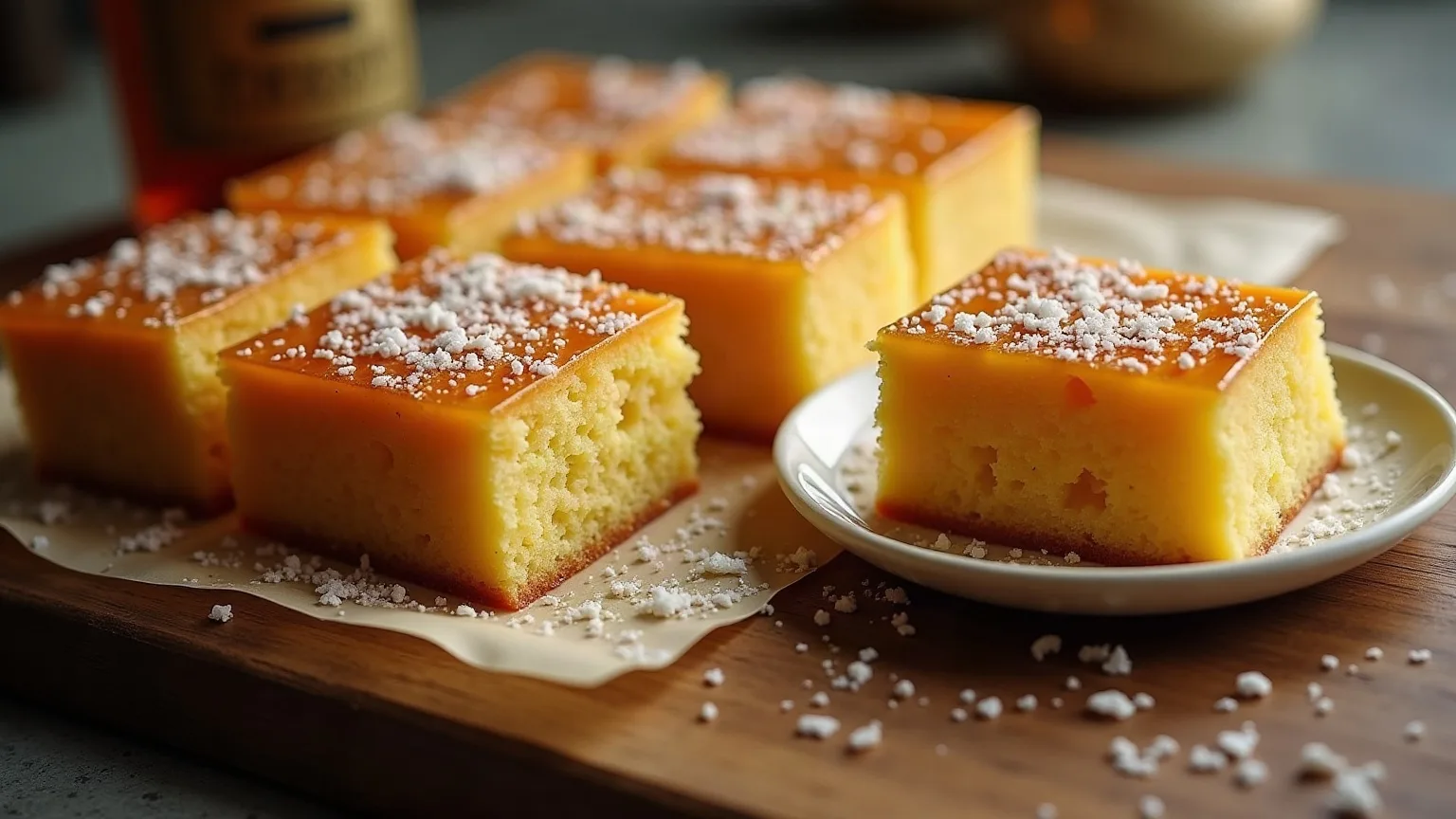
Revani
A semolina syrup cake. Butter is whipped to a foam, then eggs, sugar and semolina go in; baked at 165 °C and soaked with…