
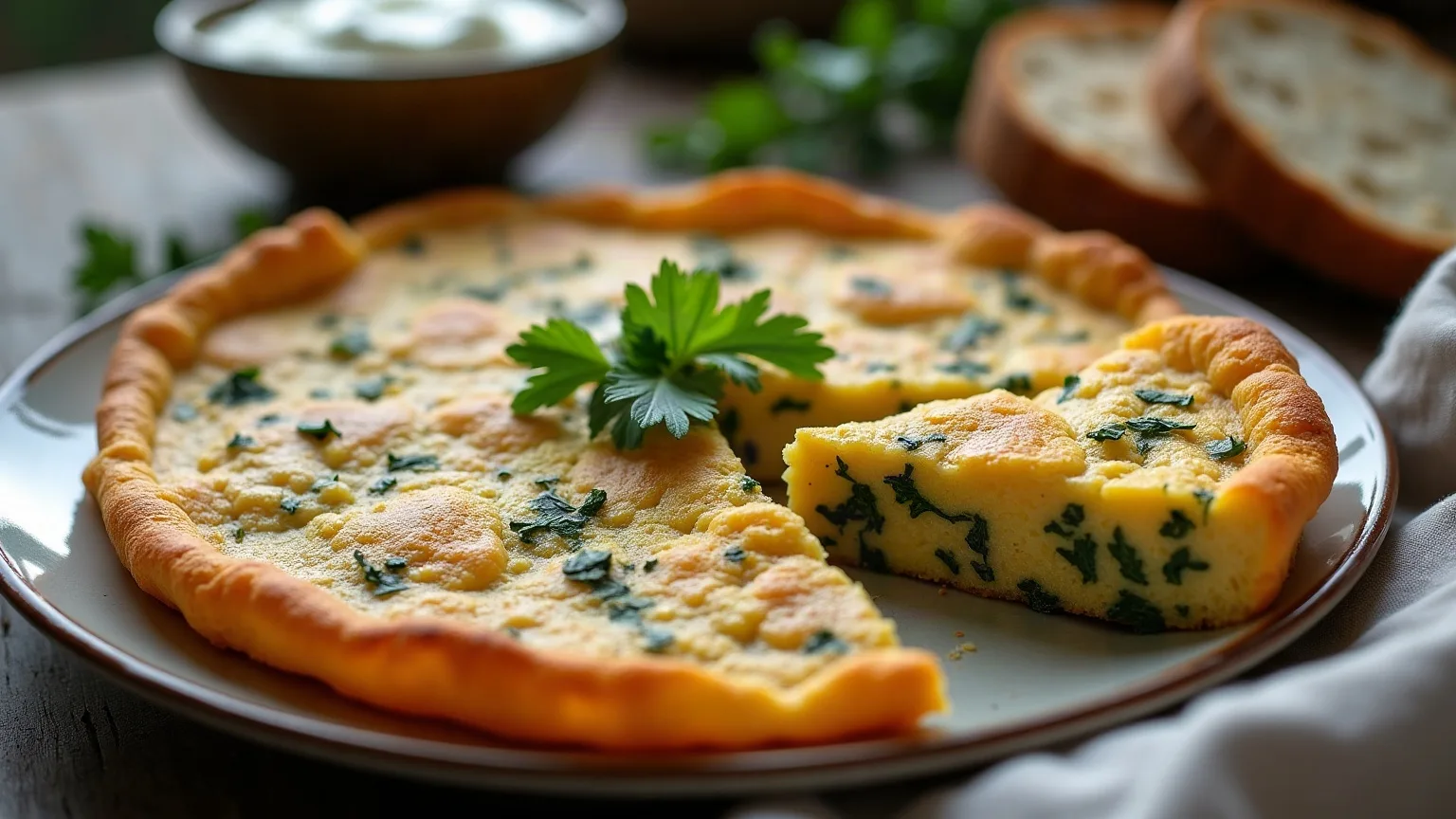
Kaygana
The Black Sea’s herb omelette, bound with flour. The flour holds the egg into a sheet that folds instead of breaking.
Breakfasts · Black Sea · Under 30 minutes · Budget · One pot · Seasonal
- Preparation
- 7 min
- Cooking
- 8 min
- Difficulty
- Needs attention
- Cost
- Very cheap
- Season
- Spring
Kaygana is one of the oldest written Anatolian dishes: it appears in fifteenth-century sources, where it was sweet and eaten with honey. Today the Black Sea makes it savoury and full of herbs. The flour is structure rather than flavour — egg alone tears in the pan, while about 10% flour gelatinises and holds the sheet together. That is why a kaygana folds and an omelette does not.
Method
- Wash the herbs, dry them thoroughly and chop them fine: wet herbs thin the batter.
- The flour is sifted into the egg, so have the bowl and whisk ready.
You will need: A non-stick pan, 22 cm · A whisk
-
Beat the eggs, sift in the flour and whisk until no lumps remain.
Look for The mix should coat the back of a spoon and fall in an unbroken ribbon.
Why Tipped straight in, the flour wets on the outside and traps dry lumps; sifting lets each grain wet on its own.Starch still asleep The granules are just floating there doing nothing. No body arrives before 62 °C.
A gluten web is forming Gliadin and glutenin hydrated into an elastic net. This is what will hold the gas. no way back
-
Stir in the chopped herbs, the spring onion and the salt.
Look for The herbs should stay suspended rather than sinking. If they sink the batter is too thin: another spoon of flour.
Why Salt has to dissolve in the batter rather than in the pan; added late it stays as grains sitting on the herbs.Starch still asleep The granules are just floating there doing nothing. No body arrives before 62 °C.
A gluten web is forming Gliadin and glutenin hydrated into an elastic net. This is what will hold the gas. no way back
Salt · 0.93% Right in the window. Flavours sharpen, bitterness retreats, water is held.
-
Heat the oil over a medium flame, pour the mixture in and cook four minutes, until the edges set.
Look for The edges should pull away and shrink inwards while bubbles break on the surface.
Why Medium matters: too high and the base darkens in thirty seconds while the top is still liquid; too low and the egg spreads instead of rising.If it went wrong
If the base has darkened, take it off, serve it that side up and drop the heat a notch. A burnt kaygana is bitter only on that surface.
Starch gelatinised The granules soaked up water, swelled and burst into a network. It has thickened, and it will firm further as it cools. no way back
A gluten web is forming Gliadin and glutenin hydrated into an elastic net. This is what will hold the gas. no way back
Fat shortened the gluten Fat coated the proteins so the web cannot stretch. The result is short and crumbly.
The egg is setting Too hot. The protein net over-tightened and pushed the water out: curdling and sponge. no way back
Maillard is running Amino acids have met reducing sugars. The crust, the roasted flavour and that smell all come from here. no way back
Frying dynamics Surface water is flashing to steam and pushing outward — that is the shield keeping the oil out. no way back
Salt · 0.86% Right in the window. Flavours sharpen, bitterness retreats, water is held.
Stay under 82 °C. Lower the heat or move to a bain-marie — a split custard never comes back.
-
Turn it out onto a plate, slide it back and give the second side two or three minutes.
Look for Pressed in the middle it should spring back without keeping the mark.
Why The flour is what makes it turnable — pure egg would fall apart here. The second side always takes less, because the inside is already hot.Starch gelatinised The granules soaked up water, swelled and burst into a network. It has thickened, and it will firm further as it cools. no way back
A gluten web is forming Gliadin and glutenin hydrated into an elastic net. This is what will hold the gas. no way back
Fat shortened the gluten Fat coated the proteins so the web cannot stretch. The result is short and crumbly.
The egg is setting Too hot. The protein net over-tightened and pushed the water out: curdling and sponge. no way back
Maillard is running Amino acids have met reducing sugars. The crust, the roasted flavour and that smell all come from here. no way back
Frying dynamics Surface water is flashing to steam and pushing outward — that is the shield keeping the oil out. no way back
Salt · 0.86% Right in the window. Flavours sharpen, bitterness retreats, water is held.
Stay under 82 °C. Lower the heat or move to a bain-marie — a split custard never comes back.
This recipe was run through the engine step by step — what goes in when, and at what temperature and for how long. The reactions above come from that run.
peak 170 °C · 14 minutes · engine 1.0.0 · confidence low
After the heat goes off
Cut into wedges, hot or warm, with yoghurt and dark bread. It is good cold too, which is why it goes into a lunchbox.
Two days covered in the fridge. The herbs lose a little colour on the second day and none of their taste.
One minute a side in a dry pan, or not at all — kaygana behaves as though it were designed to be eaten cold.
Not for the freezer: the herbs blacken on thawing and the egg weeps.
Cold kaygana goes into bread as a lunchbox, or is cut into strips for a salad.
Ideal from twelve months: held in the hand, and the salt can come down. For 12–36 months leave the salt out entirely and cut it into finger-width strips. The herbs are fine for a toddler; if the sharpness of the spring onion puts them off, use only the green part.
- Parsley → Spinach Spinach works but carries a lot of water: chop it, squeeze it dry in your hand, or the batter thins.
- Flour → Rice flour Rice flour is the gluten-free answer, used in the same quantity; the texture comes out a little more fragile.
- Deep frying The method this recipe rests on
- Egg What it does in heat, water and acid
- Spring onion What it does in heat, water and acid
- Olive oil What it does in heat, water and acid
- Cheese omelette Similar method, or something that sits on the same table
- Spinach and eggs Similar method, or something that sits on the same table
- Crêpes Similar method, or something that sits on the same table
- Under 30 minutes Other recipes that answer the same need
- Budget Other recipes that answer the same need
- One pot Other recipes that answer the same need
- Seasonal Other recipes that answer the same need
What it tastes like
The axes that define this recipe: richness 47, aroma 57.
This profile is computed rather than measured: the role-weighted average of its ingredients’ taste vectors, shifted by what the cooking does. The thin line is the database average on that axis.
Closest in taste
Not hand-picked: ranked by distance across the eight taste axes.
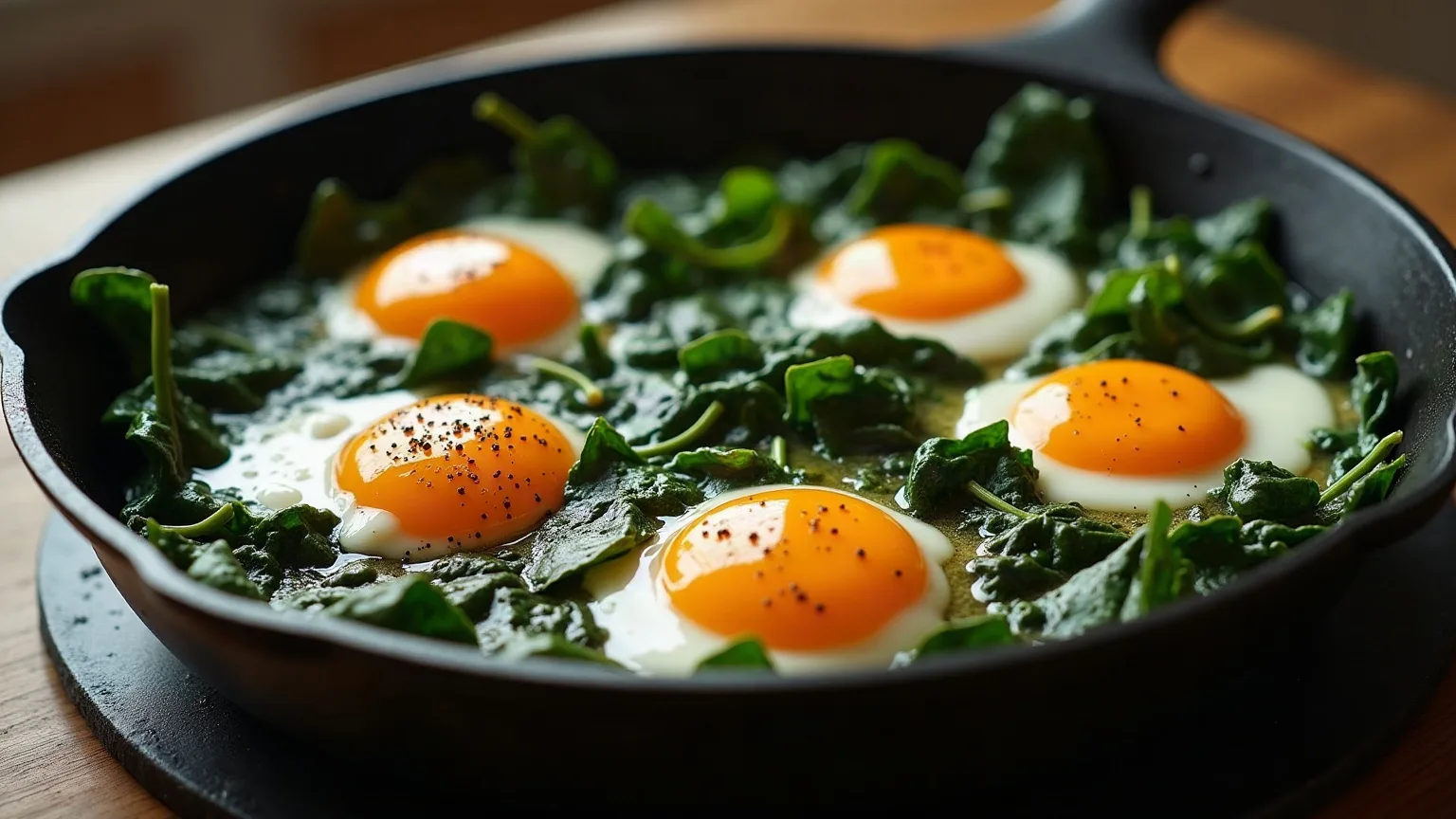
Spinach and eggs
Crack the eggs before the spinach has given up its water and a green puddle collects on the plate.…
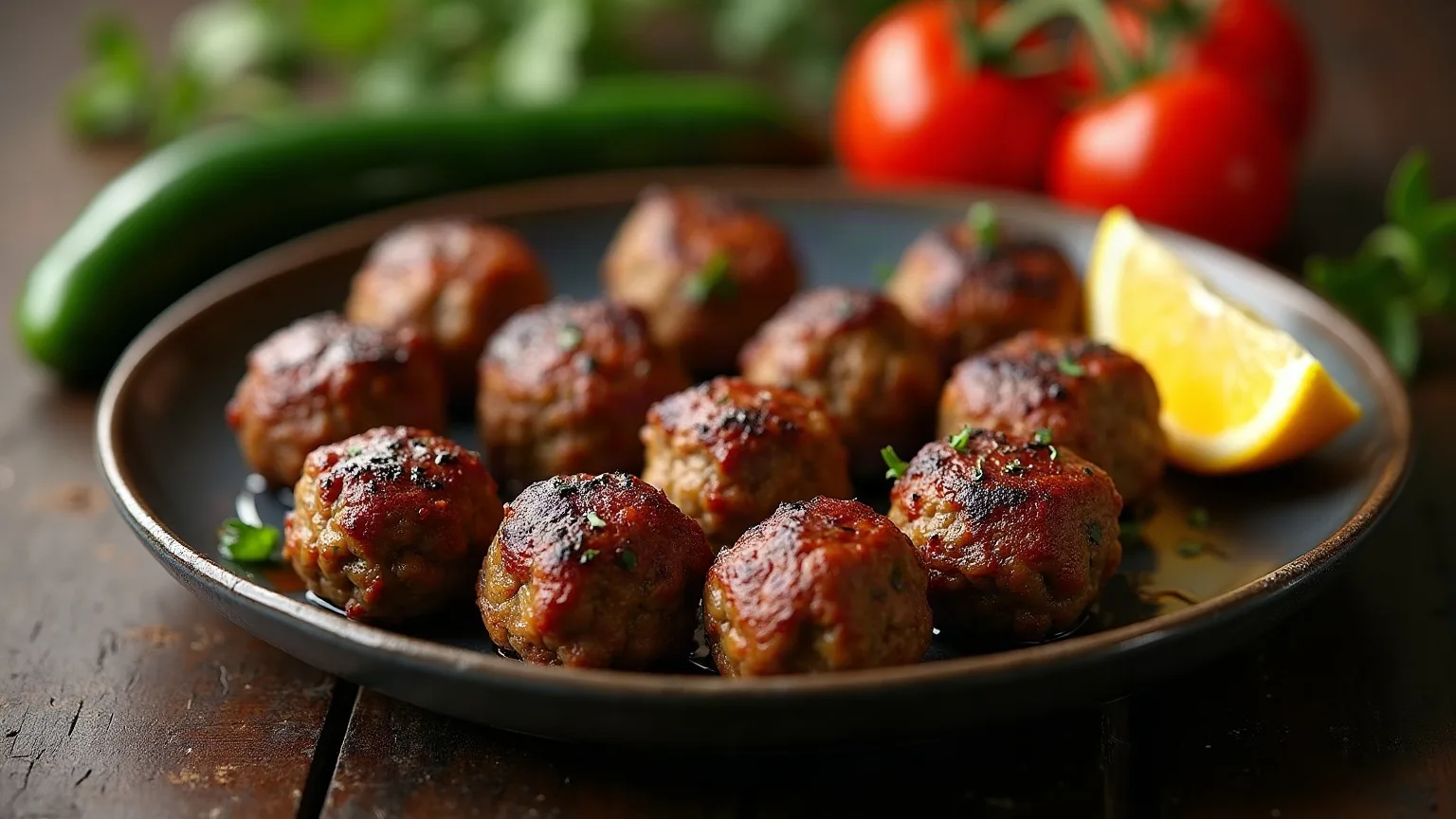
Pan-fried meatballs
A meatball holds together because it rested, not because of what went into it. Kneaded mince does not meet the pan witho…
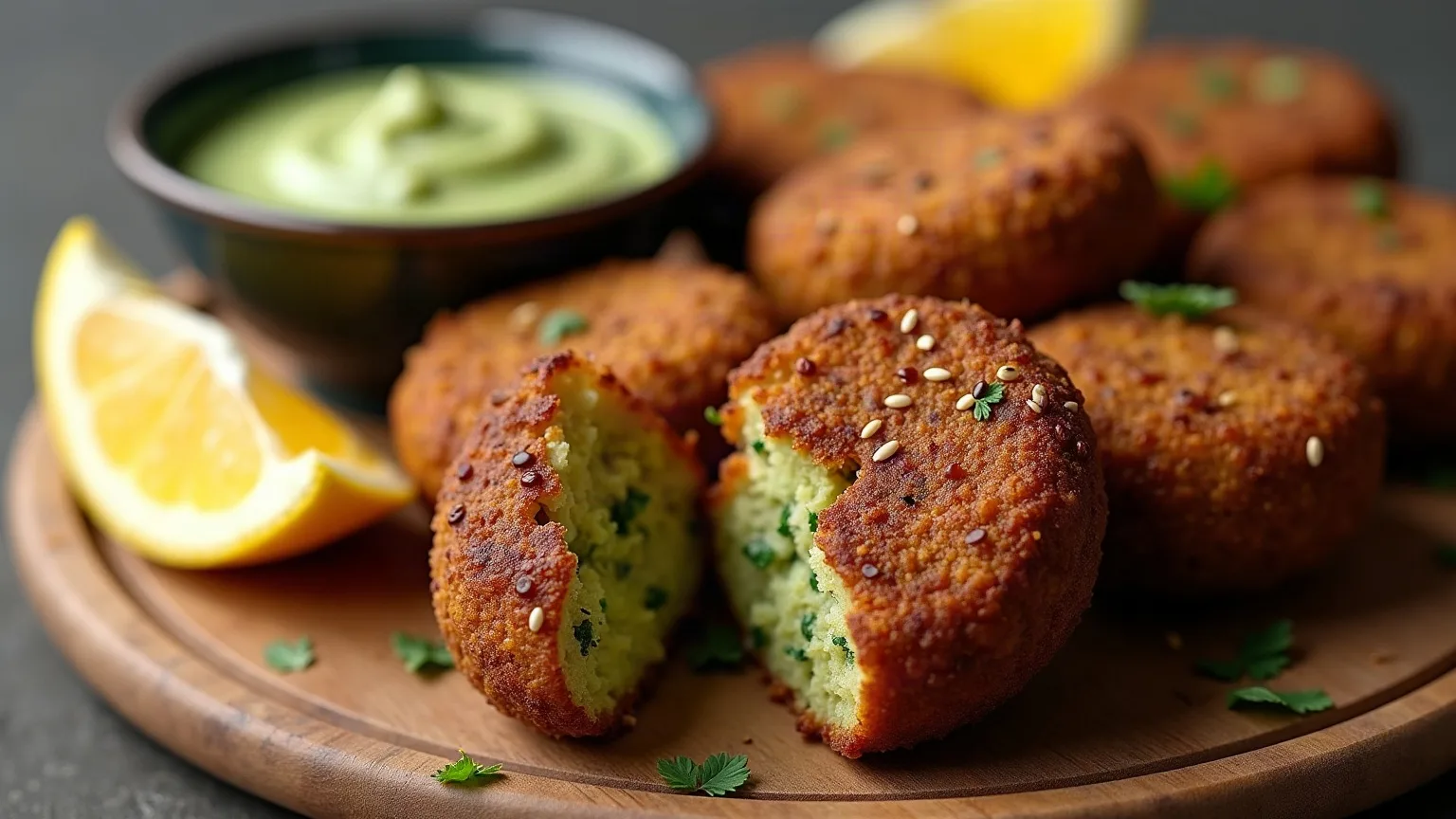
Falafel
The chickpeas are never boiled, only soaked. Falafel made with cooked chickpeas disintegrates in the oil, and nothing re…
Kadınbudu köfte
Half the mince is cooked and half is raw. The cooked half stops it collapsing and the raw half is what binds it.…