
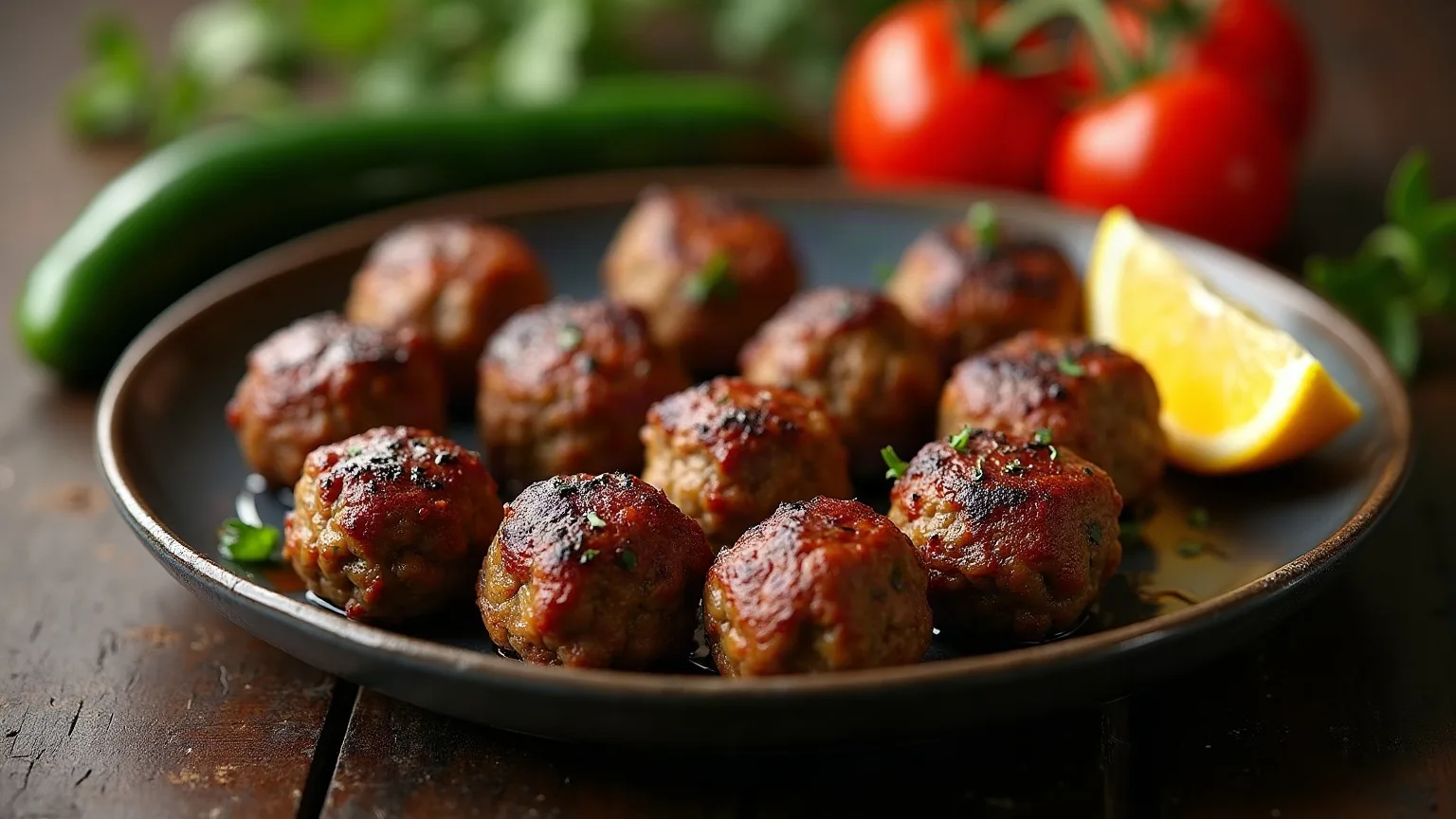
Pan-fried meatballs
A meatball holds together because it rested, not because of what went into it. Kneaded mince does not meet the pan without half an hour in the fridge.
Meat dishes · Turkish · Budget · Weekend batch · Freezes well · School lunchbox
- Preparation
- 15 min
- Cooking
- 15 min
- Resting
- 30 min
- Difficulty
- Needs attention
- Cost
- Middling
- Season
- All year
The most-cooked meat dish in Turkey and the most argued over: breadcrumb or rusk, onion grated or chopped. The physics is not in doubt — kneading dissolves the myosin in the mince, and that protein sets into a gel in the cold and holds the ball together. A meatball that falls apart was not rested; the binder is time rather than an ingredient.
Method
- Grate the onion and SQUEEZE it dry: onion water is the single thing that makes a meatball fall apart.
- Soak the breadcrumb in milk and squeeze it out.
- Chill the bowl and your hands: warm hands melt the fat.
You will need: A wide pan · A mixing bowl
-
Knead the mince, the squeezed onion, the soaked bread, the egg, the salt and the spices for five minutes, until the mixture turns sticky.
Look for It should cling to the hand and to the side of the bowl. That stickiness is the dissolved protein.
Why Kneading dissolves the myosin in the muscle fibre and the salt speeds that up; dissolved myosin gels in the cold and binds the meatball. Kneaded too little it falls apart, too much and it turns rubbery.If it went wrong
If the mixture is loose and wet the onion was not squeezed: add a tablespoon of rusk and take the resting to an hour.
Starch still asleep The granules are just floating there doing nothing. No body arrives before 62 °C.
Salt · 0.97% Right in the window. Flavours sharpen, bitterness retreats, water is held.
-
Rest the mixture in the fridge for thirty minutes.
Look for The mixture should firm up and keep its shape when formed.
Why Two things happen in the cold: the dissolved myosin sets into a gel and the fat firms up. Together they hold the meatball in the pan. The rest is this recipe’s binder.Starch still asleep The granules are just floating there doing nothing. No body arrives before 62 °C.
Salt · 0.97% Right in the window. Flavours sharpen, bitterness retreats, water is held.
-
Take walnut-sized pieces, roll them and flatten them to 1 cm.
Look for The surface should be free of cracks; if it cracks, press a little harder in the palm.
Why One centimetre brings the centre to 72 °C — the safe temperature for mince — in six or seven minutes. Thicker, and the outside burns before the middle is done.Starch still asleep The granules are just floating there doing nothing. No body arrives before 62 °C.
Salt · 0.97% Right in the window. Flavours sharpen, bitterness retreats, water is held.
-
Heat the pan well, add the oil and lay the meatballs in with space between them. Three or four minutes a side, to a dark crust.
Look for The meatball should release itself; forced with a spatula, the crust stays in the pan. Do not touch it before three minutes.
Why The gaps let the steam escape; crowded, the meatballs stew each other and no crust forms. The crust is both flavour and what keeps the juice inside.If it went wrong
If they are falling apart, cook the rest at 200 °C for eighteen minutes: the oven cooks them without turning and the problem disappears.
Starch gelatinised The granules soaked up water, swelled and burst into a network. It has thickened, and it will firm further as it cools. no way back
The egg is setting Too hot. The protein net over-tightened and pushed the water out: curdling and sponge. no way back
Maillard is running Amino acids have met reducing sugars. The crust, the roasted flavour and that smell all come from here. no way back
Frying dynamics Surface water is flashing to steam and pushing outward — that is the shield keeping the oil out. no way back
Salt · 0.92% Right in the window. Flavours sharpen, bitterness retreats, water is held.
Stay under 82 °C. Lower the heat or move to a bain-marie — a split custard never comes back.
This recipe was run through the engine step by step — what goes in when, and at what temperature and for how long. The reactions above come from that run.
peak 200 °C · 50 minutes · engine 1.0.0 · confidence low
What can go wrong here
The meat came out dry and tough⌄
What happened
The meat passed 70 °C. Past that point the muscle fibres contract and wring out their water, while collagen never gets the time to turn into gelatine. It loses moisture and never tenderises.
By the numbers
Beef medium at 57 °C, chicken at 74 °C. Rest it for 10 minutes off the heat; unrested meat leaves its juice on the plate.
Without a thermometer
The palm test: touch thumb to index finger and press the pad below your thumb — that firmness is rare. Middle finger is medium, ring finger is well done. Watch the juice too: pinkish and clear means you are there, running white means you went too far.
After the heat goes off
Hot, with a bean salad or rice, and charred tomato and pepper beside it as the classic accompaniment.
Three days covered in the fridge. Cooked meatballs are good cold, which is why they go into a lunchbox.
Four minutes covered in a pan on a low flame, or eight minutes at 160 °C. A microwave dries them out.
Raw, frozen singly on a tray then bagged, they keep three months and go straight into the pan (two minutes longer). Cooked, they keep two months.
Leftovers get crumbled into a pasta sauce, put in bread or scattered over roast potatoes. Cold meatballs with a bean salad are the next day’s lunch.
The easiest meat dish for children to eat. For 12–36 months make them hazelnut-sized and halve them: a whole round meatball is a choking risk. Halve the salt and leave the cumin out. For a baby under one, unsalted, unspiced and well mashed, it suits from eight months.
- Bread → galeta-unu-yerine-yulaf Two tablespoons of fine oats bind as well as breadcrumb and lower the gluten; the texture comes out a little firmer.
- Beef mince (15% fat) → Lamb Lamb mince gives a fattier, stronger meatball and takes a minute less.
- Deep frying The method this recipe rests on
- Beef mince (15% fat) What it does in heat, water and acid
- Bulb onion What it does in heat, water and acid
- Bread What it does in heat, water and acid
- İzmir meatballs Similar method, or something that sits on the same table
- Kadınbudu köfte Similar method, or something that sits on the same table
- Hasanpaşa köfte Similar method, or something that sits on the same table
- Budget Other recipes that answer the same need
- Weekend batch Other recipes that answer the same need
- Freezes well Other recipes that answer the same need
- School lunchbox Other recipes that answer the same need
What it tastes like
The axes that define this recipe: richness 48, umami 42, aroma 54.
This profile is computed rather than measured: the role-weighted average of its ingredients’ taste vectors, shifted by what the cooking does. The thin line is the database average on that axis.
Closest in taste
Not hand-picked: ranked by distance across the eight taste axes.
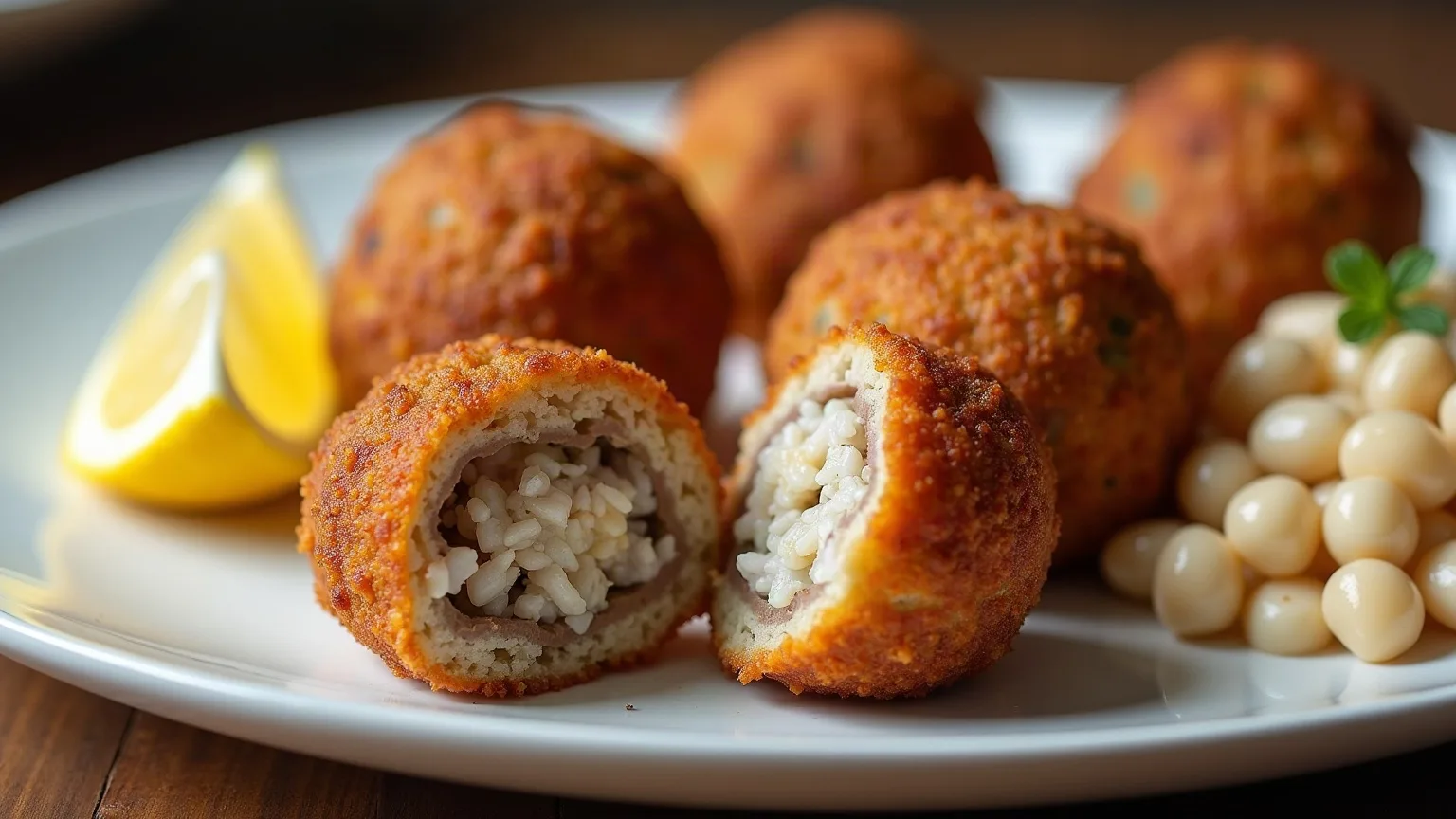
Kadınbudu köfte
Half the mince is cooked and half is raw. The cooked half stops it collapsing and the raw half is what binds it.…
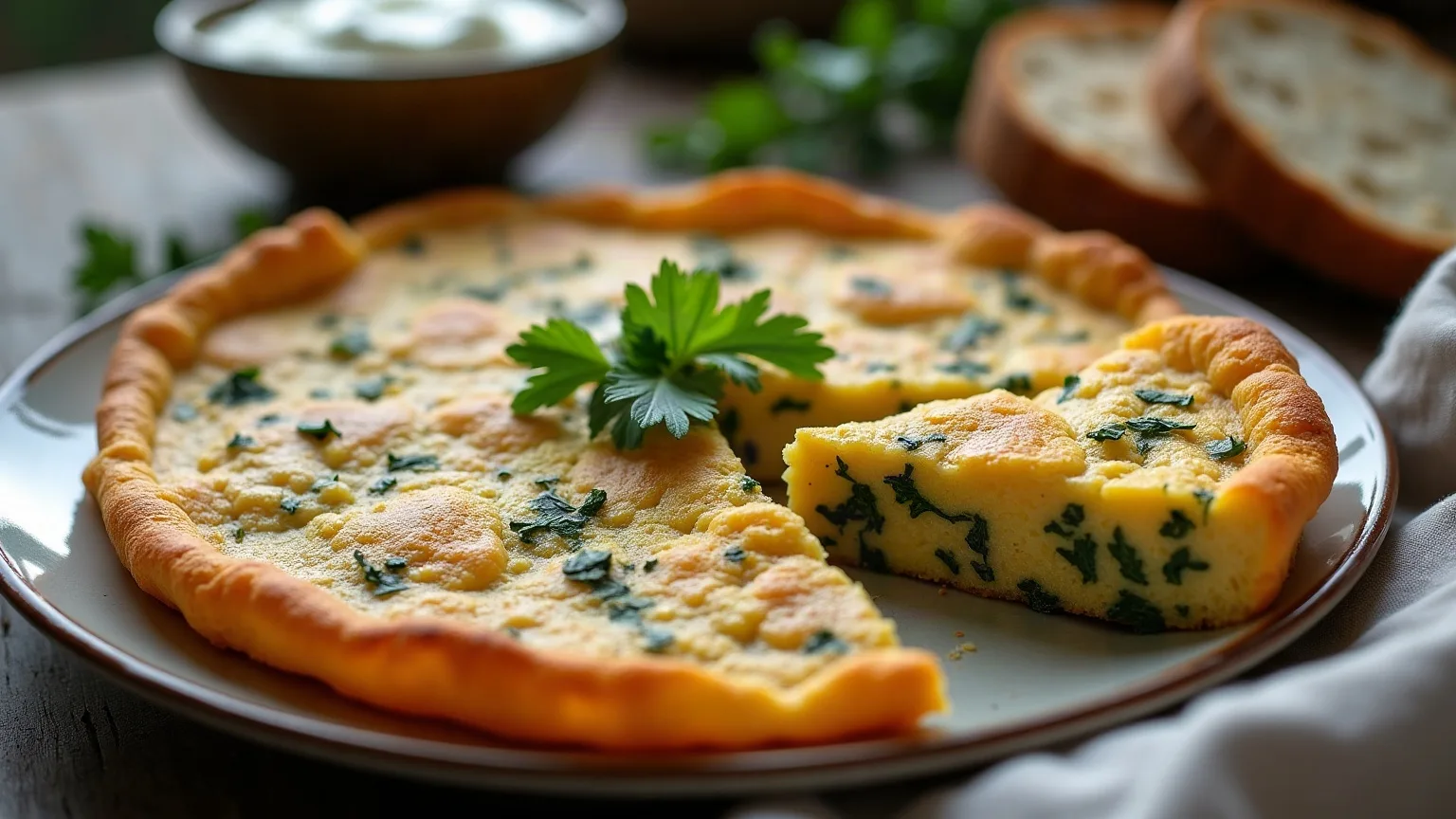
Kaygana
The Black Sea’s herb omelette, bound with flour. The flour holds the egg into a sheet that folds instead of breaking.…
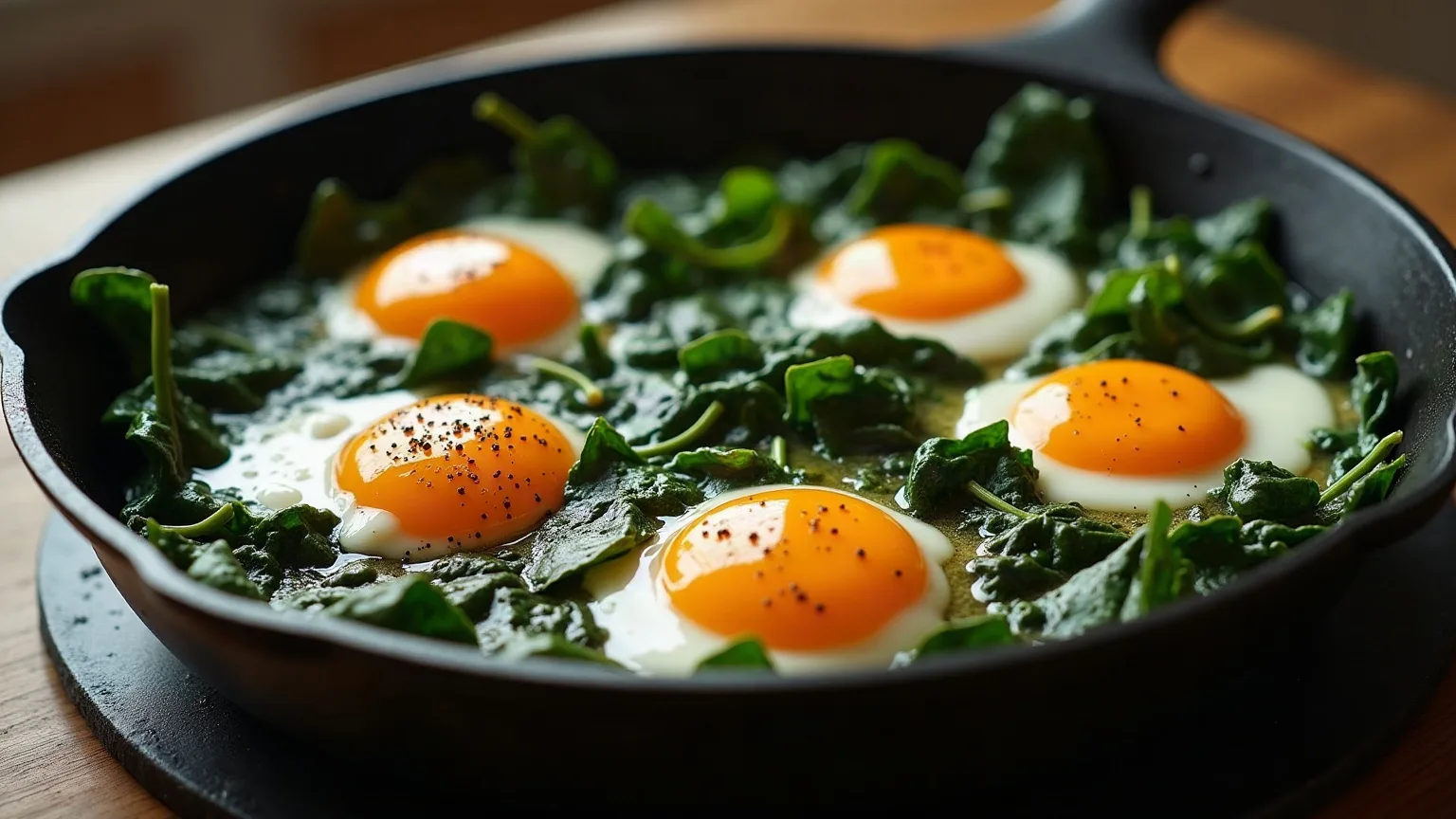
Spinach and eggs
Crack the eggs before the spinach has given up its water and a green puddle collects on the plate.…
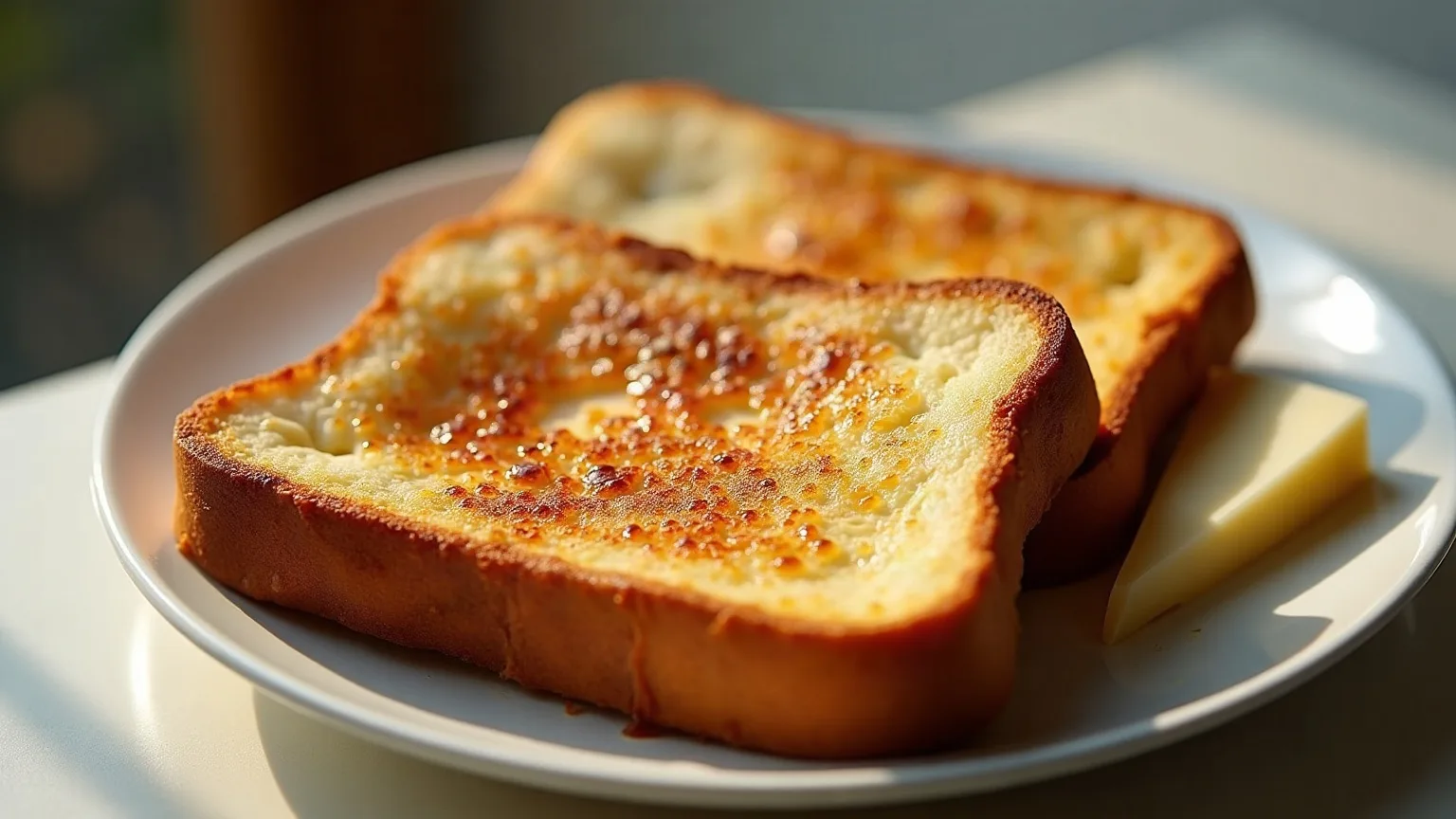
Eggy bread
The best use there is for stale bread. Fresh bread is no good here — it collapses before it has absorbed anything.…