
Scaled to however many of you there are.
Change the headcount and the amounts follow. Salt and spice do not scale in a straight line, and we account for that.
A recipe is how you make a thing: the amounts, the order, the timing and where it goes wrong. The dish pages explain what that thing is — where it comes from, the mechanism behind it, and why skipping one step makes it something else. One stays open in the kitchen; the other is read when you wonder.
17 of 116 recipes. Clear the filter
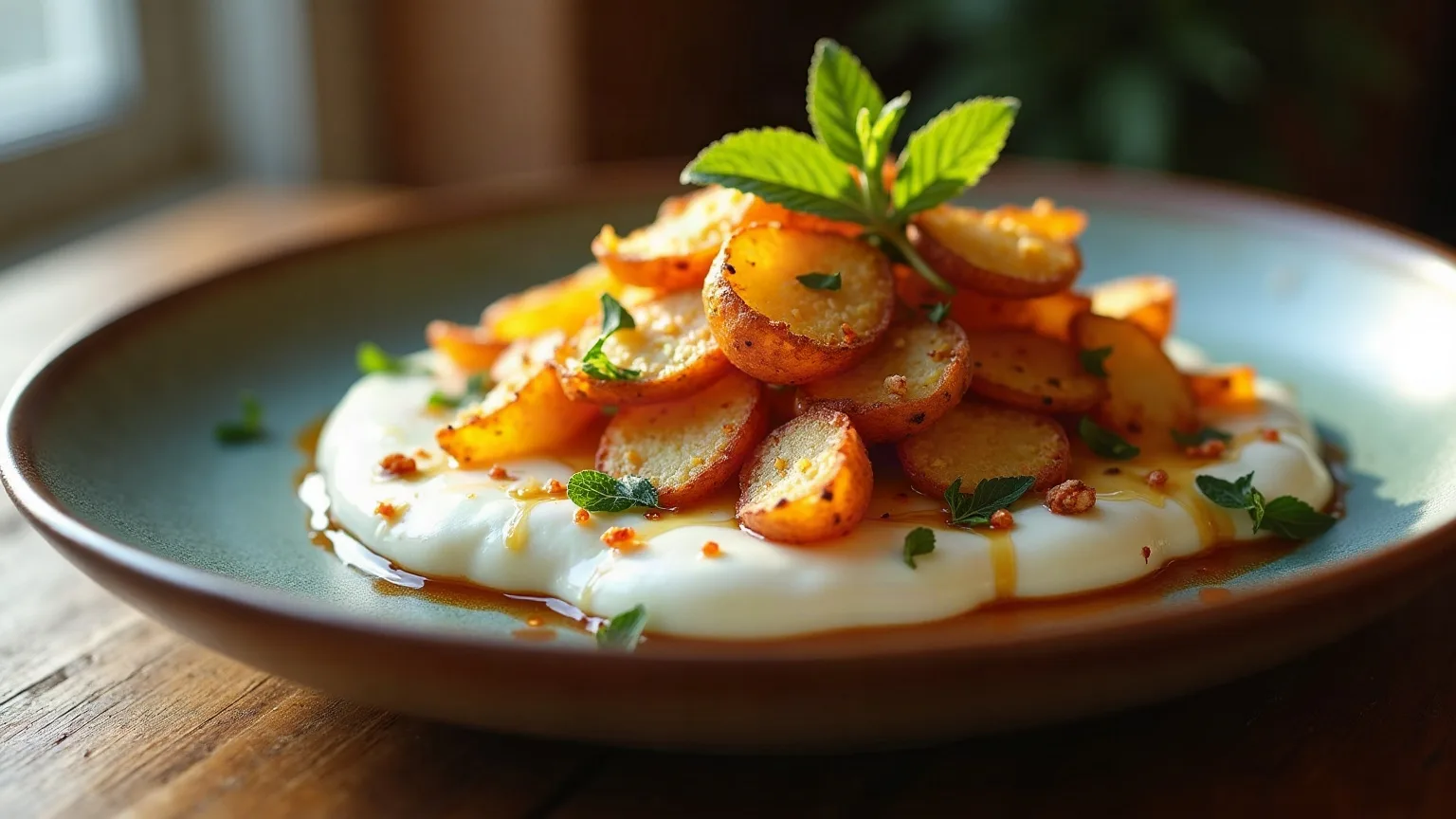
Crushed potatoes with yoghurt
Boil, crush, roast. A rough surface means more crust.
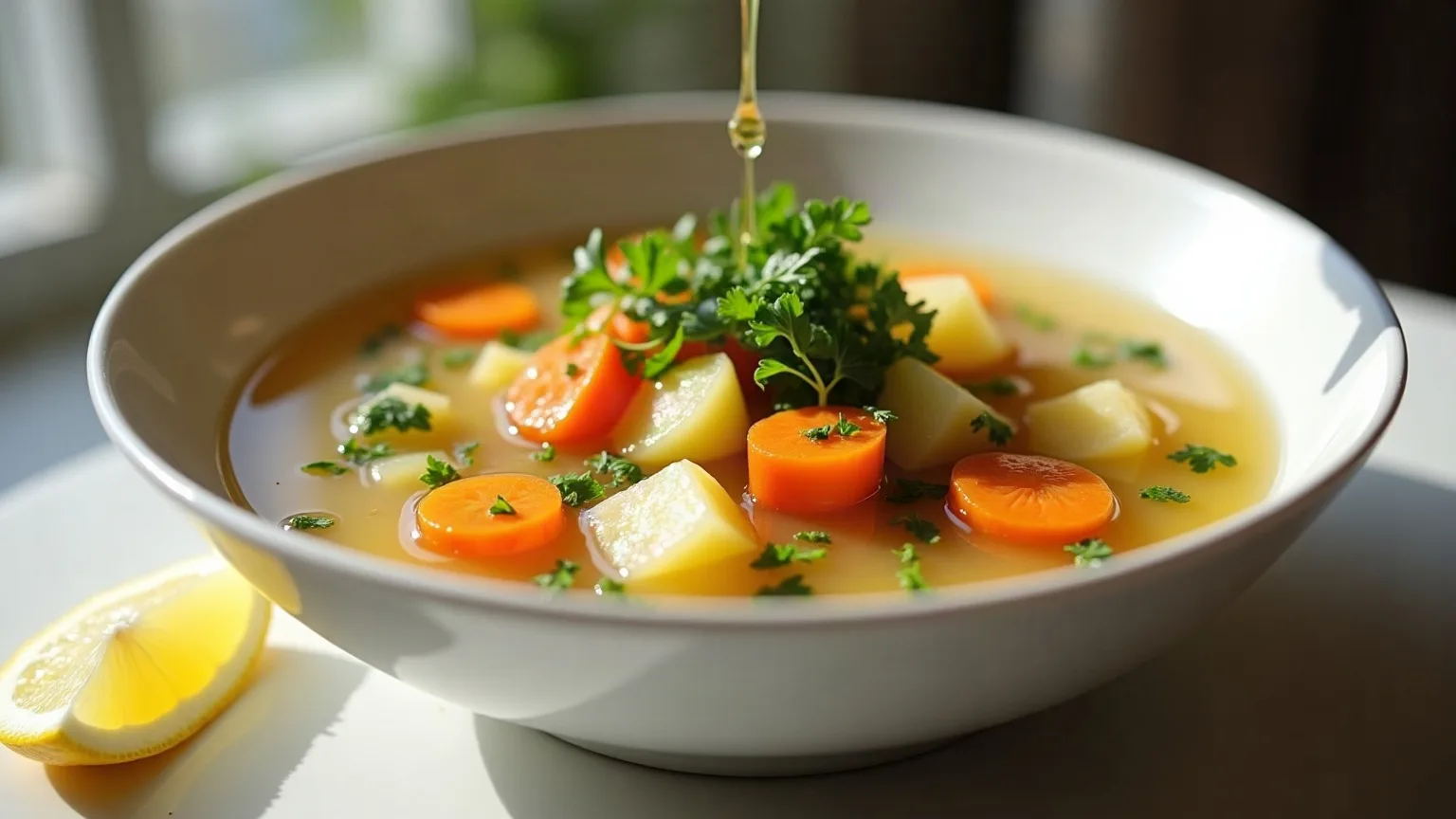
Vegetable soup
Throwing everything in at once is easy and wrong. These vegetables differ twofold in cooking time, and knowing the order is the only skill involved.
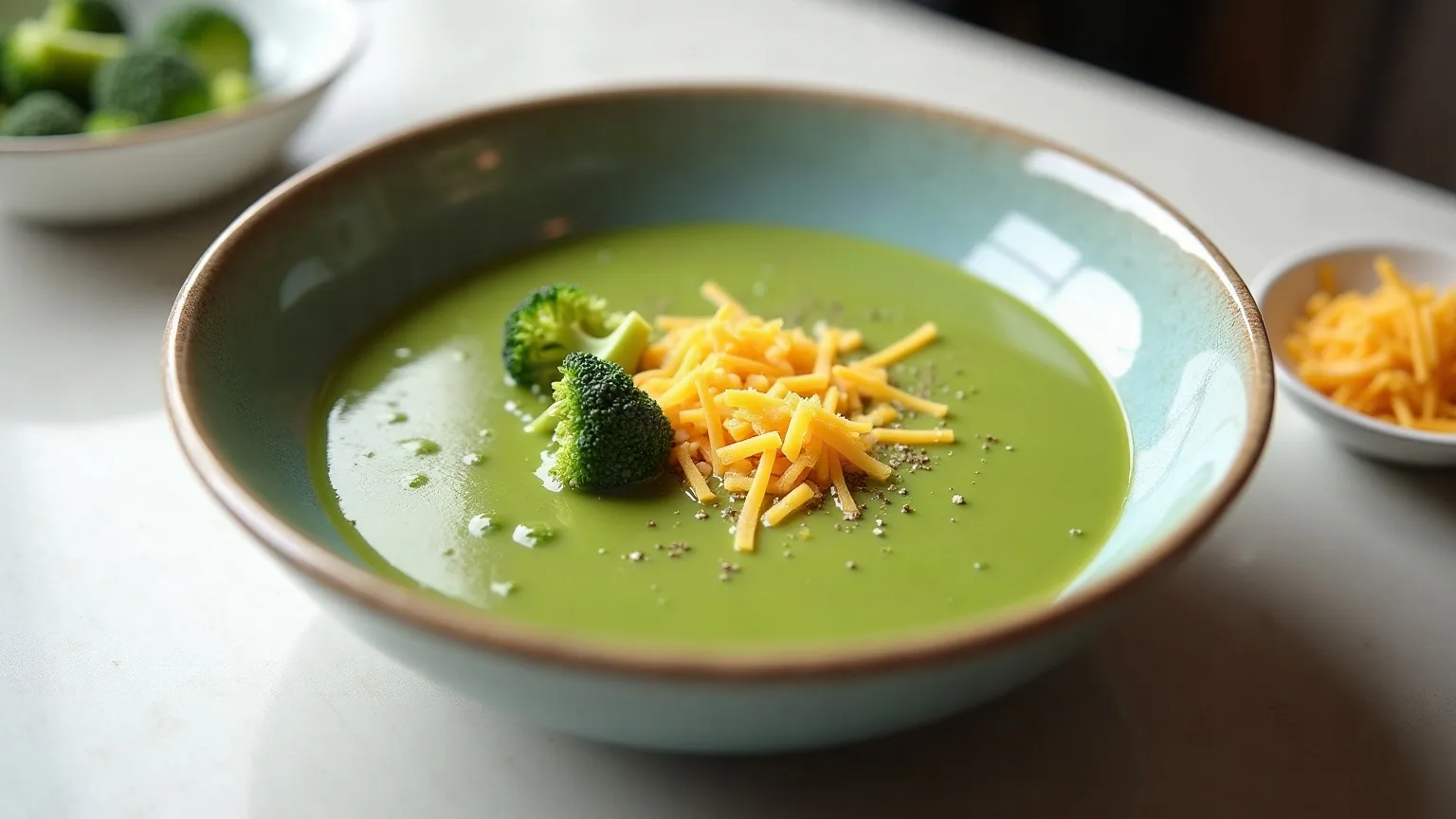
Broccoli soup
One rule for keeping it green: no lid, and not a minute over eight.
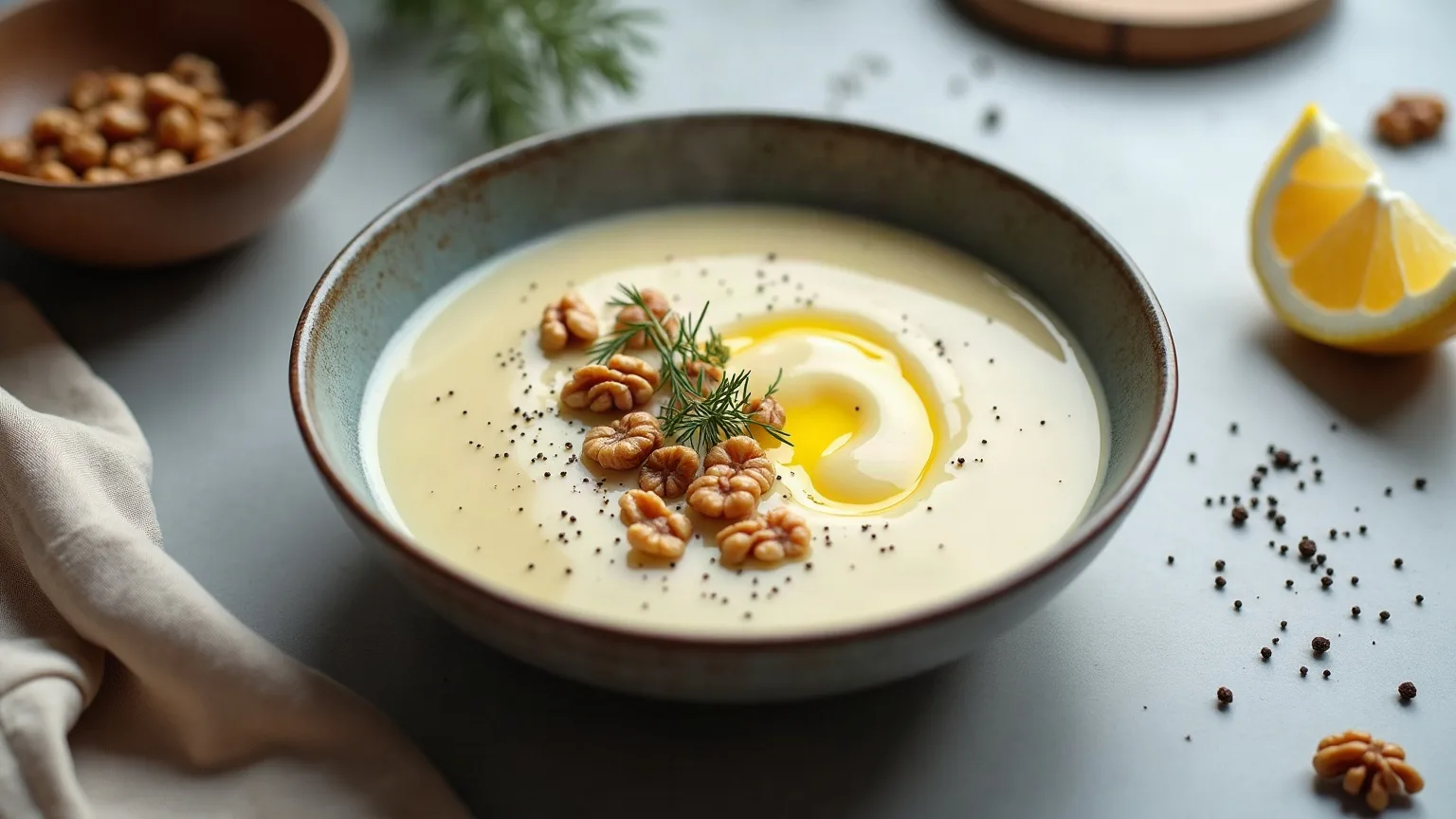
Celeriac soup
Celeriac starts browning the moment it is cut. Dropping it into acidulated water is a chemical intervention rather than a cosmetic one.
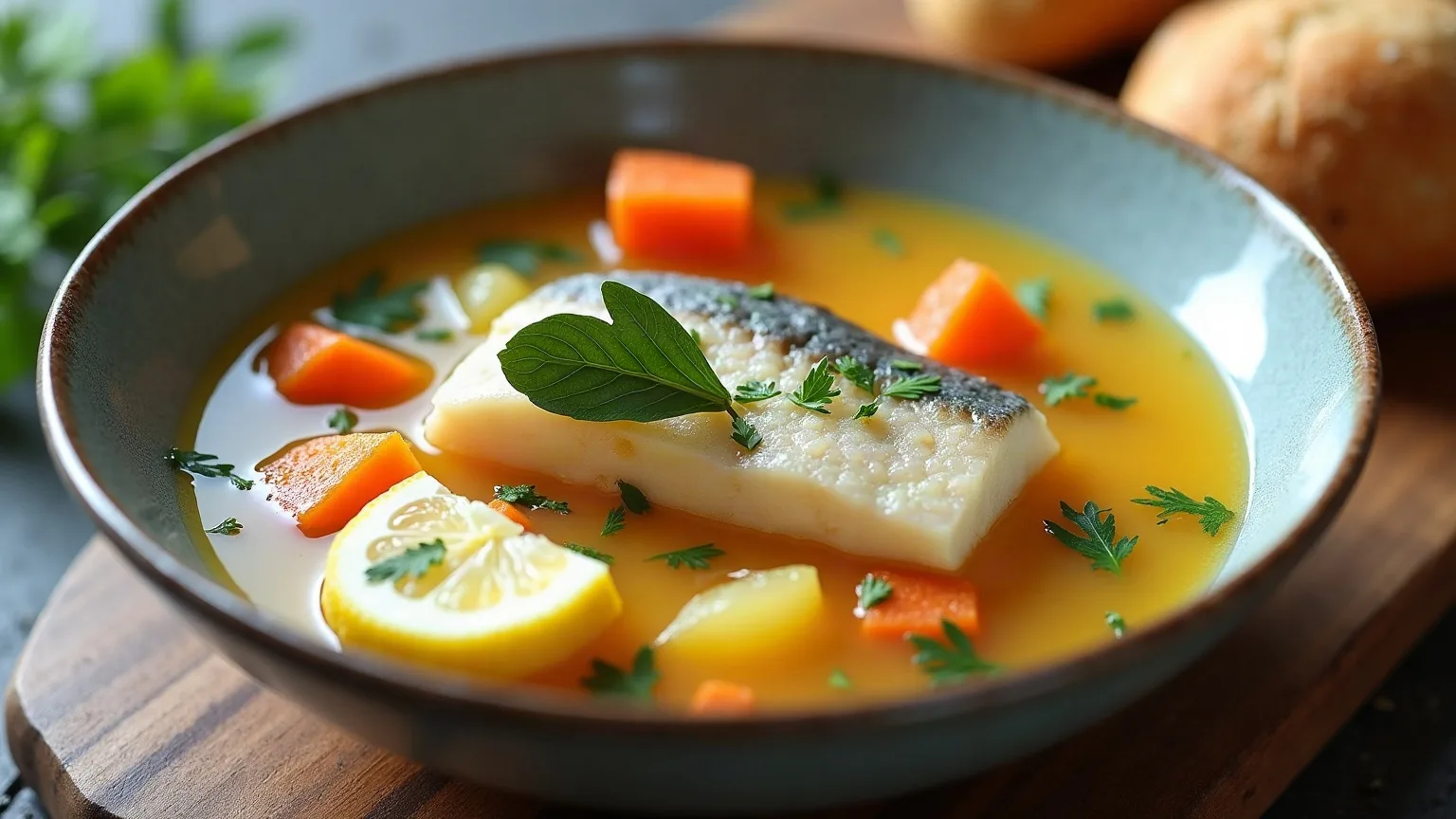
Fish soup
A fish stock is made in twenty minutes and ruined in twenty-five. Unlike meat stock, long cooking here does damage.
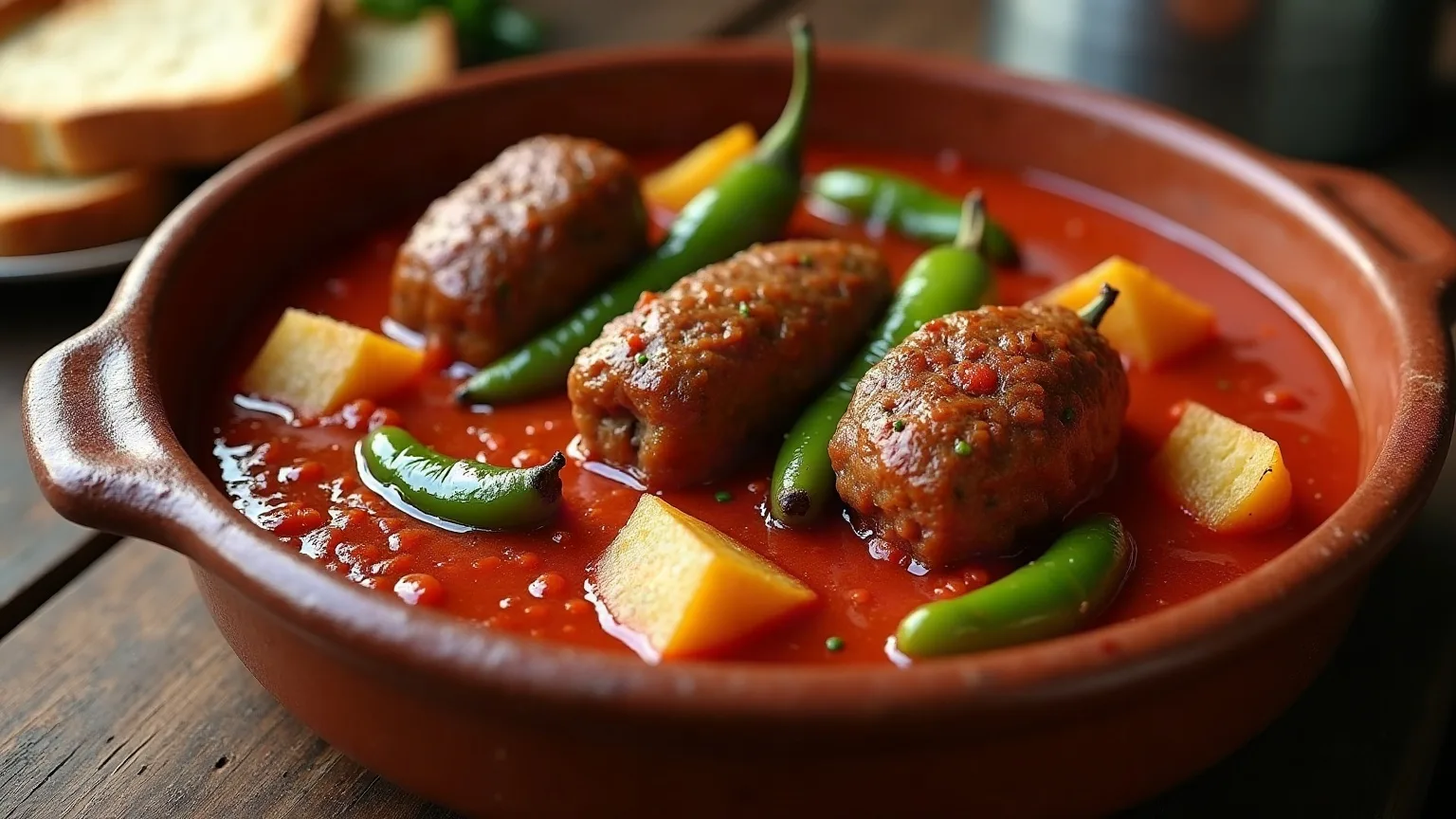
İzmir meatballs
Searing the meatballs and then baking them in sauce is two dishes in one: the crust stays outside while the inside drinks the sauce.
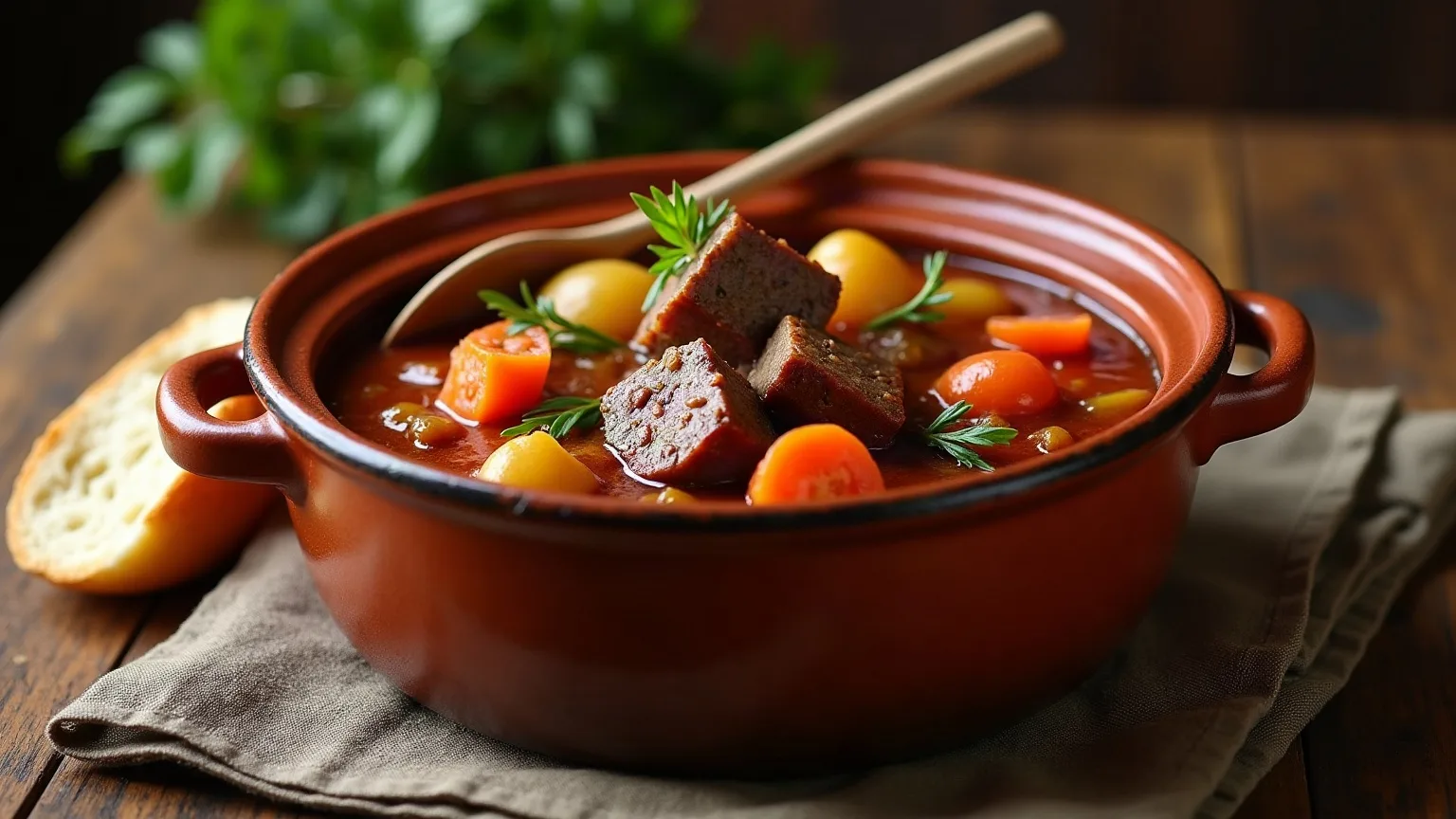
Lamb casserole
The meat has two hours and the vegetables have forty minutes. Put them in together and the vegetables vanish while the meat is still raw.
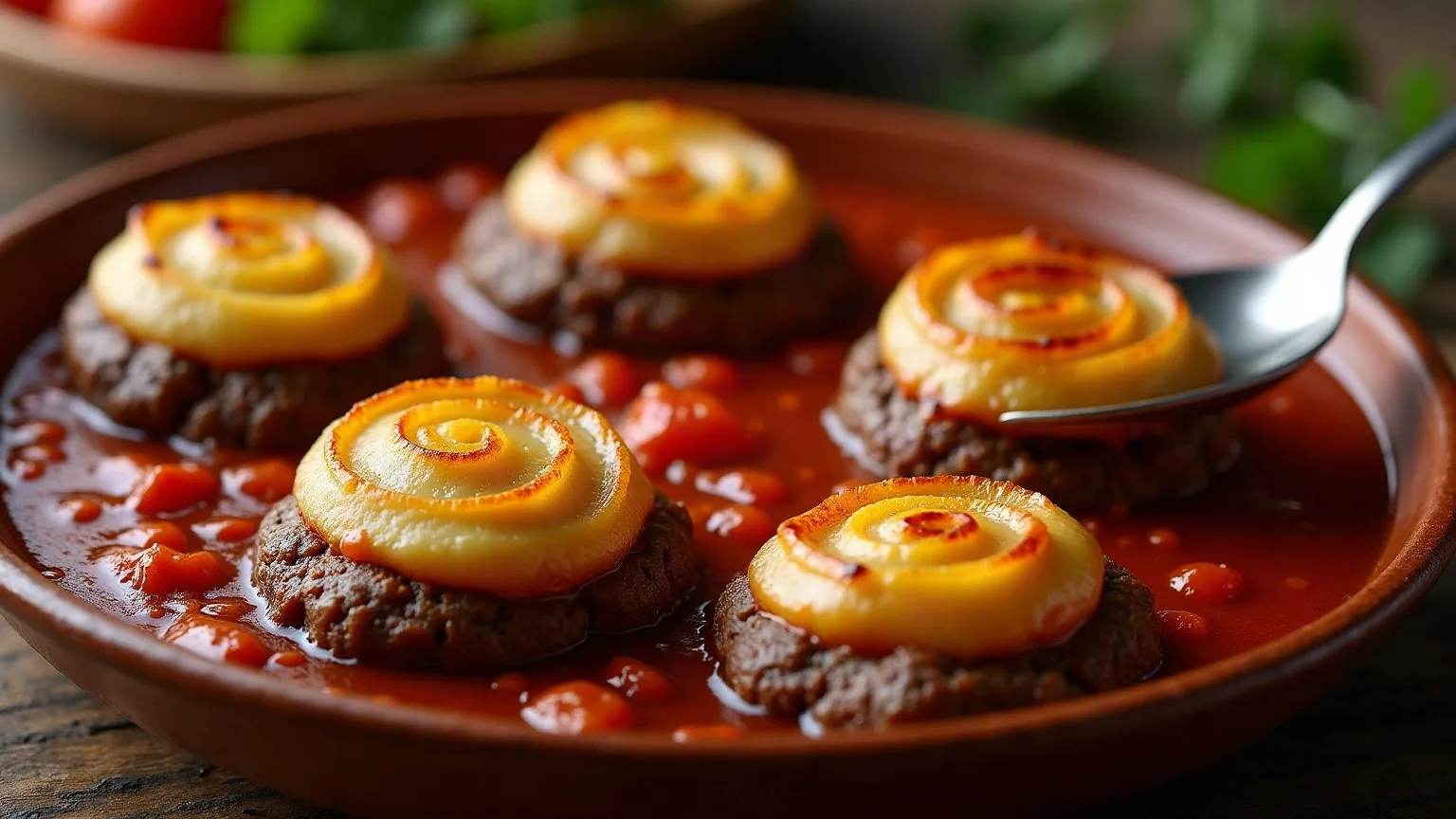
Hasanpaşa köfte
The purée on top is a lid rather than a decoration: in the oven it keeps the meat’s juice in.
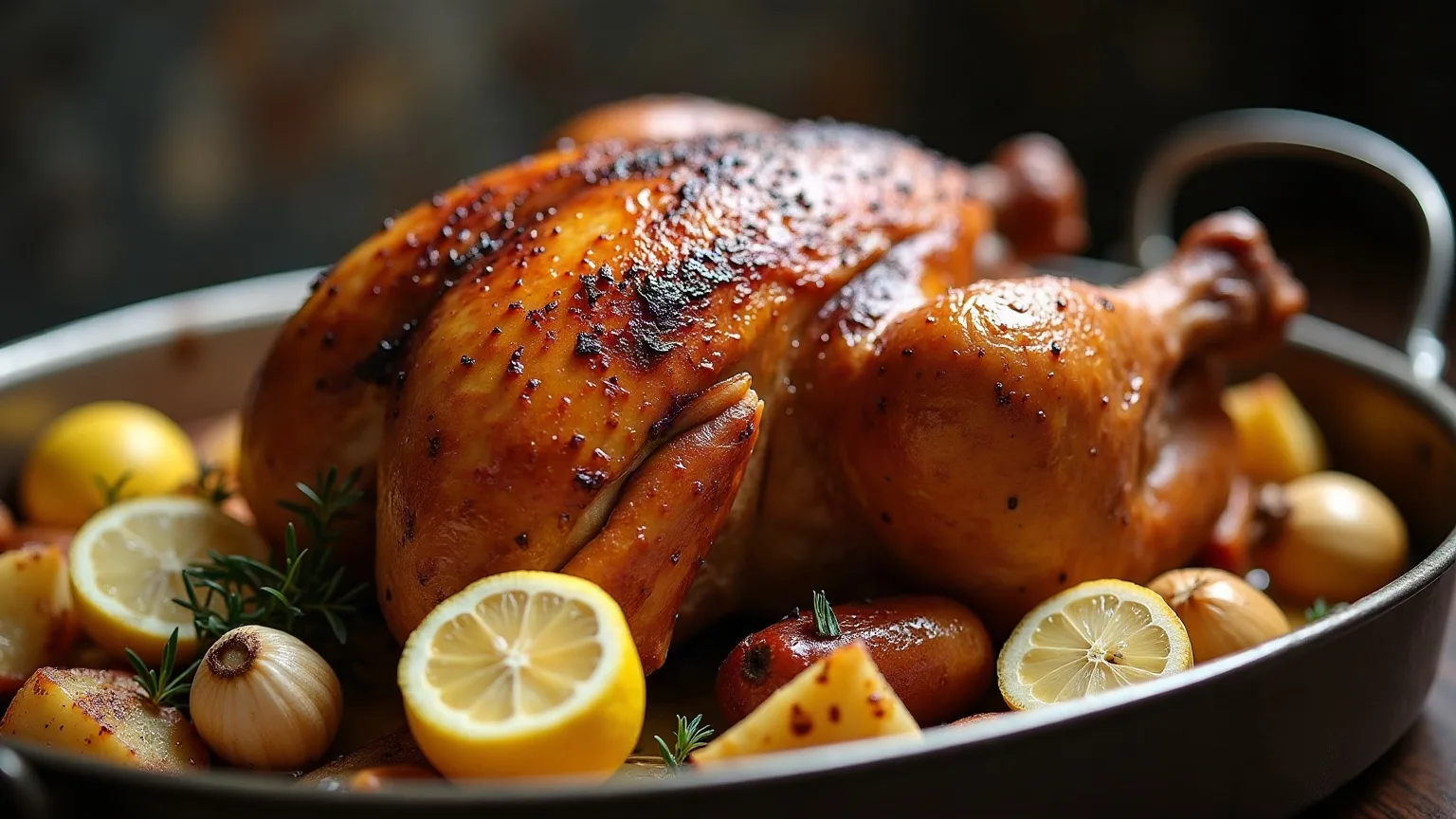
Whole roast chicken
The breast is ready at 65 °C and the leg at 75. Roasting a whole bird is entirely the business of hitting both at once.
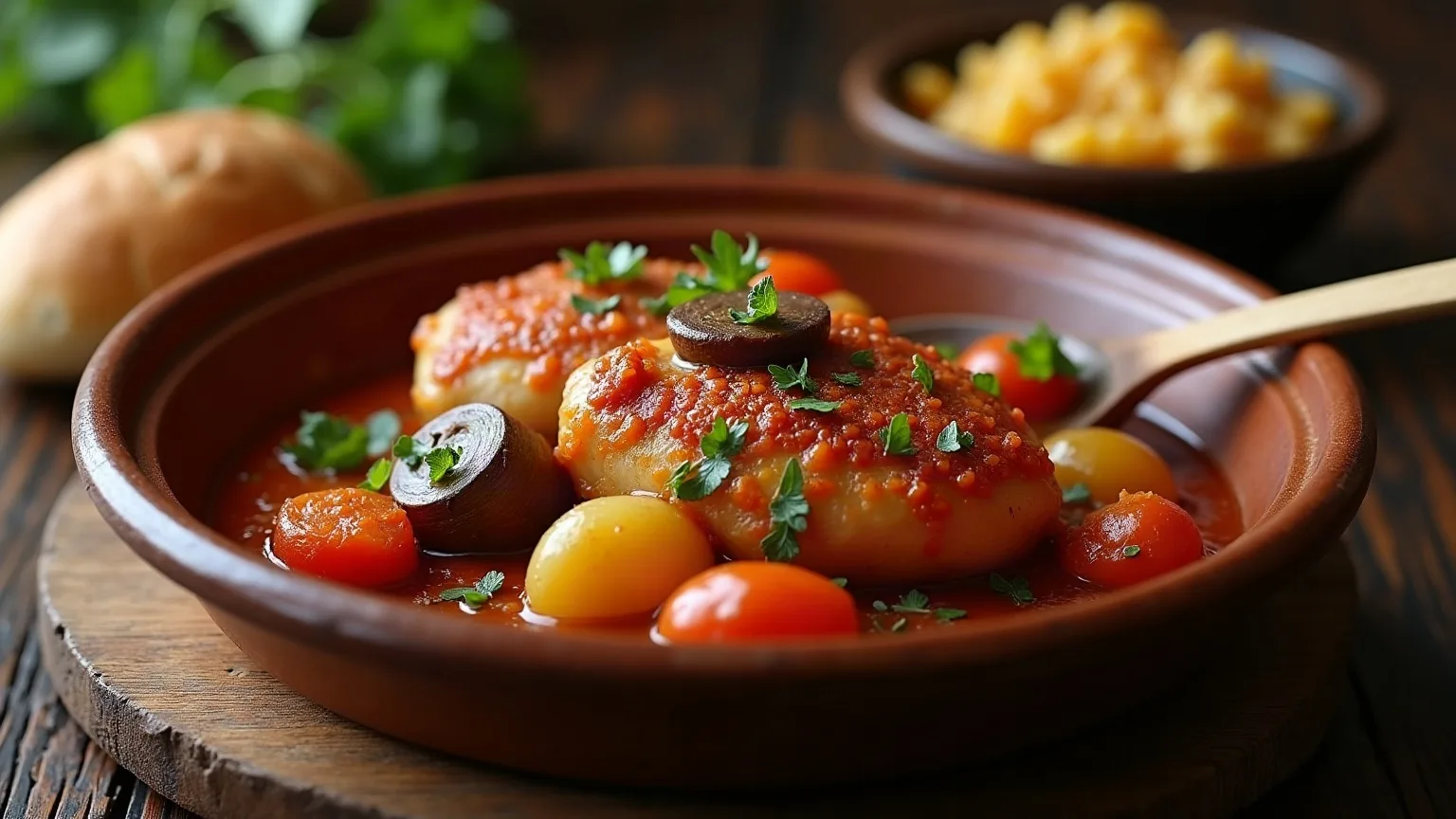
Chicken casserole
Made with thigh, and there is no alternative: breast certainly dries over forty minutes in an oven.
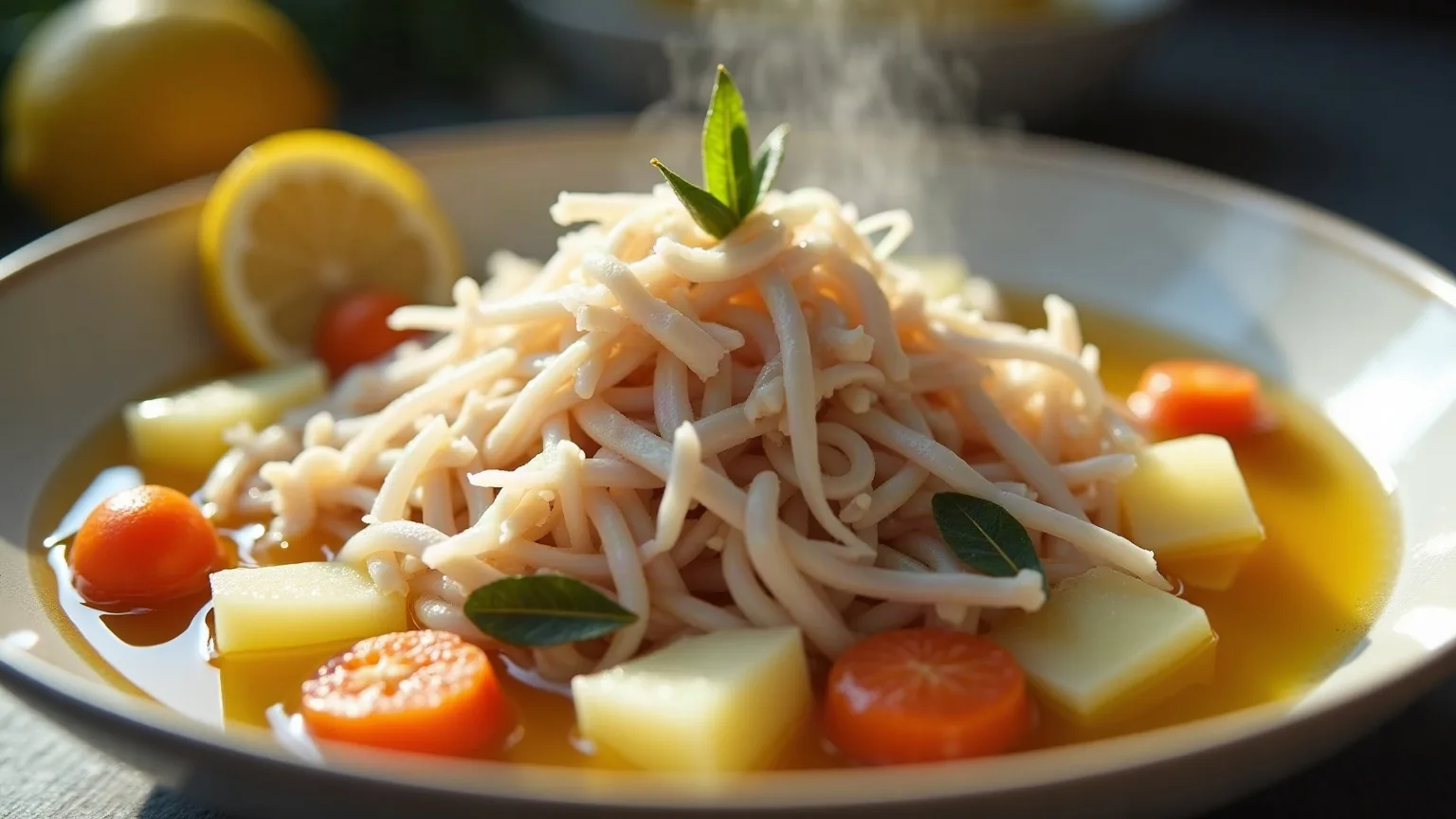
Poached chicken
There is one reason poached chicken comes out dry: the water was boiling. Poached at 80 °C it never does.
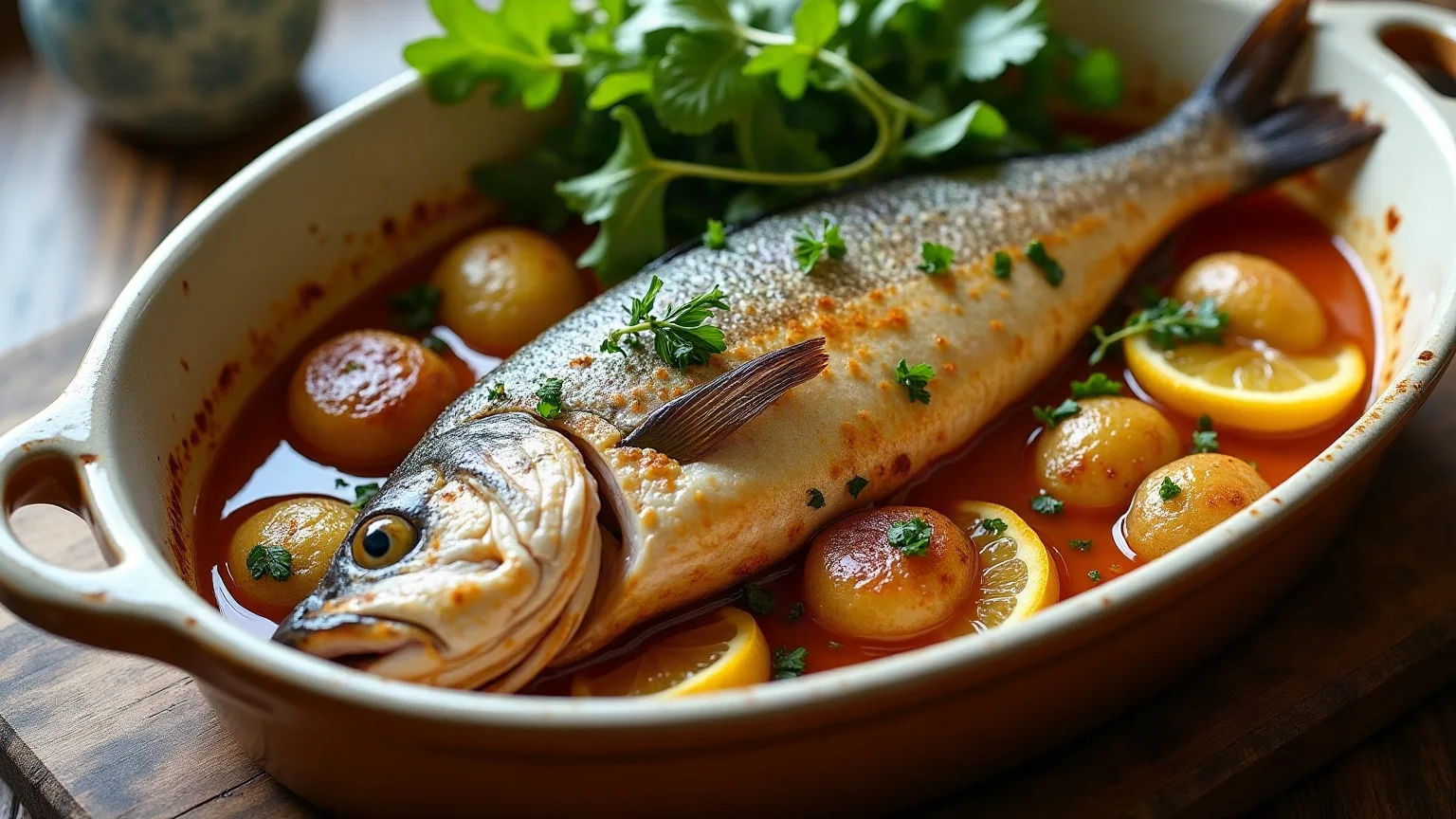
Baked sea bass
A whole fish is more forgiving than a fillet: the bones and skin slow the heat and the flesh cooks without drying.
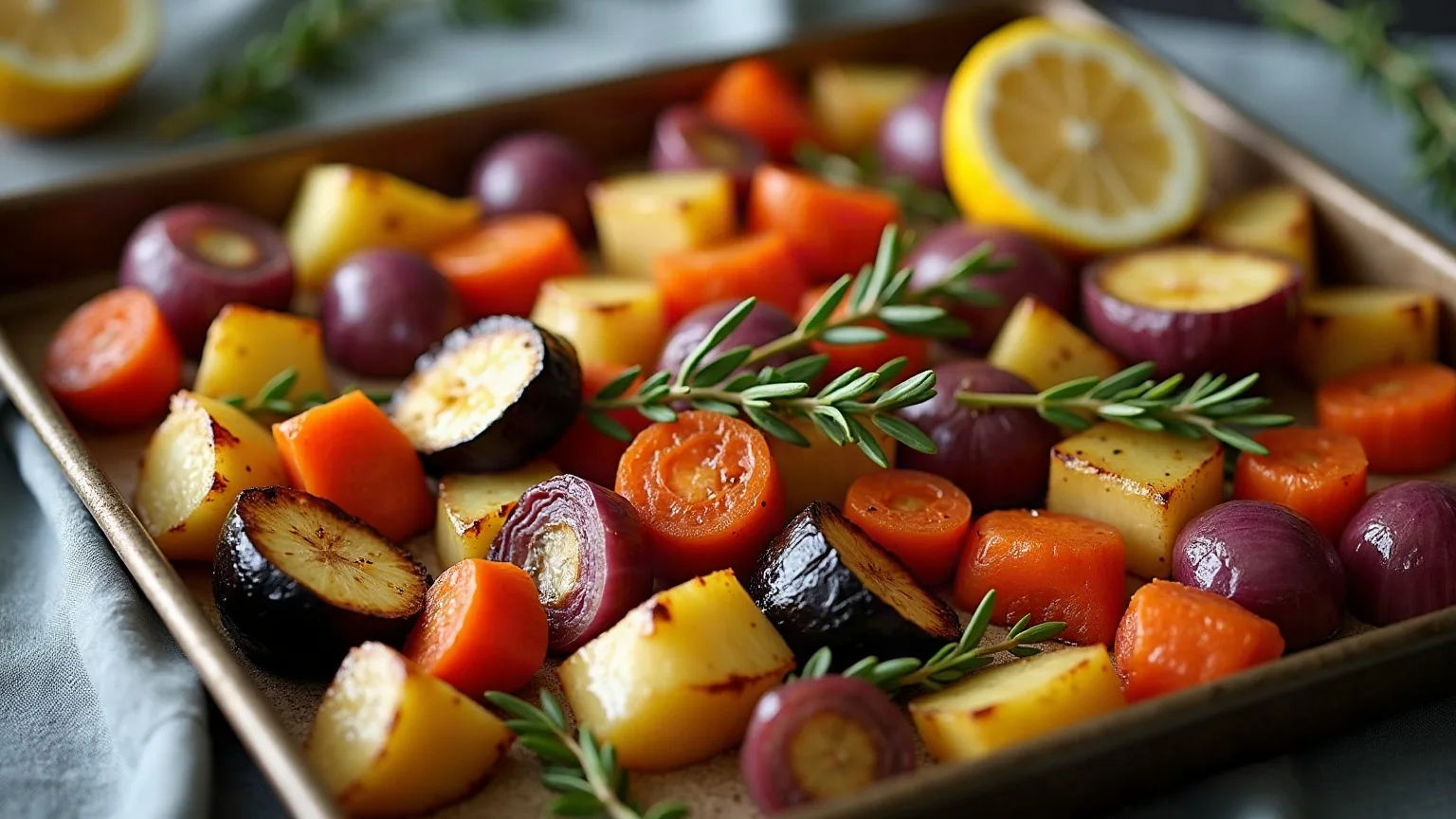
Tray-roasted vegetables
A vegetable that does not fit on the tray does not roast, it steams. Using two trays instead of one is the only trick in this recipe.
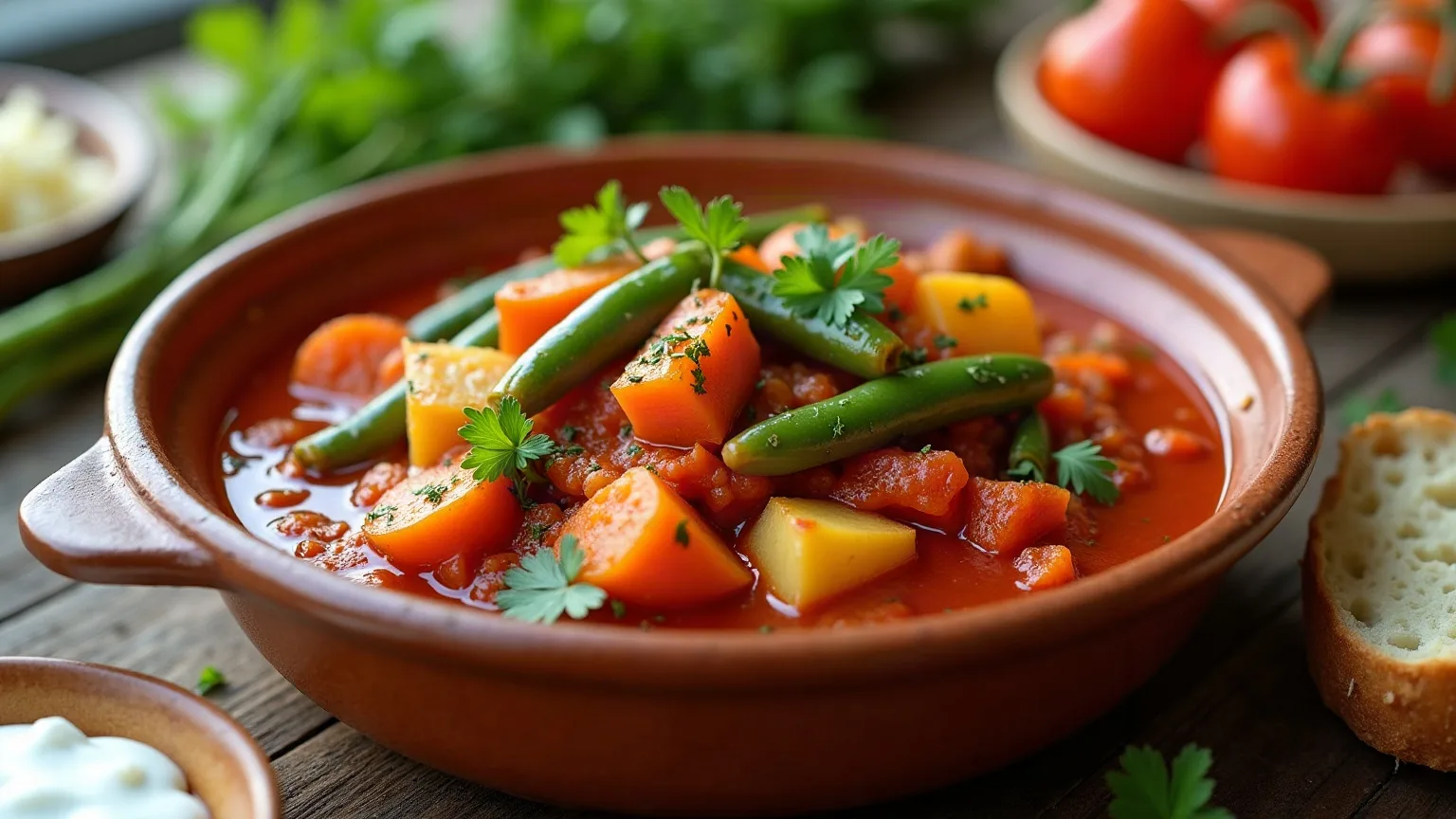
Türlü
The name means "all sorts" and the recipe means it: whatever is in the house goes in. The one rule is the order they cook in.
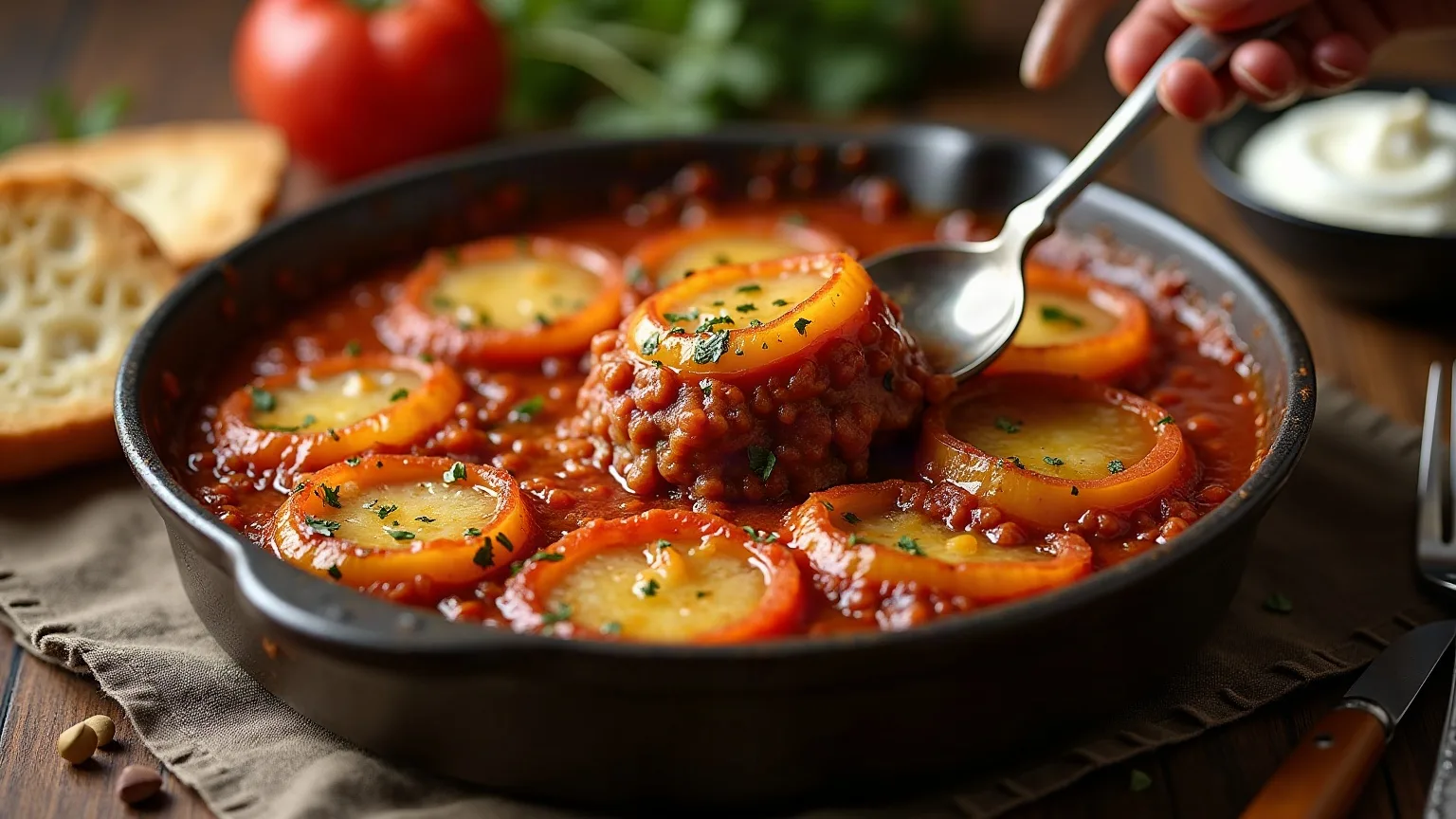
Potato and mince bake
Without a pre-cook the potato slices boil rather than brown over forty minutes in the oven.
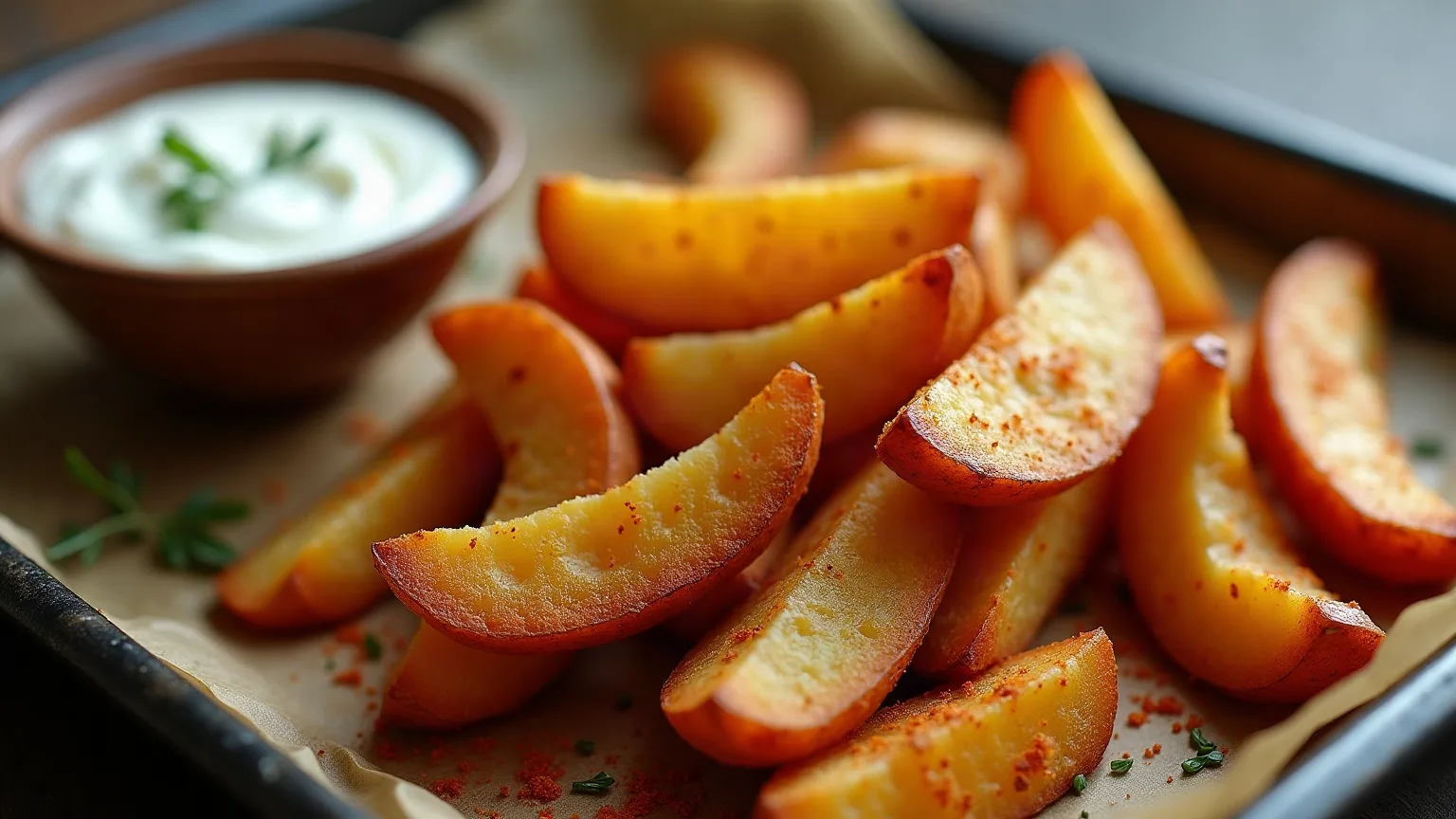
Oven potato wedges
The secret of a crisp wedge is not in the oven but before it: a boil and a shake. Without roughening the surface there is no crust.
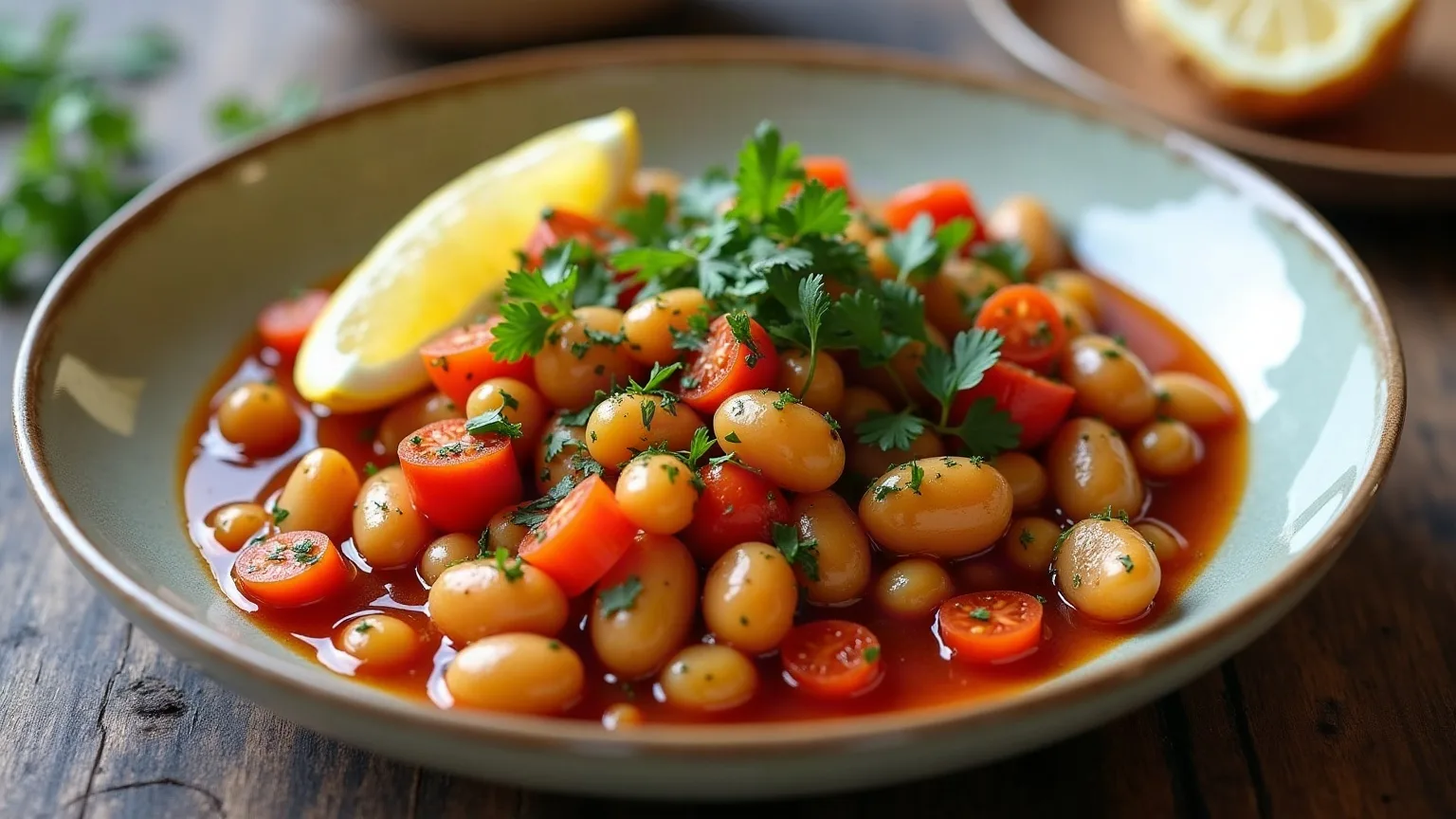
Borlotti bean pilaki
A pilaki is eaten cold, and that is why there is sugar in it: perception of sweetness drops as food cools, so what tastes right hot tastes flat cold.