
Poached eggs
The beliefA poached egg is assumed to need a whirlpool, lots of vinegar and luck.
The truthWhat decides a poached egg is how fresh the egg is and whether the water is kept off the boil. At 80–90 °C a fresh egg takes three minutes.
How to make it
What you need
- 2 fresh eggs, no more than 5 days old
- 1.5 litres of water
- 1 tablespoon of vinegar, optional
- A fine sieve and a slotted spoon
How the engine read this list (3 lines)
| 100 g | Fresh eggs | egg |
| 1500 g | Poaching water | water |
| 15 g | Vinegar optional | vinegar |
An empty weight means that line could not be turned into grams — either the amount is open ("to taste") or the ingredient has no record here. Neither enters the sum as zero; they do not enter it at all.
Heat the water in a wide pan, then turn it down: small bubbles on the bottom, a trembling surface, no boil (80–90 °C).
Crack an egg into the fine sieve and give it thirty seconds for the watery white to run off.
Hold the sieve close to the water and slide the egg in gently. Repeat with the second egg.
Cook three minutes. Lift one out with the slotted spoon and press it gently: the white should be firm, the yolk soft.
Blot it on kitchen paper for ten seconds and serve straight away.
The others that work the same way
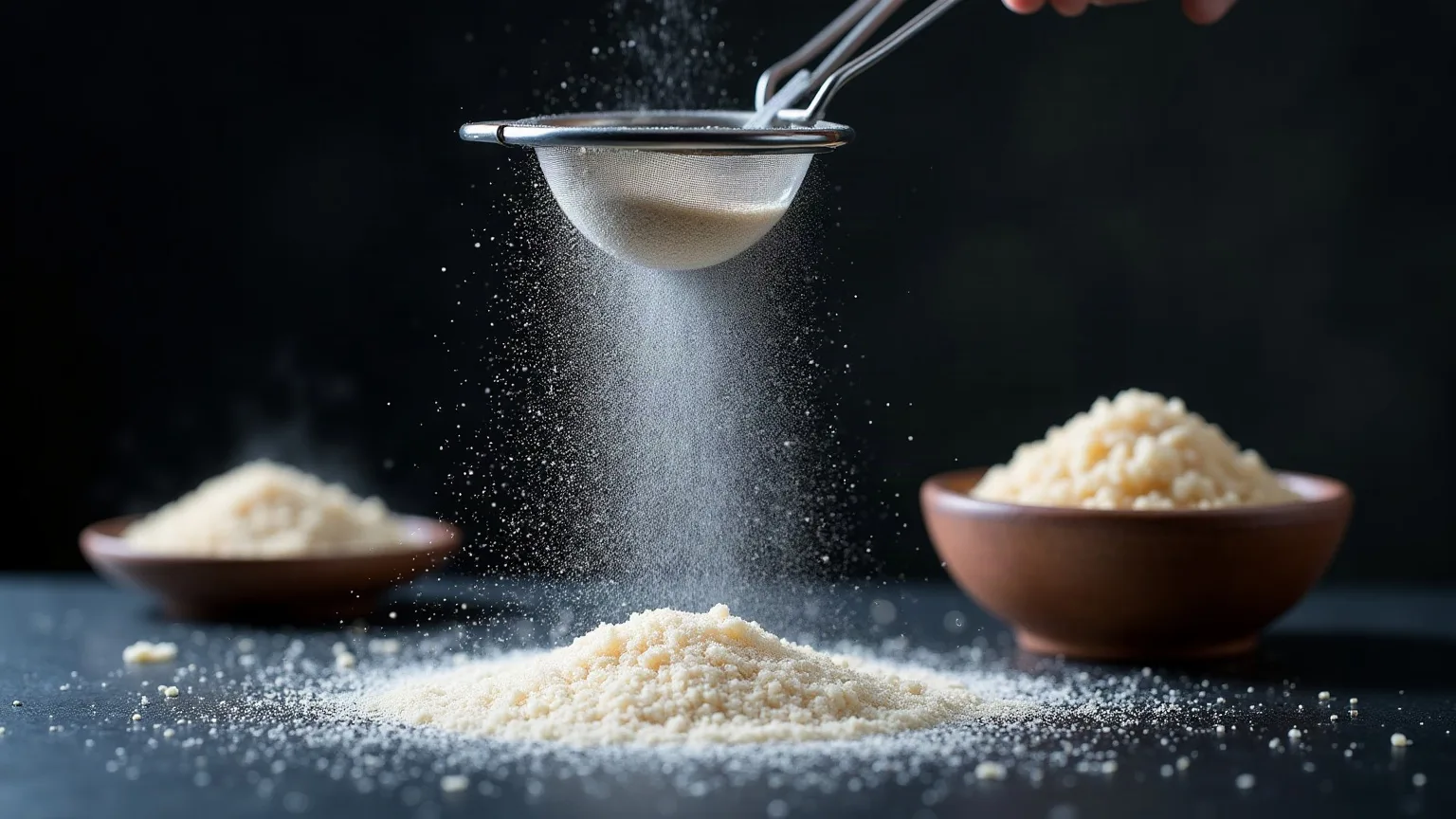
Icing sugar
The truthIcing sugar is granulated sugar, ground. That is the entire difference.
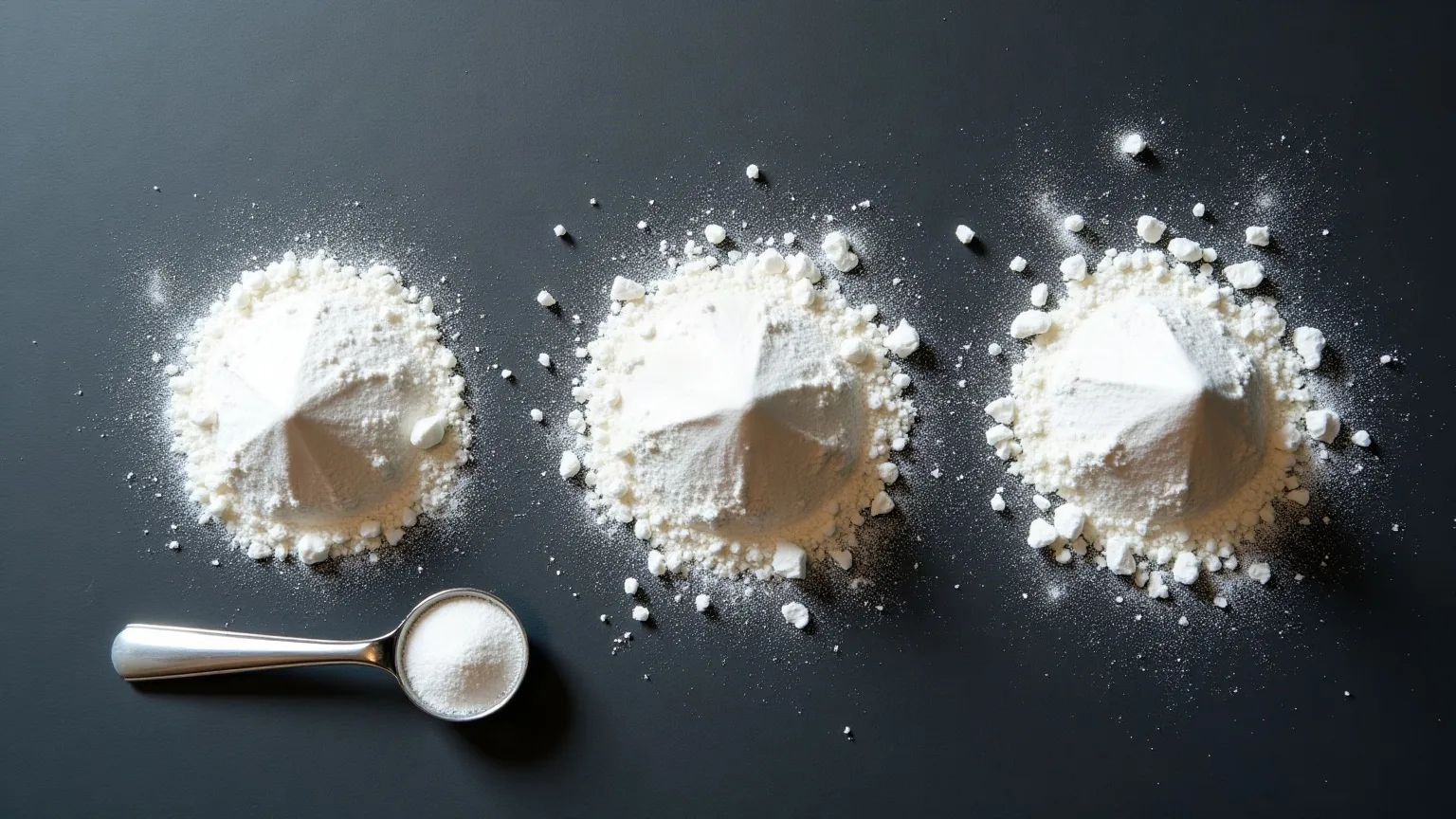
Baking powder
The truthBicarbonate plus a dry acid plus starch. Three things, two minutes, all of them already in the kitchen.

Vanilla extract
The truthTwo pods and a glass of vodka. After two months the jar lasts for years, topped up with more spirit as you go.
In the time this takes, so would these
- Food Standards Agency, Advice on safe storage, handling and use of eggs for catering