
Meringue
The beliefMeringue is assumed to need a copper bowl and not one speck of yolk.
The truthYolk fat really does spoil the foam; copper is not needed. A pinch of citric acid or a few drops of lemon juice do the copper’s job.
How to make it
What you need
- 4 egg whites (about 120 g), at room temperature
- 240 g caster sugar (twice the weight of the whites)
- A pinch of citric acid or half a teaspoon of lemon juice
- A whisk or mixer and baking paper
How the engine read this list (3 lines)
| — | Egg white (from 4 eggs) | no record |
| 240 g | Caster sugar | sugar |
| 0 g | Citric acid | citric-acid |
An empty weight means that line could not be turned into grams — either the amount is open ("to taste") or the ingredient has no record here. Neither enters the sum as zero; they do not enter it at all.
Heat the oven to 100 °C. Wipe the bowl and whisk with lemon juice and dry them: no trace of fat should remain.
Put the whites and sugar in a heatproof bowl over a pan of simmering water. Stir constantly until it reaches 71 °C; you should feel no grains of sugar between your fingers.
Take the bowl off, add the citric acid and whisk on high for 6–8 minutes, until the mixture is glossy, stands in stiff peaks and the bowl has cooled to lukewarm.
Spoon or pipe it onto baking paper in 5 cm rounds.
Dry them at 100 °C for an hour and a half. Turn the oven off and let them cool inside with the door ajar.
The others that work the same way
Icing sugar
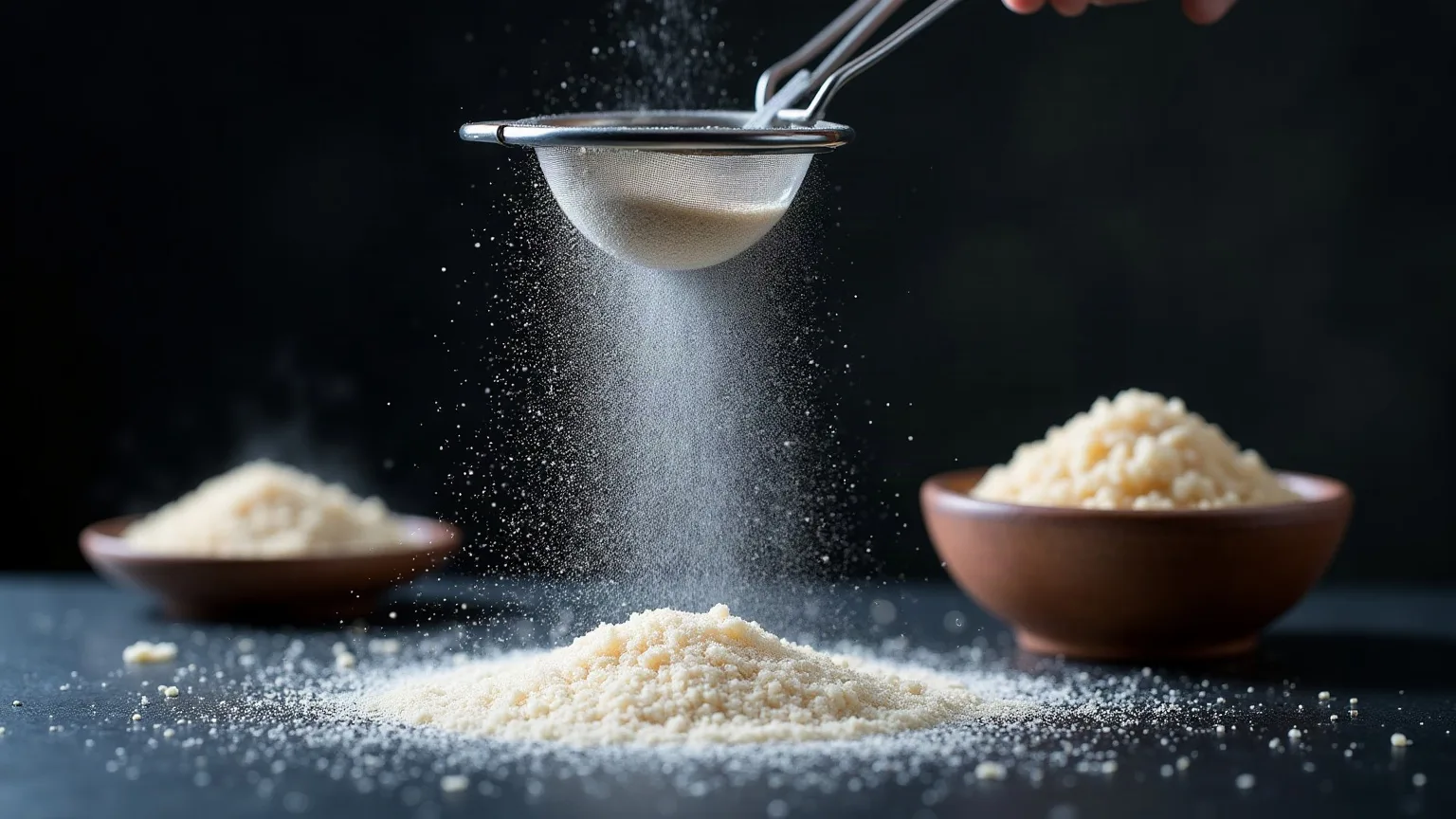
The truthIcing sugar is granulated sugar, ground. That is the entire difference.
Baking powder
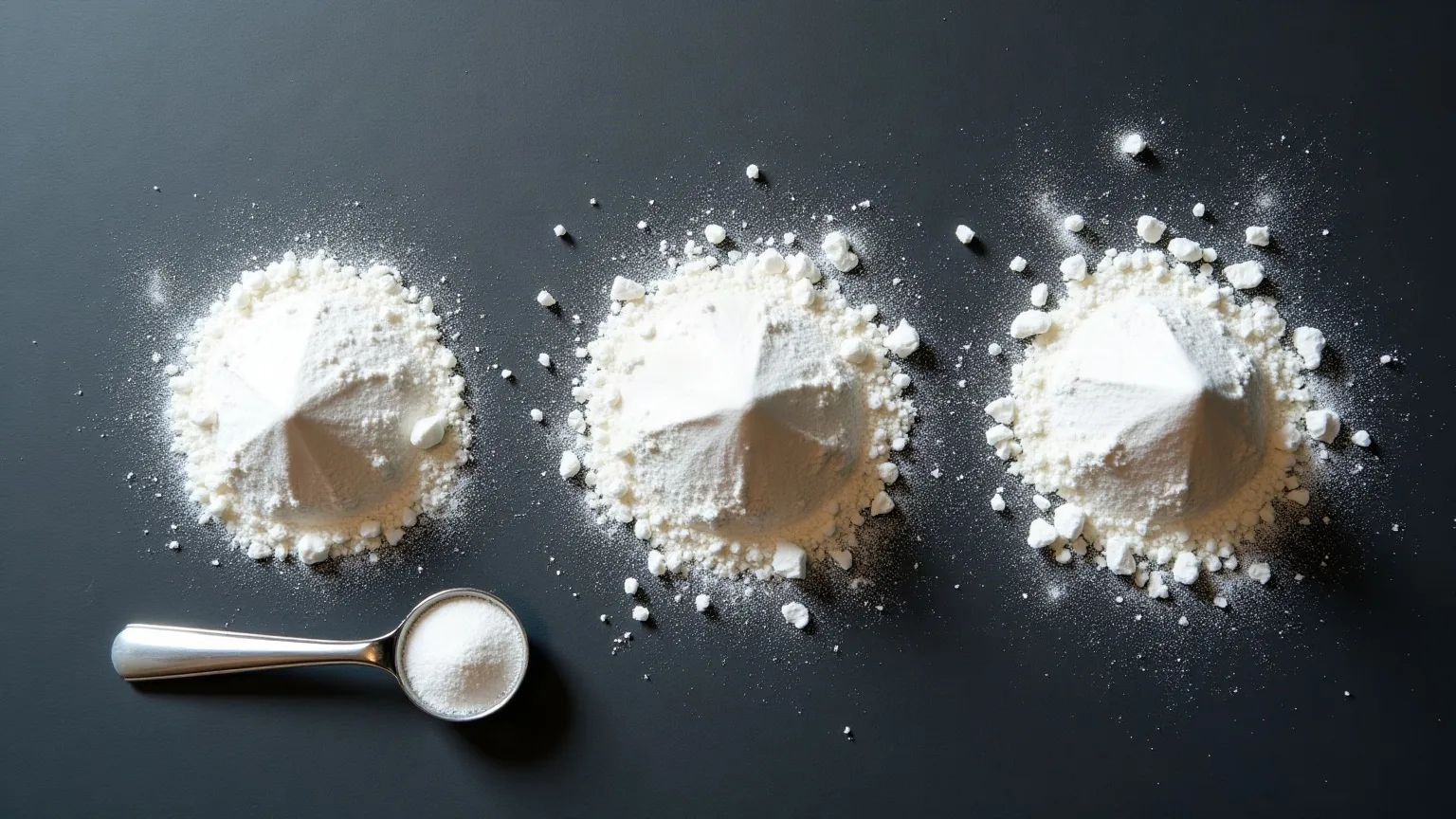
The truthBicarbonate plus a dry acid plus starch. Three things, two minutes, all of them already in the kitchen.

Vanilla extract
The truthTwo pods and a glass of vodka. After two months the jar lasts for years, topped up with more spirit as you go.
In the time this takes, so would these
- Food Standards Agency, Advice on safe storage, handling and use of eggs for catering