
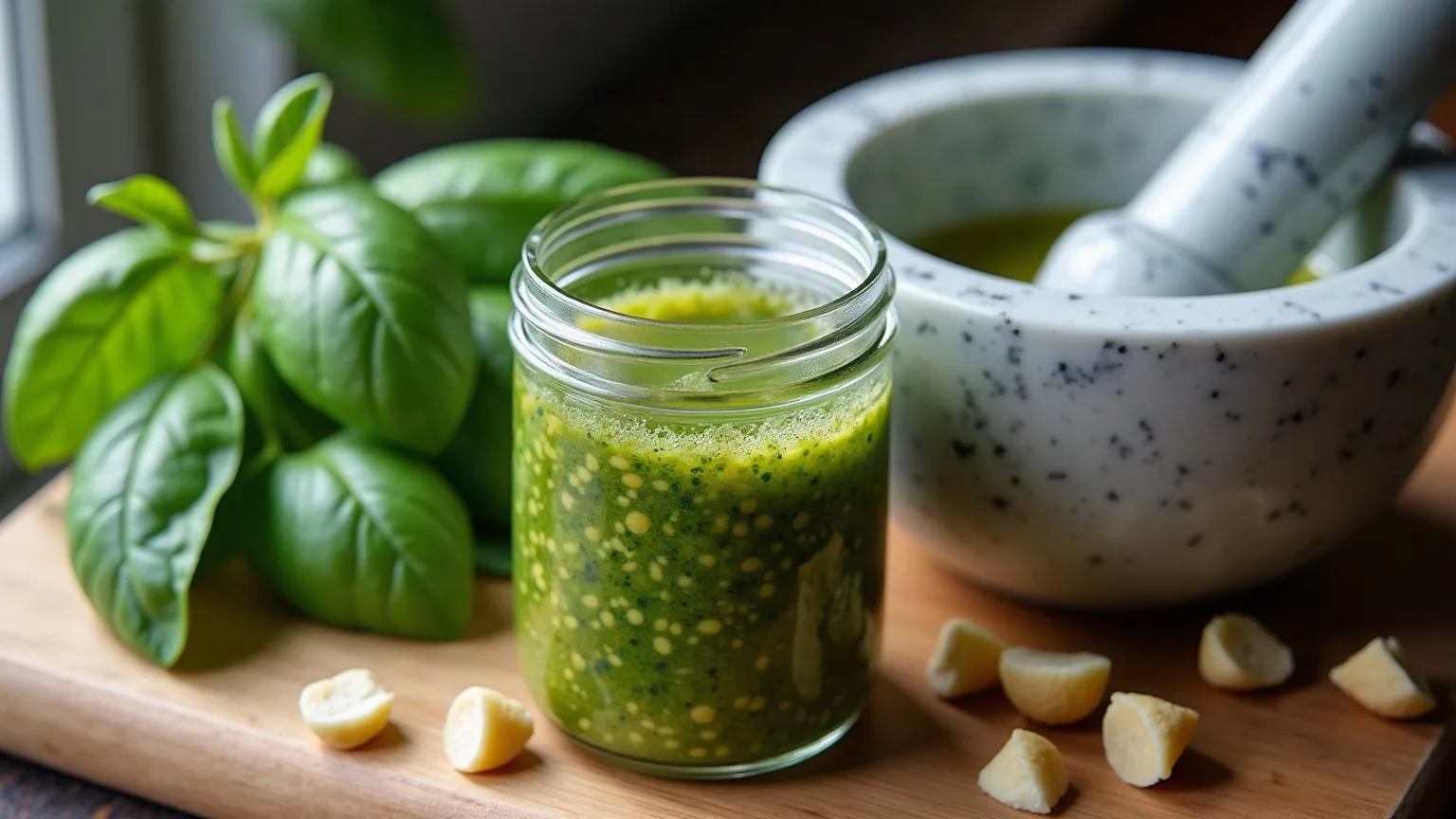
Pesto
The beliefPesto is assumed to need a mortar, a particular basil and pine nuts, and a processor is said to be wrong.
The truthA green leaf, oil, a hard cheese and an oily seed. A processor does it too — you only have to keep the heat down.
How to make it
What you need
- 60 g basil leaves
- 40 g pine nuts or walnuts
- 2 garlic cloves
- 120 ml extra virgin olive oil
- 50 g grated hard cheese
- Half a teaspoon of salt
How the engine read this list (6 lines)
| 60 g | Basil leaves | basil |
| 40 g | Pine nuts | pine-nut |
| 10 g | Garlic | garlic |
| 110 g | Extra virgin olive oil | extra-virgin-olive-oil |
| 50 g | Grated hard cheese | kasar |
| 3 g | Salt | salt |
An empty weight means that line could not be turned into grams — either the amount is open ("to taste") or the ingredient has no record here. Neither enters the sum as zero; they do not enter it at all.
Toast the nuts in a dry pan for three minutes until they begin to colour, then cool them. Untoasted nuts leave pesto tasting floury.
Chill the processor bowl and blade for ten minutes. The whole point is to keep the friction heat down.
Process the garlic, nuts and salt first. Add the basil last with half the oil and run it for ten to fifteen seconds, then stop.
Stir the rest of the oil in by hand, and keep the cheese out of the machine — fold it in.
Transfer it to a jar and cover the surface with a finger of olive oil.
The others that work the same way
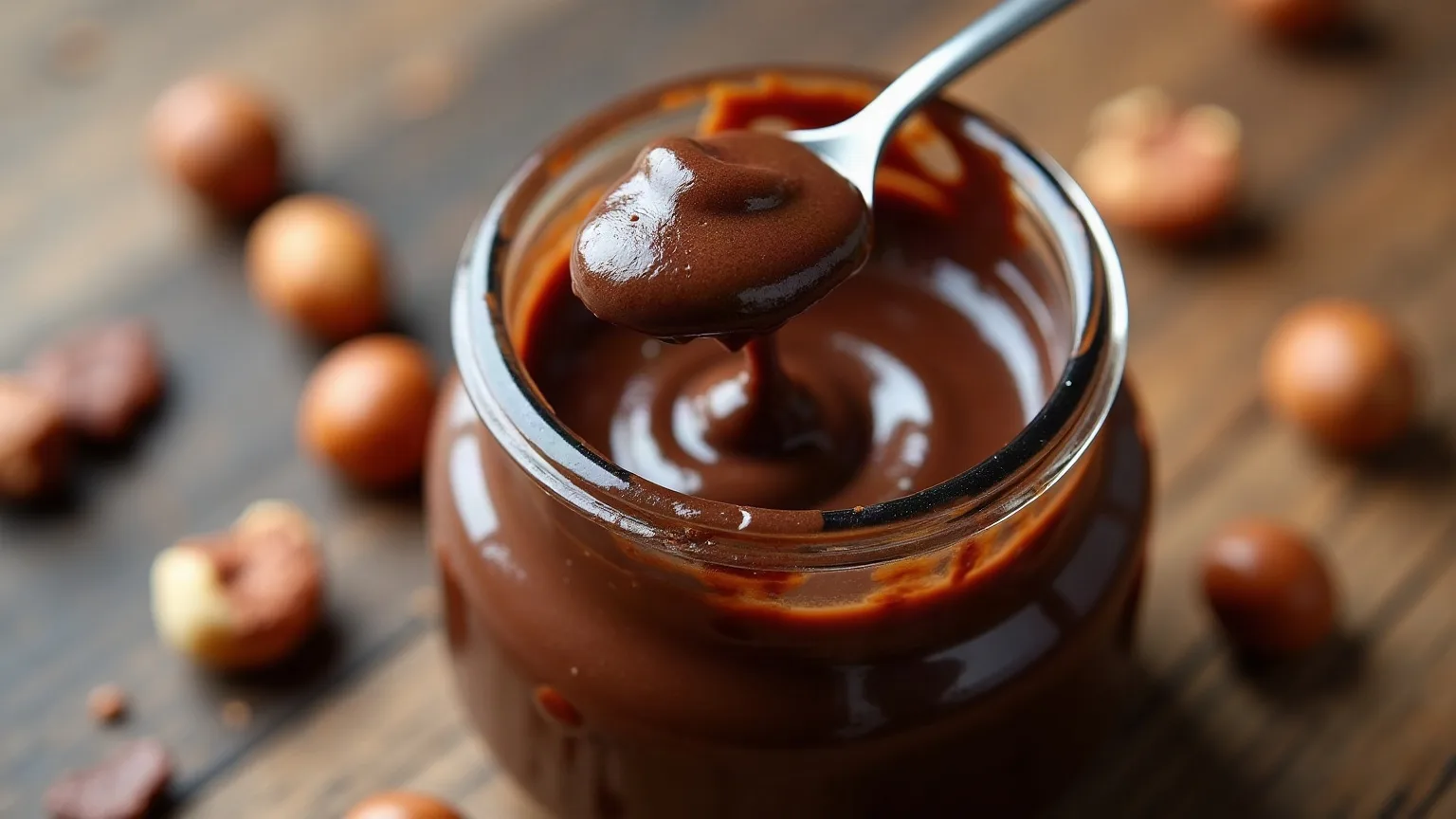
Hazelnut spread
The truthRoasted hazelnuts, ground long enough, release their own oil and turn to cream on their own. The rest is cocoa and sugar.
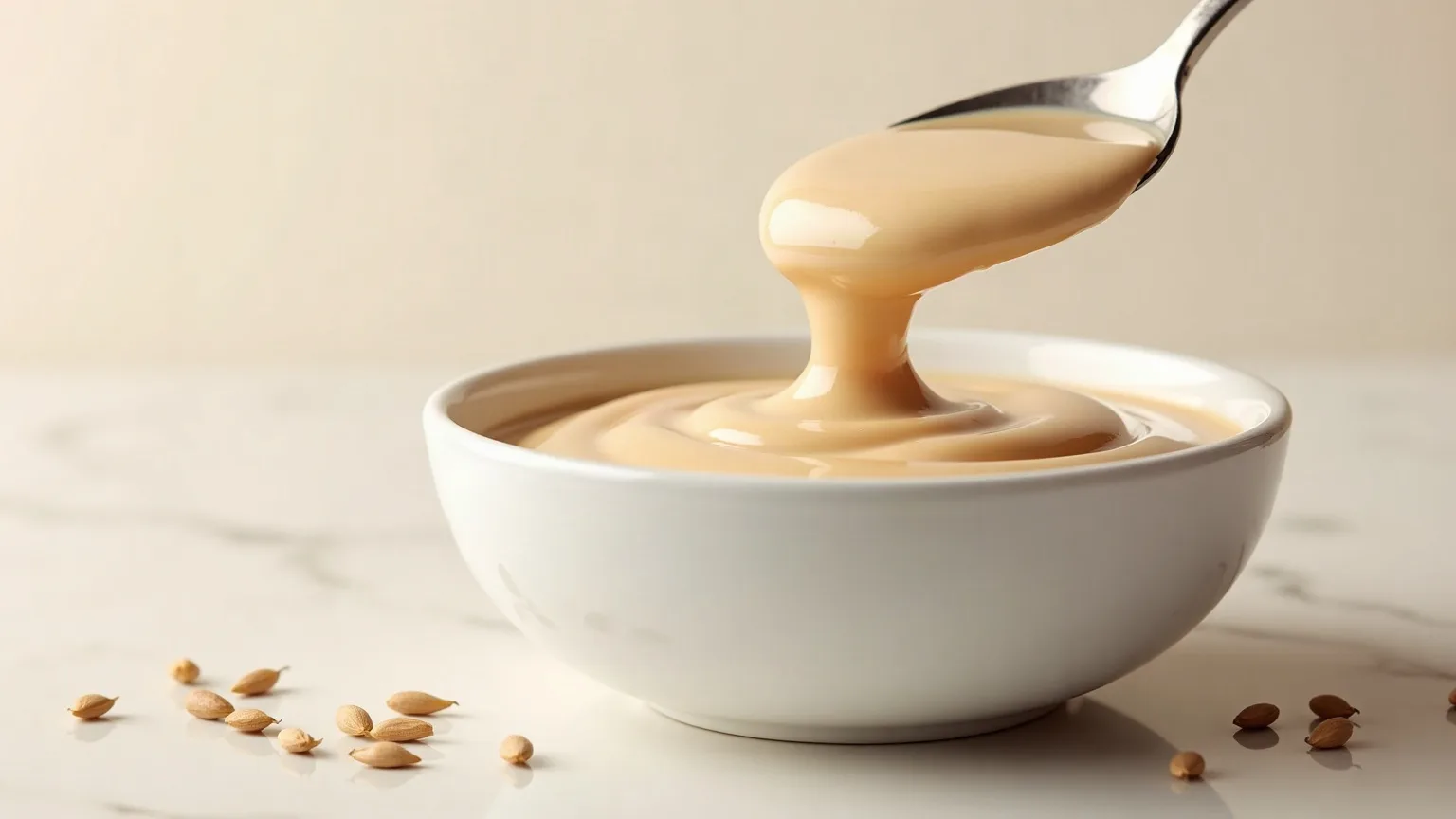
Tahini
The truthGrind roasted sesame for long enough and it releases its own oil. You add nothing.
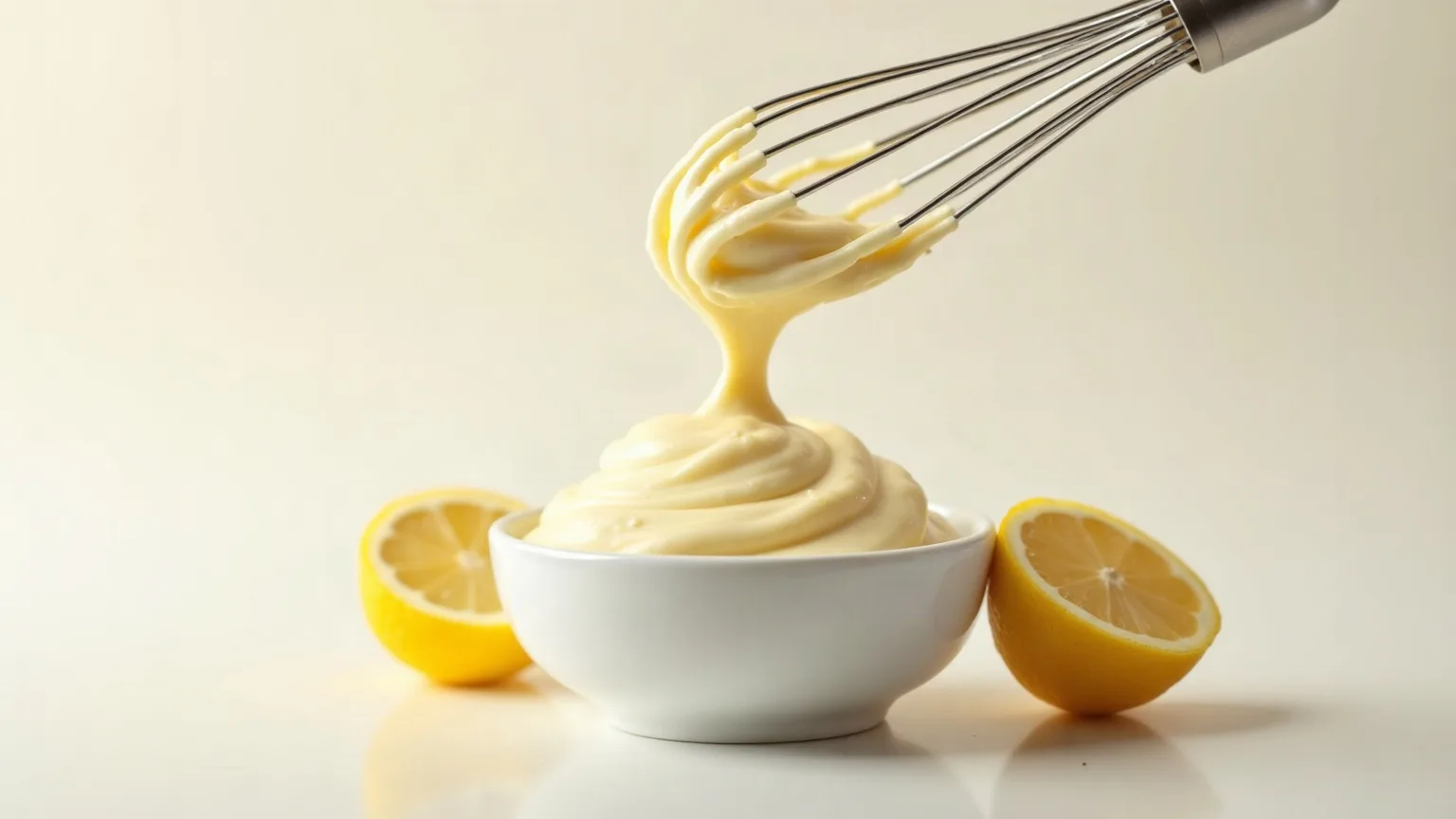
Mayonnaise
The truthOne yolk binds 200 ml of oil. The only reason it splits is adding the oil too fast.