
Red pepper paste
The beliefPepper paste is assumed to keep in the larder for years once sun-dried, just like tomato paste.
The truthTraditional pepper paste was protected by heavy salt and weeks of sun-drying. The oven-made, lower-salt version made at home is a fridge product.
How to make it
What you need
- 5 kg red kapia peppers (swap 1 kg for hot red chillies if you like heat)
- 150 g salt
- 2 tablespoons of olive oil, for the top of the jar
How the engine read this list (3 lines)
| 5000 g | Red kapia peppers | pepper |
| 150 g | Salt | salt |
| 27 g | Olive oil, for the top | olive-oil |
An empty weight means that line could not be turned into grams — either the amount is open ("to taste") or the ingredient has no record here. Neither enters the sum as zero; they do not enter it at all.
Stem and seed the peppers, chop them roughly and blitz them to a purée in a food processor.
Cook the purée uncovered in a wide pan over a medium flame for 40–45 minutes, until it has halved.
Stir in the salt and spread the purée over two wide oven trays, no more than 2 cm deep.
Cook at 120 °C for two hours, stirring every twenty minutes. It is done when a line drawn with a spoon does not close.
Press it hot into clean jars, pour a thin layer of olive oil on top, and once cool put it in the fridge or freezer.
The others that work the same way
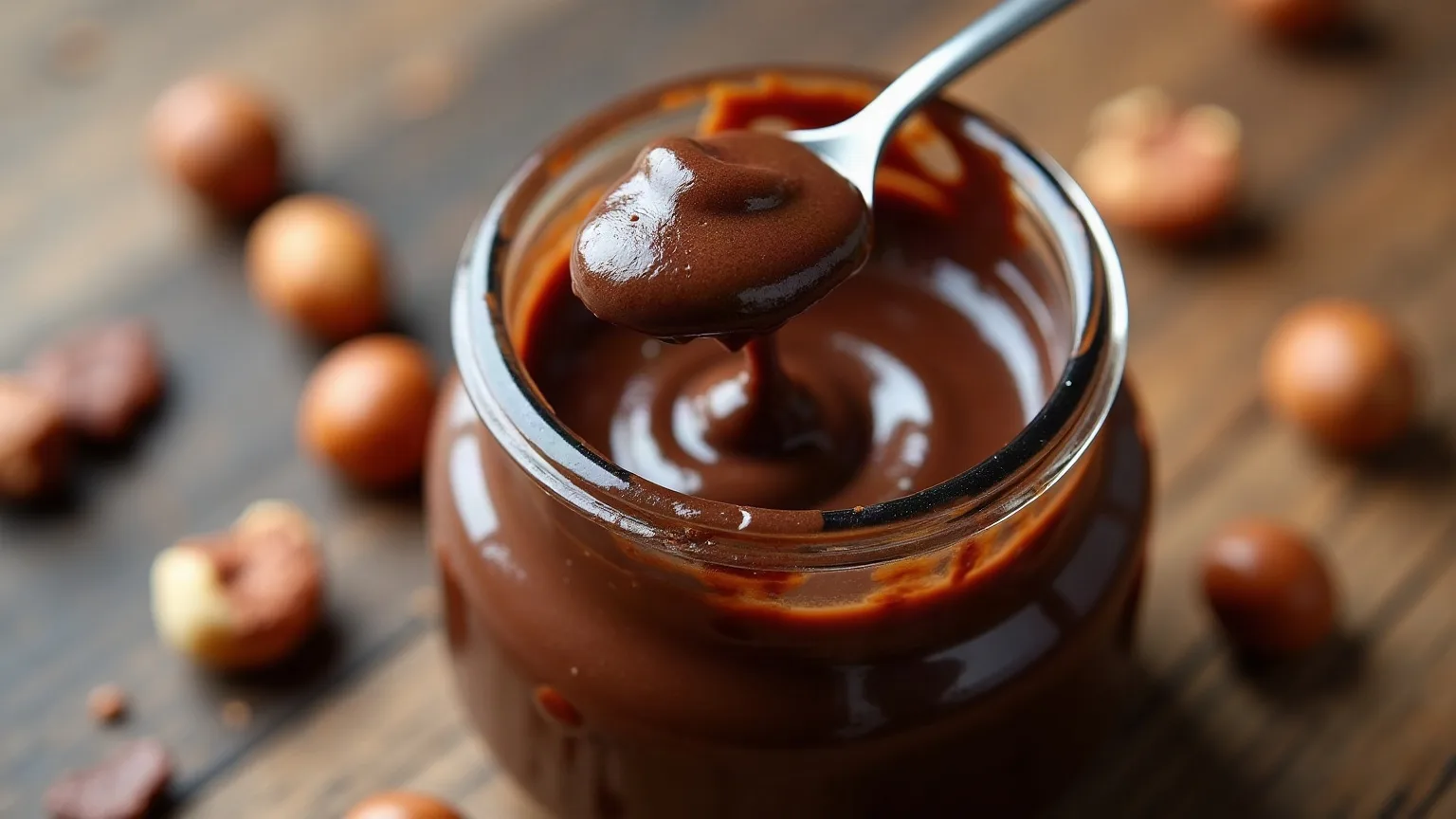
Hazelnut spread
The truthRoasted hazelnuts, ground long enough, release their own oil and turn to cream on their own. The rest is cocoa and sugar.
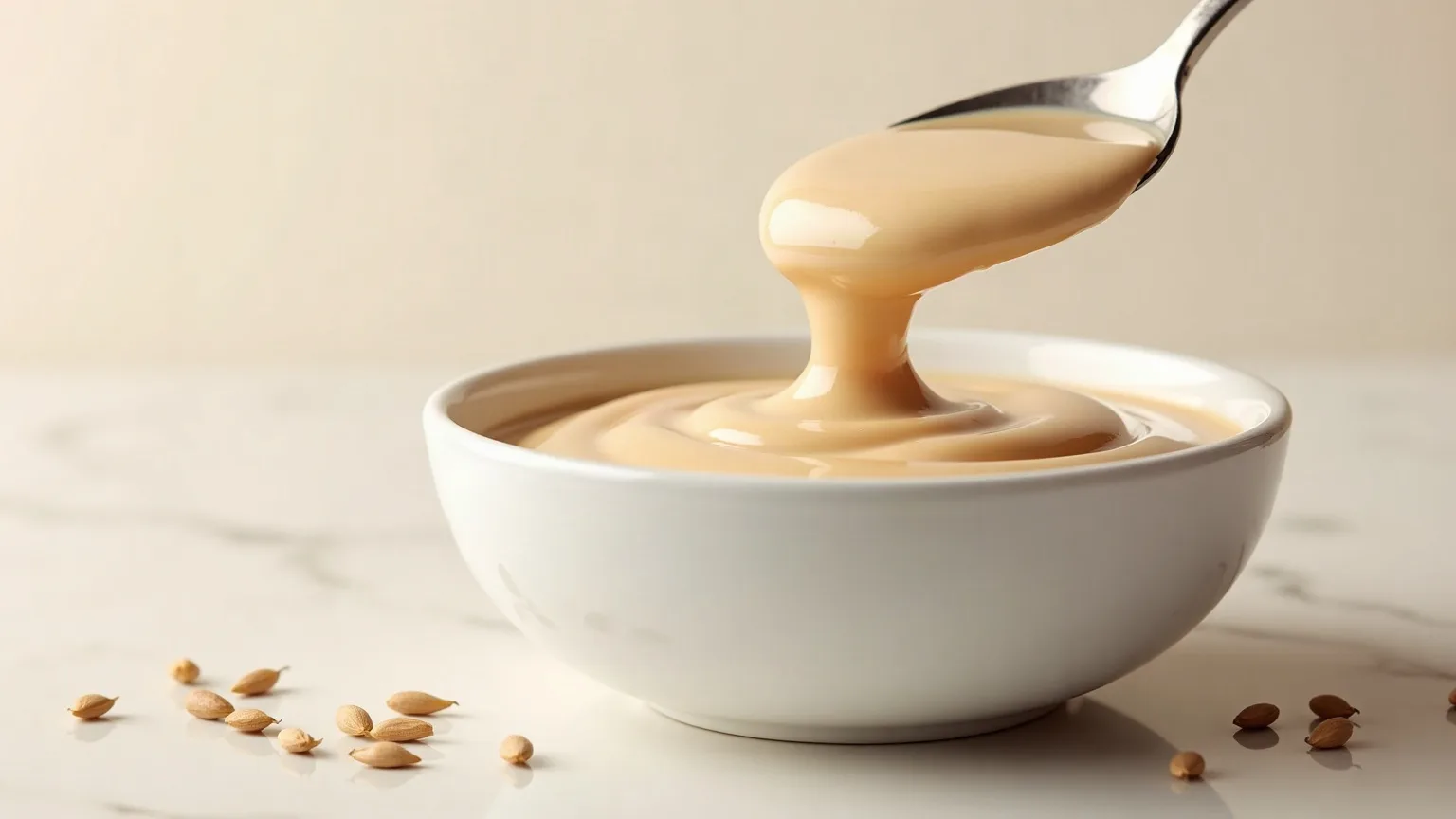
Tahini
The truthGrind roasted sesame for long enough and it releases its own oil. You add nothing.
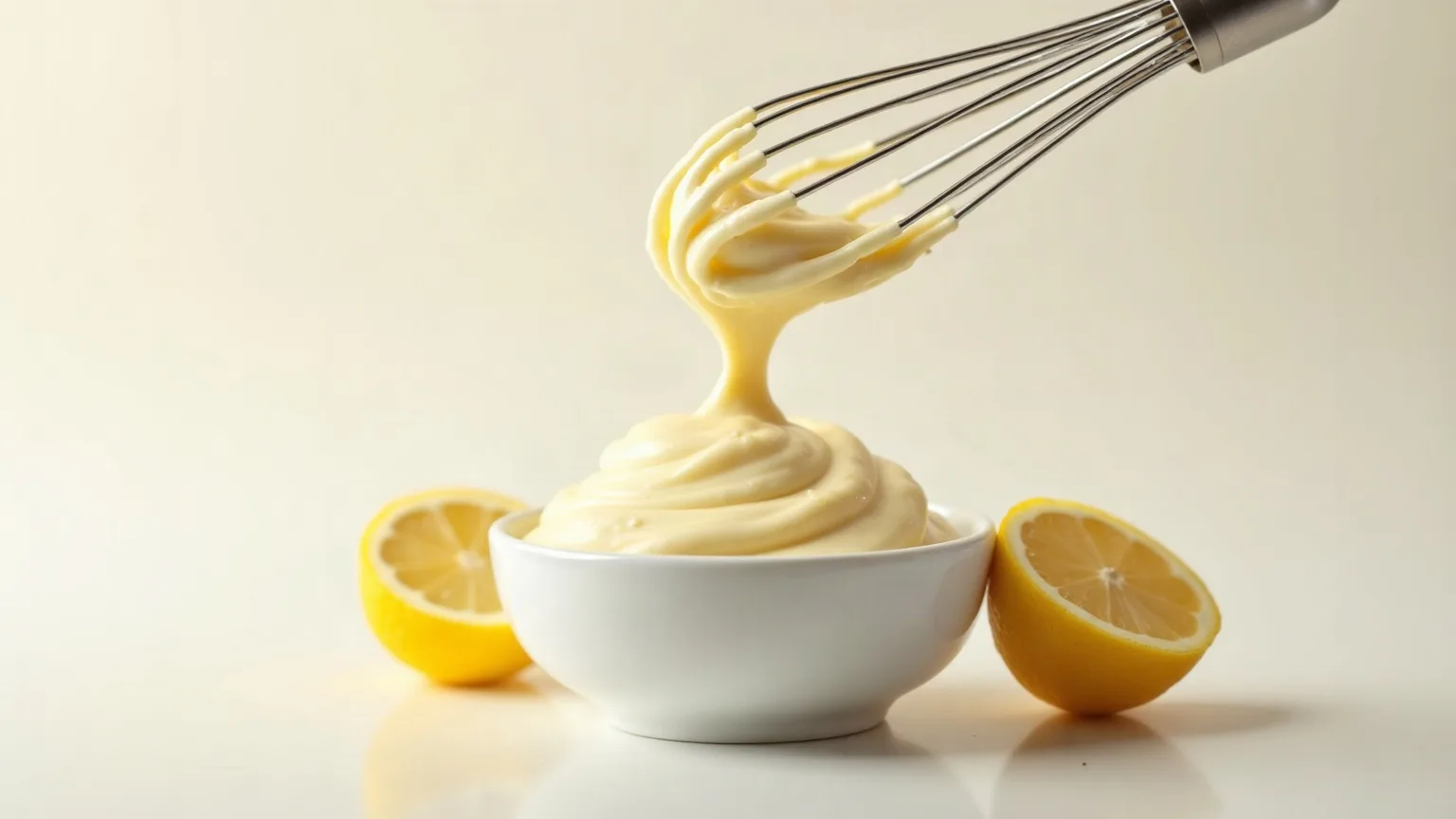
Mayonnaise
The truthOne yolk binds 200 ml of oil. The only reason it splits is adding the oil too fast.
In the time this takes, so would these
- U.S. Food and Drug Administration, Acidified & Low-Acid Canned Foods Guidance Documents & Regulatory Information