
Scaled to however many of you there are.
Change the headcount and the amounts follow. Salt and spice do not scale in a straight line, and we account for that.
A recipe is how you make a thing: the amounts, the order, the timing and where it goes wrong. The dish pages explain what that thing is — where it comes from, the mechanism behind it, and why skipping one step makes it something else. One stays open in the kitchen; the other is read when you wonder.
29 of 116 recipes. Clear the filter
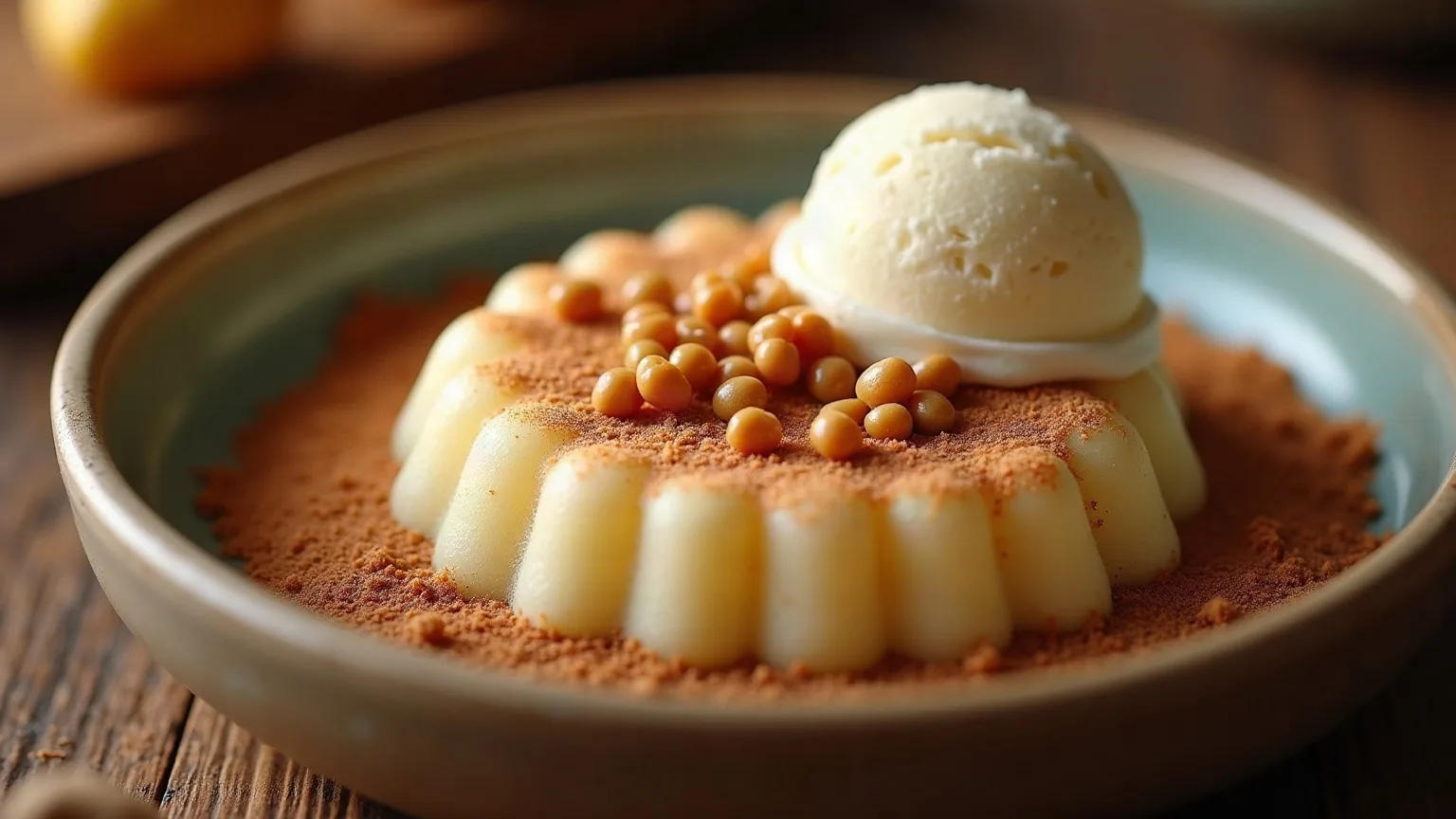
Semolina halva with milk
A three-ingredient dessert on the table in twenty-five minutes. Its entire aroma comes from one step: toasting the semolina.
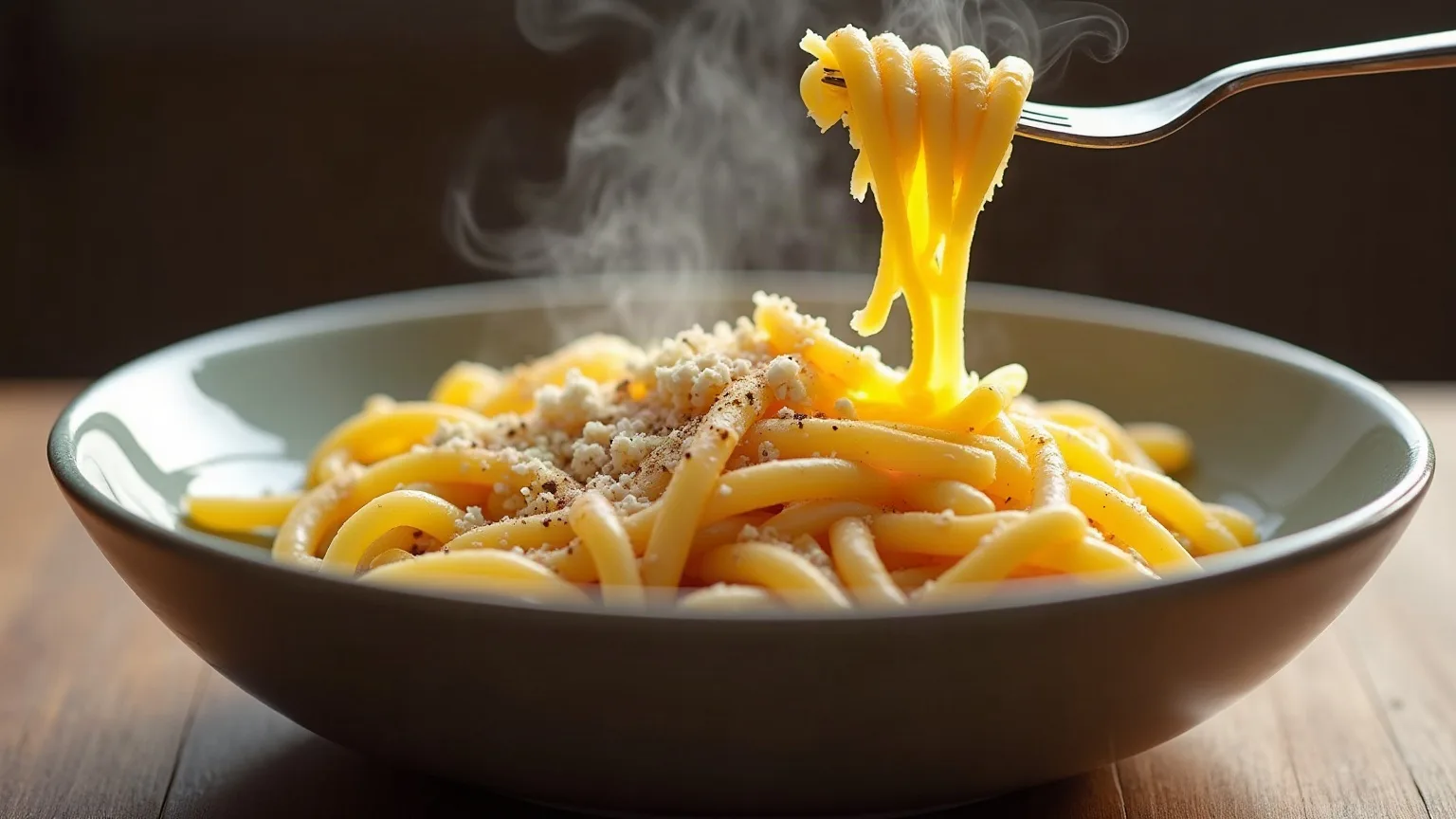
Butter and cheese pasta
Three ingredients. What makes the difference is not an ingredient but the ladle of cooking water you keep.
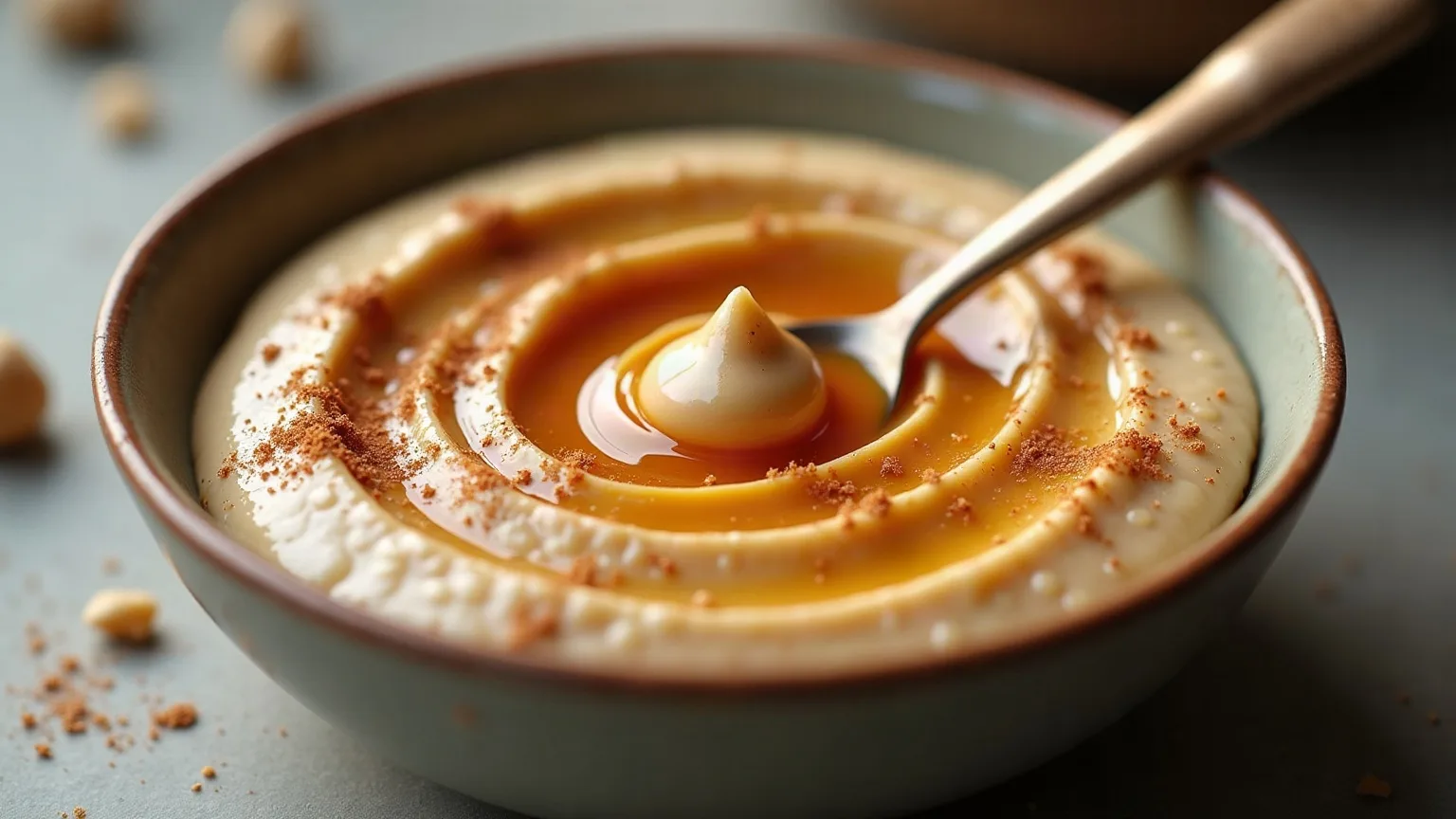
Tahini and honey bowl
Two ingredients, five minutes. It seizes as you stir; keep going and it loosens.
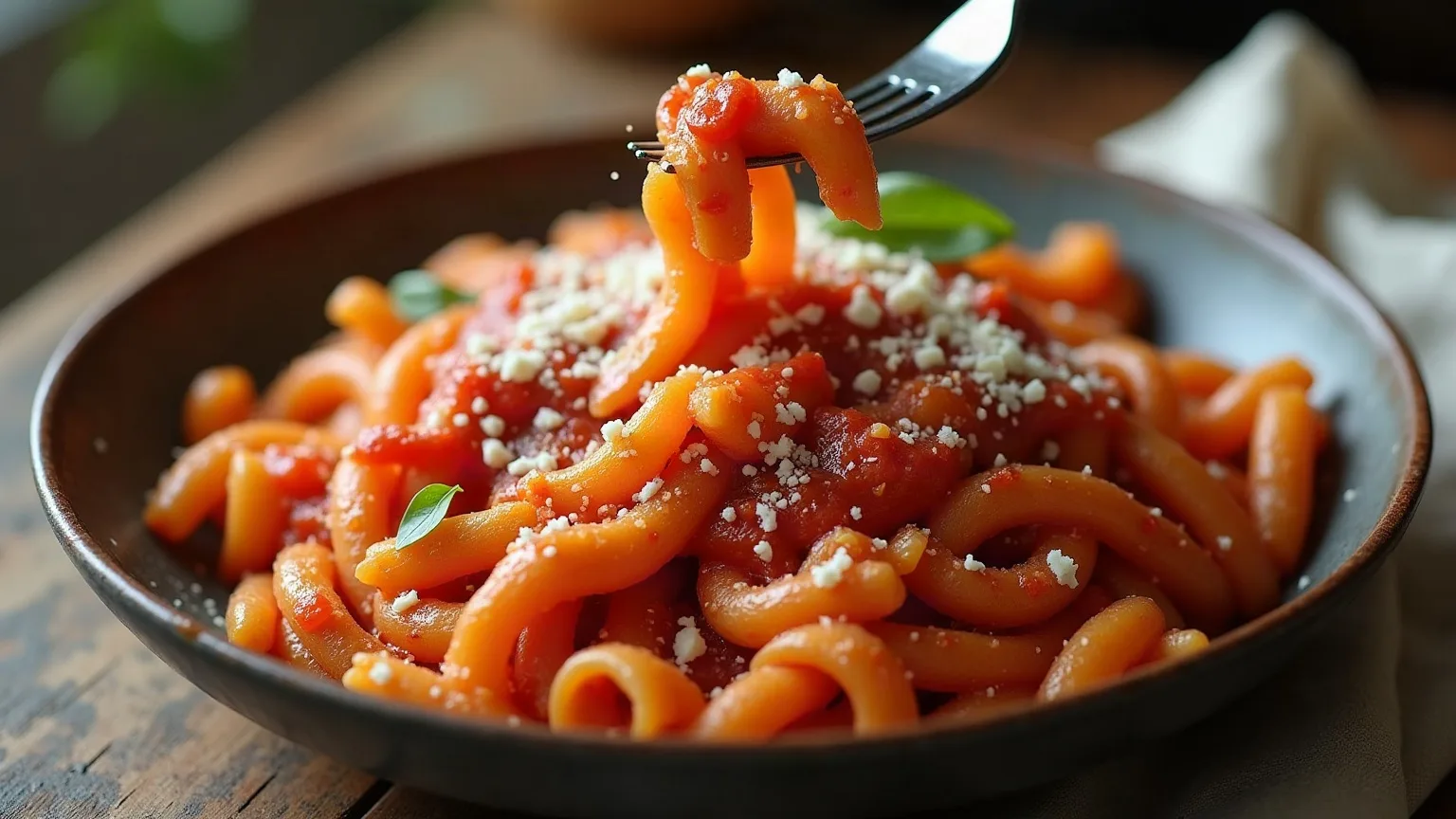
Pasta with tomato paste
There is no sauce until the paste has been fried: raw paste stays sour and metallic.
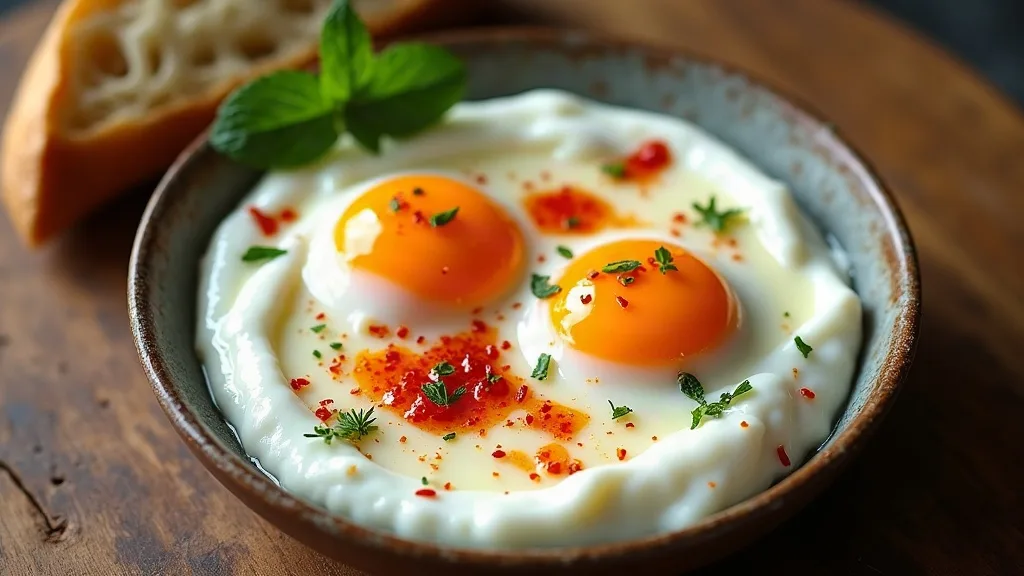
Çılbır
Poached eggs on garlicky yoghurt, finished with butter sizzled with chilli. Three temperatures stacked: warm yoghurt, running yolk, scalding fat.
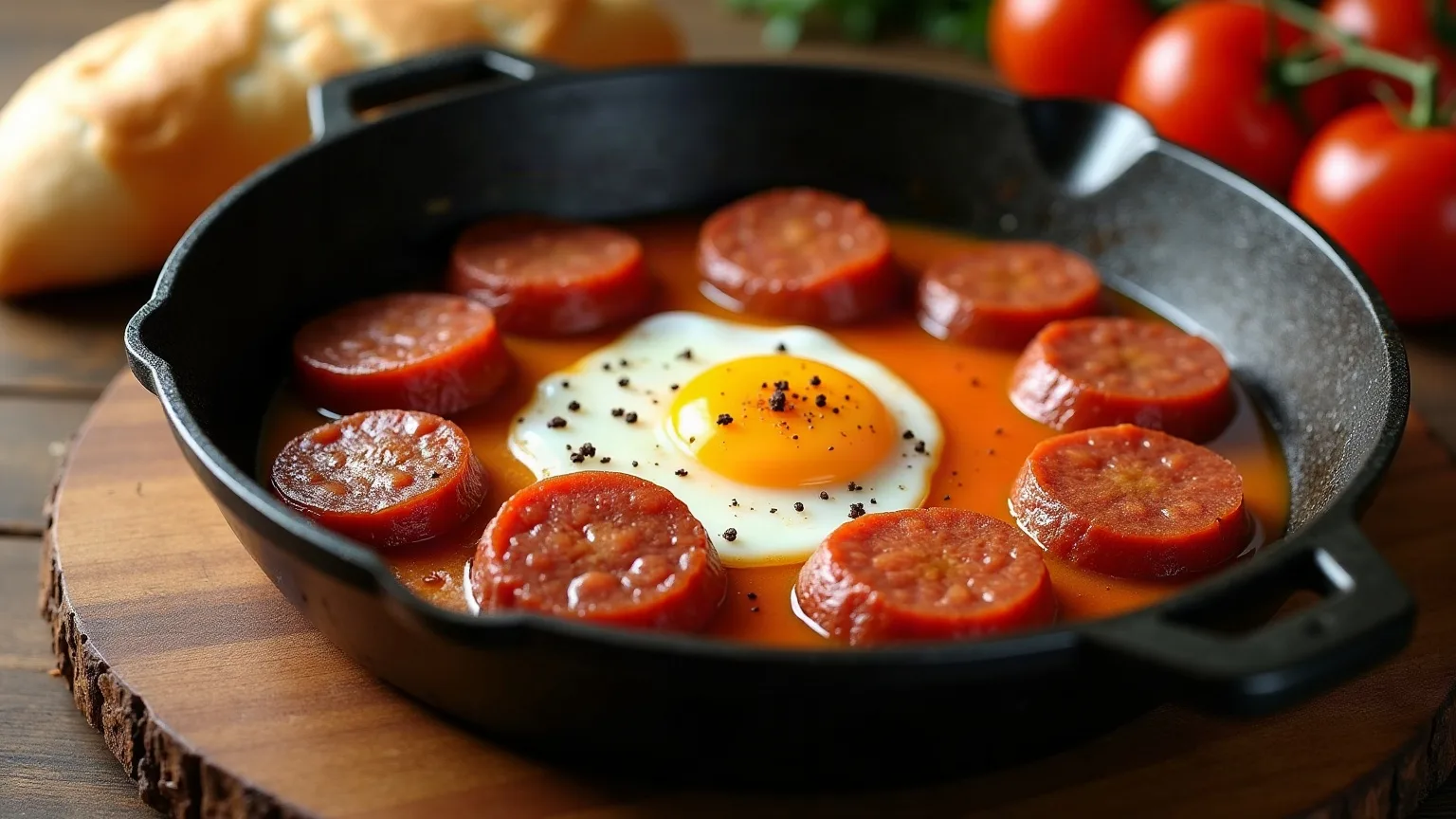
Eggs with sucuk
Crack the eggs before the sucuk has released its fat and you get dry sausage and lean eggs. The order is not a preference, it is the recipe.
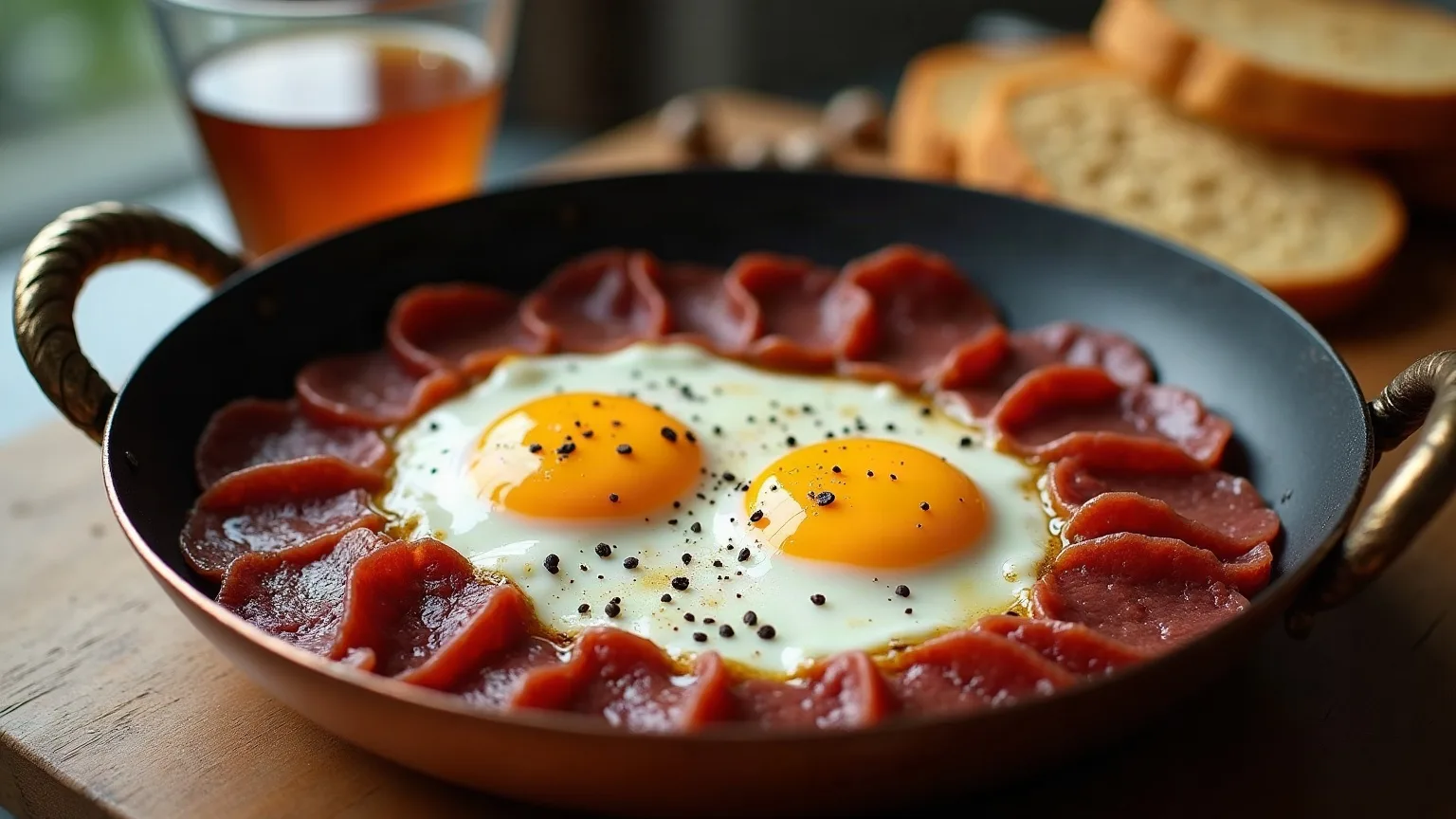
Eggs with pastırma
Pastırma is warmed rather than cooked. More than thirty seconds in the pan and the fenugreek crust turns bitter while the meat turns to leather.
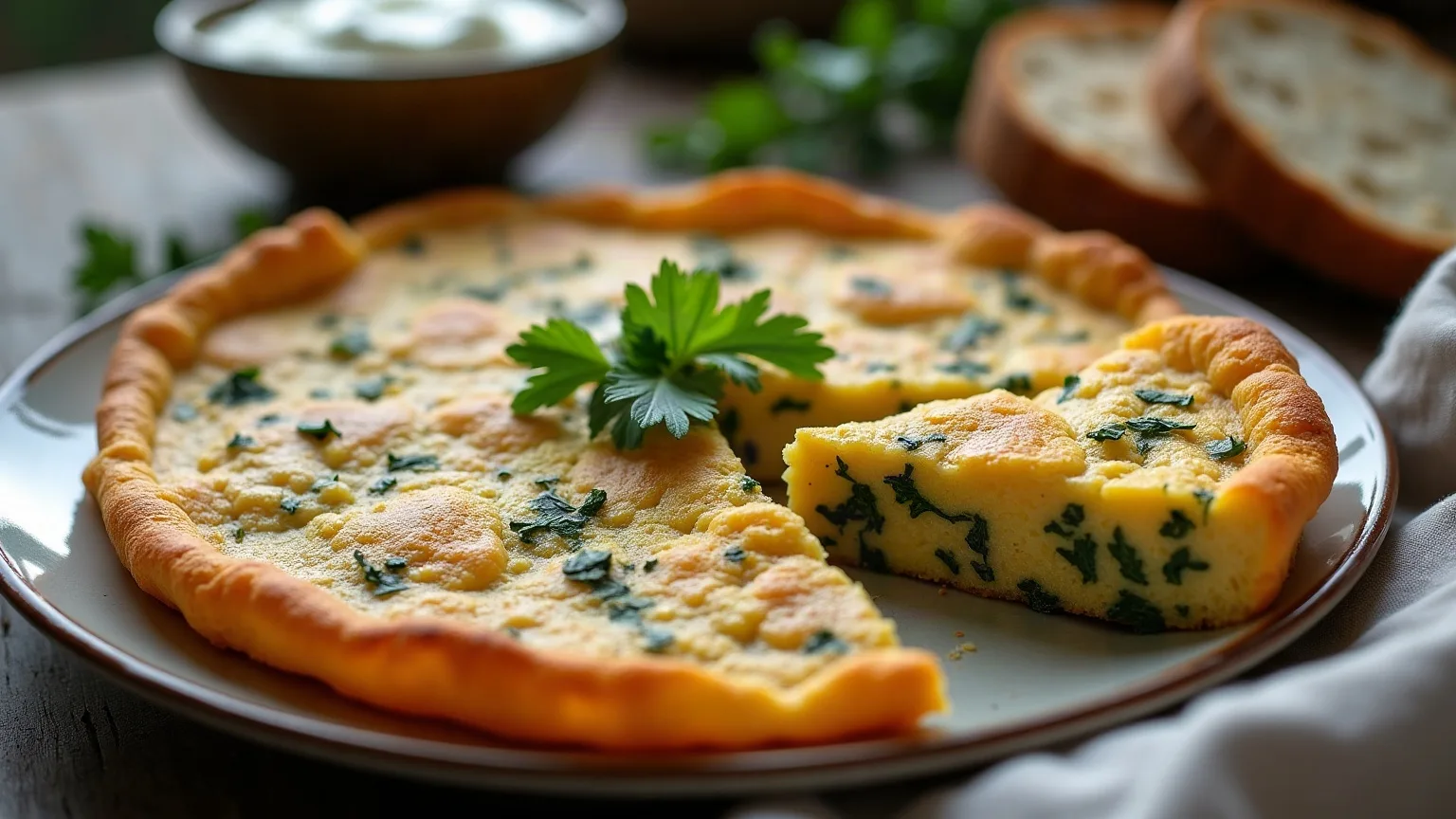
Kaygana
The Black Sea’s herb omelette, bound with flour. The flour holds the egg into a sheet that folds instead of breaking.
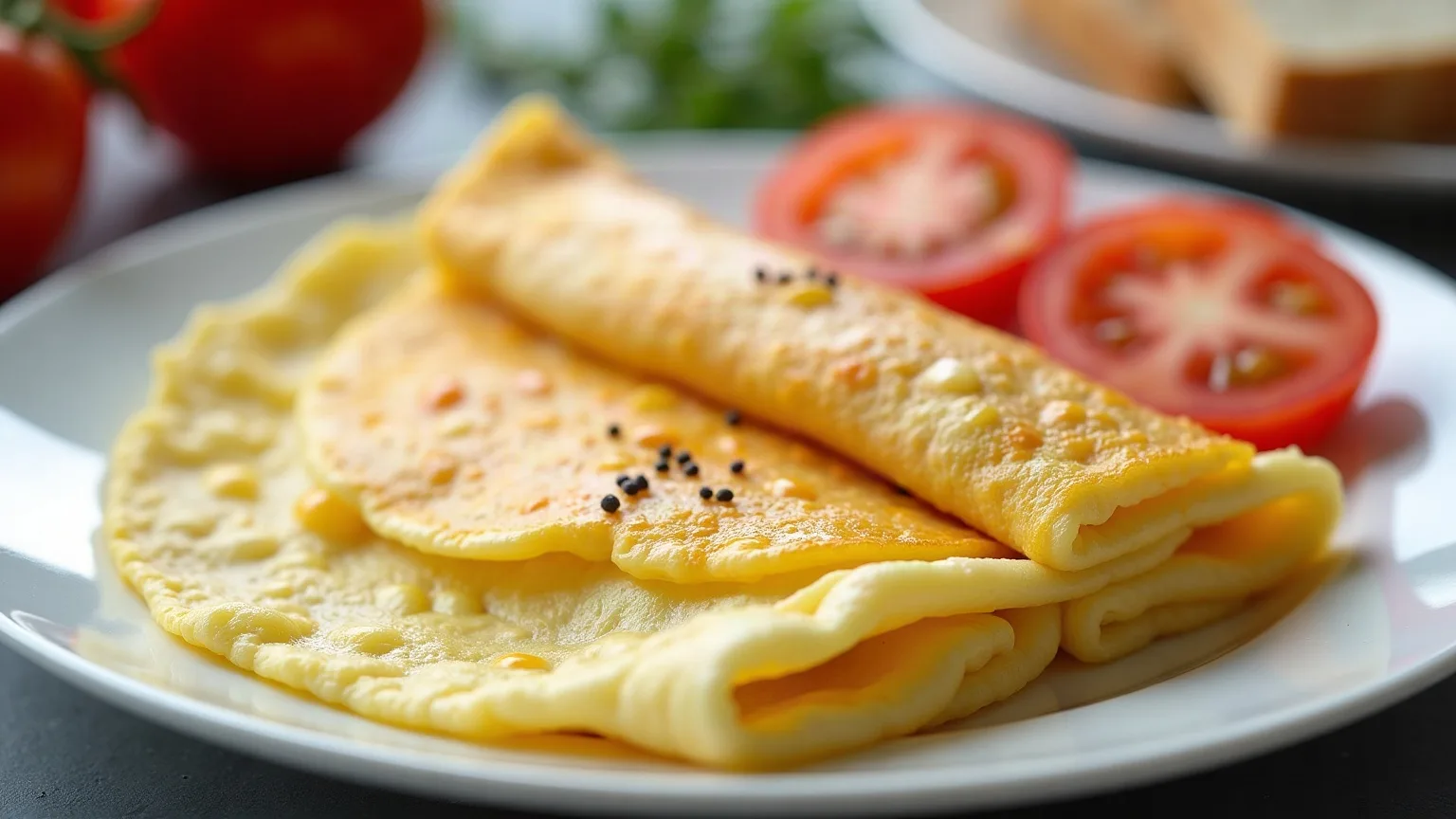
Cheese omelette
The colour of an omelette is a choice: pale means a low flame and brown means a high one, and the second is an accident.
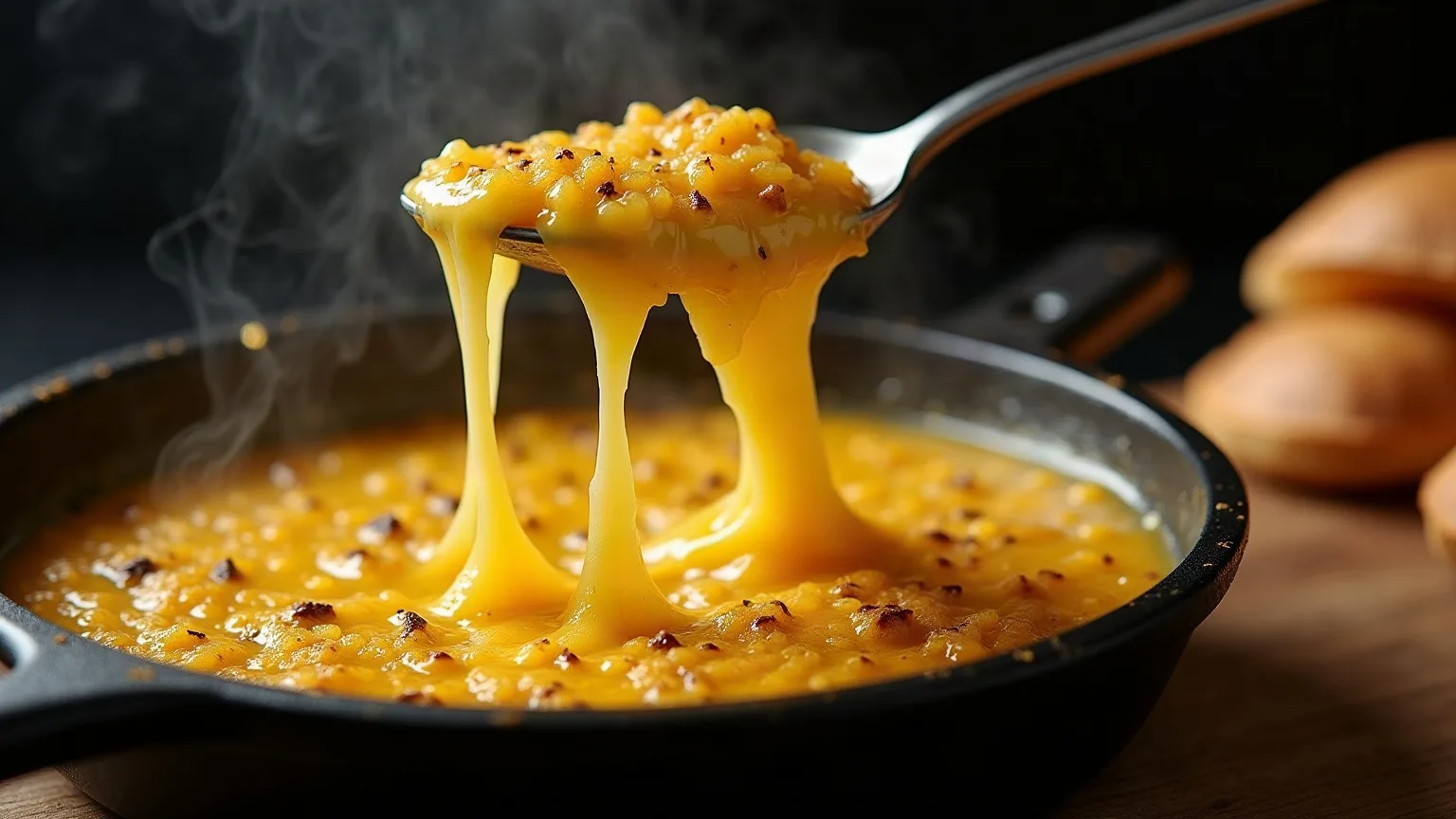
Mıhlama
Cornmeal, butter and a cheese that stretches. The stretch is not a knack but a temperature: past 70 °C it stops stretching and splits.
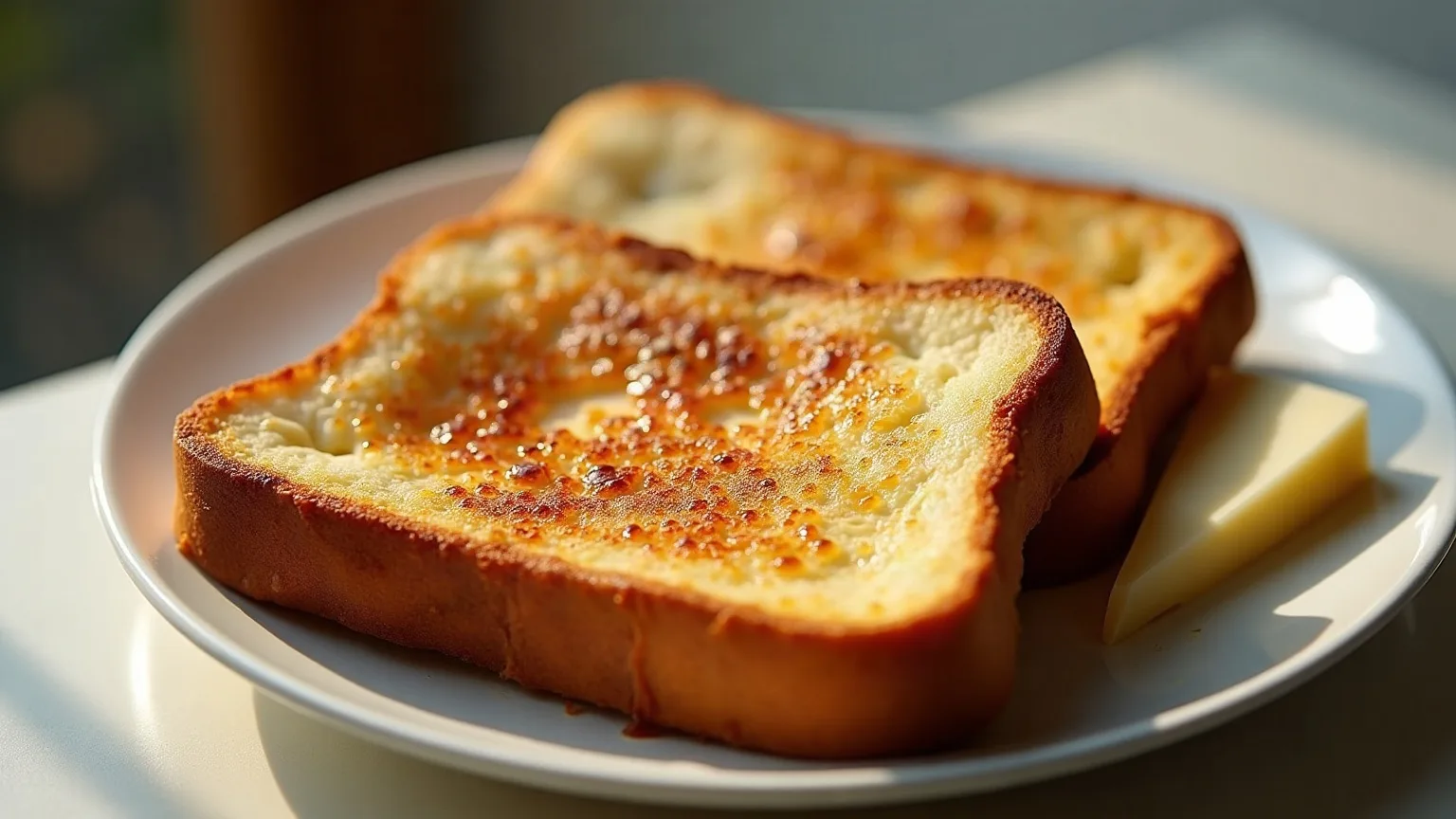
Eggy bread
The best use there is for stale bread. Fresh bread is no good here — it collapses before it has absorbed anything.
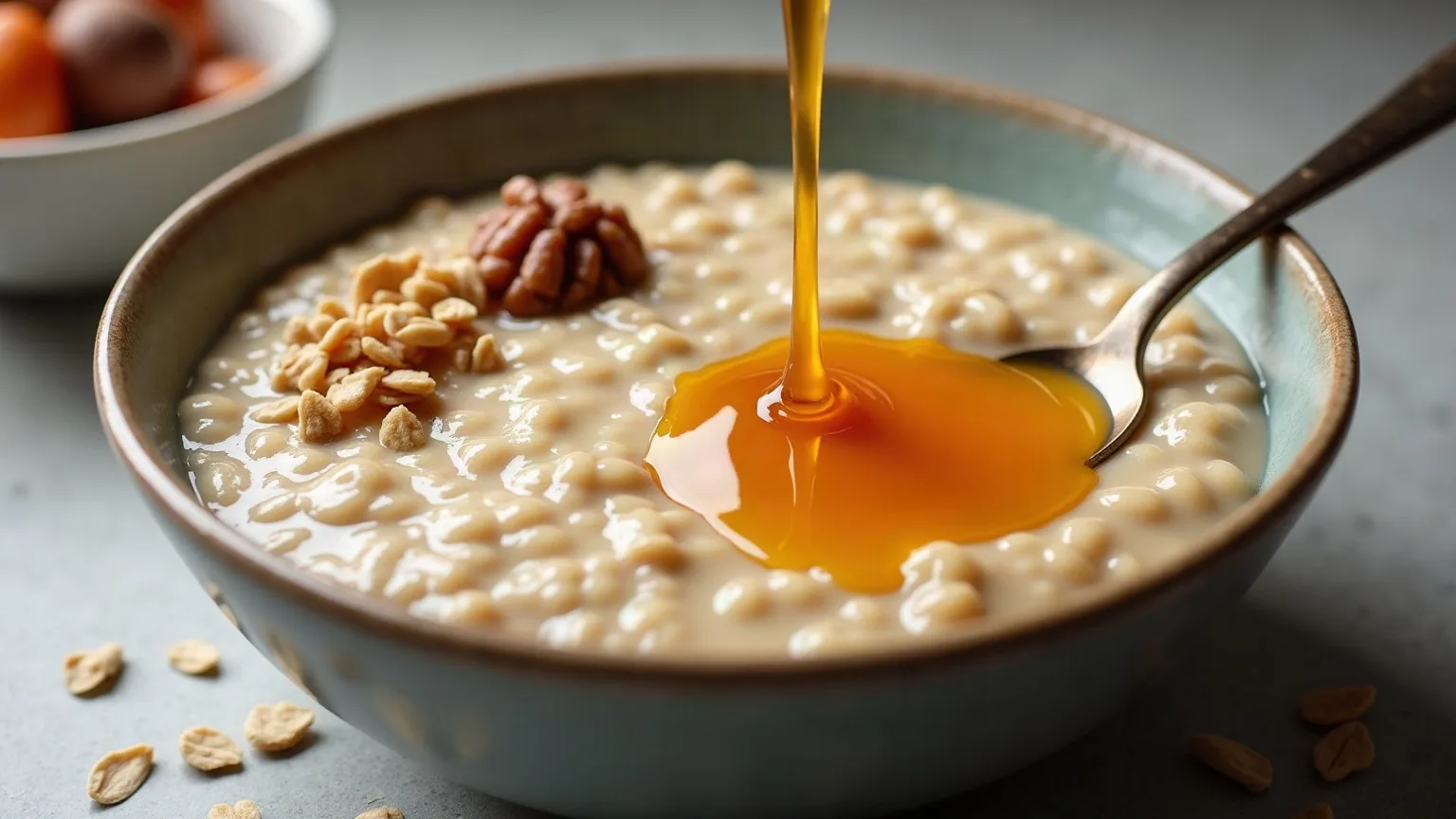
Porridge
Five minutes, of which the first one decides everything: the oats go into cold liquid, never into boiling.
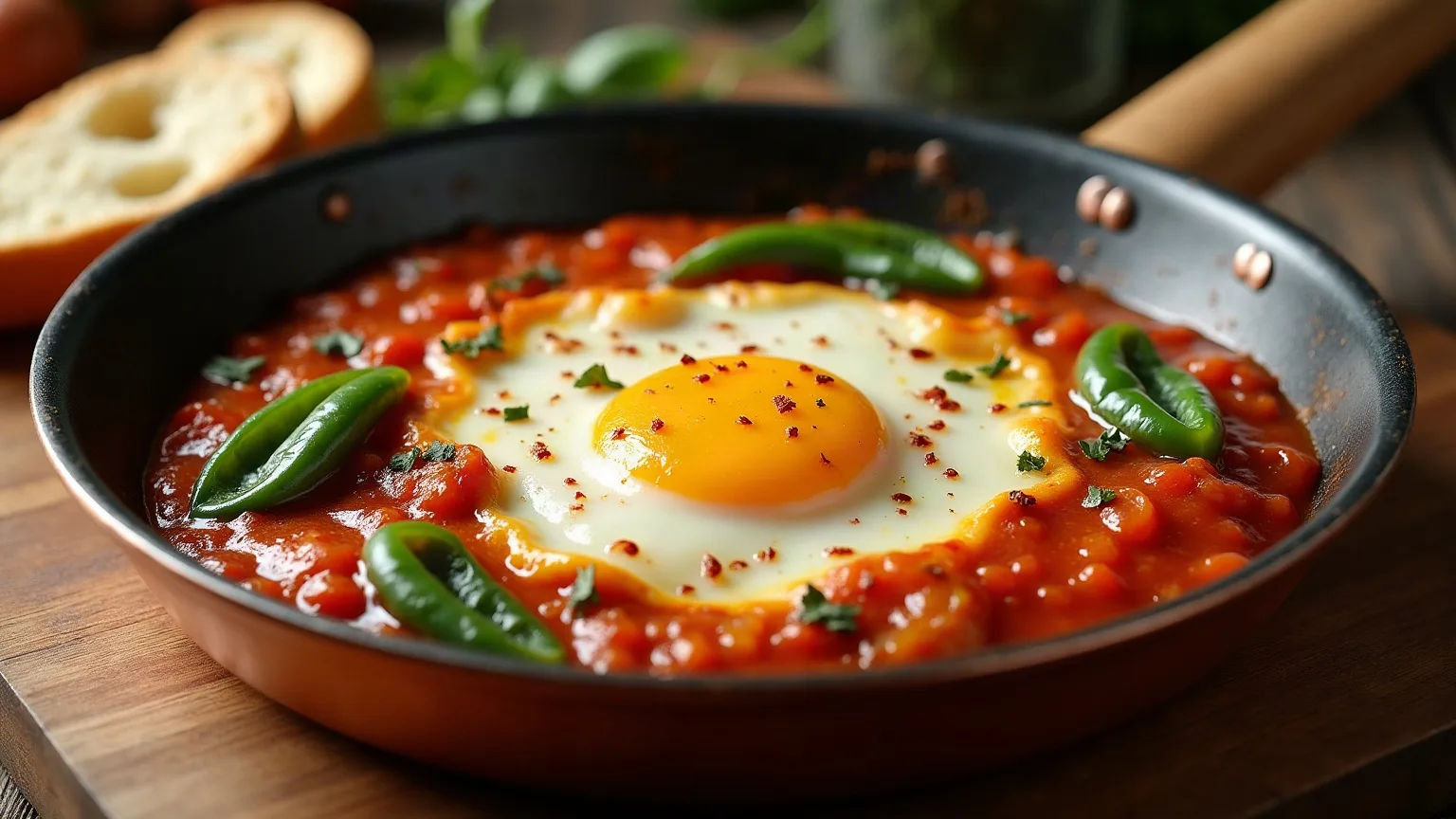
Menemen
Pepper, tomato and egg. Know the order and the heat and it takes fifteen minutes; miss them and you get a watery omelette.
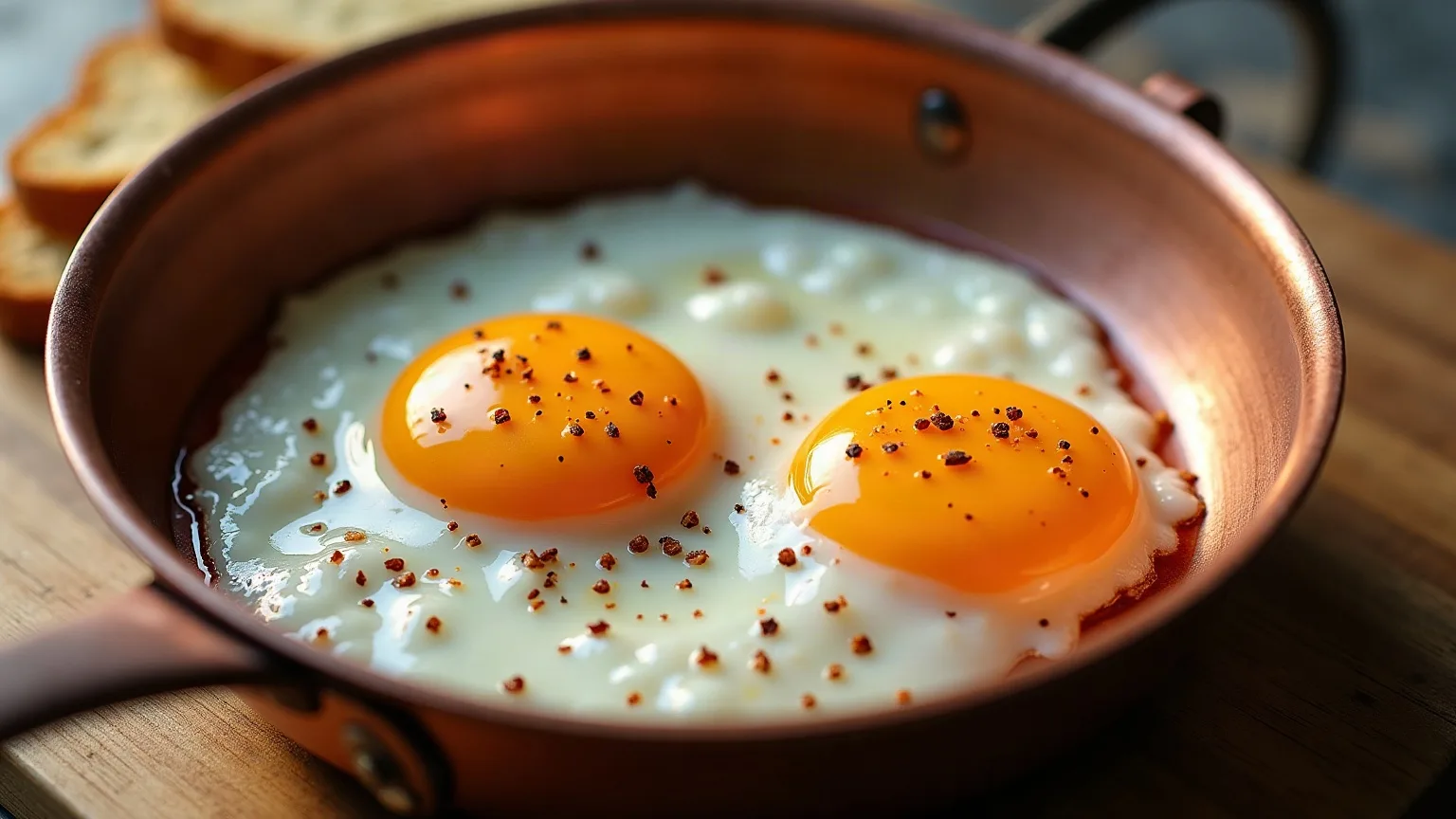
Fried eggs in butter
Eight minutes and one number: the butter must not pass 150 °C.
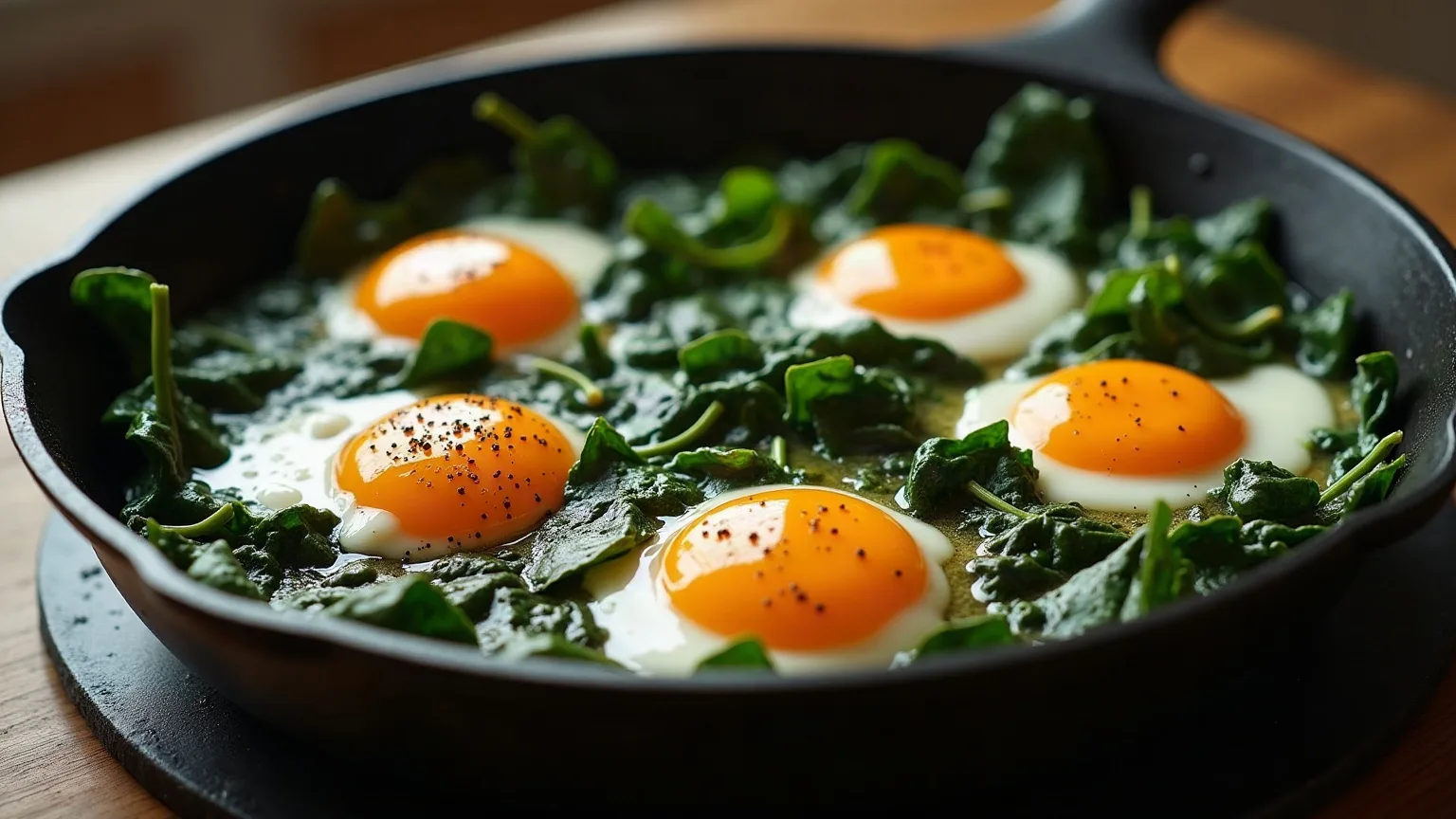
Spinach and eggs
Crack the eggs before the spinach has given up its water and a green puddle collects on the plate.
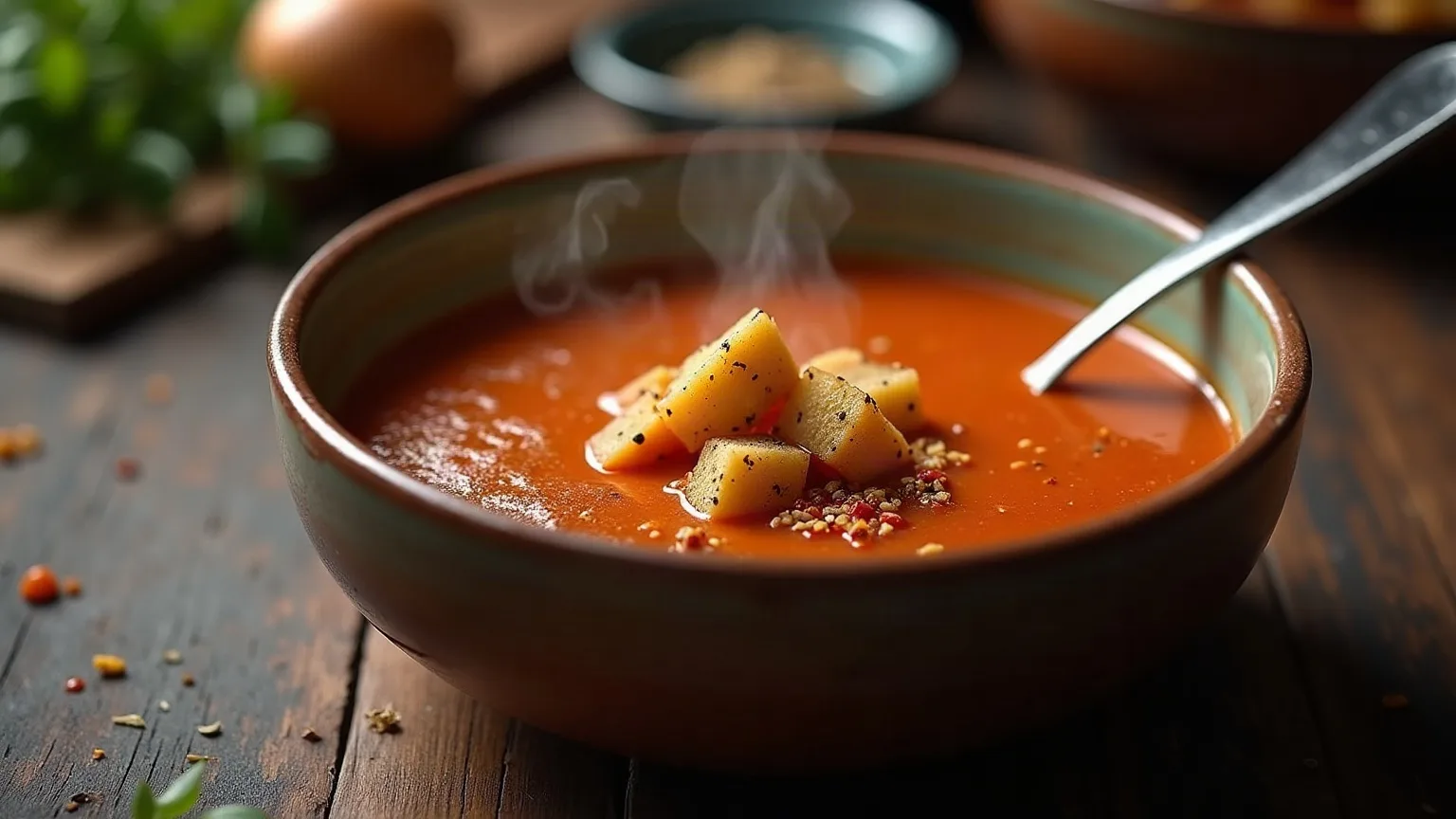
Tarhana soup
A yoghurt-and-vegetable mixture fermented through a summer, dried and powdered. Ten minutes to a soup — at the end of a year’s work.
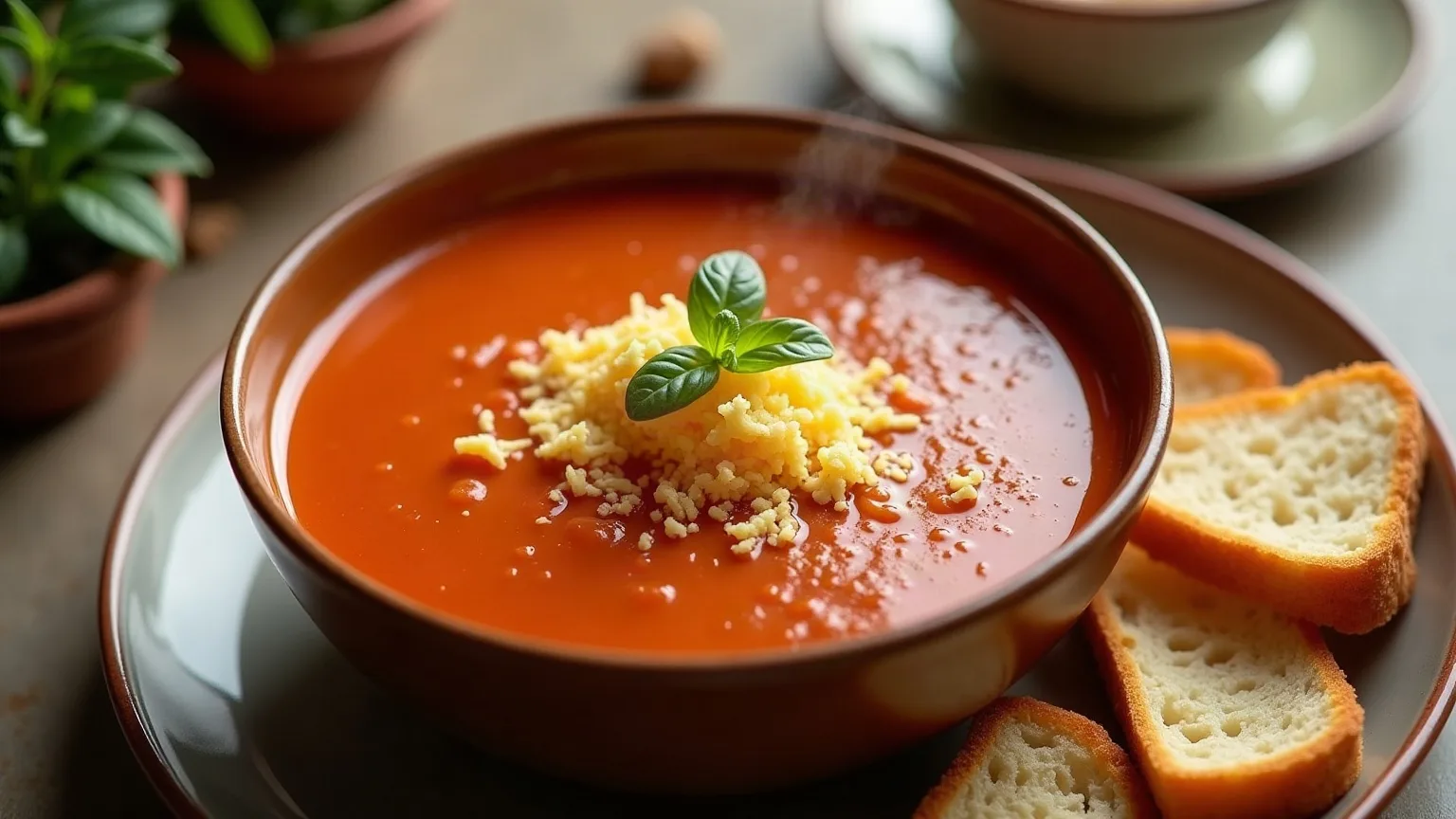
Tomato soup
The taste of this soup is the taste of the tomato, which means a bad tomato cannot make a good one. In winter use paste and wait for the season.
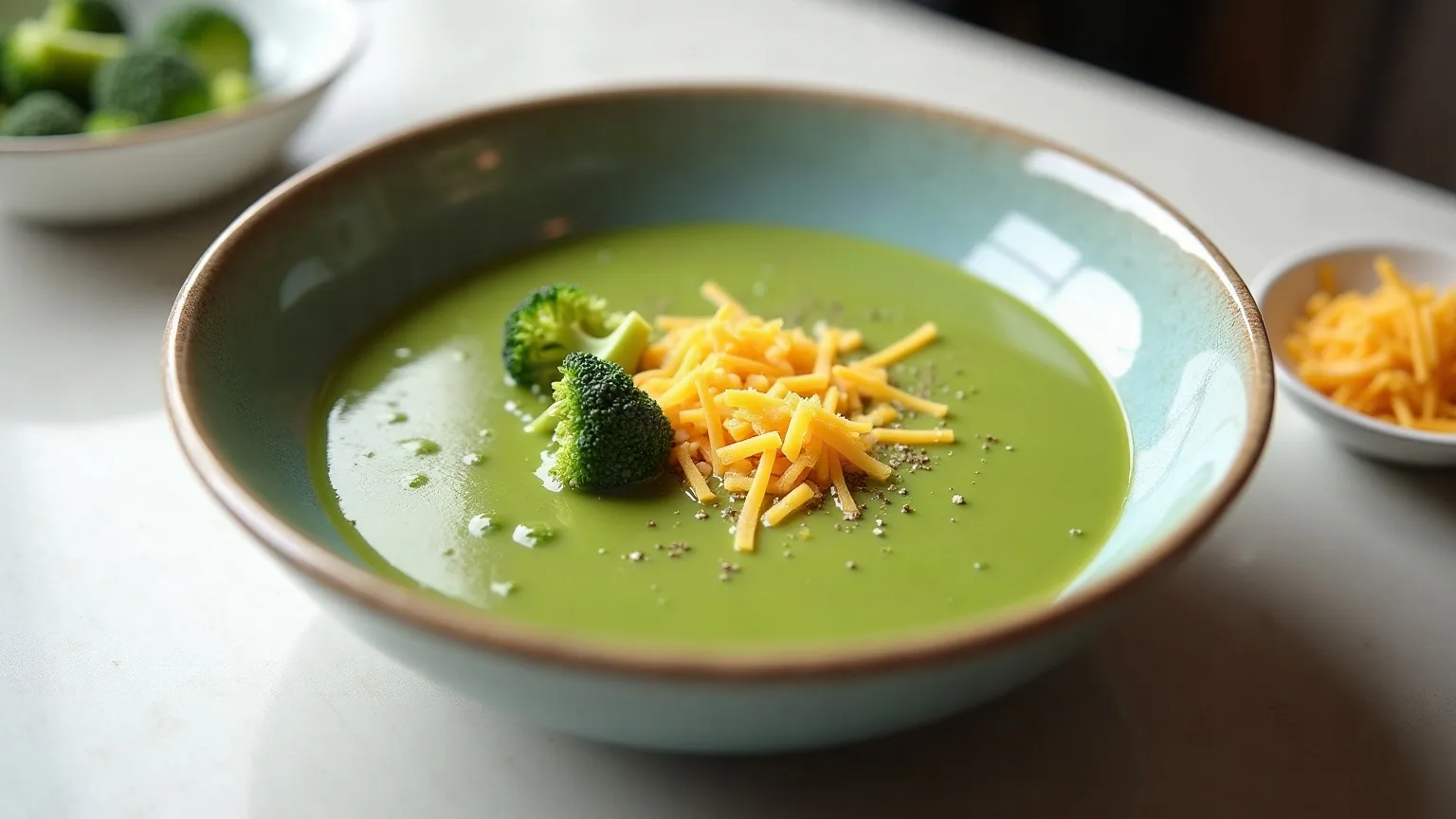
Broccoli soup
One rule for keeping it green: no lid, and not a minute over eight.
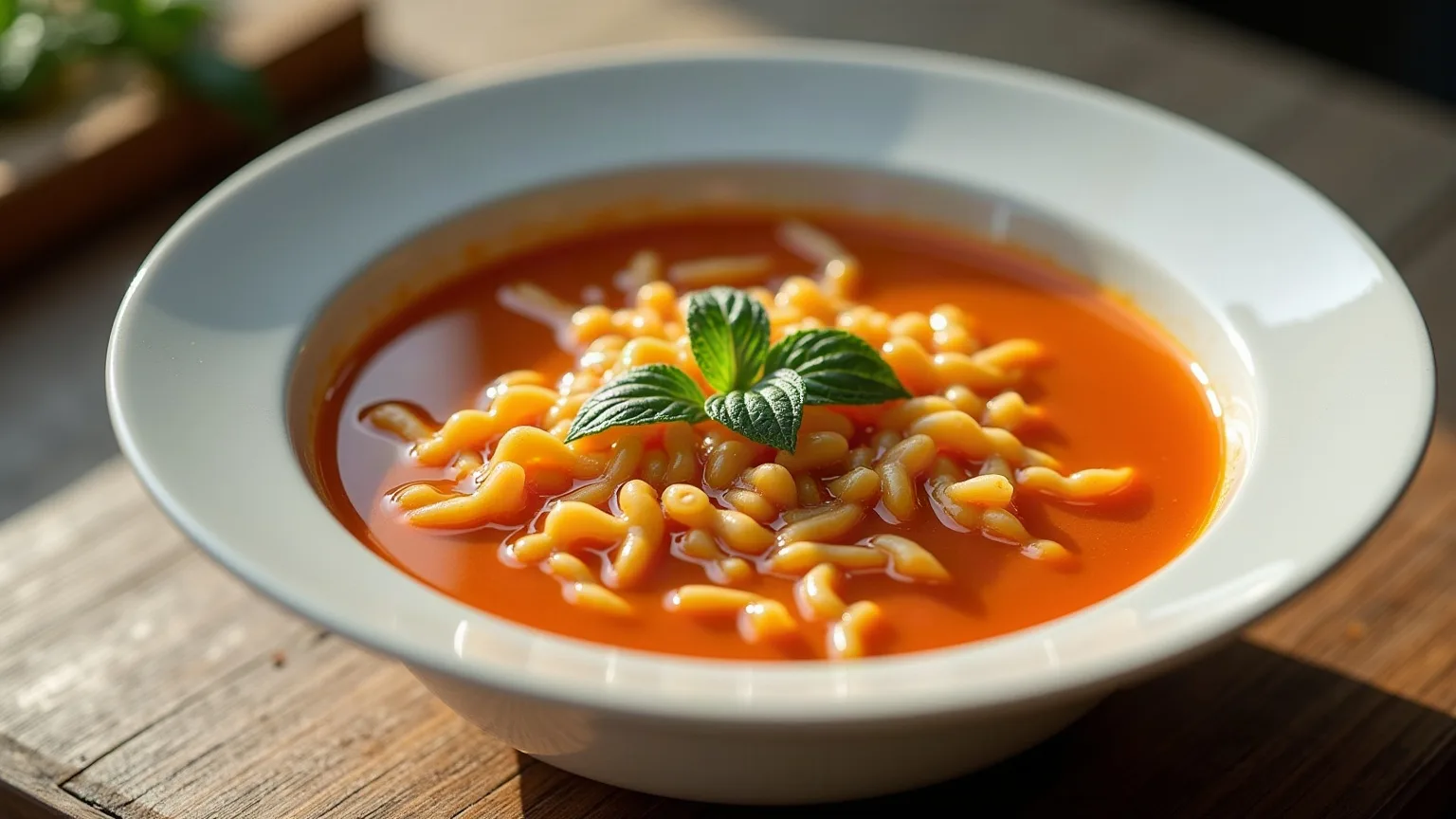
Vermicelli soup
A childhood soup and a fifteen-minute rescue. Toasting the vermicelli is the whole recipe.
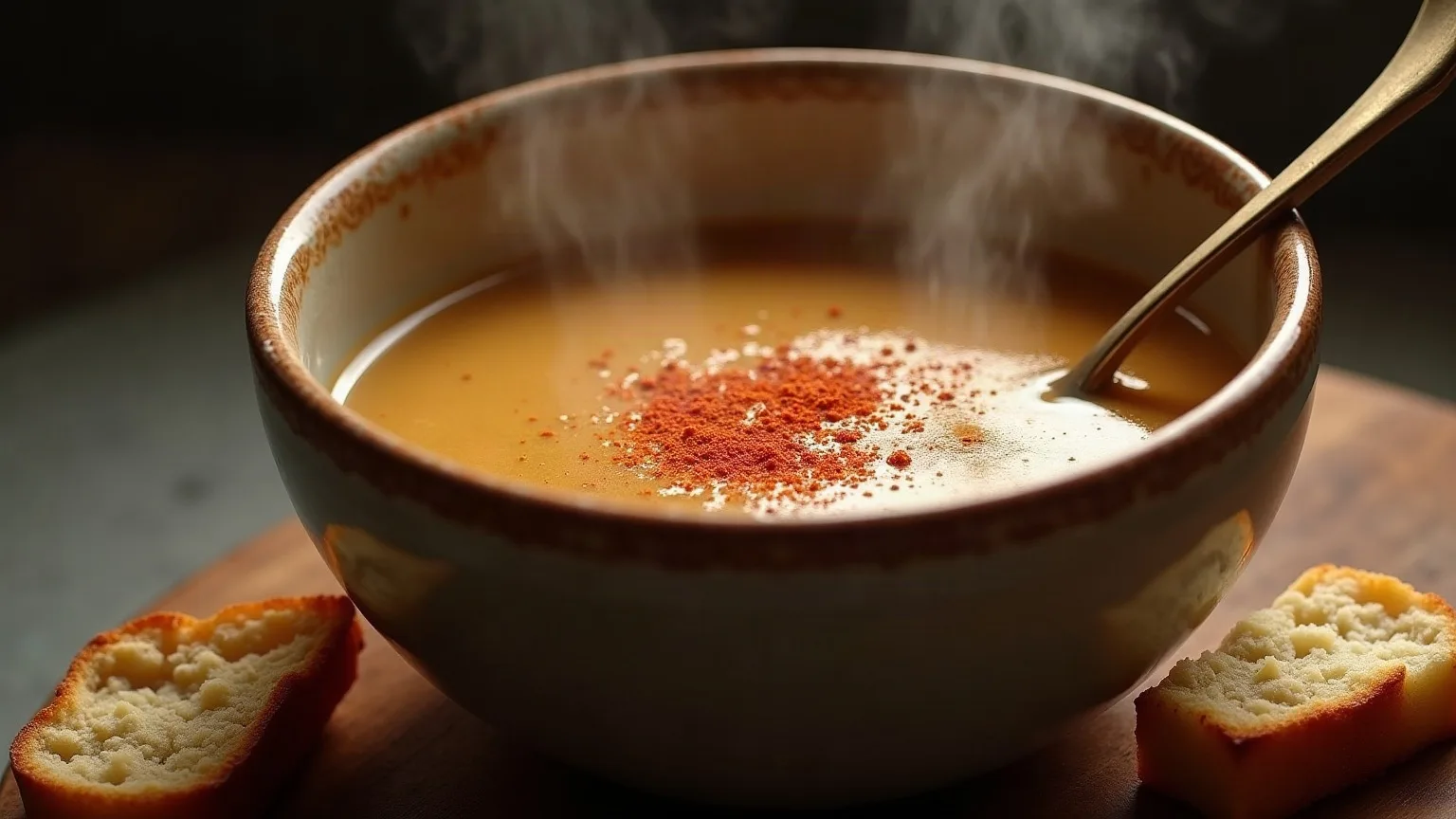
Flour soup
Three ingredients — flour, butter, water — and all of the flavour is in how long the flour is toasted.
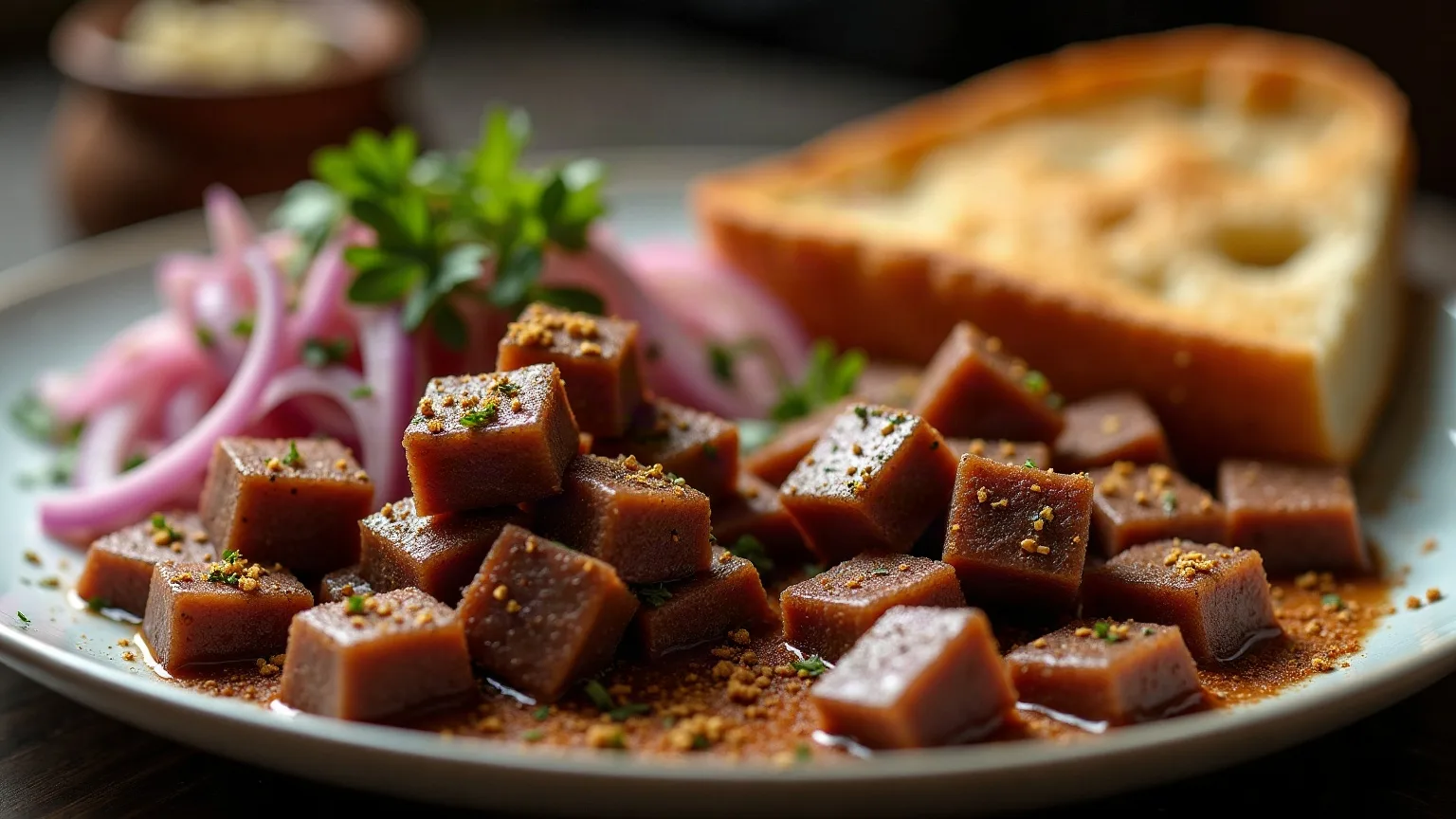
Albanian liver
Liver must not meet salt before the pan, and must meet flour a minute before it. Two rules, two minutes.
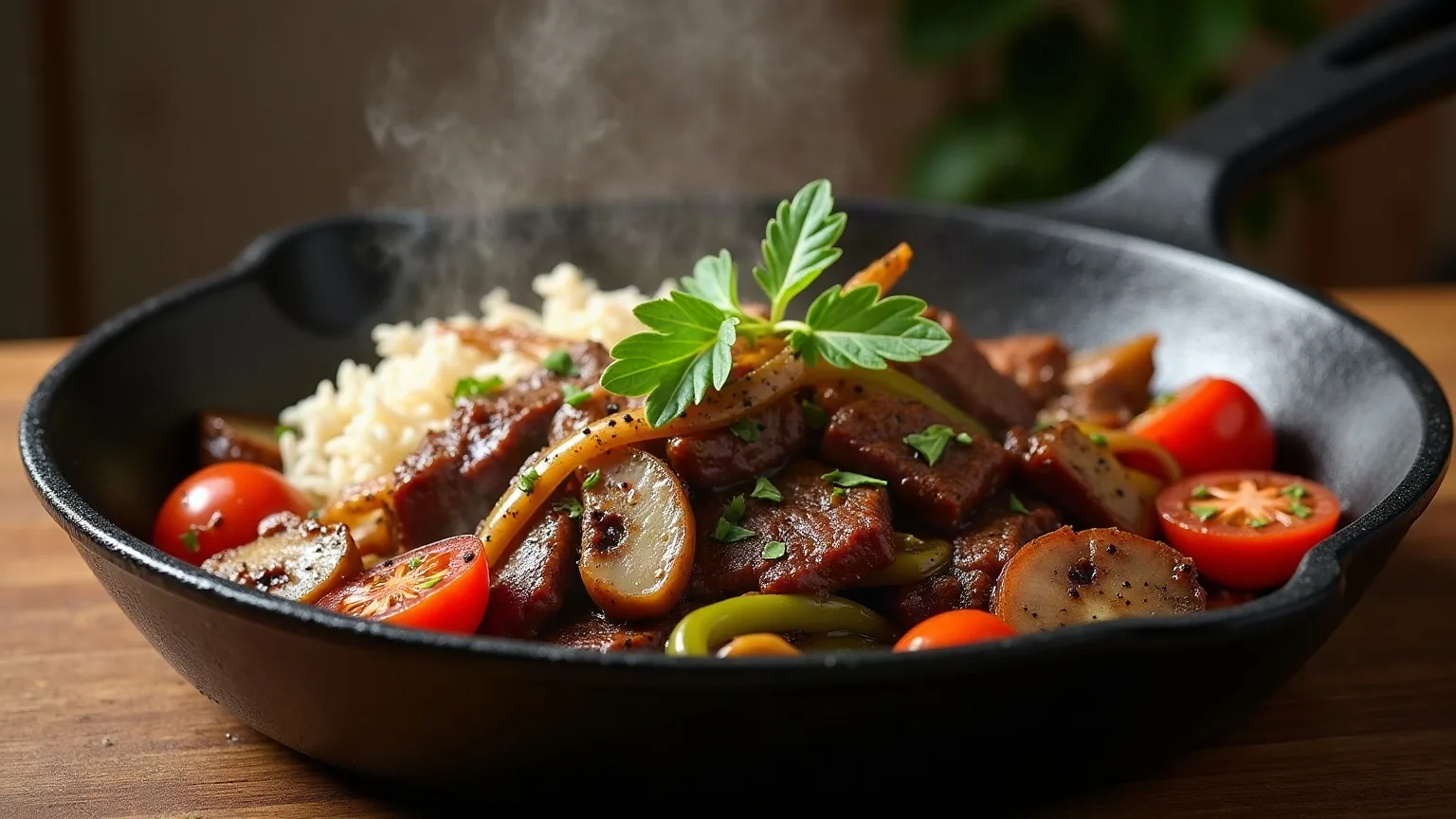
Beef sauté
A meat dish finished in fifteen minutes, on one condition: the pan is genuinely hot. In a warm pan this recipe does not work.
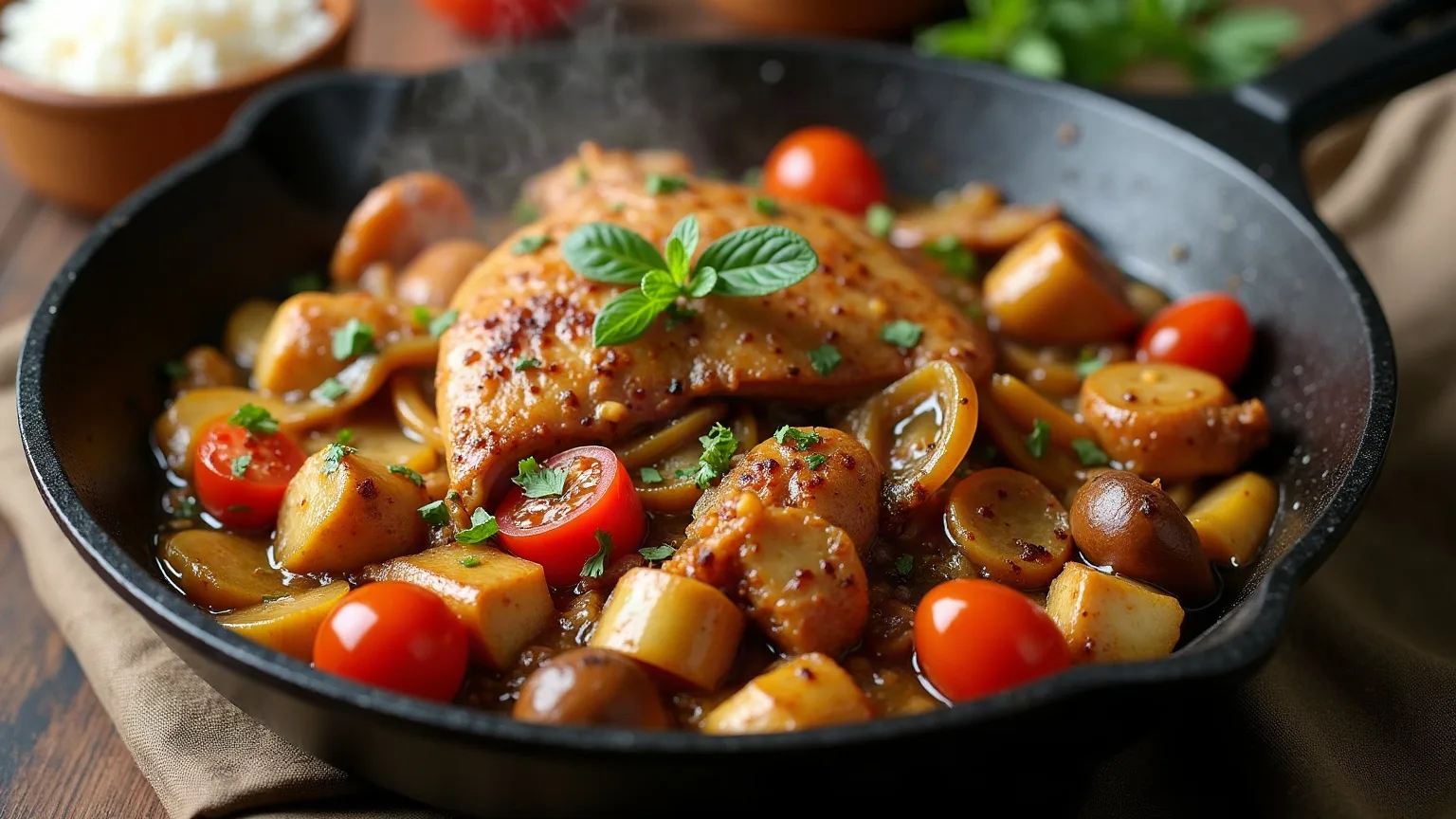
Chicken sauté
Chicken breast is done at 65 °C and dry at 72. Those seven degrees are the whole recipe.
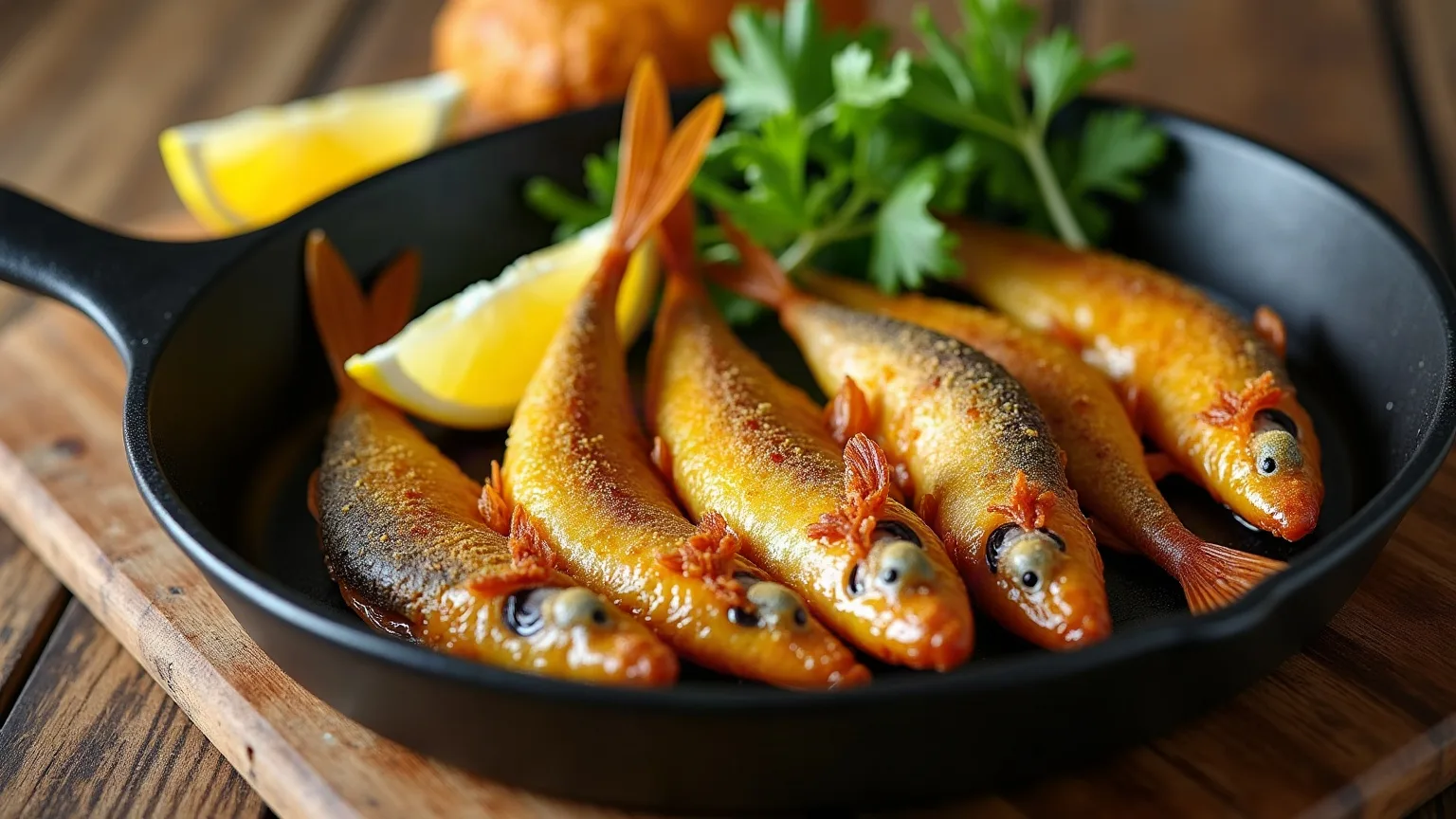
Fried anchovies
Cornmeal is not flour: its coarse grains fry into a glassy crust, and the anchovy steams inside it.
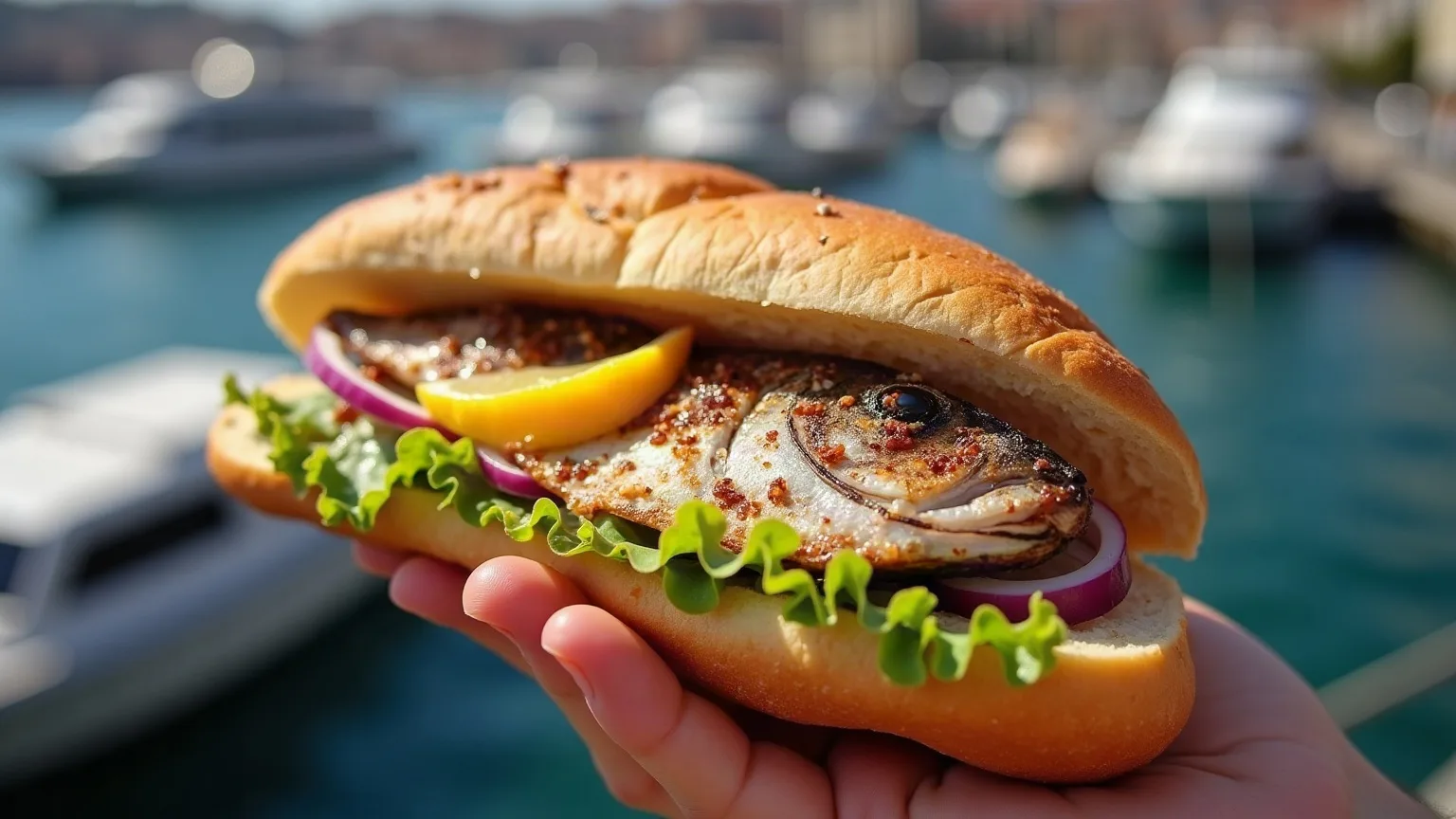
Fish sandwich
Mackerel is an oily fish, and the whole recipe is about balancing that fat: onion, sumac, lemon.
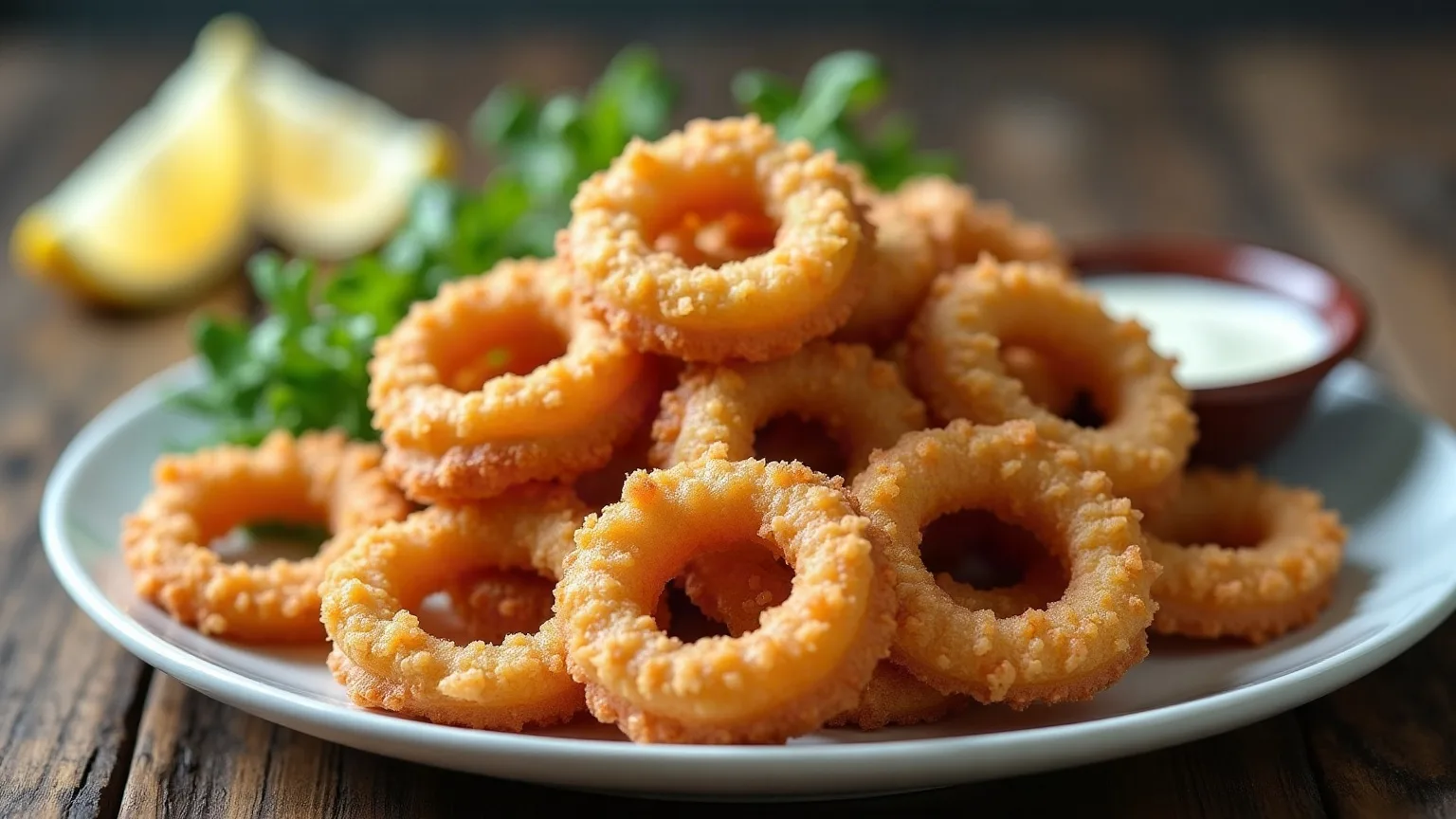
Fried squid
Squid has two cooking times and nothing between them: under two minutes or over thirty.
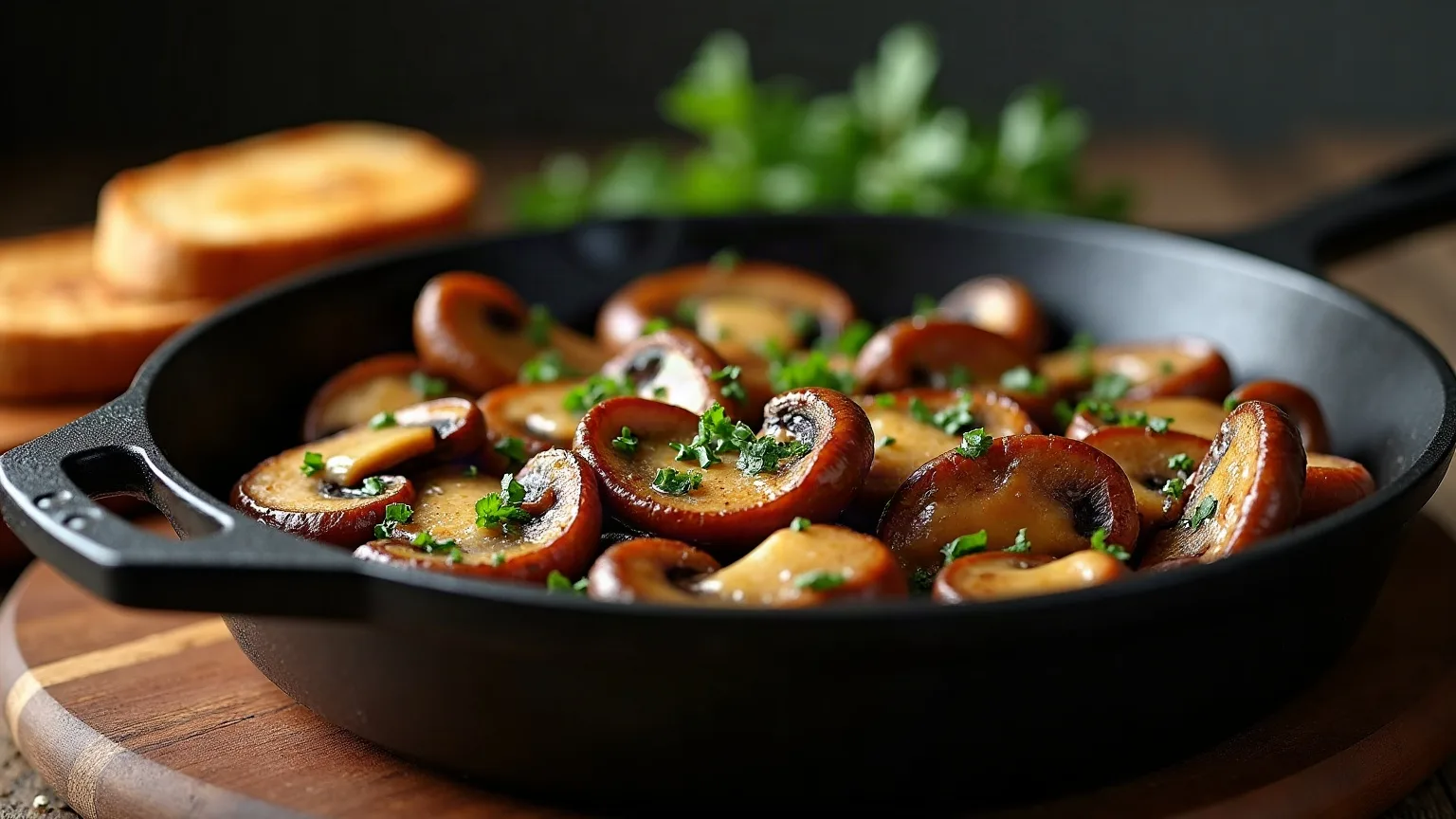
Sautéed mushrooms
Mushrooms are wiped, not washed. And the salt goes in last: early salt draws their water out and makes browning impossible.
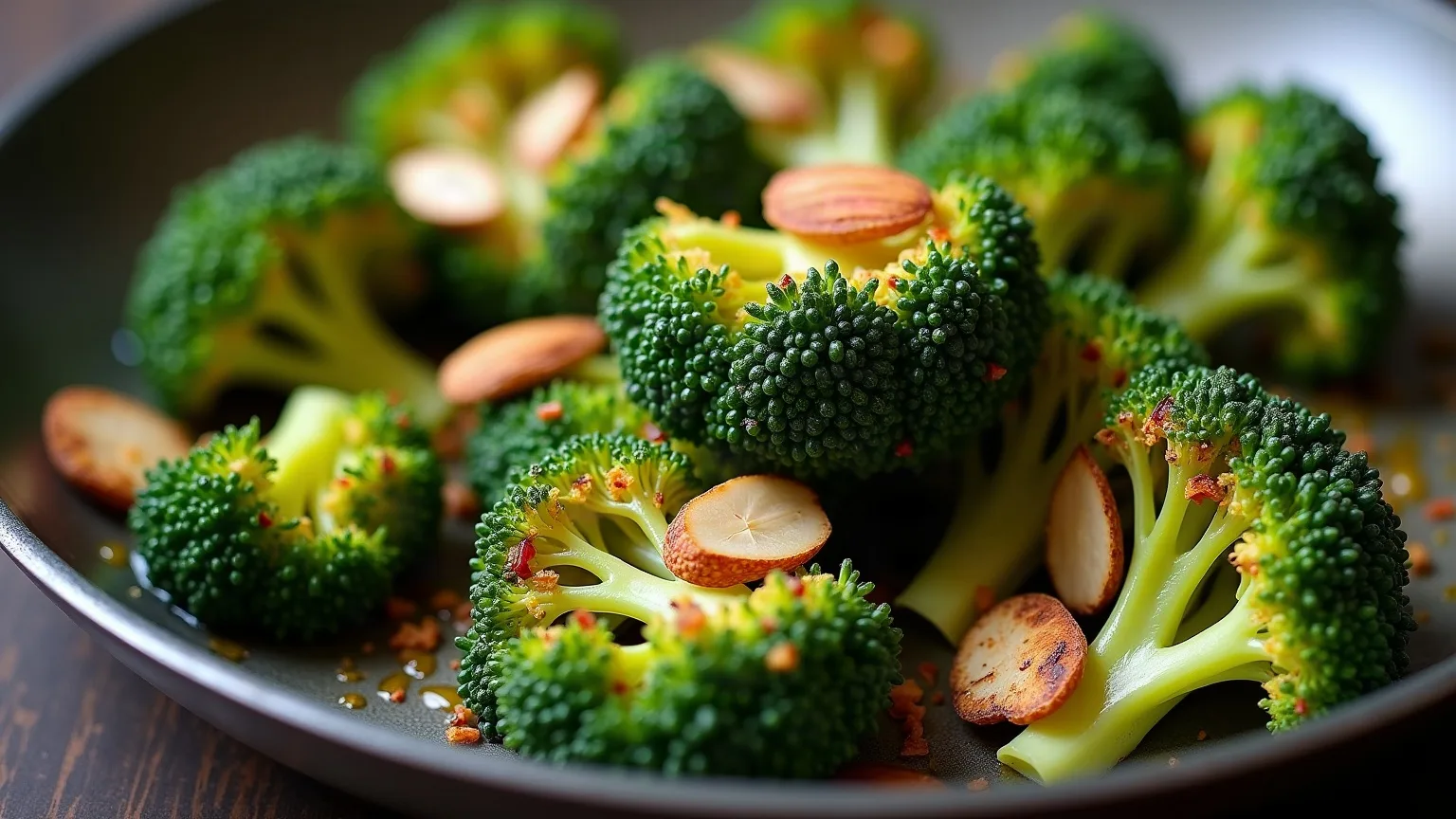
Garlic-sautéed broccoli
The broccoli is blanched two minutes and dropped into iced water. That shock locks the green in, and the sauté cannot take it back out.
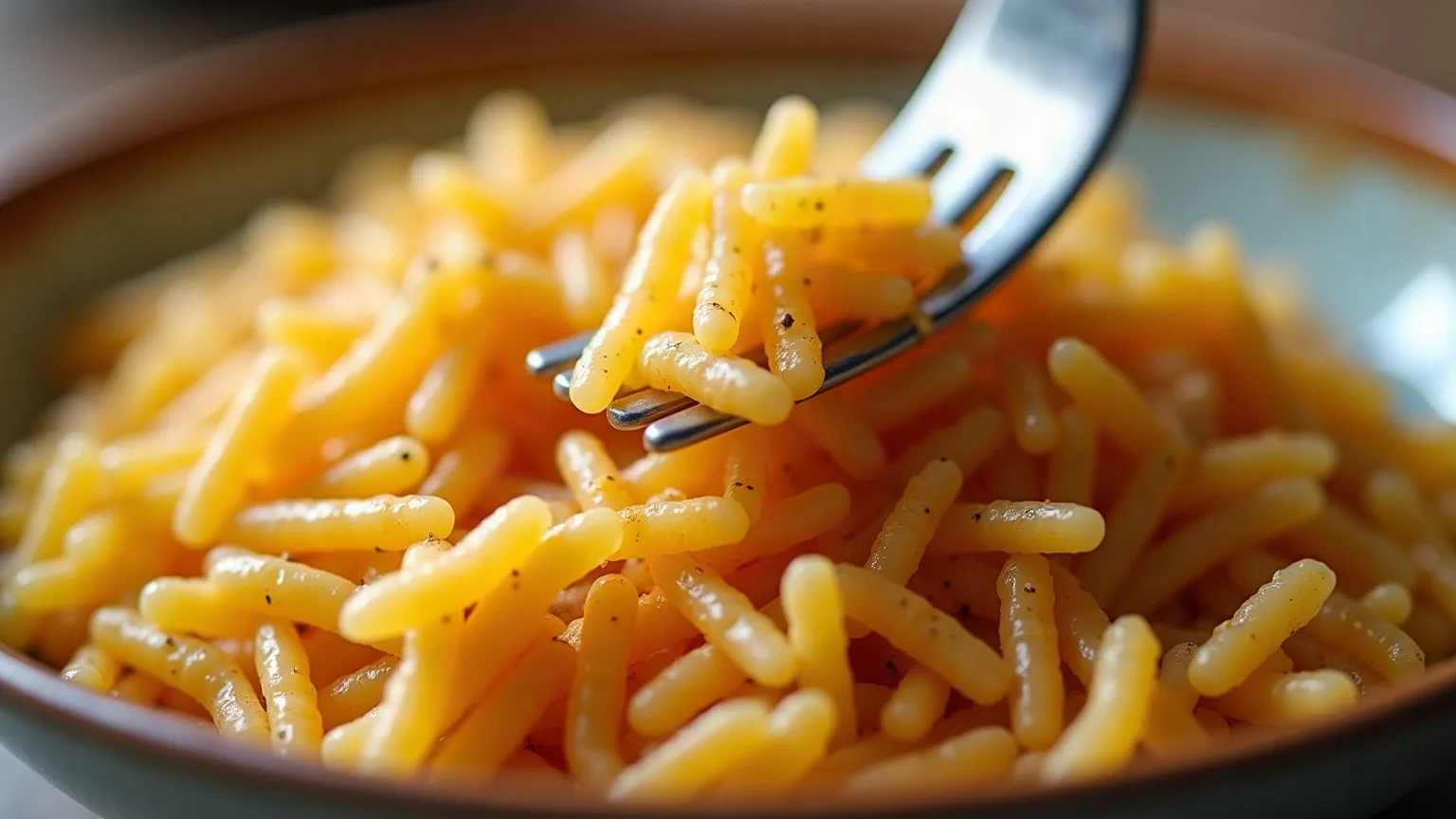
Orzo pilaf
Orzo is pasta rather than rice: its starch behaves differently, and cooked without toasting it glues itself together in the pan.