
Scaled to however many of you there are.
Change the headcount and the amounts follow. Salt and spice do not scale in a straight line, and we account for that.
A recipe is how you make a thing: the amounts, the order, the timing and where it goes wrong. The dish pages explain what that thing is — where it comes from, the mechanism behind it, and why skipping one step makes it something else. One stays open in the kitchen; the other is read when you wonder.
8 of 116 recipes. Clear the filter
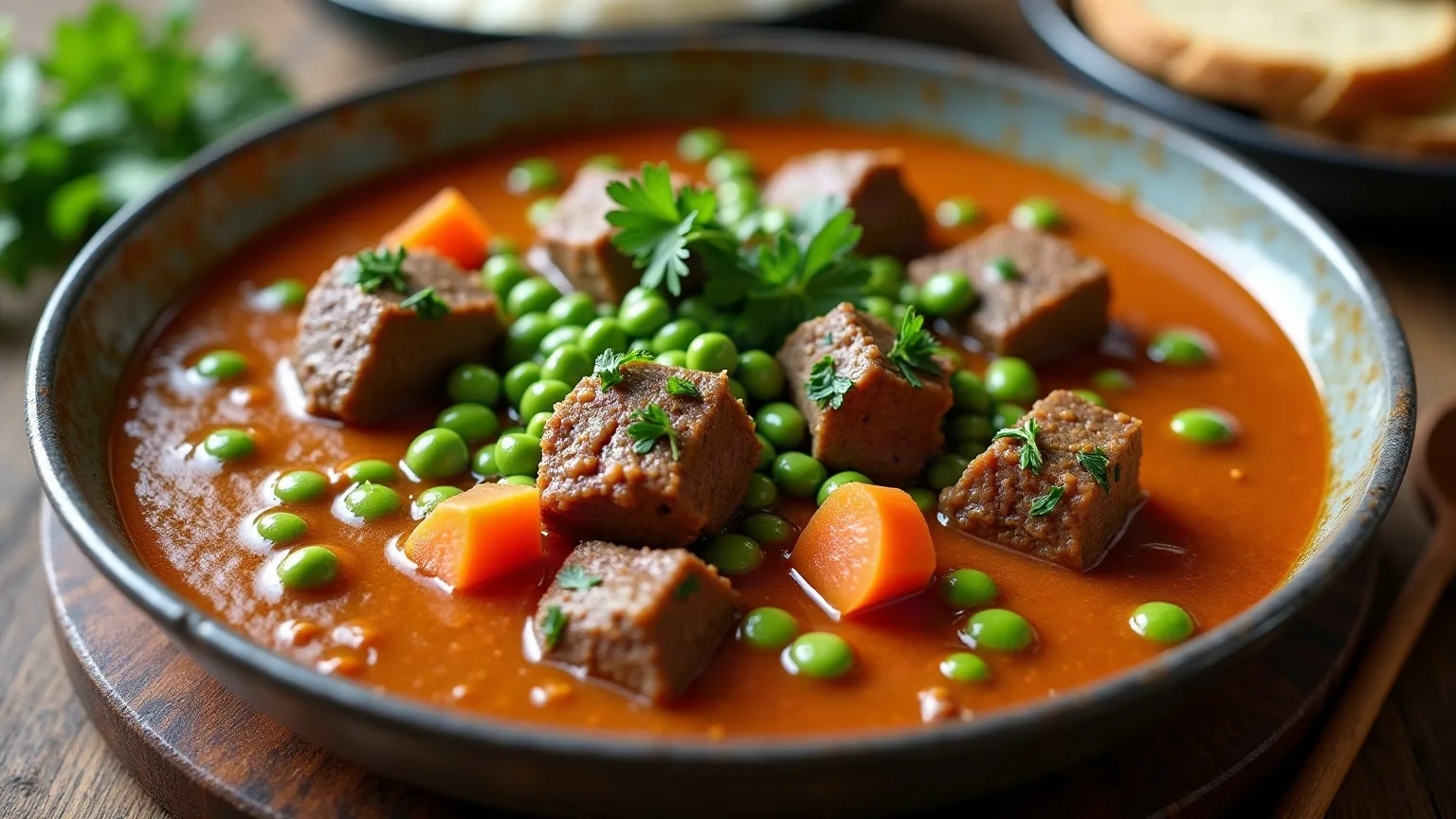
Lamb and pea stew
The peas go in last. Boiled with the meat from the start they lose both their colour and their texture.
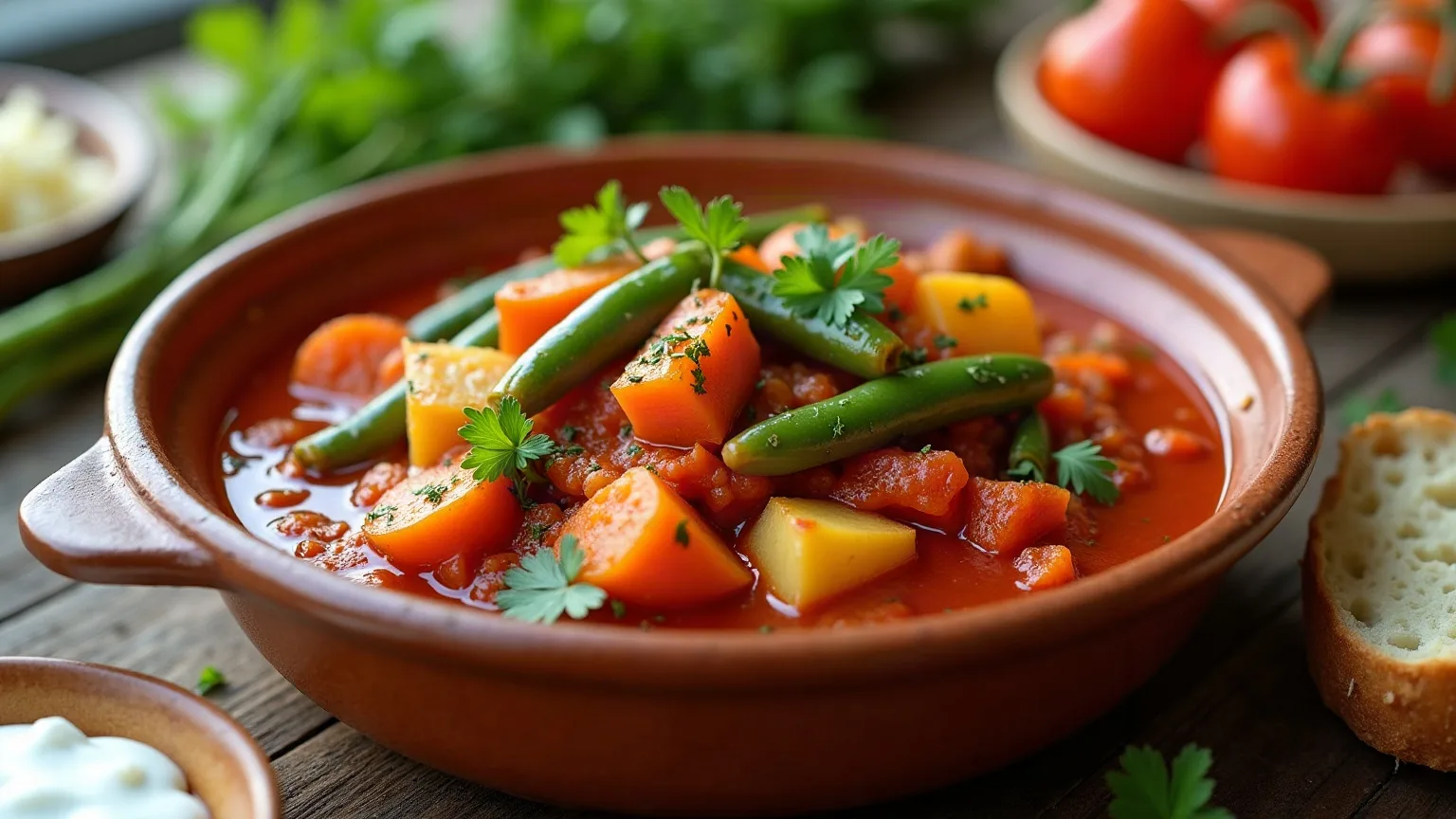
Türlü
The name means "all sorts" and the recipe means it: whatever is in the house goes in. The one rule is the order they cook in.
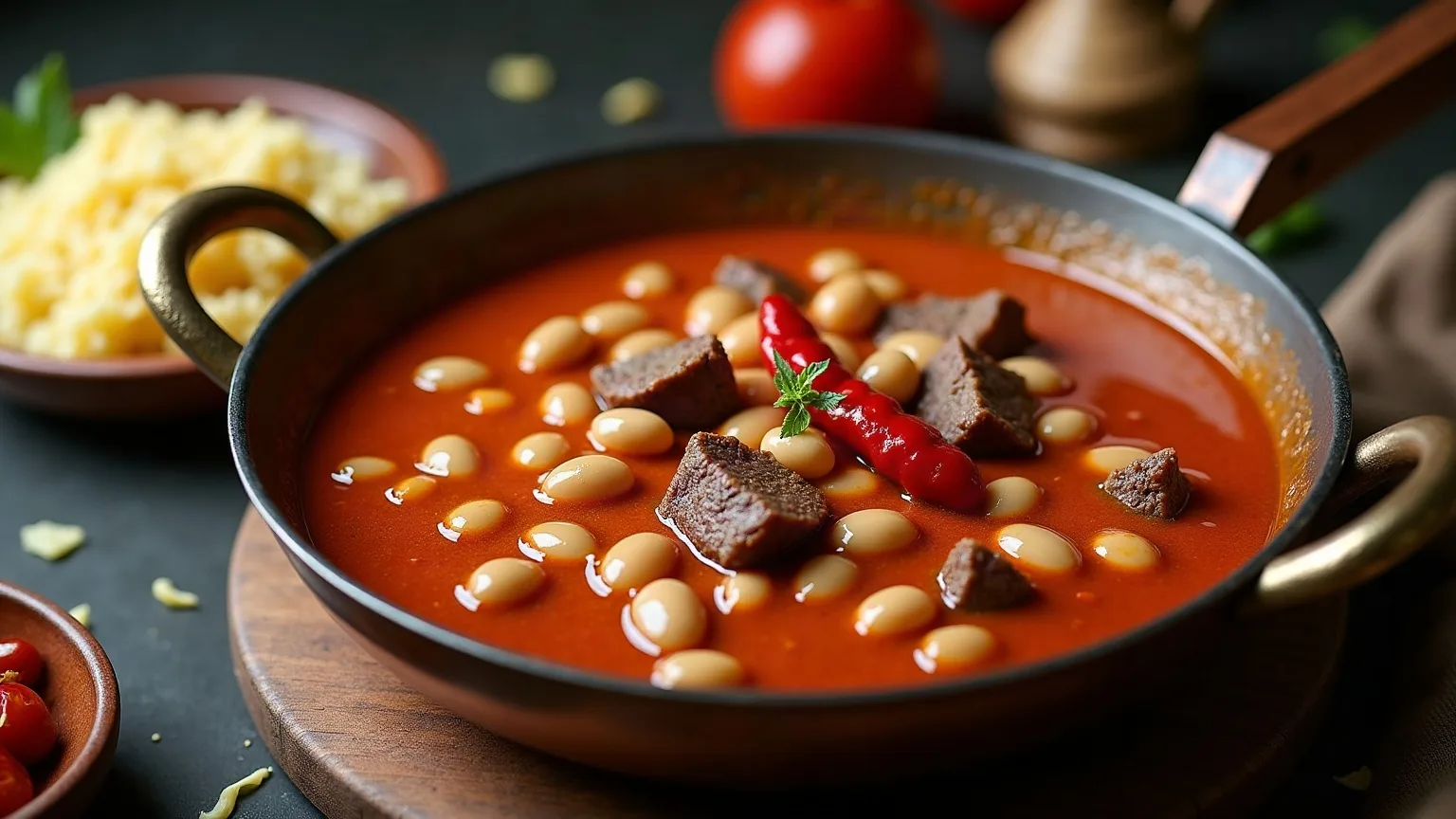
White beans
Beans stay hard for almost always the same reason: the tomato paste went in early. Acid locks the pectin in the skin.
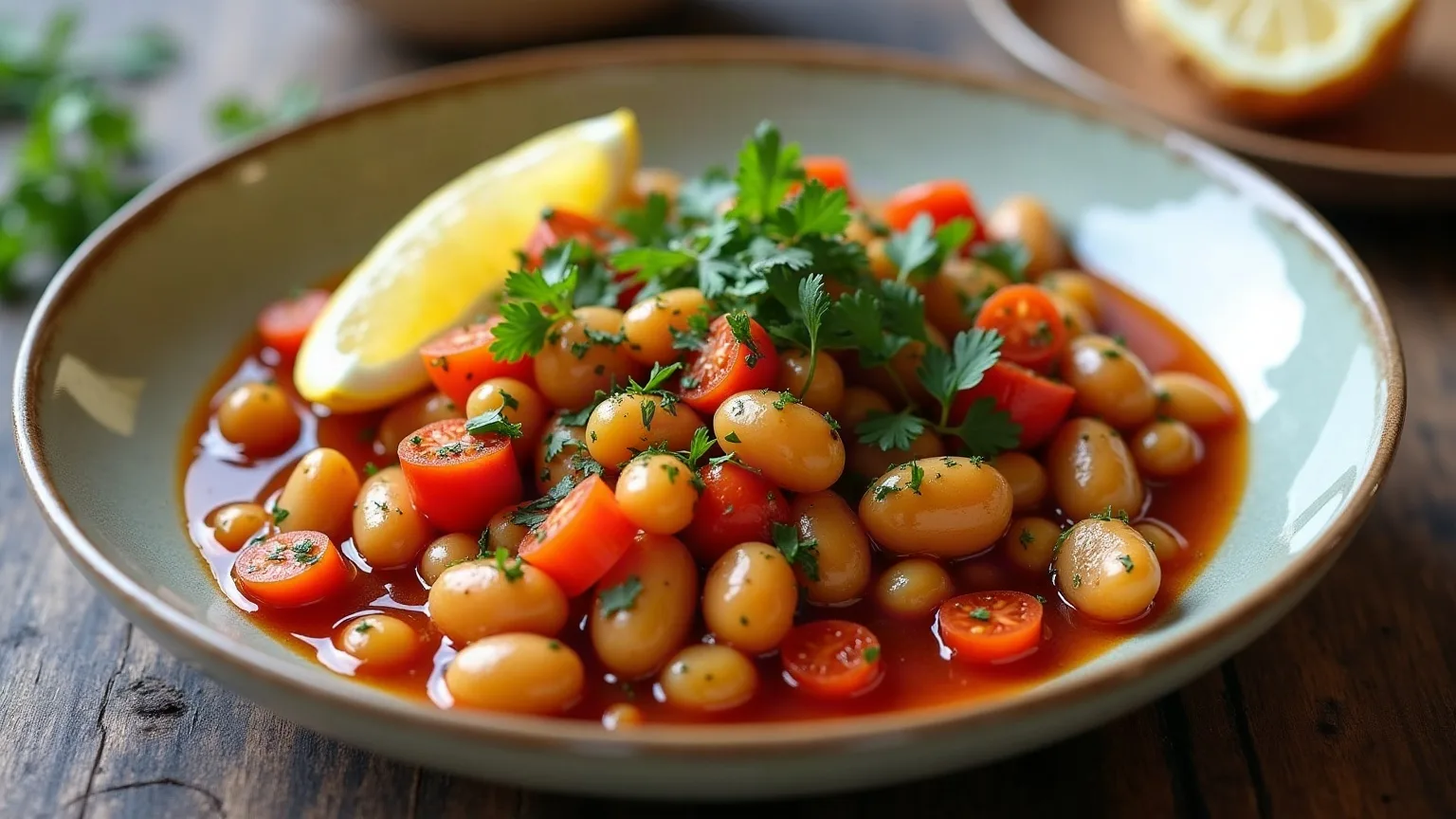
Borlotti bean pilaki
A pilaki is eaten cold, and that is why there is sugar in it: perception of sweetness drops as food cools, so what tastes right hot tastes flat cold.
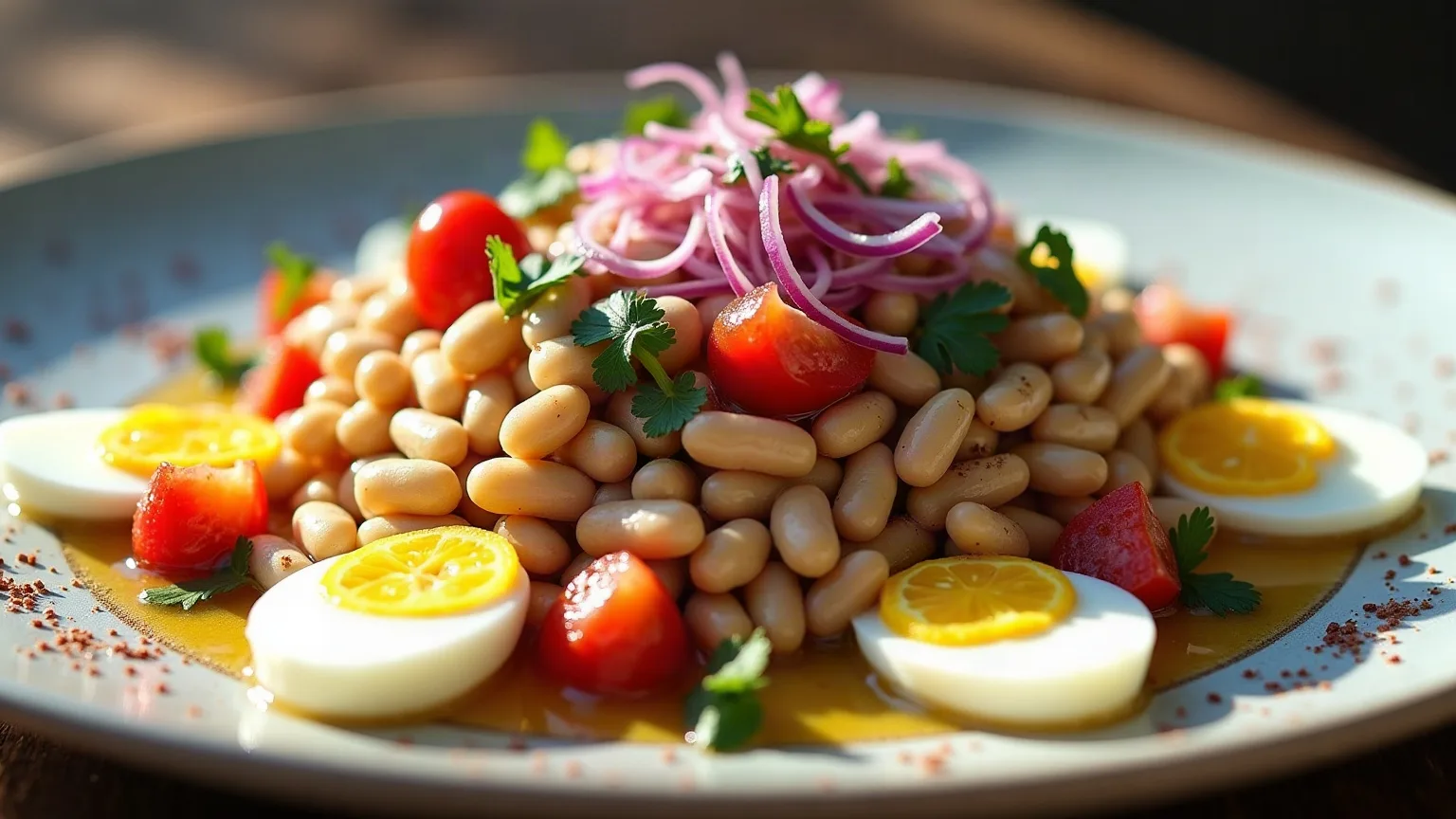
White bean salad
The dressing goes on while the beans are HOT. A cold bean takes nothing up; a hot one draws the dressing into its starch.
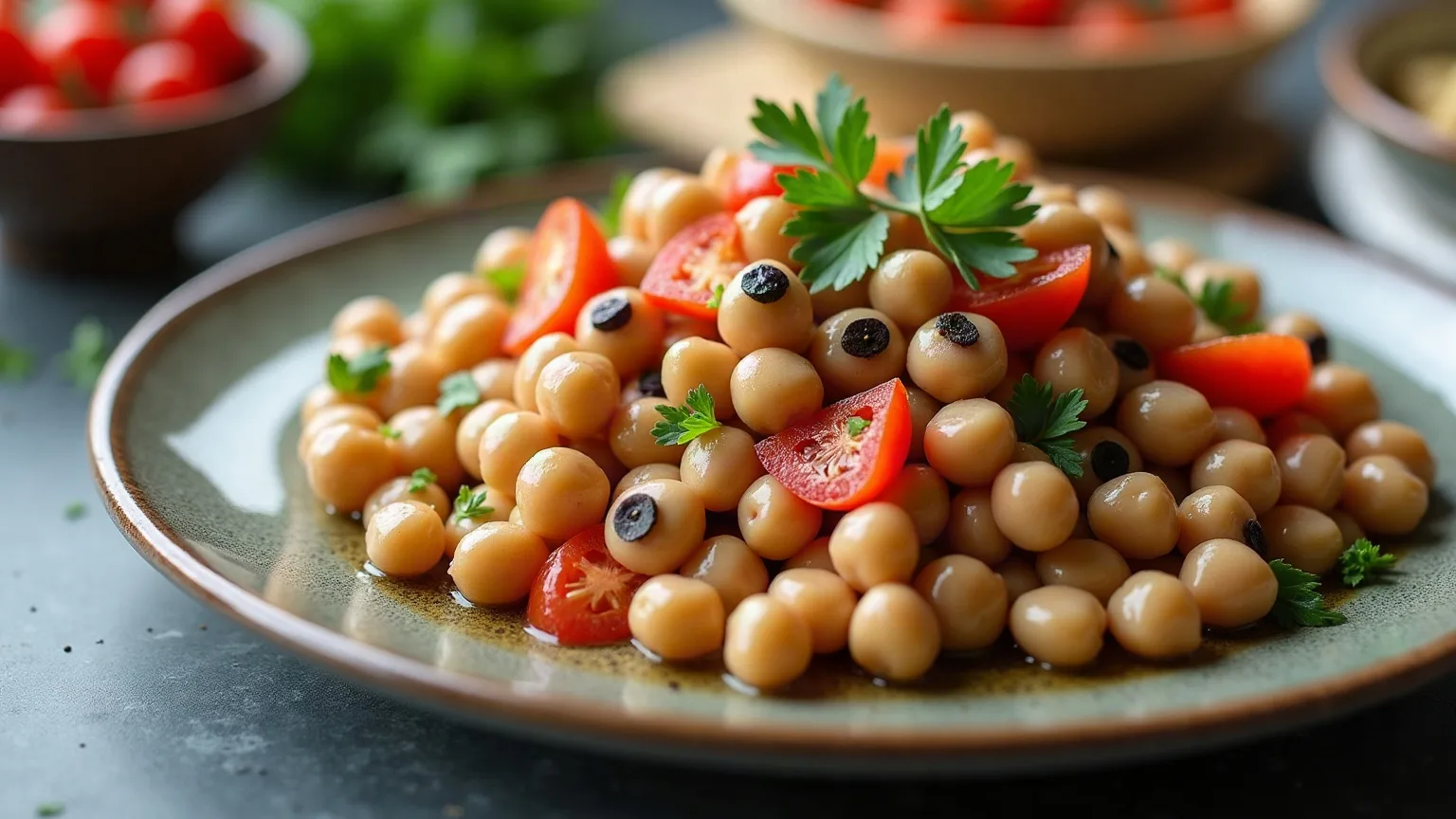
Black-eyed pea salad
The one dried pulse that needs no soak: its skin is thin and it softens in twenty-five minutes.
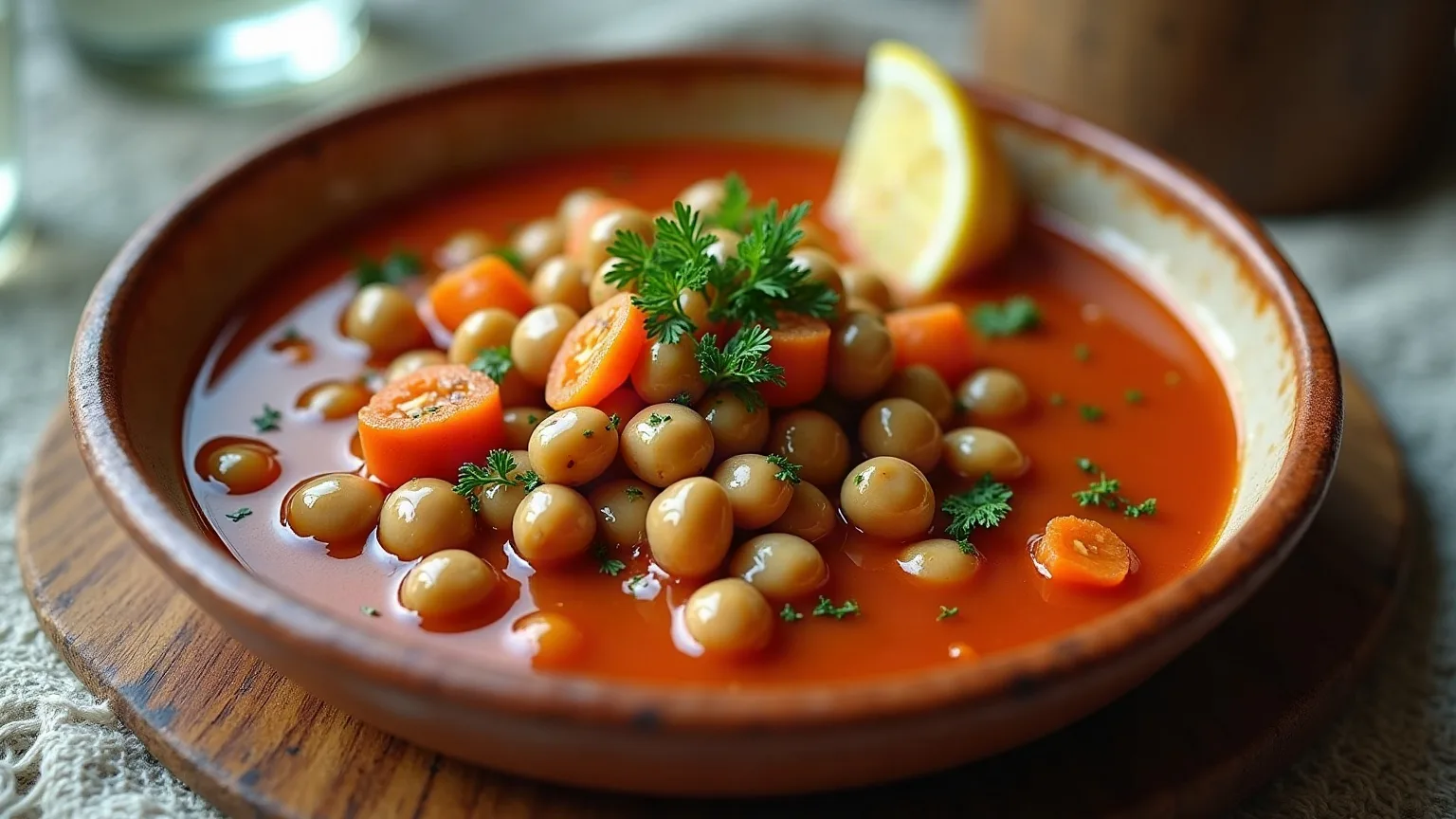
Black-eyed pea stew
The one common dried pulse that needs no soaking: its coat is thin and permeable, so it goes from dry seed to tender in twenty-five minutes.
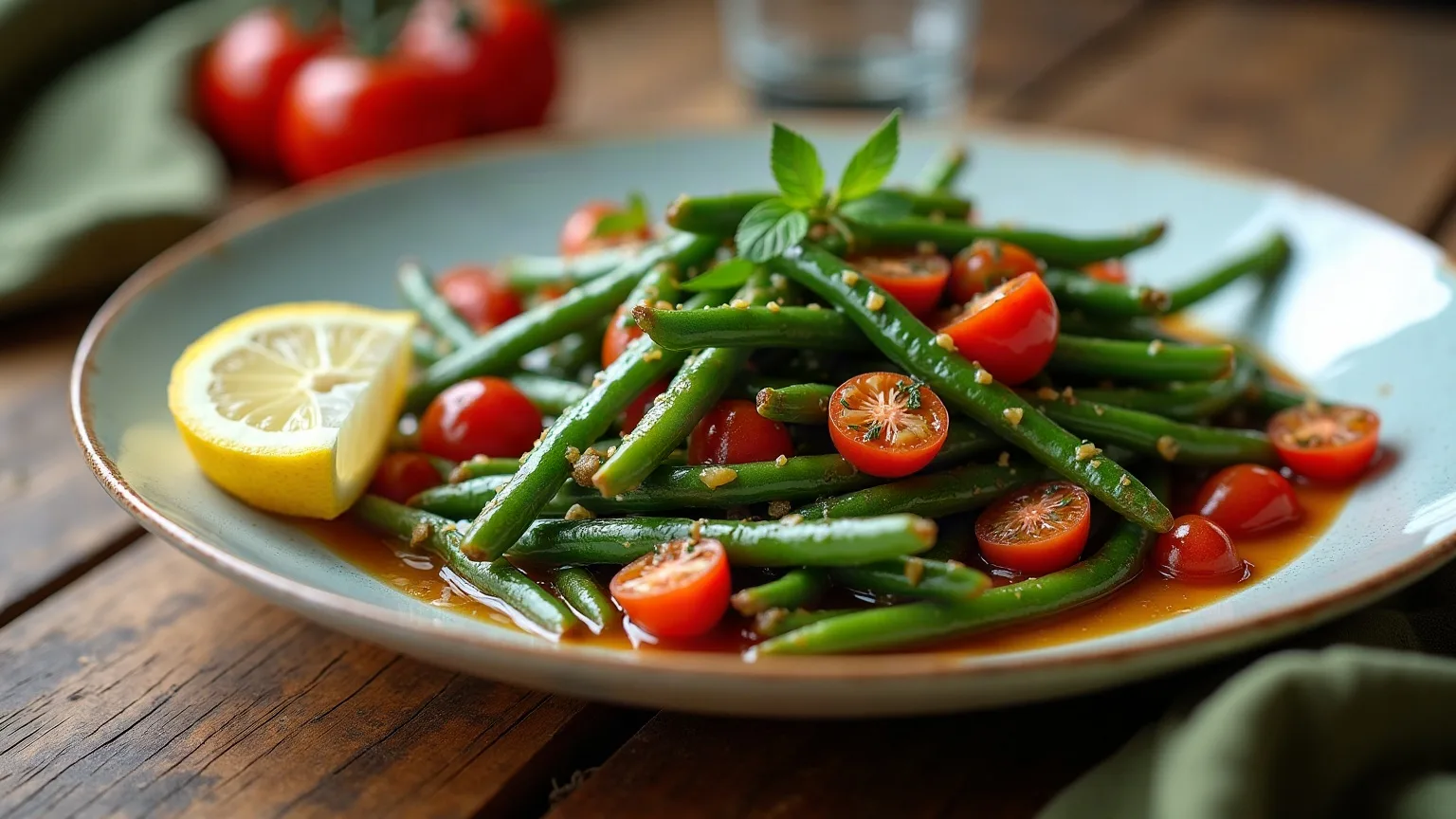
Green beans in olive oil
A classic that cooks in the vegetable’s own water, with none added. The secret is patience and a low flame: the beans sweat, they never boil.