
Scaled to however many of you there are.
Change the headcount and the amounts follow. Salt and spice do not scale in a straight line, and we account for that.
A recipe is how you make a thing: the amounts, the order, the timing and where it goes wrong. The dish pages explain what that thing is — where it comes from, the mechanism behind it, and why skipping one step makes it something else. One stays open in the kitchen; the other is read when you wonder.
24 of 116 recipes. Clear the filter
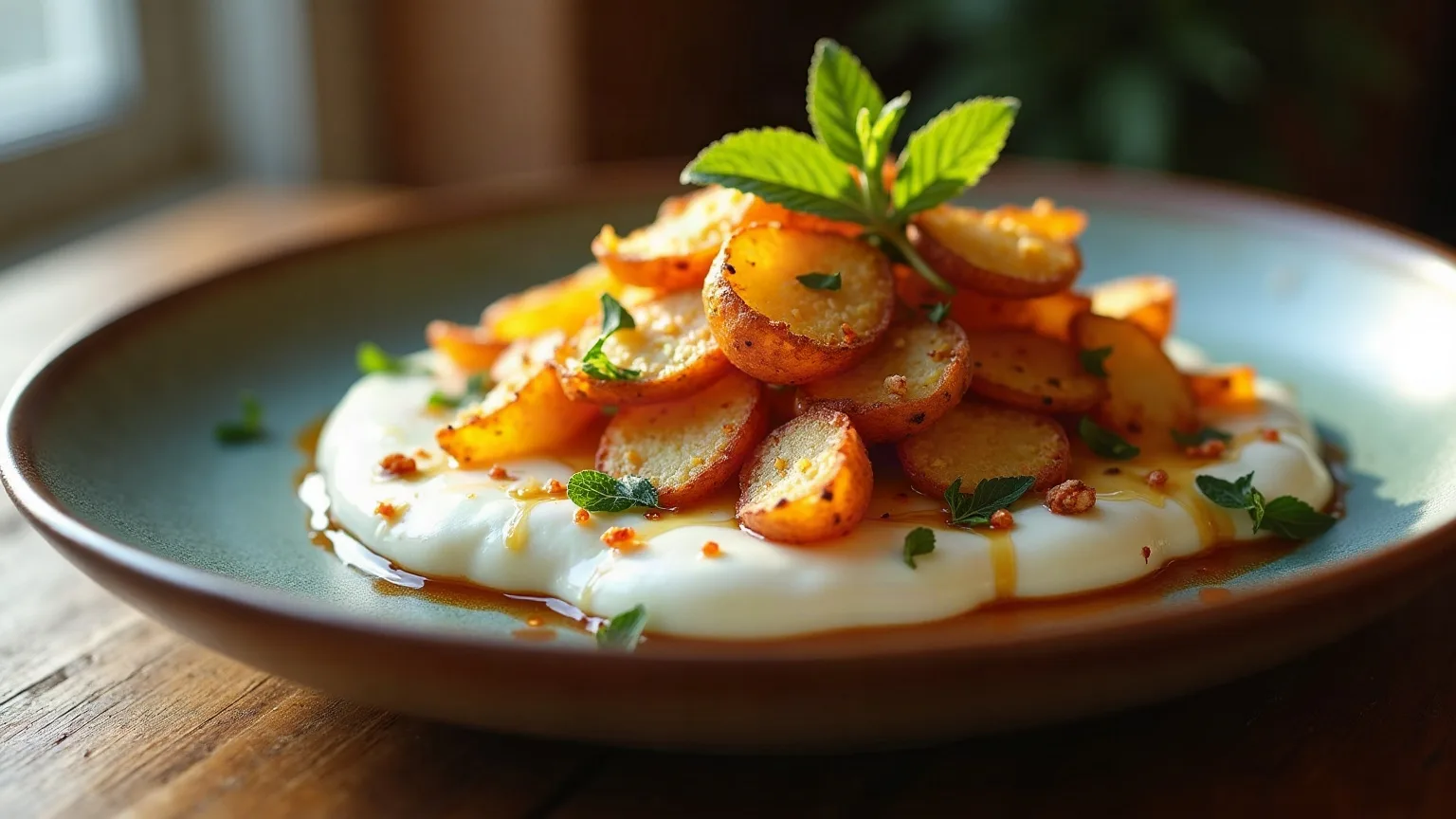
Crushed potatoes with yoghurt
Boil, crush, roast. A rough surface means more crust.
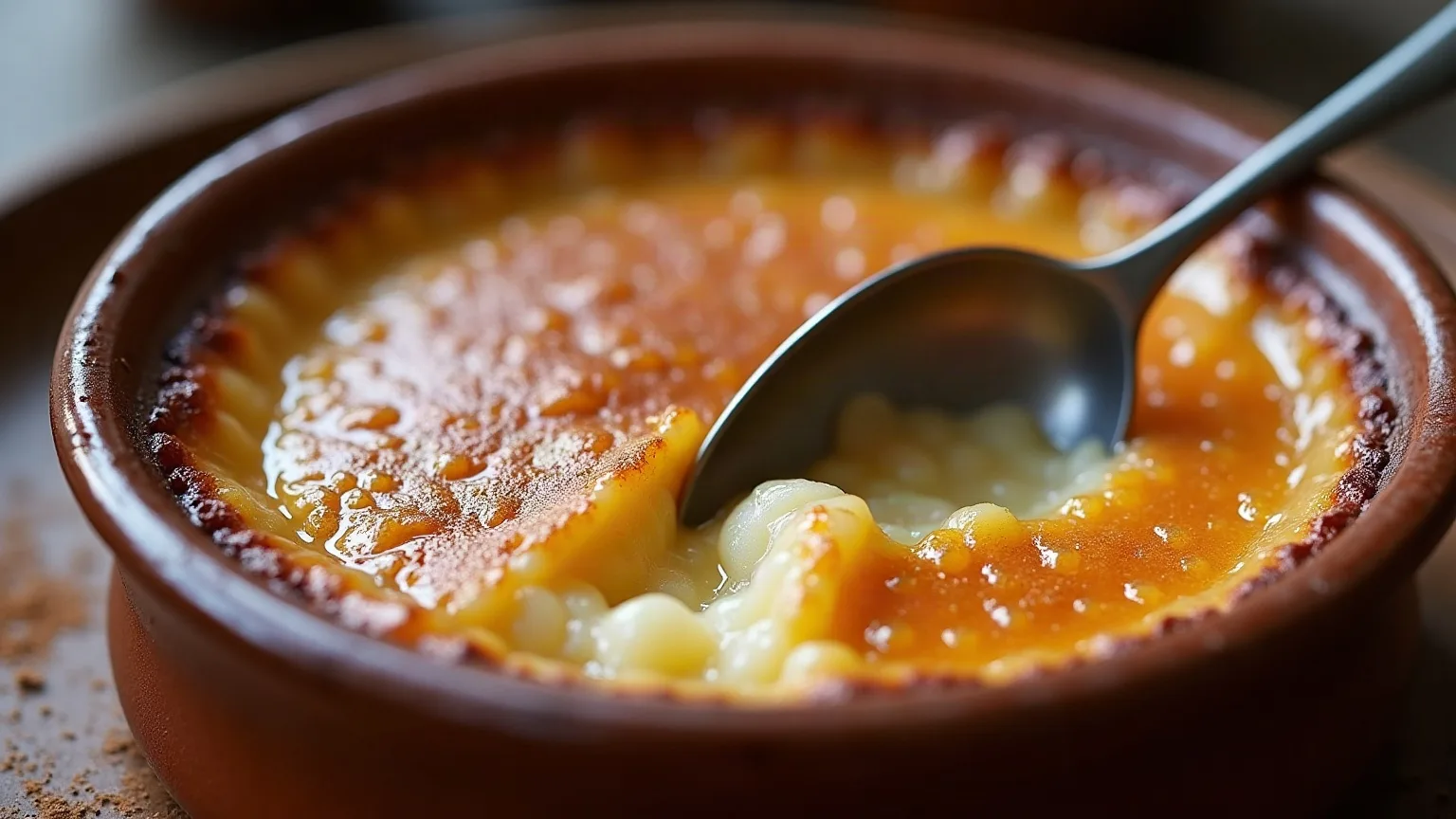
Baked rice pudding
That mottled skin is Maillard, and it forms in the last ten minutes under the grill.
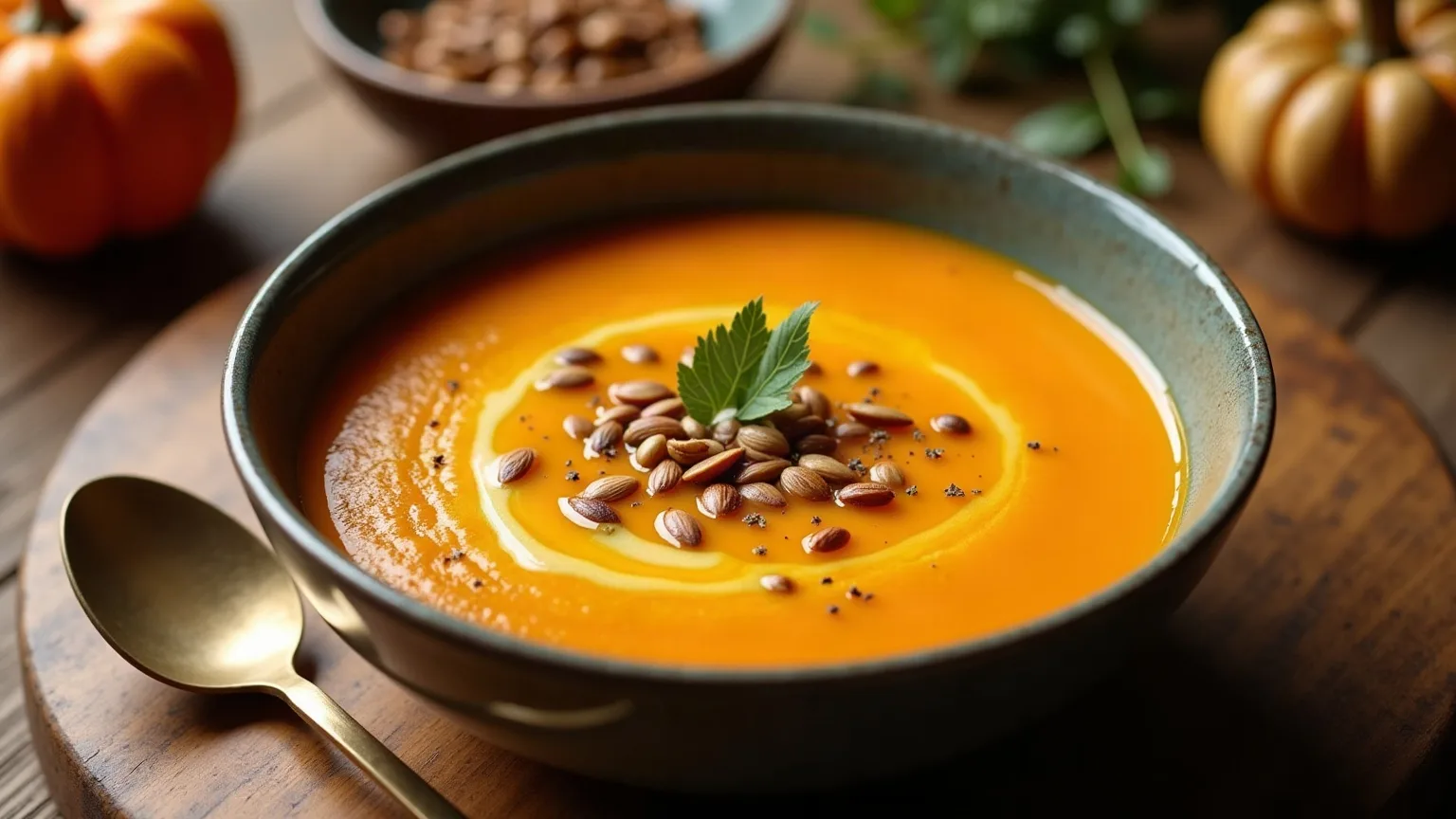
Pumpkin soup
Boiled pumpkin gives a watery, flat soup. Roasted pumpkin is the same vegetable and a completely different soup.
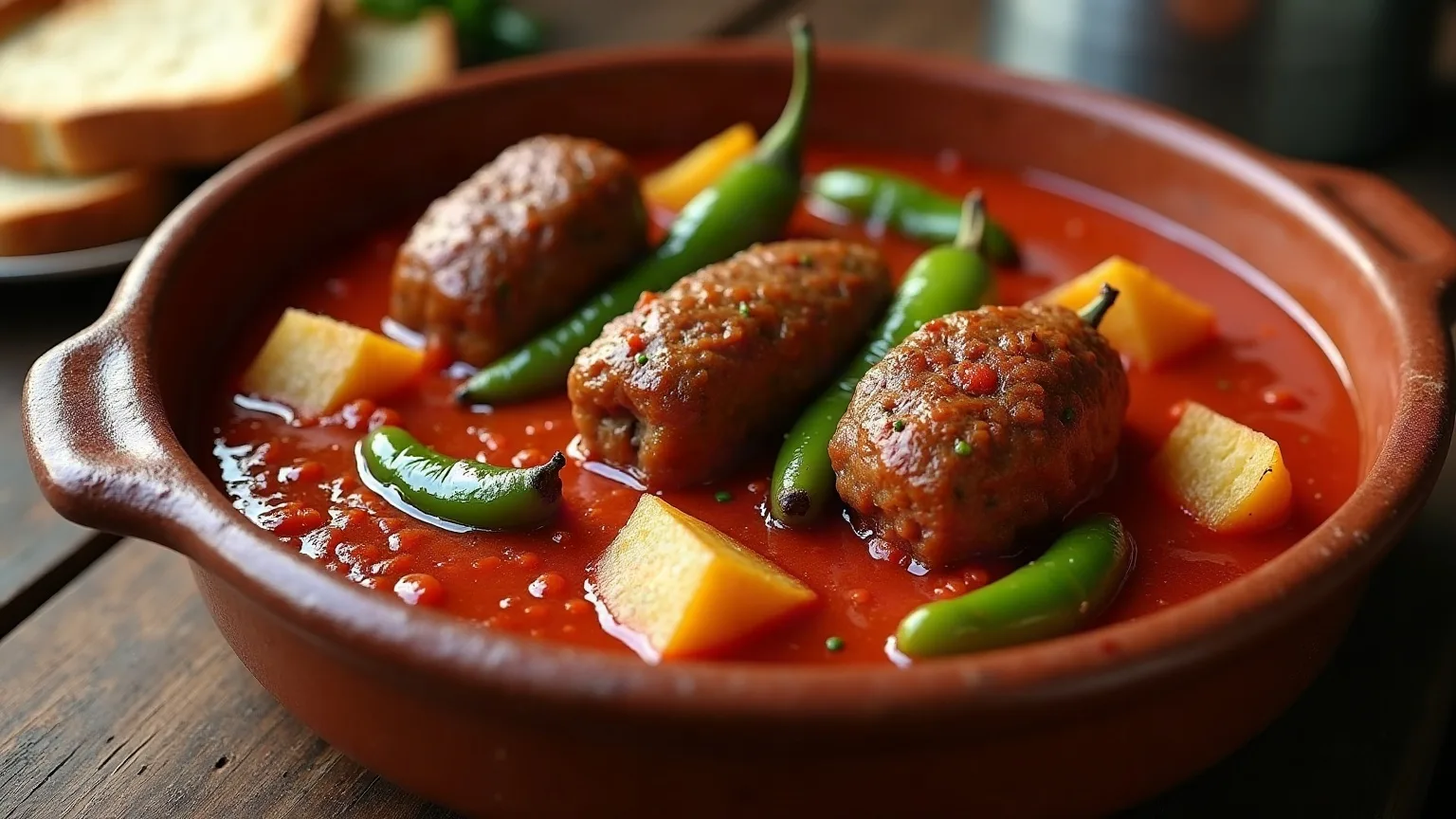
İzmir meatballs
Searing the meatballs and then baking them in sauce is two dishes in one: the crust stays outside while the inside drinks the sauce.
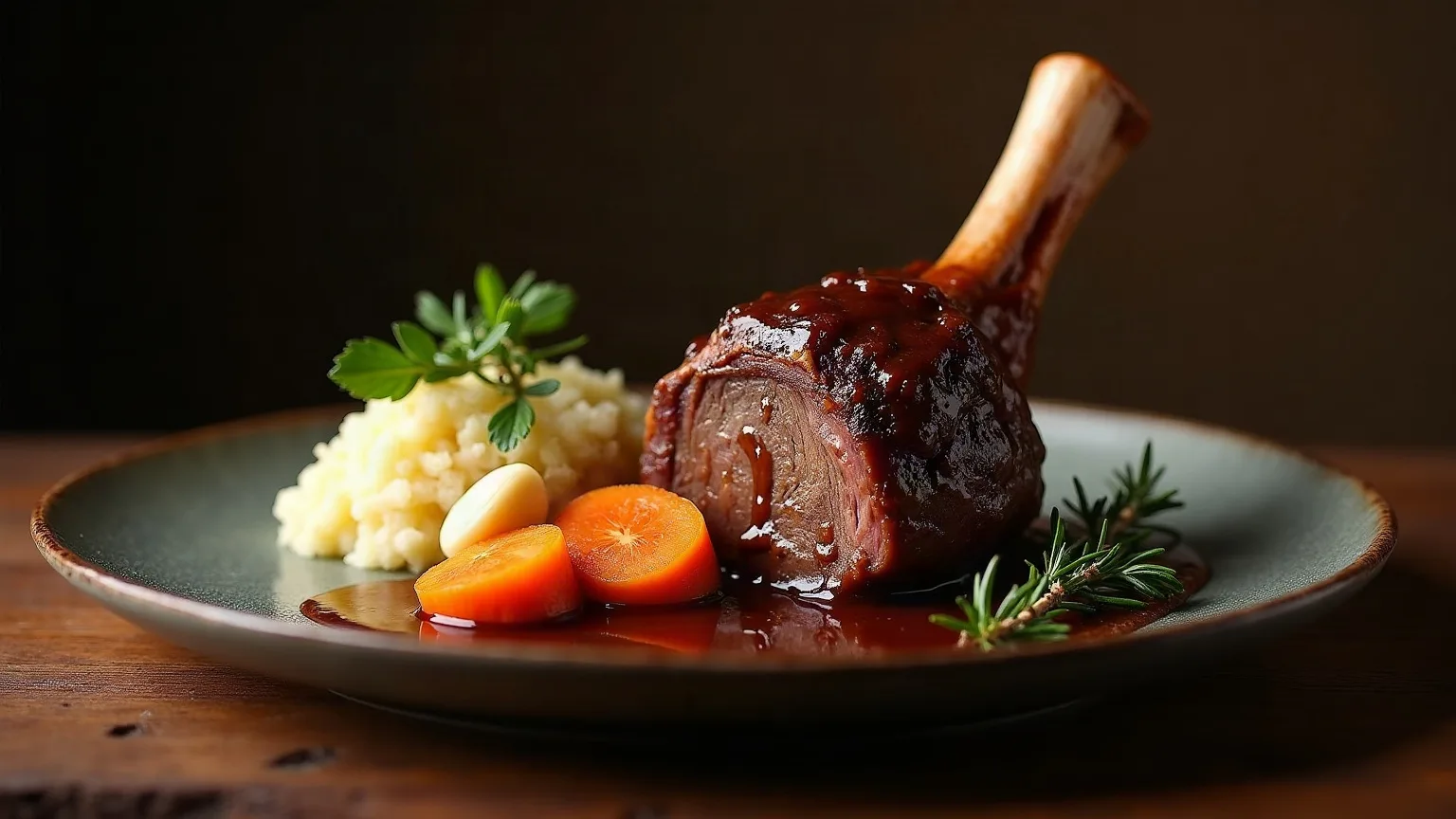
Slow-roast lamb shank
Three hours at 150 °C. There is no way to shorten it: collagen becomes gelatin with time rather than with temperature.
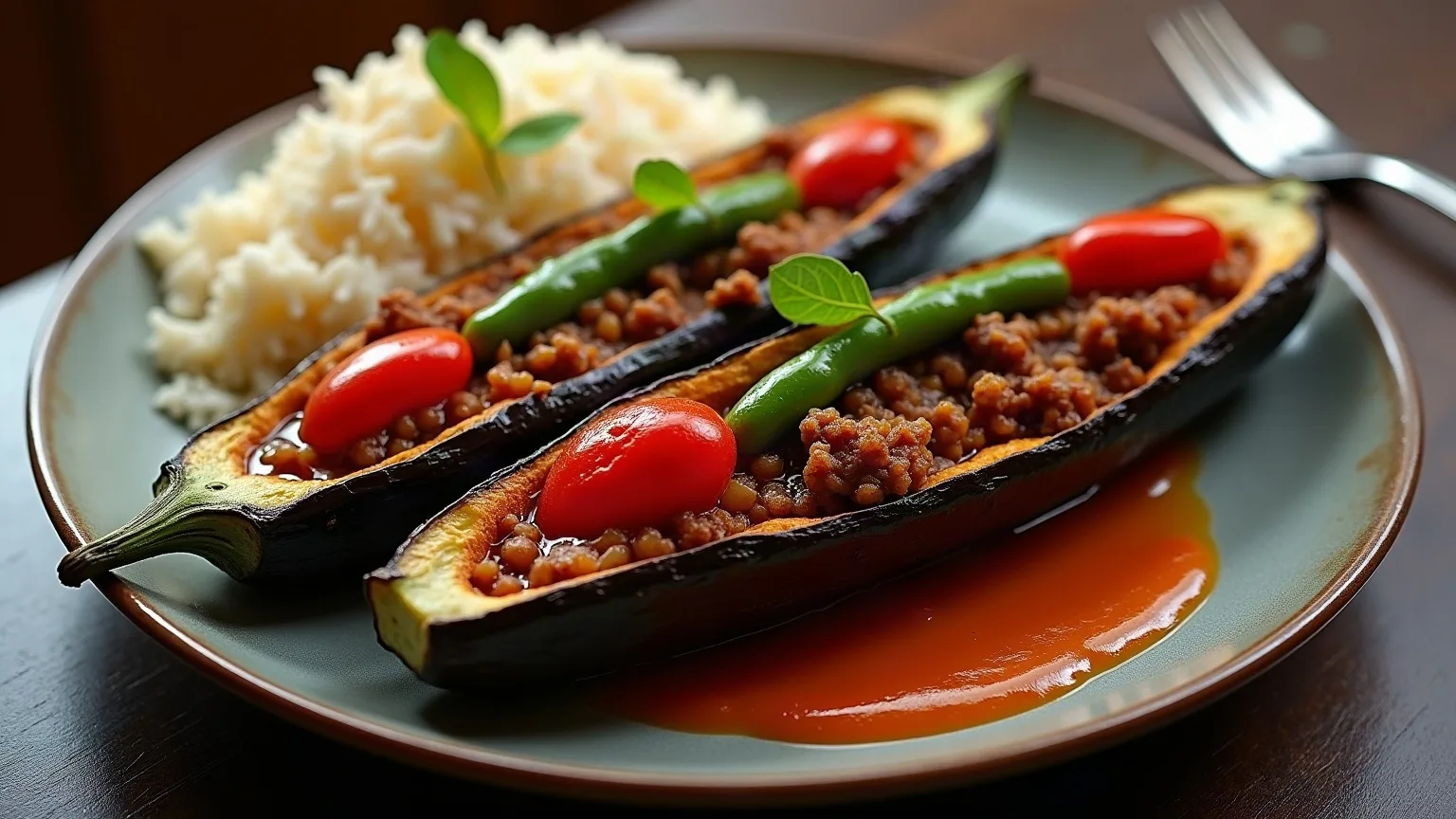
Karnıyarık
The one thing that stops an aubergine drinking oil is a soak in salted water: cells full of water leave no room for fat.
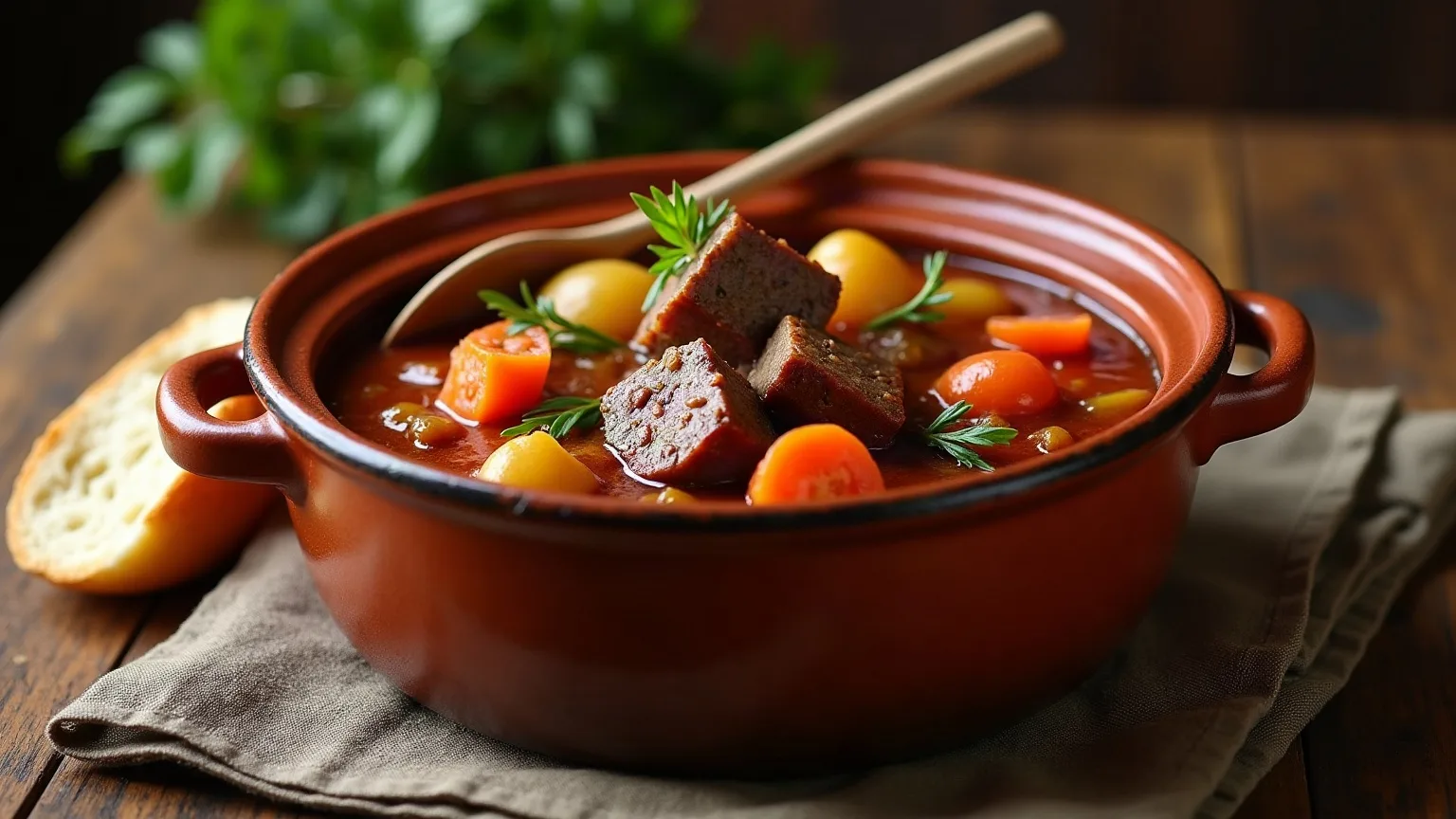
Lamb casserole
The meat has two hours and the vegetables have forty minutes. Put them in together and the vegetables vanish while the meat is still raw.
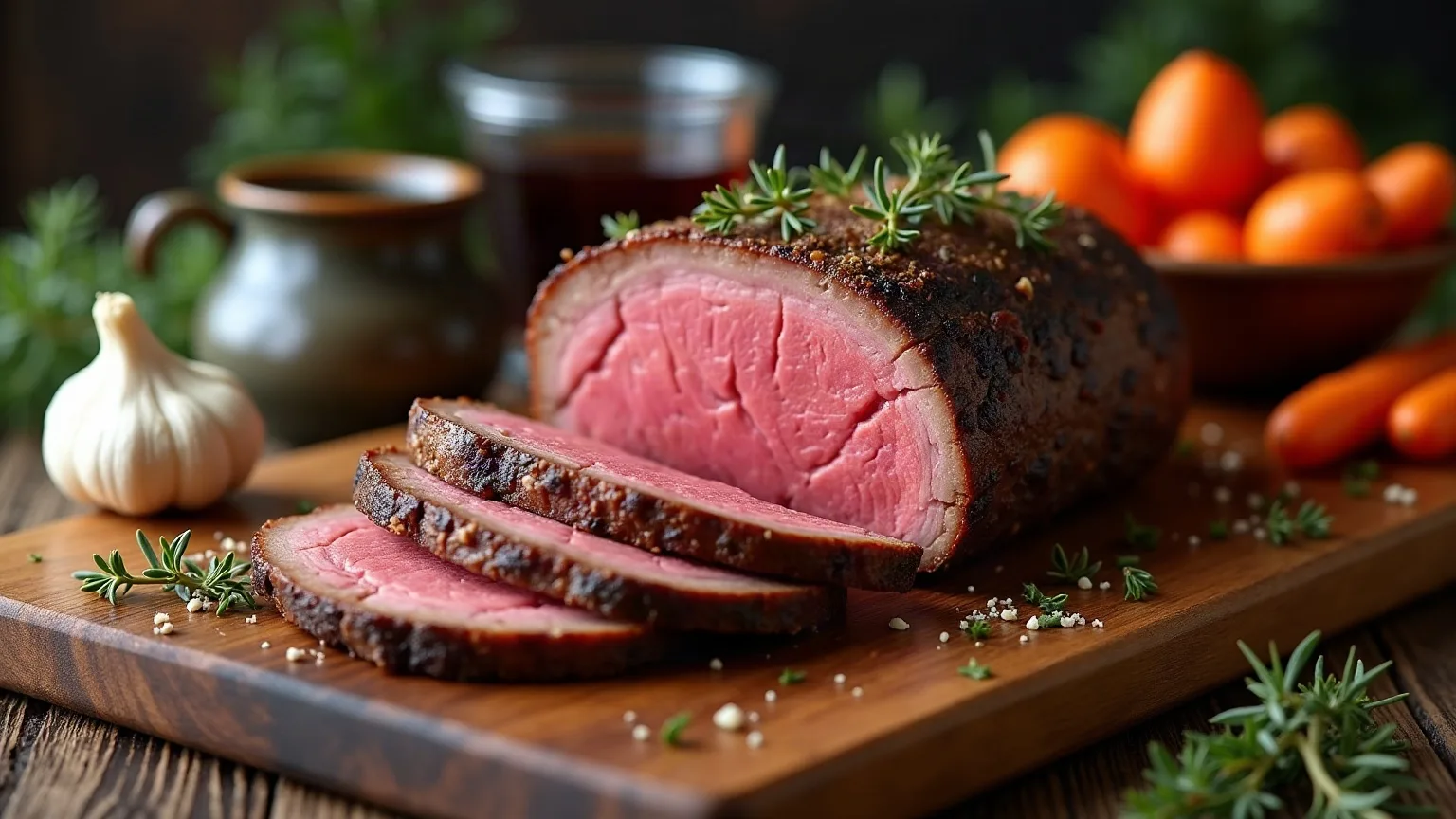
Roast beef
Not a dish to make without a thermometer. The answer to "how many minutes" depends on the temperature at the centre, not on the weight.
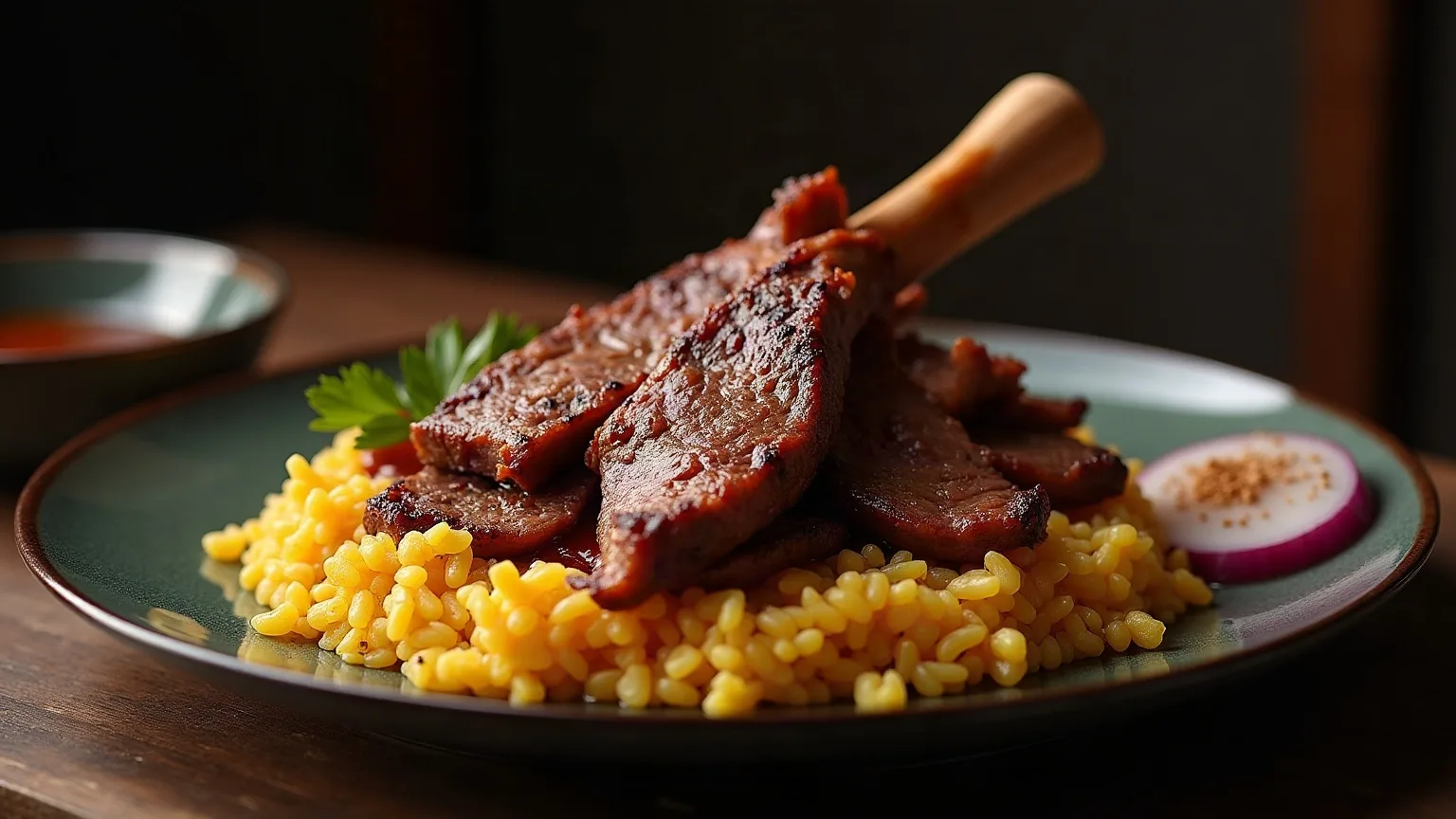
Oven lamb tandır
Four hours at 140 °C, then fifteen minutes at 240. Without the second number the meat is tender and pale.
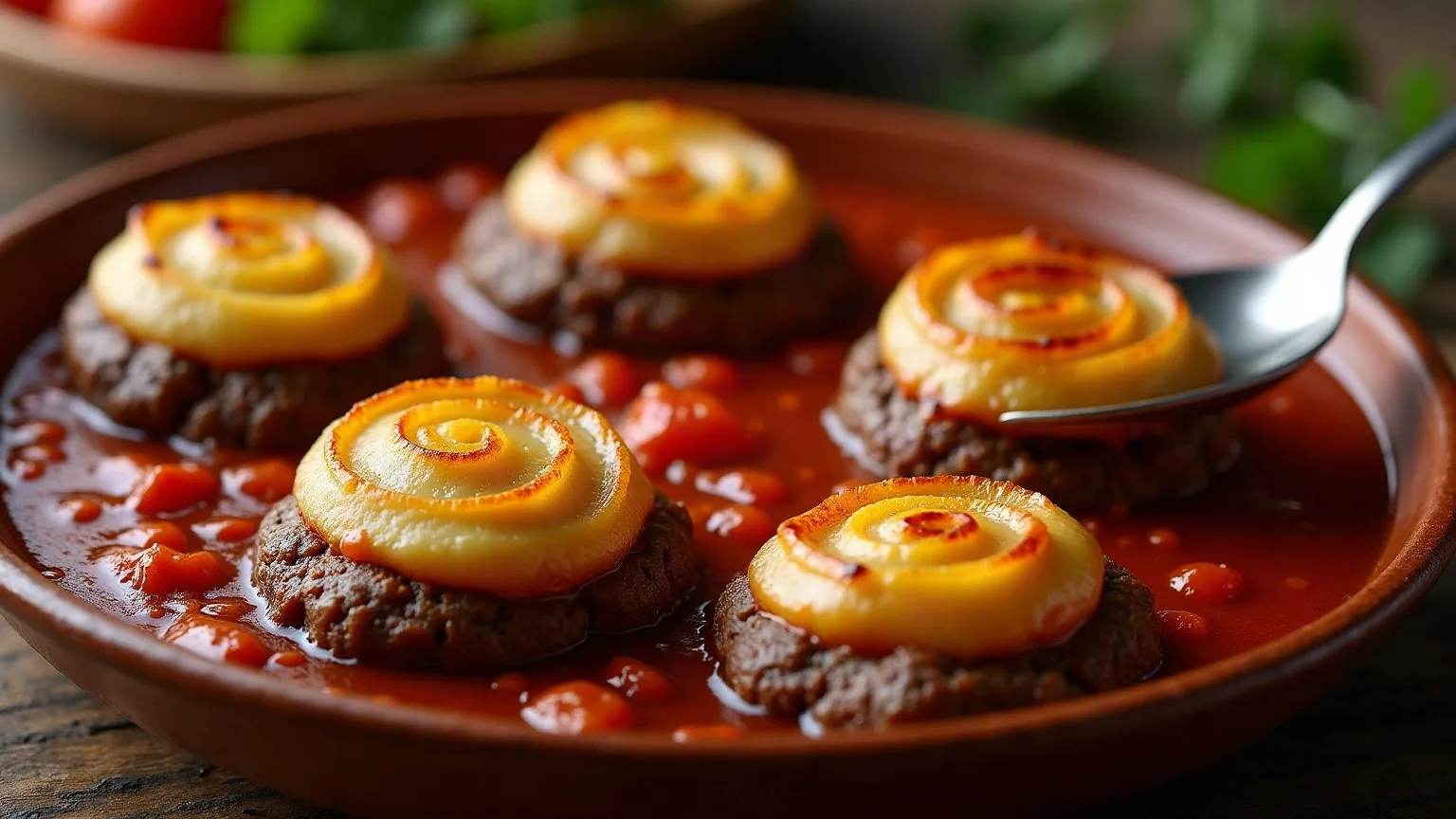
Hasanpaşa köfte
The purée on top is a lid rather than a decoration: in the oven it keeps the meat’s juice in.
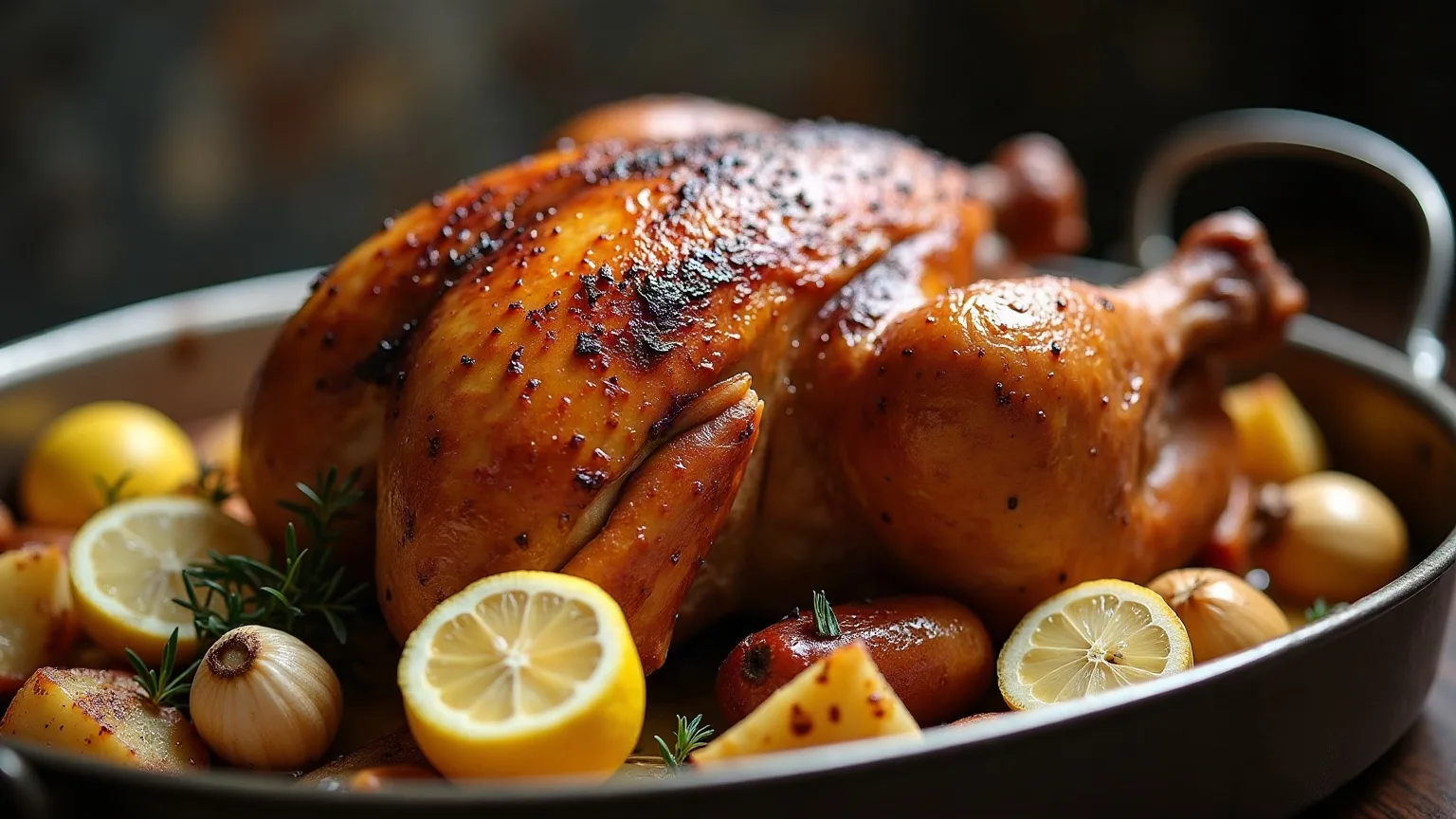
Whole roast chicken
The breast is ready at 65 °C and the leg at 75. Roasting a whole bird is entirely the business of hitting both at once.
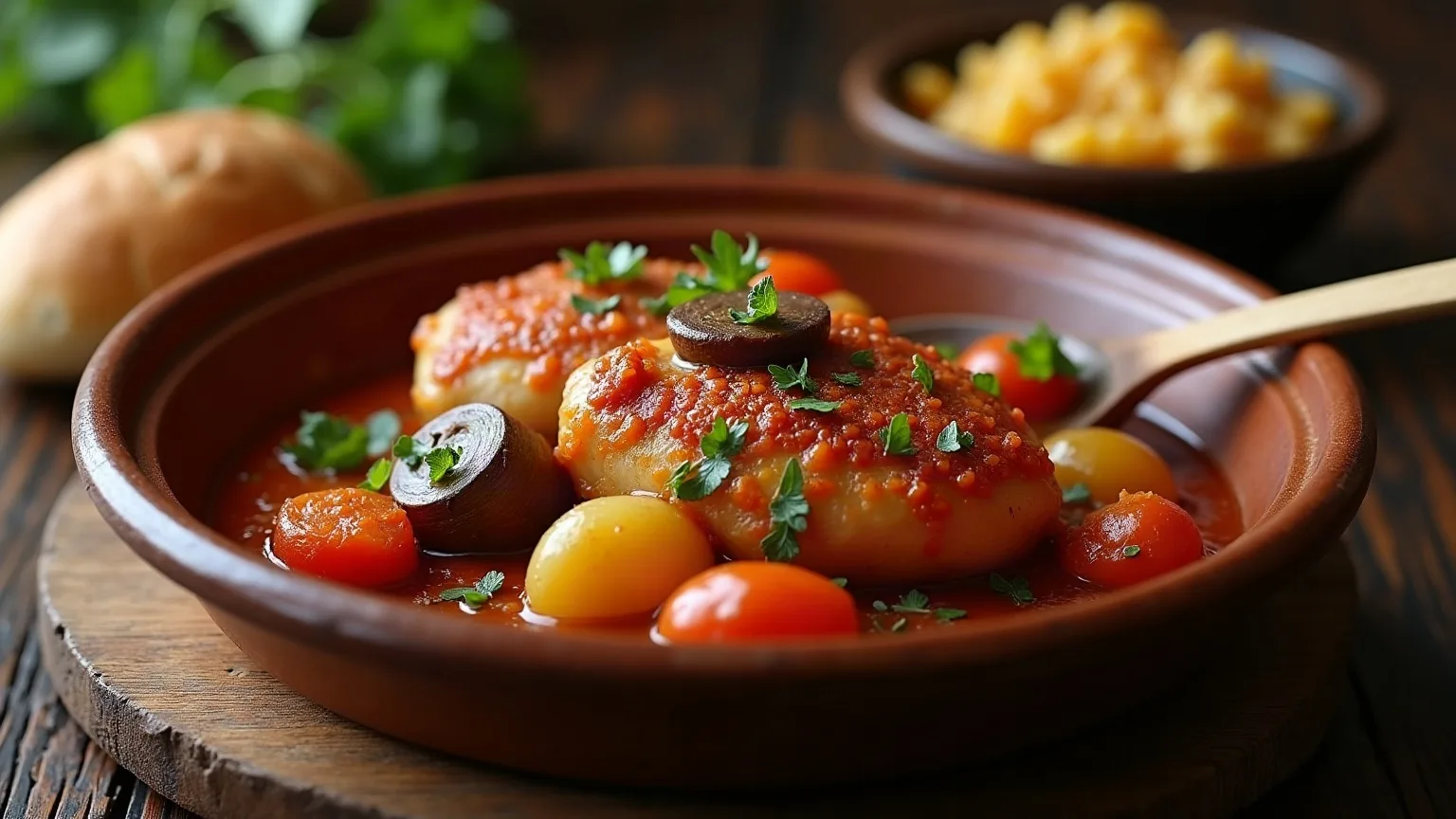
Chicken casserole
Made with thigh, and there is no alternative: breast certainly dries over forty minutes in an oven.
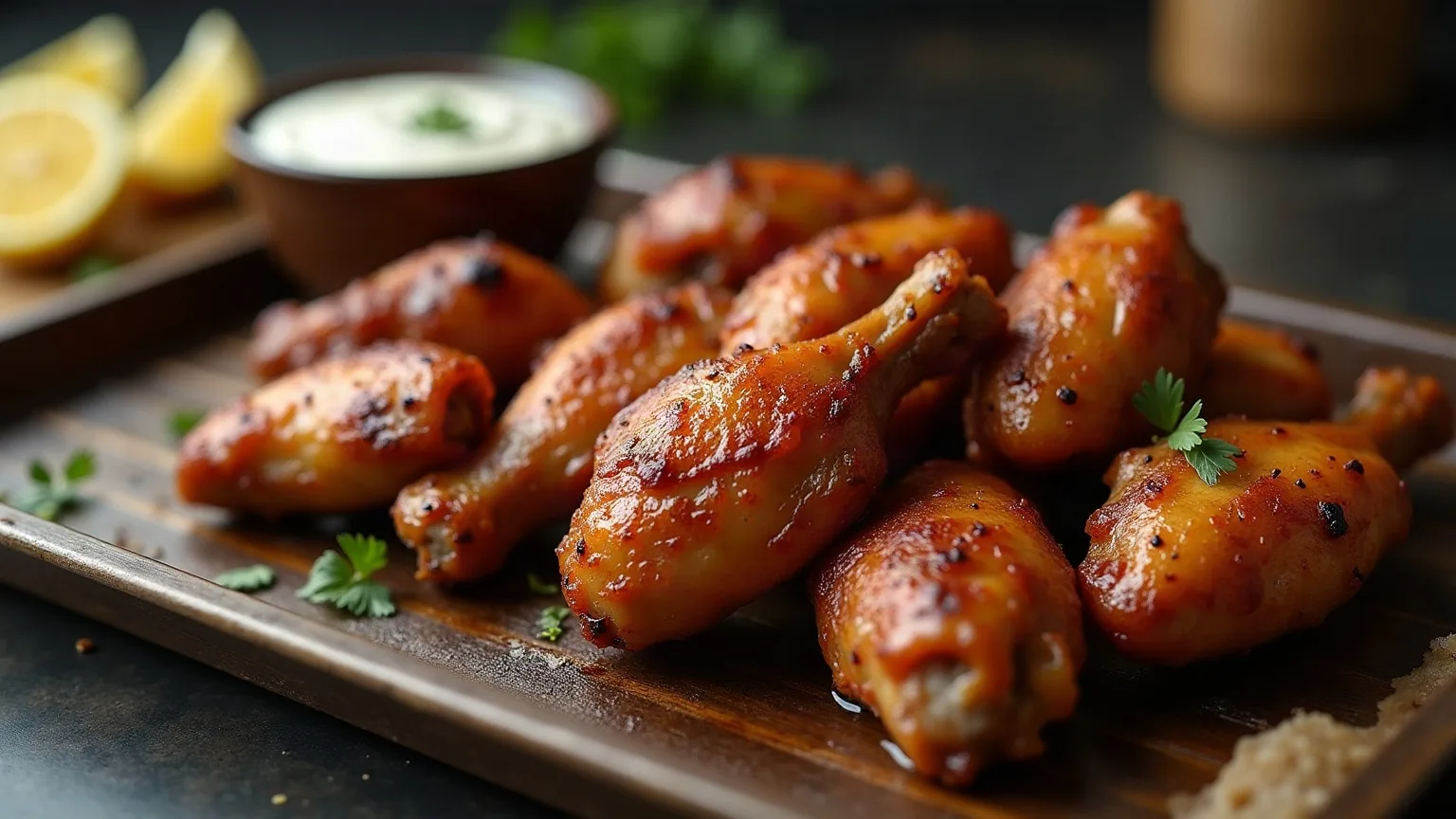
Oven chicken wings
Crisp wings without a fryer are possible, on one condition: a night uncovered in the fridge to dry the skin.
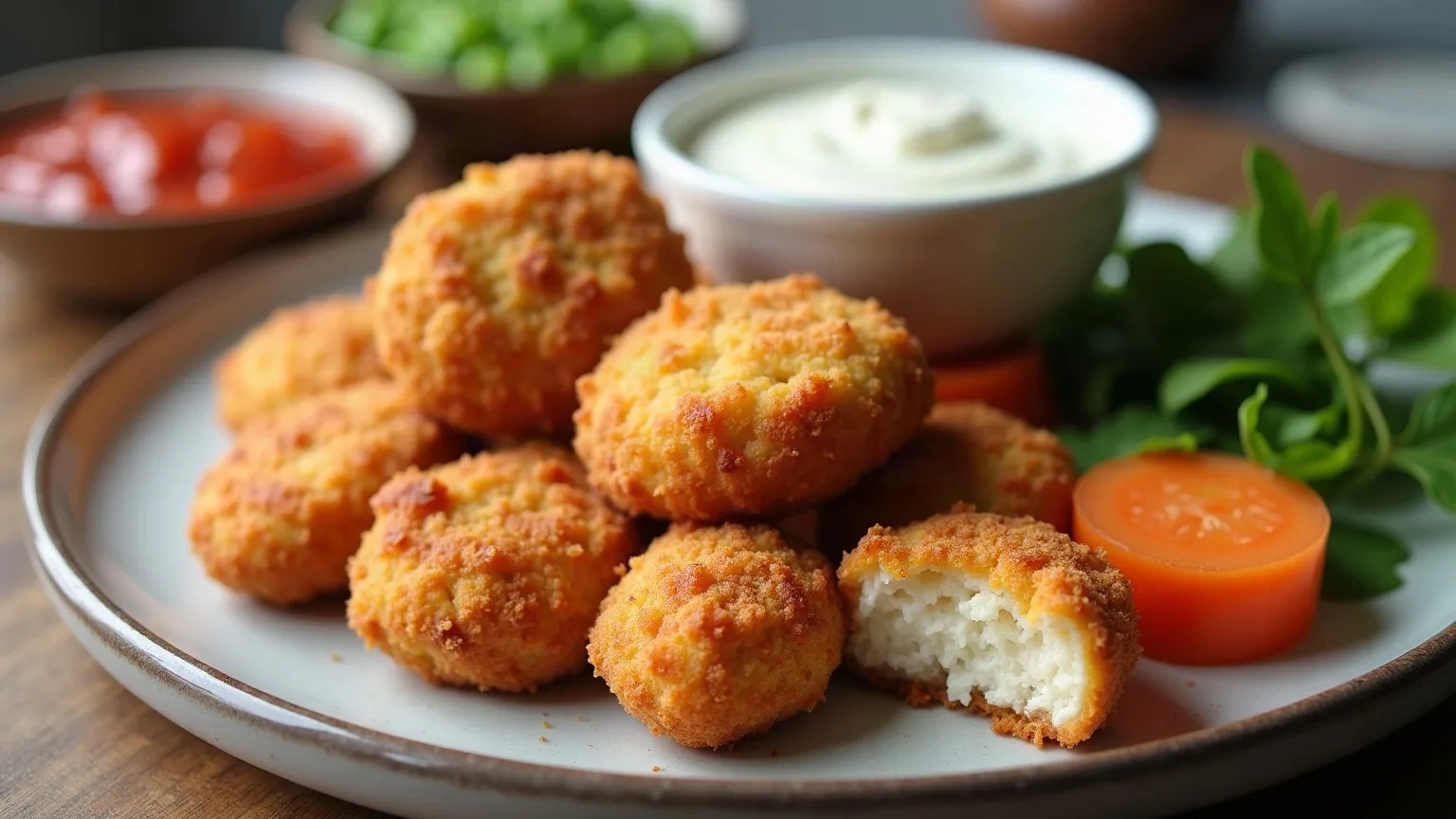
Home-made chicken nuggets
Half the meat in a shop nugget is skin, cartilage and water. At home you know what is in it, and the difference shows up in the salt.
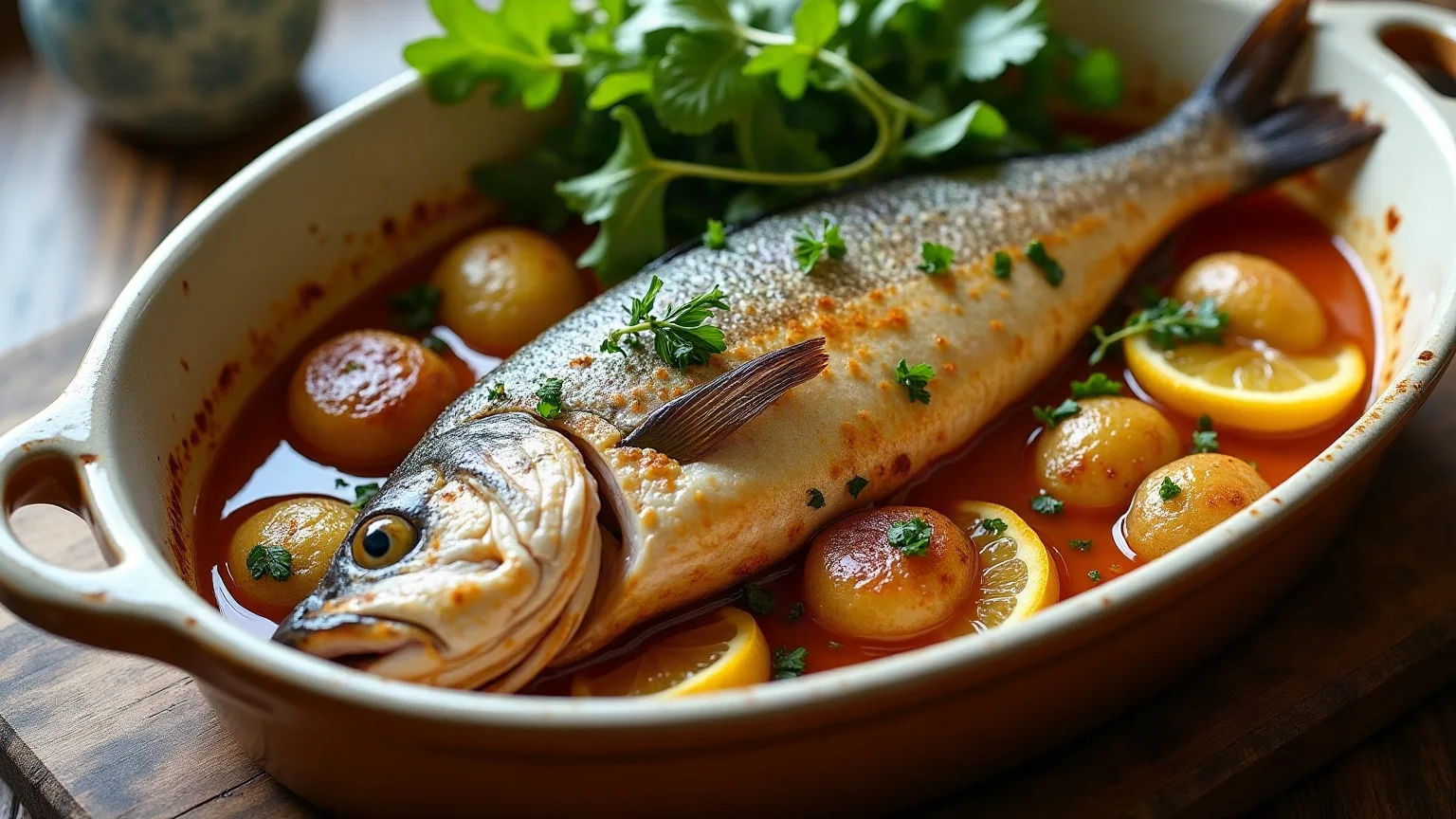
Baked sea bass
A whole fish is more forgiving than a fillet: the bones and skin slow the heat and the flesh cooks without drying.
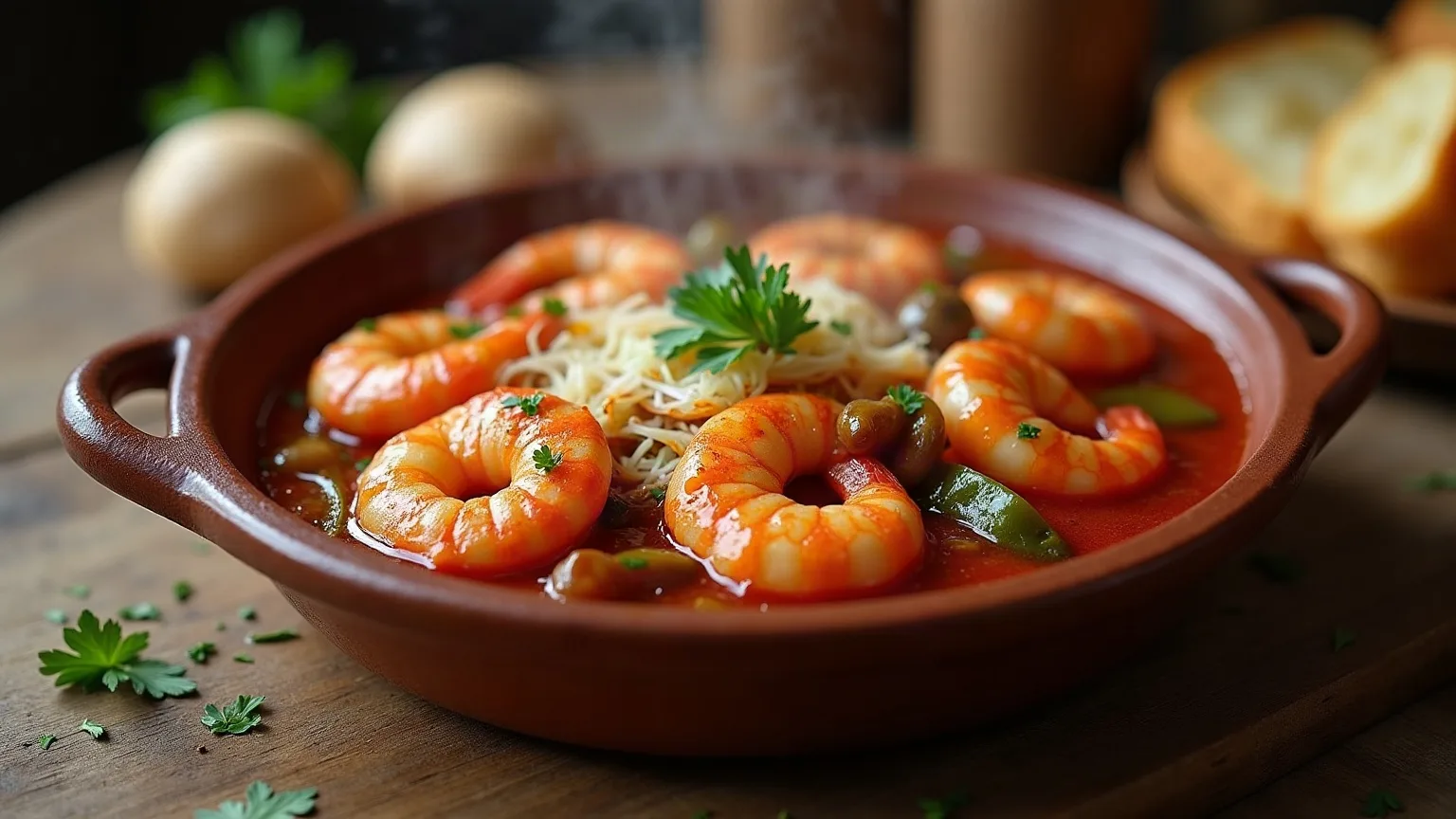
Prawn casserole
The prawns go in for the last four minutes. Cooked with the sauce from the start they turn to rubber, and there is no way back.
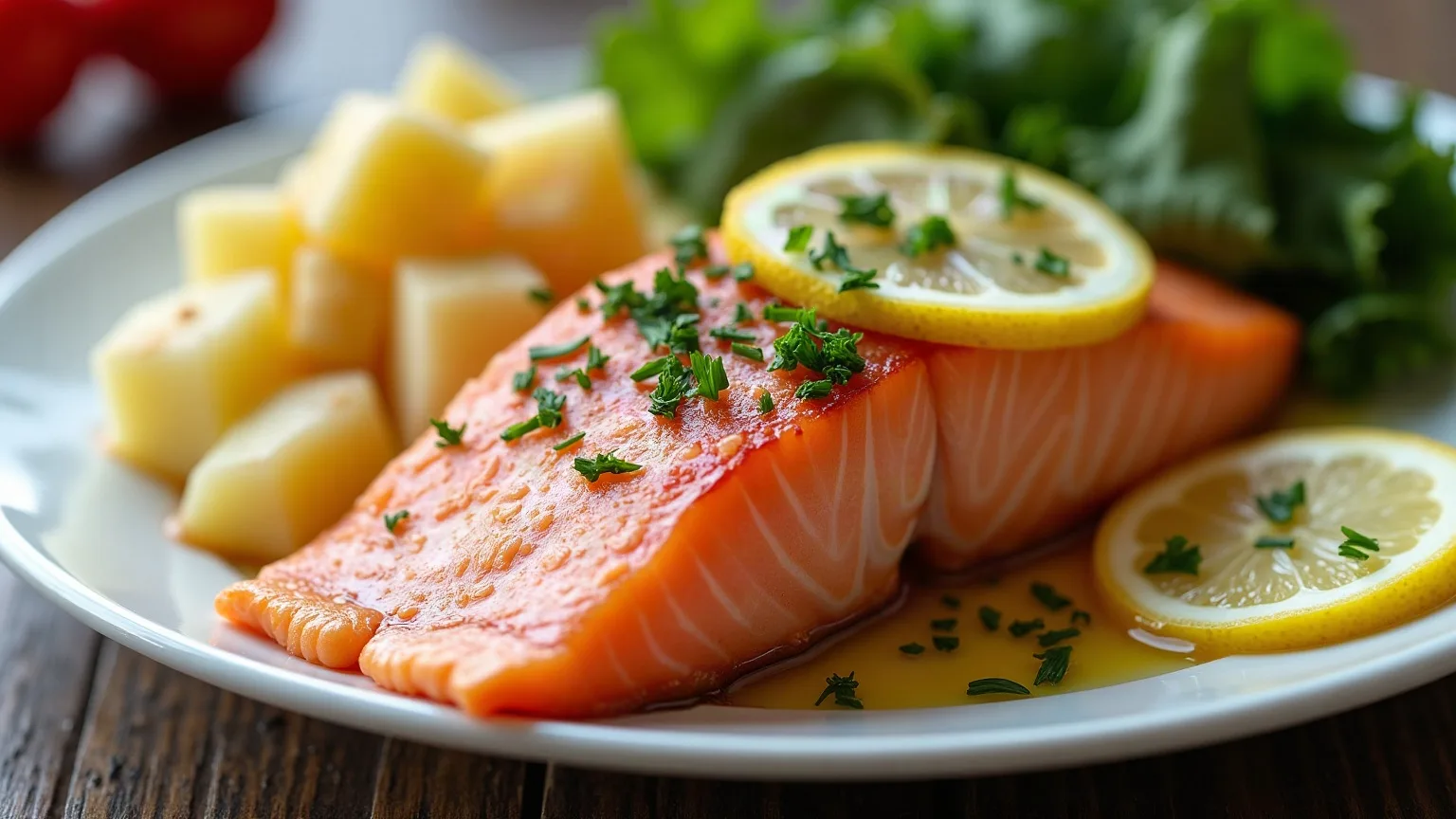
Baked salmon
The white stuff on baked salmon is a sign of too much heat rather than of freshness. Pulled at 52 °C it never appears.
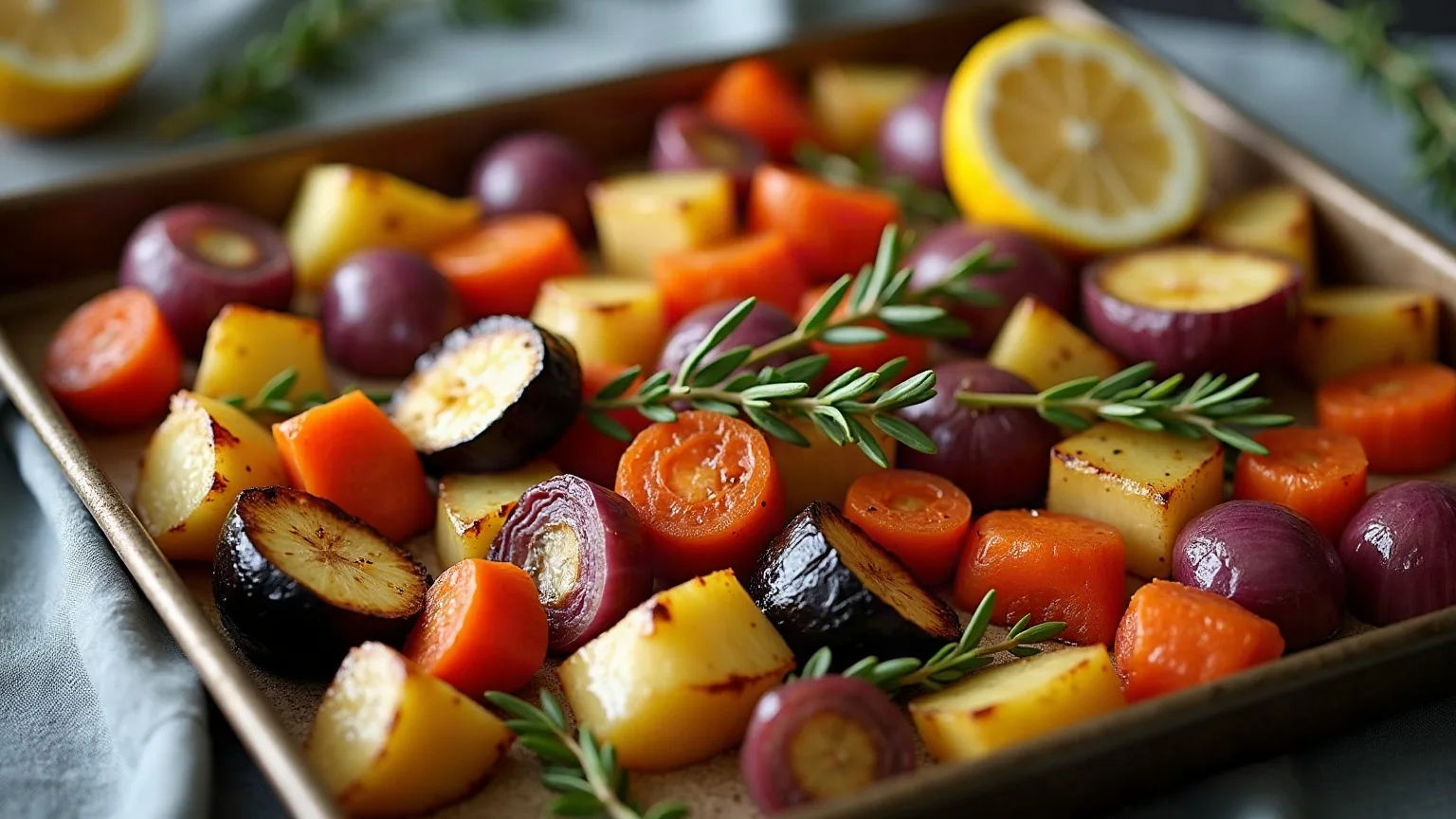
Tray-roasted vegetables
A vegetable that does not fit on the tray does not roast, it steams. Using two trays instead of one is the only trick in this recipe.
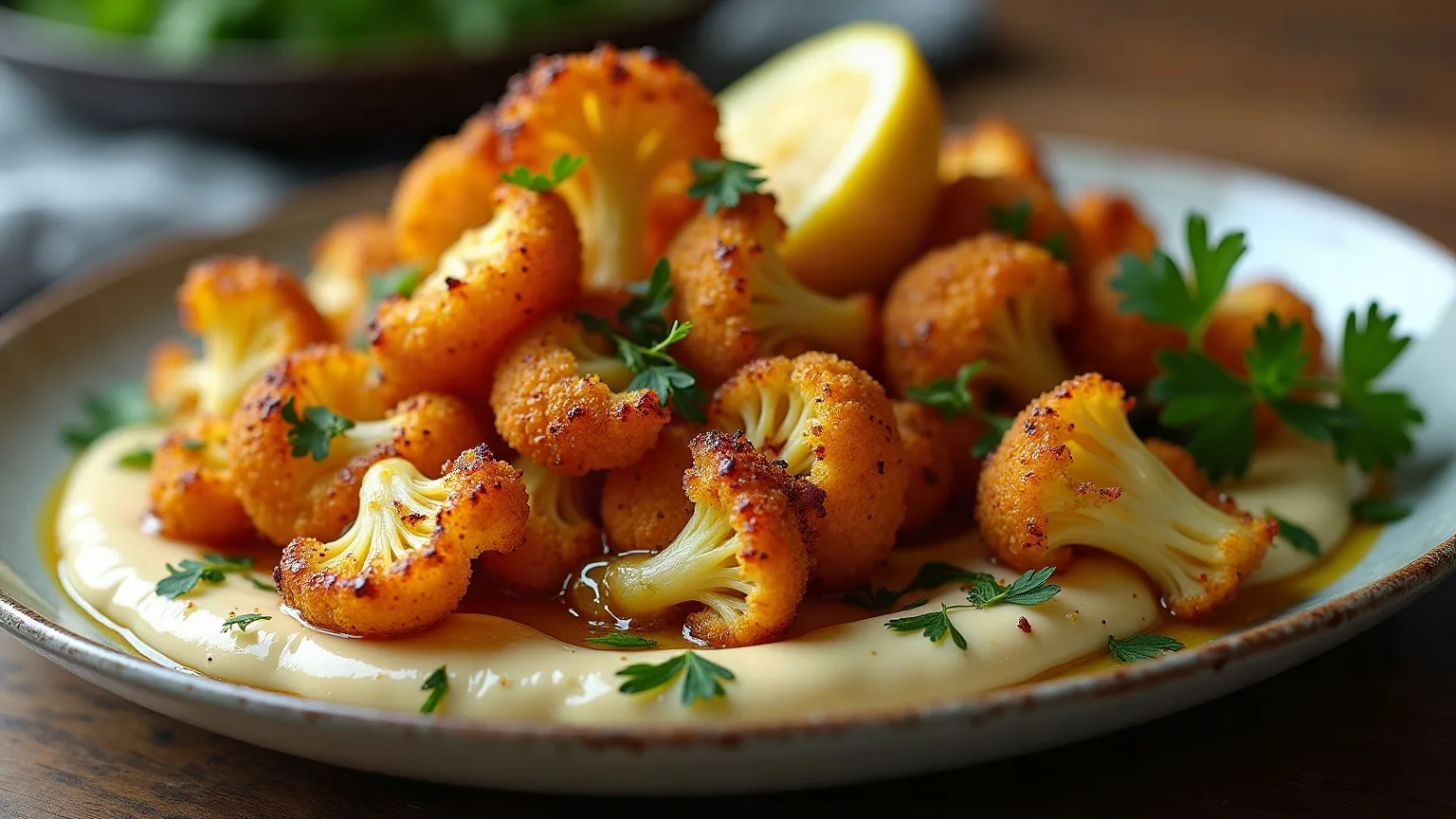
Roasted cauliflower
Boiled, cauliflower’s sulphur smell goes into the water; roasted, the same compounds turn into a toasted flavour.
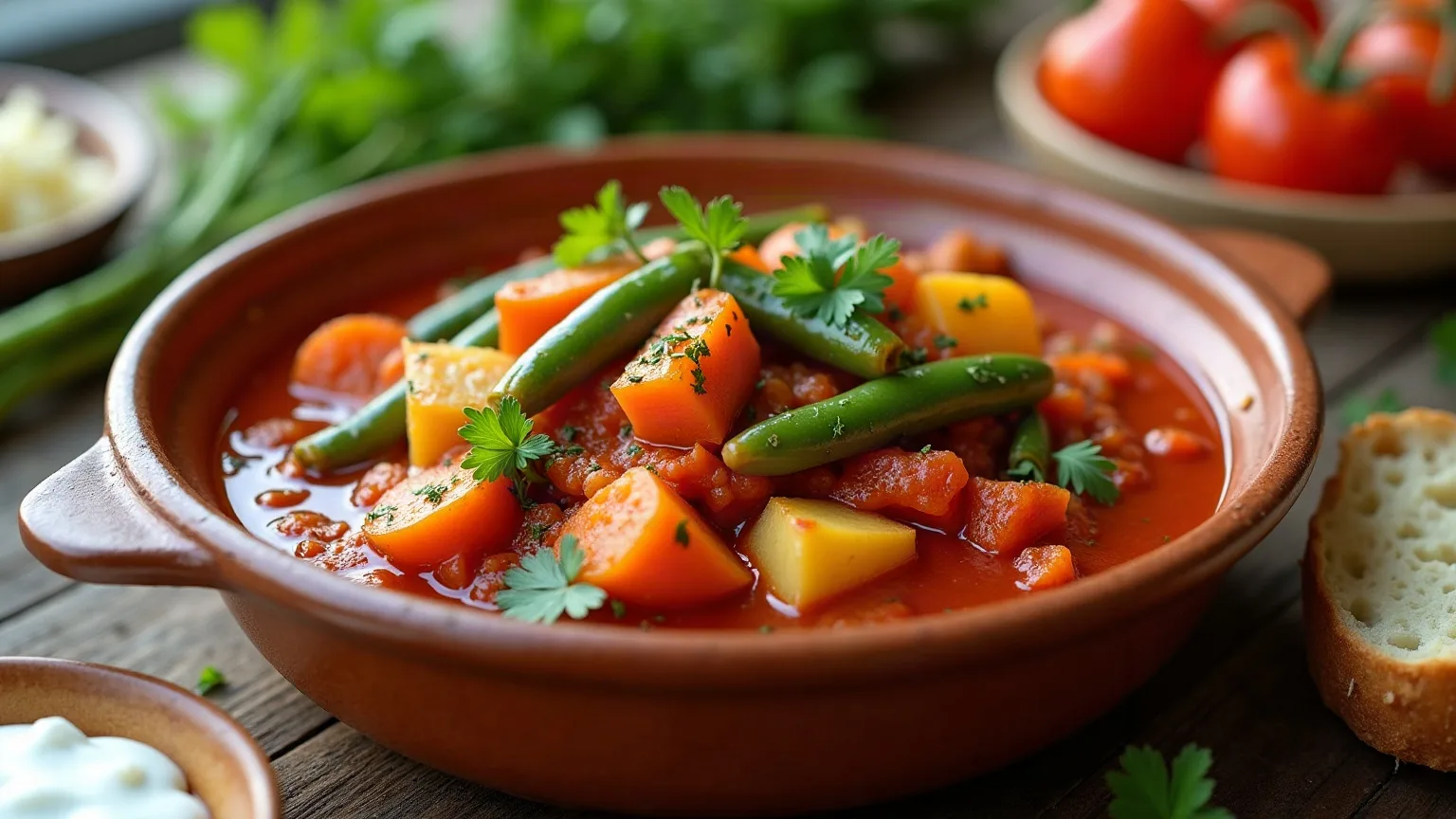
Türlü
The name means "all sorts" and the recipe means it: whatever is in the house goes in. The one rule is the order they cook in.
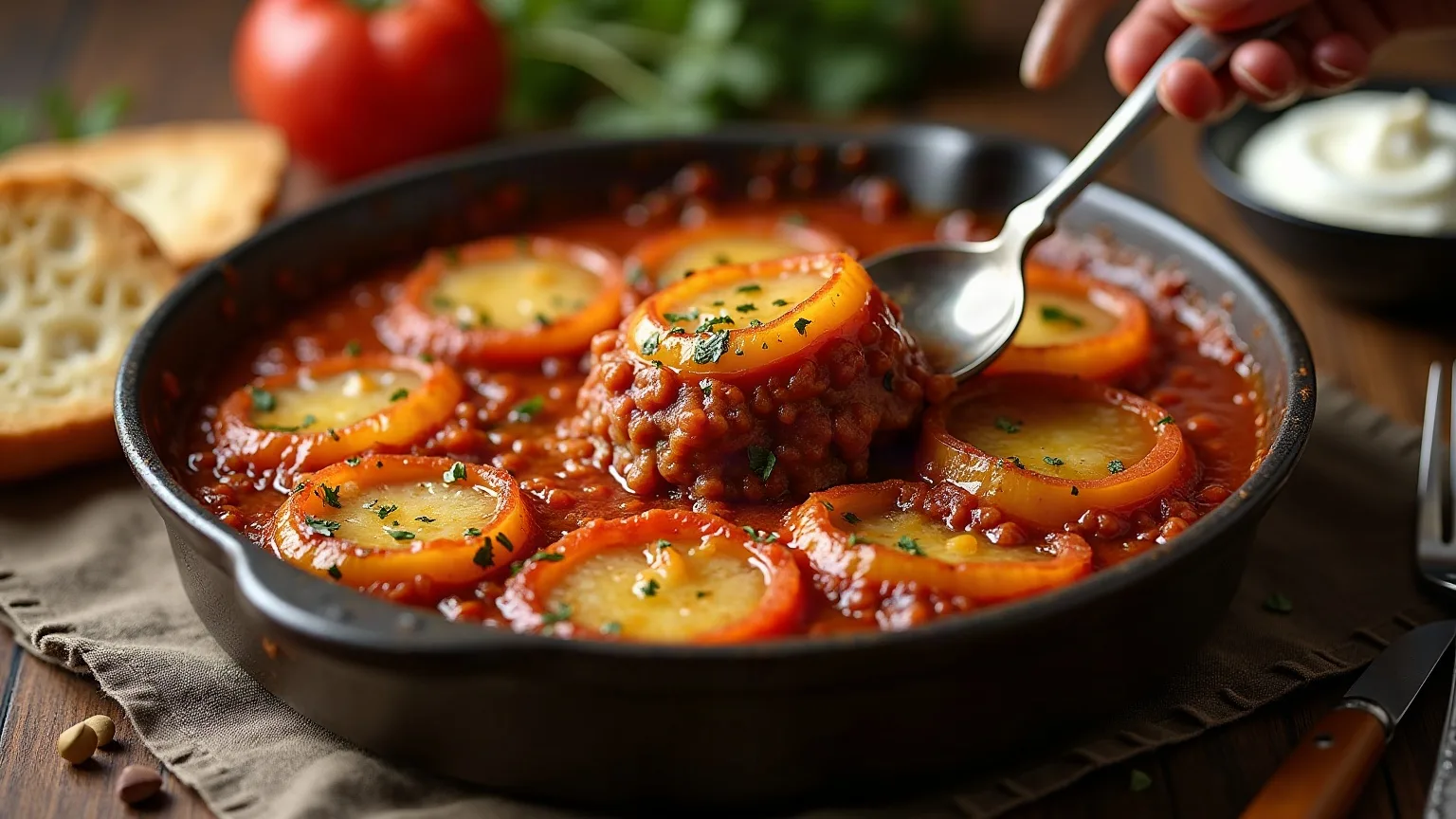
Potato and mince bake
Without a pre-cook the potato slices boil rather than brown over forty minutes in the oven.
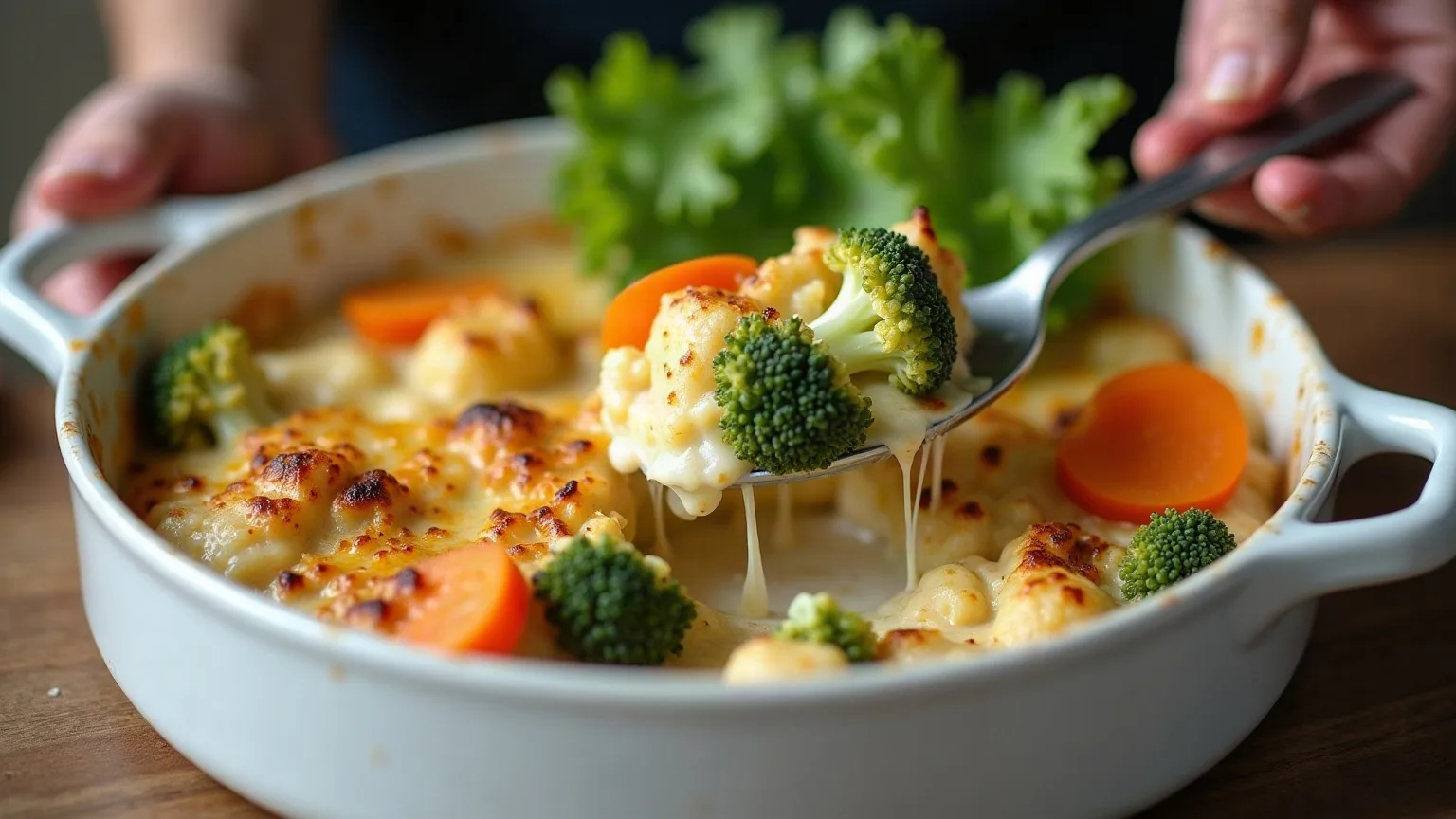
Vegetable gratin
A lump-free béchamel is not a knack but a question of temperature difference: hot milk into hot roux, or cold into cold.
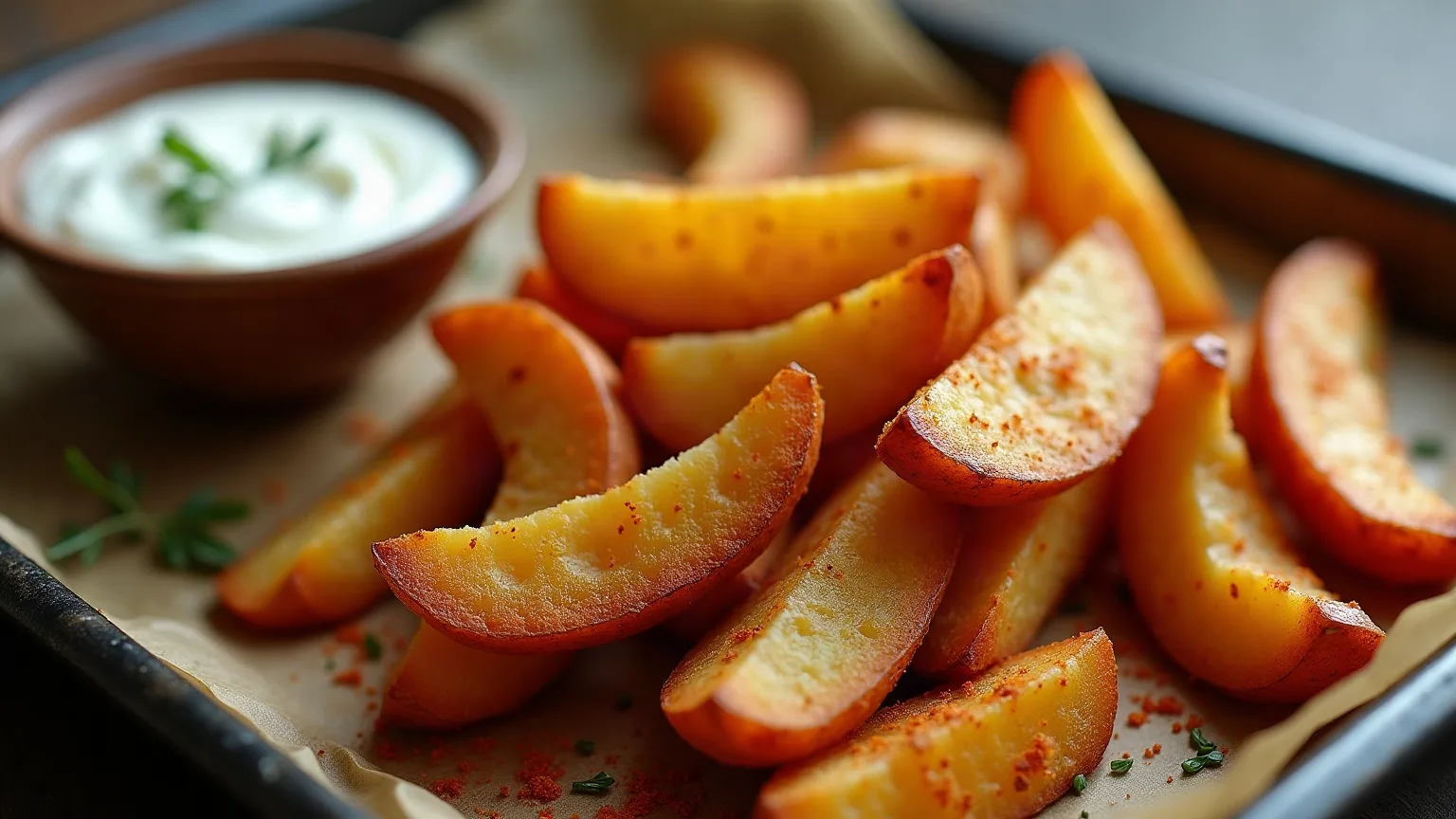
Oven potato wedges
The secret of a crisp wedge is not in the oven but before it: a boil and a shake. Without roughening the surface there is no crust.
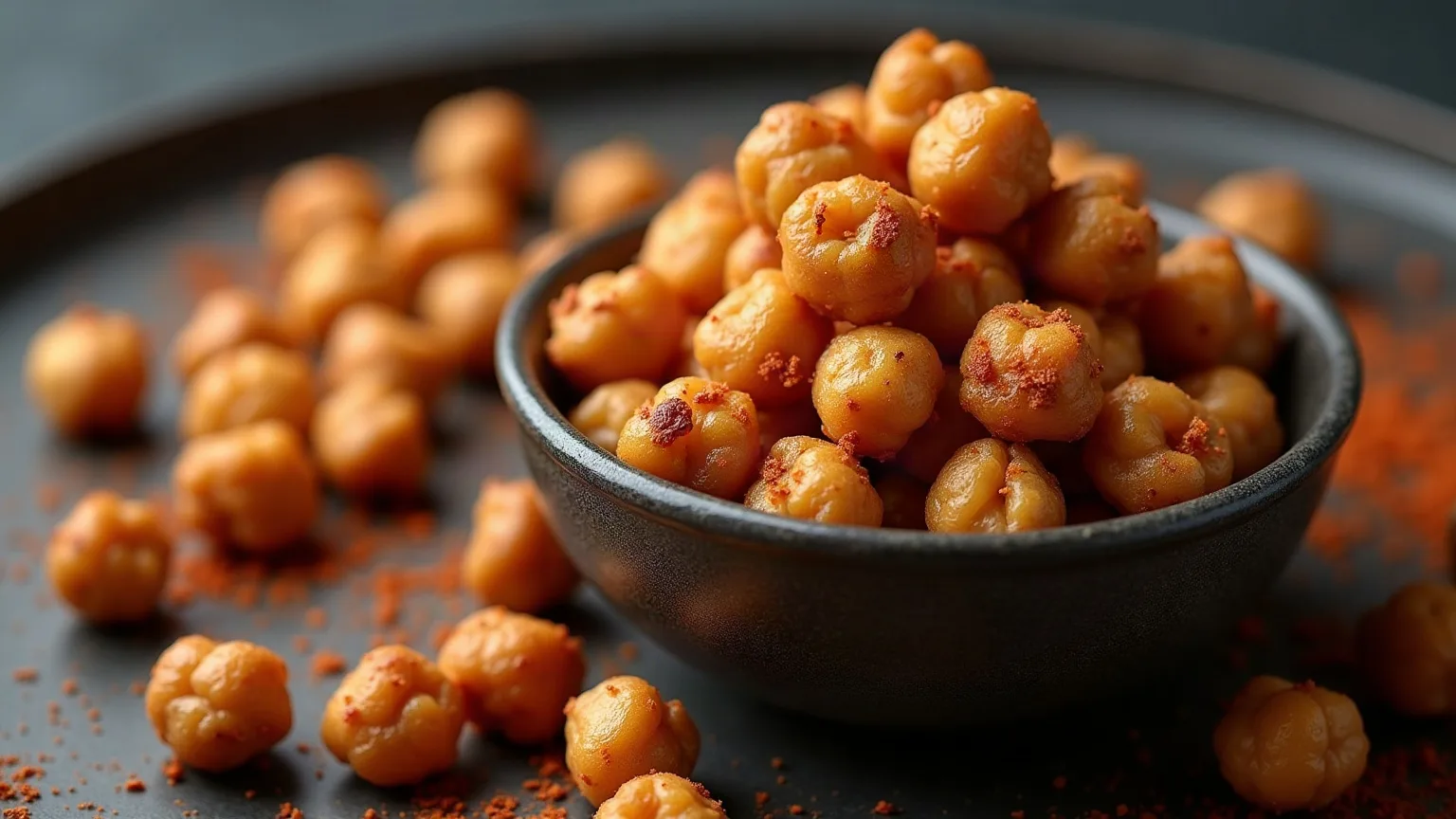
Roasted chickpeas
The crunch is drying, not browning: while there is free water on the surface the chickpea stays soft. The spices wait until the end, because at 200 °C they burn.