
Scaled to however many of you there are.
Change the headcount and the amounts follow. Salt and spice do not scale in a straight line, and we account for that.
A recipe is how you make a thing: the amounts, the order, the timing and where it goes wrong. The dish pages explain what that thing is — where it comes from, the mechanism behind it, and why skipping one step makes it something else. One stays open in the kitchen; the other is read when you wonder.
10 of 116 recipes. Clear the filter
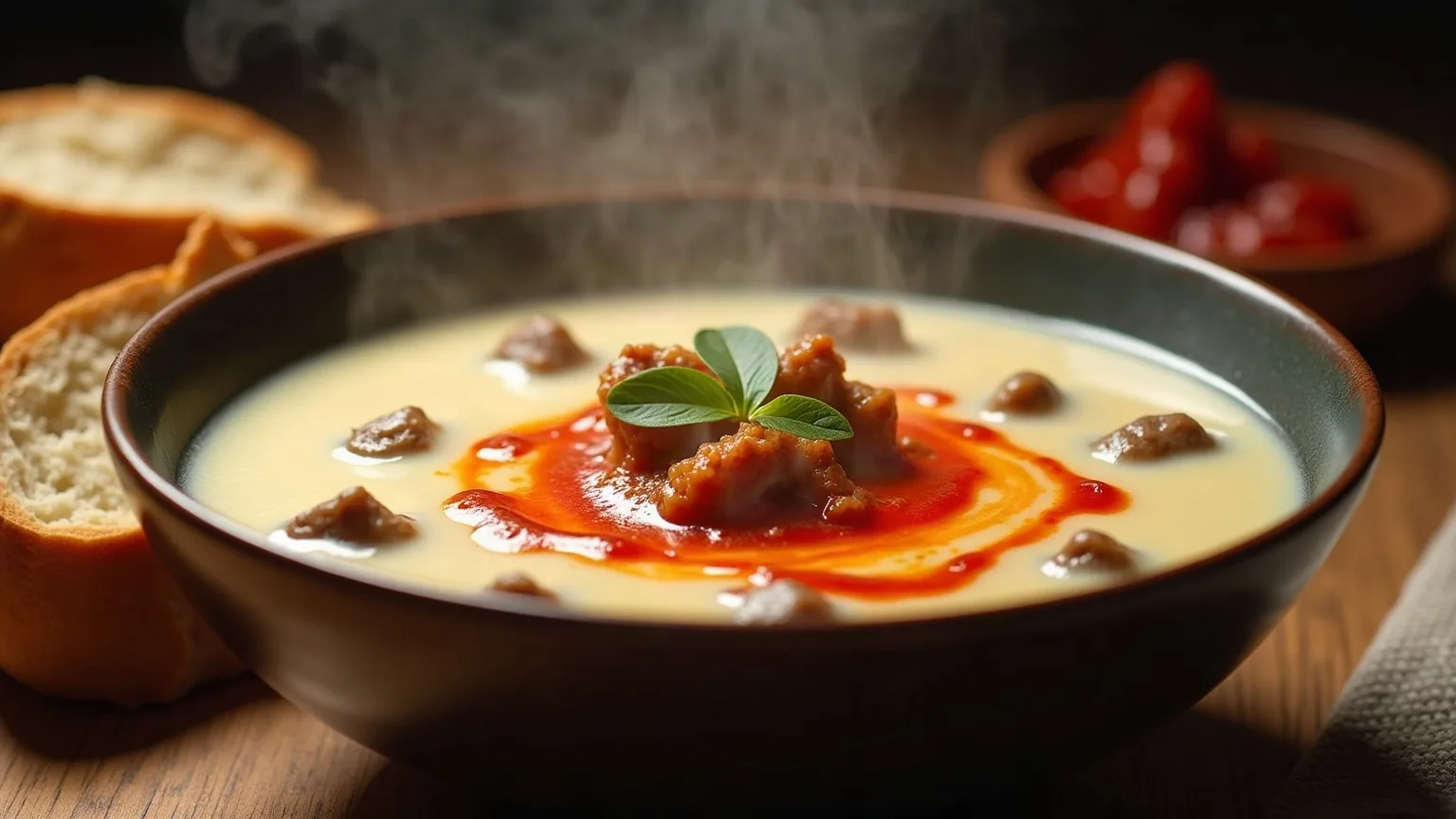
Wedding soup
Lamb broth, a liaison, and red pepper butter over the top: yayla soup’s richer cousin, built on stock instead of water.
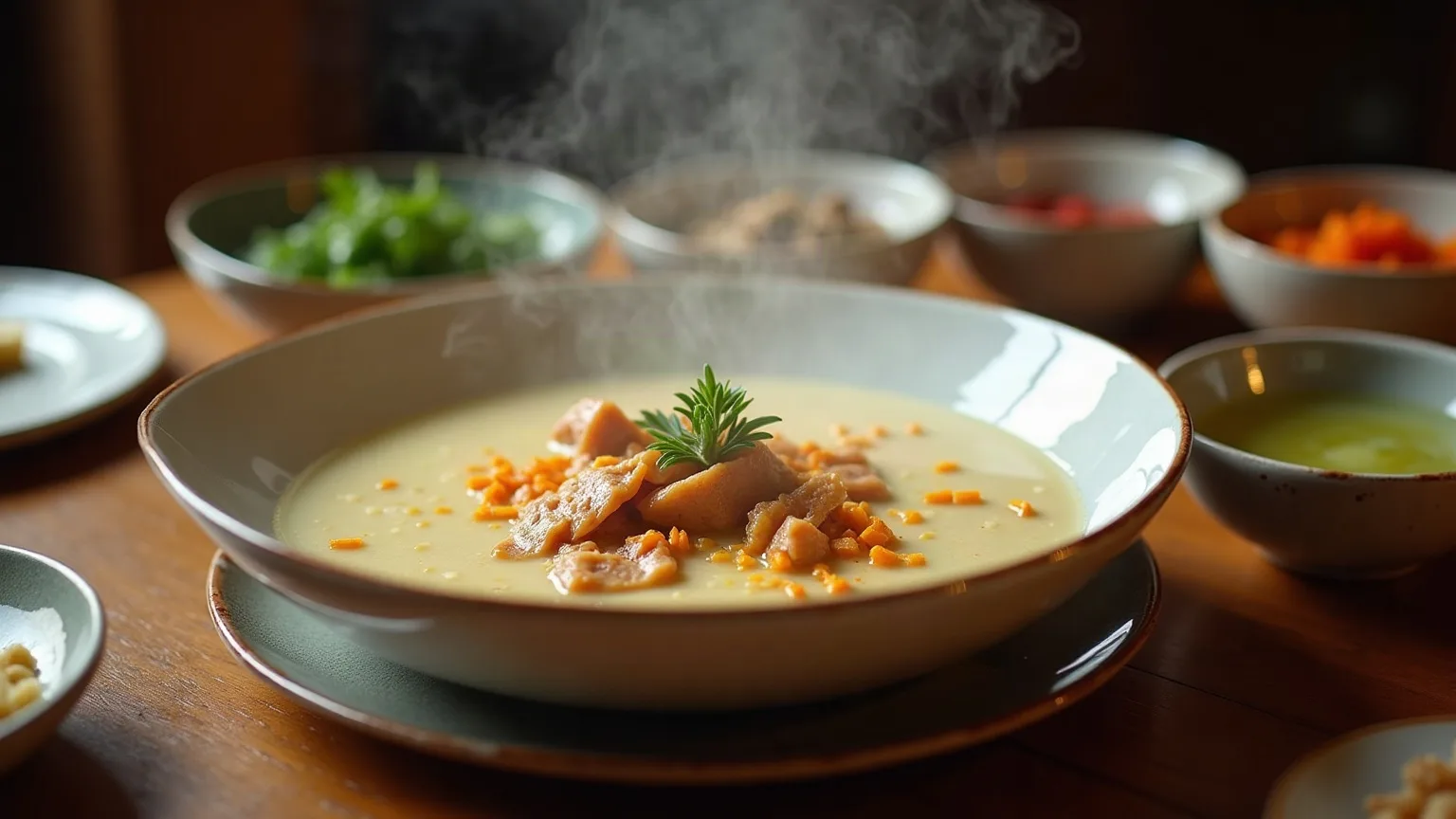
Tripe soup
Three hours of simmering and a liaison. What decides the smell is not the recipe but how well the tripe was cleaned.
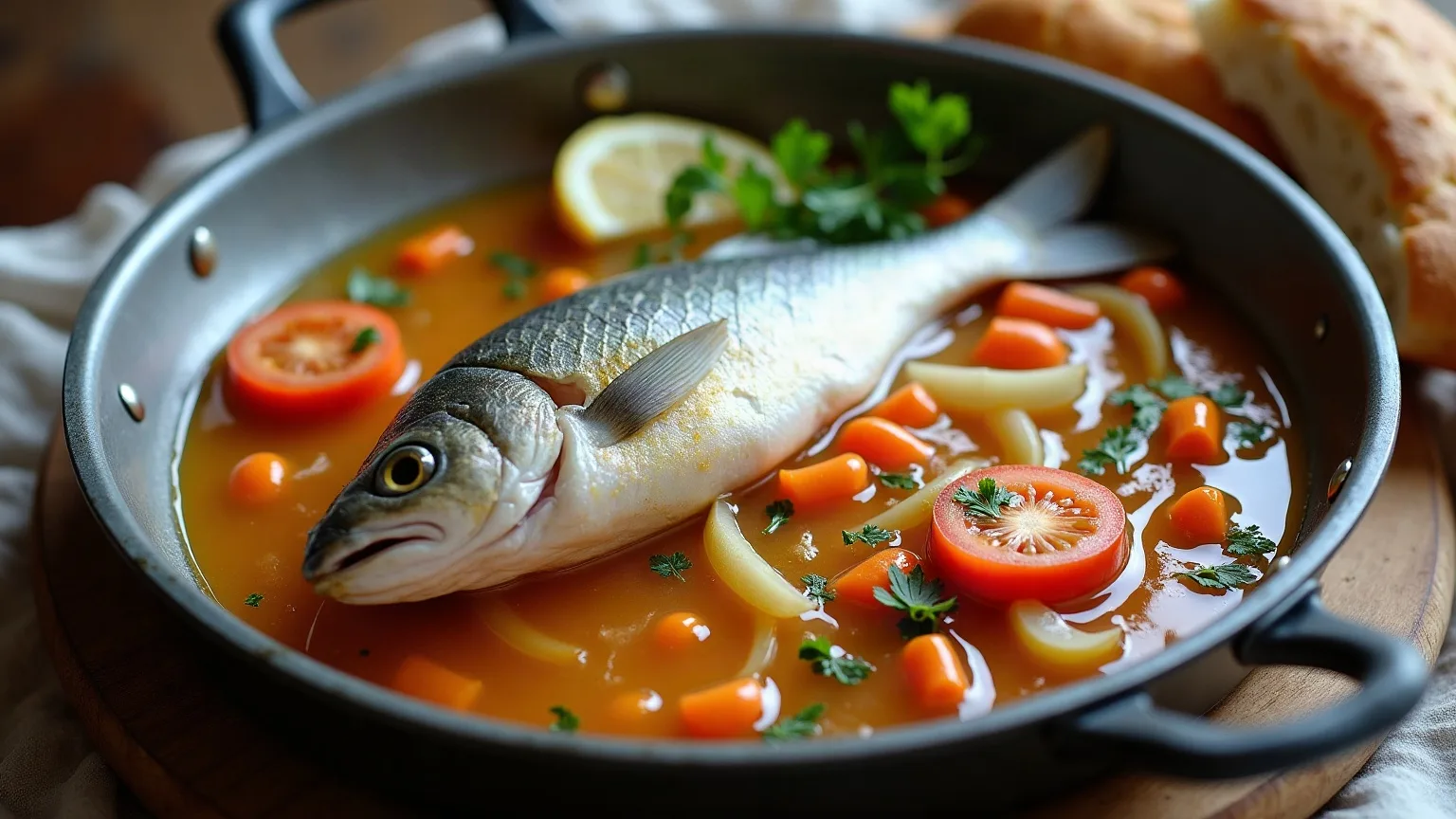
Steamed fish
In a buğulama the fish never touches water: it cooks in the steam the vegetables give off and never sees 100 °C.
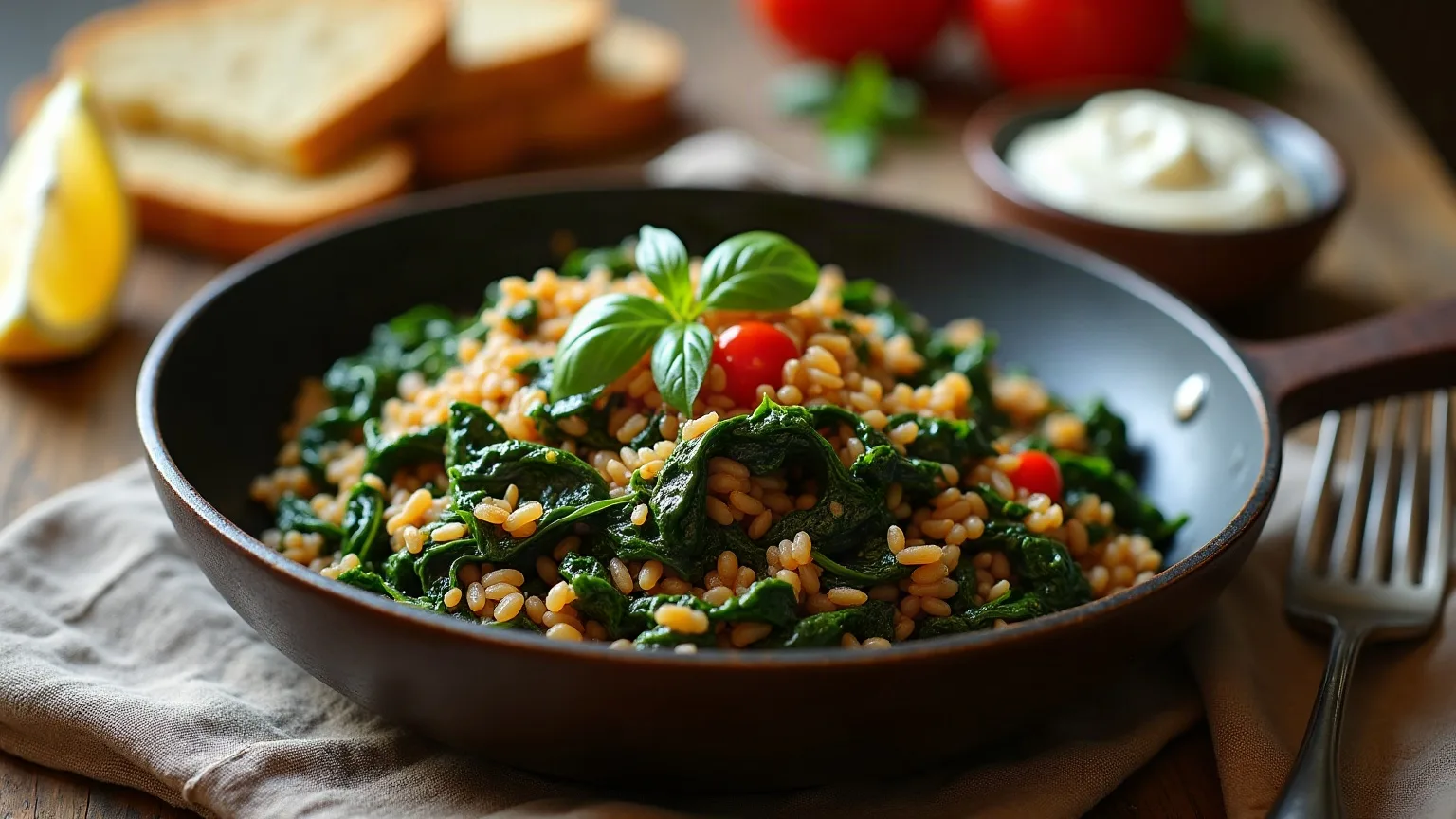
Spinach with rice
A kilo of spinach cooks down to a handful, which is why the size of the pan is part of the recipe.
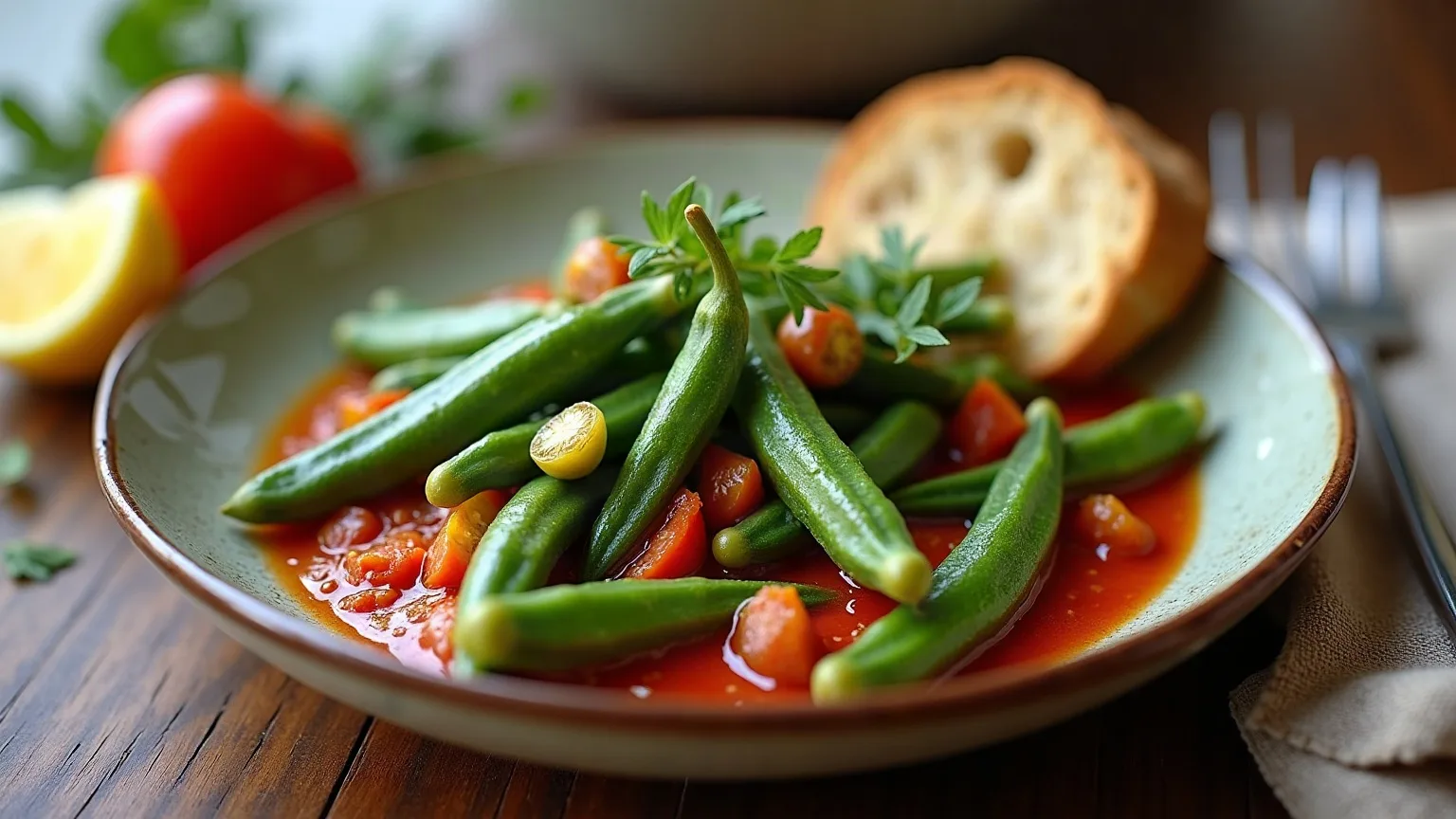
Okra in olive oil
Okra goes slimy for one reason: it was cut. Cooked without breaching the pod, it does not go slimy at all.
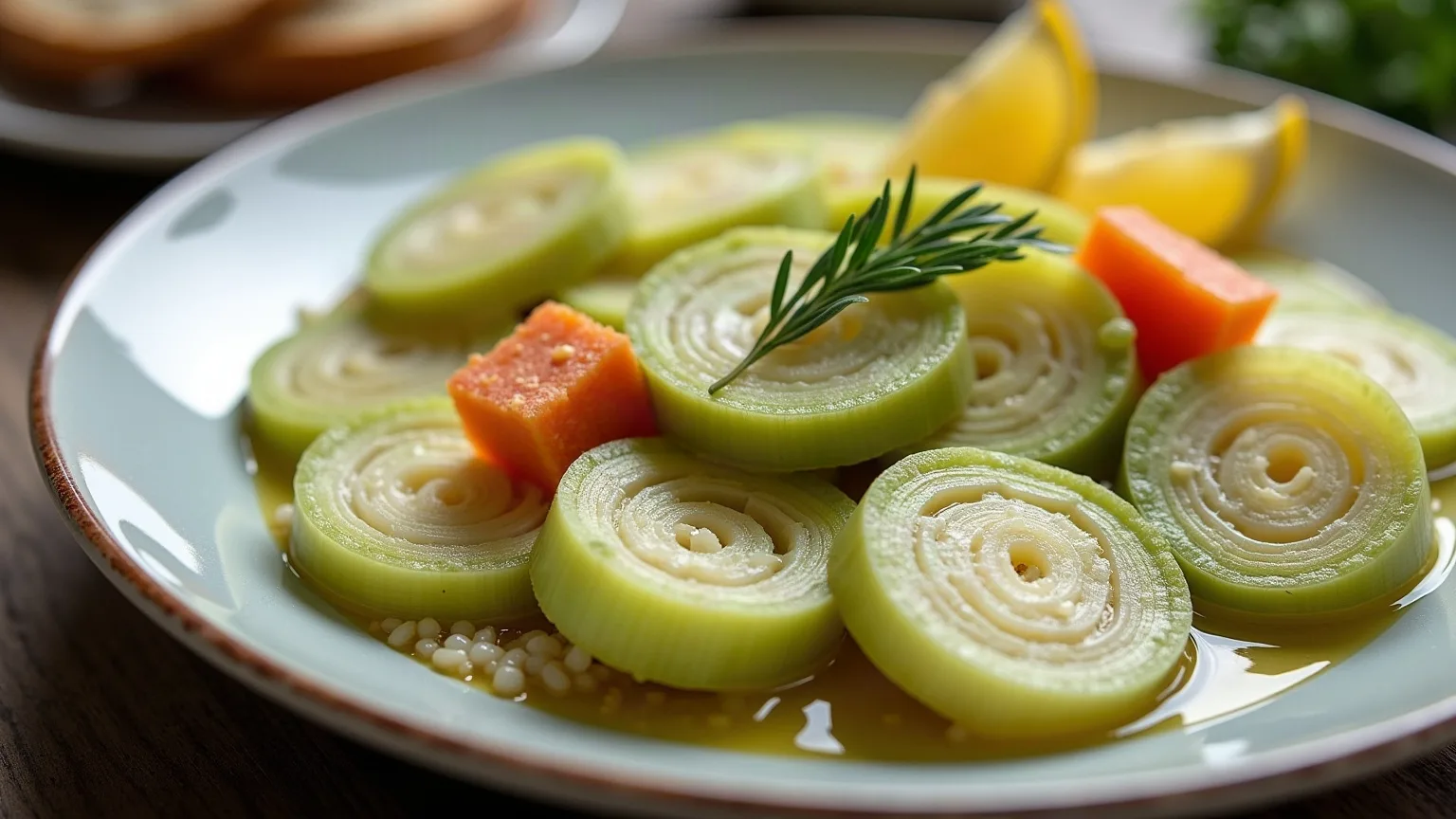
Leeks in olive oil
Leek grit hides between the layers and rinsing does not reach it: it has to be cut first and soaked after.
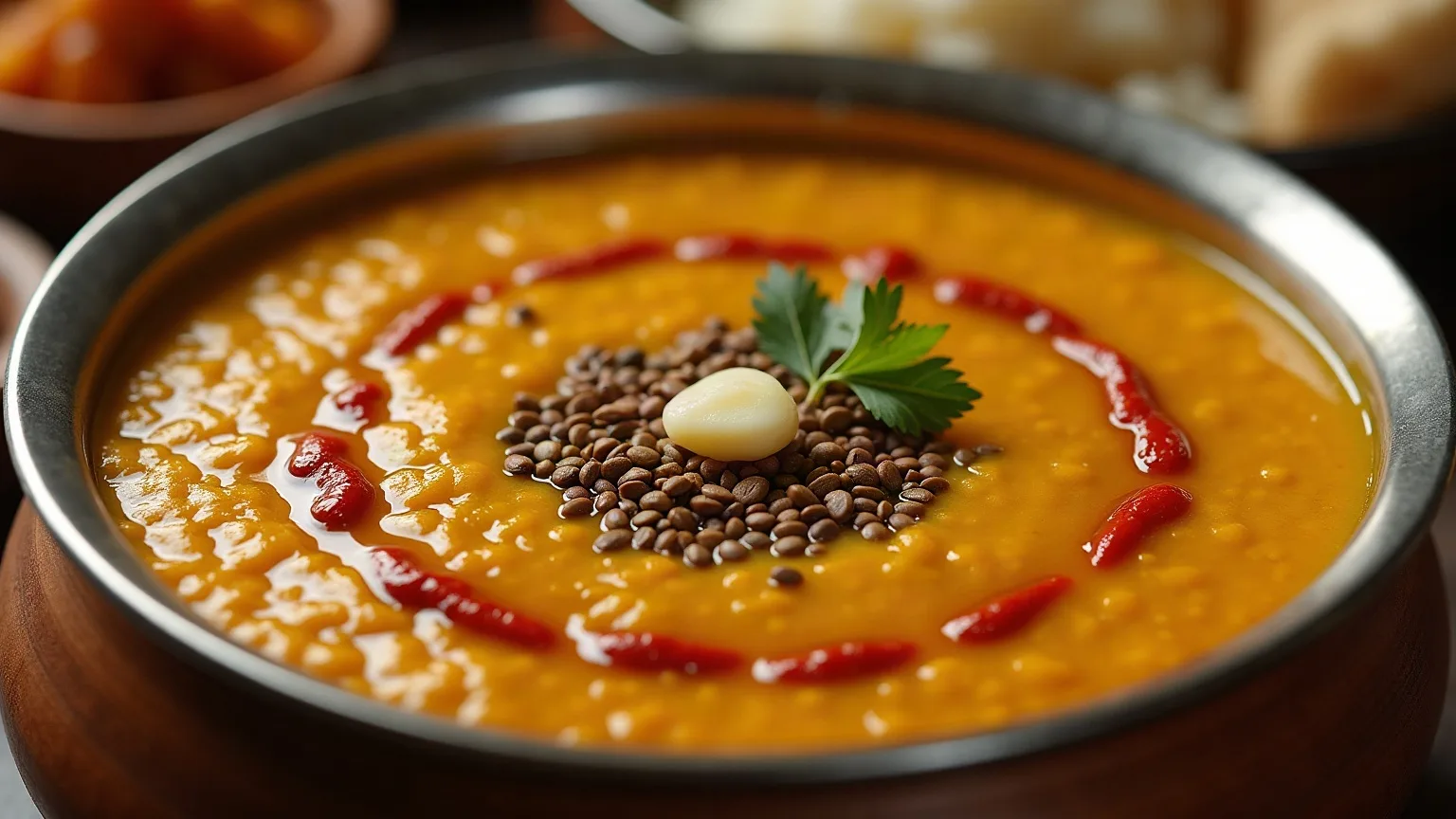
Red lentil dal
Twenty minutes of boiling lentils tastes of very little; almost all of the flavour is made in the last forty-five seconds, in hot fat.
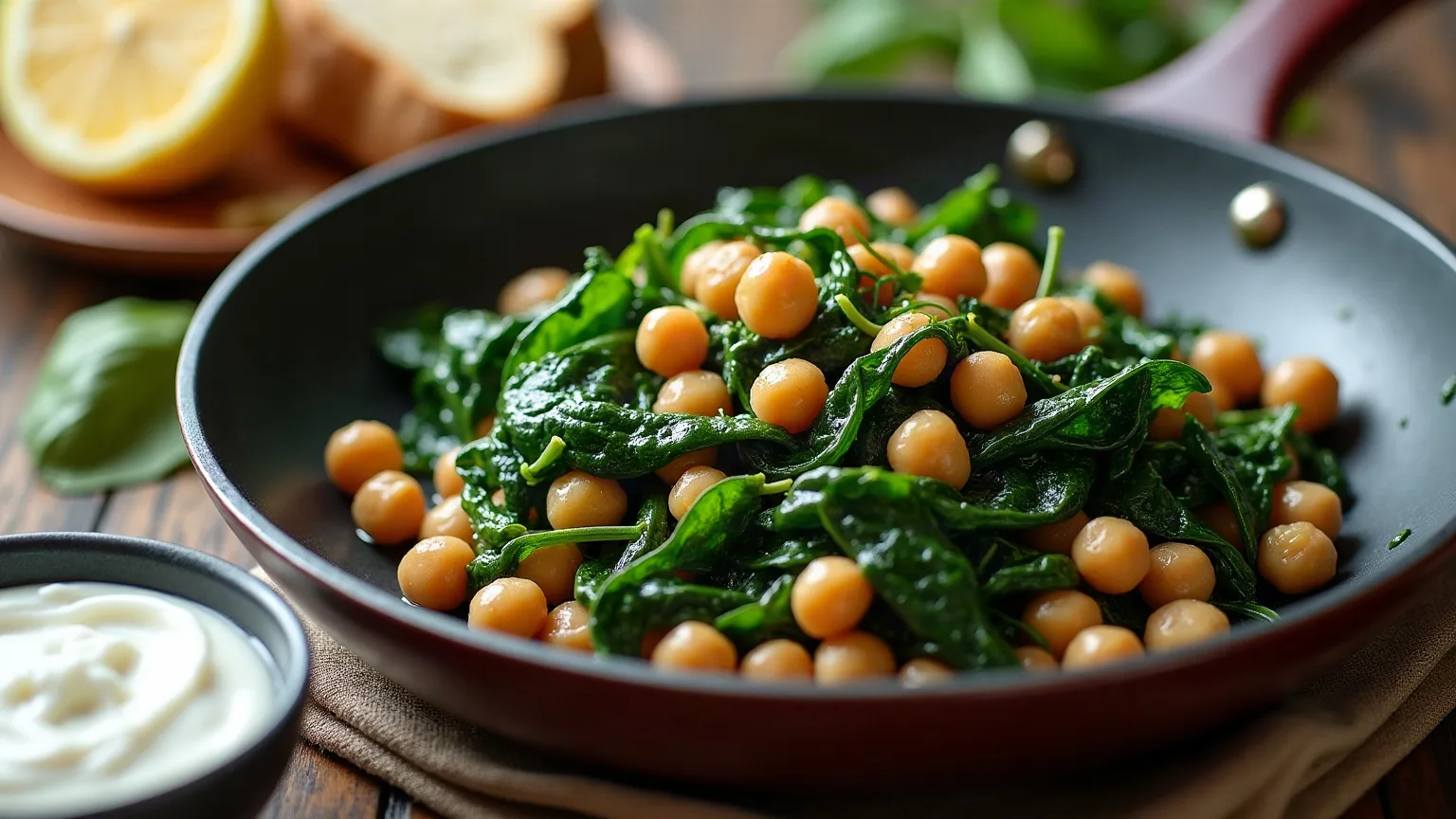
Spinach with chickpeas
Under a lid, spinach turns olive-drab in its own acid. With the lid off, the colour and the taste both stay where they were.
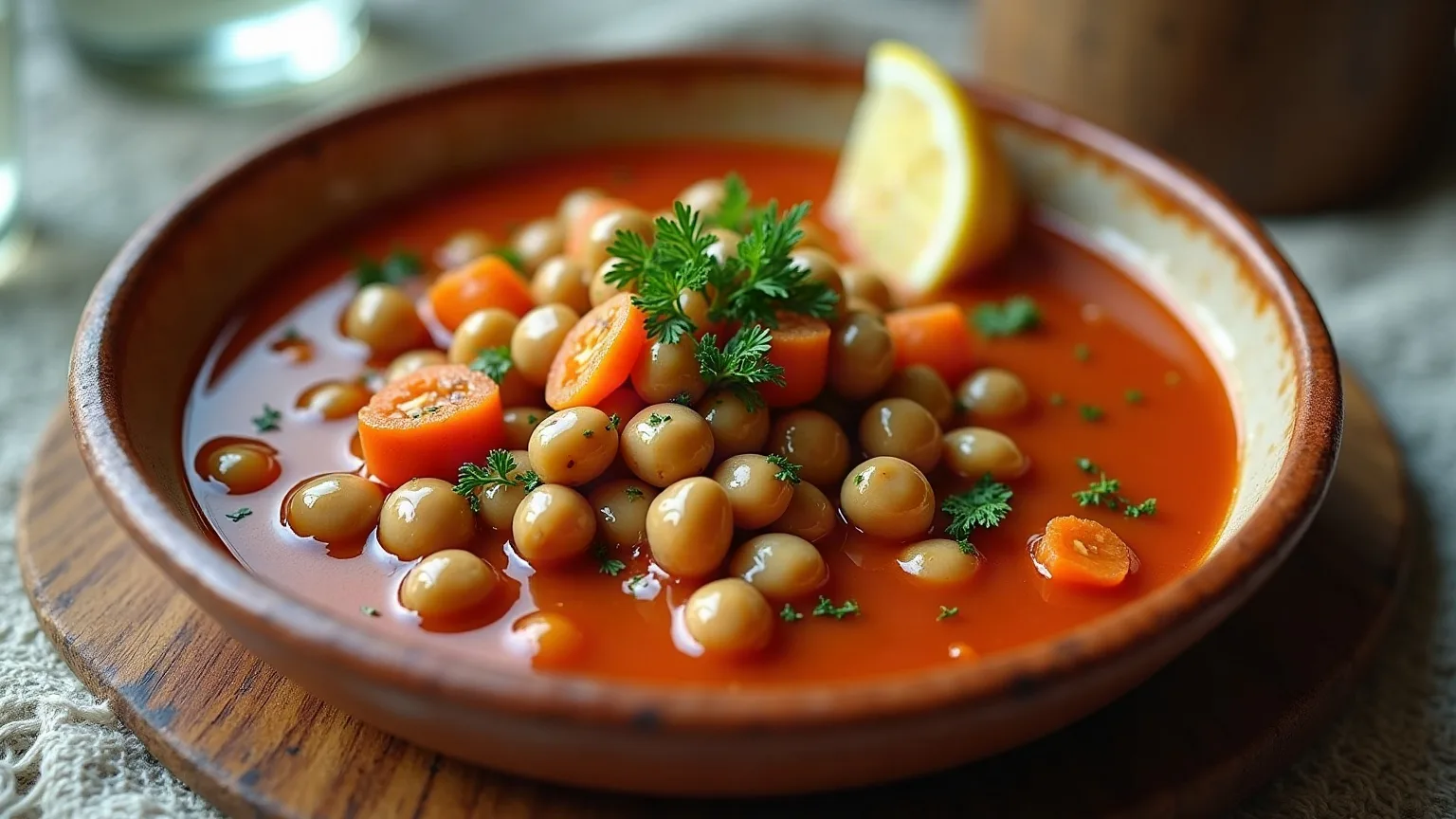
Black-eyed pea stew
The one common dried pulse that needs no soaking: its coat is thin and permeable, so it goes from dry seed to tender in twenty-five minutes.
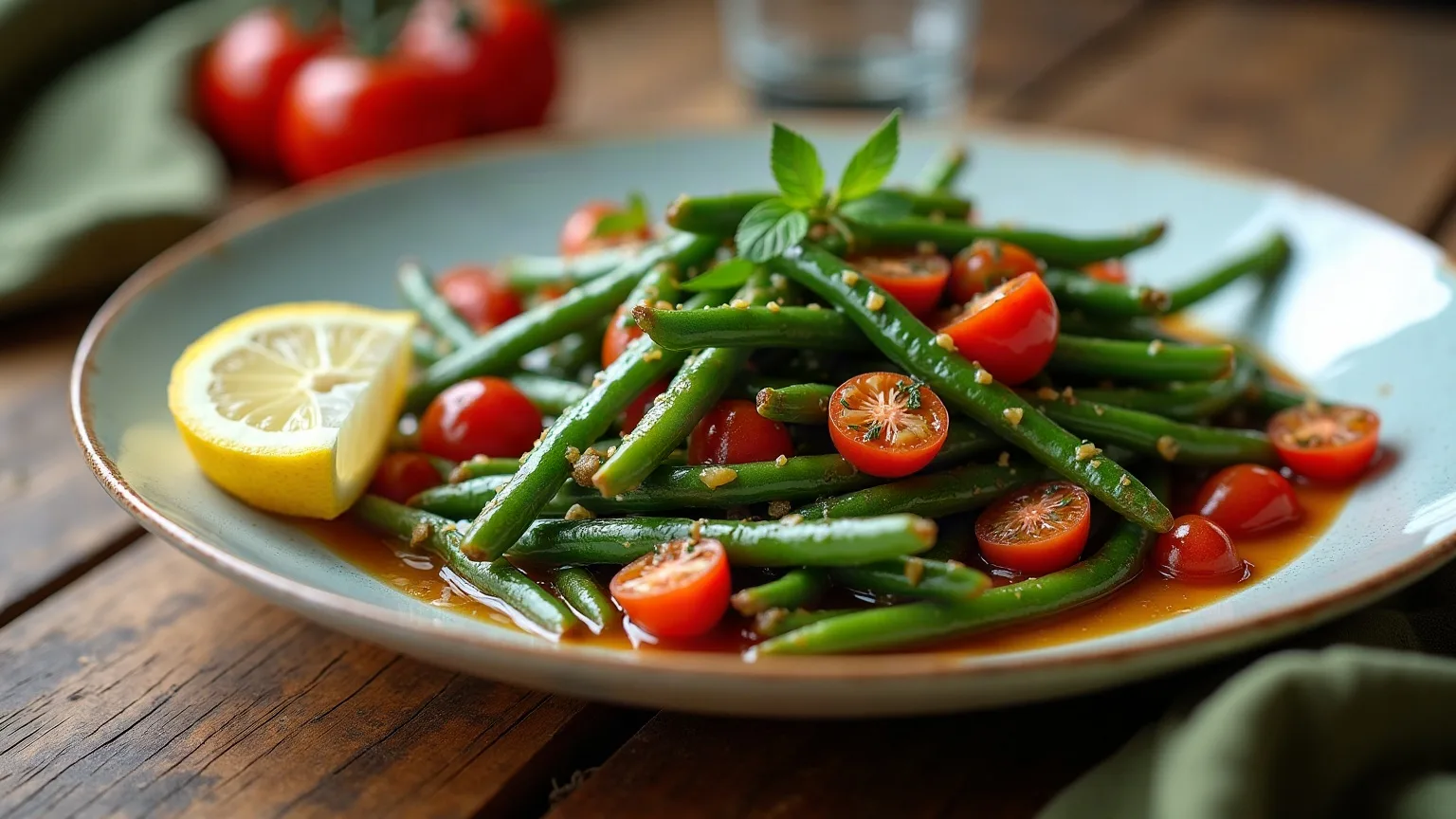
Green beans in olive oil
A classic that cooks in the vegetable’s own water, with none added. The secret is patience and a low flame: the beans sweat, they never boil.