
Scaled to however many of you there are.
Change the headcount and the amounts follow. Salt and spice do not scale in a straight line, and we account for that.
A recipe is how you make a thing: the amounts, the order, the timing and where it goes wrong. The dish pages explain what that thing is — where it comes from, the mechanism behind it, and why skipping one step makes it something else. One stays open in the kitchen; the other is read when you wonder.
11 of 116 recipes. Clear the filter
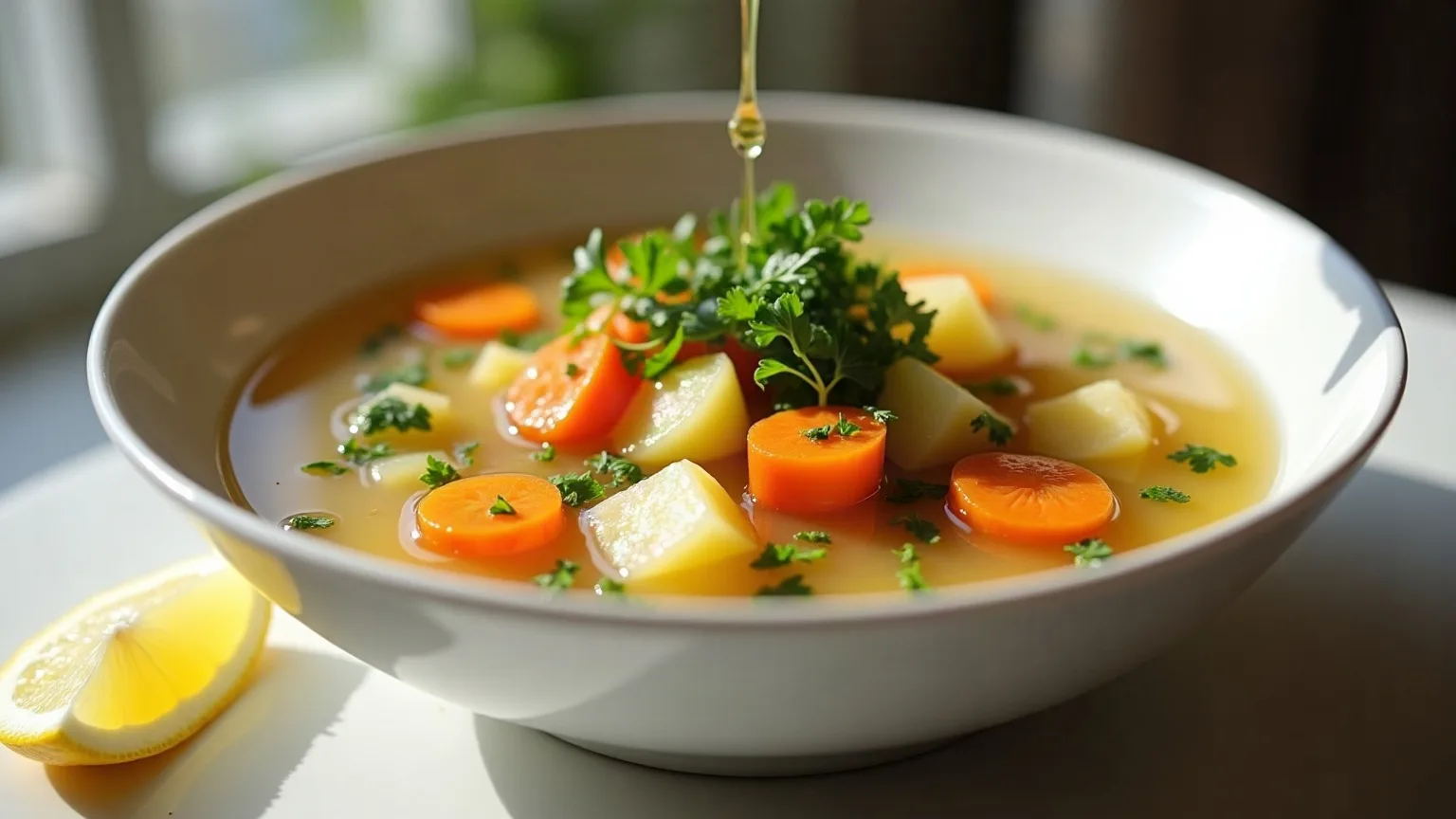
Vegetable soup
Throwing everything in at once is easy and wrong. These vegetables differ twofold in cooking time, and knowing the order is the only skill involved.
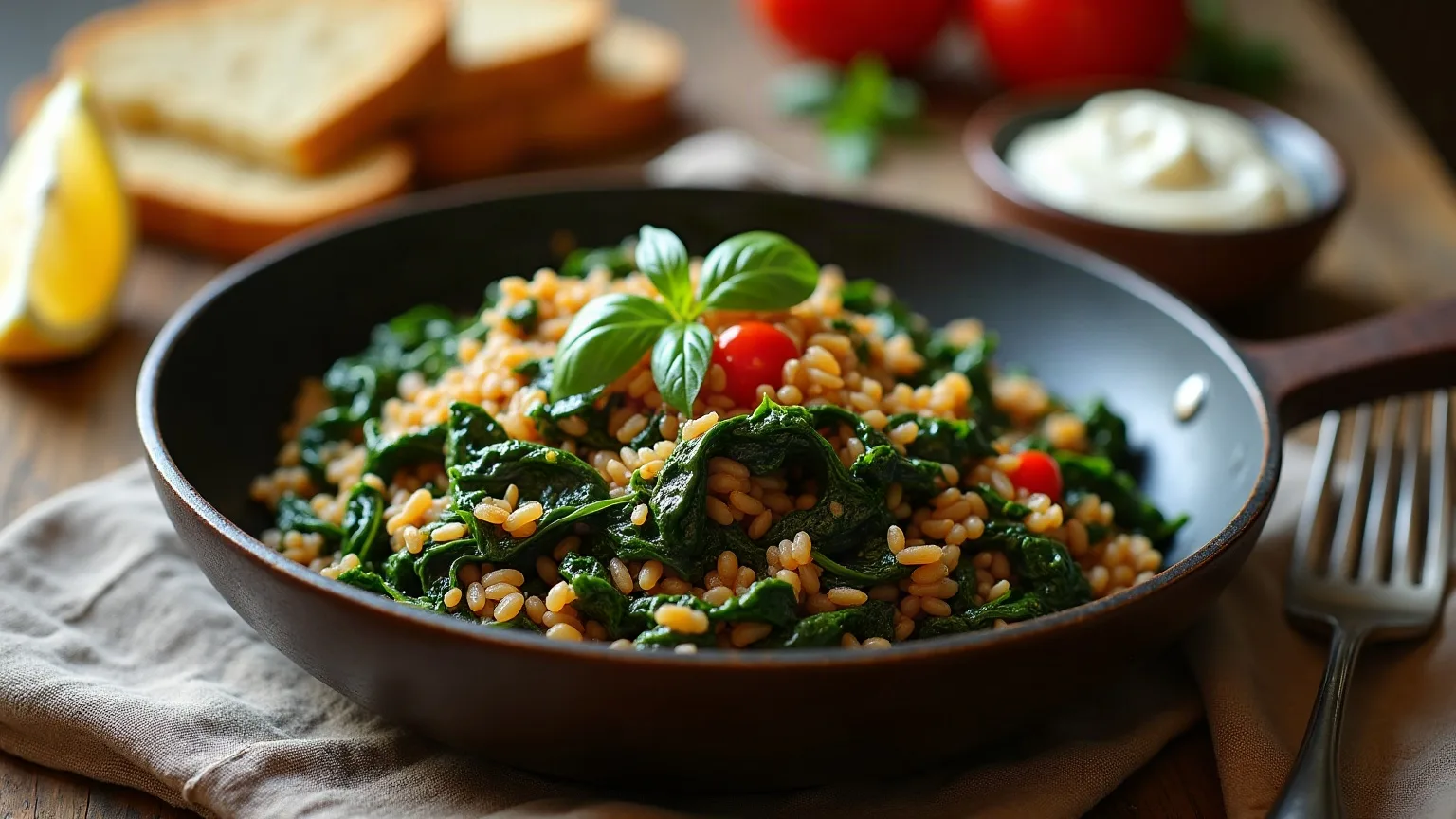
Spinach with rice
A kilo of spinach cooks down to a handful, which is why the size of the pan is part of the recipe.
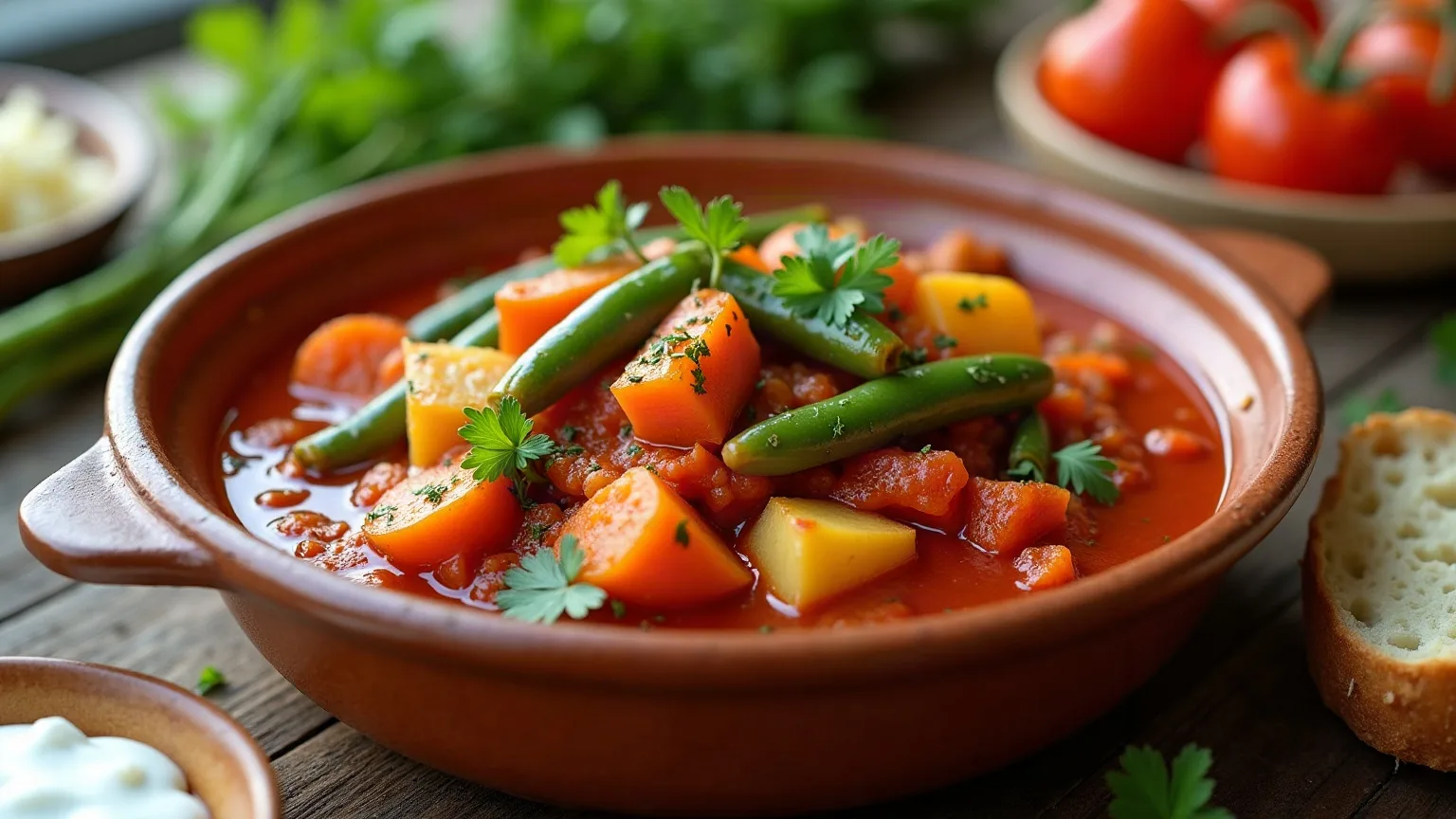
Türlü
The name means "all sorts" and the recipe means it: whatever is in the house goes in. The one rule is the order they cook in.
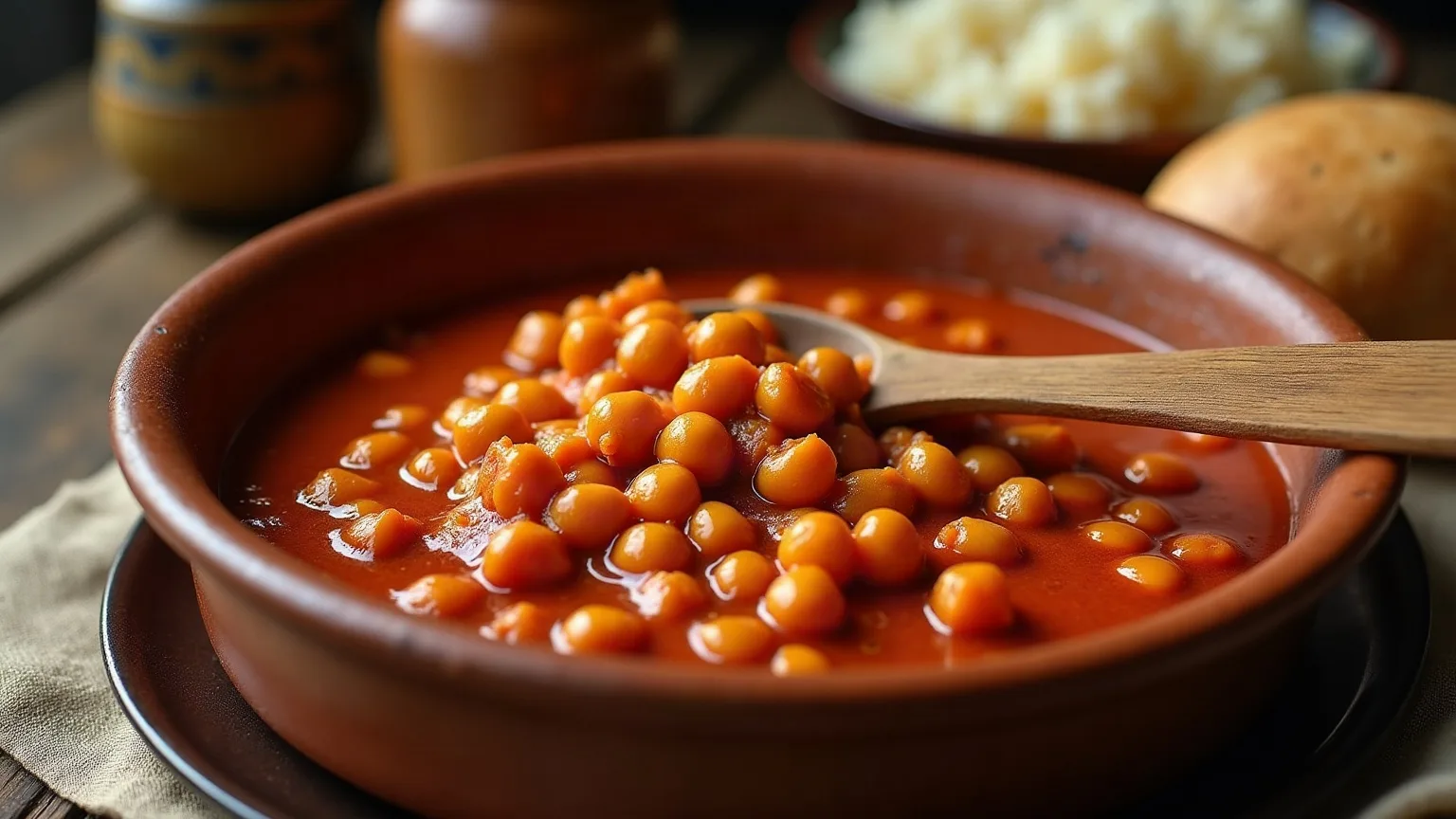
Chickpea stew
Dried chickpeas, tomato paste and olive oil — and a pinch of bicarbonate that halves the cooking time.
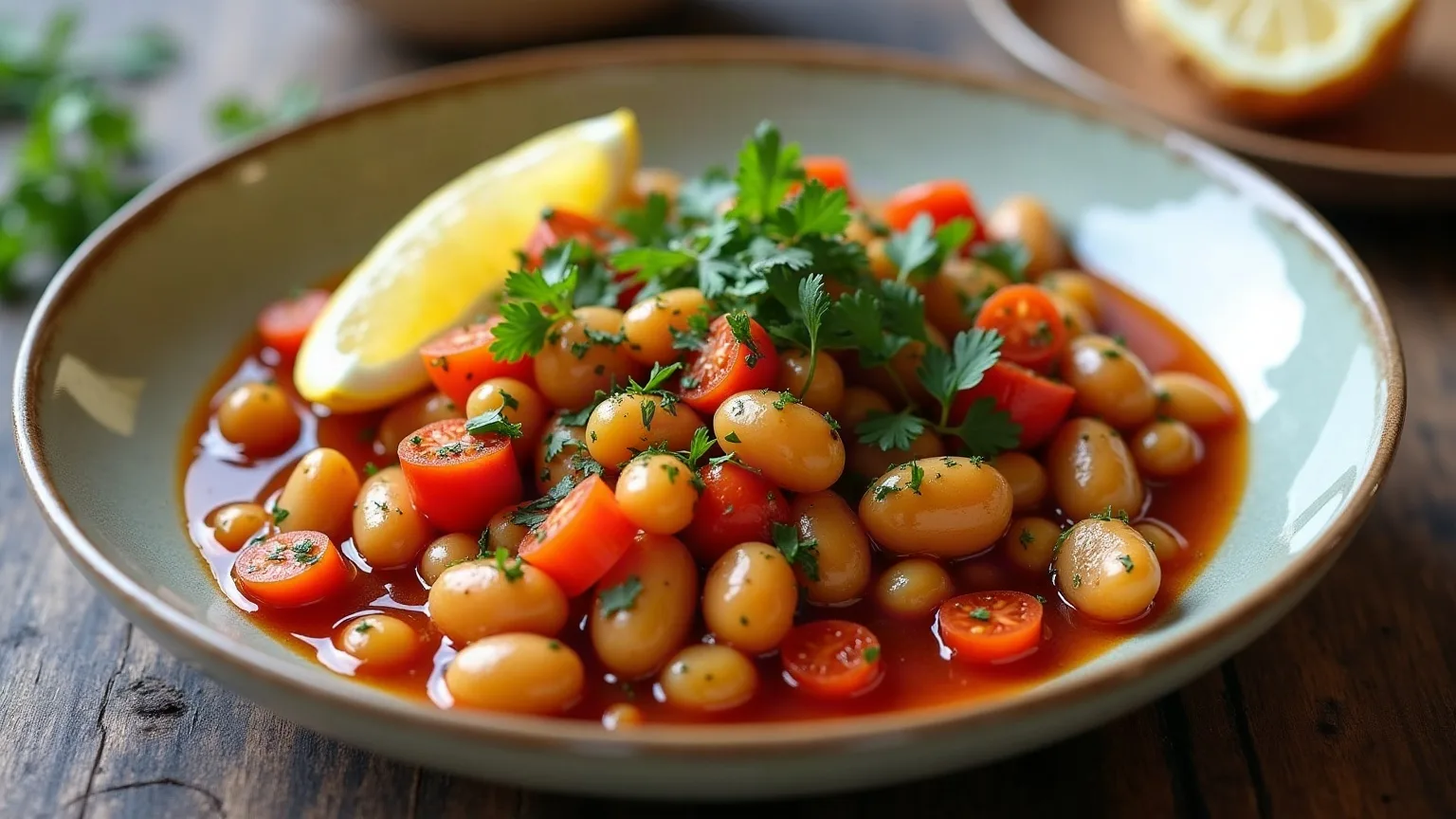
Borlotti bean pilaki
A pilaki is eaten cold, and that is why there is sugar in it: perception of sweetness drops as food cools, so what tastes right hot tastes flat cold.
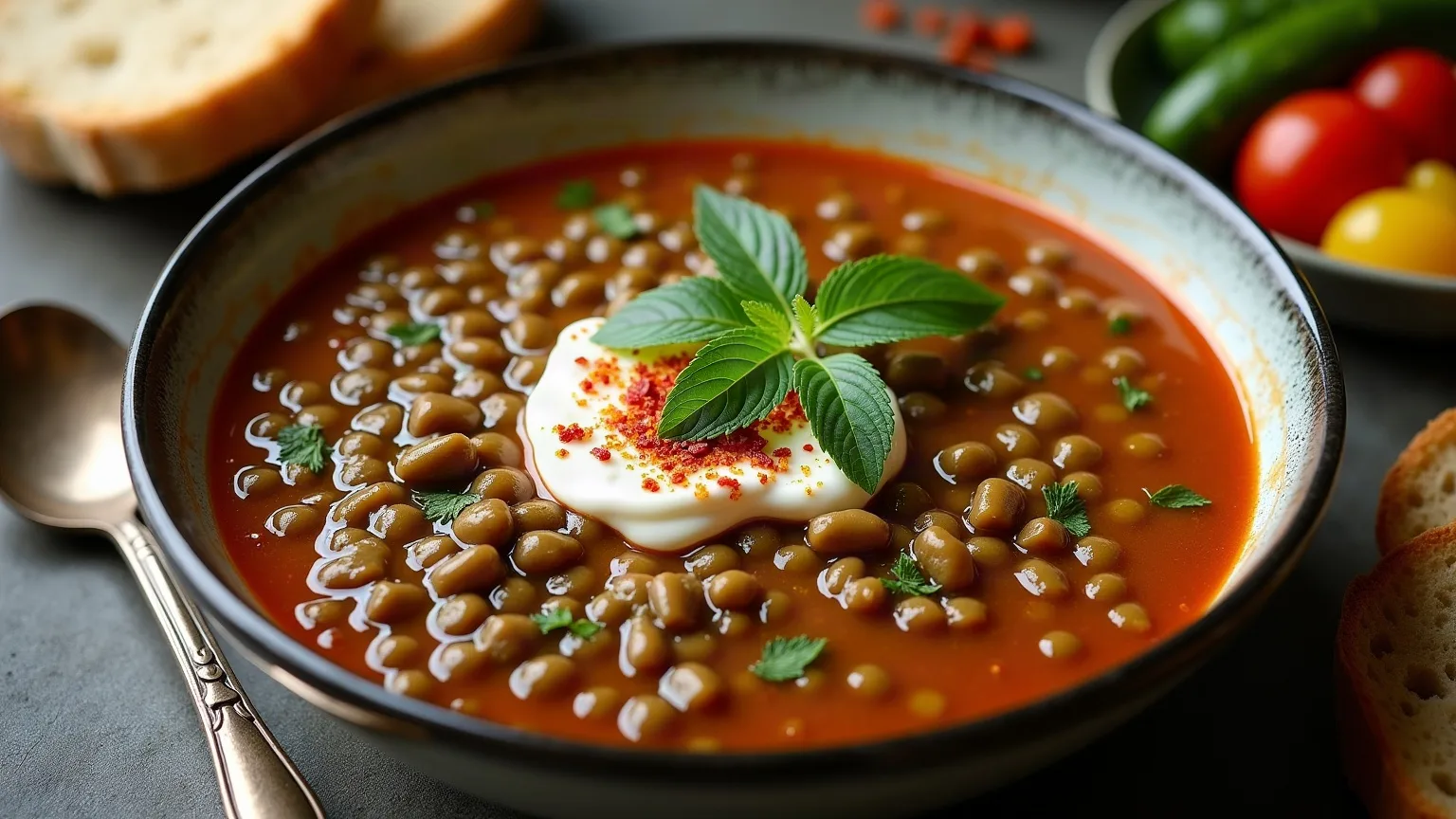
Green lentil stew
A green lentil keeps its skin and holds its shape; a red one is already skinned and split, so it collapses. The same plant, two different dishes.
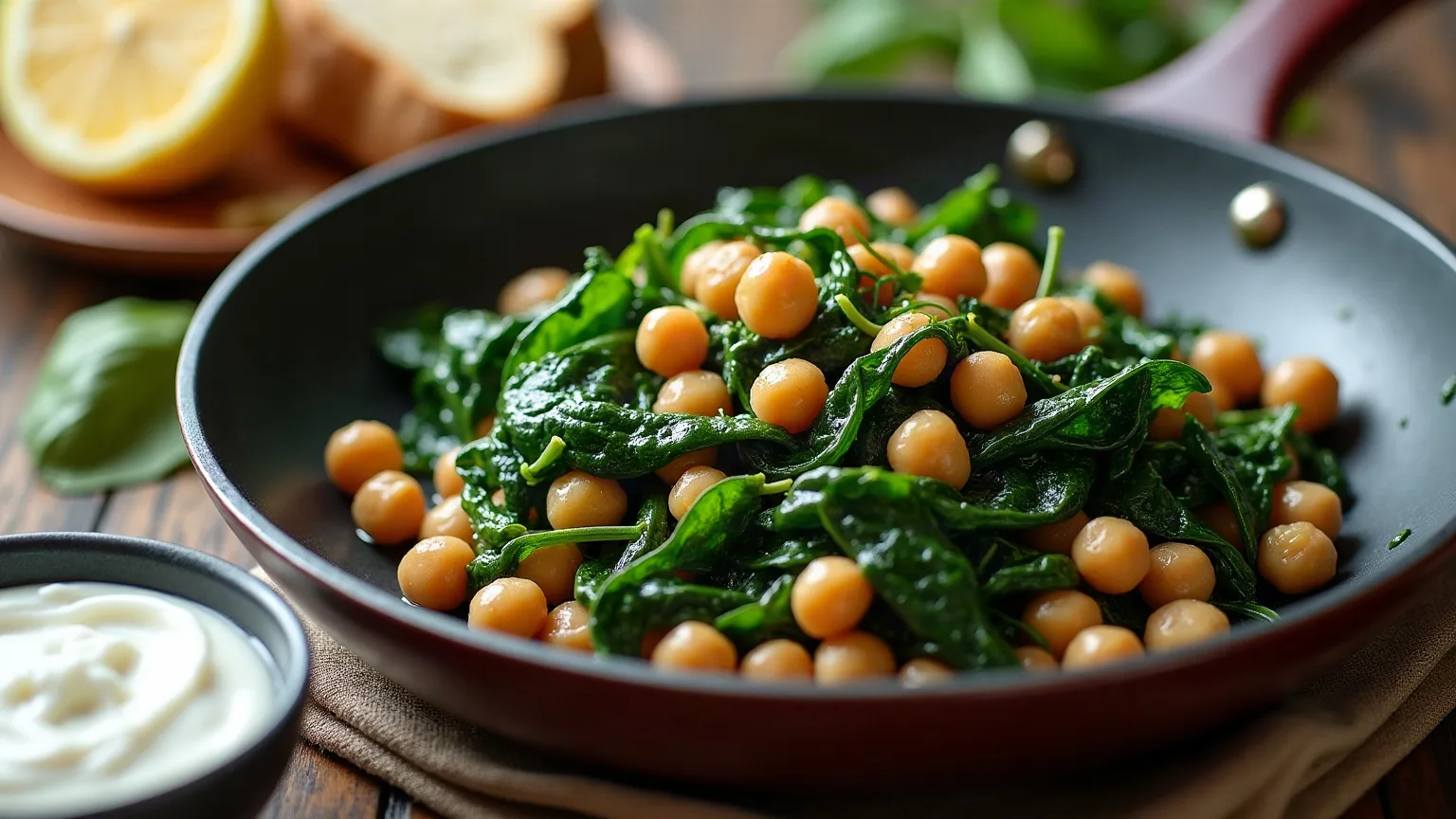
Spinach with chickpeas
Under a lid, spinach turns olive-drab in its own acid. With the lid off, the colour and the taste both stay where they were.
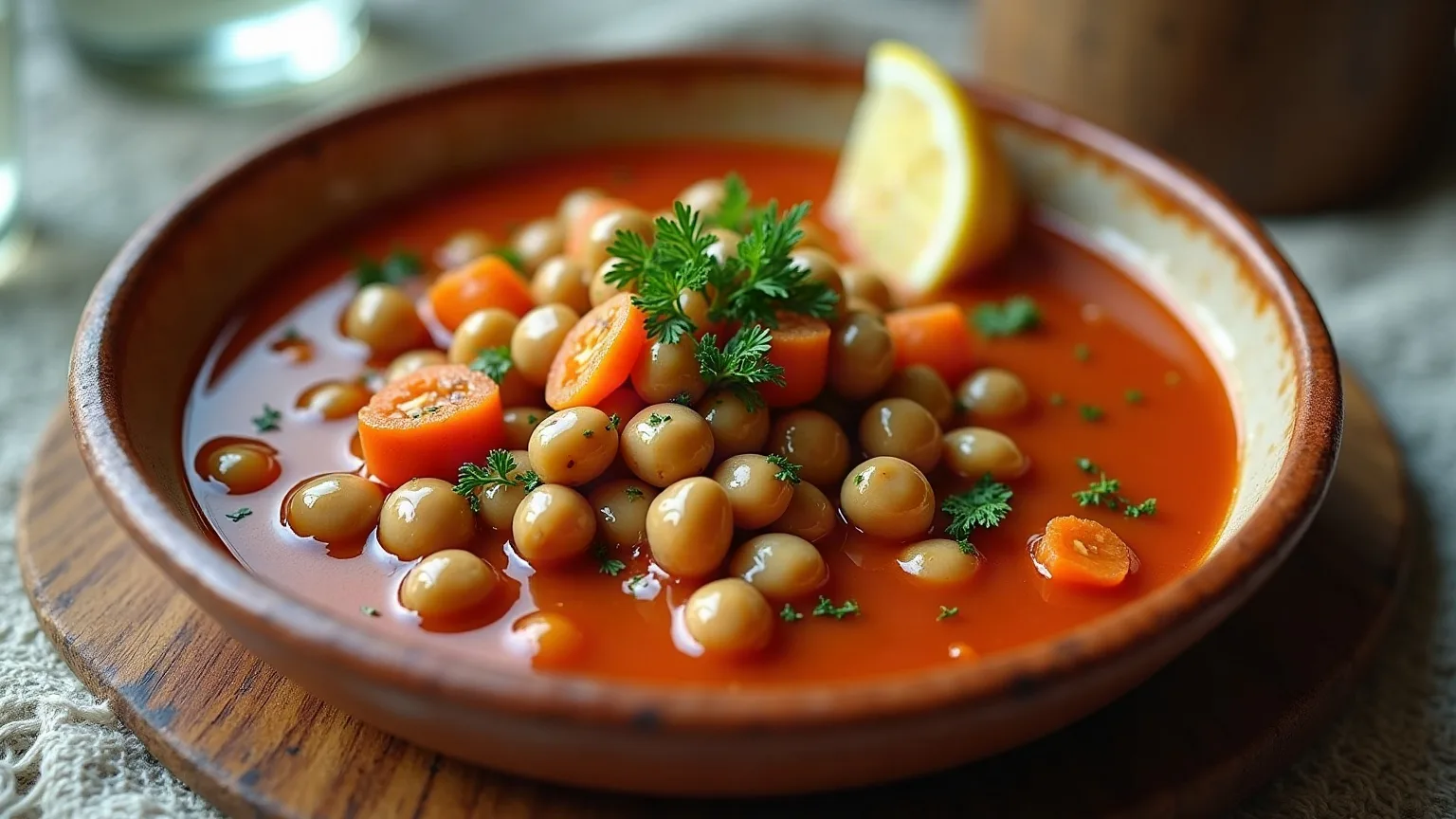
Black-eyed pea stew
The one common dried pulse that needs no soaking: its coat is thin and permeable, so it goes from dry seed to tender in twenty-five minutes.
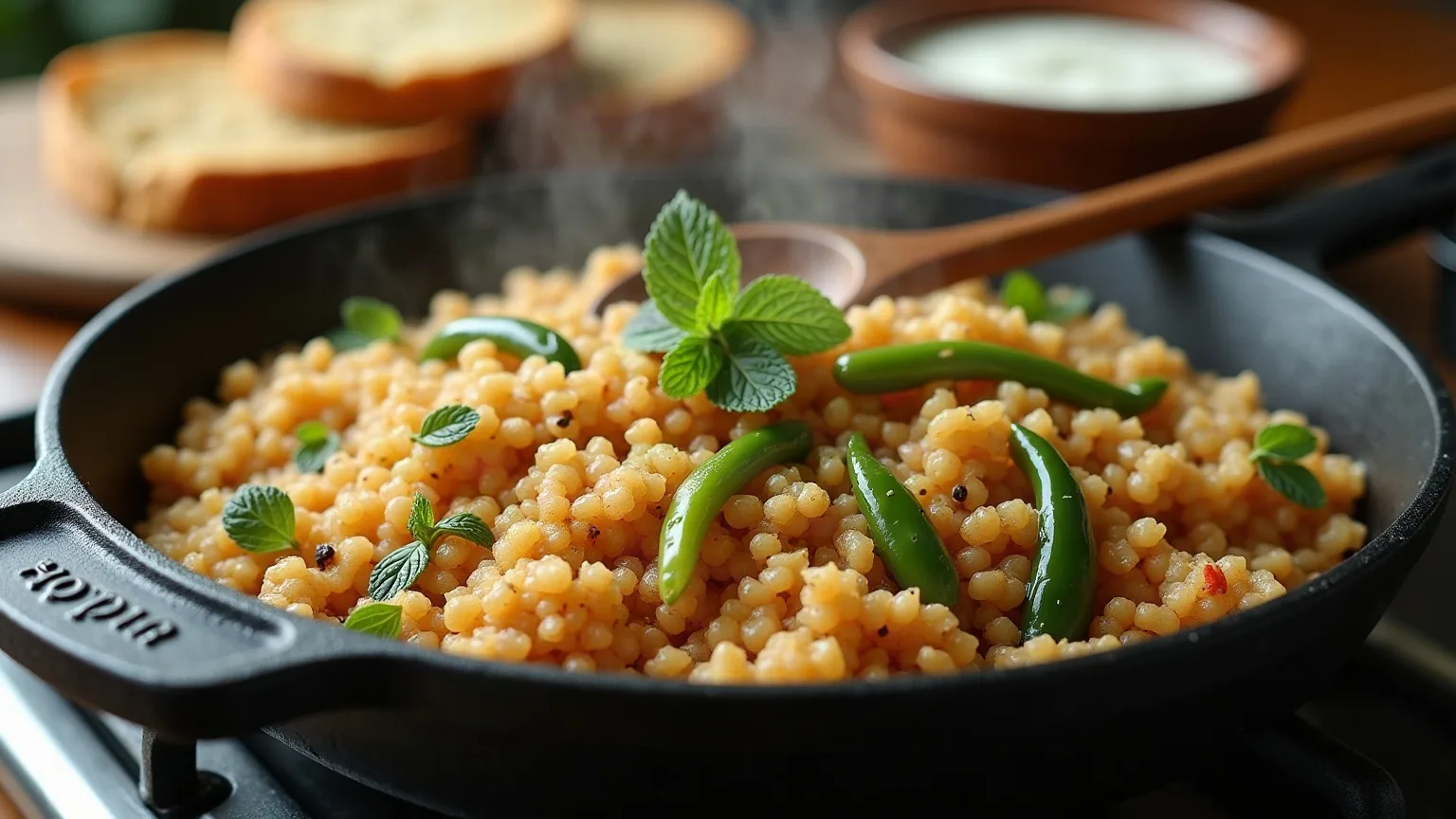
Bulgur pilaf
Bulgur does not cook, it takes up water. It is wheat that has already been boiled, so what matters is not the time on the flame but the time under the lid.
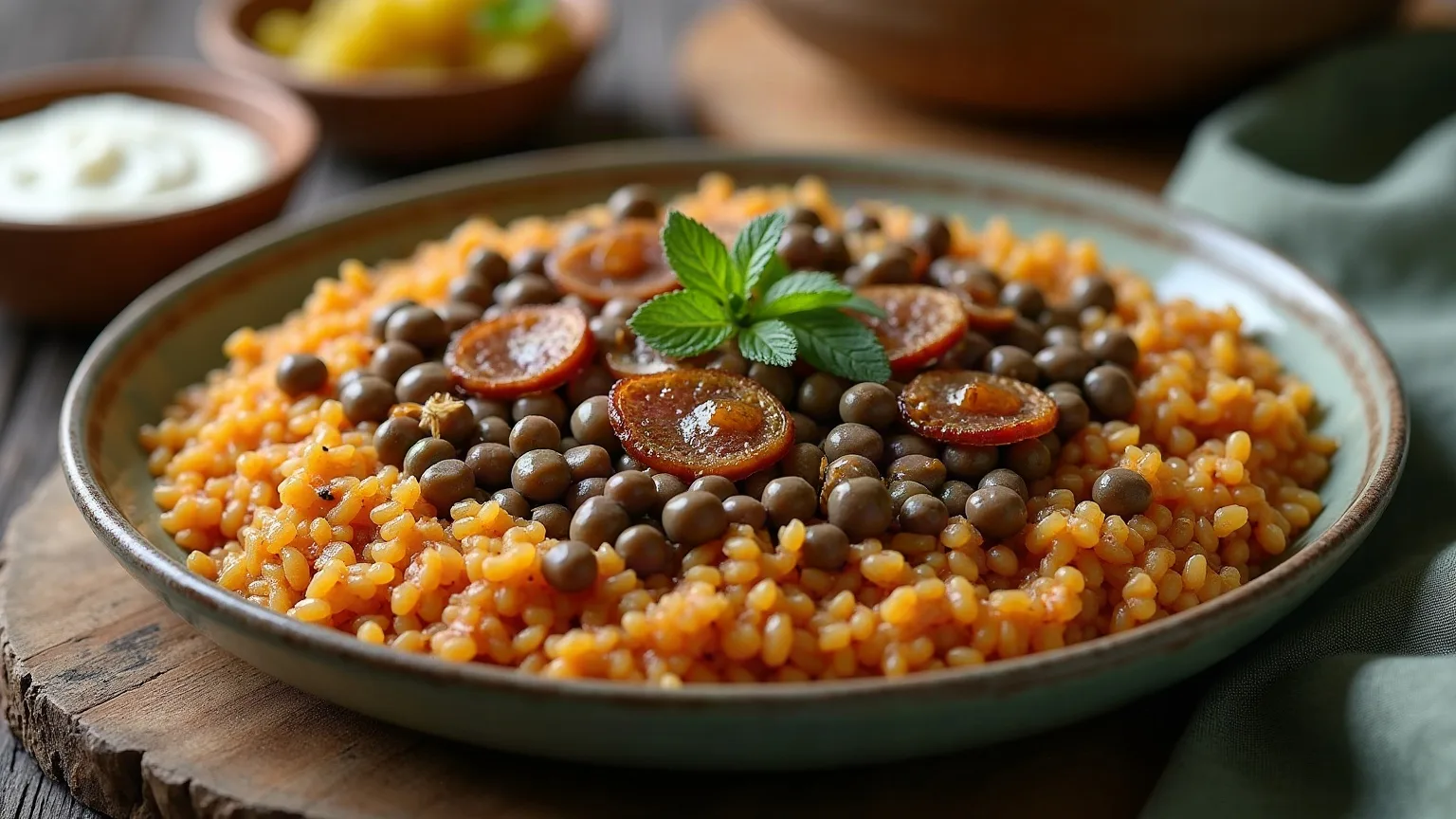
Bulgur pilaf with lentils
Two grains, two rules: the lentils must boil, the bulgur only absorbs. Put them in together and one collapses while the other stays hard.
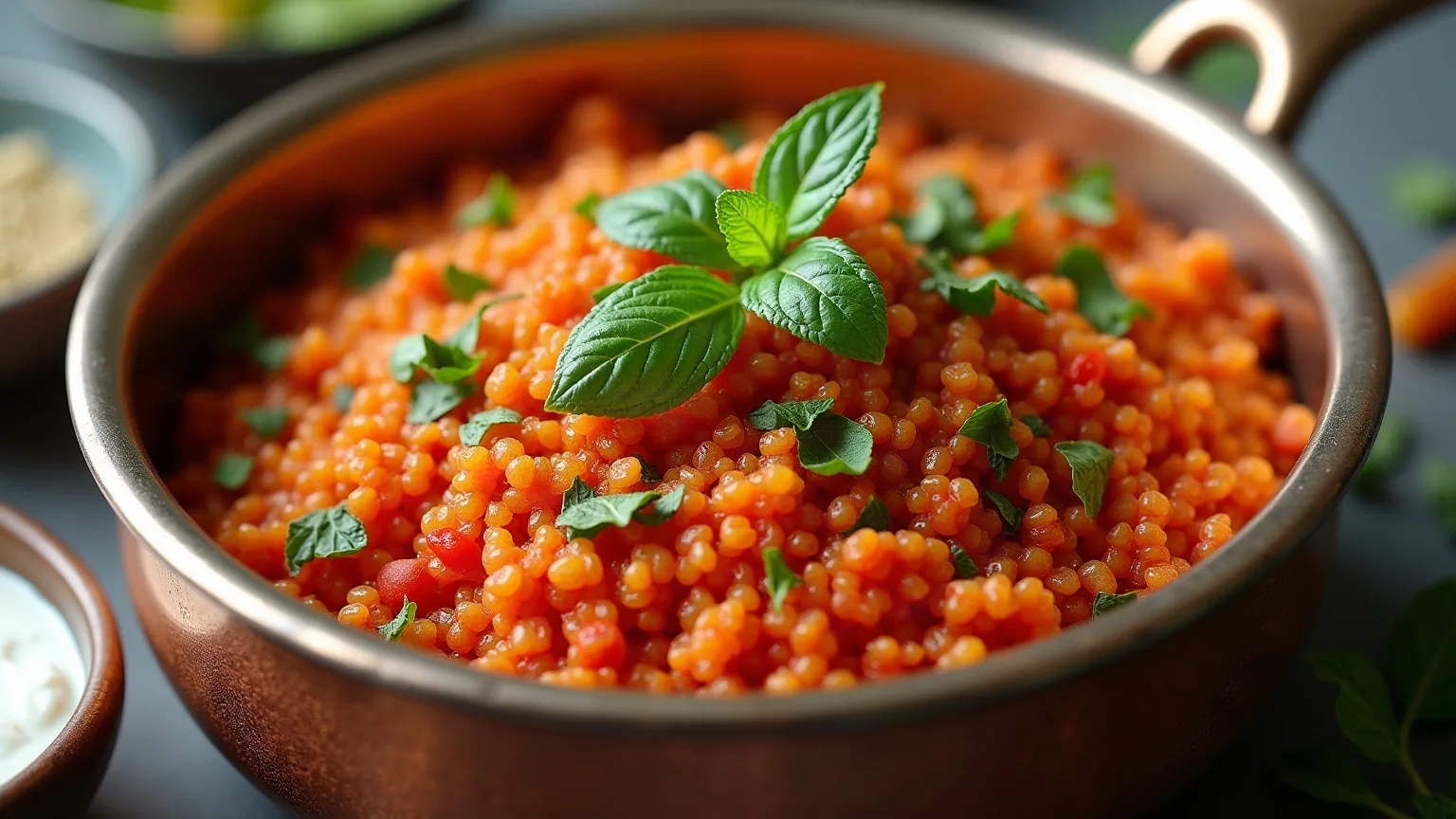
Tomato bulgur pilaf
The acid in tomato slows how fast bulgur takes up water. The answer is not more water but putting the tomato in after the bulgur has swollen.