
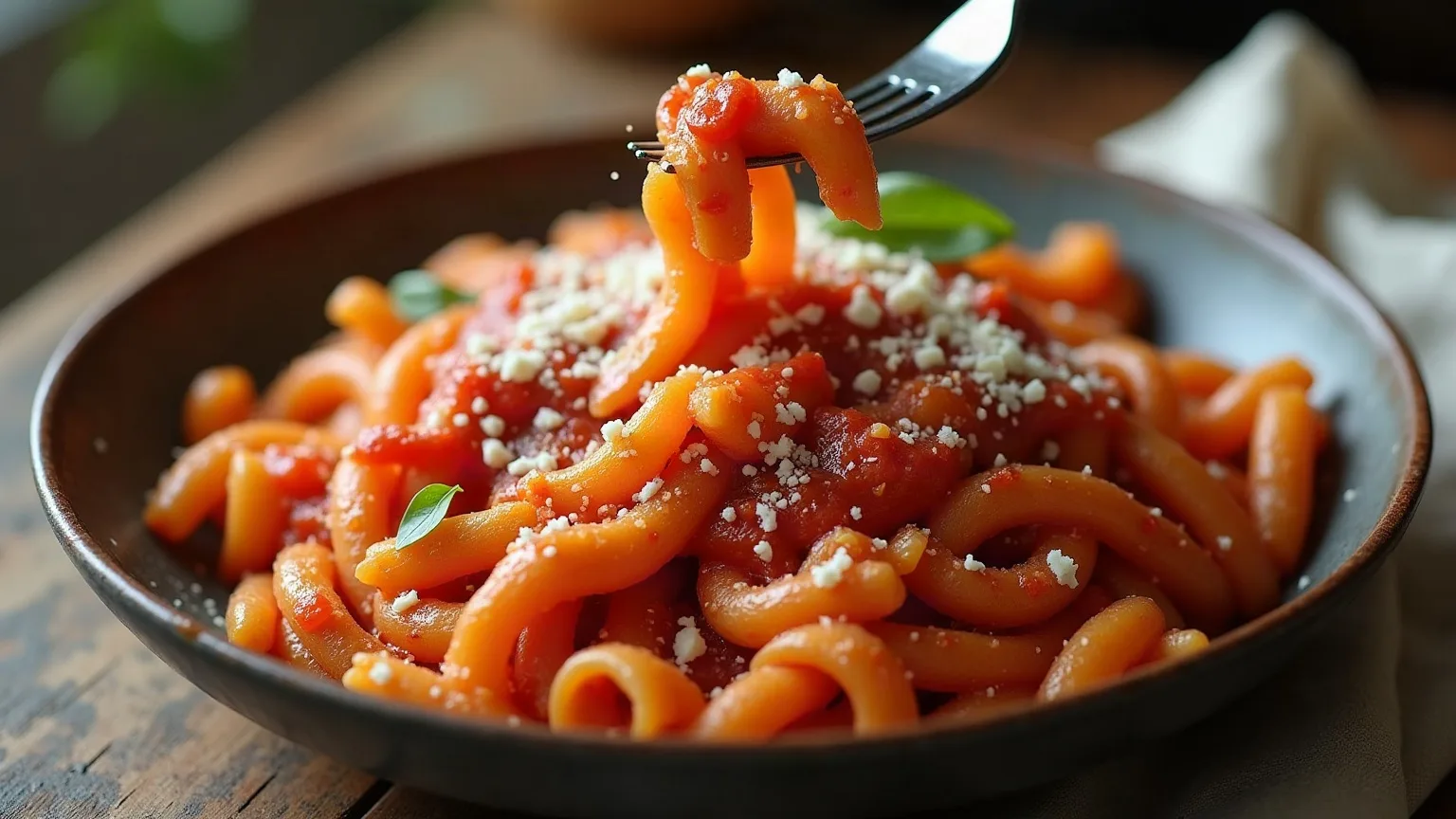
Pasta with tomato paste
There is no sauce until the paste has been fried: raw paste stays sour and metallic.
Method
-
Boil the pasta in salted water and keep back a ladle of the water.
-
Soften the garlic in the oil for a minute over a low flame.
If you want a crust, do not stay under 140 °C. Food cooks at this heat but never colours.
-
Add the tomato paste and fry it for two minutes, until it darkens and smells sweet.
Why Frying breaks the paste’s raw acidity and caramelises its sugars; skip it and the sauce stays sour.Maillard is running Amino acids have met reducing sugars. The crust, the roasted flavour and that smell all come from here. no way back
-
Add the pasta water, boil for a minute, then toss the pasta through.
This recipe was run through the engine step by step — what goes in when, and at what temperature and for how long. The reactions above come from that run.
peak 150 °C · 15 minutes · engine 1.0.0 · confidence low
What it tastes like
No axis sits clearly above the average: a balanced recipe.
This profile is computed rather than measured: the role-weighted average of its ingredients’ taste vectors, shifted by what the cooking does. The thin line is the database average on that axis.
Closest in taste
Not hand-picked: ranked by distance across the eight taste axes.
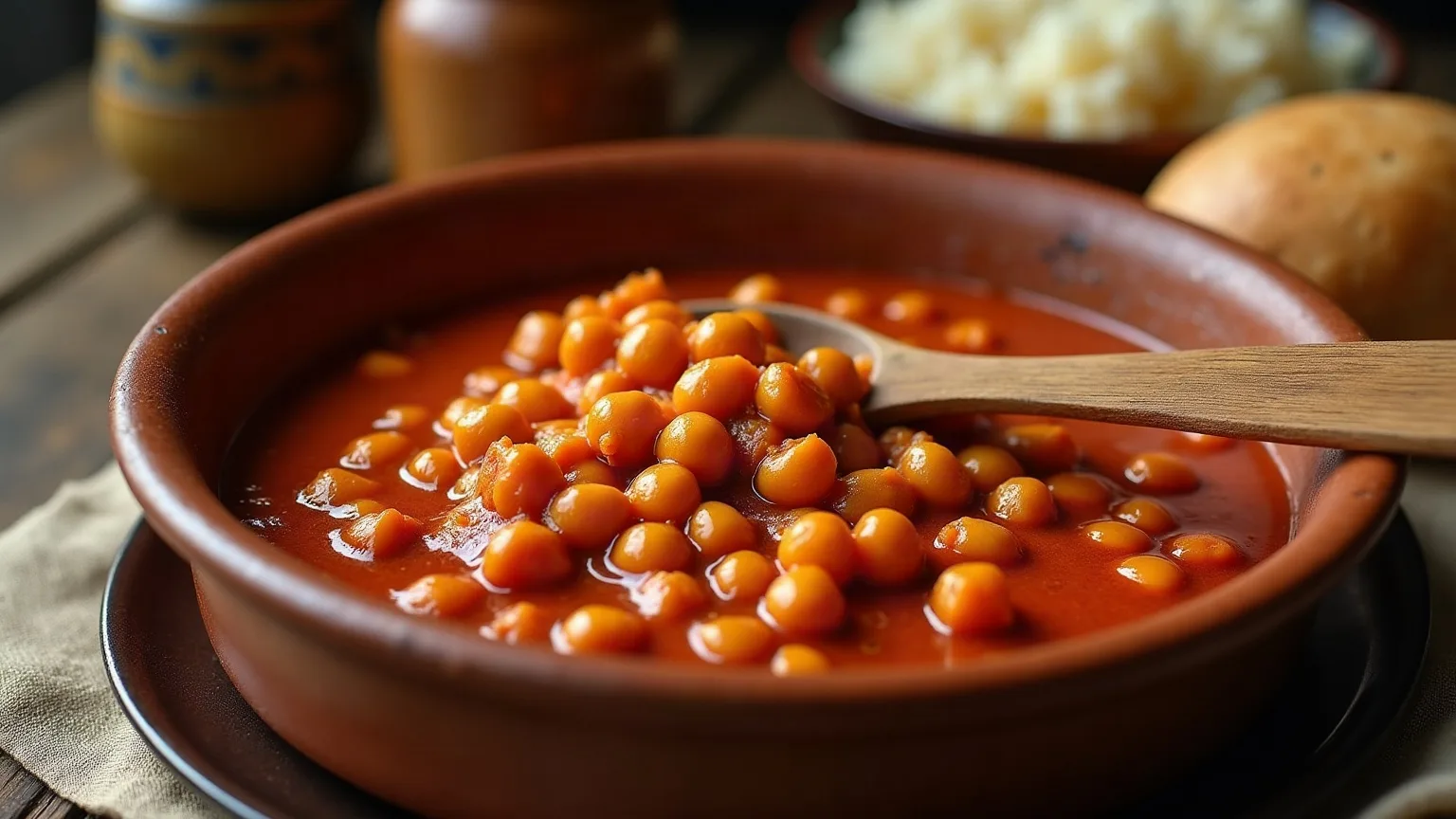
Chickpea stew
Dried chickpeas, tomato paste and olive oil — and a pinch of bicarbonate that halves the cooking time.…
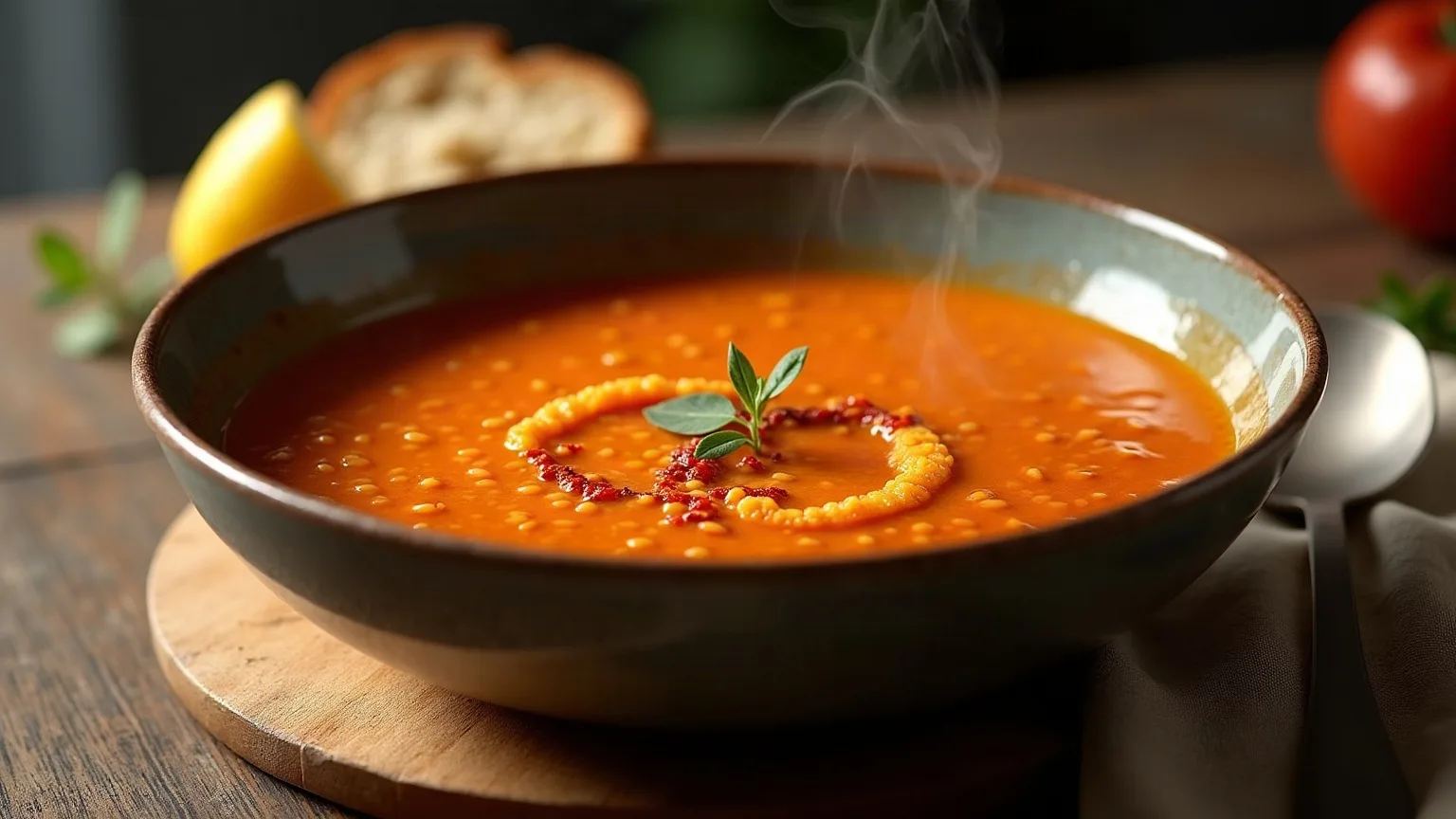
Red lentil soup
Turkey’s default soup. Four ingredients, thirty-five minutes and one rule: the lemon is squeezed at the table.…
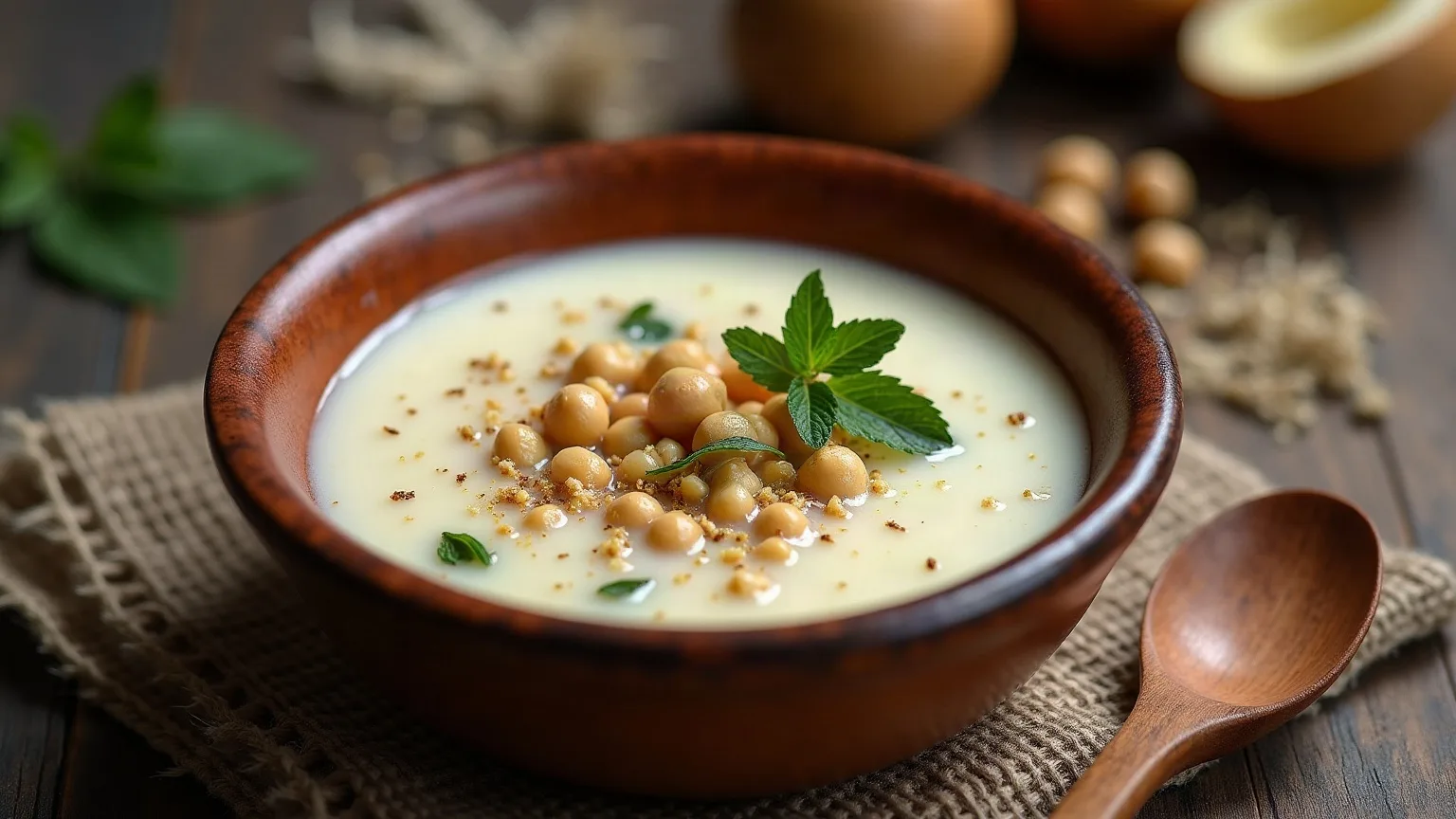
Toyga soup
A thicker, more archaic cousin of yayla çorbası: hulled wheat instead of rice, strained yoghurt instead of plain. A hosp…
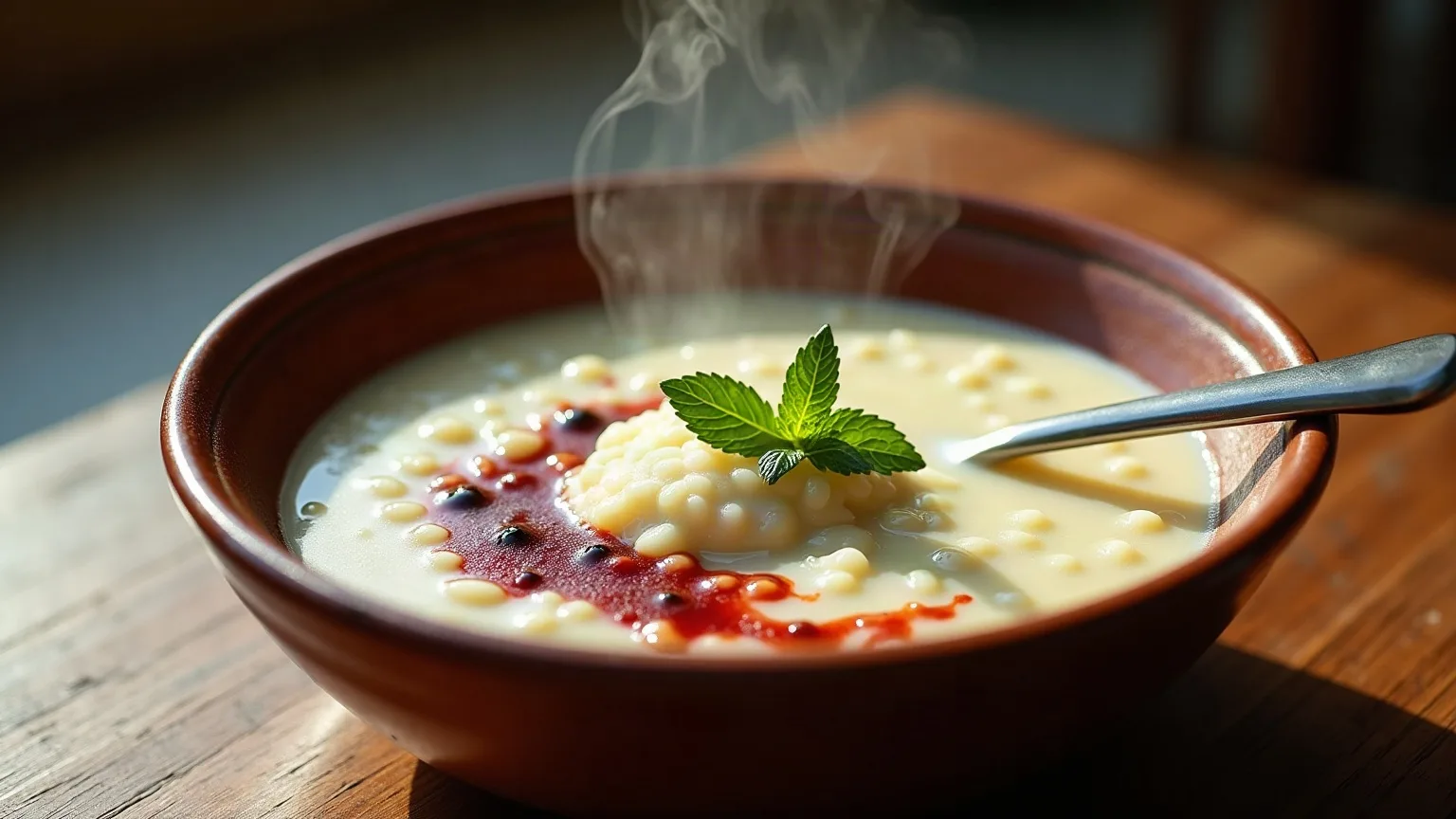
Highland yoghurt soup
The default Turkish yoghurt soup and the textbook terbiyeli çorba. Rice simmers in water, yoghurt, flour and egg yolk ar…