
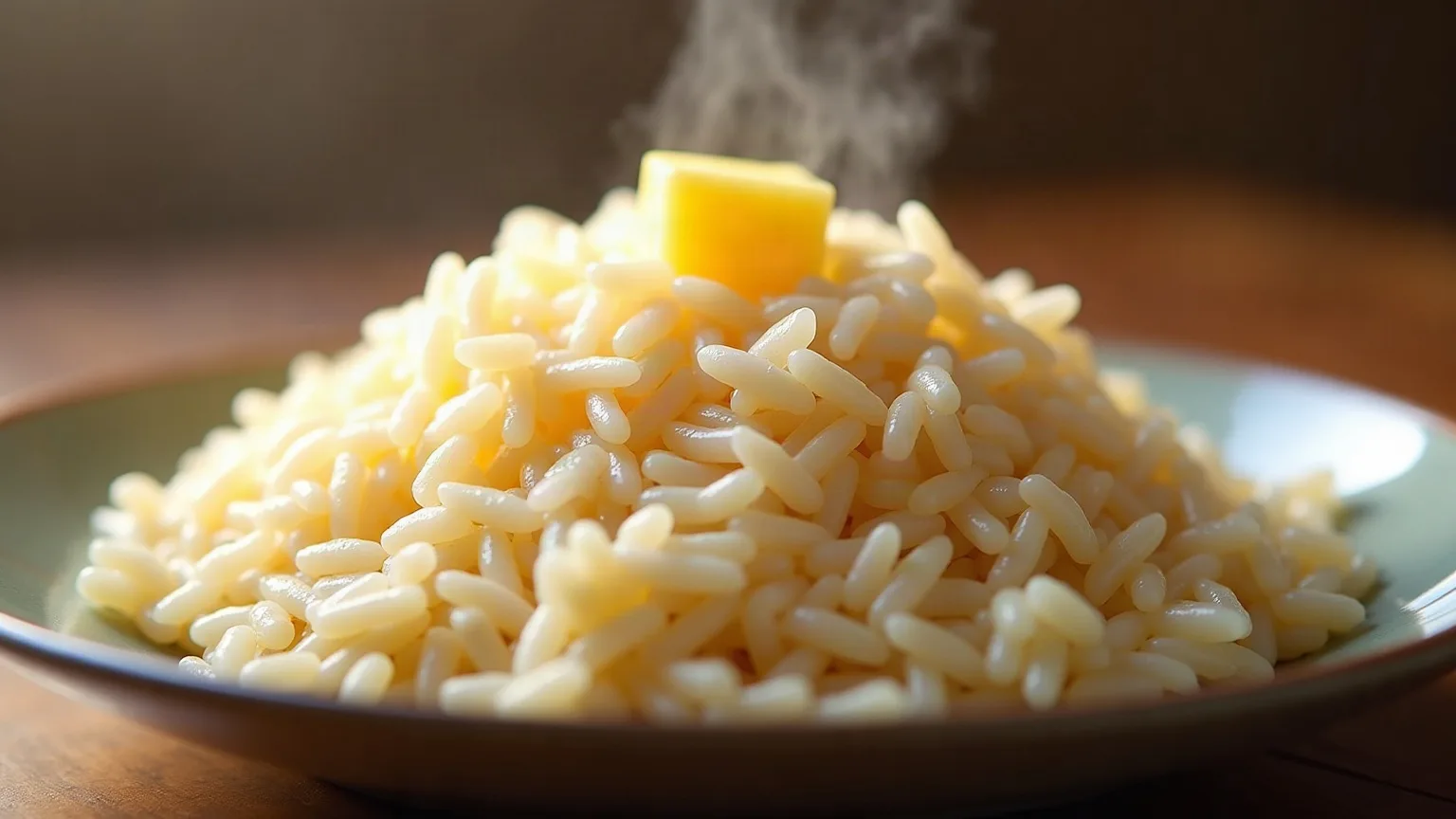
Buttered pilaf
Separate grains are not a recipe but two steps: rinse it, and leave the lid alone.
Method
-
Rinse the rice until the water runs clear.
Why What you are washing off is loose surface starch, and left on it glues the grains together. -
Toast it in the butter for two minutes, until the grains turn glassy.
Maillard is running Amino acids have met reducing sugars. The crust, the roasted flavour and that smell all come from here. no way back
-
Add the hot water and salt, stir once, and put the lid on.
Starch gelatinised The granules soaked up water, swelled and burst into a network. It has thickened, and it will firm further as it cools. no way back
Salt · 0.75% Right in the window. Flavours sharpen, bitterness retreats, water is held.
Too much starch. It will set into a rubbery gel once cool — add more liquid.
-
Cook on a low flame for 12 to 15 minutes, then rest it off the heat for ten. Do not lift the lid.
Why Resting is when the steam redistributes through the grains; opening the lid lets it go and the bottom stays wet.Starch gelatinised The granules soaked up water, swelled and burst into a network. It has thickened, and it will firm further as it cools. no way back
Salt · 0.75% Right in the window. Flavours sharpen, bitterness retreats, water is held.
Too much starch. It will set into a rubbery gel once cool — add more liquid.
This recipe was run through the engine step by step — what goes in when, and at what temperature and for how long. The reactions above come from that run.
peak 140 °C · 30 minutes · engine 1.0.0 · confidence low
What it tastes like
No axis sits clearly above the average: a balanced recipe.
This profile is computed rather than measured: the role-weighted average of its ingredients’ taste vectors, shifted by what the cooking does. The thin line is the database average on that axis.
Closest in taste
Not hand-picked: ranked by distance across the eight taste axes.
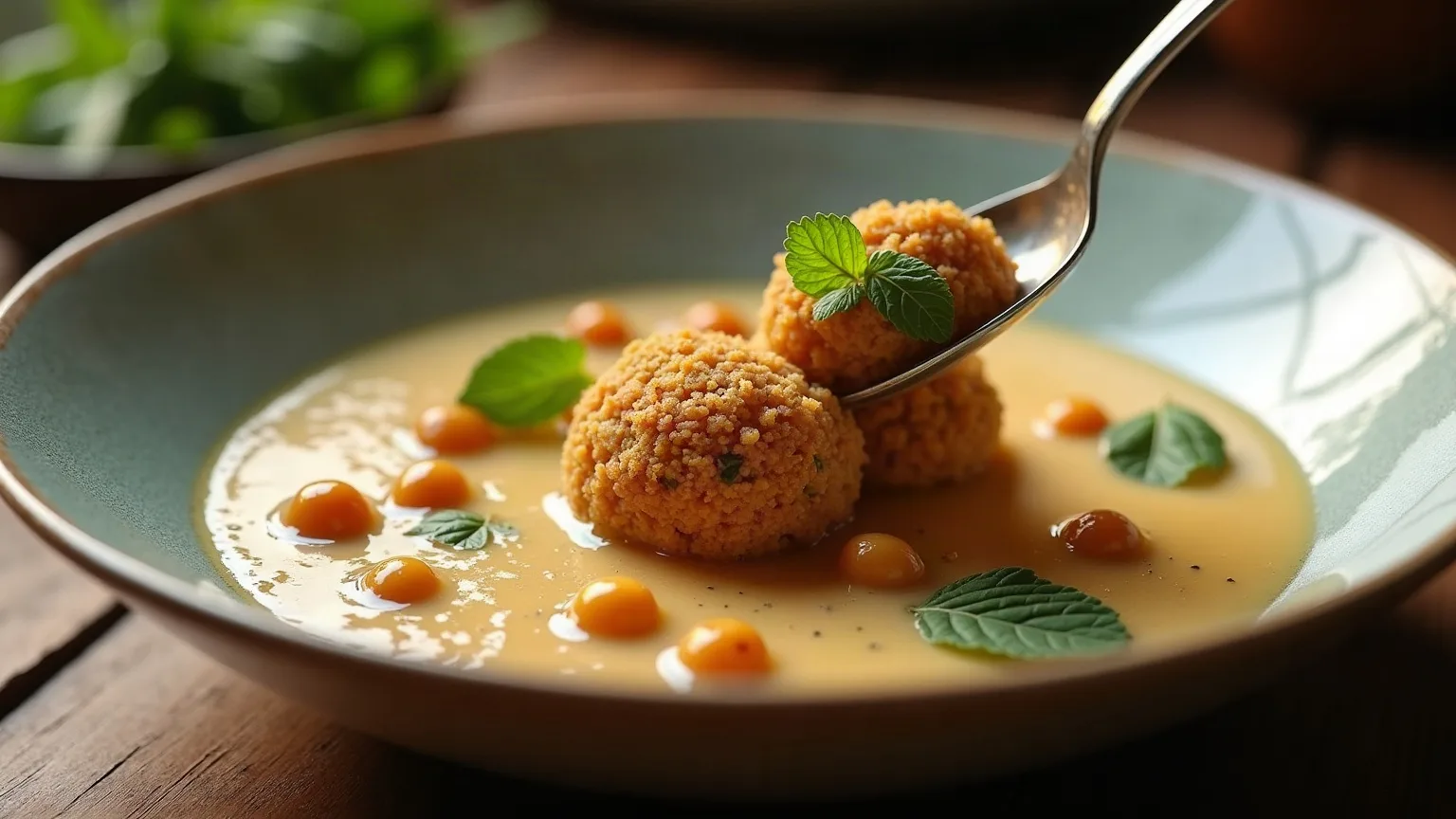
Small meatballs in yoghurt
Tiny bulgur-cased köfte cooked with chickpeas in a yoghurt broth. Gaziantep sources insist it is not yuvalama: yuvalama’…
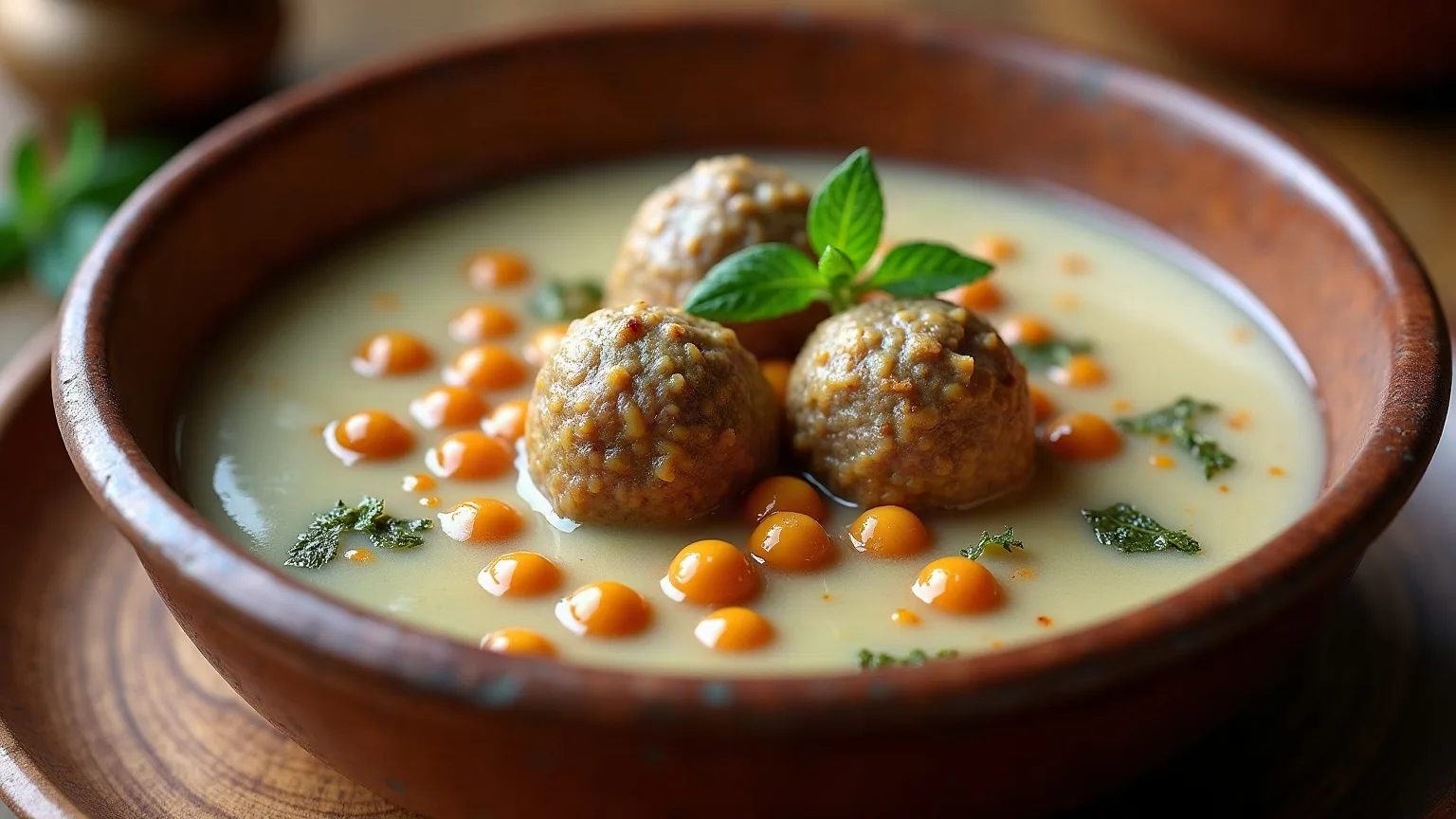
Yuvalama
Tiny balls of rice flour and minced lamb, rolled by hand, cooked with lamb shank and chickpeas, with a yoghurt and butte…
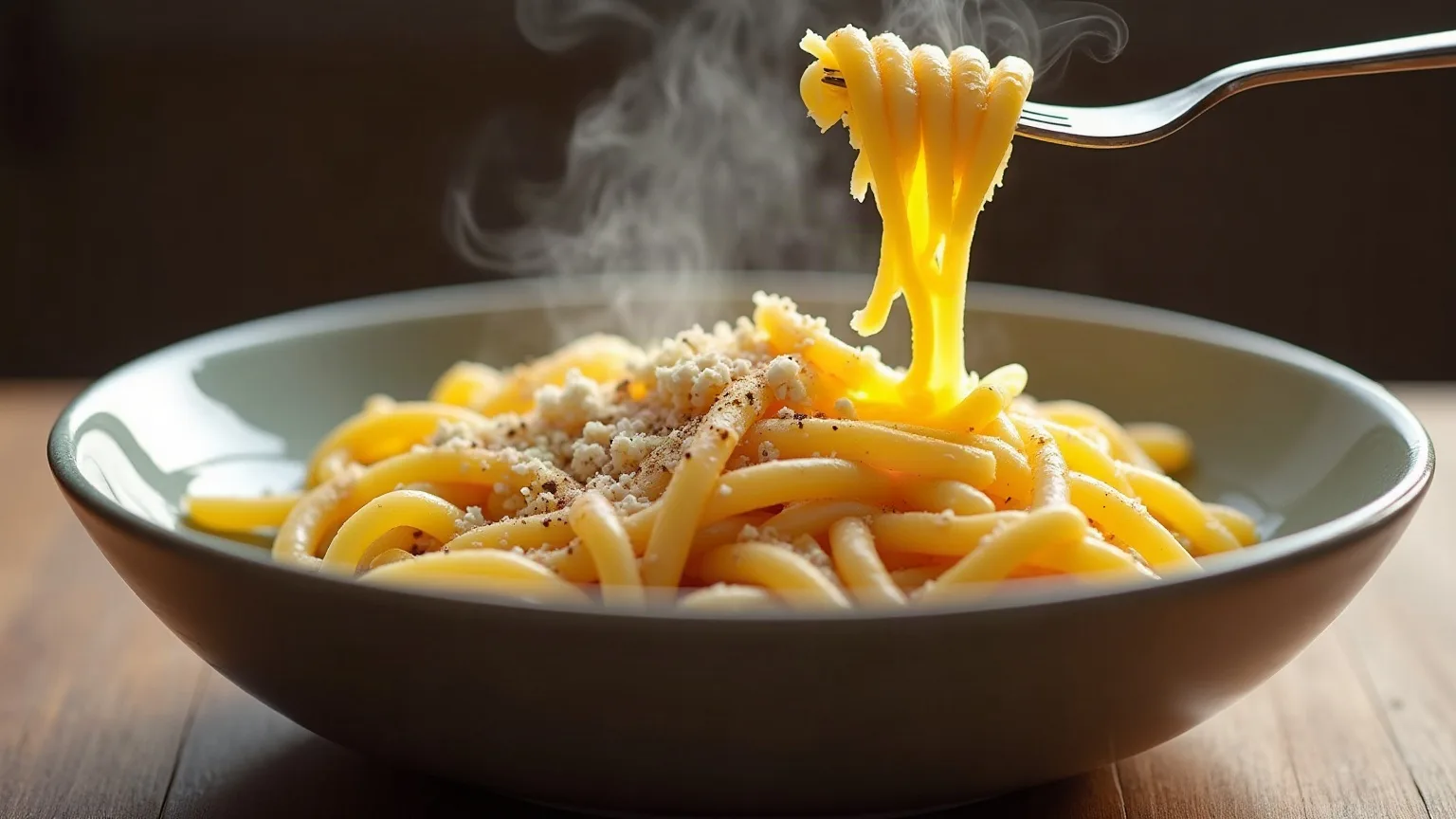
Butter and cheese pasta
Three ingredients. What makes the difference is not an ingredient but the ladle of cooking water you keep.…
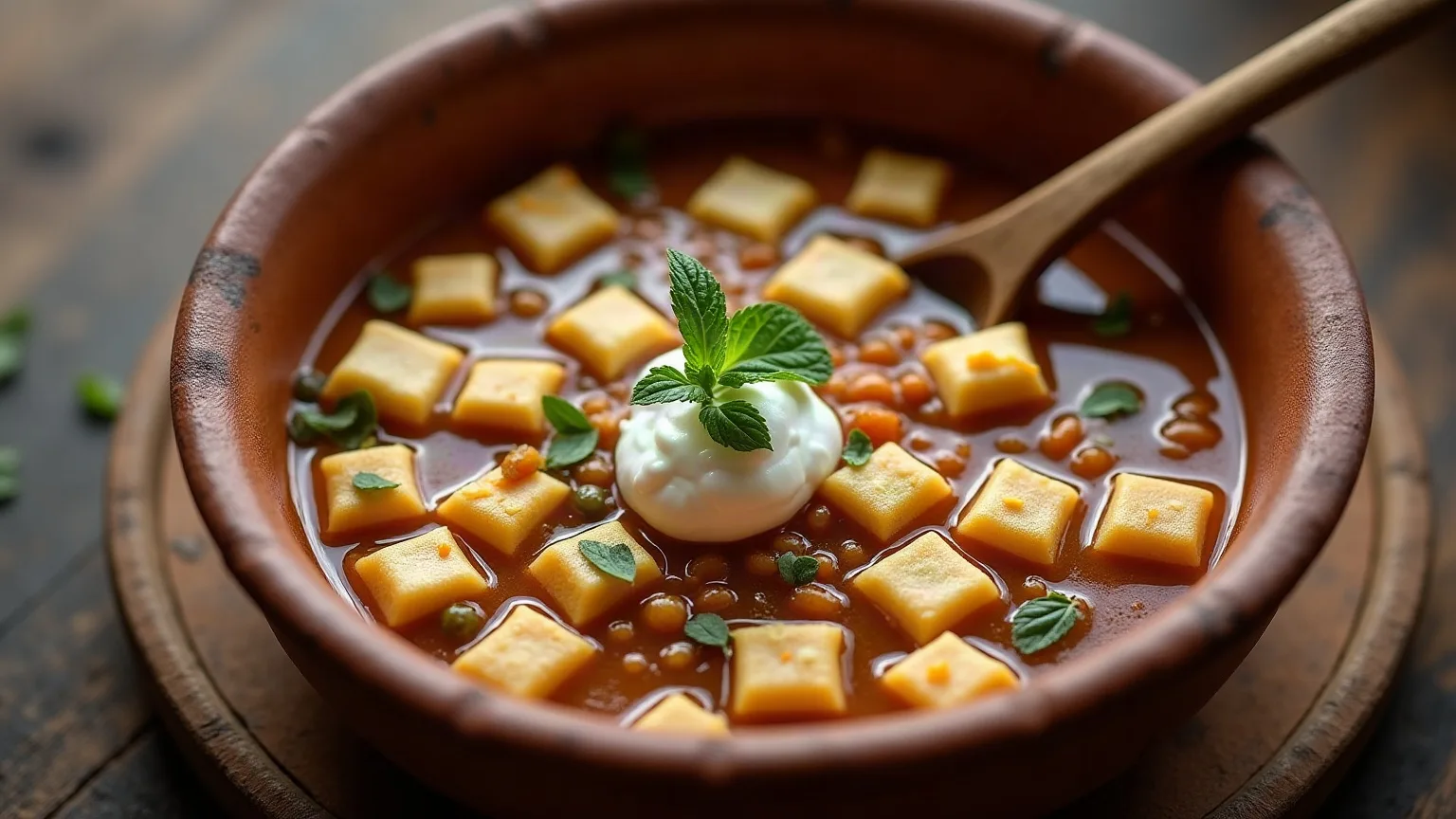
Tutmaç
Small cut noodles cooked with meat or lentils, with garlic yoghurt poured over at the plate rather than stirred into the…