
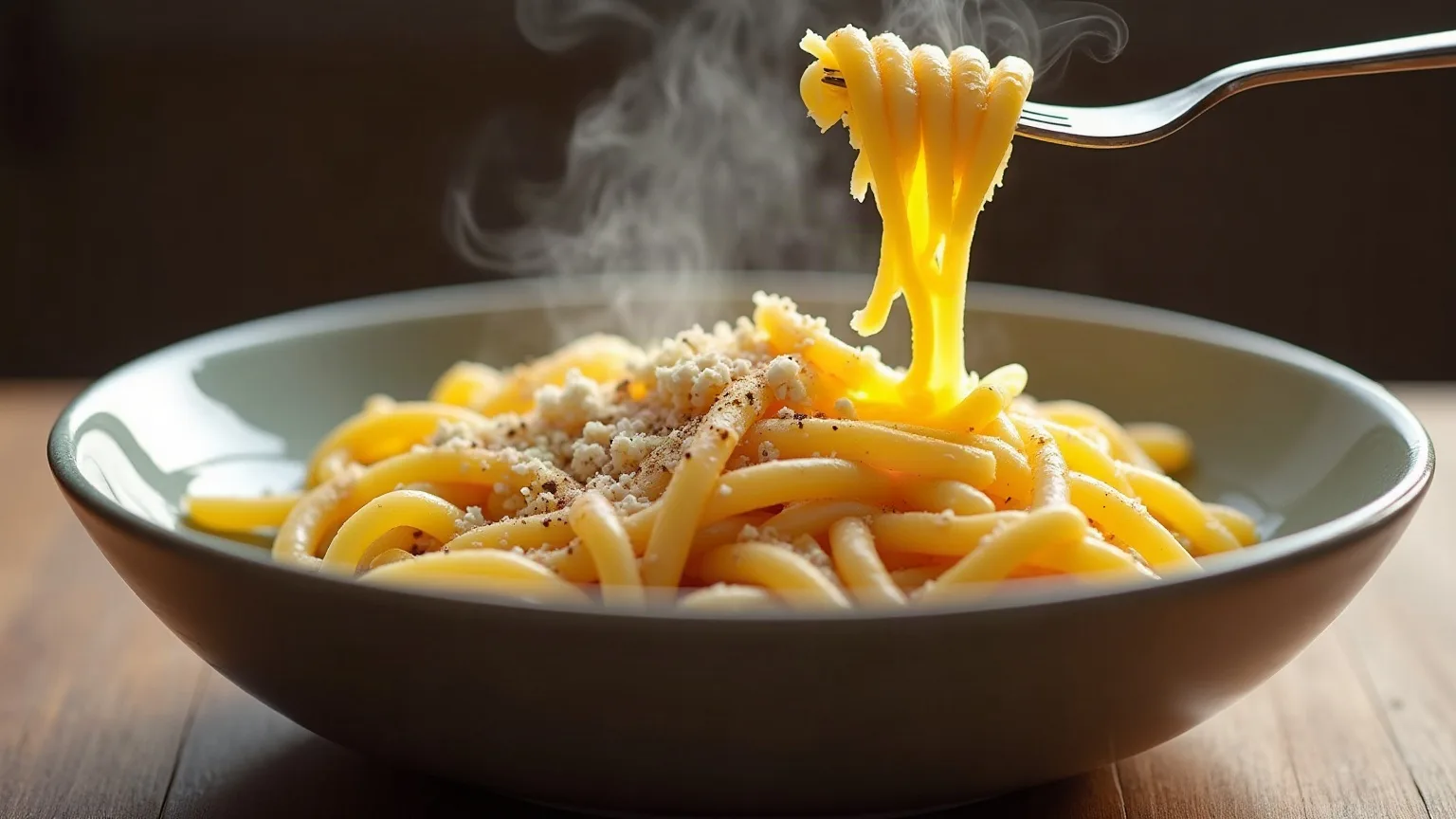
Butter and cheese pasta
Three ingredients. What makes the difference is not an ingredient but the ladle of cooking water you keep.
Method
-
Salt the water at 7–10 g per litre and boil the pasta one minute short of the packet time.
Why It finishes that last minute in the pan with the sauce, and that is where its starch goes into the sauce.Salt · 3.85% High. Osmosis is pulling water out, the texture is tightening and the flavour is closing.
-
Before draining, keep back a ladle of the cooking water.
Salt · 3.85% High. Osmosis is pulling water out, the texture is tightening and the flavour is closing.
-
Melt the butter in a pan, add the pasta and half the water and toss for a minute.
Why The starchy water builds an emulsion between fat and water, so the butter coats the pasta instead of running off it.Salt · 3.23% High. Osmosis is pulling water out, the texture is tightening and the flavour is closing.
If you want a crust, do not stay under 140 °C. Food cooks at this heat but never colours.
-
Off the heat, crumble in the cheese and stir.
Why White cheese splits over direct heat, and the pan’s residual warmth is enough to melt it.Salt · 3.05% High. Osmosis is pulling water out, the texture is tightening and the flavour is closing.
This recipe was run through the engine step by step — what goes in when, and at what temperature and for how long. The reactions above come from that run.
peak 120 °C · 12 minutes · engine 1.0.0 · confidence low
What it tastes like
The axes that define this recipe: salty 33, richness 40.
This profile is computed rather than measured: the role-weighted average of its ingredients’ taste vectors, shifted by what the cooking does. The thin line is the database average on that axis.
Closest in taste
Not hand-picked: ranked by distance across the eight taste axes.
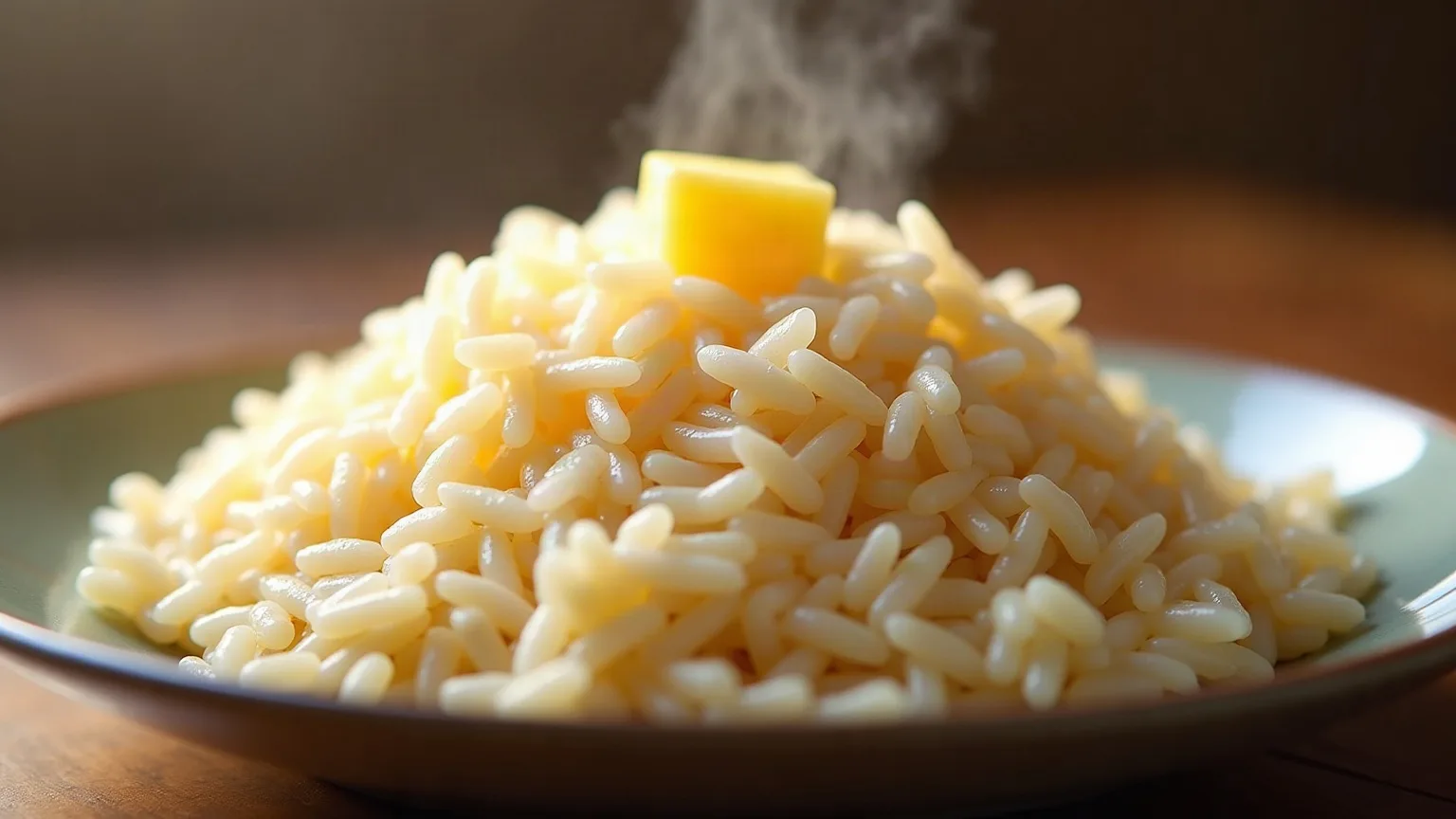
Buttered pilaf
Separate grains are not a recipe but two steps: rinse it, and leave the lid alone.…
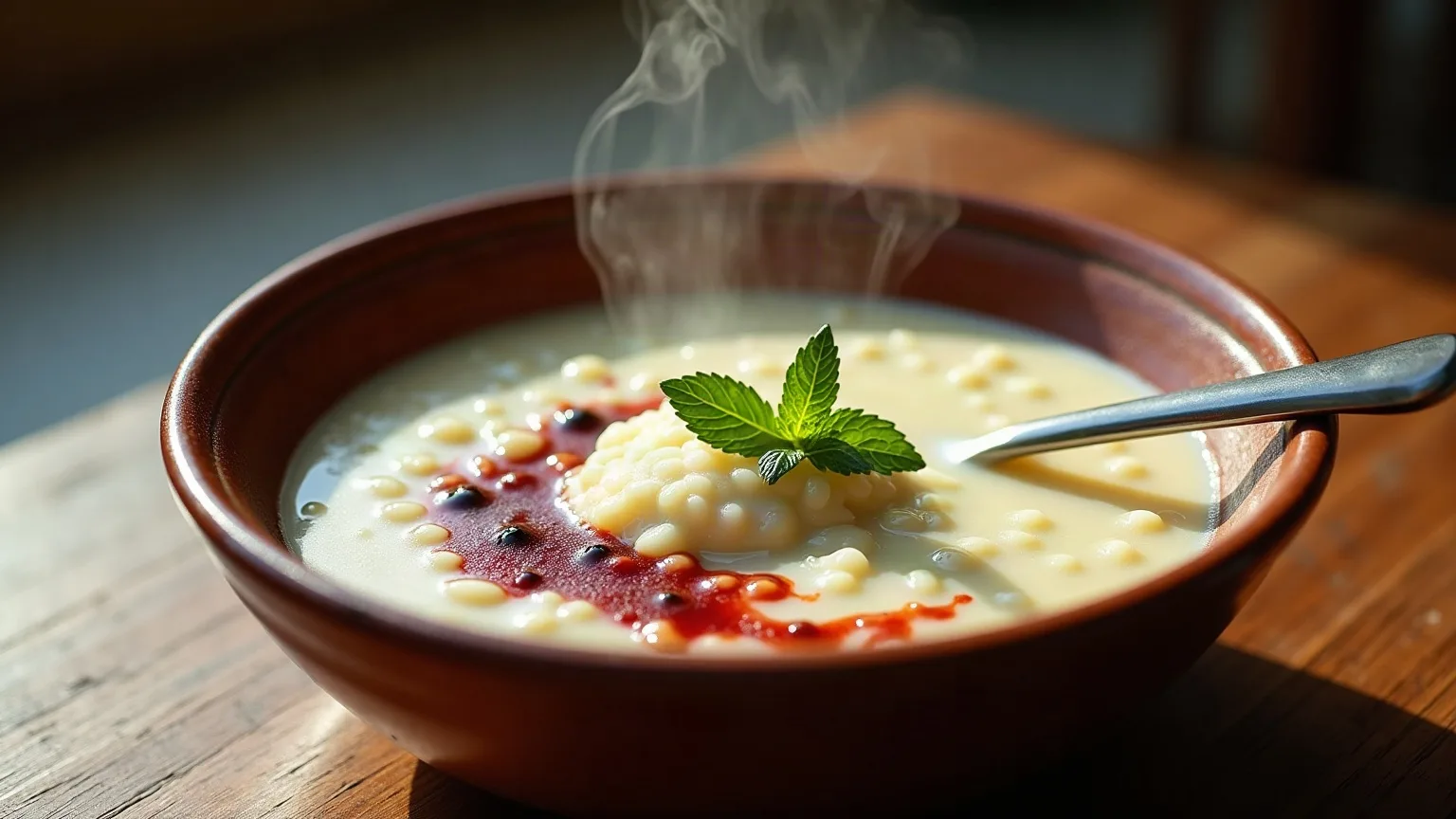
Highland yoghurt soup
The default Turkish yoghurt soup and the textbook terbiyeli çorba. Rice simmers in water, yoghurt, flour and egg yolk ar…
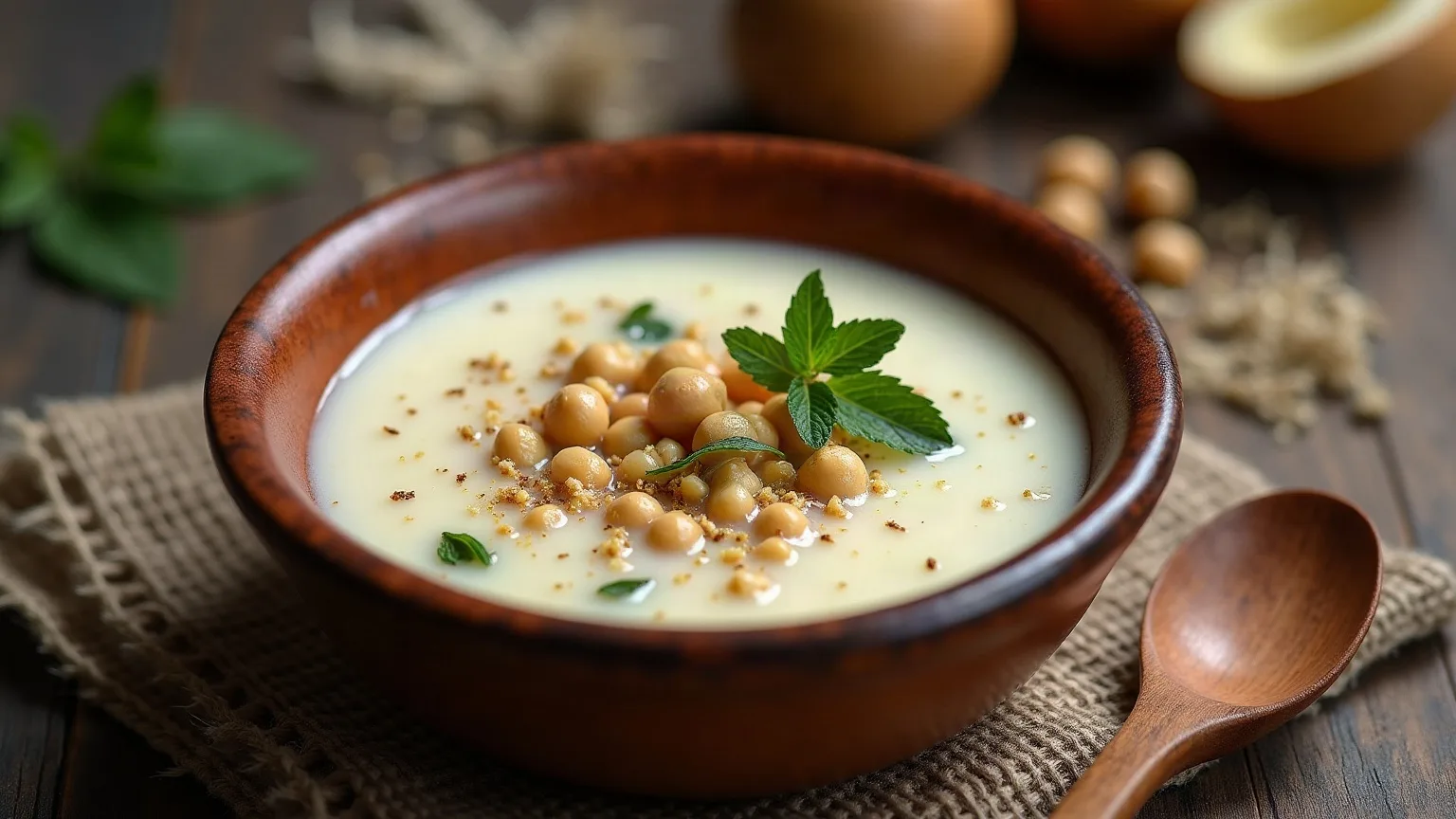
Toyga soup
A thicker, more archaic cousin of yayla çorbası: hulled wheat instead of rice, strained yoghurt instead of plain. A hosp…
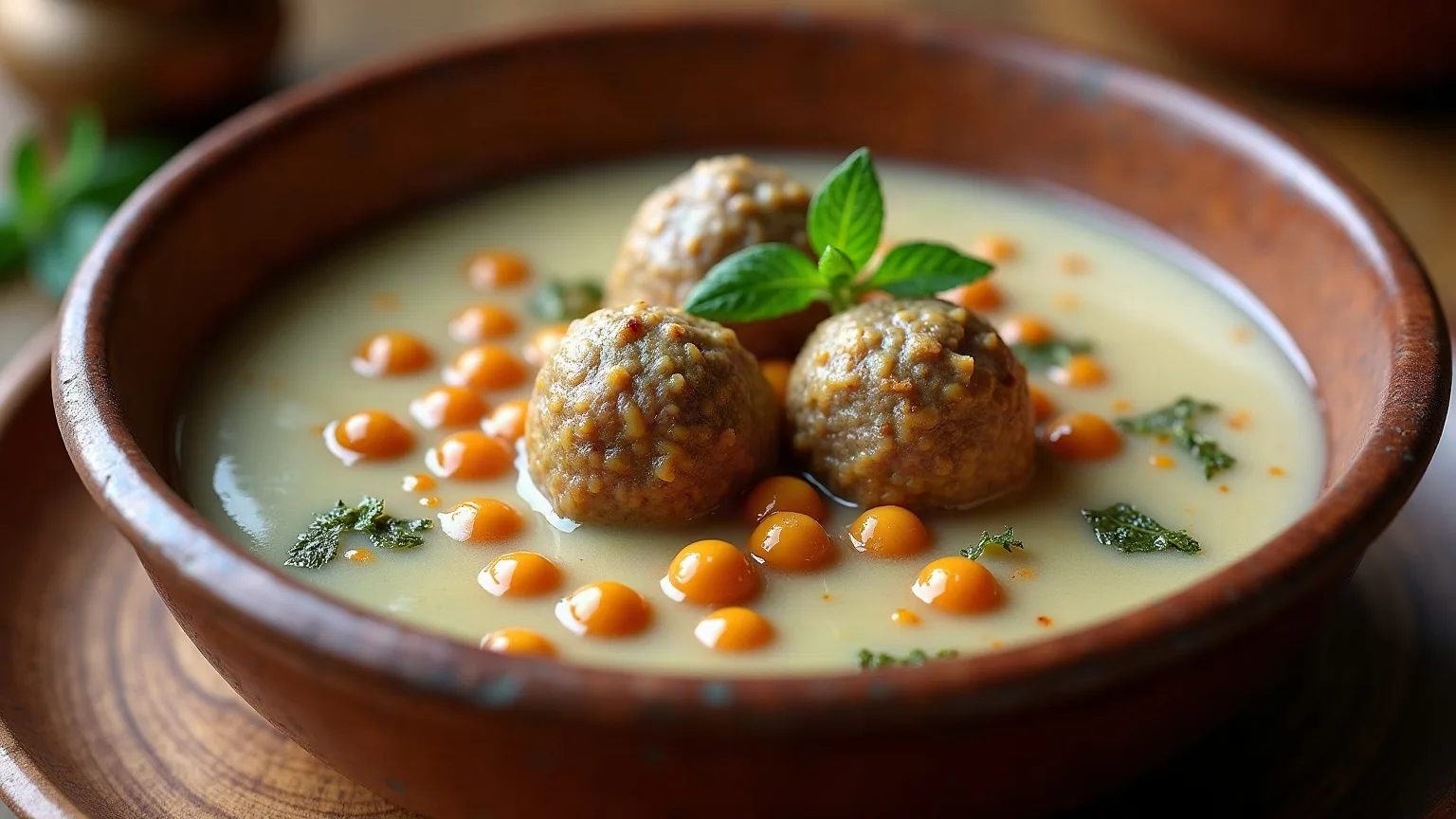
Yuvalama
Tiny balls of rice flour and minced lamb, rolled by hand, cooked with lamb shank and chickpeas, with a yoghurt and butte…