
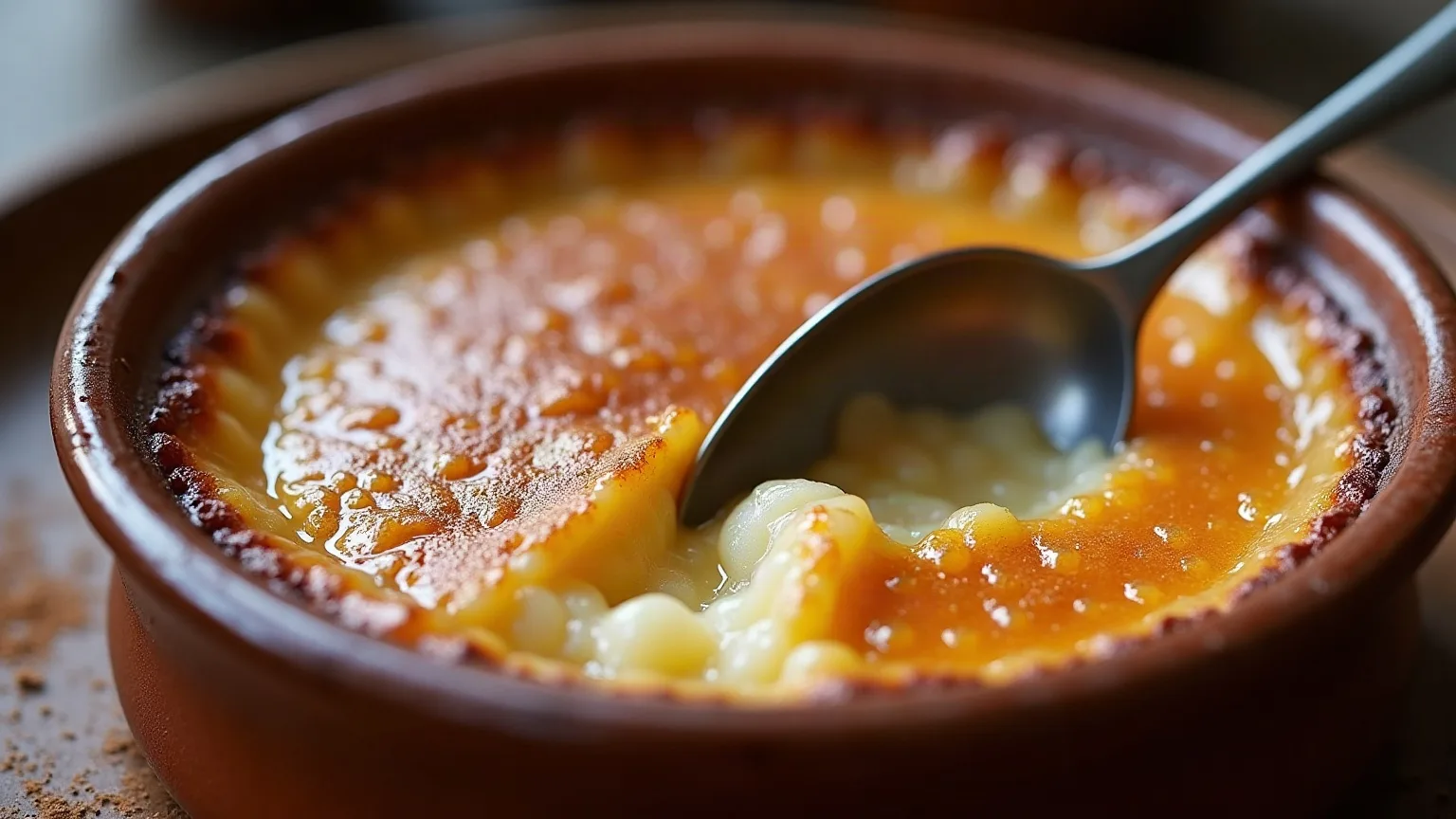
Baked rice pudding
That mottled skin is Maillard, and it forms in the last ten minutes under the grill.
Method
-
Cook the rice in a little water until it has absorbed it.
-
Add the milk and cook gently for 25 minutes, stirring now and then.
Starch gelatinised The granules soaked up water, swelled and burst into a network. It has thickened, and it will firm further as it cools. no way back
-
Add the sugar and the cornflour slaked in a little water, and stir for five minutes until it thickens.
Starch gelatinised The granules soaked up water, swelled and burst into a network. It has thickened, and it will firm further as it cools. no way back
-
Divide it between dishes and bake at 200 °C for fifteen minutes.
Starch gelatinised The granules soaked up water, swelled and burst into a network. It has thickened, and it will firm further as it cools. no way back
Caramelisation has begun Sugar is breaking into hundreds of new aroma molecules: nutty, faintly bitter, deep in colour. no way back
Maillard is running Amino acids have met reducing sugars. The crust, the roasted flavour and that smell all come from here. no way back
-
Switch the top grill on for the last ten minutes, until the surface mottles.
Why The skin is Maillard: the milk’s protein and sugar reacting above 140 °C.Starch gelatinised The granules soaked up water, swelled and burst into a network. It has thickened, and it will firm further as it cools. no way back
Caramelisation has begun Sugar is breaking into hundreds of new aroma molecules: nutty, faintly bitter, deep in colour. no way back
Maillard is running Amino acids have met reducing sugars. The crust, the roasted flavour and that smell all come from here. no way back
This recipe was run through the engine step by step — what goes in when, and at what temperature and for how long. The reactions above come from that run.
peak 250 °C · 67 minutes · engine 1.0.0 · confidence low
What it tastes like
The axes that define this recipe: sweet 44.
This profile is computed rather than measured: the role-weighted average of its ingredients’ taste vectors, shifted by what the cooking does. The thin line is the database average on that axis.
Closest in taste
Not hand-picked: ranked by distance across the eight taste axes.
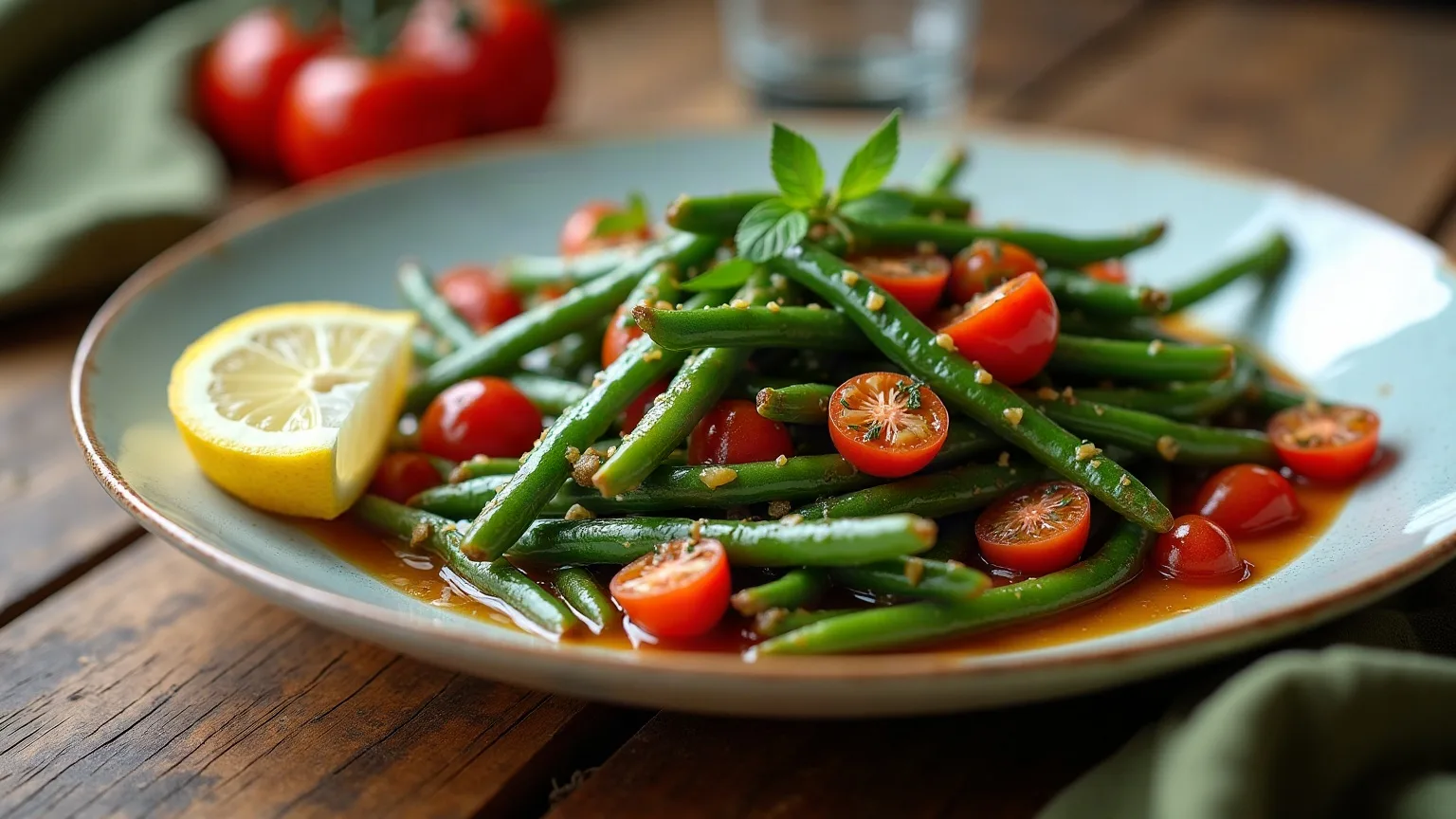
Green beans in olive oil
A classic that cooks in the vegetable’s own water, with none added. The secret is patience and a low flame: the beans sw…
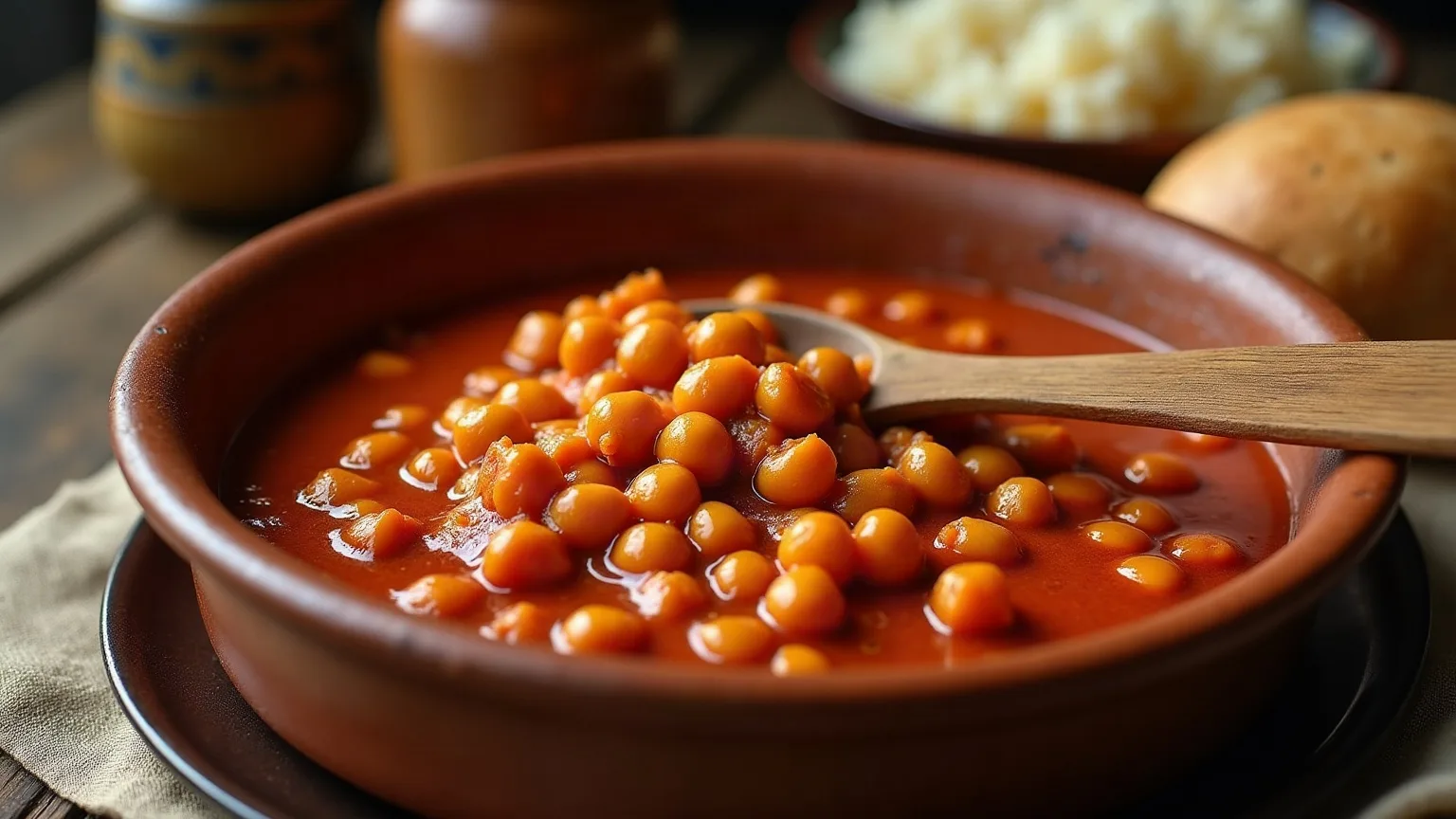
Chickpea stew
Dried chickpeas, tomato paste and olive oil — and a pinch of bicarbonate that halves the cooking time.…
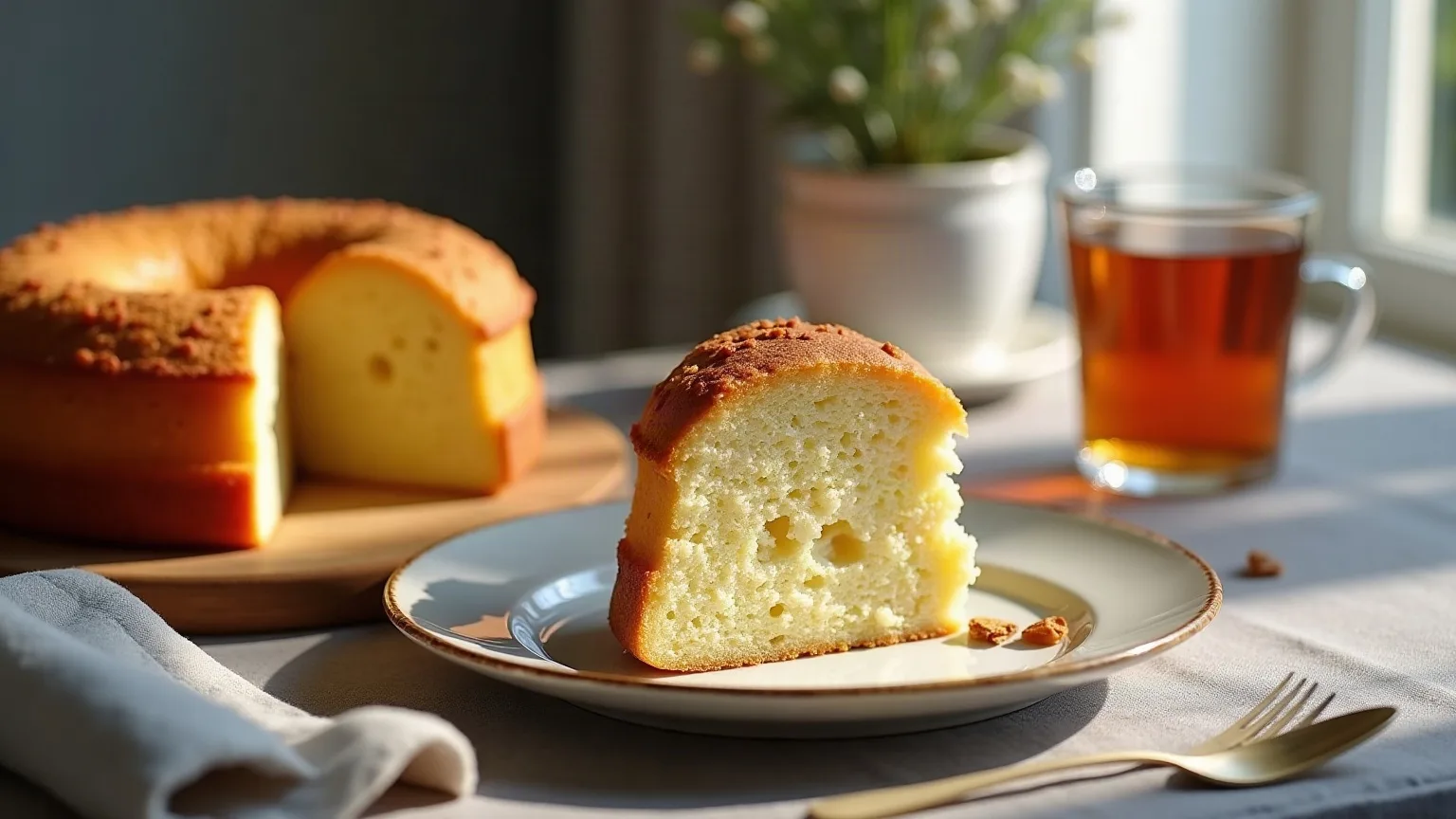
Yoghurt cake
Turkey’s everyday tea cake. The yoghurt is both the liquid phase and the acid half of the chemical leavening.…
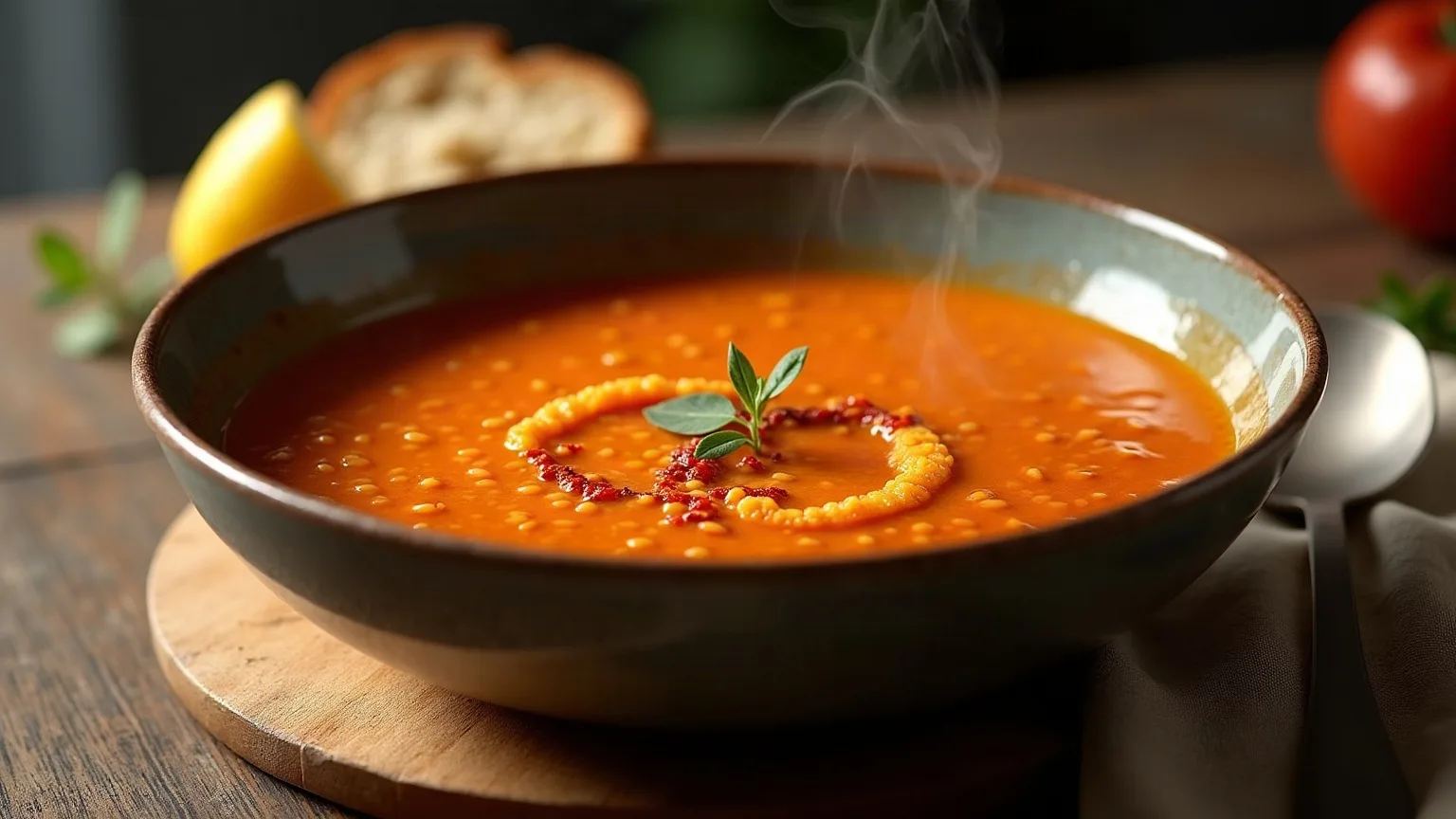
Red lentil soup
Turkey’s default soup. Four ingredients, thirty-five minutes and one rule: the lemon is squeezed at the table.…