
Yufka
The beliefYufka is assumed to need a rolling pin and a lifetime of practice, and a home sheet is expected to come out thick and full of holes.
The truthYufka is a rolling technique in which starch keeps the dough off the counter. Dust with starch instead of flour and it goes thin.
How to make it
What you need
- 500 g flour
- 250 ml warm water
- 10 g salt
- 100 g cornflour, for rolling
How the engine read this list (4 lines)
| 500 g | Flour | flour |
| 250 g | Warm water | water |
| 10 g | Salt | salt |
| 100 g | Cornflour, for rolling | starch |
An empty weight means that line could not be turned into grams — either the amount is open ("to taste") or the ingredient has no record here. Neither enters the sum as zero; they do not enter it at all.
Mix the flour and salt, add the water a little at a time and knead for ten minutes. The dough should be soft without sticking to your hands.
Wrap it and rest it thirty minutes. This is not negotiable: until the gluten relaxes the dough will not go thin.
Divide into eight, roll into balls, cover and give them ten minutes more.
Dust the bench with starch rather than flour. Roll each ball out, turning it as you go, to a millimetre.
Heat a griddle or a wide pan over a medium flame. Cook each sheet 20 to 30 seconds, until the surface goes matt. Do not brown it.
Stack the sheets and cover them with a cloth. If they are for börek, flick a little water over them.
The others that work the same way
Bread
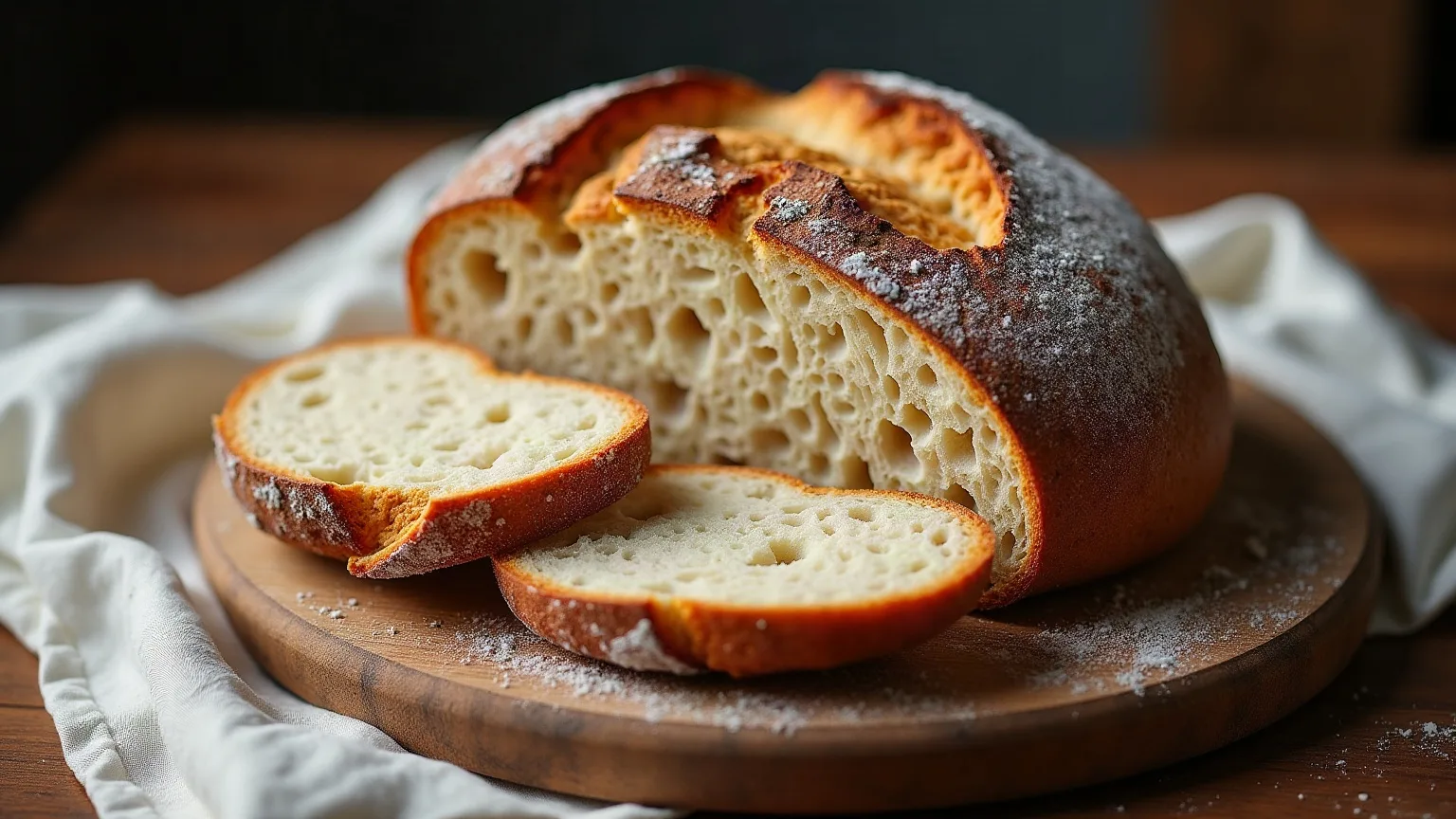
The truthFlour, water, salt, yeast. Four ingredients and four ratios — what looks like craft is the ratios.
Pasta
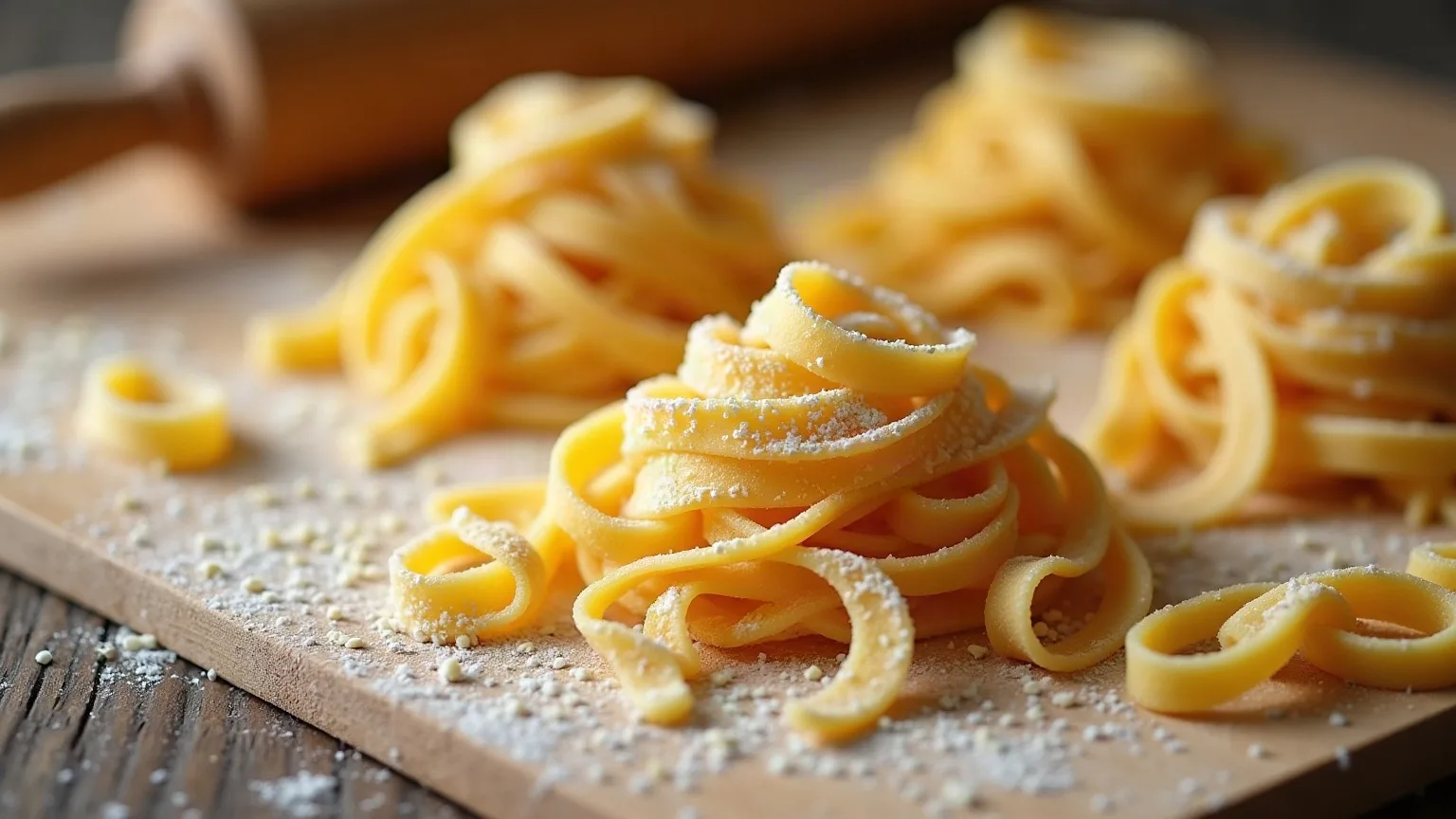
The truthSemolina and water at 30% hydration. The rest is a rolling pin and a little patience.
Erişte noodles
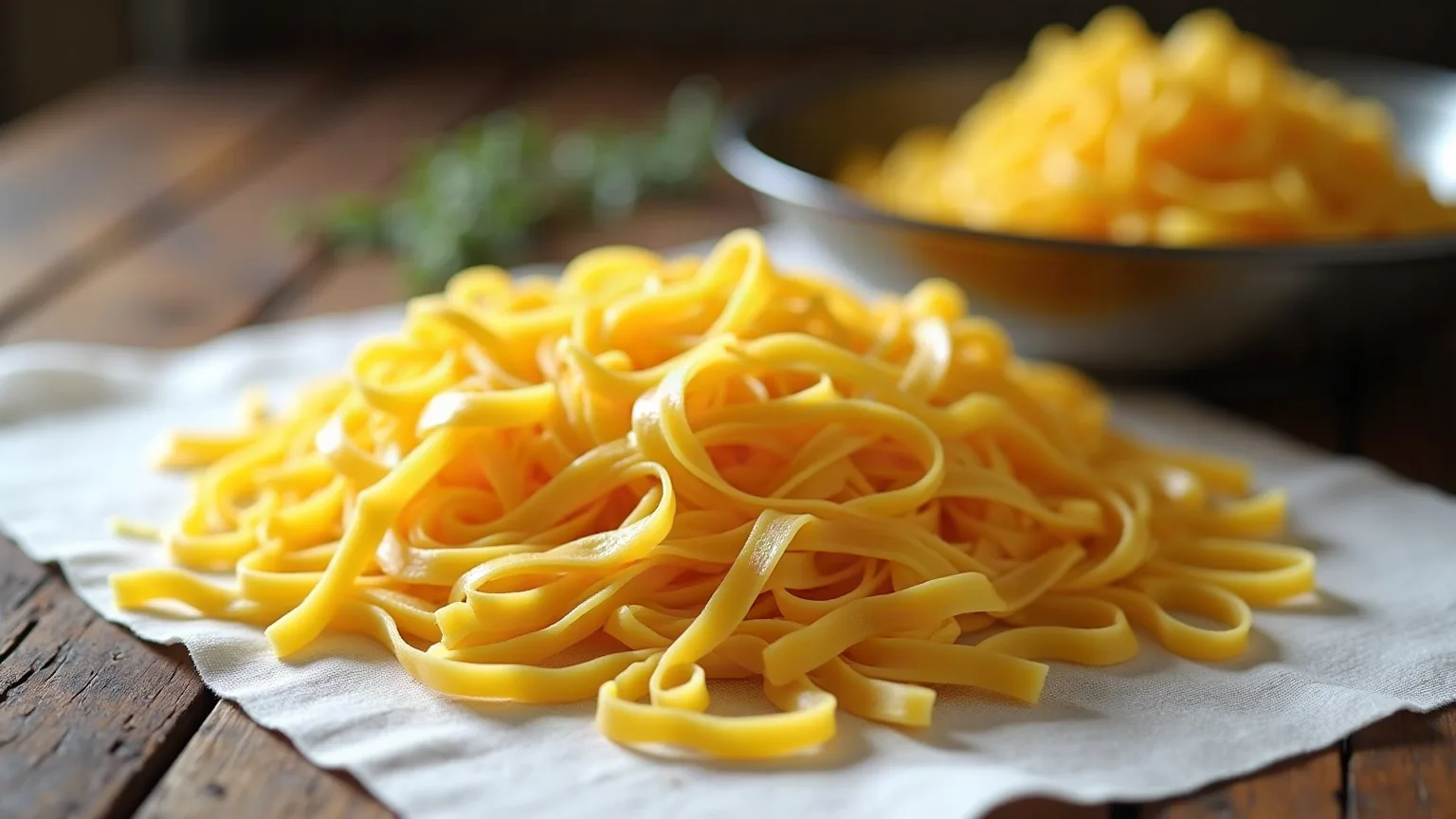
The truthIt is egg dough rolled thin and cut. One person makes a winter’s worth in an hour — the crowd is custom, not technique.