
Scaled to however many of you there are.
Change the headcount and the amounts follow. Salt and spice do not scale in a straight line, and we account for that.
A recipe is how you make a thing: the amounts, the order, the timing and where it goes wrong. The dish pages explain what that thing is — where it comes from, the mechanism behind it, and why skipping one step makes it something else. One stays open in the kitchen; the other is read when you wonder.
11 of 116 recipes. Clear the filter
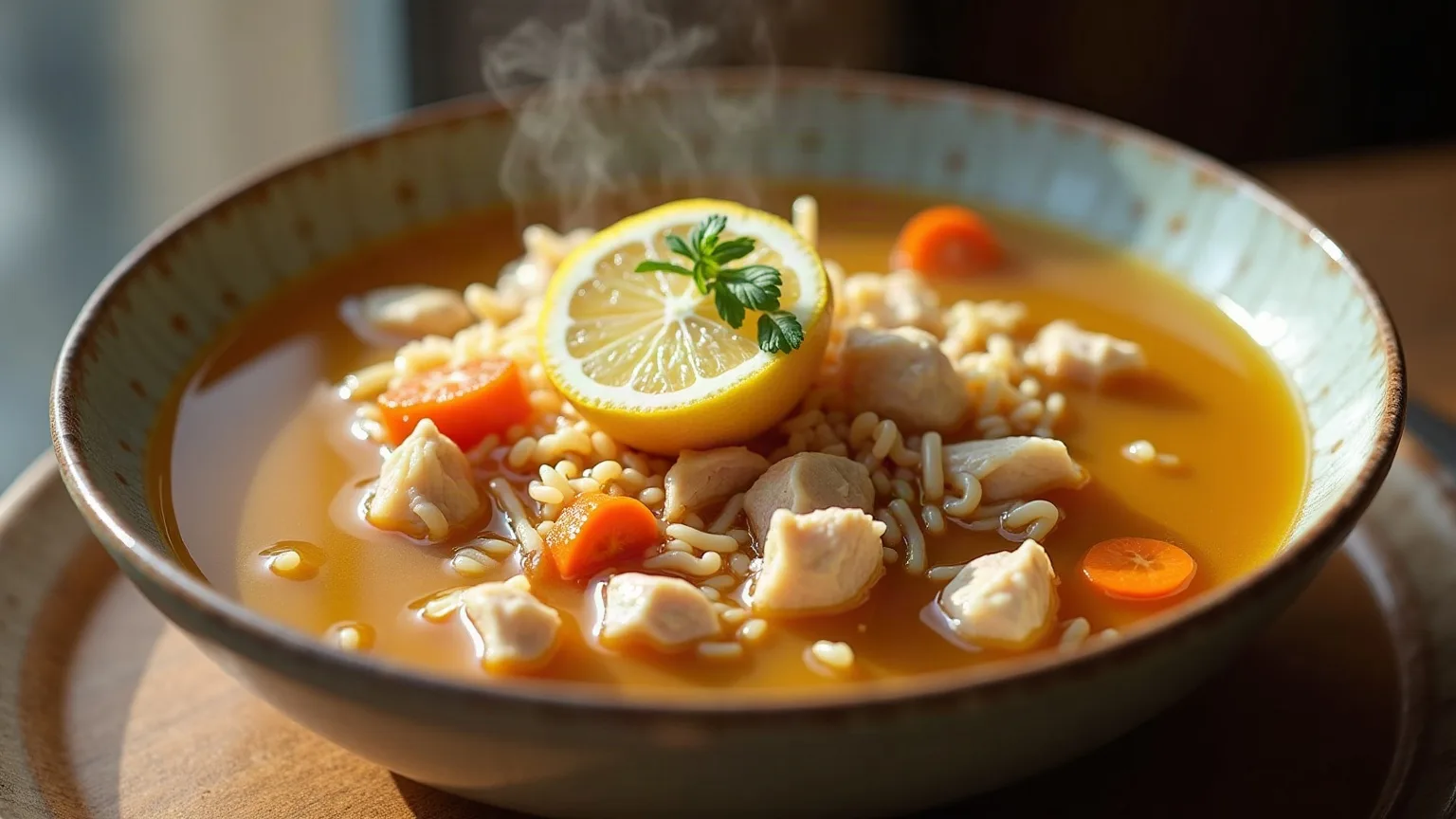
Chicken broth soup
What makes a broth clear is not the ingredients but the temperature: a pan that passes 95 °C guarantees a cloudy one.
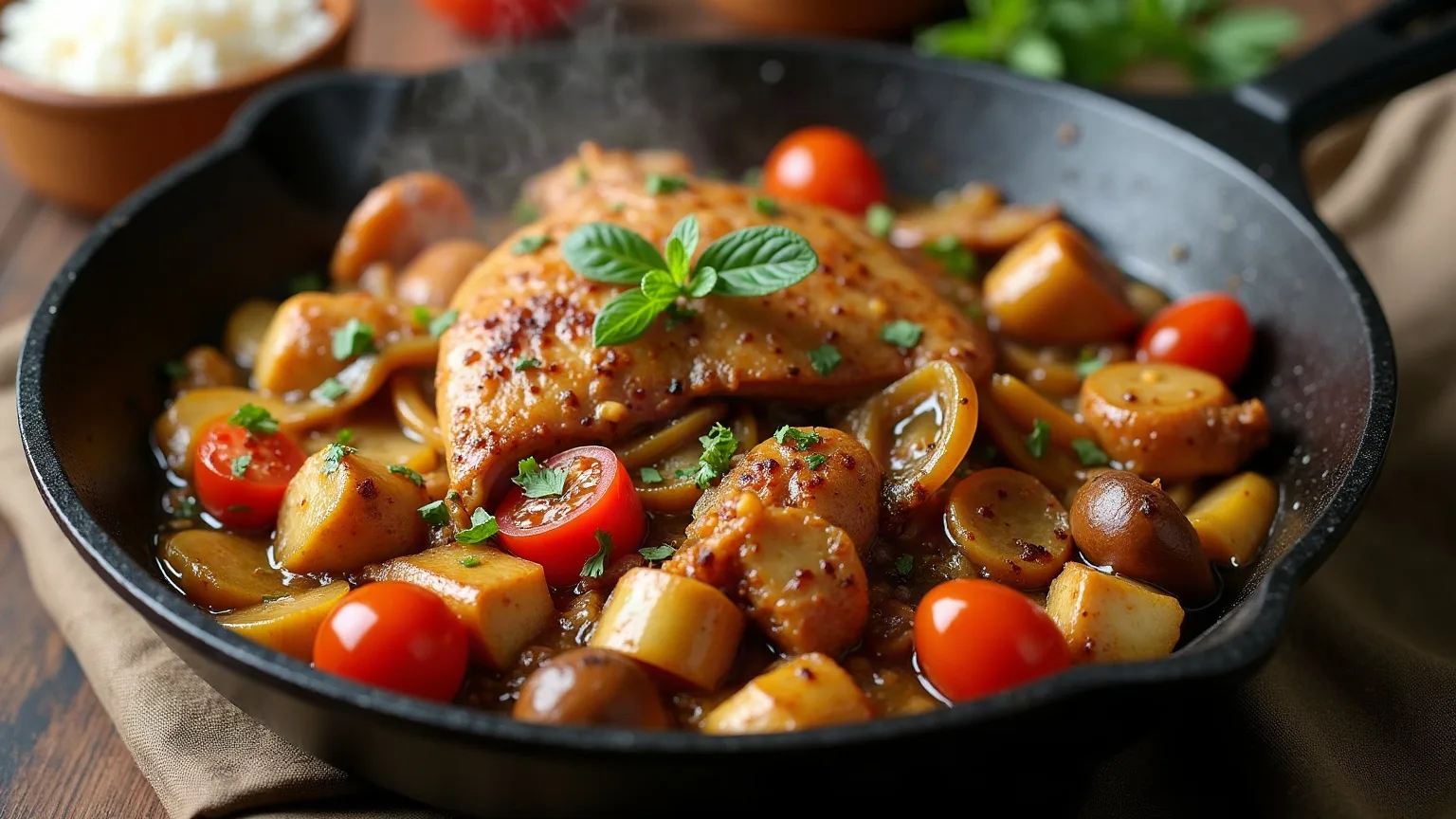
Chicken sauté
Chicken breast is done at 65 °C and dry at 72. Those seven degrees are the whole recipe.
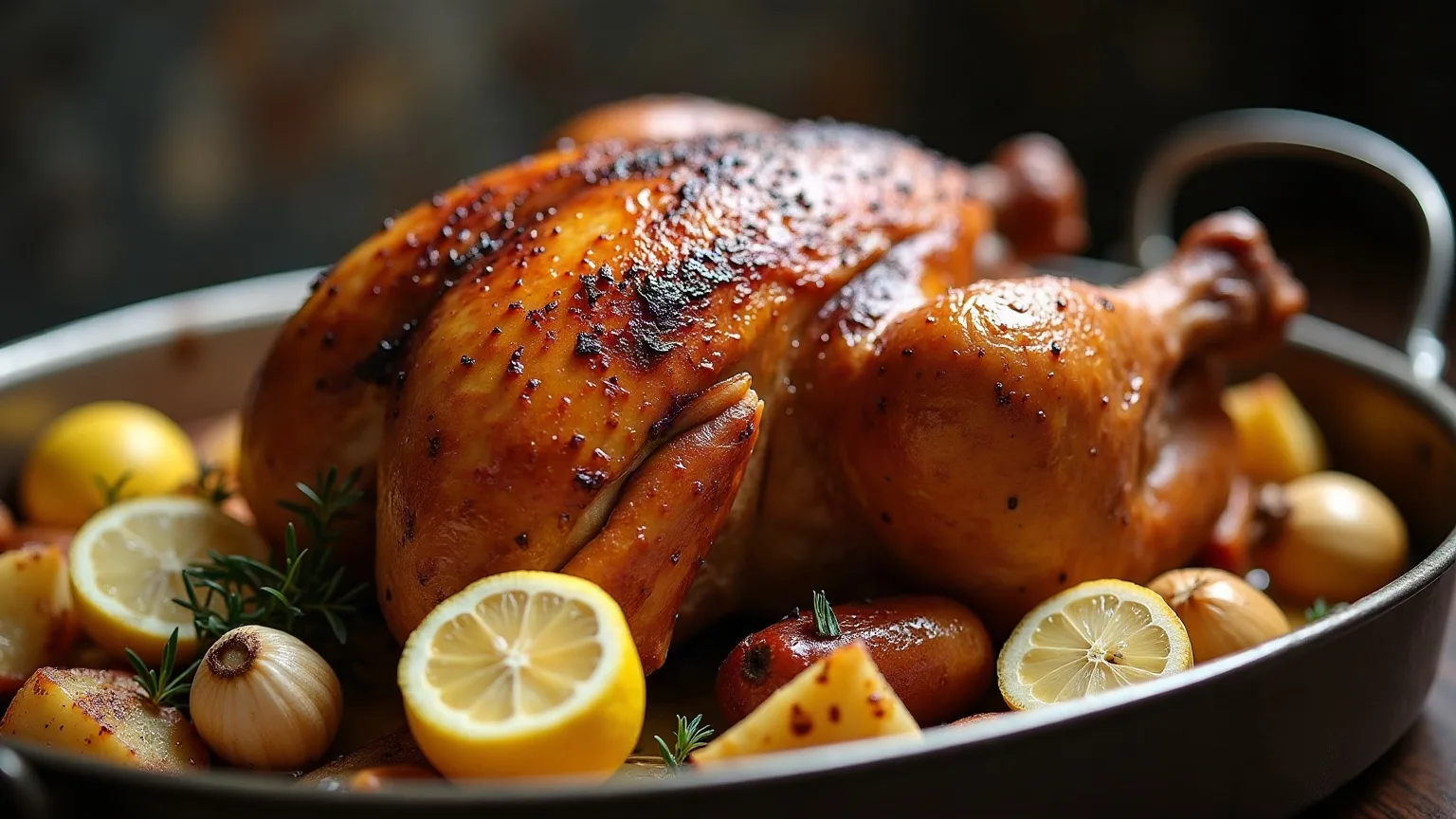
Whole roast chicken
The breast is ready at 65 °C and the leg at 75. Roasting a whole bird is entirely the business of hitting both at once.
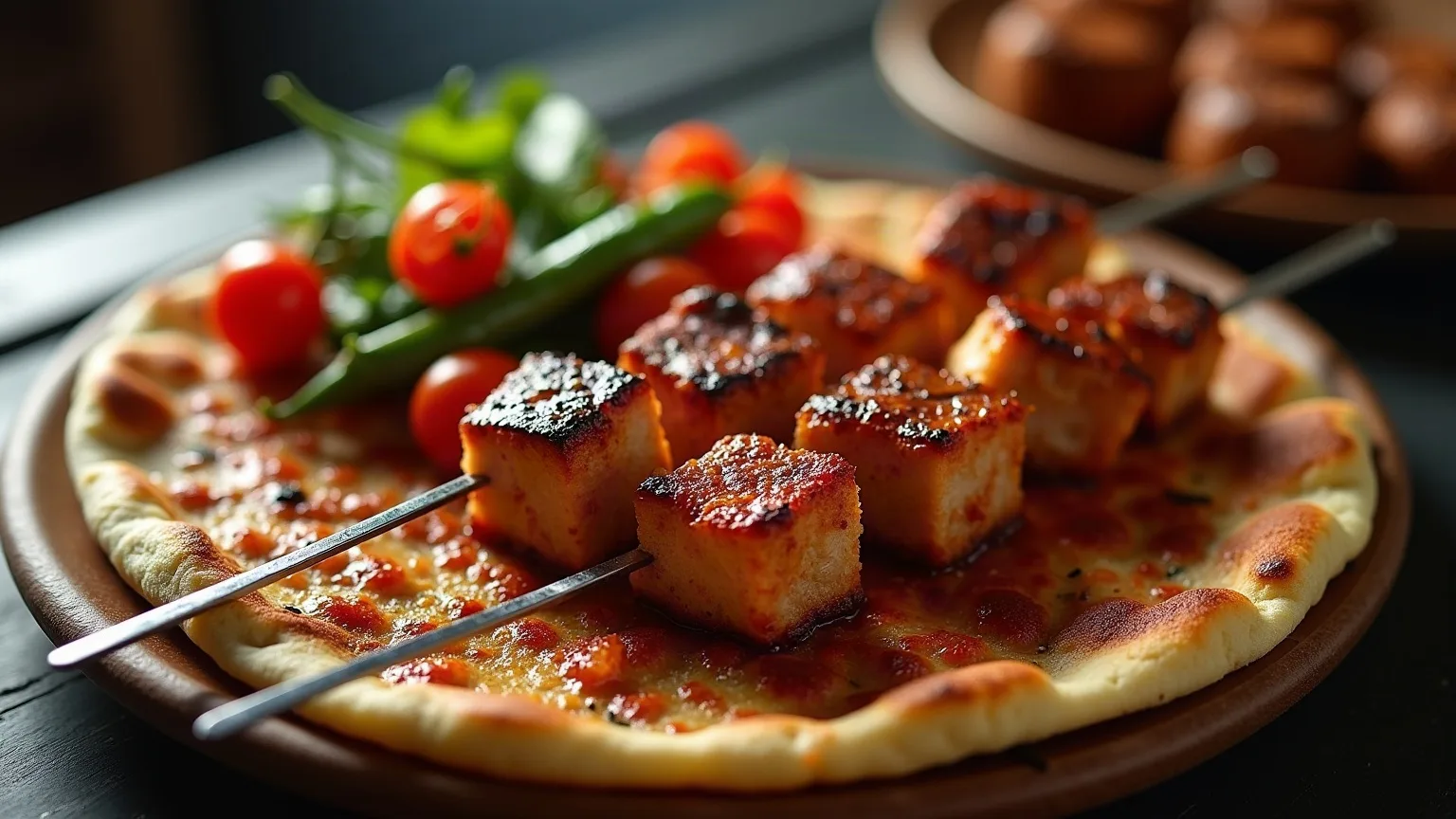
Chicken shish
A yoghurt marinade is a mechanism rather than a tradition: its calcium and lactic acid loosen the meat’s protein.
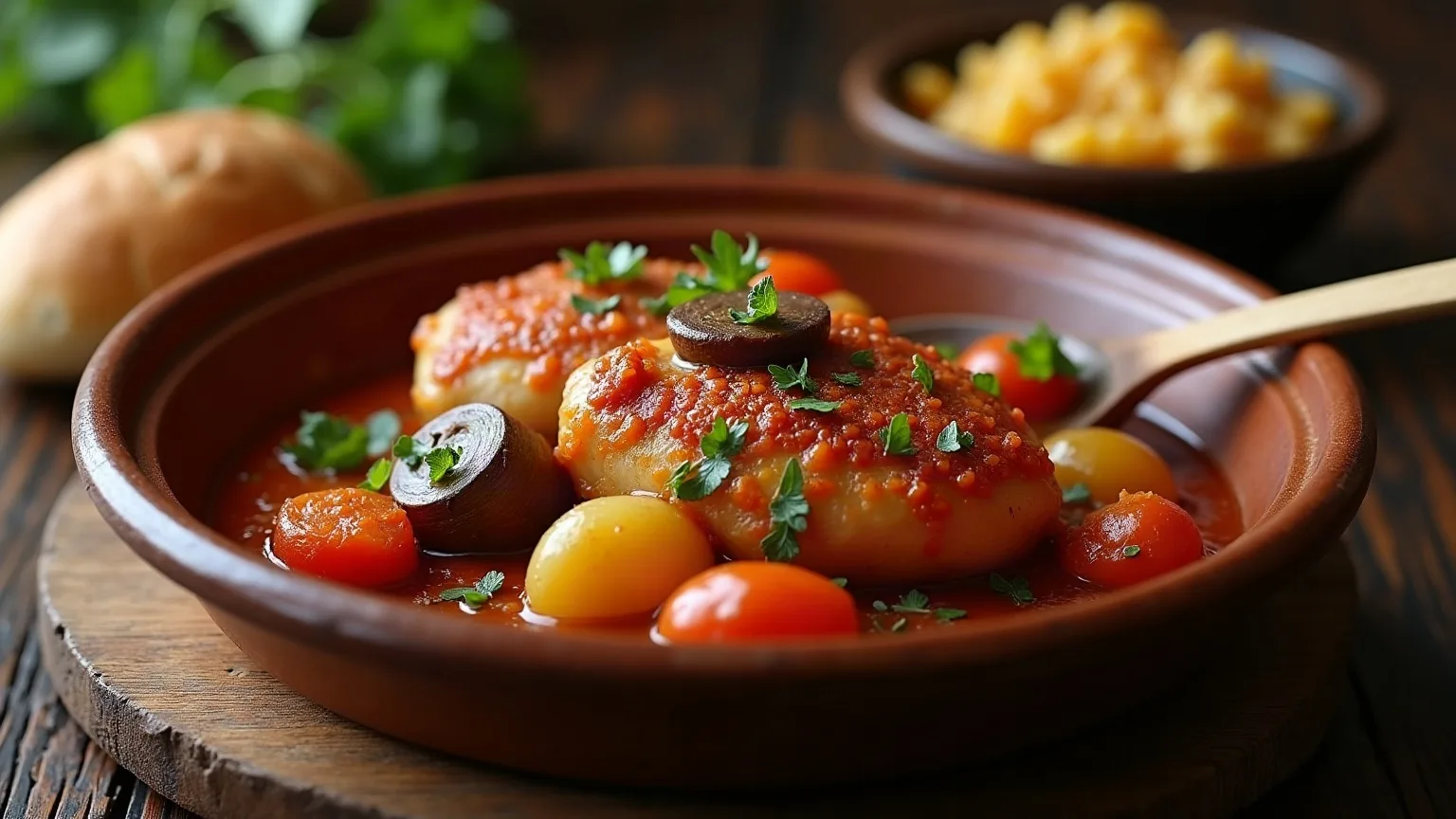
Chicken casserole
Made with thigh, and there is no alternative: breast certainly dries over forty minutes in an oven.
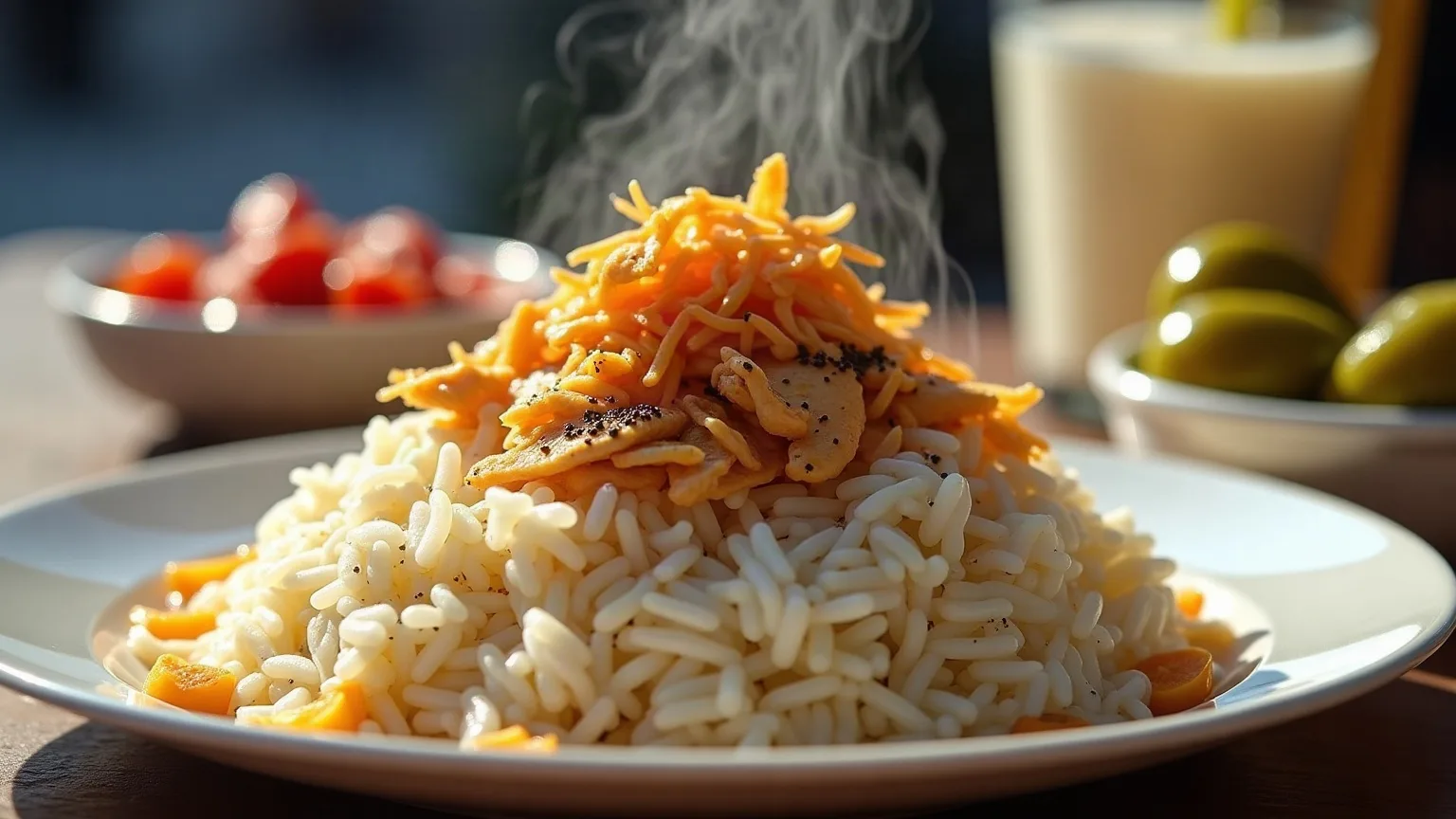
Chicken pilaf
When the water for the rice is the water the chicken cooked in, the dish becomes something else. Made with plain water, the same recipe is only rice.
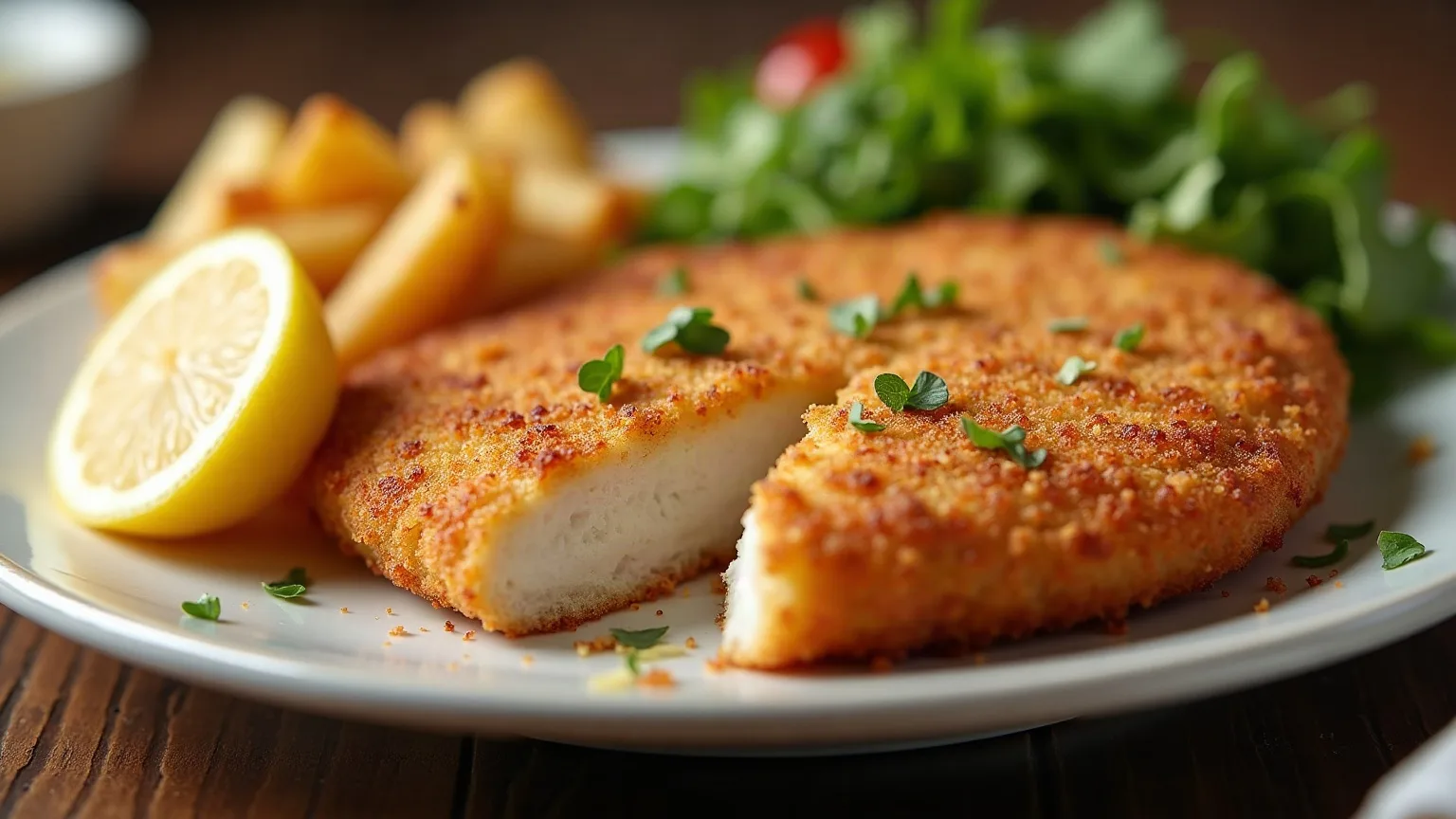
Chicken schnitzel
Beating the meat thin is a requirement rather than a shortcut: a 1 cm breast cannot cook before the coating burns.
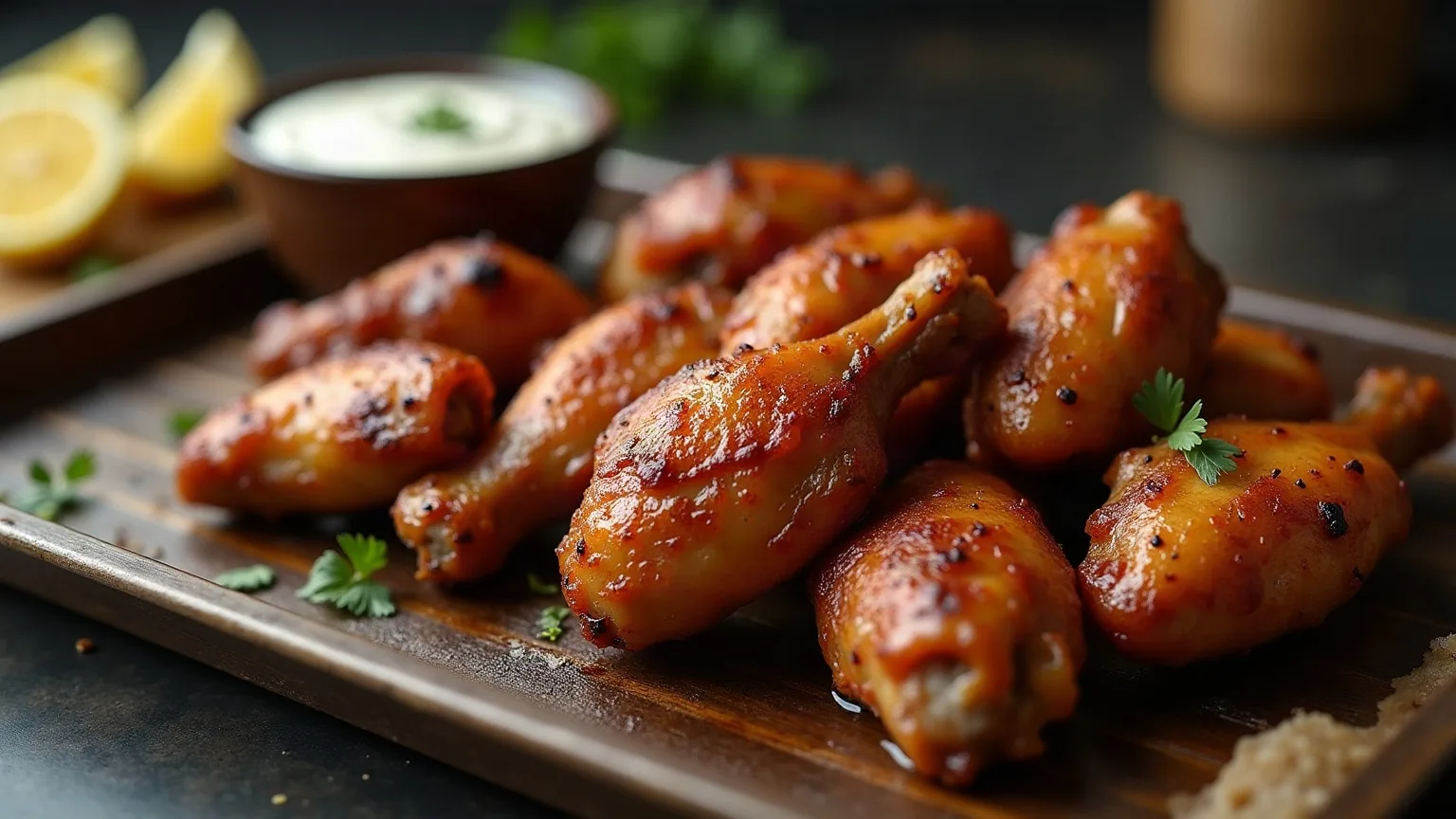
Oven chicken wings
Crisp wings without a fryer are possible, on one condition: a night uncovered in the fridge to dry the skin.
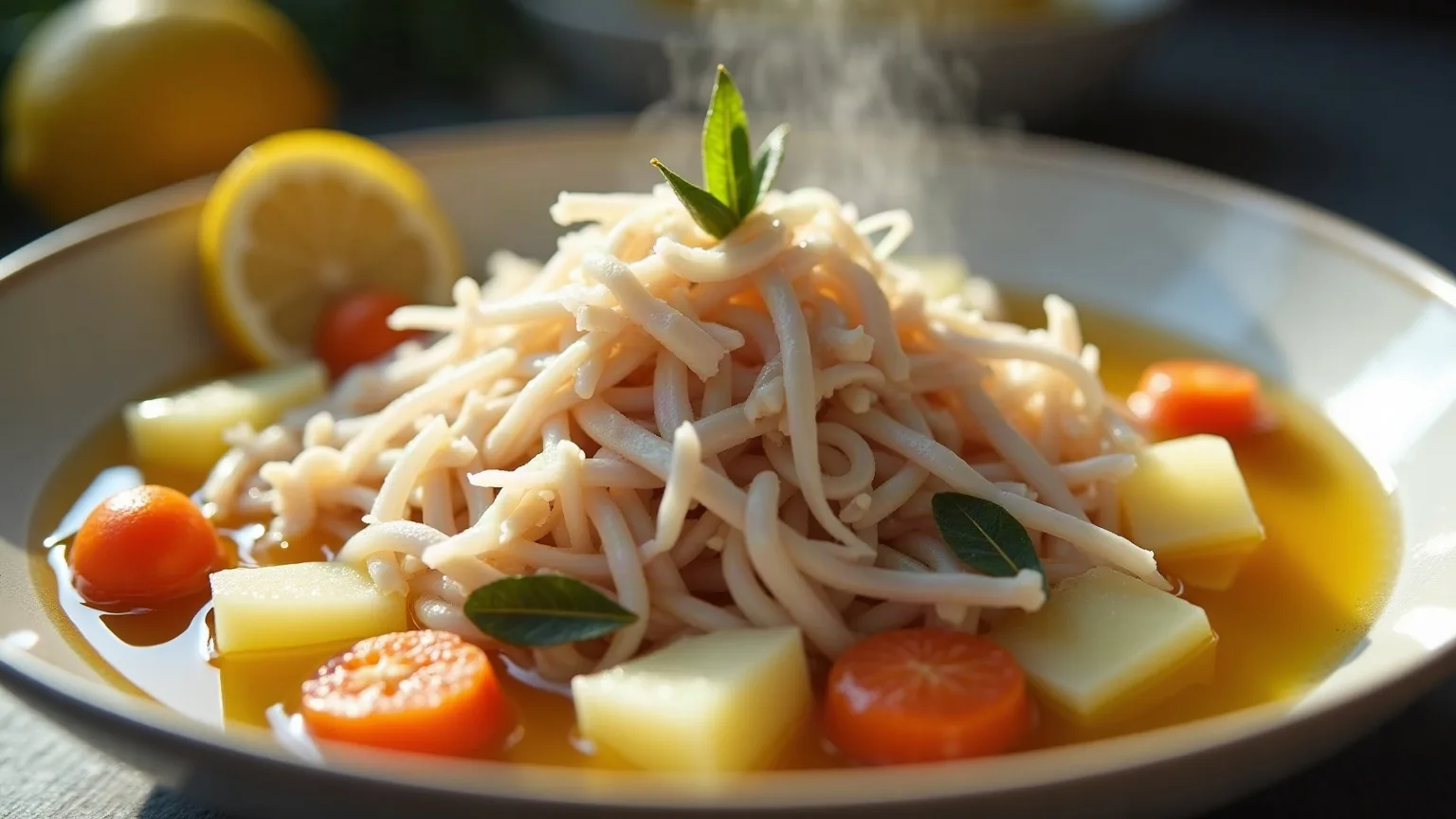
Poached chicken
There is one reason poached chicken comes out dry: the water was boiling. Poached at 80 °C it never does.
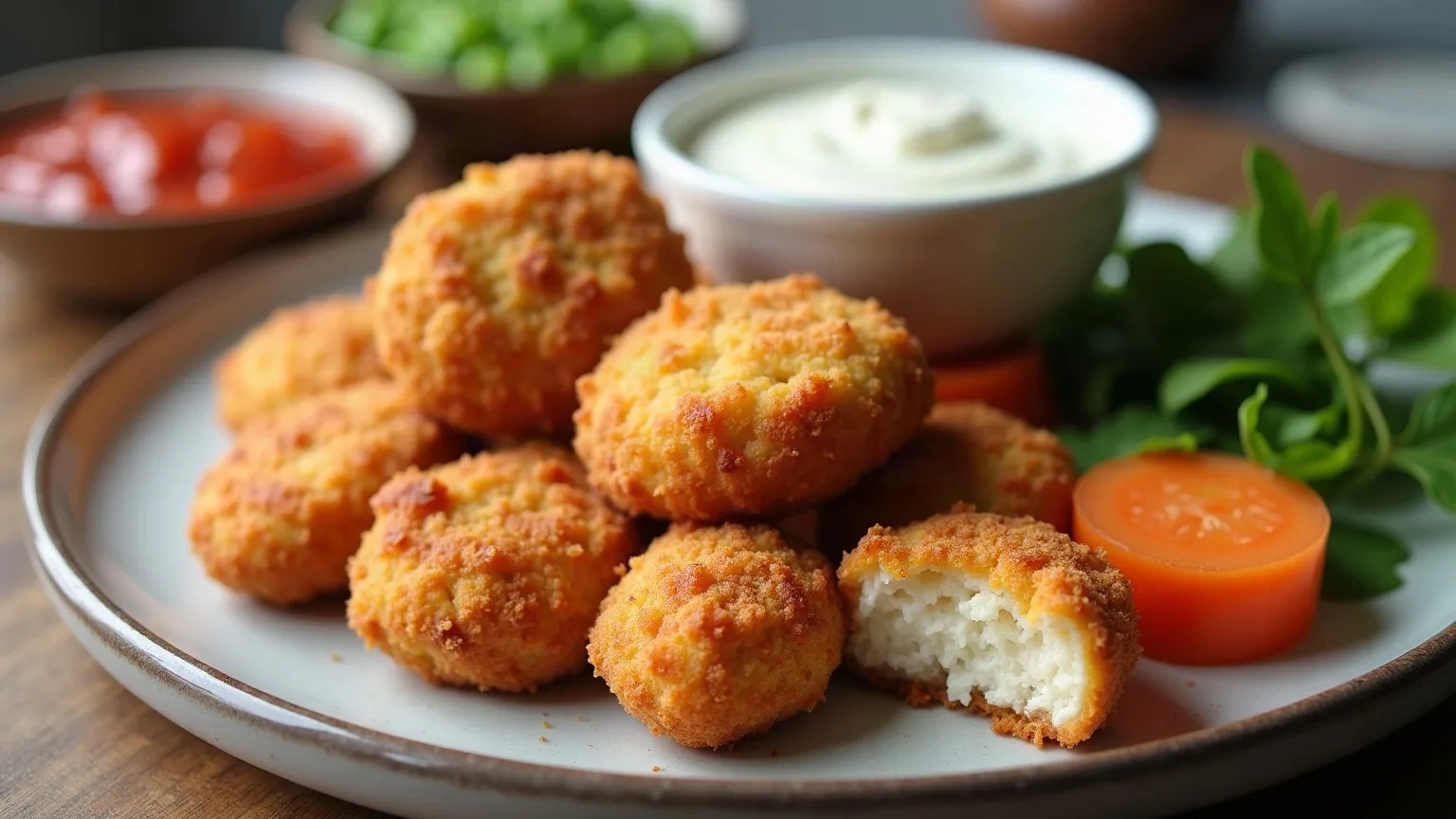
Home-made chicken nuggets
Half the meat in a shop nugget is skin, cartilage and water. At home you know what is in it, and the difference shows up in the salt.
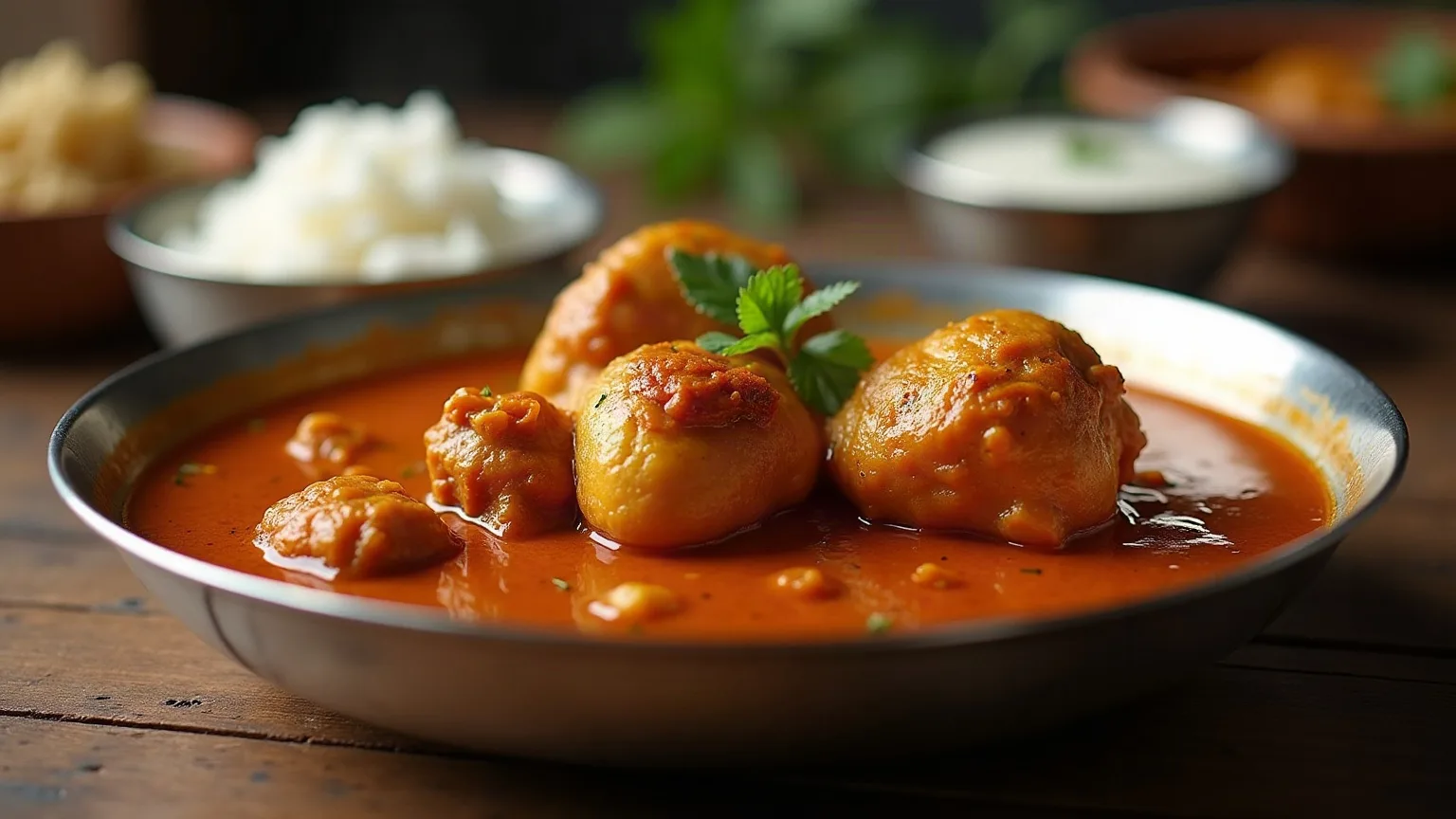
Chicken curry
Frying the spices in fat is not a step but half the recipe: their aromas dissolve in oil and not in water.