
Scaled to however many of you there are.
Change the headcount and the amounts follow. Salt and spice do not scale in a straight line, and we account for that.
A recipe is how you make a thing: the amounts, the order, the timing and where it goes wrong. The dish pages explain what that thing is — where it comes from, the mechanism behind it, and why skipping one step makes it something else. One stays open in the kitchen; the other is read when you wonder.
8 of 117 recipes. Clear the filter
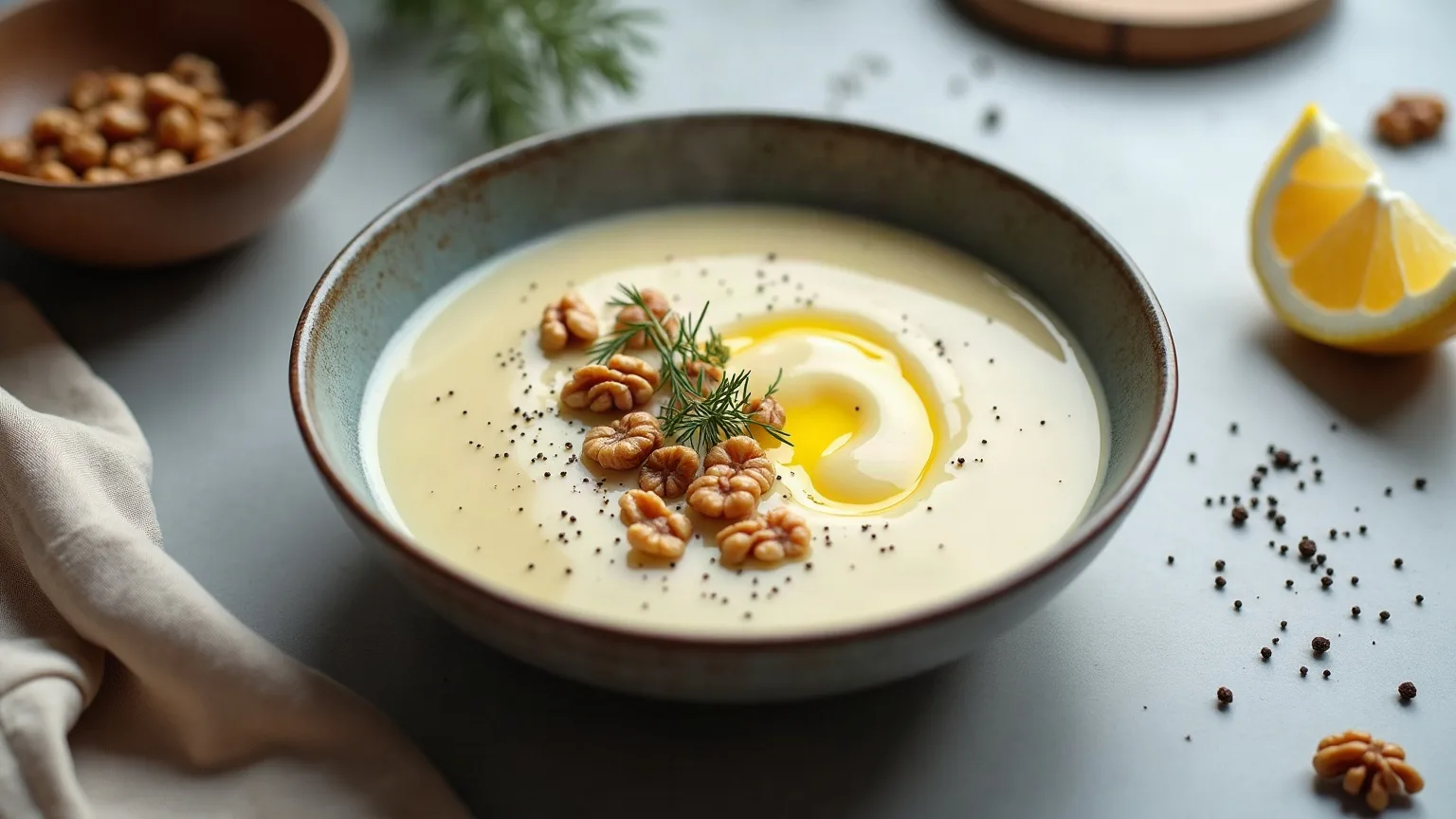
Celeriac soup
Celeriac starts browning the moment it is cut. Dropping it into acidulated water is a chemical intervention rather than a cosmetic one.
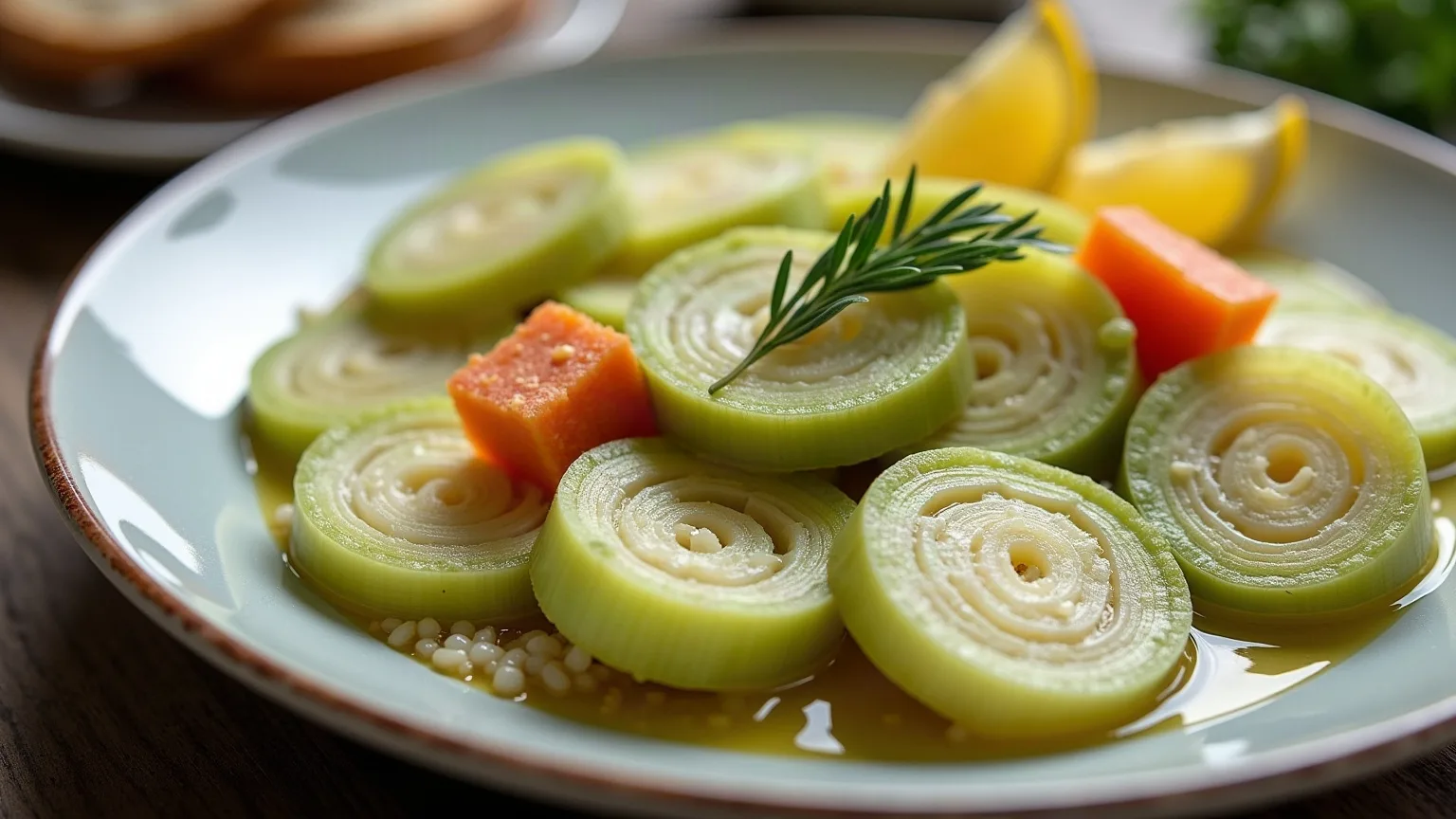
Leeks in olive oil
Leek grit hides between the layers and rinsing does not reach it: it has to be cut first and soaked after.
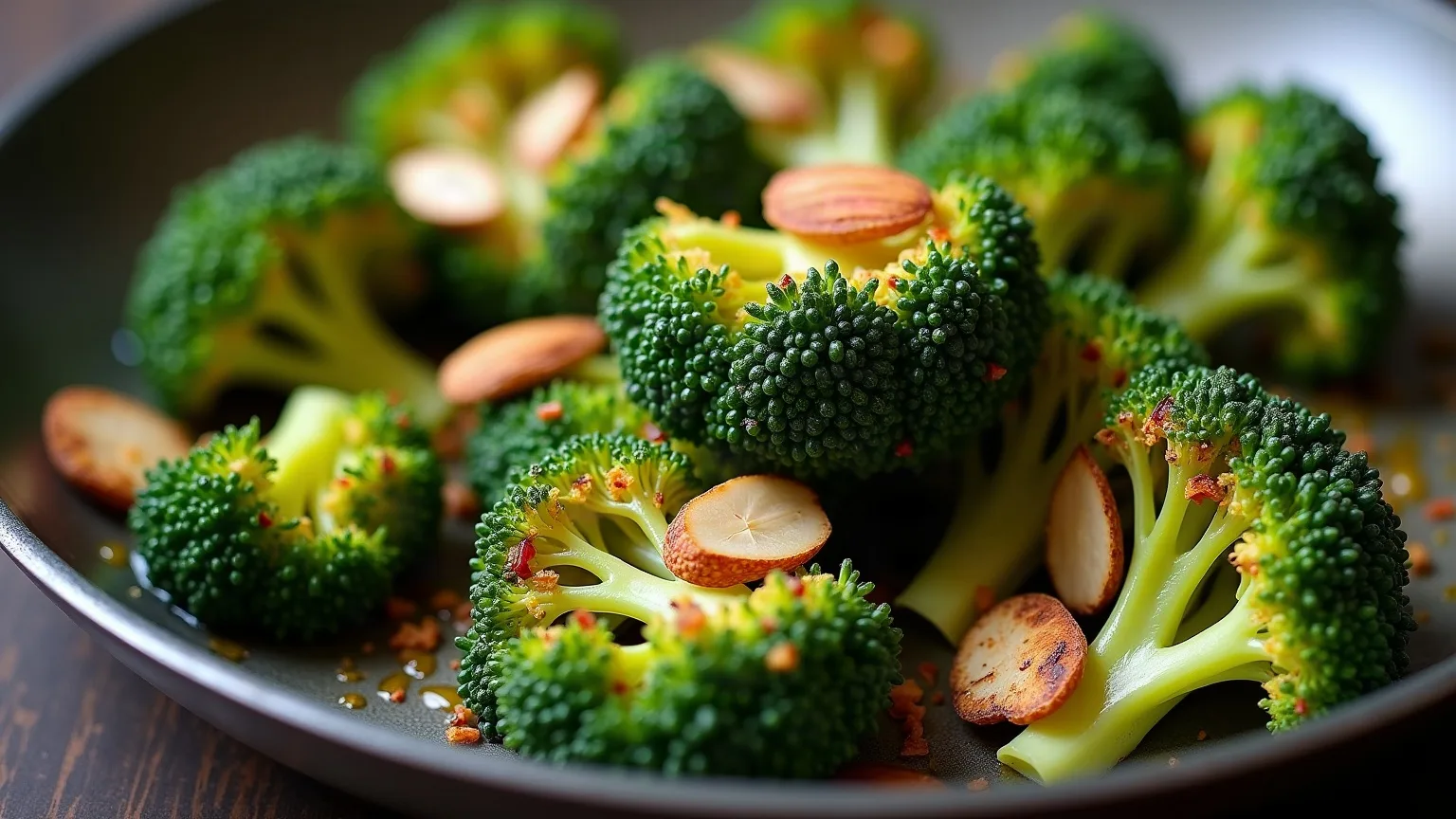
Garlic-sautéed broccoli
The broccoli is blanched two minutes and dropped into iced water. That shock locks the green in, and the sauté cannot take it back out.
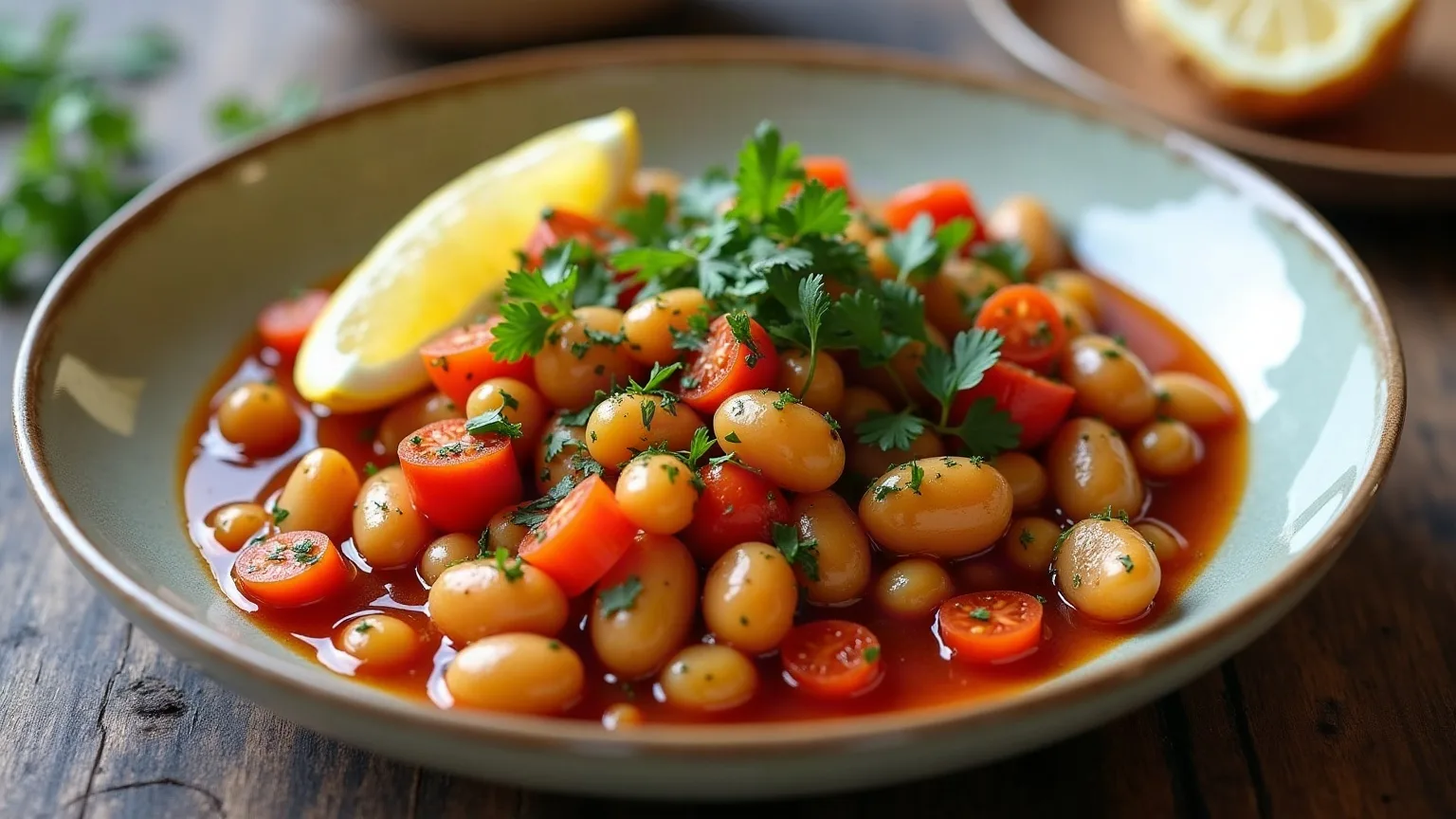
Borlotti bean pilaki
A pilaki is eaten cold, and that is why there is sugar in it: perception of sweetness drops as food cools, so what tastes right hot tastes flat cold.
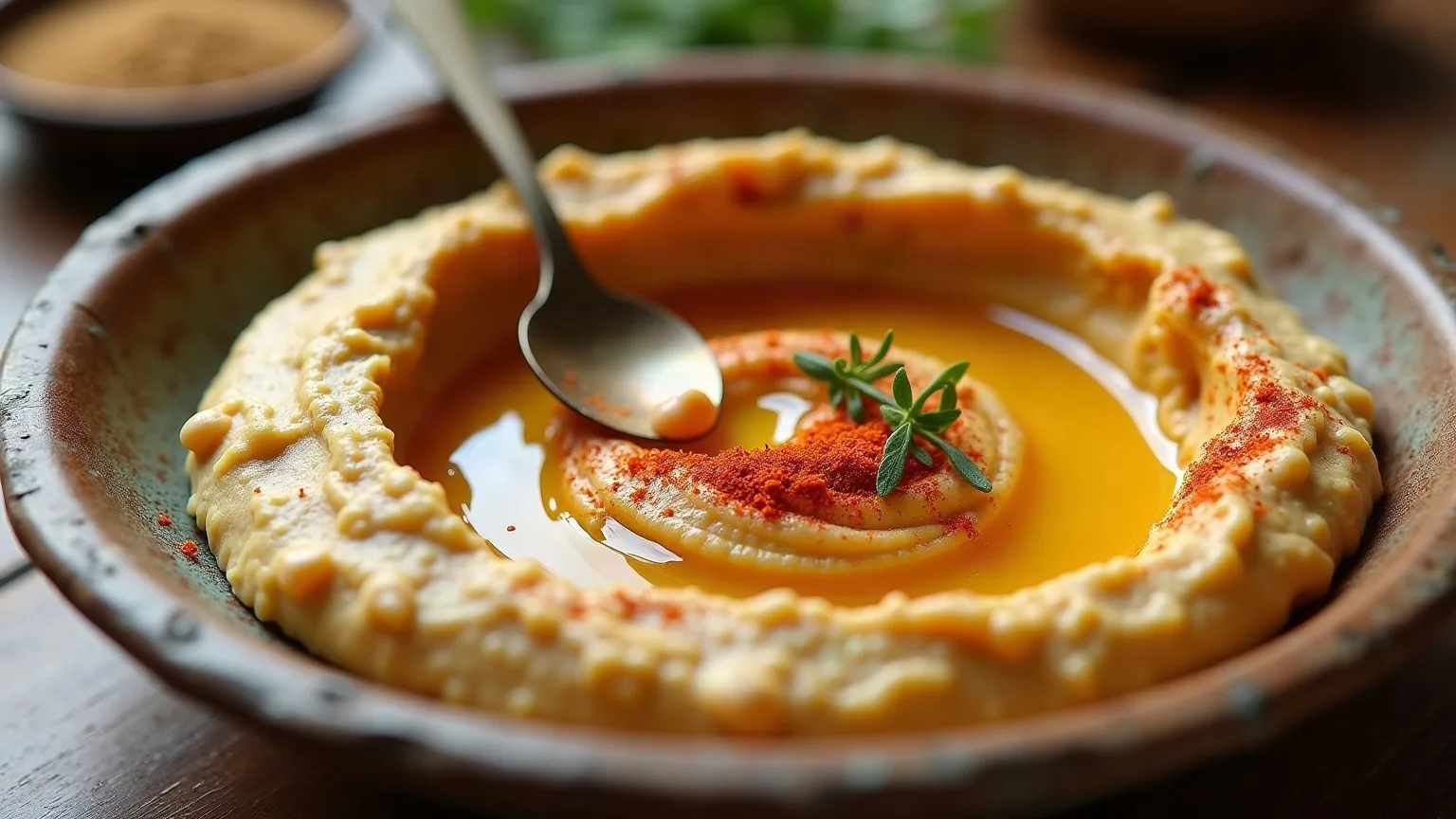
Hummus
Smooth hummus is not a question of the blender but of the skins: no machine makes it velvety while they are still on.
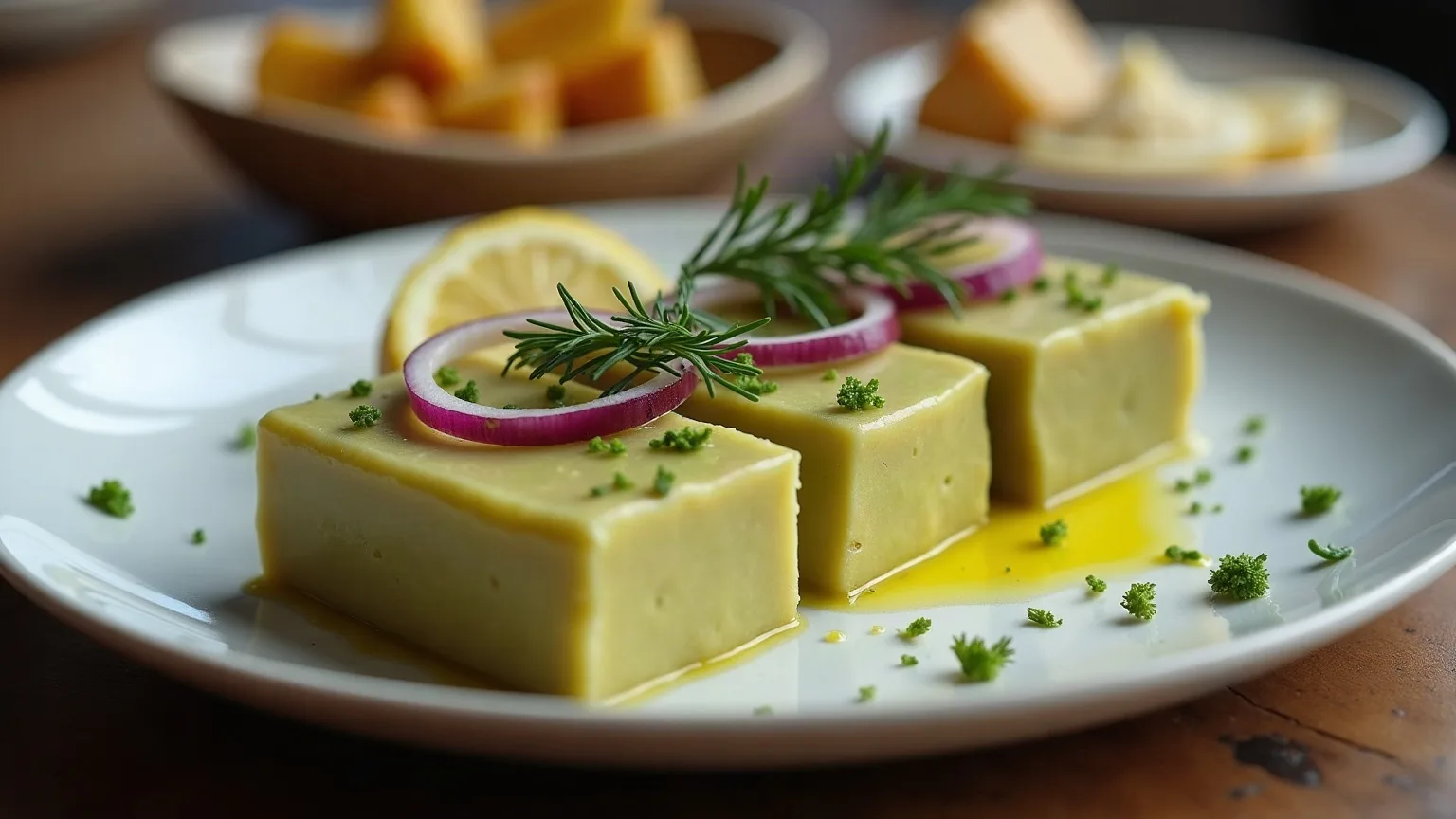
Broad bean purée
Broad beans are not boiled in their skins: the skin cooks but never chews, and the purée comes out gritty.
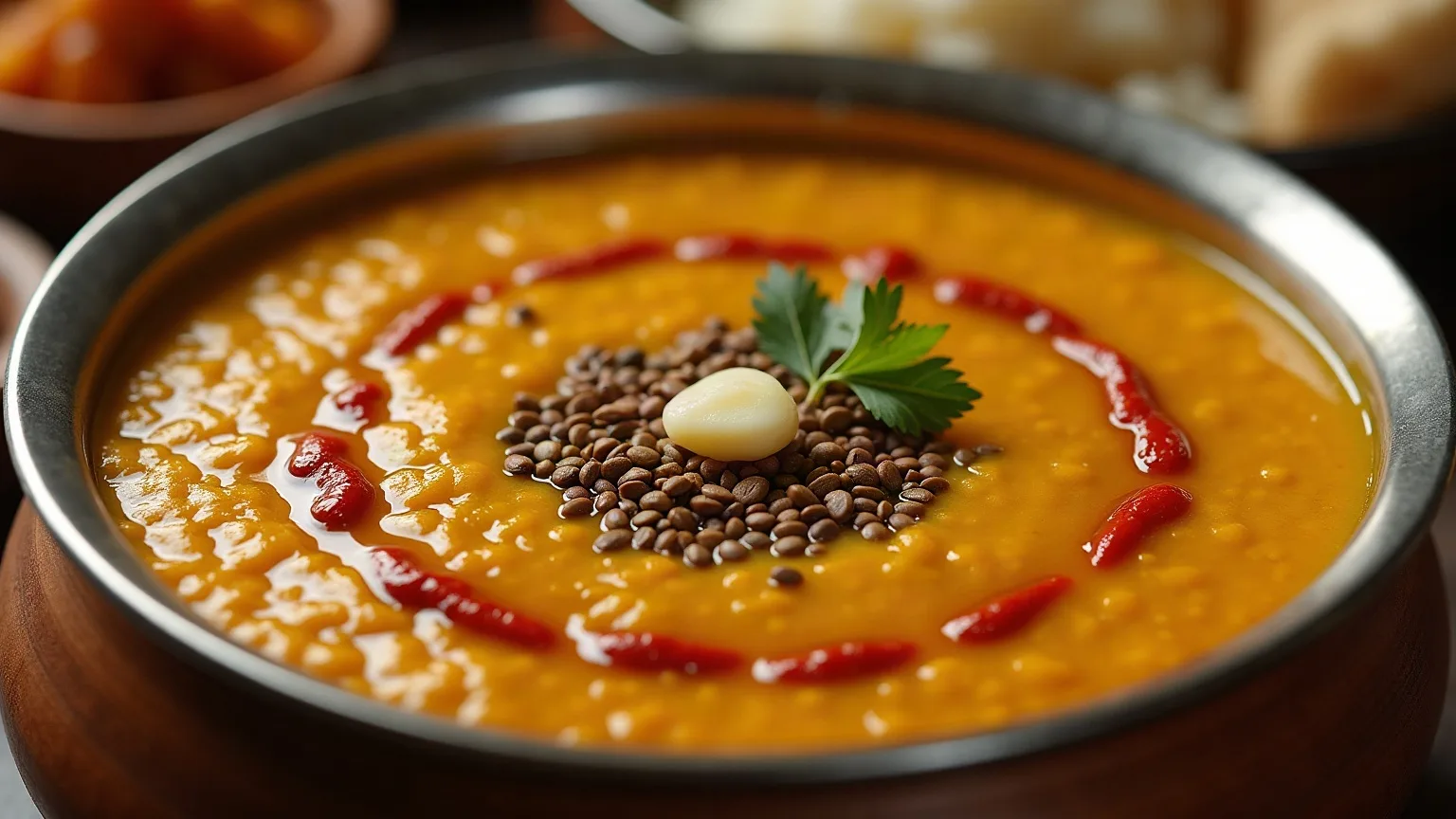
Red lentil dal
Twenty minutes of boiling lentils tastes of very little; almost all of the flavour is made in the last forty-five seconds, in hot fat.
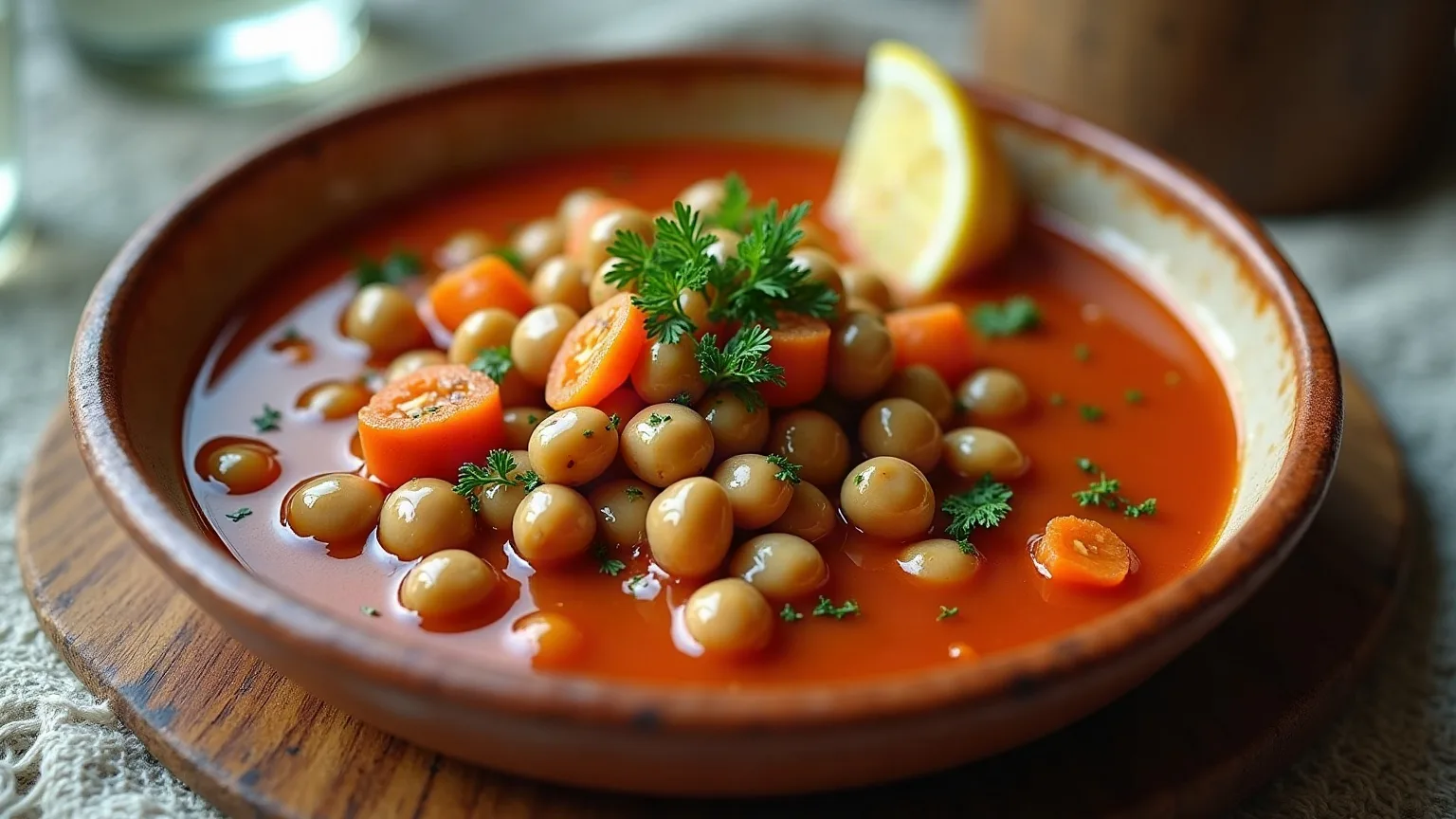
Black-eyed pea stew
The one common dried pulse that needs no soaking: its coat is thin and permeable, so it goes from dry seed to tender in twenty-five minutes.