
Scaled to however many of you there are.
Change the headcount and the amounts follow. Salt and spice do not scale in a straight line, and we account for that.
A recipe is how you make a thing: the amounts, the order, the timing and where it goes wrong. The dish pages explain what that thing is — where it comes from, the mechanism behind it, and why skipping one step makes it something else. One stays open in the kitchen; the other is read when you wonder.
9 of 116 recipes. Clear the filter
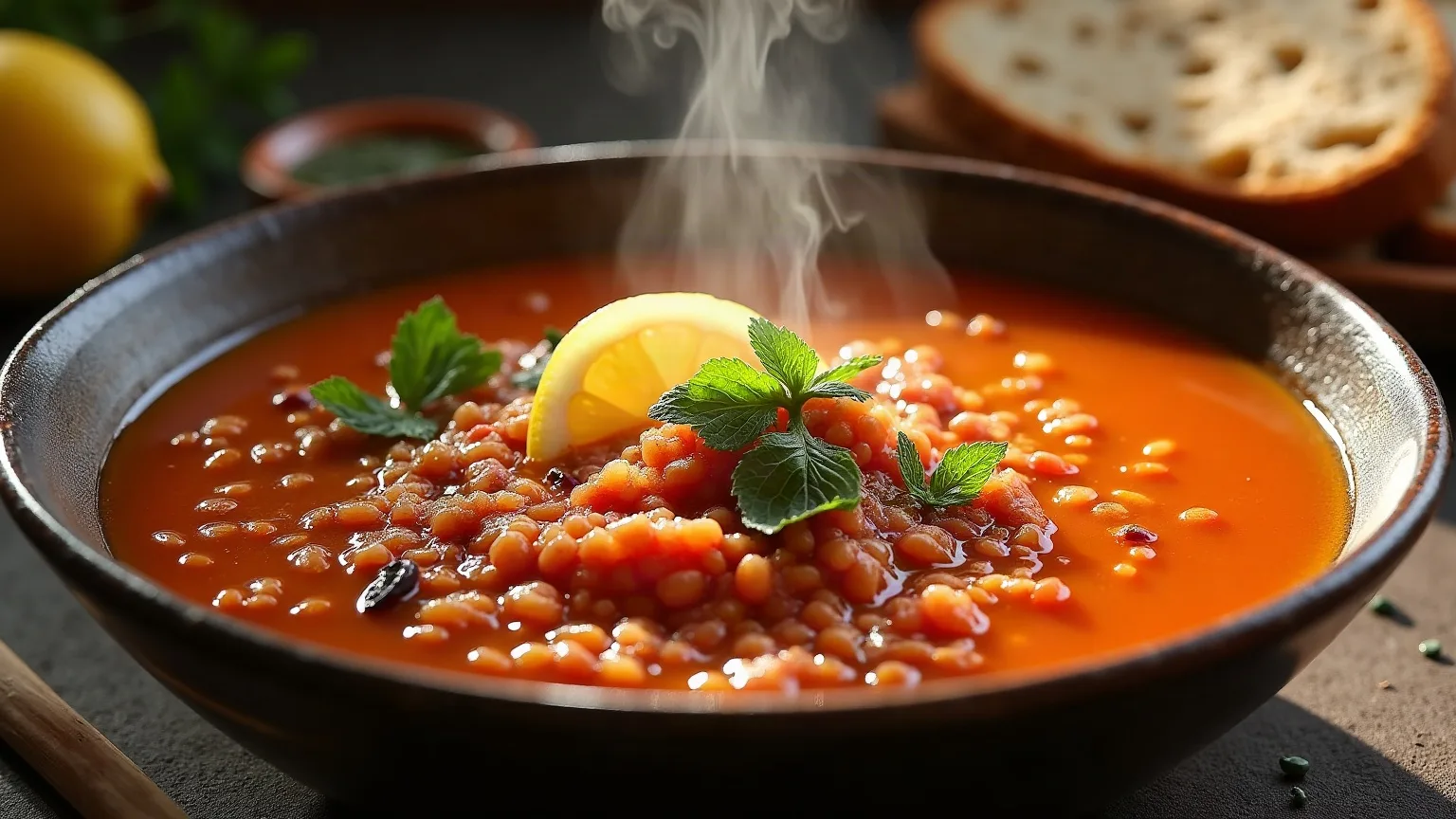
Ezogelin soup
The lentil soup’s cousin, with bulgur, tomato paste and mint. The difference is one step: the paste is fried in the fat.
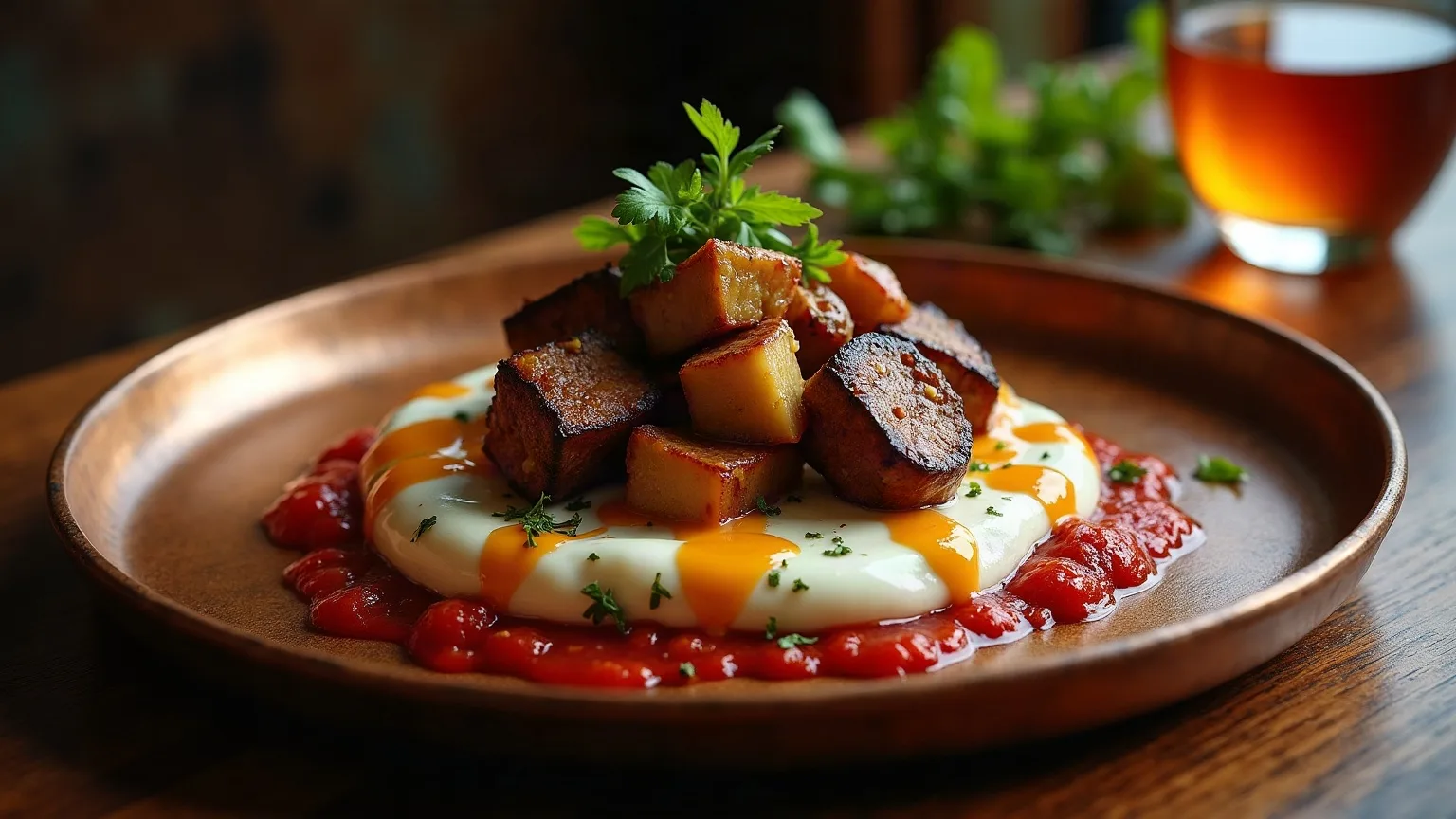
Ali Nazik
The Gaziantep classic: charred aubergine crushed with garlicky yoghurt under sautéed lamb. Everything rests on properly charring the aubergine — made with oven-roasted aubergine, this is simply not the dish.
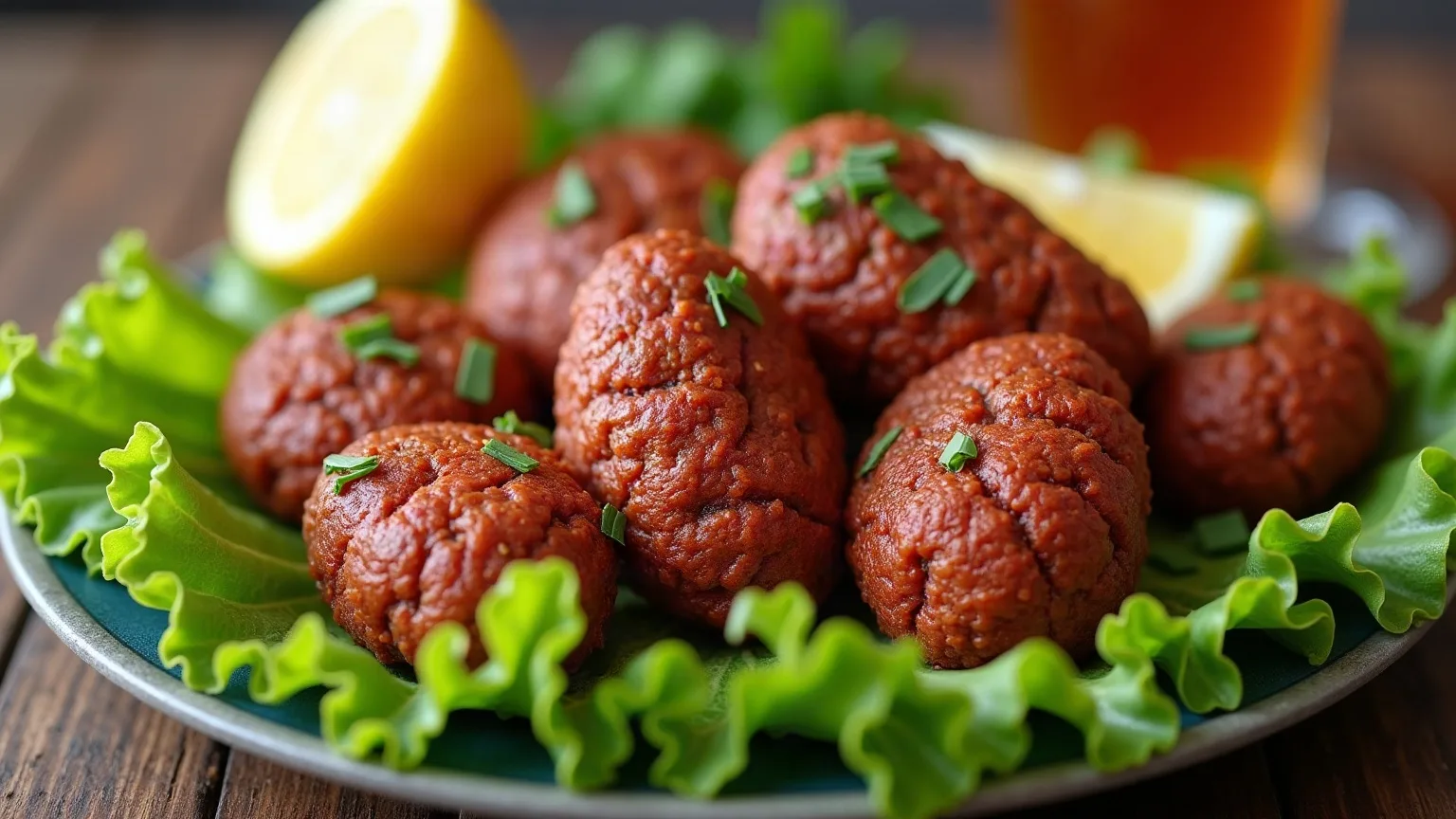
Çiğ köfte, without meat
The name says raw, but the bulgur is not: bulgur is wheat that has already been boiled, and here it is only soaked.
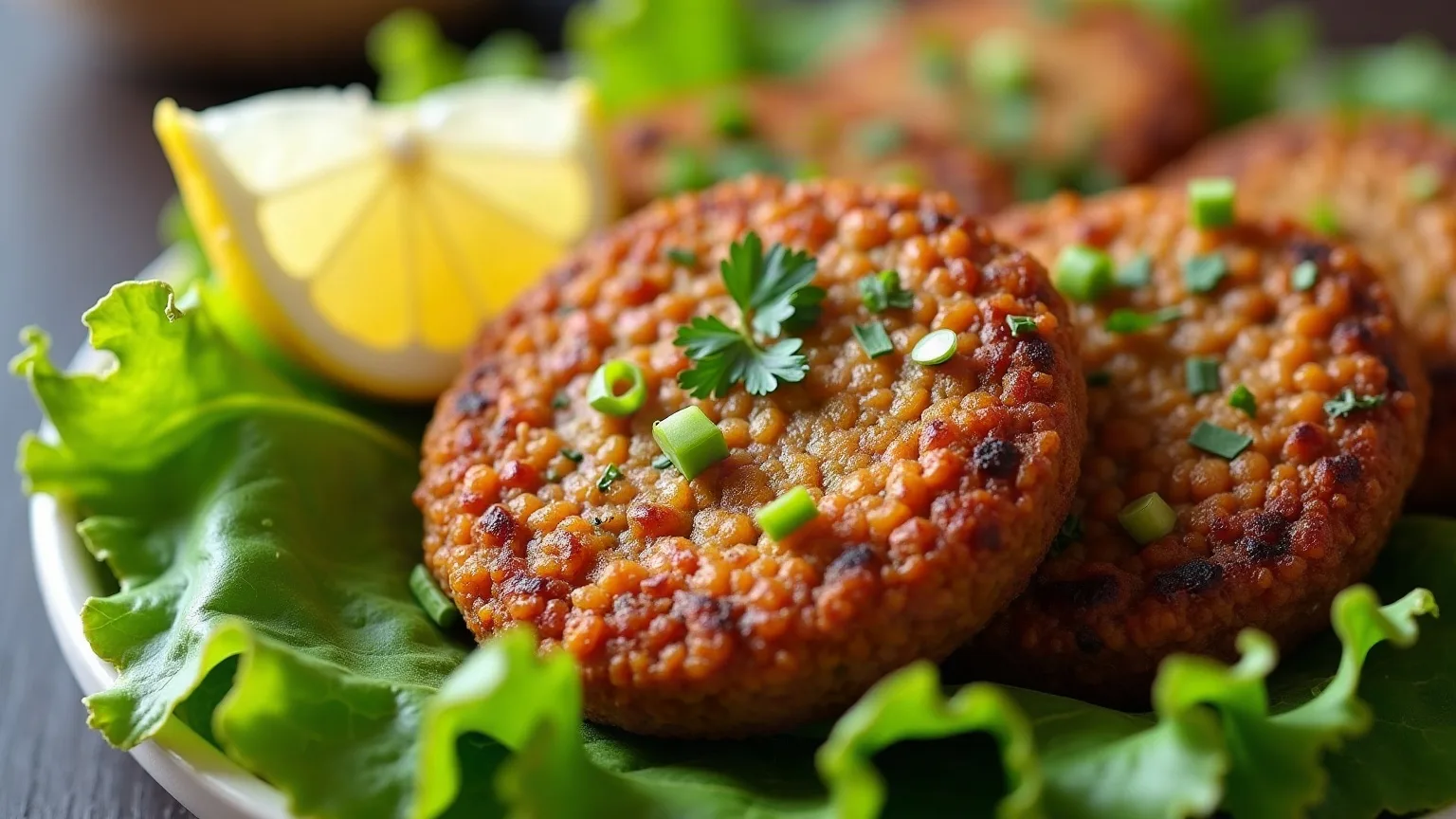
Red lentil patties
The bulgur goes onto the lentils while they are HOT, under a lid. Added to cold lentils it never swells and the patty falls apart.
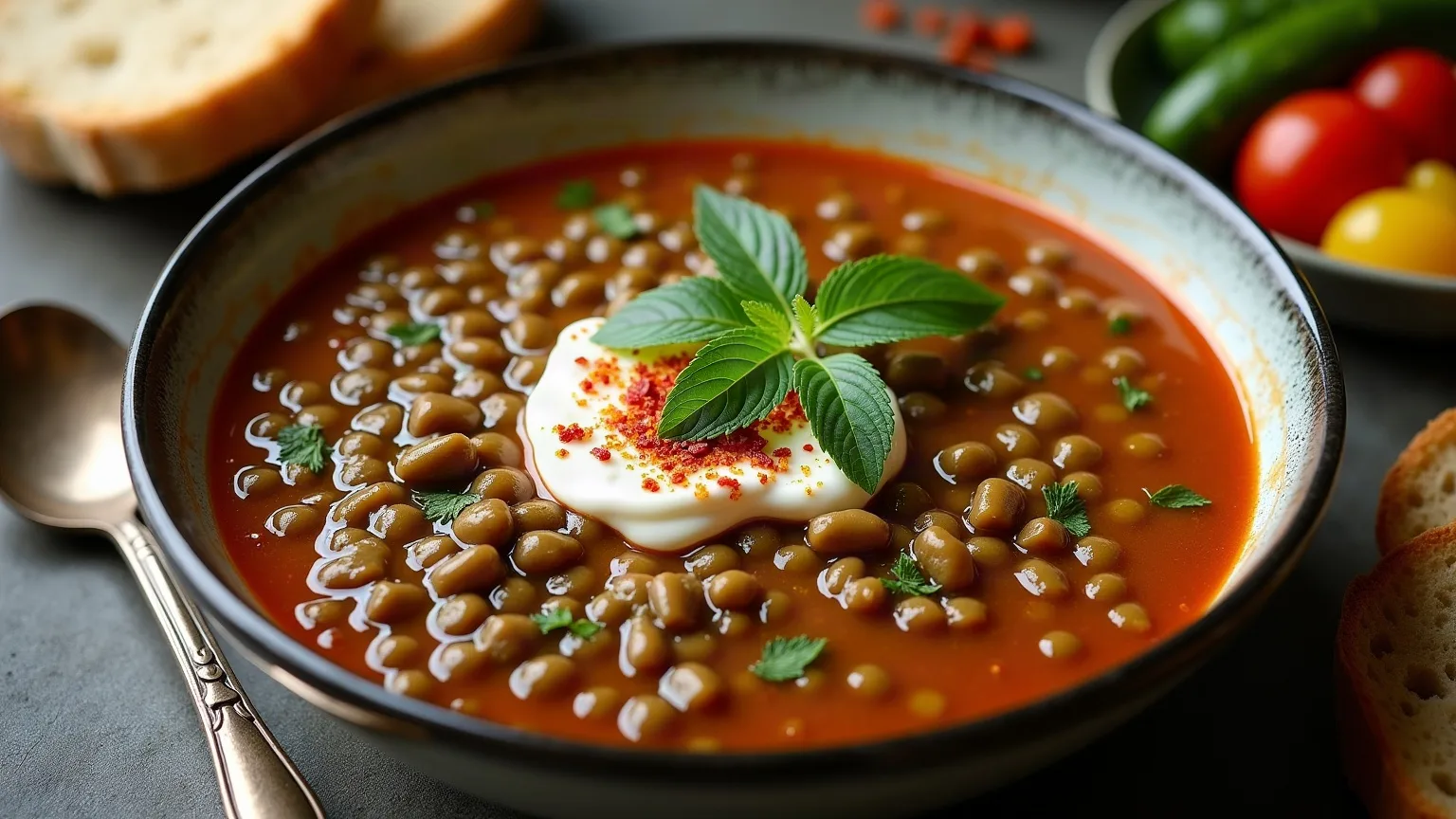
Green lentil stew
A green lentil keeps its skin and holds its shape; a red one is already skinned and split, so it collapses. The same plant, two different dishes.
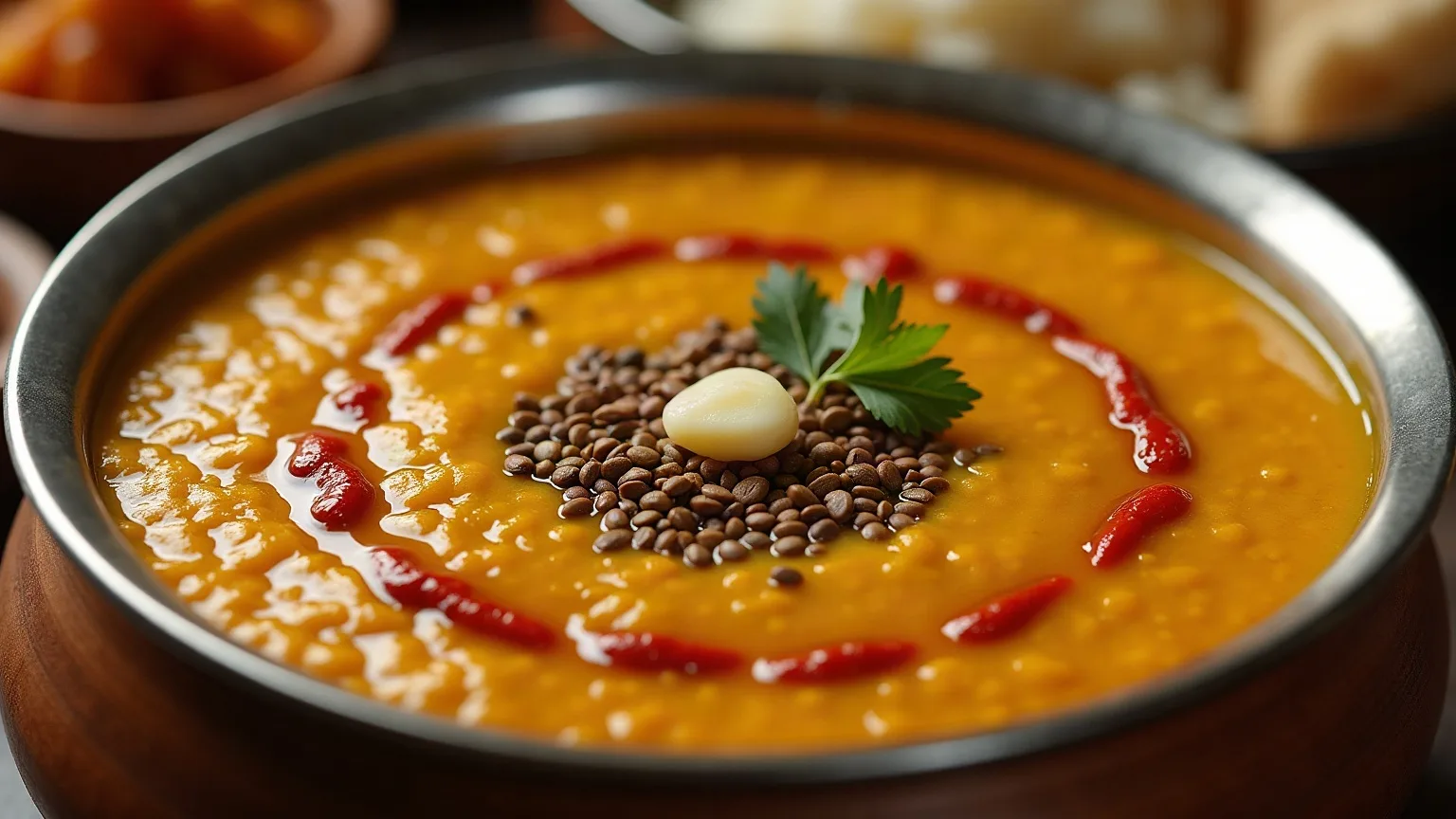
Red lentil dal
Twenty minutes of boiling lentils tastes of very little; almost all of the flavour is made in the last forty-five seconds, in hot fat.
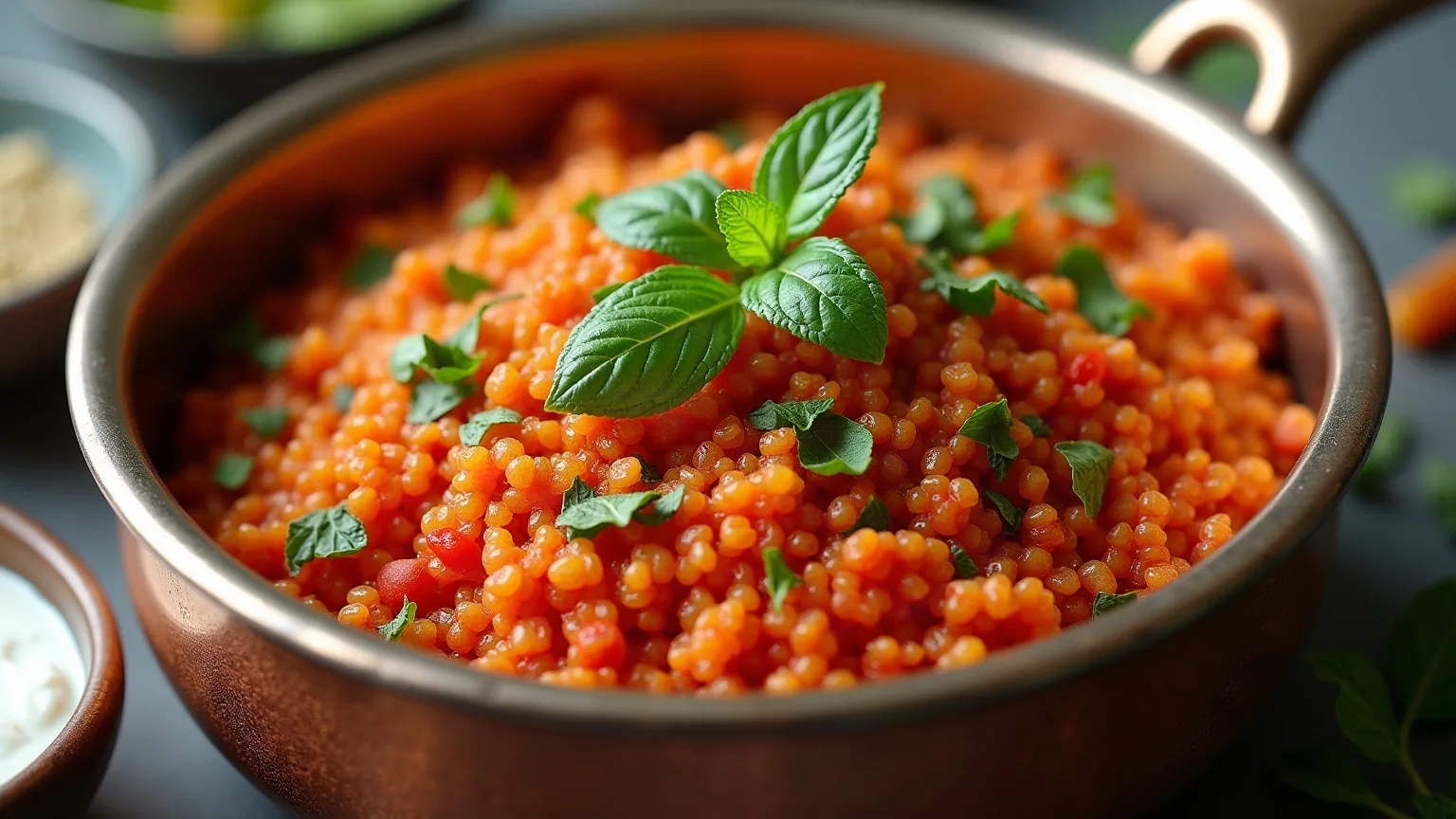
Tomato bulgur pilaf
The acid in tomato slows how fast bulgur takes up water. The answer is not more water but putting the tomato in after the bulgur has swollen.
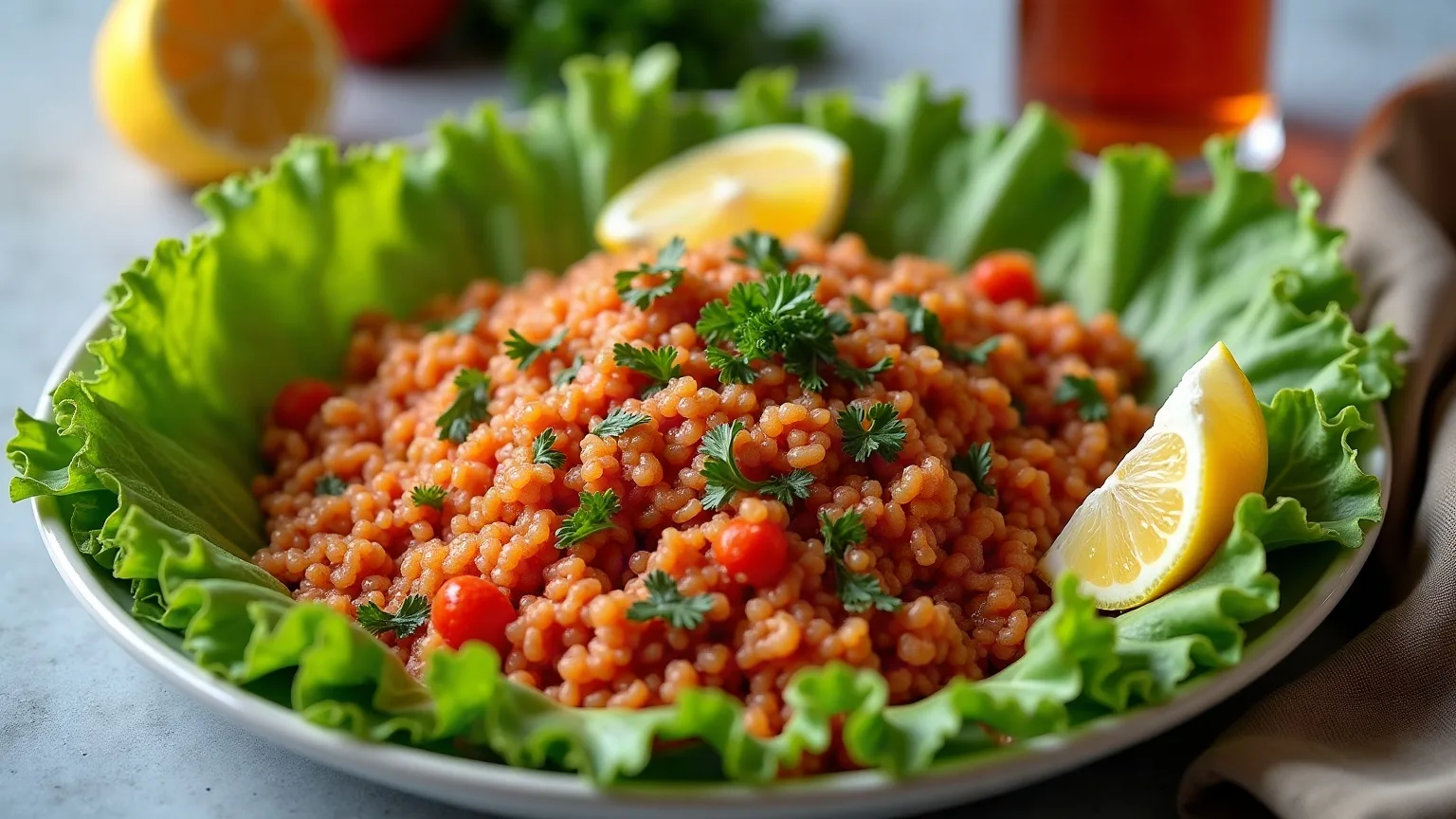
Kısır
It never meets a flame: fine bulgur swells by itself in boiling water. The pomegranate molasses and lemon go in after the swelling is over.
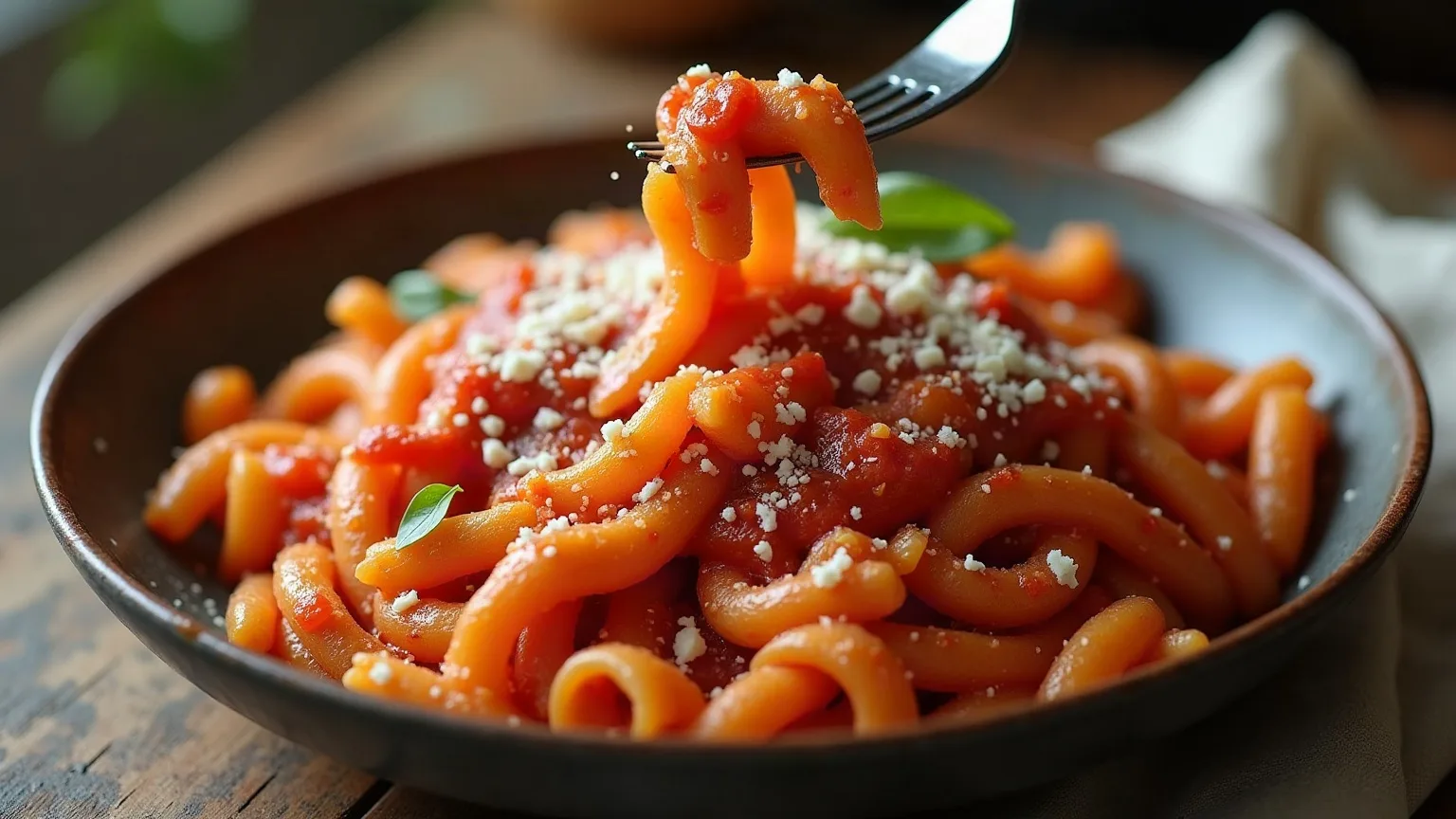
Pasta with tomato paste
There is no sauce until the paste has been fried: raw paste stays sour and metallic.