
Scaled to however many of you there are.
Change the headcount and the amounts follow. Salt and spice do not scale in a straight line, and we account for that.
A recipe is how you make a thing: the amounts, the order, the timing and where it goes wrong. The dish pages explain what that thing is — where it comes from, the mechanism behind it, and why skipping one step makes it something else. One stays open in the kitchen; the other is read when you wonder.
8 of 116 recipes. Clear the filter
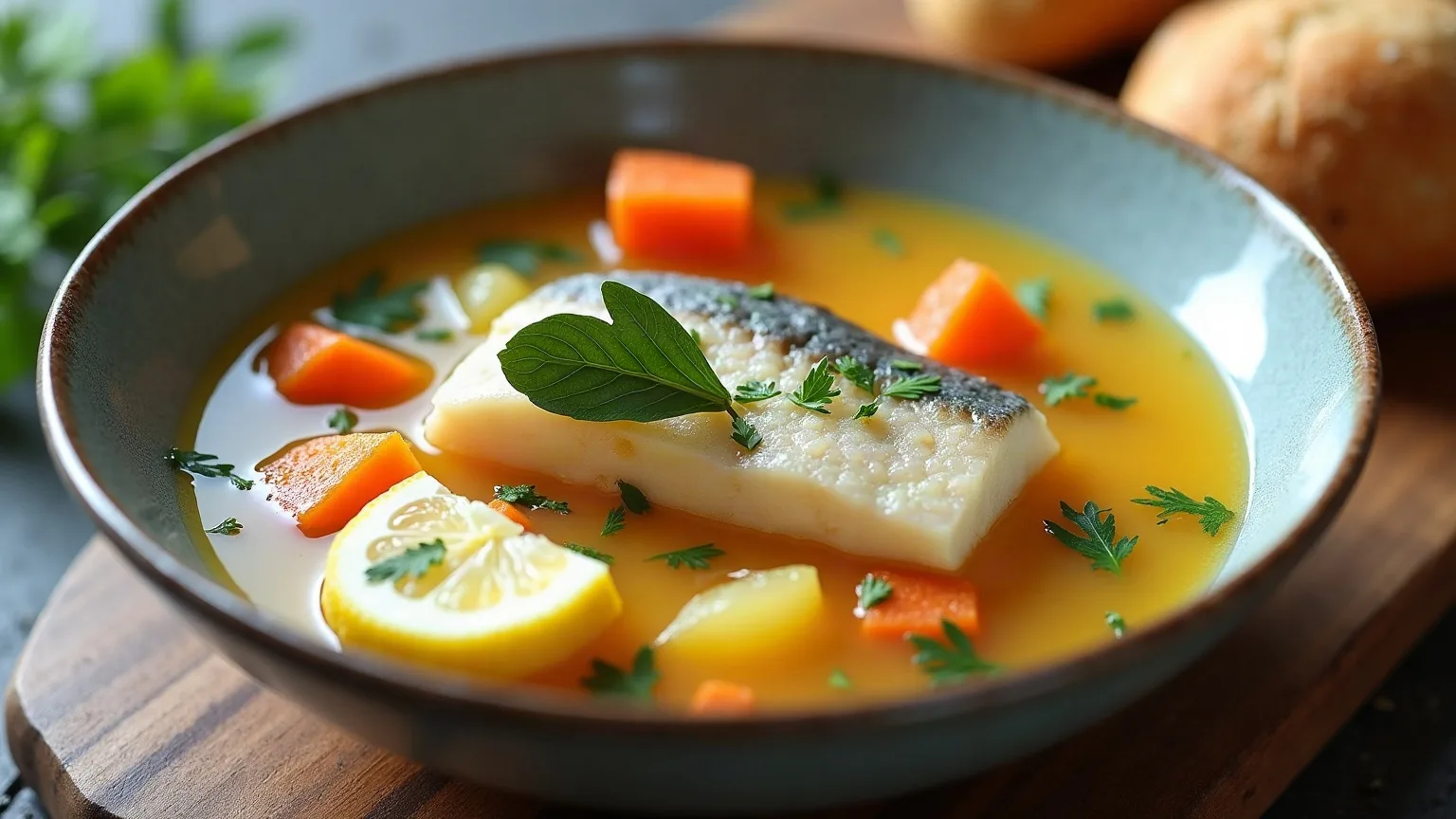
Fish soup
A fish stock is made in twenty minutes and ruined in twenty-five. Unlike meat stock, long cooking here does damage.
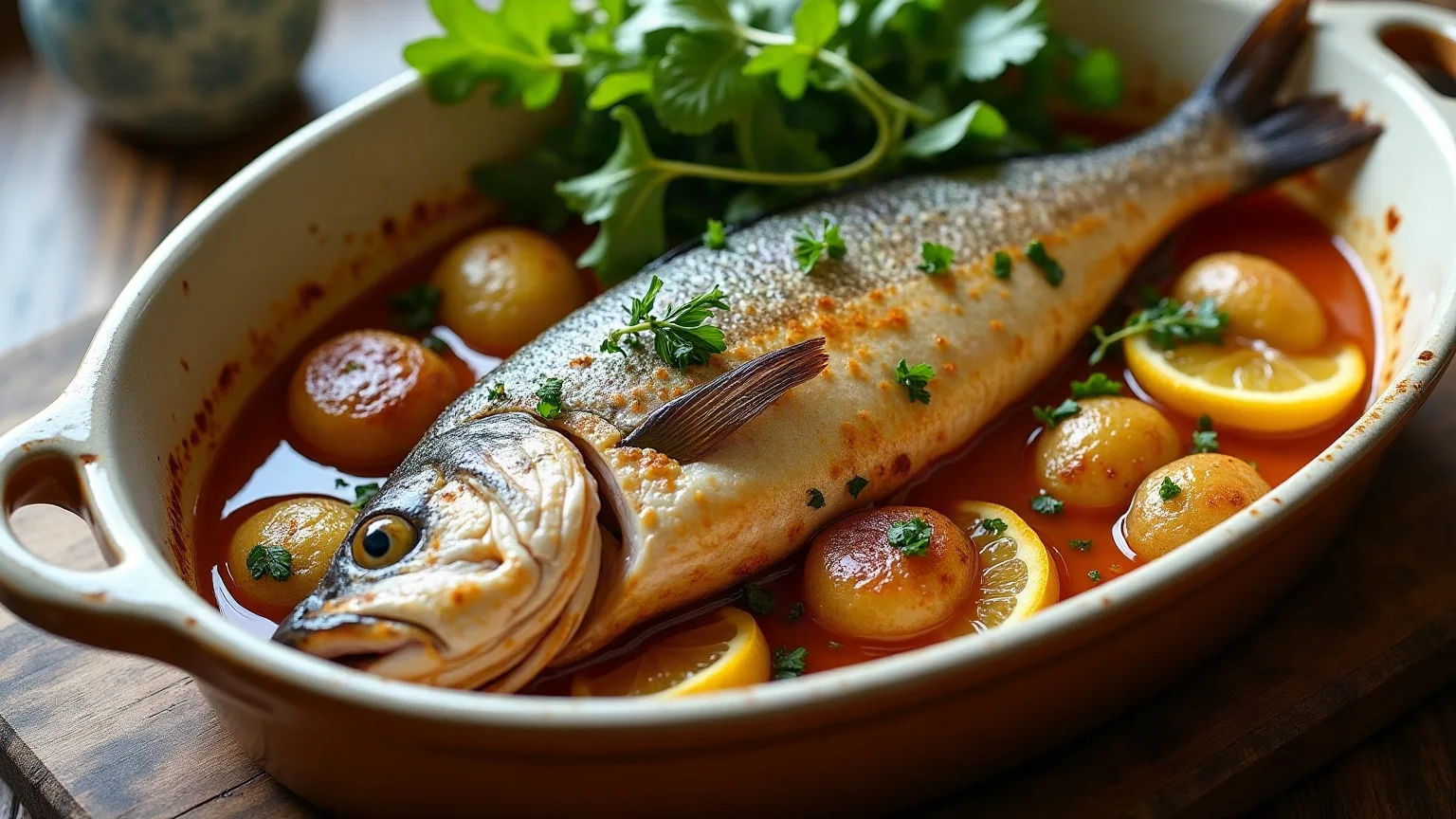
Baked sea bass
A whole fish is more forgiving than a fillet: the bones and skin slow the heat and the flesh cooks without drying.
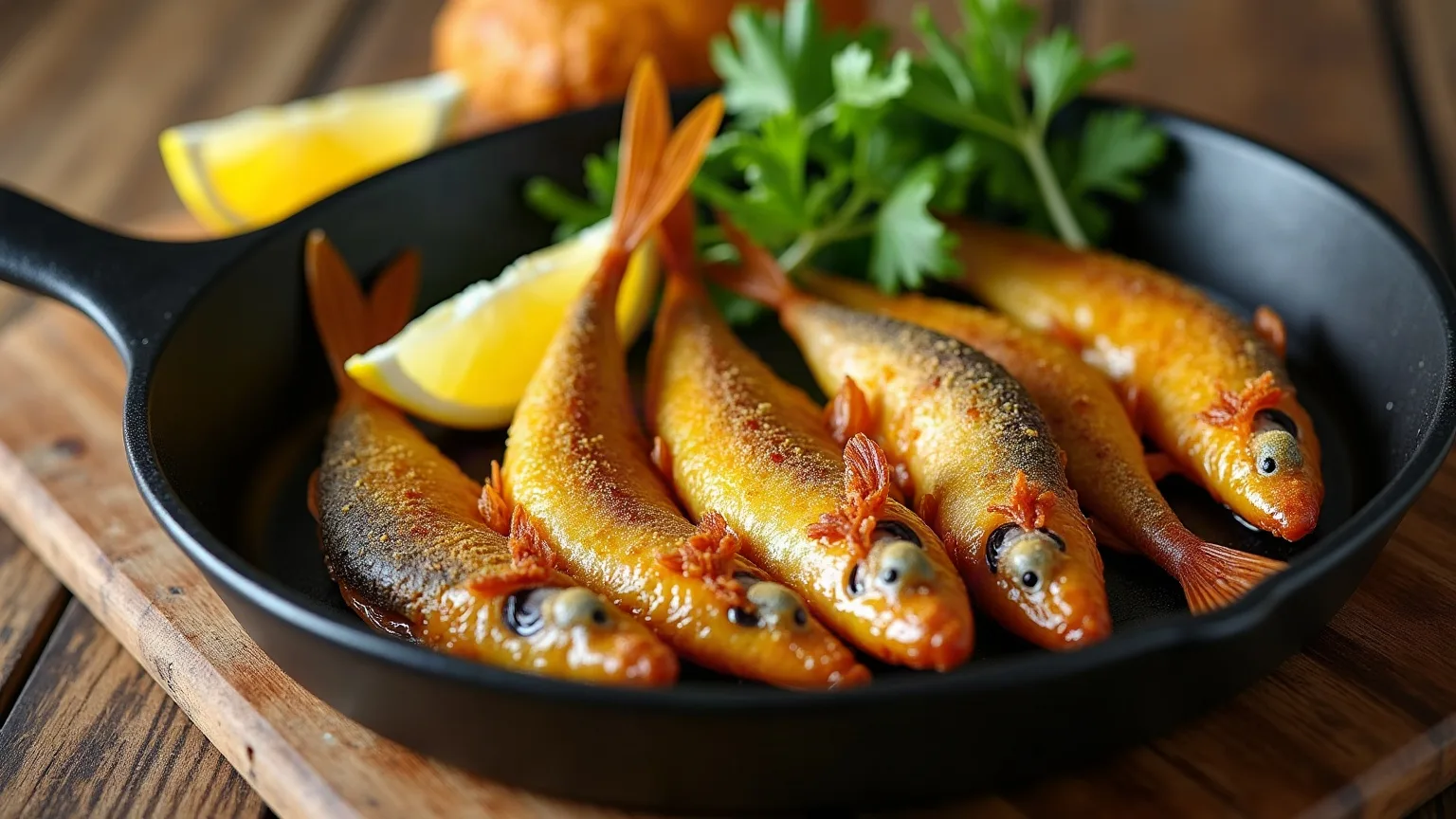
Fried anchovies
Cornmeal is not flour: its coarse grains fry into a glassy crust, and the anchovy steams inside it.
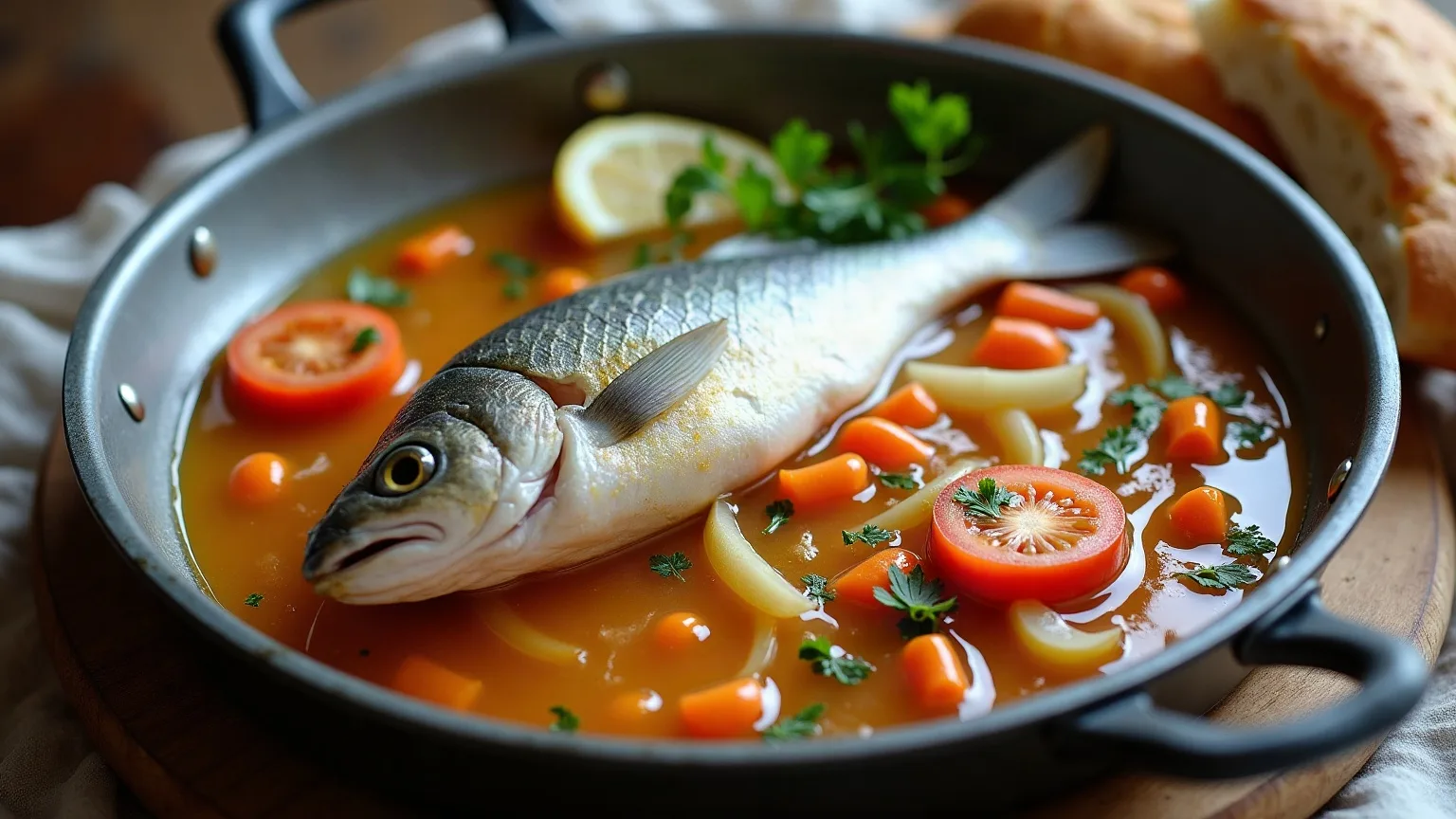
Steamed fish
In a buğulama the fish never touches water: it cooks in the steam the vegetables give off and never sees 100 °C.
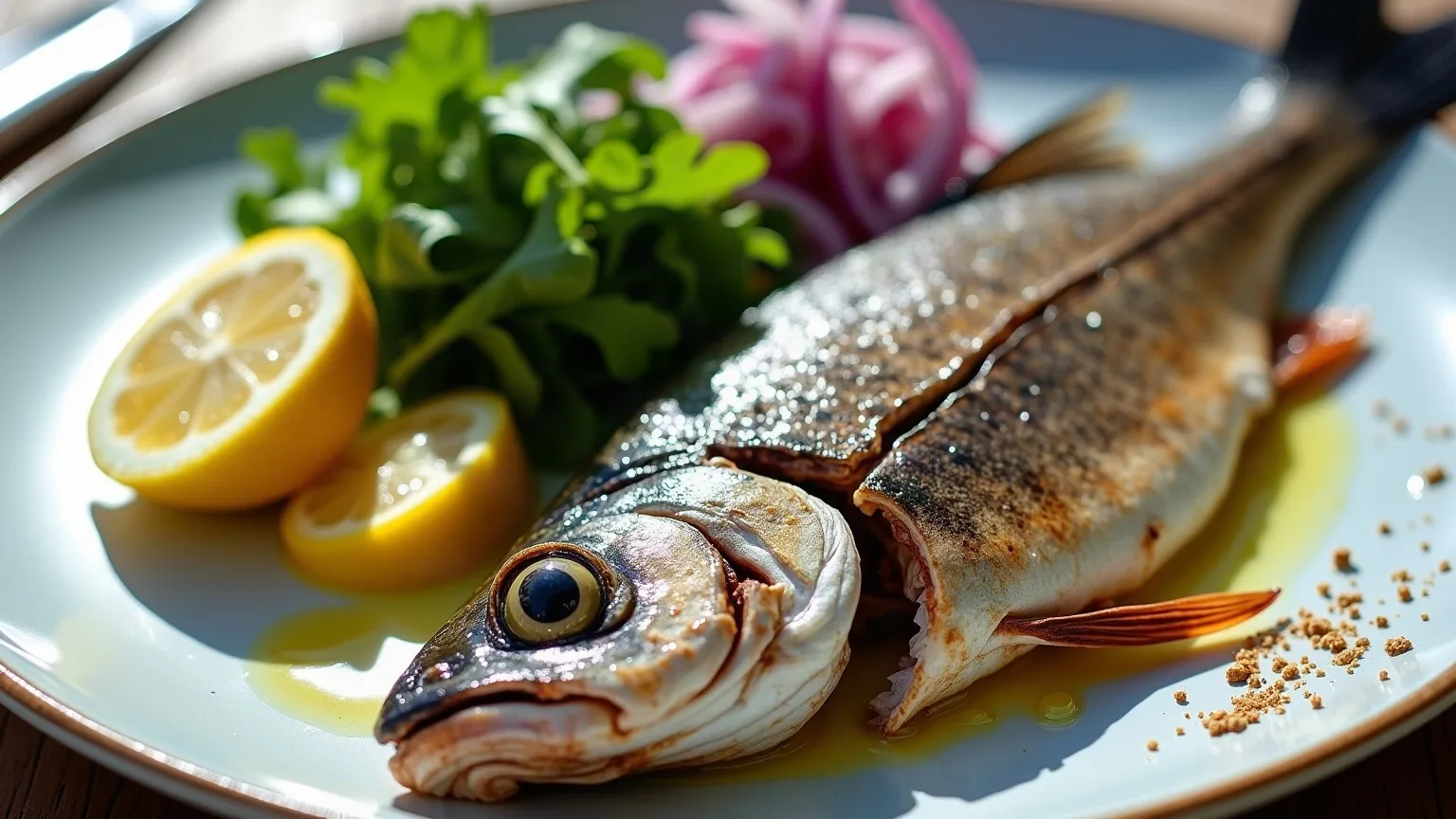
Grilled sea bream
Fish sticks to a grill because of its skin, not the bars: wet skin welds and dry skin releases in thirty seconds.
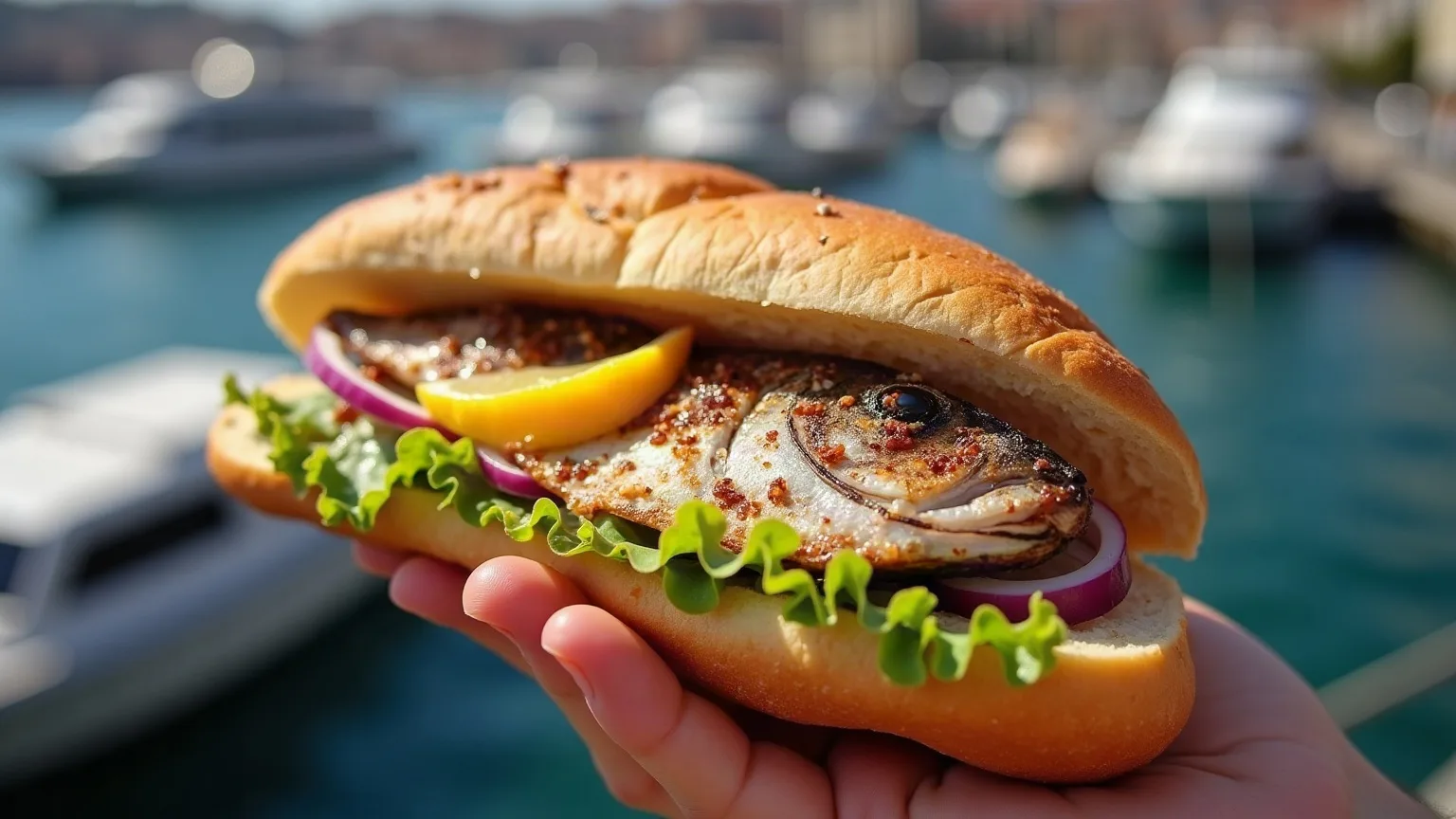
Fish sandwich
Mackerel is an oily fish, and the whole recipe is about balancing that fat: onion, sumac, lemon.
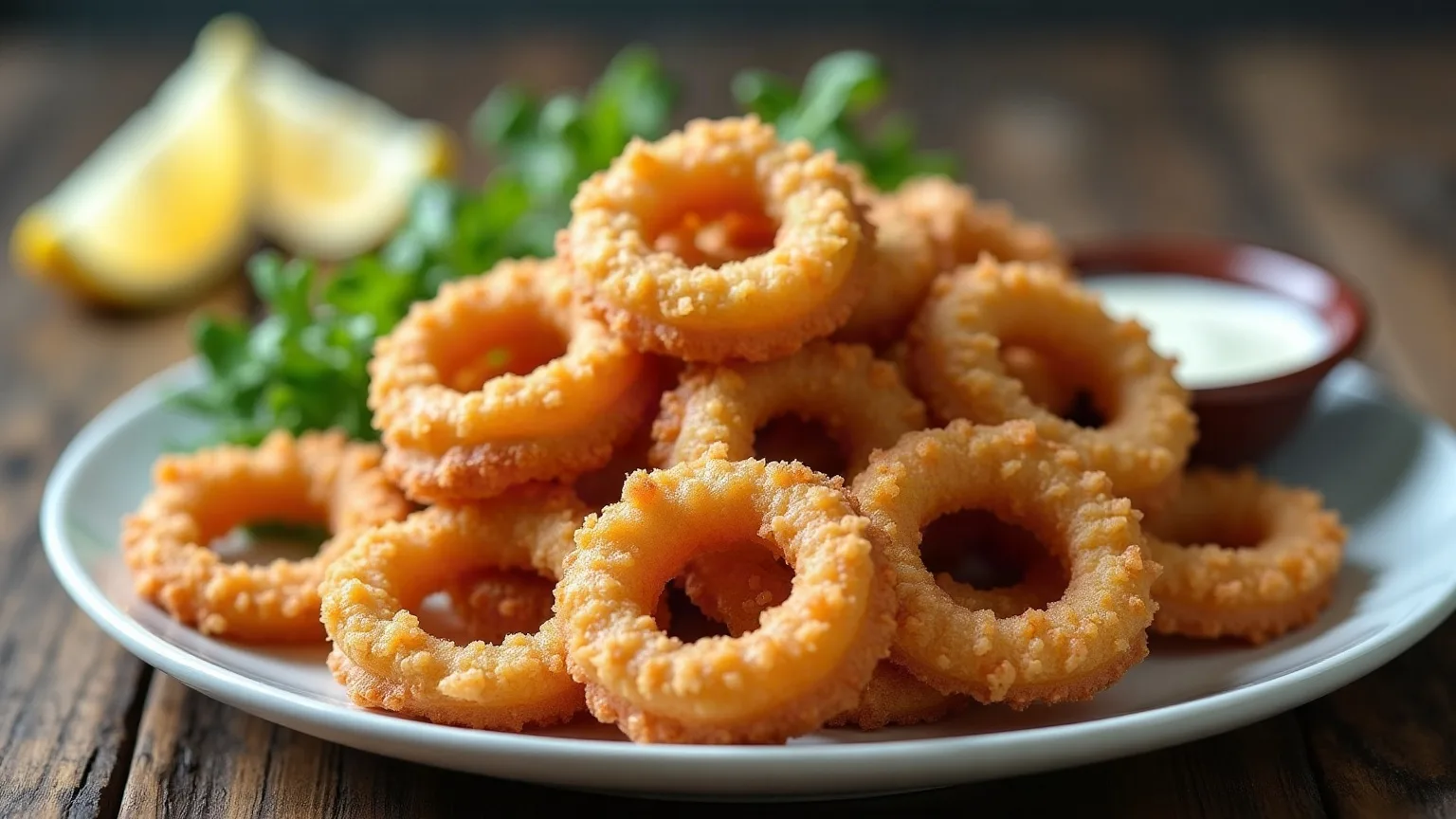
Fried squid
Squid has two cooking times and nothing between them: under two minutes or over thirty.
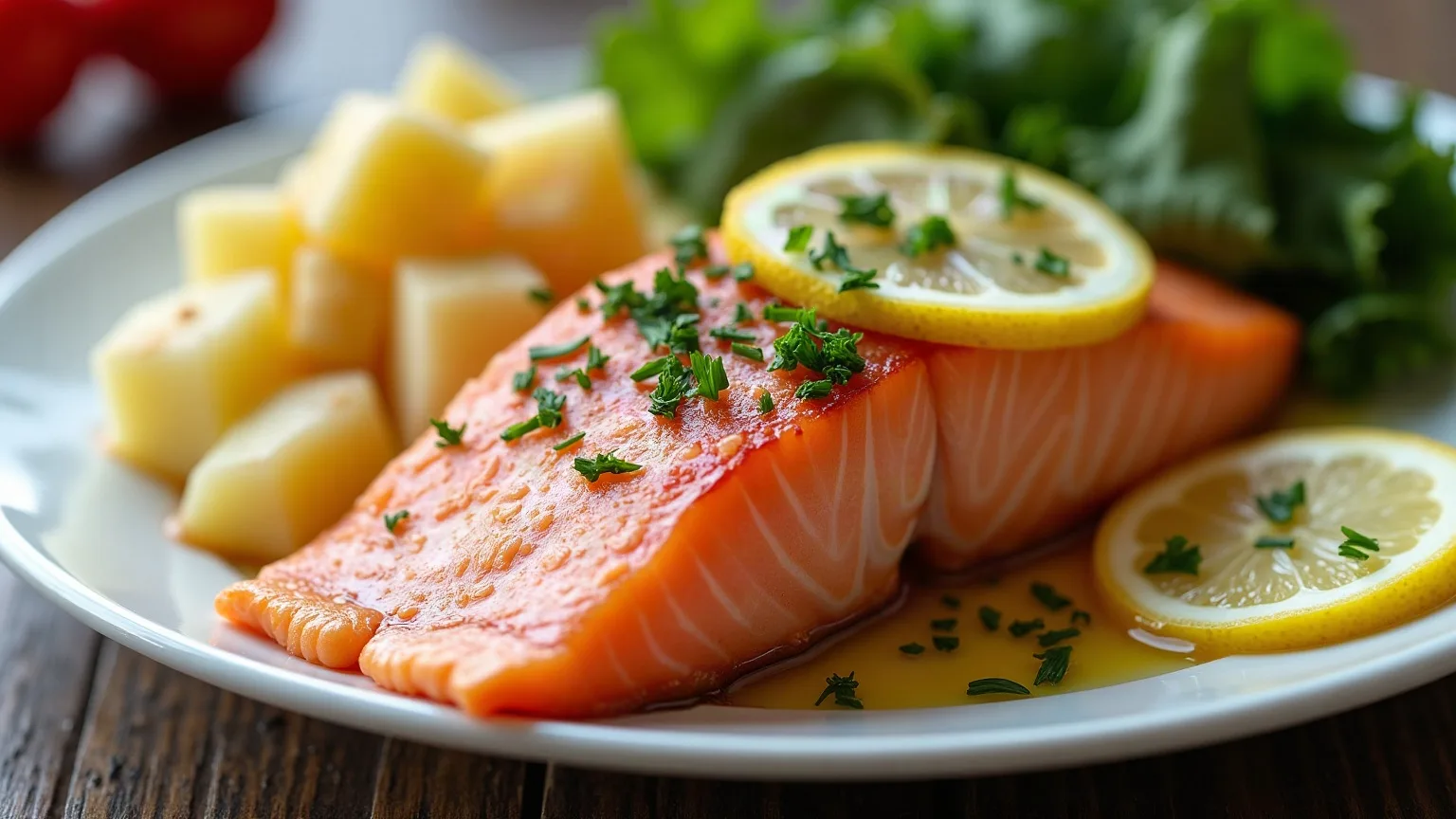
Baked salmon
The white stuff on baked salmon is a sign of too much heat rather than of freshness. Pulled at 52 °C it never appears.