
Scaled to however many of you there are.
Change the headcount and the amounts follow. Salt and spice do not scale in a straight line, and we account for that.
A recipe is how you make a thing: the amounts, the order, the timing and where it goes wrong. The dish pages explain what that thing is — where it comes from, the mechanism behind it, and why skipping one step makes it something else. One stays open in the kitchen; the other is read when you wonder.
10 of 116 recipes. Clear the filter
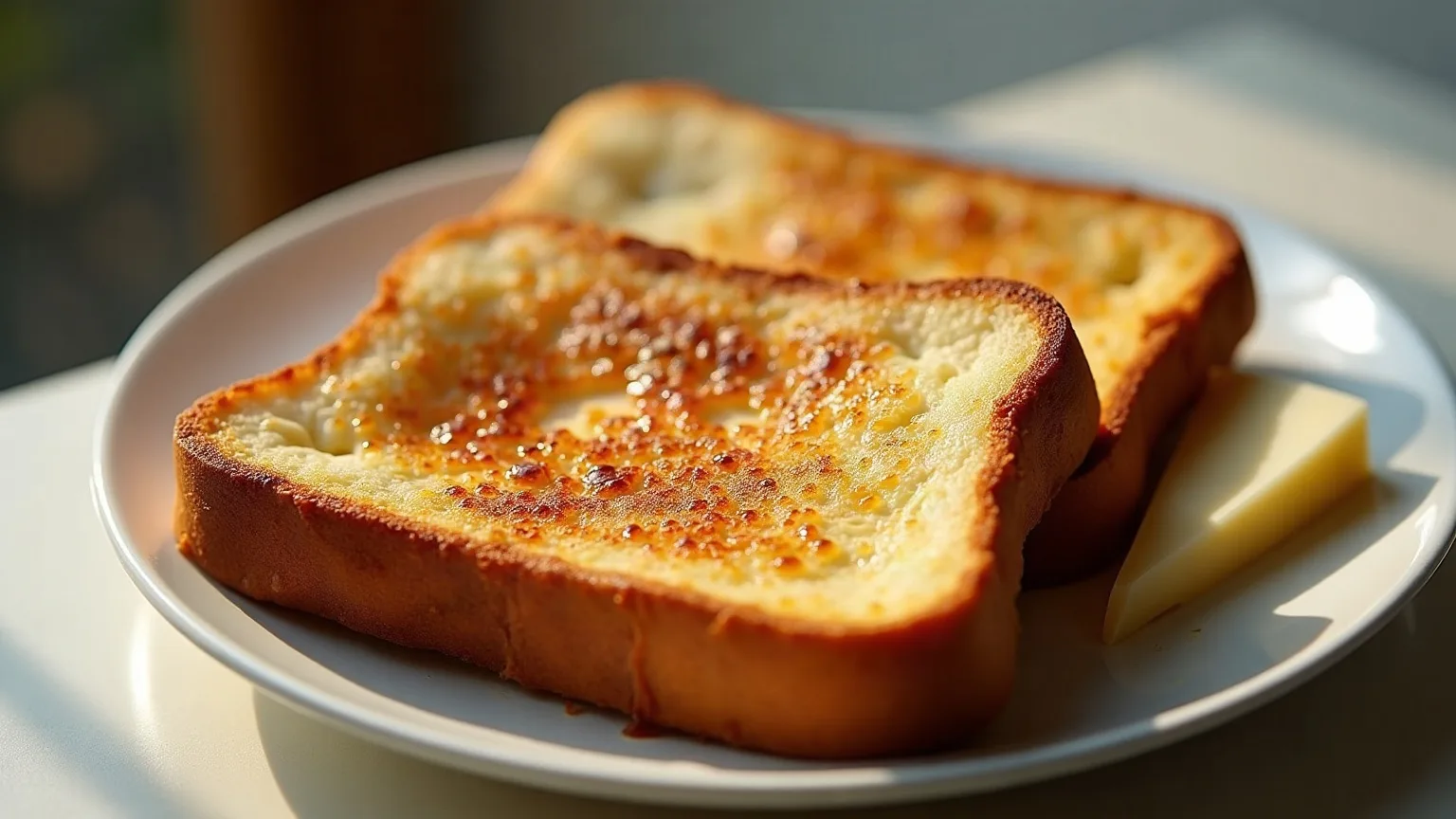
Eggy bread
The best use there is for stale bread. Fresh bread is no good here — it collapses before it has absorbed anything.

Crêpes
Flour, egg, milk. The one condition for crêpes that do not tear is half an hour of rest.
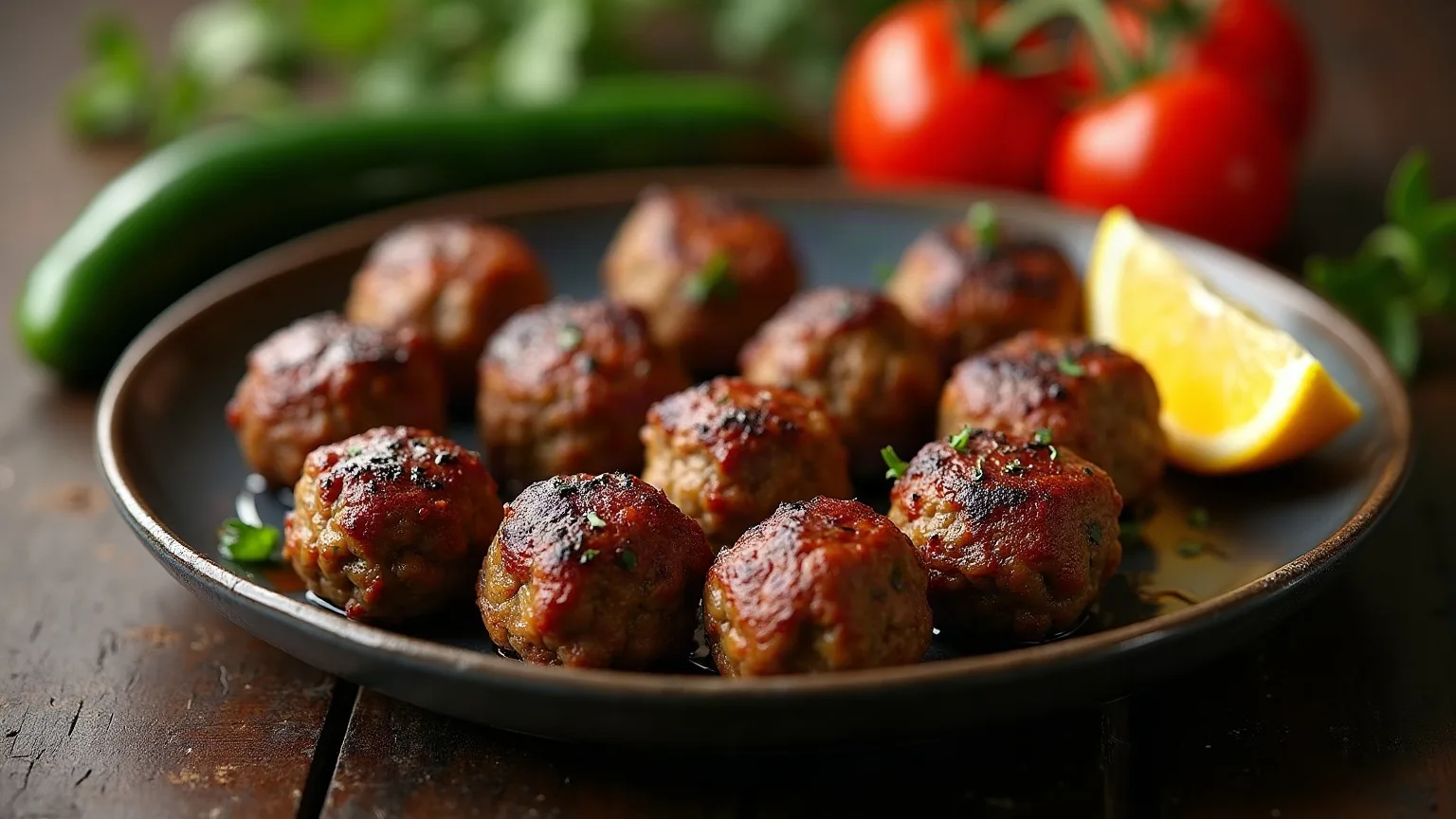
Pan-fried meatballs
A meatball holds together because it rested, not because of what went into it. Kneaded mince does not meet the pan without half an hour in the fridge.
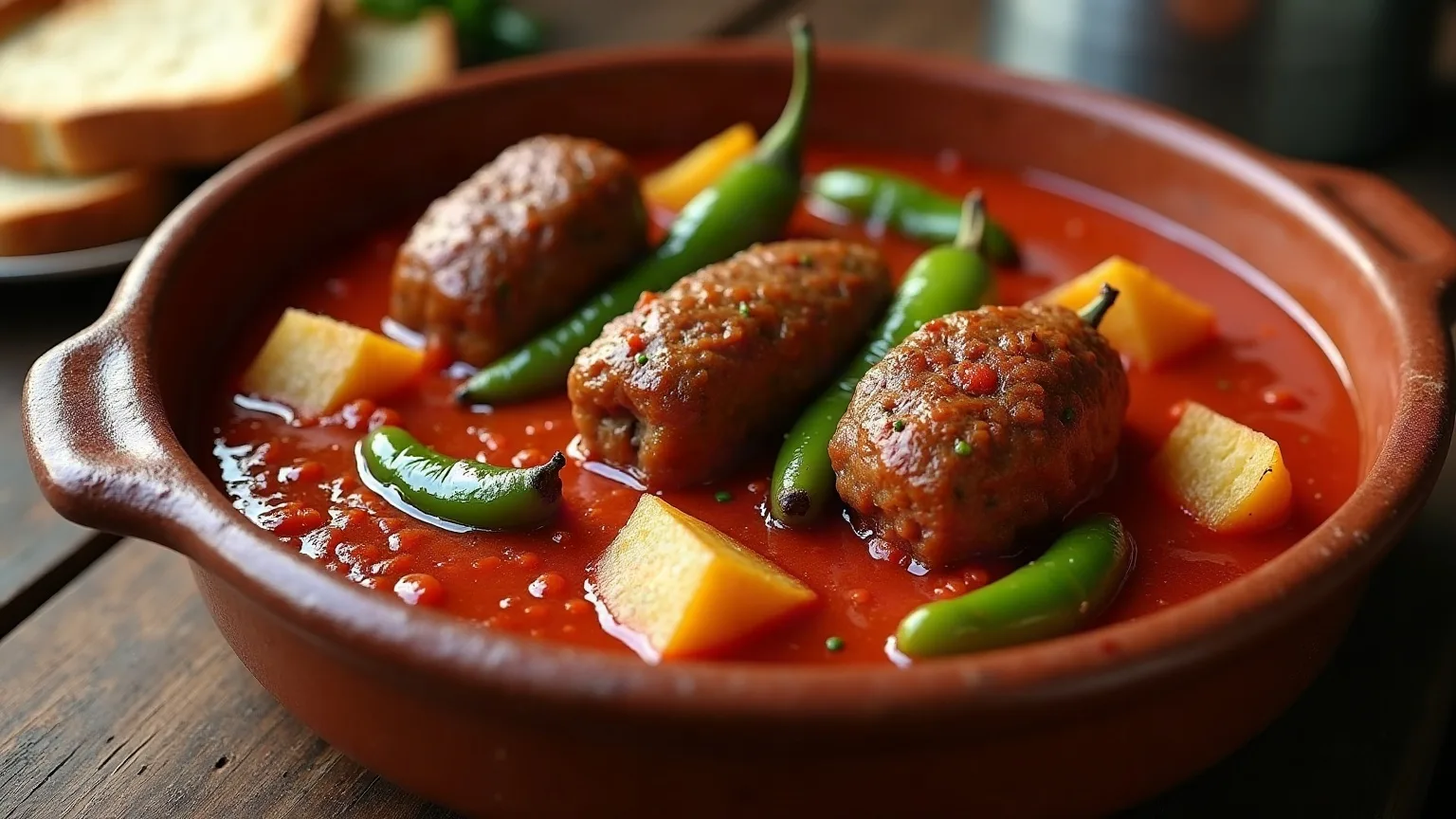
İzmir meatballs
Searing the meatballs and then baking them in sauce is two dishes in one: the crust stays outside while the inside drinks the sauce.

Kadınbudu köfte
Half the mince is cooked and half is raw. The cooked half stops it collapsing and the raw half is what binds it.
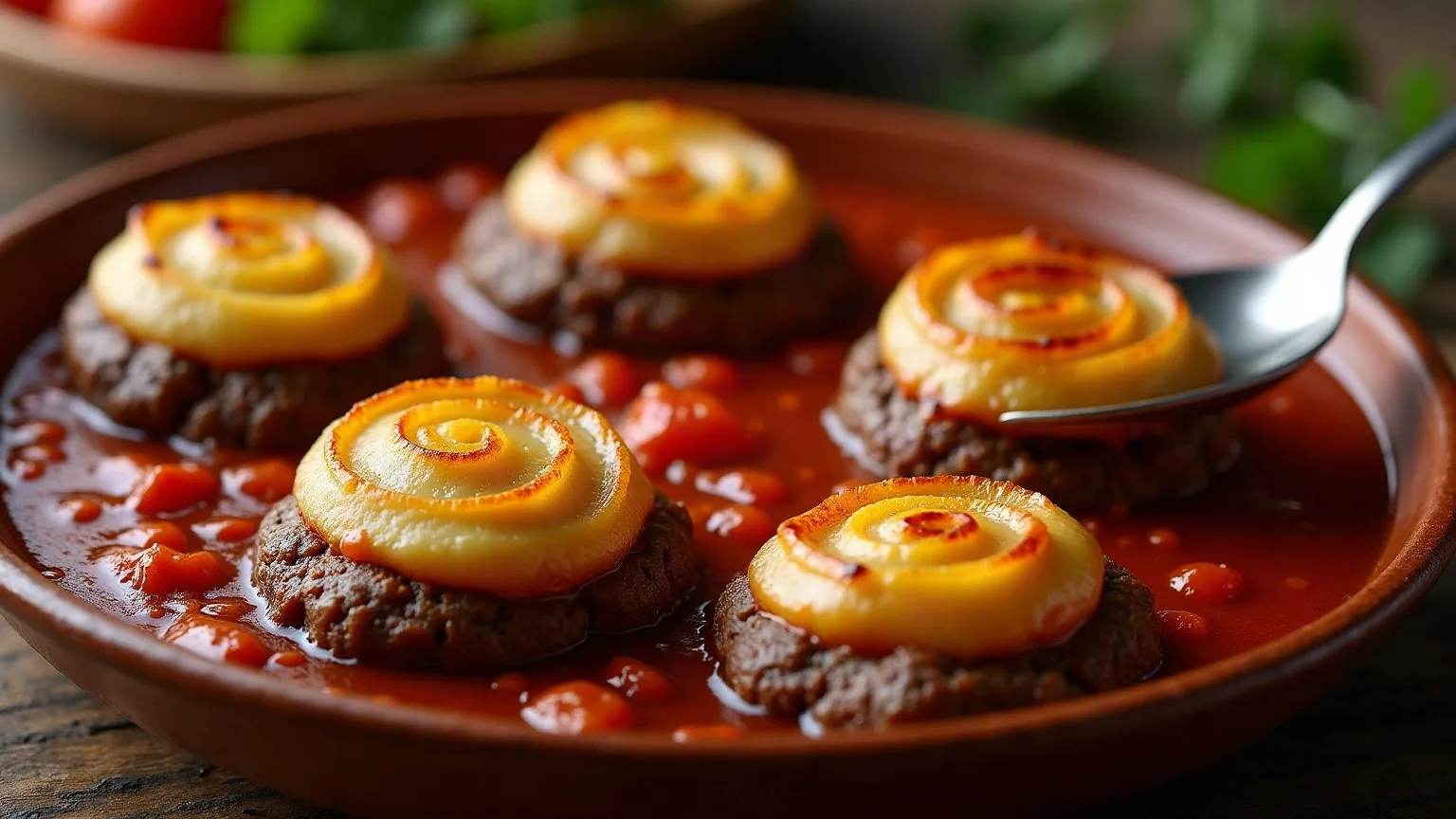
Hasanpaşa köfte
The purée on top is a lid rather than a decoration: in the oven it keeps the meat’s juice in.
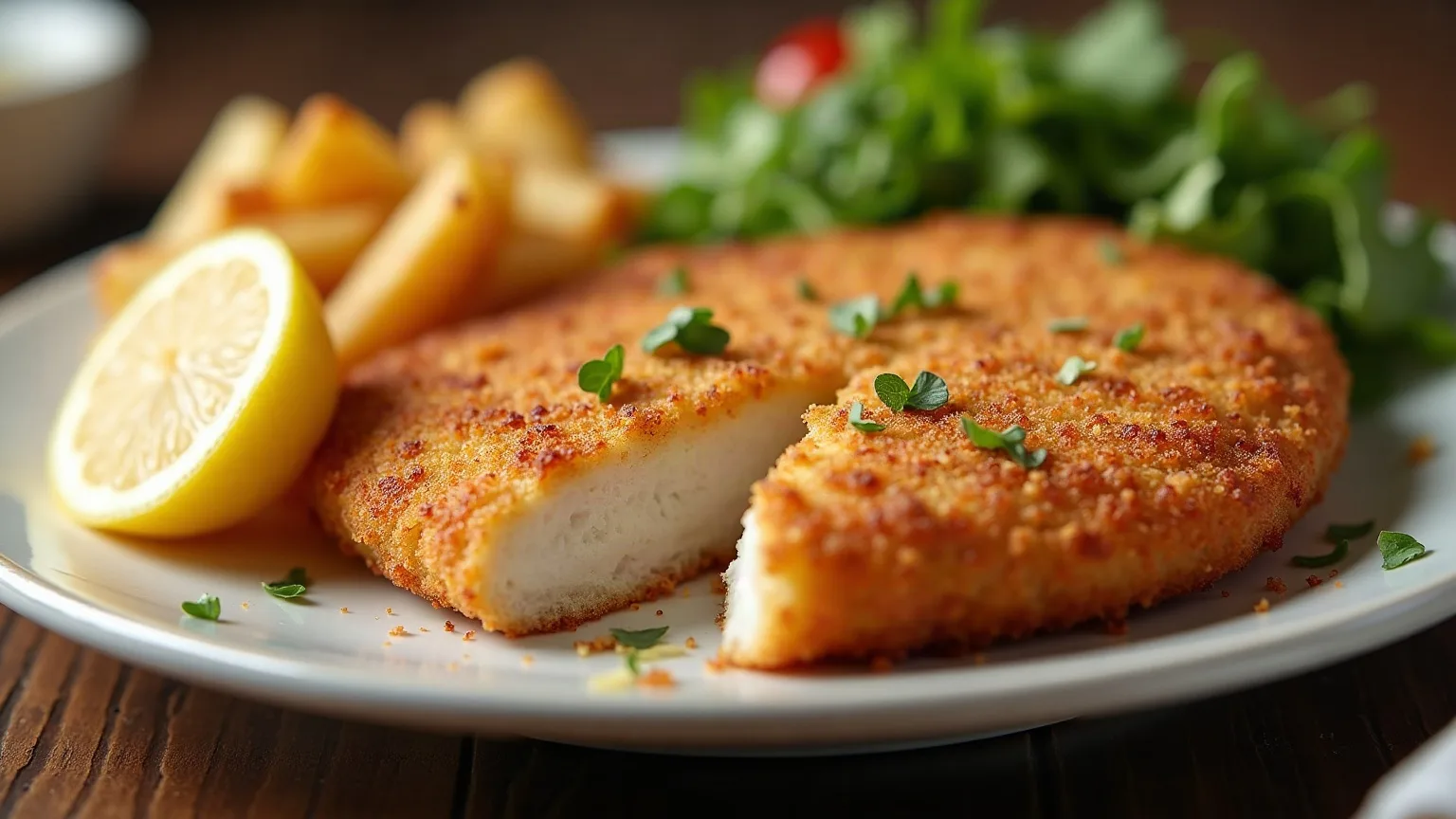
Chicken schnitzel
Beating the meat thin is a requirement rather than a shortcut: a 1 cm breast cannot cook before the coating burns.
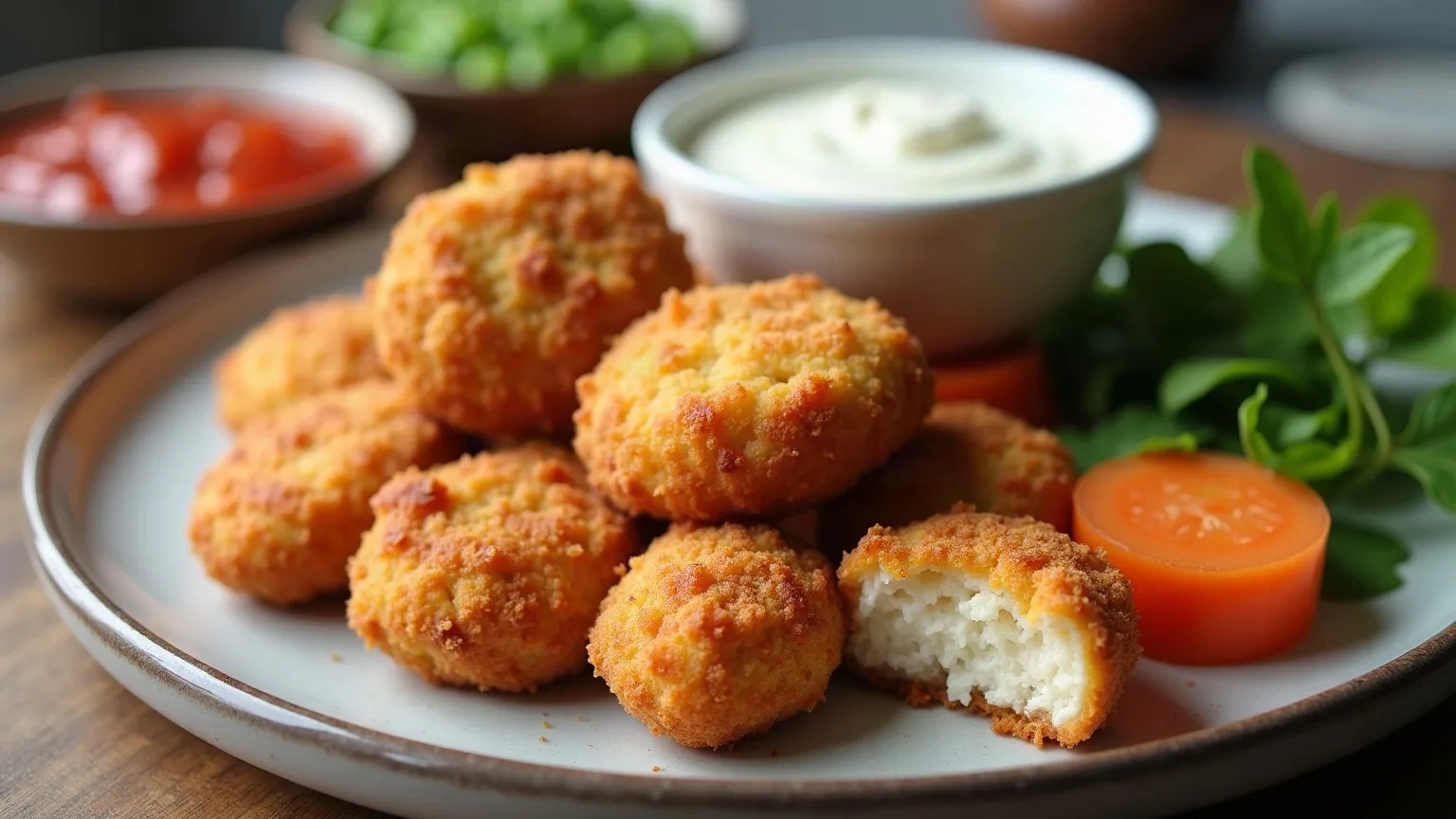
Home-made chicken nuggets
Half the meat in a shop nugget is skin, cartilage and water. At home you know what is in it, and the difference shows up in the salt.
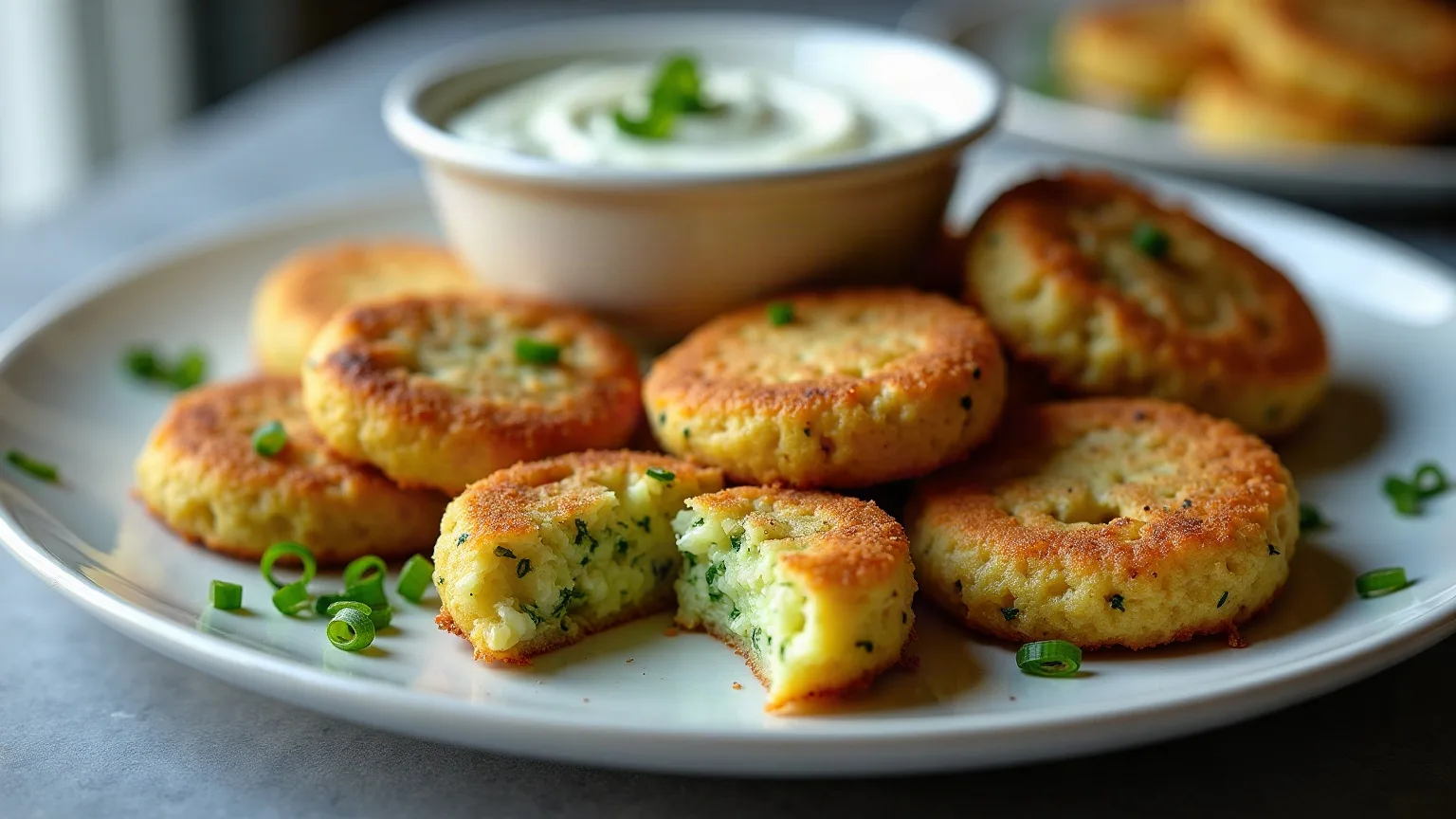
Courgette fritters
A mücver made without squeezing the courgette falls apart. One courgette gives up half a glass of water, and with that water in the batter nothing binds.

White bean patties
There is no protein network here to bind the patty. What takes its place is gelatinised starch, which firms as it cools: the fridge is what holds these together.