
Scaled to however many of you there are.
Change the headcount and the amounts follow. Salt and spice do not scale in a straight line, and we account for that.
A recipe is how you make a thing: the amounts, the order, the timing and where it goes wrong. The dish pages explain what that thing is — where it comes from, the mechanism behind it, and why skipping one step makes it something else. One stays open in the kitchen; the other is read when you wonder.
12 of 116 recipes. Clear the filter
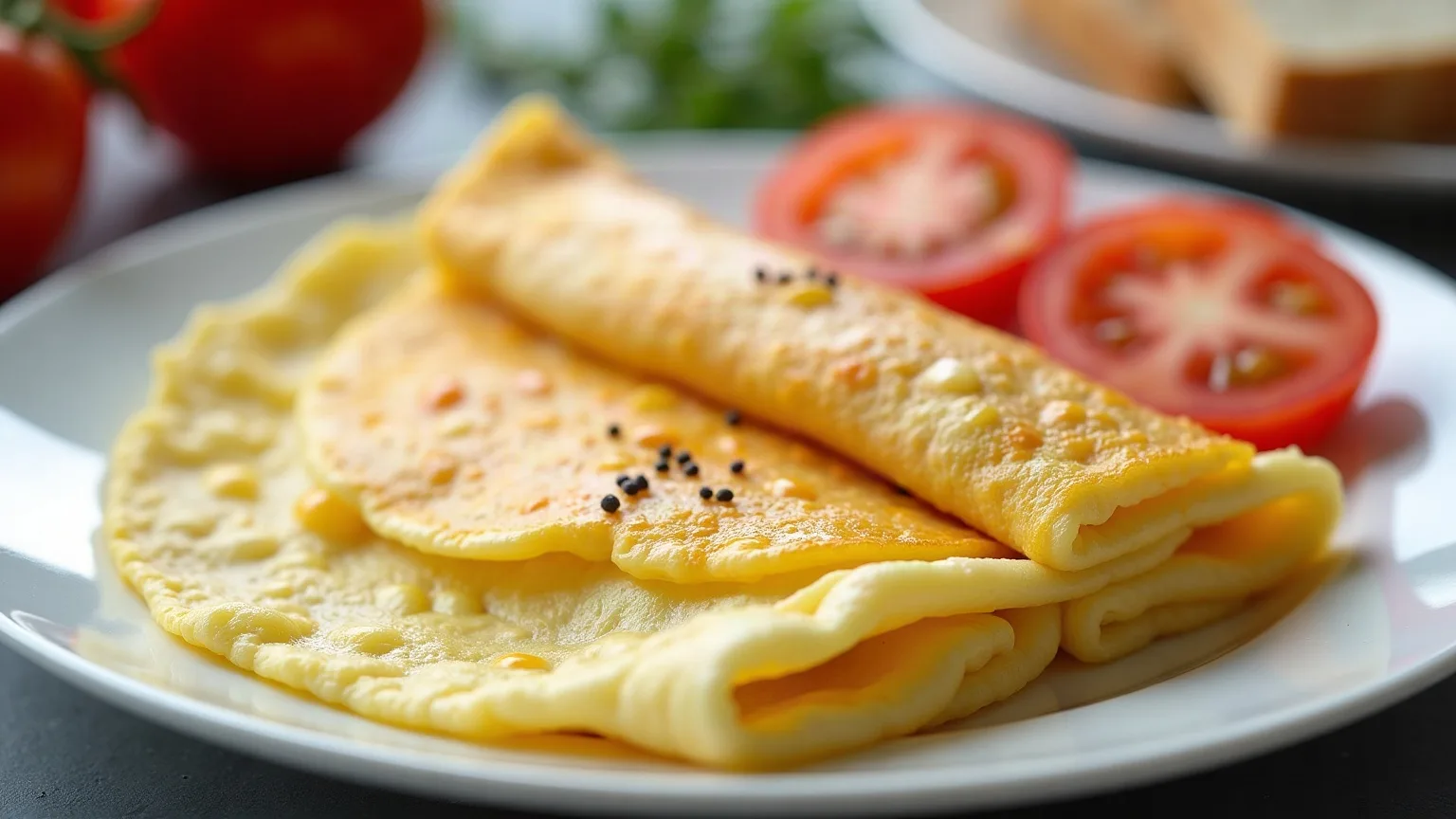
Cheese omelette
The colour of an omelette is a choice: pale means a low flame and brown means a high one, and the second is an accident.
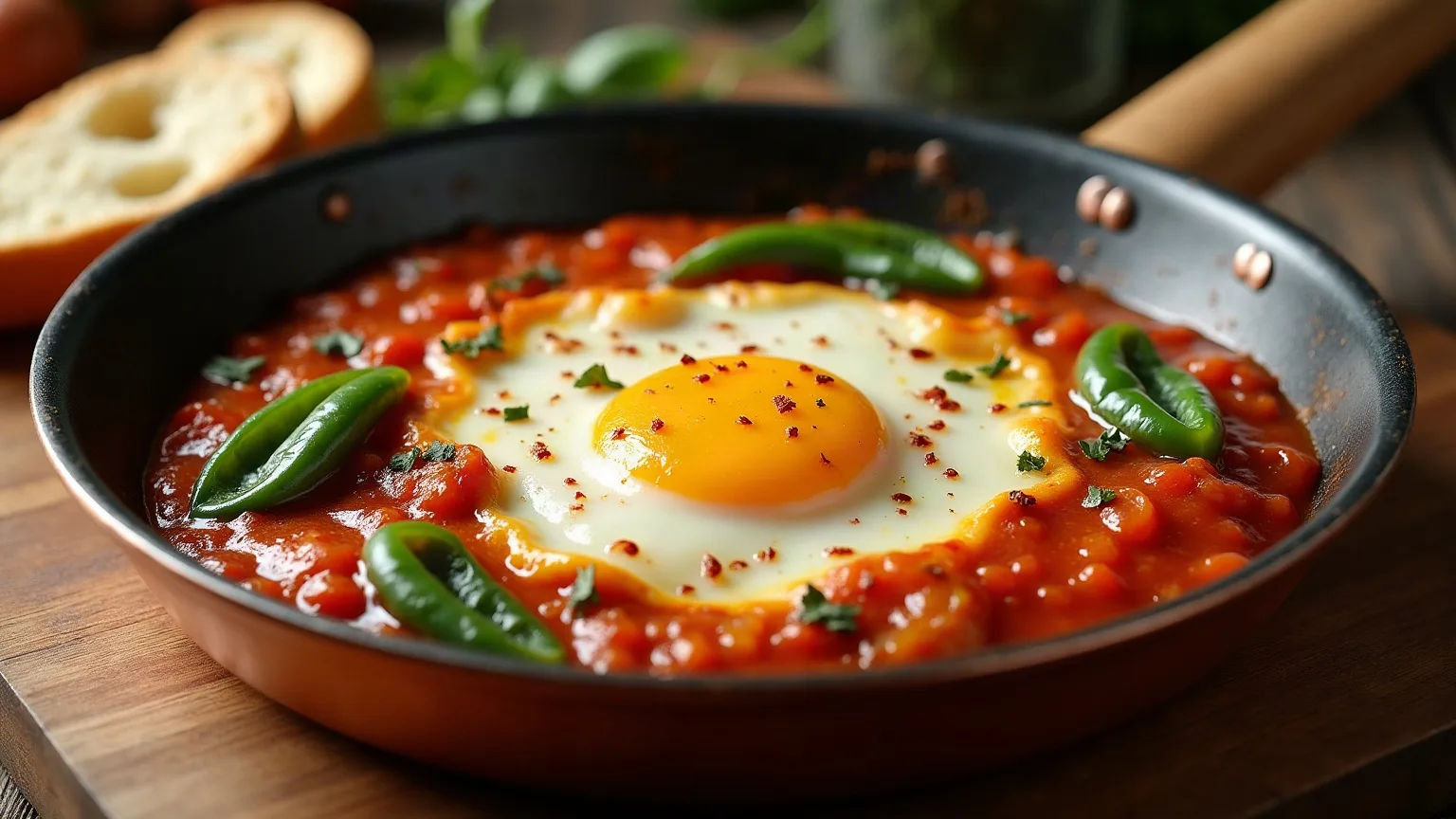
Menemen
Pepper, tomato and egg. Know the order and the heat and it takes fifteen minutes; miss them and you get a watery omelette.
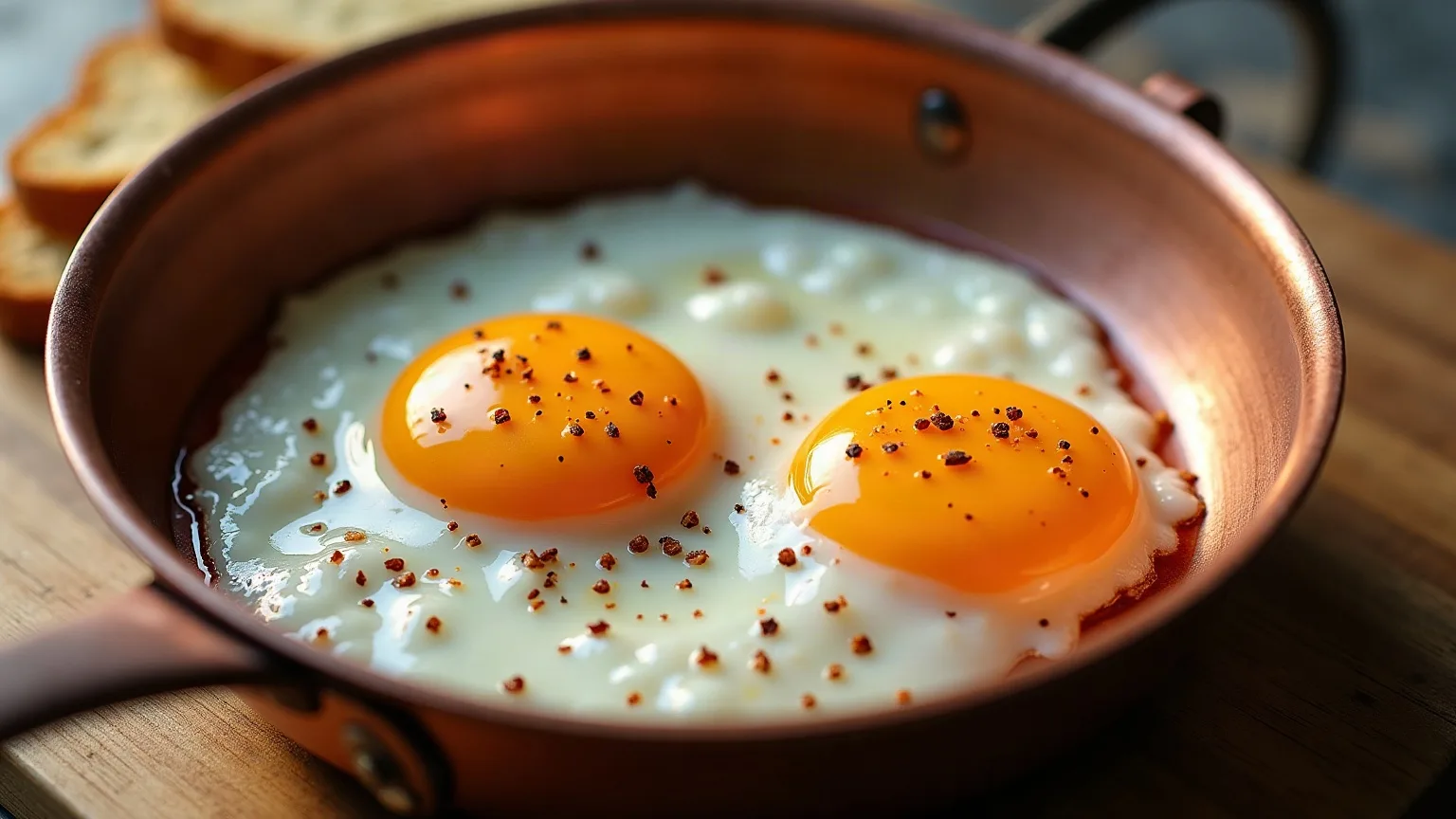
Fried eggs in butter
Eight minutes and one number: the butter must not pass 150 °C.
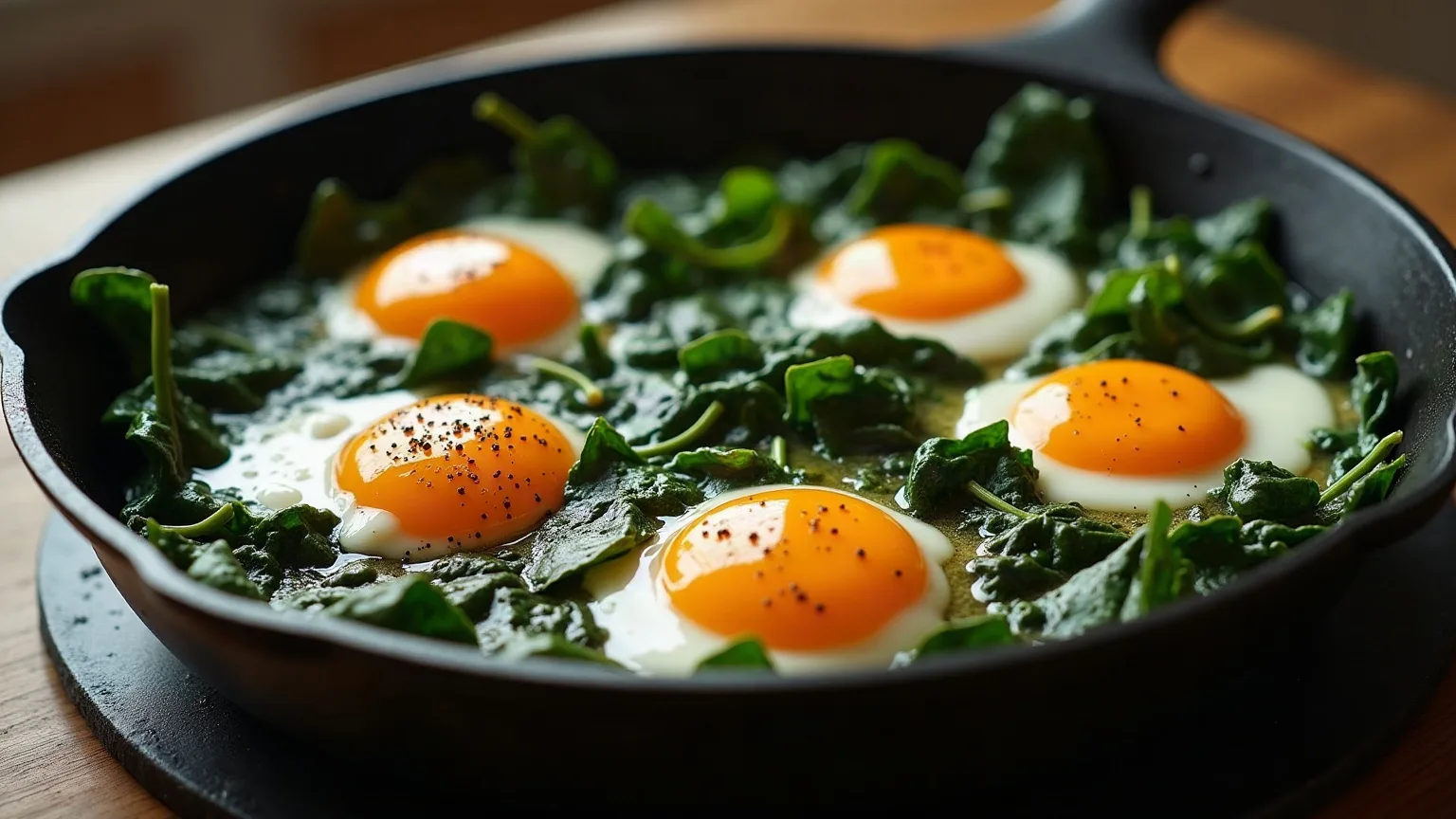
Spinach and eggs
Crack the eggs before the spinach has given up its water and a green puddle collects on the plate.
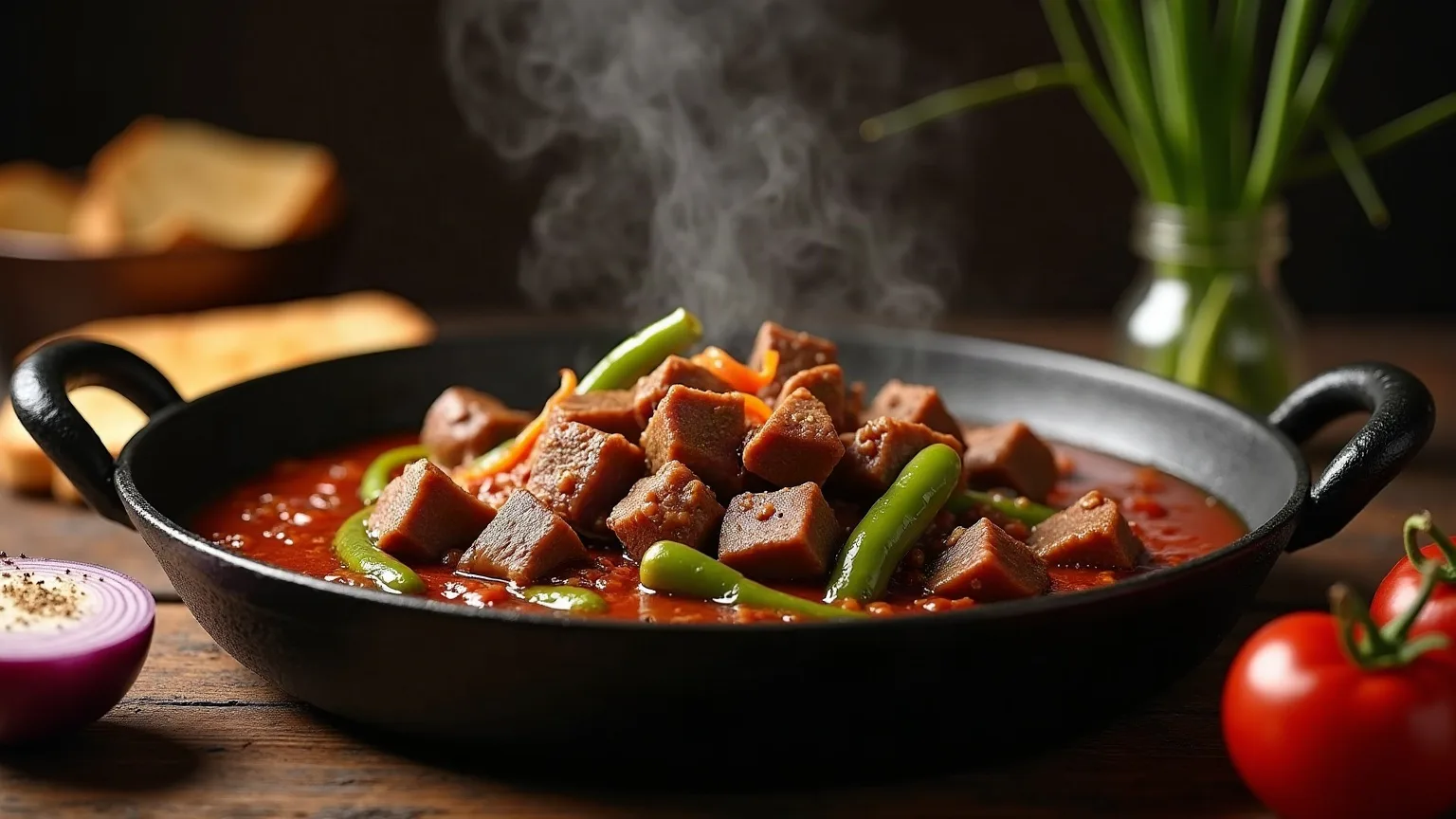
Saç kavurma
High heat, small pieces, an uncrowded pan. Miss any one of the three and it is not a sauté but a stew.
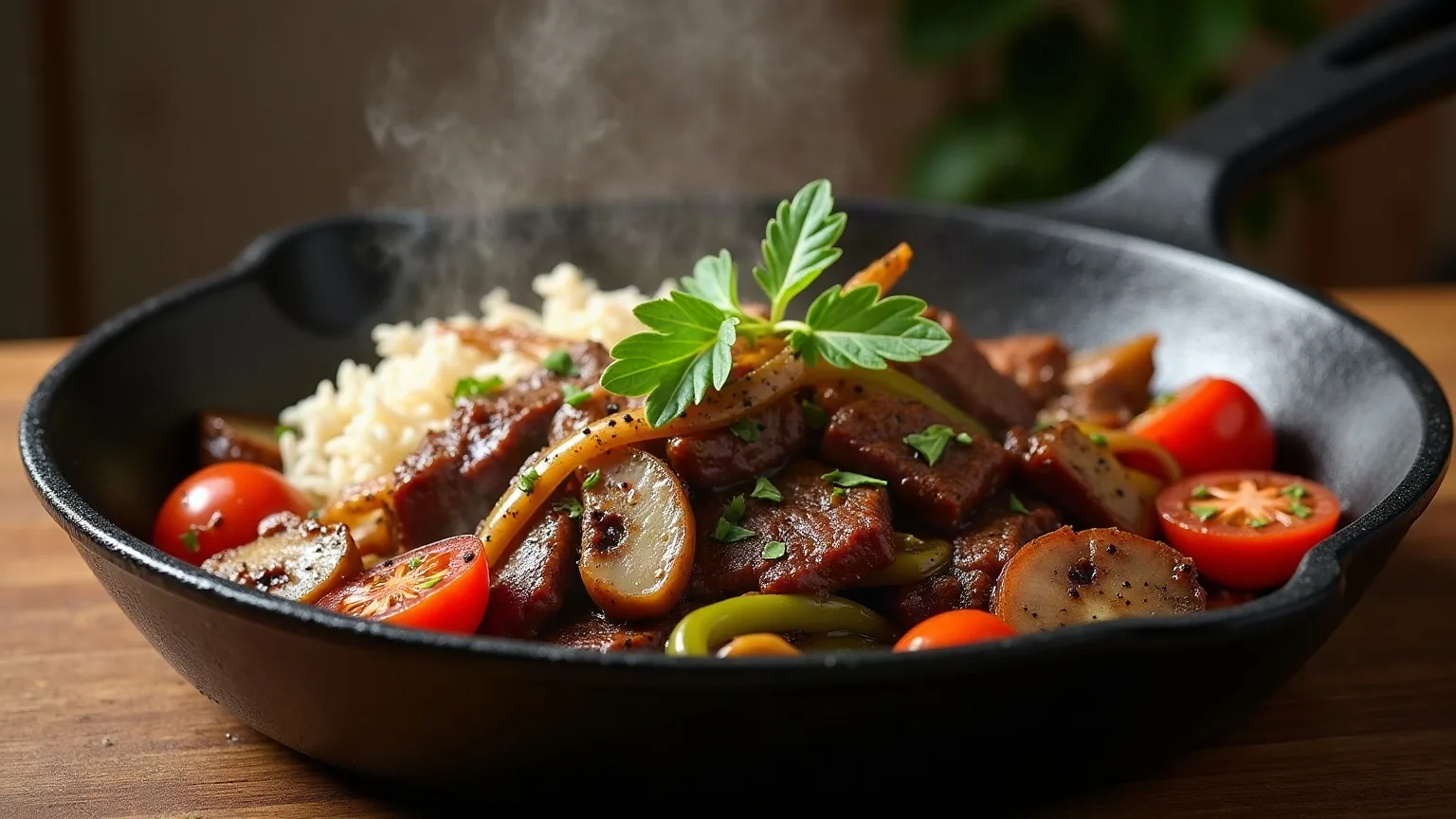
Beef sauté
A meat dish finished in fifteen minutes, on one condition: the pan is genuinely hot. In a warm pan this recipe does not work.
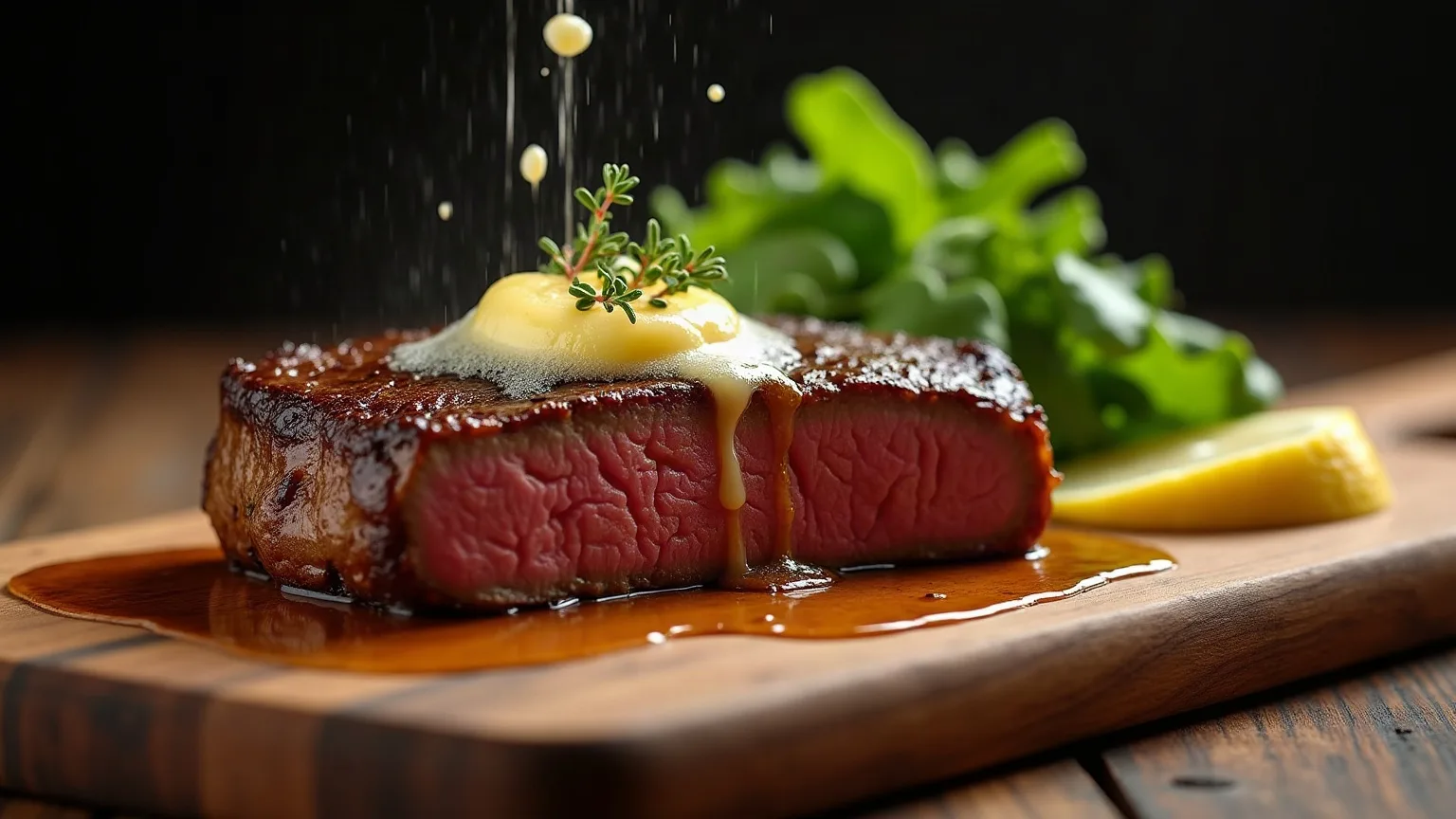
Pan-seared steak
Thickness decides the cooking time, not weight. A 2 cm steak always takes the same time whatever it weighs.
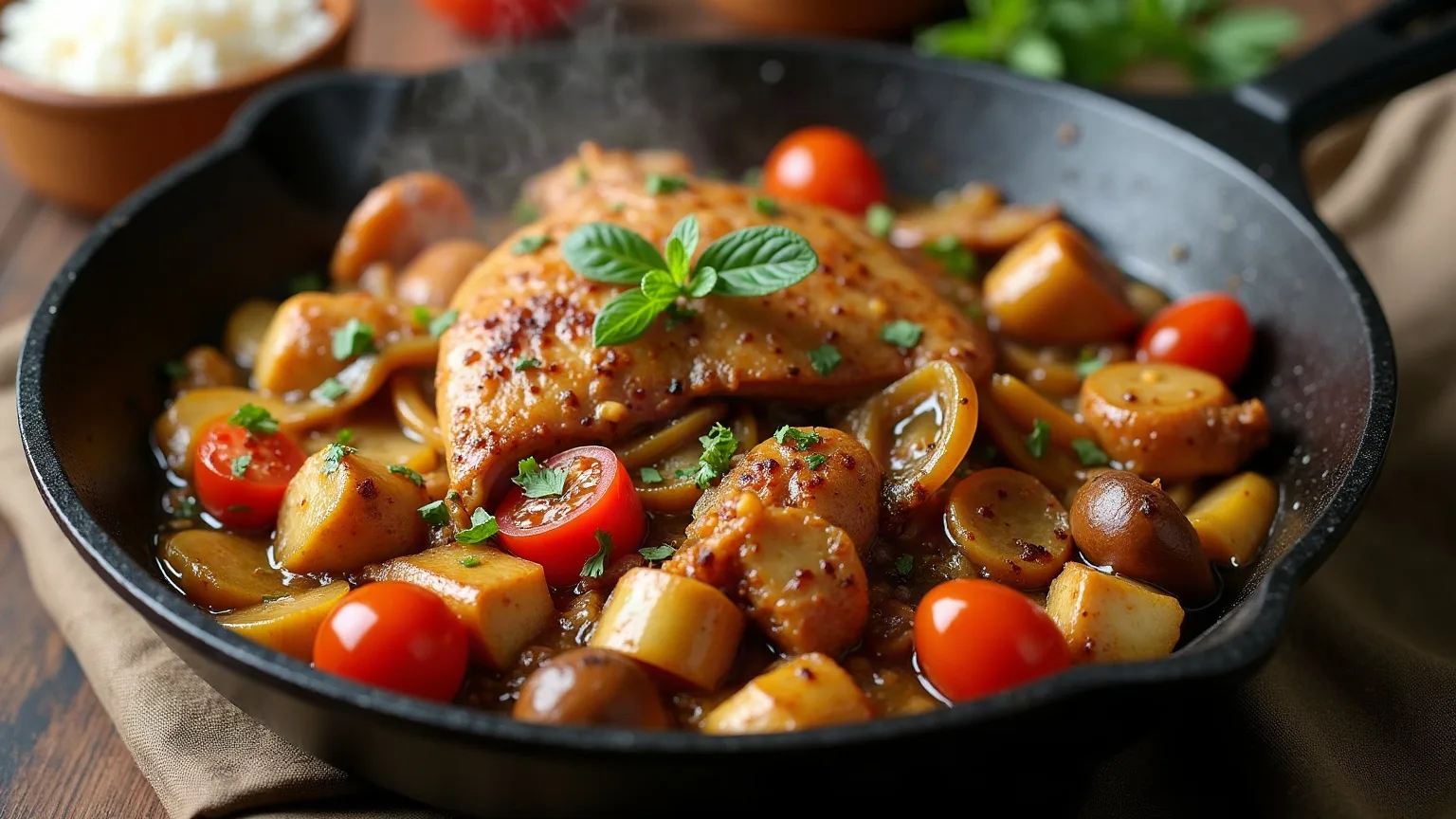
Chicken sauté
Chicken breast is done at 65 °C and dry at 72. Those seven degrees are the whole recipe.
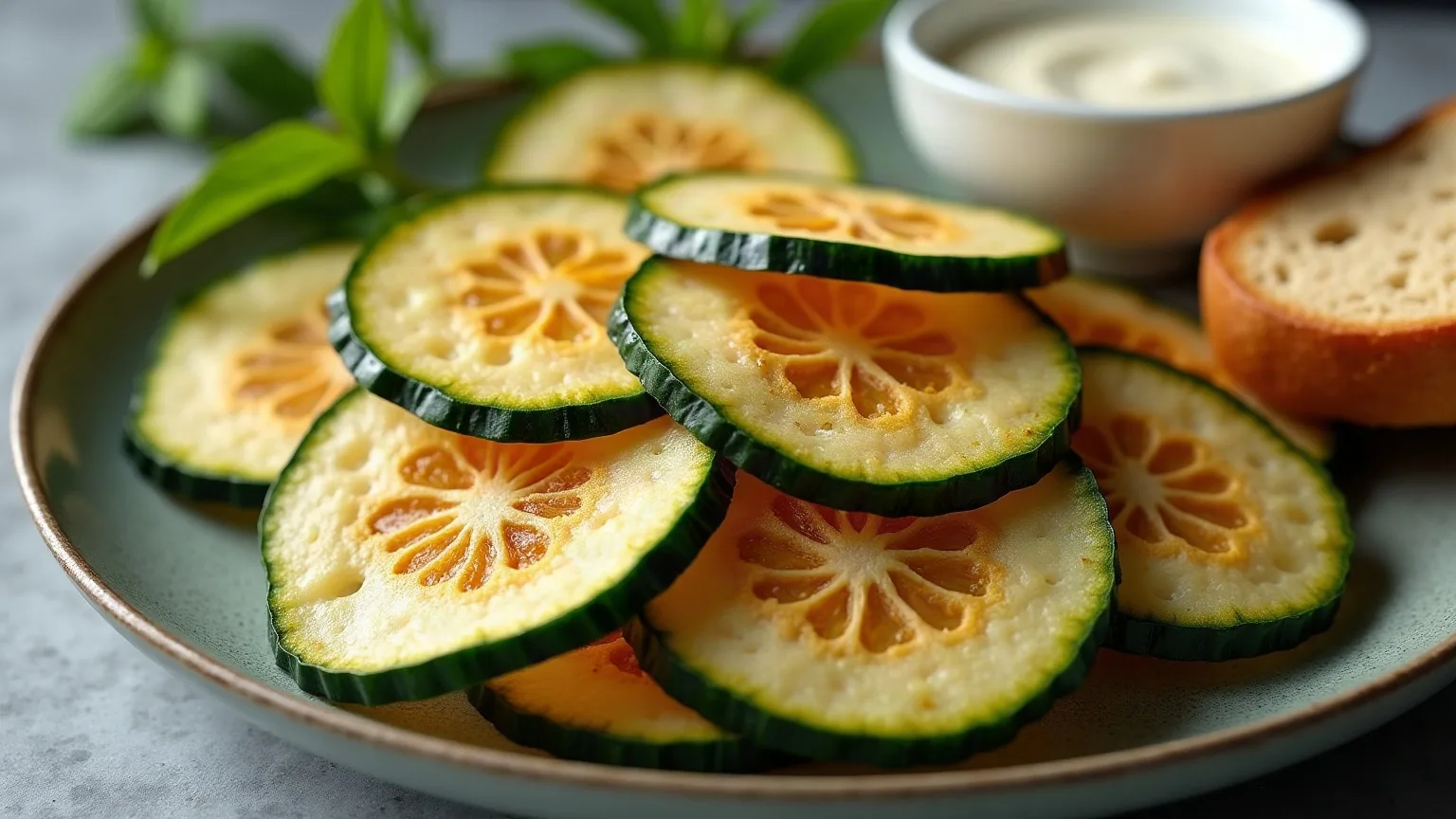
Fried courgette
Salt the slices and wait twenty minutes: the water that comes out is the only reason a fried slice spits and goes soft.
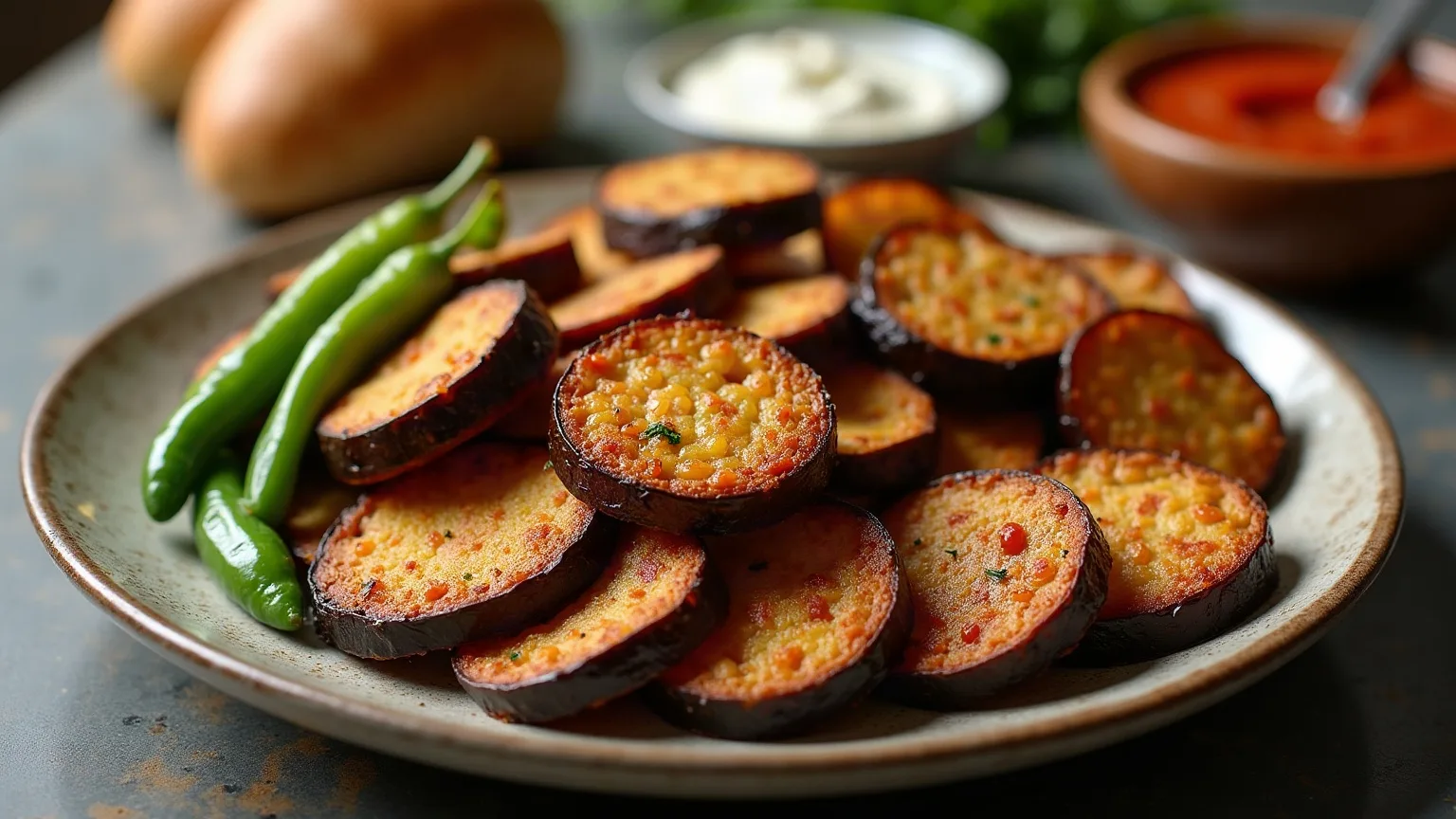
Fried aubergine
An aubergine can take up a third of its own weight in oil. Salted water halves that.
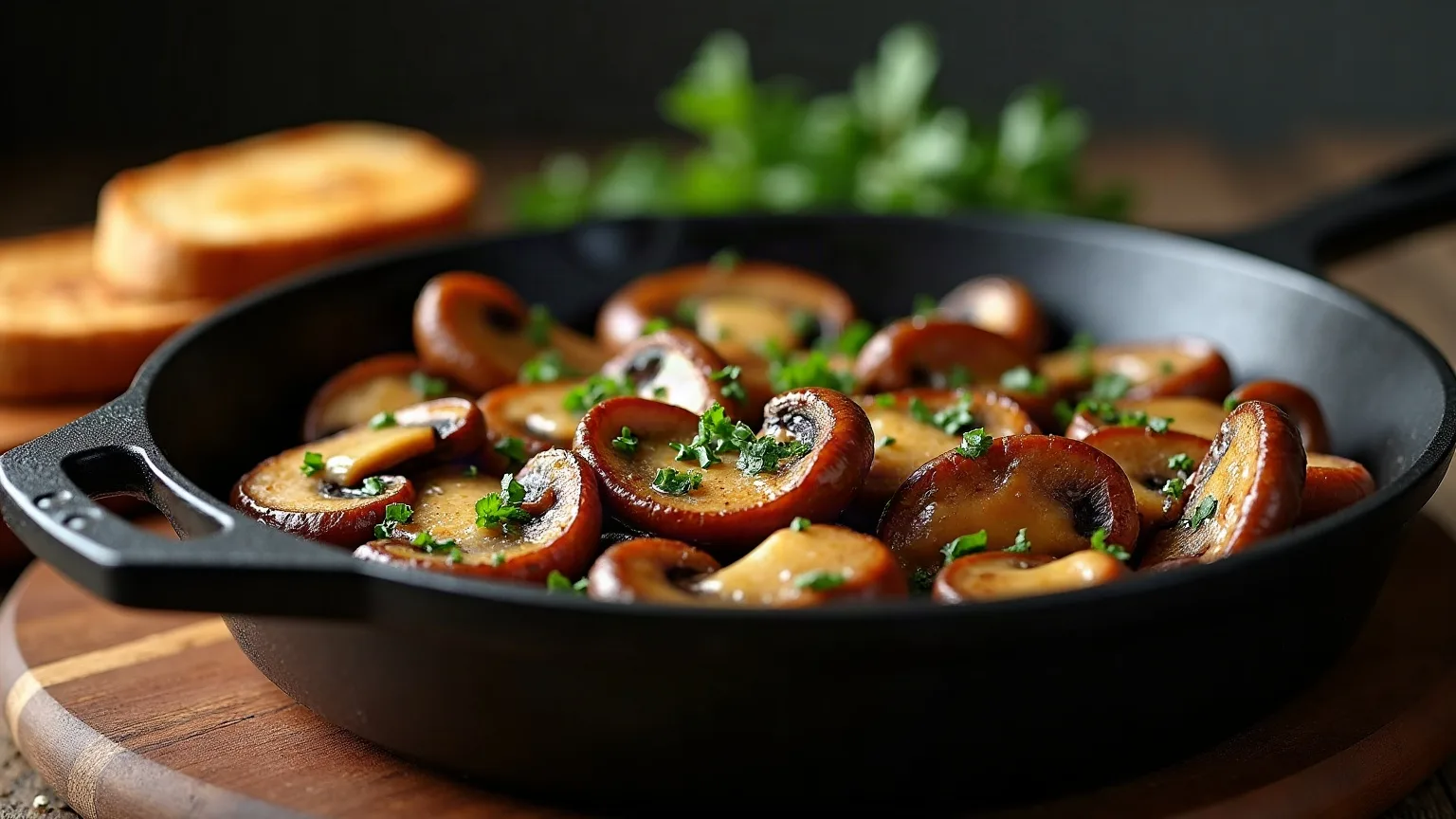
Sautéed mushrooms
Mushrooms are wiped, not washed. And the salt goes in last: early salt draws their water out and makes browning impossible.
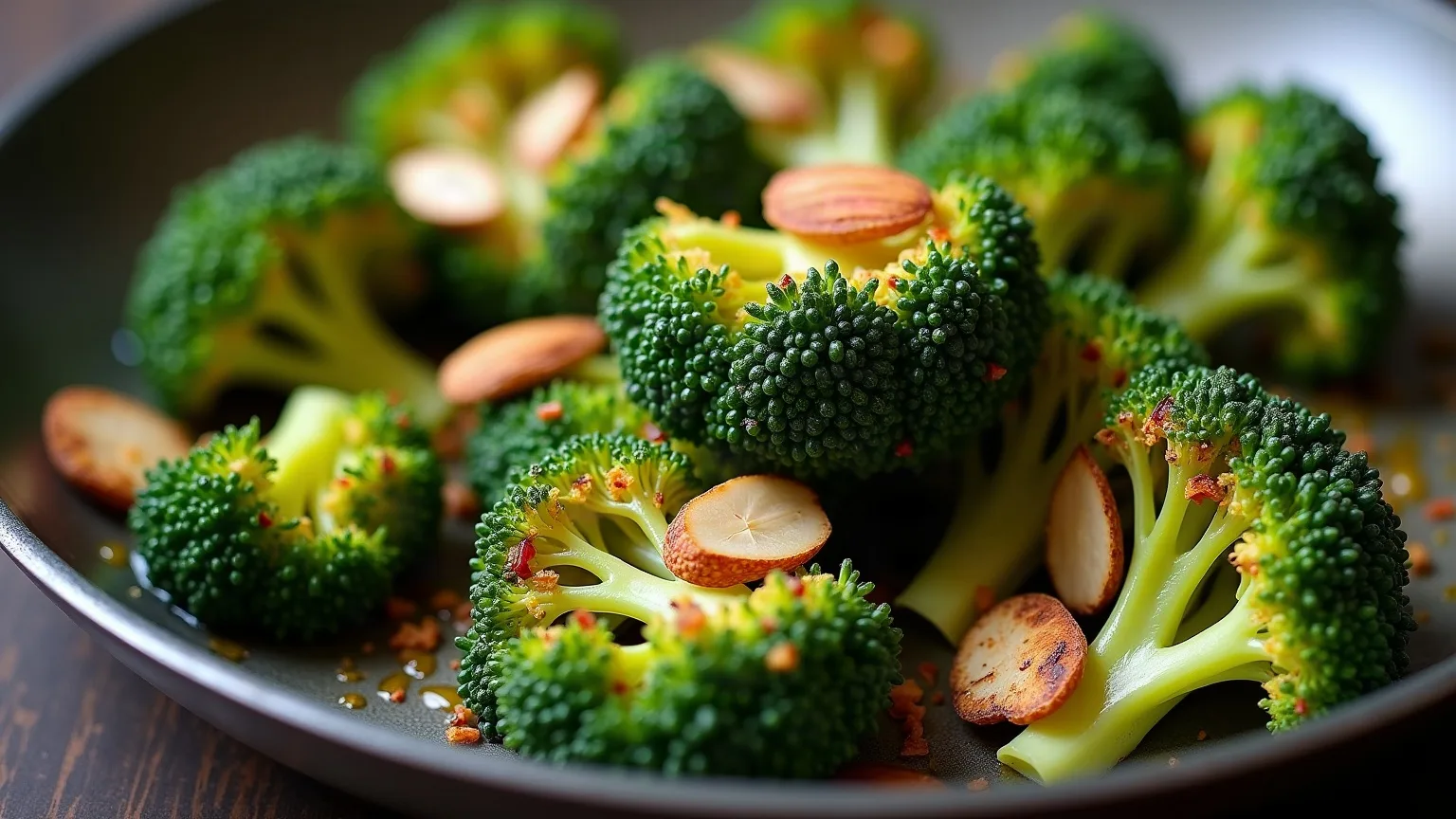
Garlic-sautéed broccoli
The broccoli is blanched two minutes and dropped into iced water. That shock locks the green in, and the sauté cannot take it back out.