
Scaled to however many of you there are.
Change the headcount and the amounts follow. Salt and spice do not scale in a straight line, and we account for that.
A recipe is how you make a thing: the amounts, the order, the timing and where it goes wrong. The dish pages explain what that thing is — where it comes from, the mechanism behind it, and why skipping one step makes it something else. One stays open in the kitchen; the other is read when you wonder.
10 of 116 recipes. Clear the filter
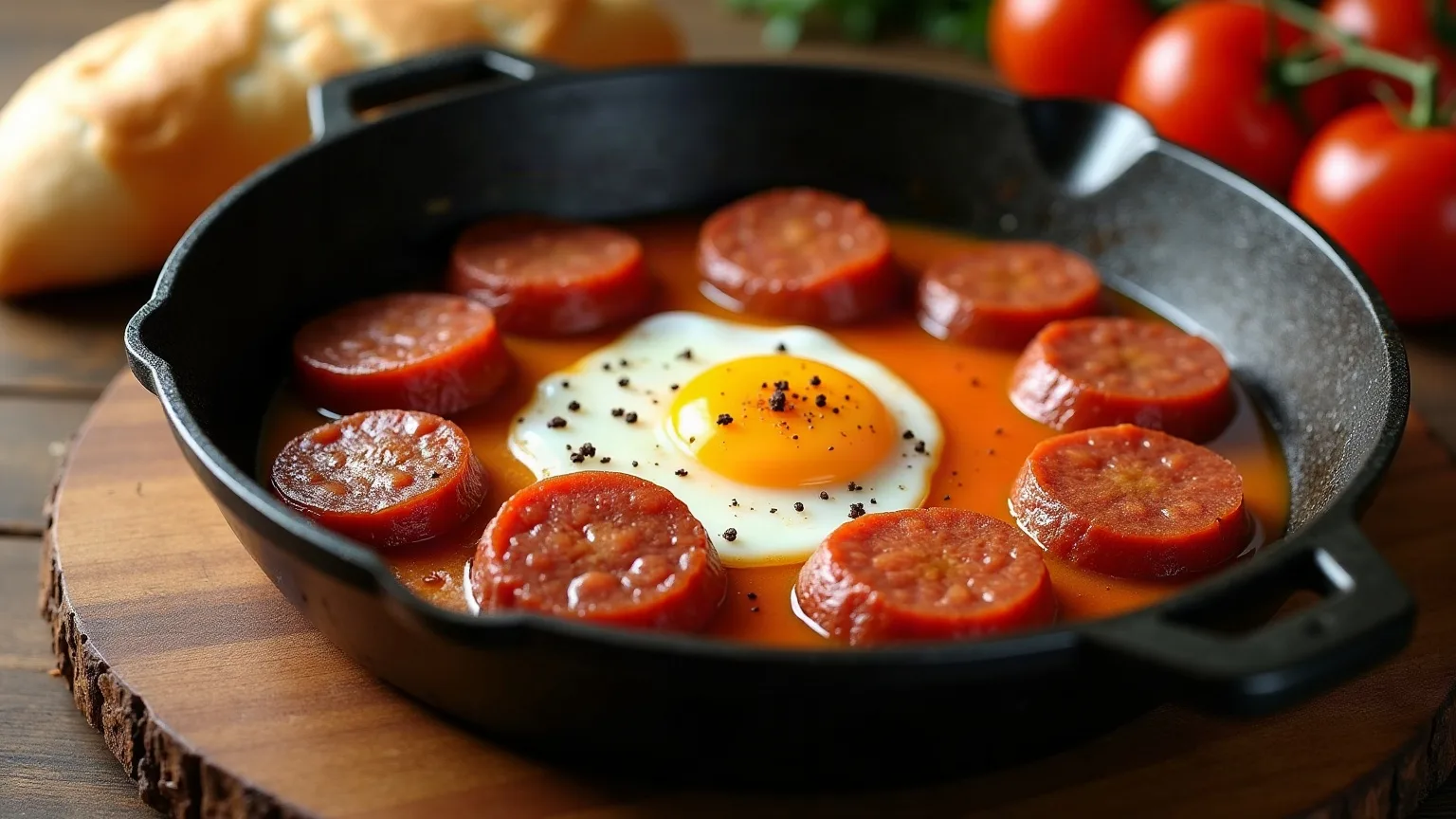
Eggs with sucuk
Crack the eggs before the sucuk has released its fat and you get dry sausage and lean eggs. The order is not a preference, it is the recipe.
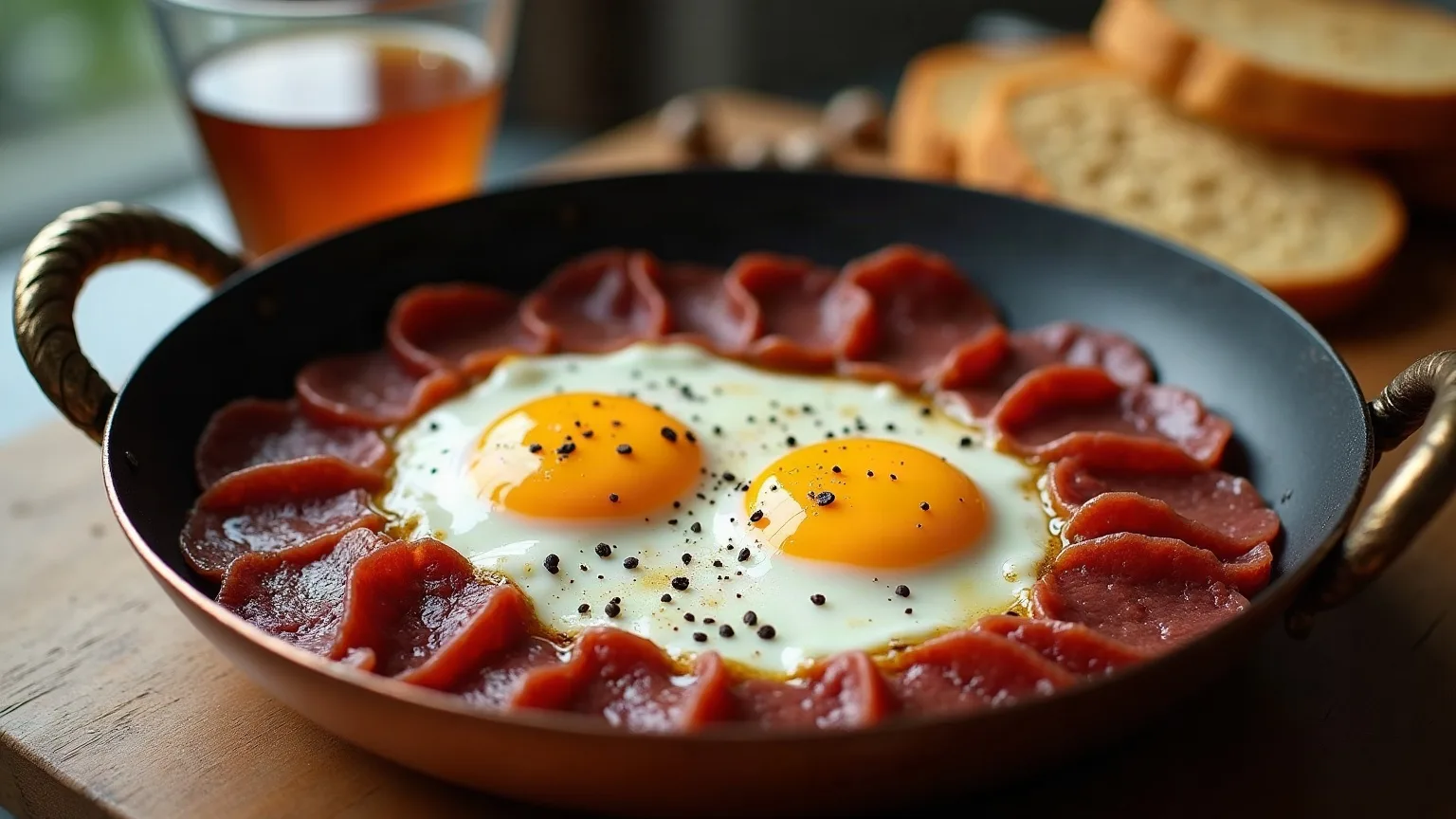
Eggs with pastırma
Pastırma is warmed rather than cooked. More than thirty seconds in the pan and the fenugreek crust turns bitter while the meat turns to leather.
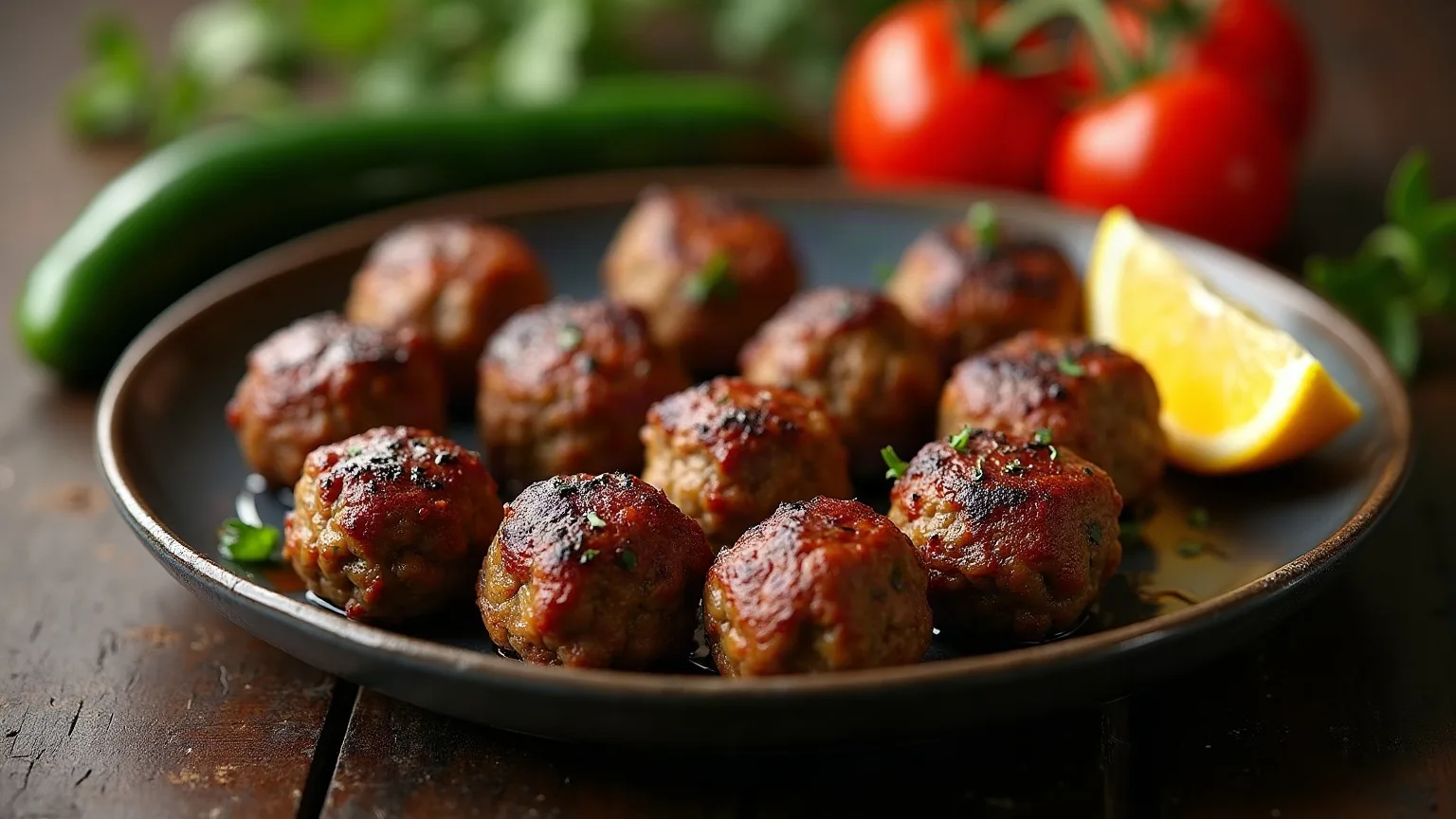
Pan-fried meatballs
A meatball holds together because it rested, not because of what went into it. Kneaded mince does not meet the pan without half an hour in the fridge.
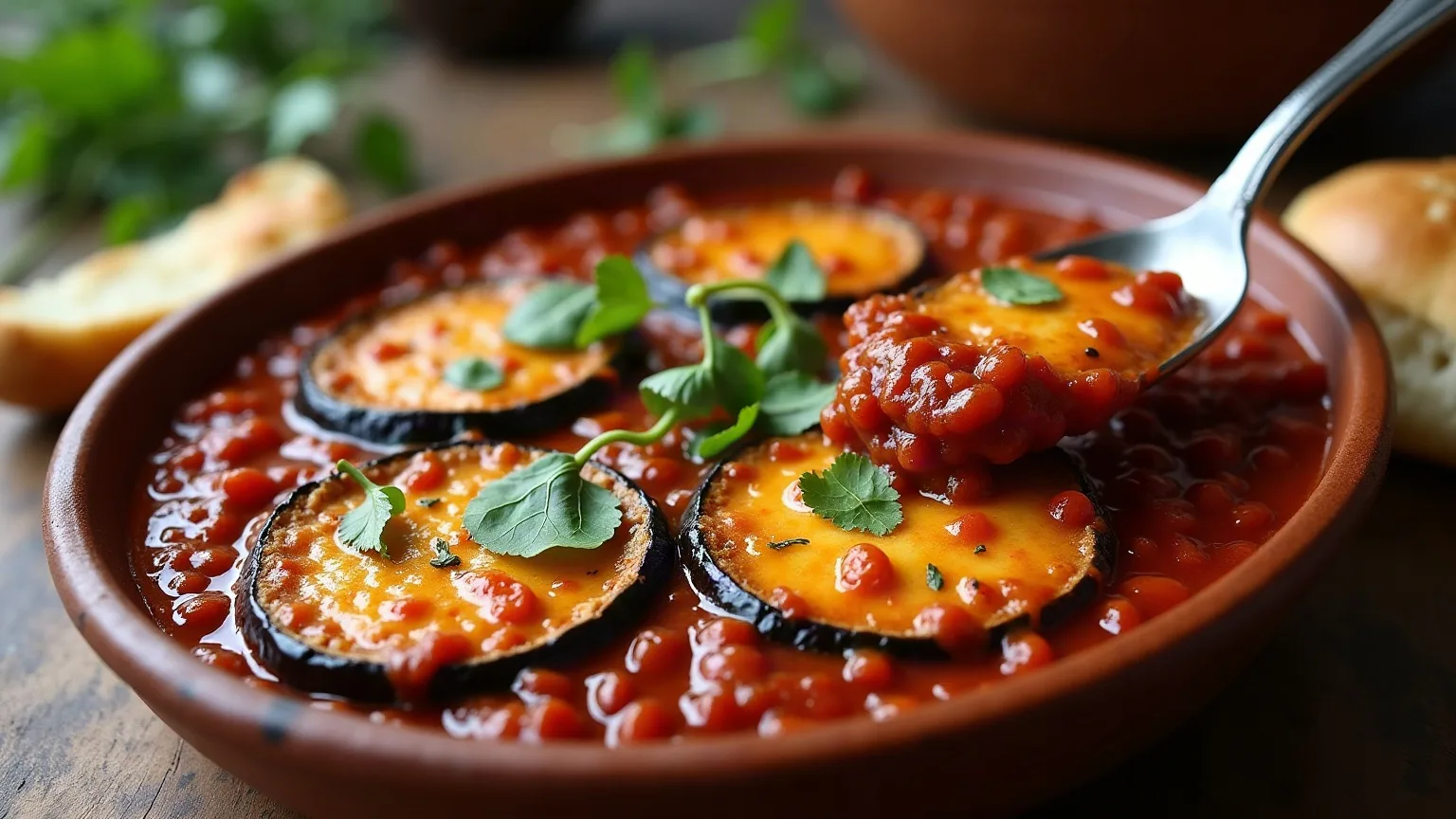
Musakka
Turkish musakka has no béchamel: aubergine, mince and tomato in one pan. Confusing it with the Greek version is a common mistake.
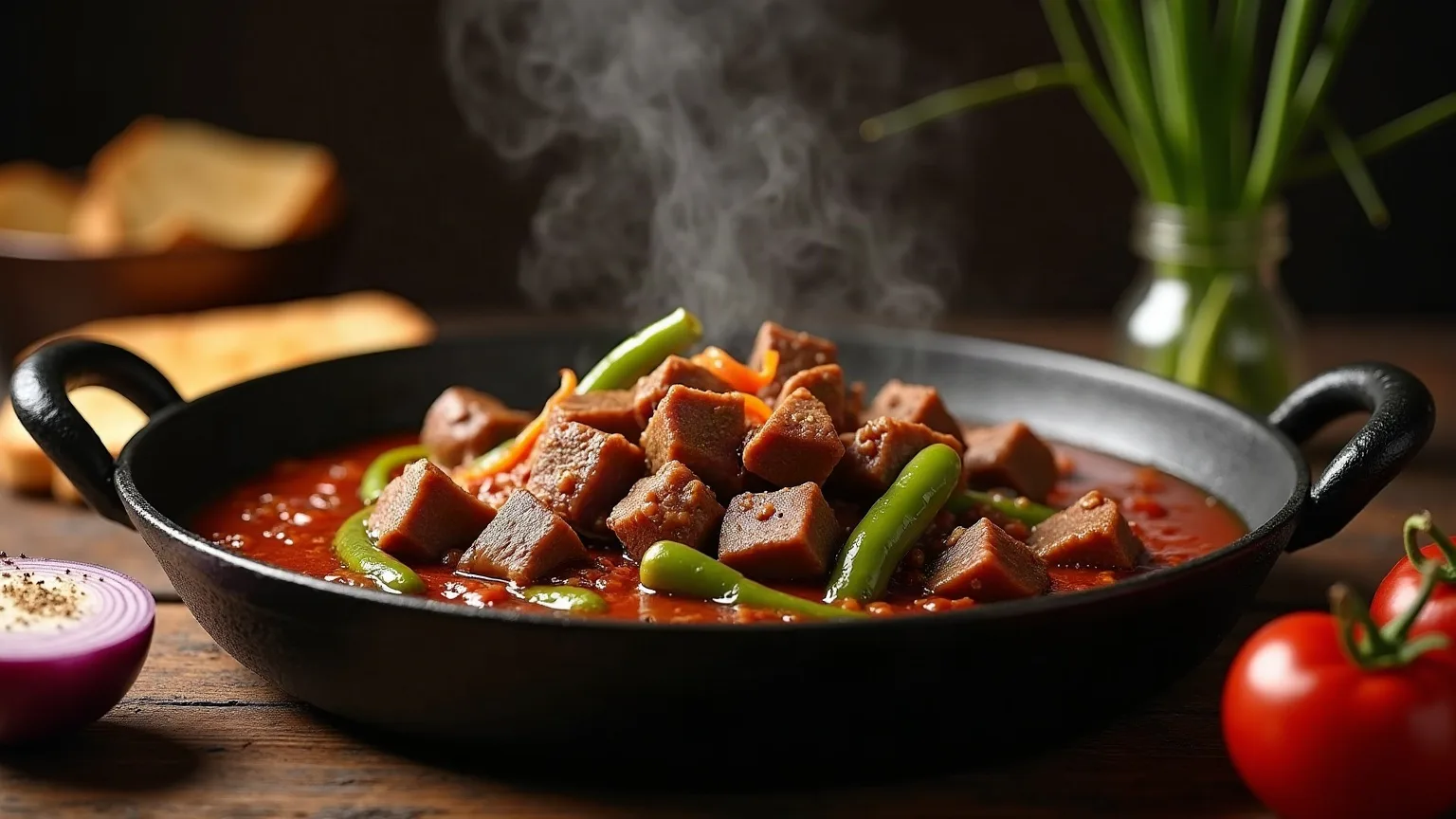
Saç kavurma
High heat, small pieces, an uncrowded pan. Miss any one of the three and it is not a sauté but a stew.
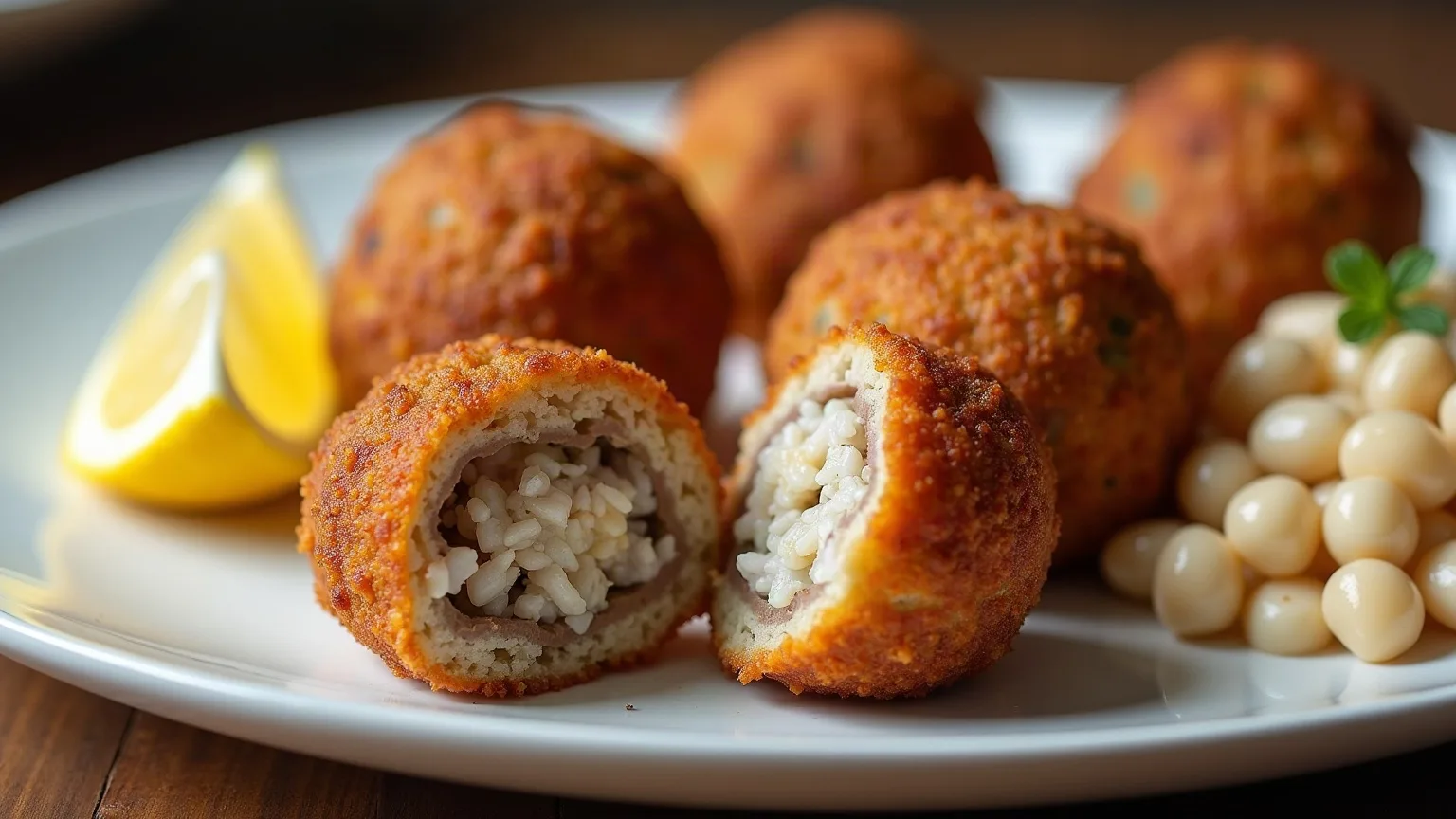
Kadınbudu köfte
Half the mince is cooked and half is raw. The cooked half stops it collapsing and the raw half is what binds it.
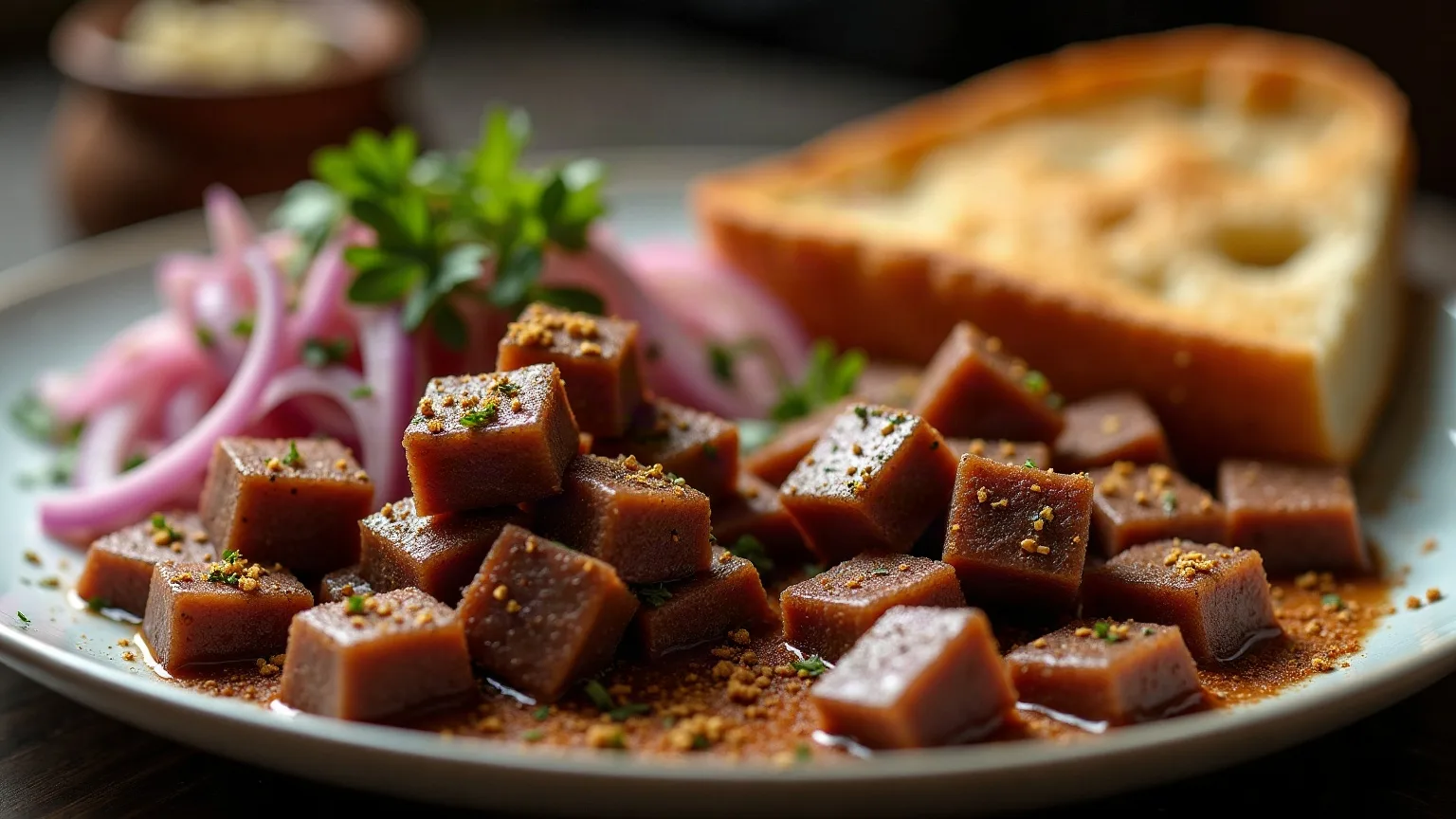
Albanian liver
Liver must not meet salt before the pan, and must meet flour a minute before it. Two rules, two minutes.
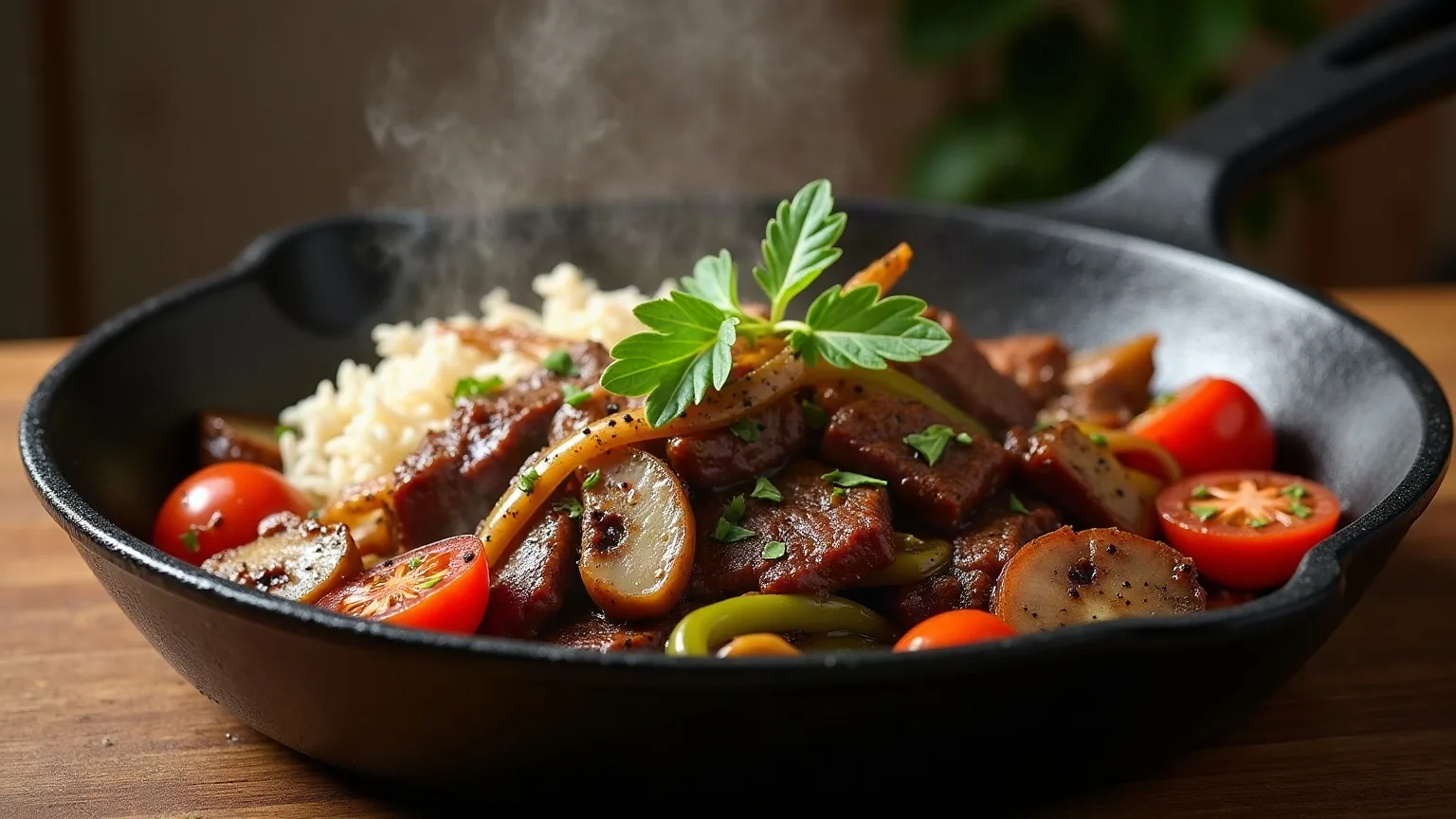
Beef sauté
A meat dish finished in fifteen minutes, on one condition: the pan is genuinely hot. In a warm pan this recipe does not work.
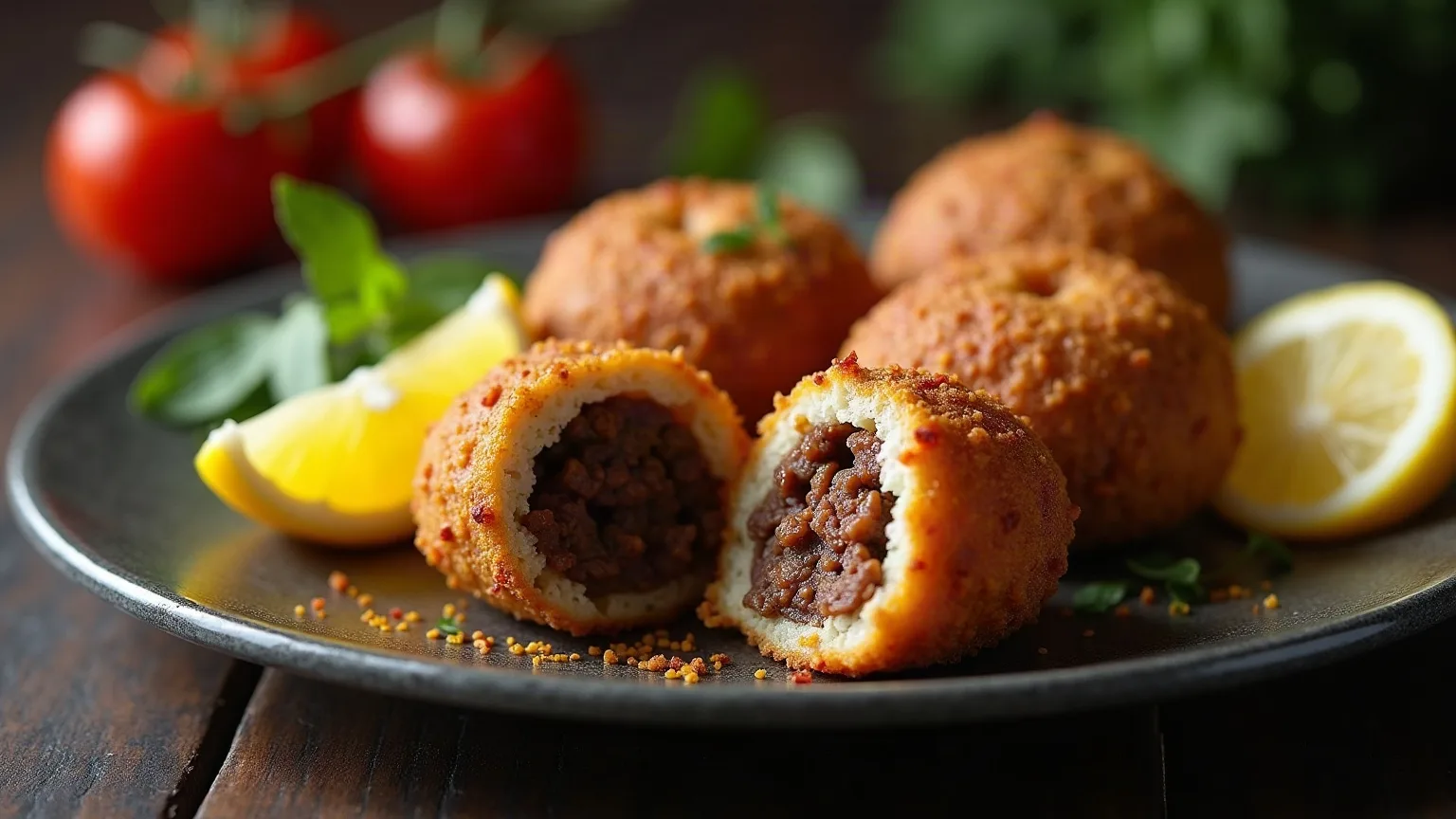
İçli köfte
Whether the shell thins without splitting depends on its temperature: cold bulgur cracks and warm bulgur stretches.
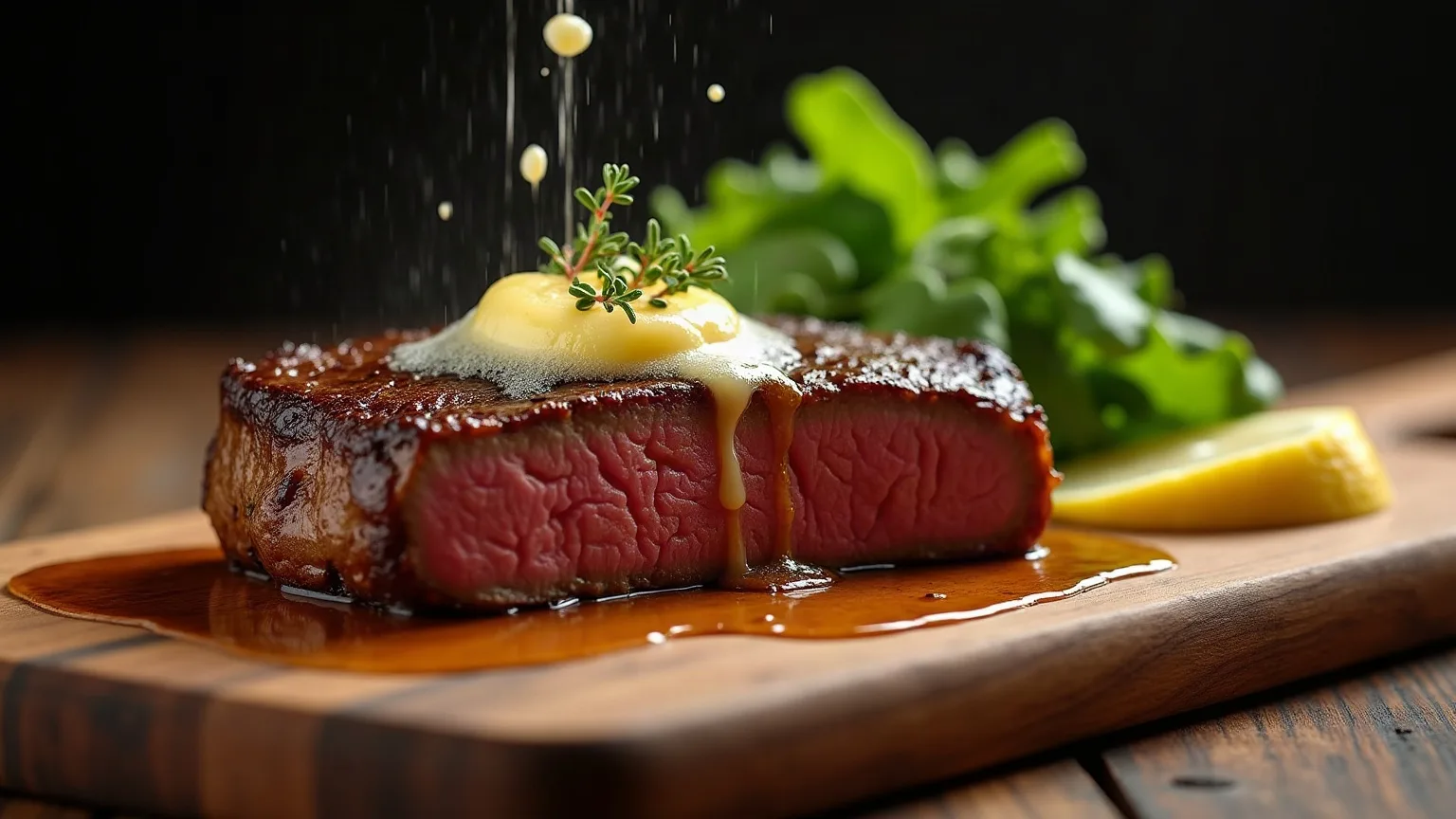
Pan-seared steak
Thickness decides the cooking time, not weight. A 2 cm steak always takes the same time whatever it weighs.