
Bakigar salad
Yes, we just made that name up 😄 There is no such dish — but with what you have, this is exactly what there will be.
This wants to be a salad: raw, cold and tossed at the last moment. Salt it early and it weeps.
Because you are making salad, only the cooking and cutting that suit it are offered.
Not cooked at all. The work is in the cutting and in keeping it cold. A thin slice is more surface: it browns faster and it dries out faster. These are usually eaten cooked: Baking powder. You said raw, so raw it is — there is nothing unsafe in it.
This is weight, not nutrition. Olive oil can be a tenth of the weight and most of the calories.
You gave no amounts; these are a sensible household measure for each. Change the ratio and you change the dish.
Try adding this
-
No fat. Most aroma compounds dissolve in fat; cook without it and you never taste half the spice.
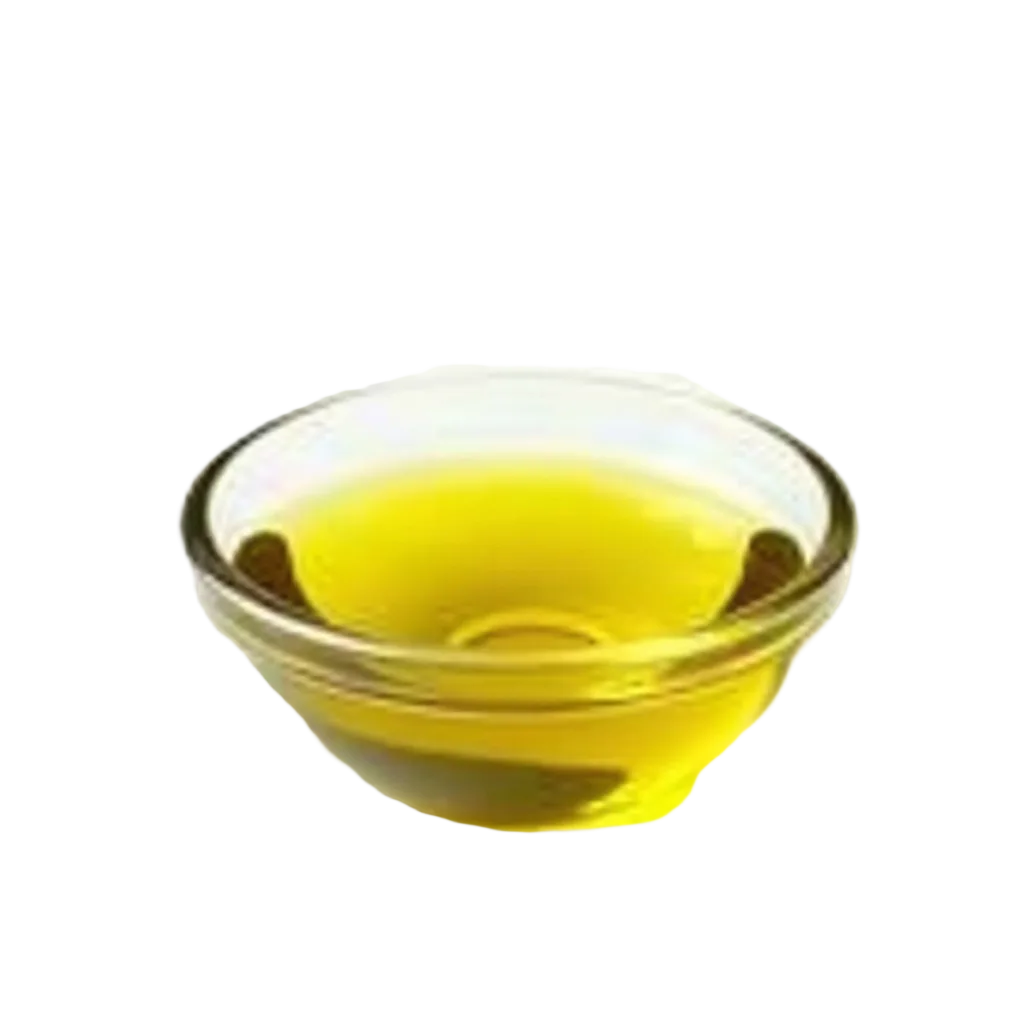 Olive oil
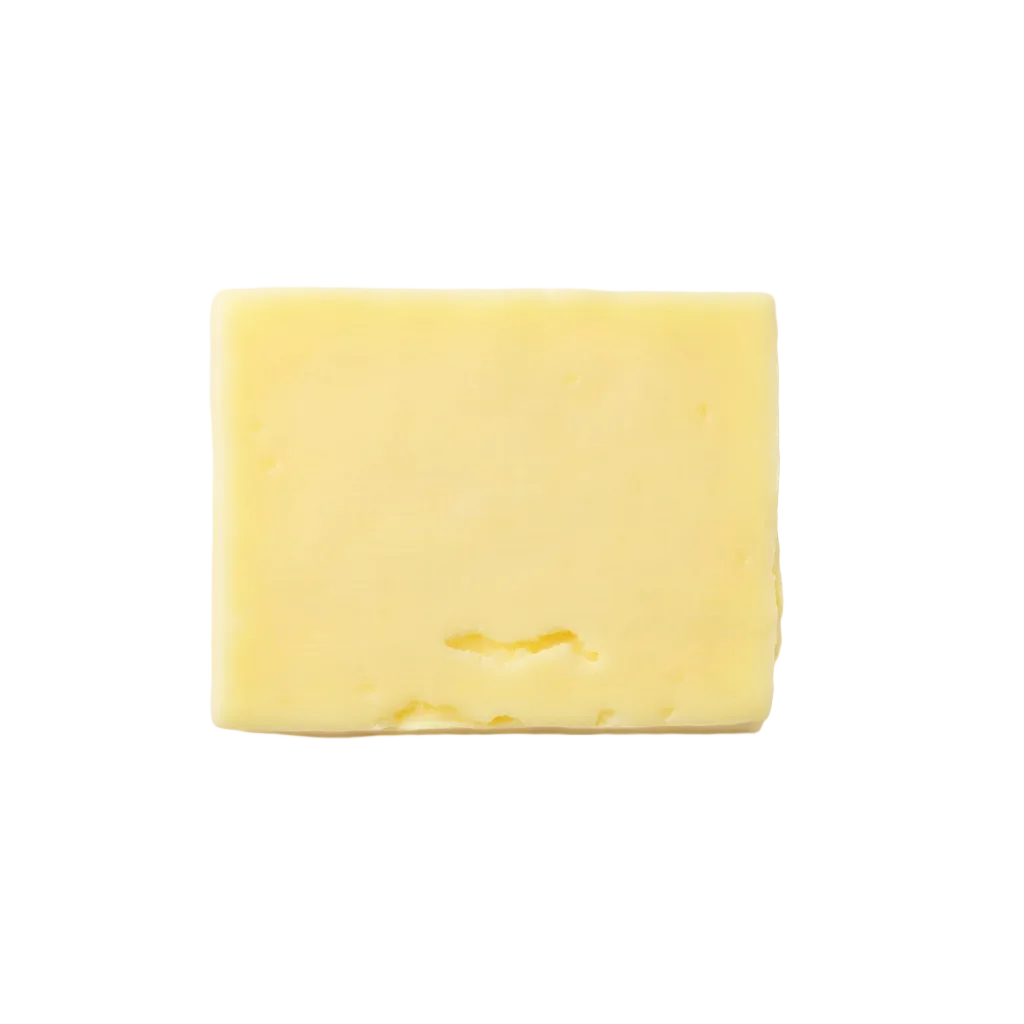 Butter
-
No aroma layer. Even one clove of garlic or a pinch of cumin changes the character completely.
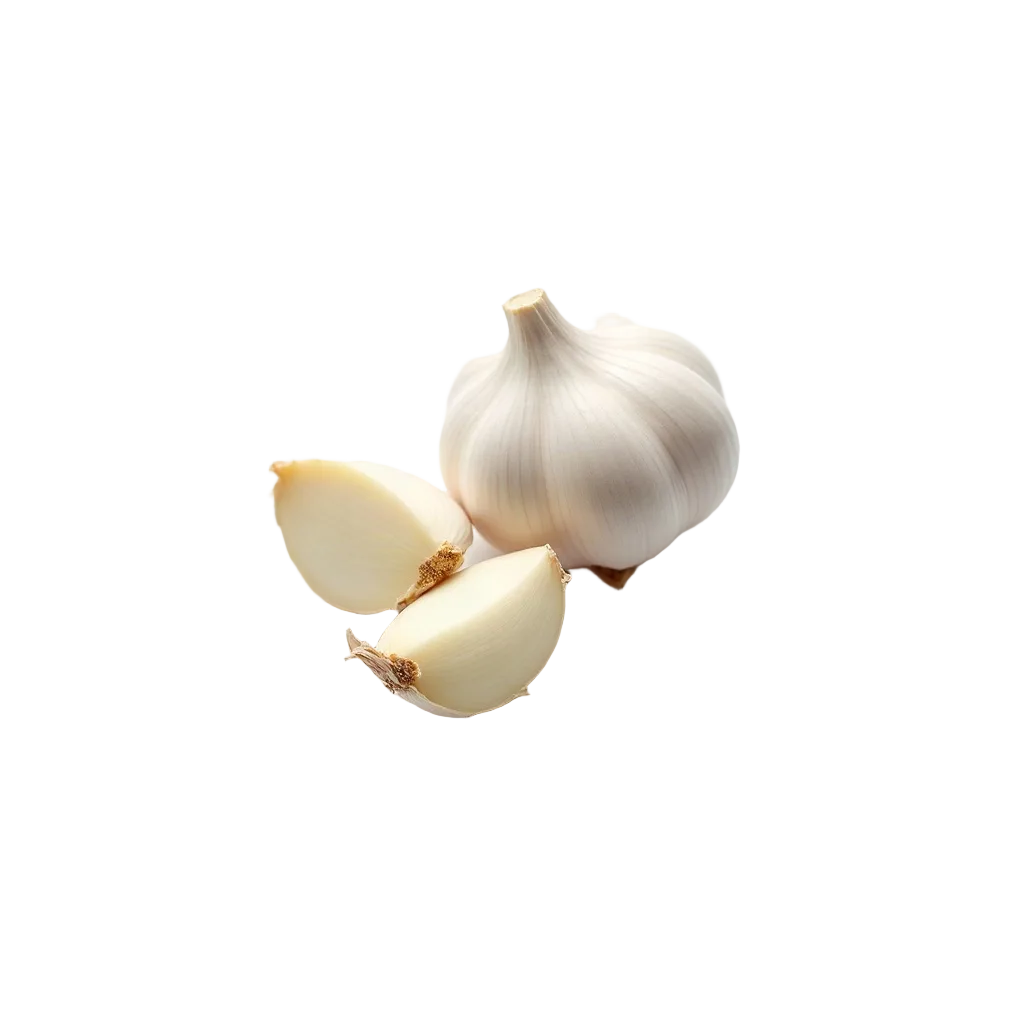 Garlic
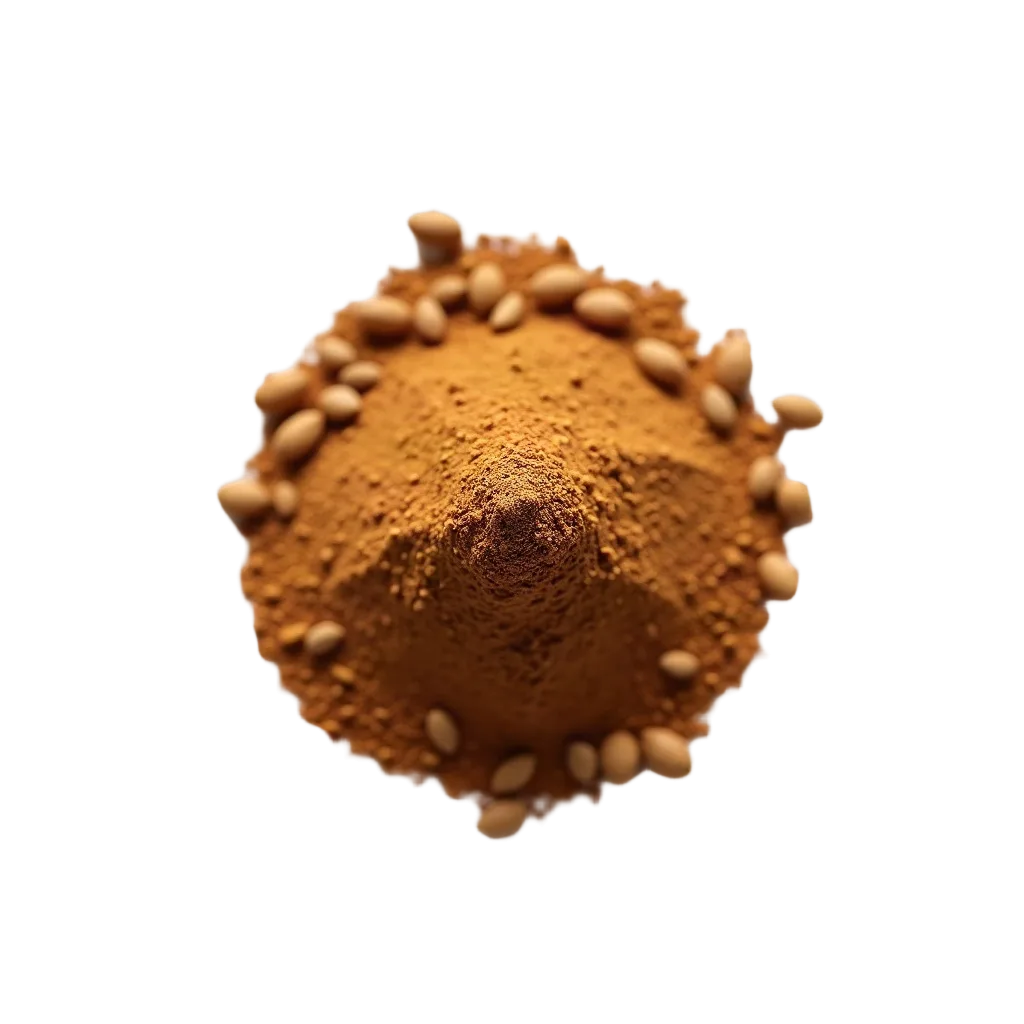 Cumin
Cumin
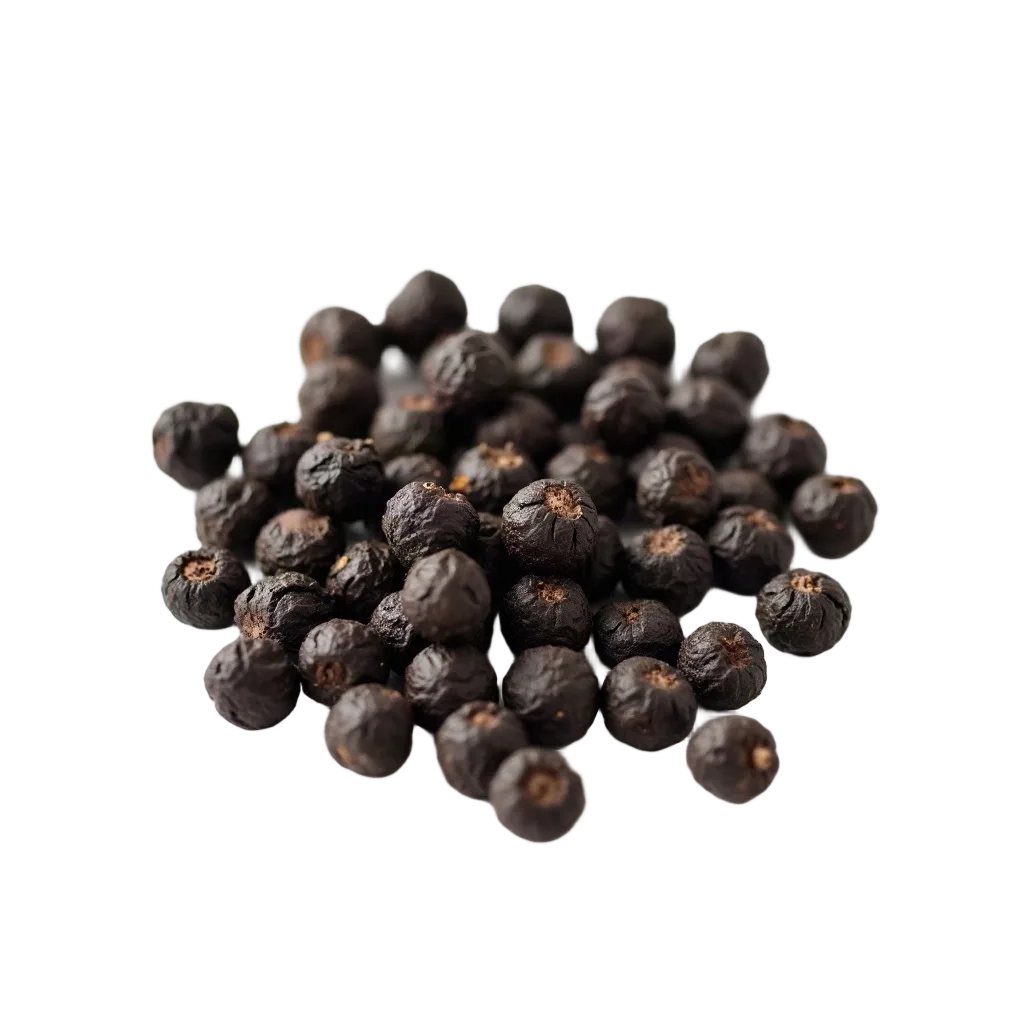 Black pepper
-
Nothing crunchy. Scatter walnuts, almonds or fried breadcrumbs over it: a single-texture dish tires by the third spoonful.
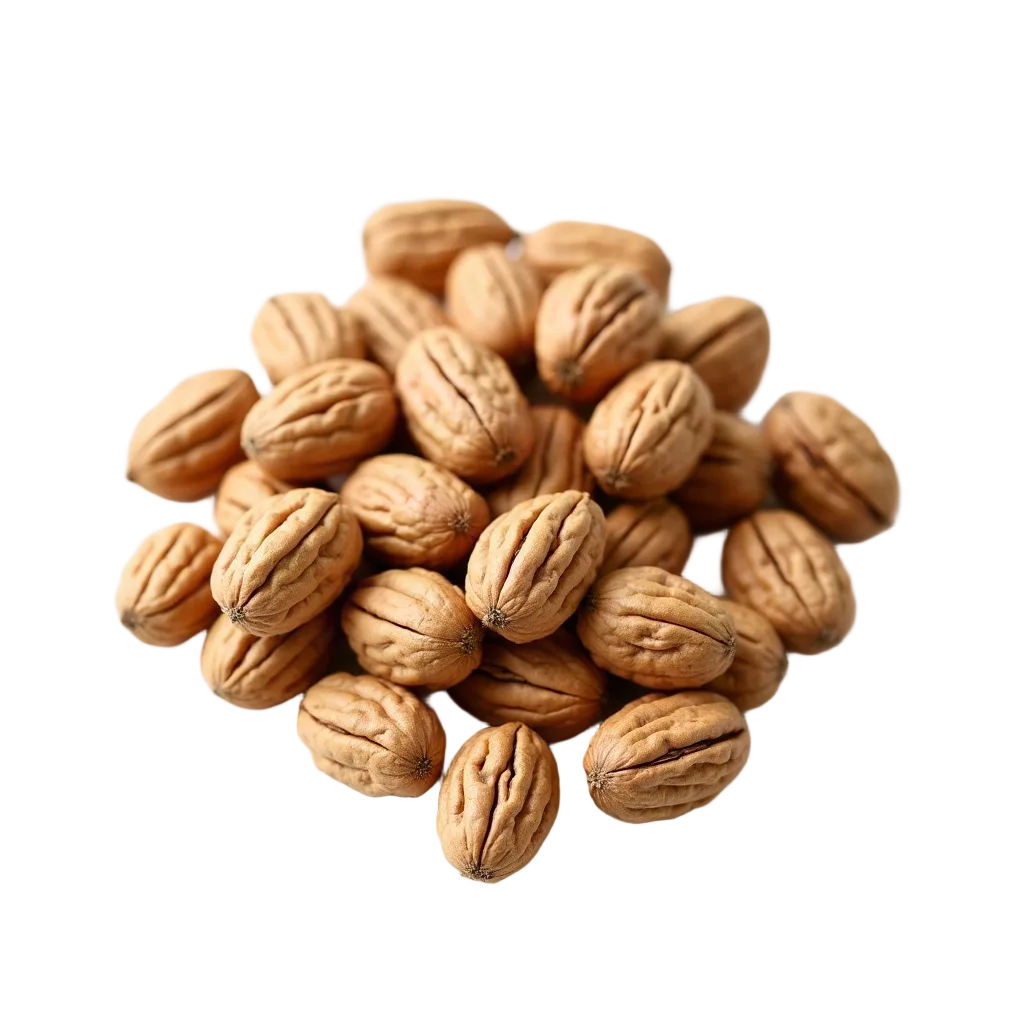 Walnut
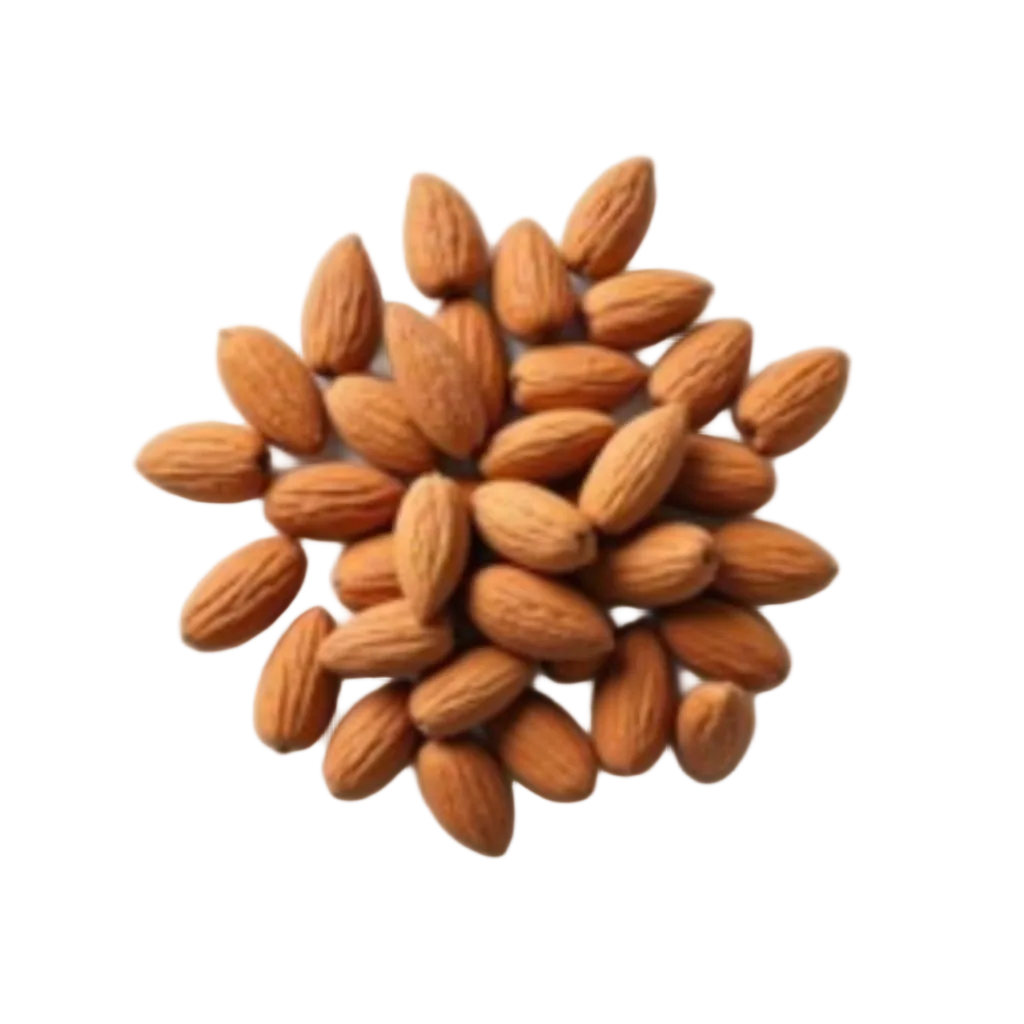 Almond
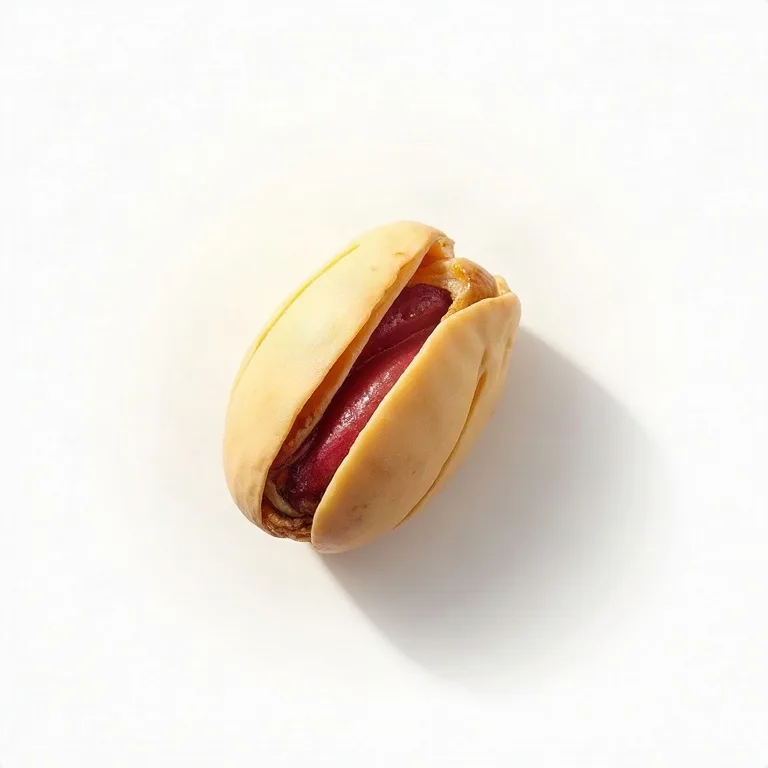 Pistachio kernels (raw)
Salt, pepper, water and oil are assumed to be in every kitchen; we never count them as missing.
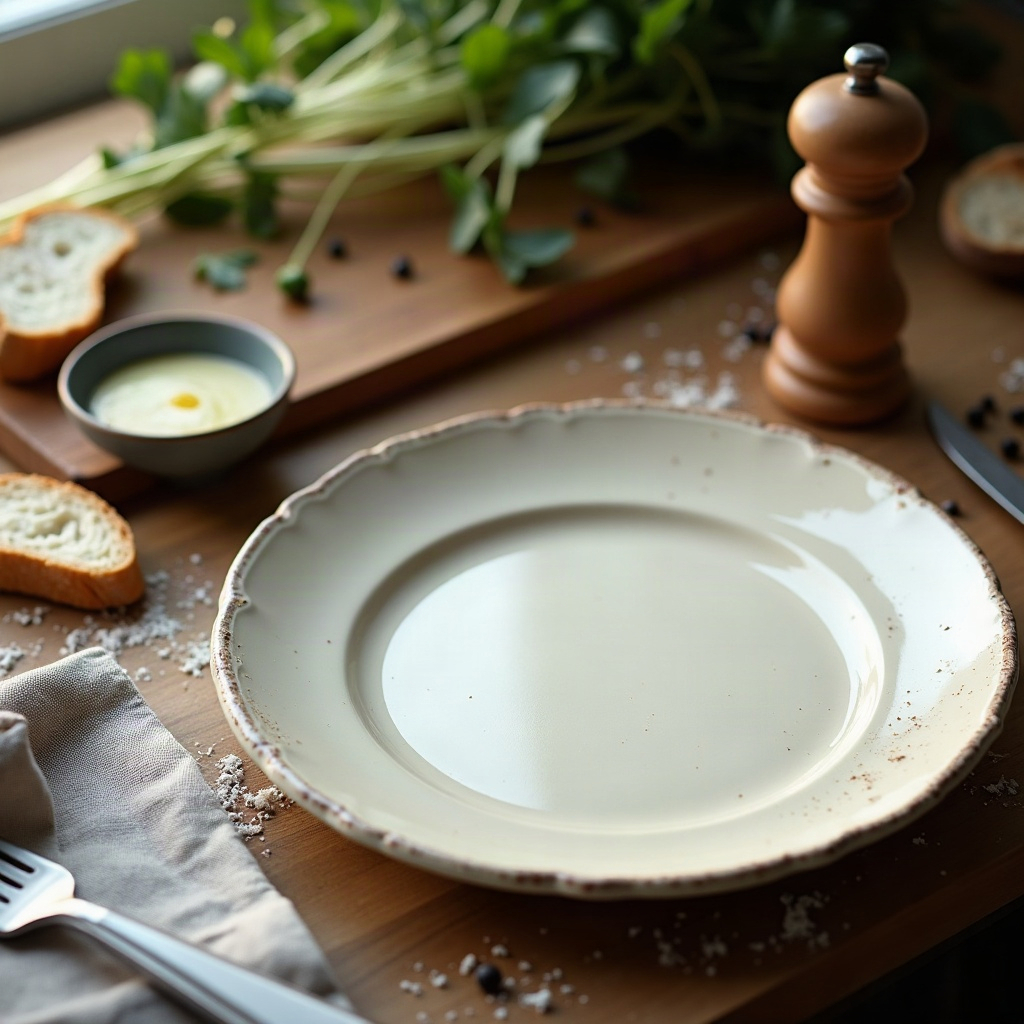
Generated once and kept against this exact combination of ingredients, cooking and cut, so everybody who picks the same things sees the same one. It is not a photograph of this dish: nobody has cooked it.
On a plate, in visible pieces and the colour of what went in, unbrowned.
- Water
- 100% The first thing that decides the consistency.
- Fat
- 5% Gives the shine and the coating it leaves.
- Heat
- none Nothing is cooked: both the colour and the texture come straight from the ingredients.
The figures above are the engine’s reading: the colour comes from the measured colour of what went in and how far browning ran, the consistency from the water fraction, the shine from the fat. The image is generated from those same numbers.
There is no heat in this one: the colour and the texture come straight from the ingredients.
For 1, 35 g in total
The amounts, the steps and the engine’s readings are blurred: making the photograph opens them.
-
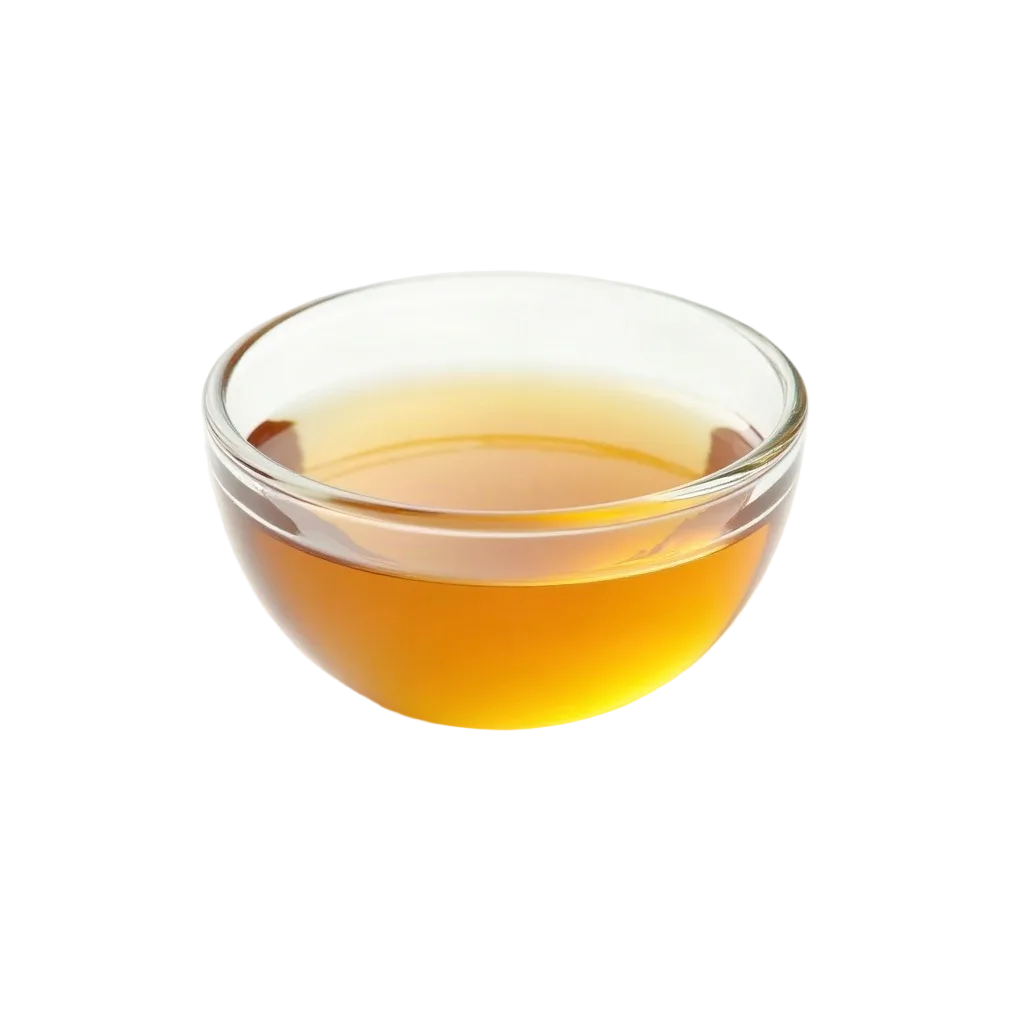 30g
Vinegar
30g
Vinegar
-
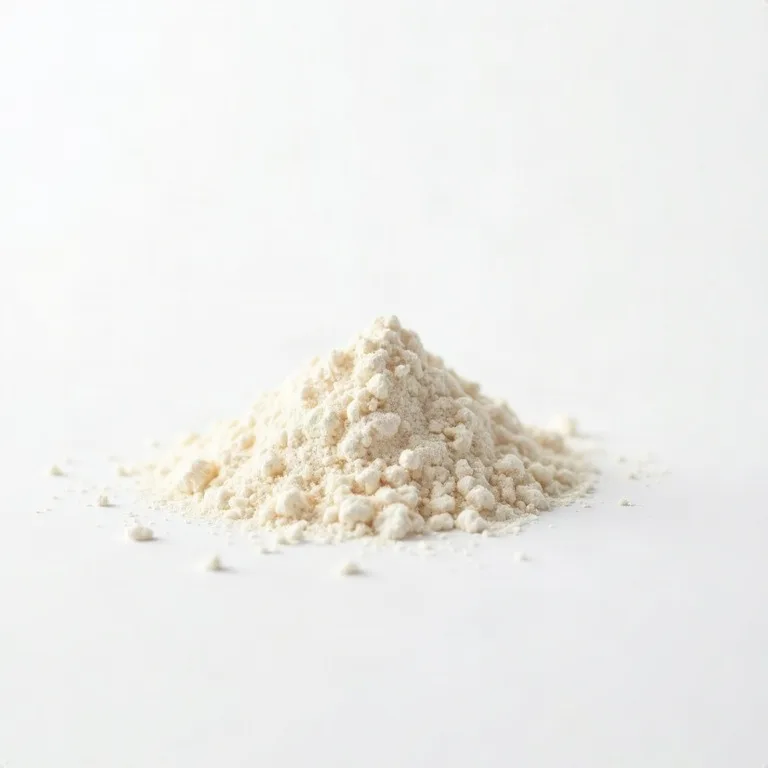 5g
Baking powder
5g
Baking powder
Added at the end: Salt, Black pepper, Water, Olive oil. No weight is given for these: the amount is a matter of taste, and the engine’s prediction carries none for them either.
How to make it
-
Add the vinegar at the moment of serving, not before.
-
Vinegar
Why Salt pulls water out by osmosis: a salad salted early is sitting in its own liquid within ten minutes and has lost its texture. Acid does the same to a leaf, faster. -
-
Prepare the baking powder and put it in the bowl. Do not let it sit after cutting: a cut surface starts losing water and aroma the moment it meets the air.
-
Baking powder
-
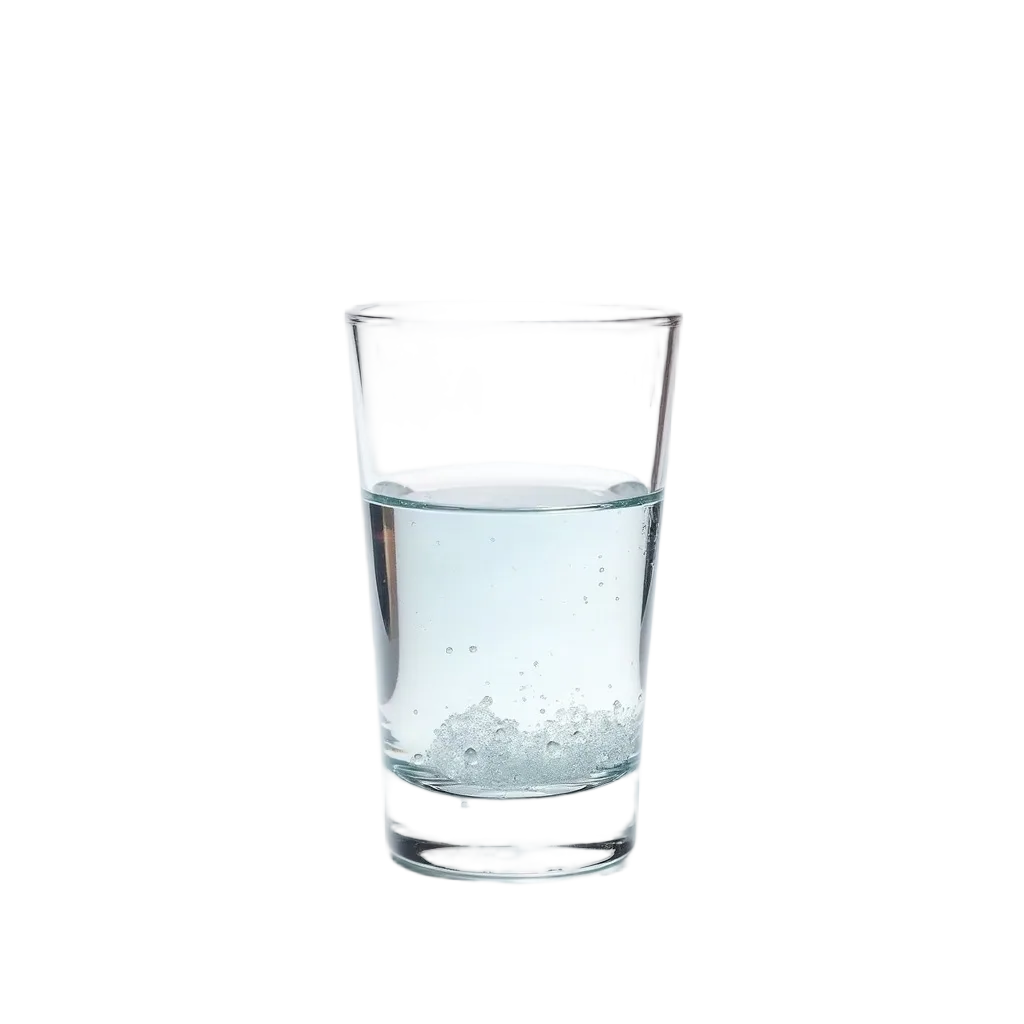 Water
Water
Why A cut surface is an open cell wall. Chopped things left to stand give their water and their smell to the air rather than to the plate. -
-
Serve it ten minutes out of the fridge. At 4 °C most of the aroma never reaches the air, so it does not taste cold, it tastes of nothing.
Why Volatile aroma reaches the nose by evaporating, and evaporation depends on temperature. The same dish smells less when it is cold, and what smells less tastes less.
What it is like
Nobody has eaten this and there is no photograph of it. All we have is the taste vectors of what went in, through the same model every written recipe uses.
This profile is computed rather than measured: the role-weighted average of its ingredients’ taste vectors, shifted by what the cooking does. The thin line is the database average on that axis.