
For someone living with diabetes
Same pot, same table. What changes is not the dish but how much carbohydrate the plate carries and how fast it arrives: here is the glycaemic load band for each recipe, and the kitchen moves that pull it down.
- A glycaemic index of 55 or less is low, 56–69 medium, 70 or more high.
- A glycaemic load of 10 or less per portion is low, 11–19 medium, 20 or more high.
- Bulgur in place of rice lowers the load of a pilaf by about a third.
- This page says nothing about medication, insulin or dosing.
Thresholds that hold whatever gets cooked
Free sugars
The same share for adults and for children. Ten per cent of a 2000-calorie day is roughly 50 g of sugar, and a single can of a fizzy drink is more than half of it. The risk of weight gain, obesity and tooth decay rises above this line.
Salt in a day
Under 5 g of salt a day, which is under 2000 mg of sodium — just under a teaspoon. A label usually gives sodium, and the two are not the same number: salt is about 2.5 times the sodium.
Two numbers: index and load
The glycaemic index says how fast the carbohydrate in a food raises blood glucose, with glucose set at 100. The glycaemic load adds the amount: the index times the grams of available carbohydrate in the portion, divided by 100. The number that describes a plate is the load.
- Low index
- 55 or less. On this site: lentils 16, chickpeas 31, haricot beans 31, yoghurt 35, milk 37, bulgur 46, pasta 47. AJCN
- Medium index
- 56–69. On this site: rolled-oat porridge 58, long-grain rice 62, table sugar 66, pumpkin 66. AJCN
- High index
- 70 or more. On this site: boiled potato 73, peach 76 (a single Italian study), boiled broad beans 79 (a single study with a wide spread). AJCN
- Load bands
- Per portion, 10 or less is low, 11–19 medium, 20 or more high. A high-index food can give a low load in a small portion; a low-index one a high load on a big plate. AJCN
The recipes on this site, by load band
Each recipe's load per portion was worked out from the index of each ingredient and USDA carbohydrate figures. The calculation counts carbohydrate including fibre, so it reads a little higher than the true load: the numbers here are an upper bound. The load of a cooked dish has not been measured; fat, protein and cooking time all move it.
- Low load (≤10)
- Lentil soup ~5, dal ~6, lentil salad ~8. With lentils at an index of 16, the load stays low despite 35–55 g of carbohydrate a portion. AJCN
- Almost no carbohydrate
- Menemen carries ~8 g of carbohydrate a portion, çılbır ~5 g, baked salmon ~2 g. Since an index cannot exceed 100, the load of these plates cannot exceed their carbohydrate grams either: all three are under 10. AJCN
- Medium load (11–19)
- Chickpea stew ~12, white beans ~13. The pulse index is low, but the portion arrives with 40–46 g of carbohydrate. AJCN
- High load (≥20)
- Bulgur pilaf ~24, oven potato wedges ~32, buttered pasta ~35, plain rice pilaf ~37. Bulgur has a lower index than rice (46 against 62), which is why the load on the same plate falls by about a third. AJCN
Kitchen moves that pull the load down
Halving the portion. Load is directly proportional to portion: a plate of pilaf at 37 halved comes down to 18–19, into the medium band. Taking half a portion of pilaf and adding lentil salad beside it changes the load without changing the meal.
Bulgur instead of rice. Bulgur cooked by the same pilaf method (index 46) sits in a lower band than rice (62). It is the largest change that leaves the character of the dish alone.
Putting pulses first. Lentils (16), chickpeas and haricot beans (31) are the lowest-index carbohydrate sources on this site. Moving part of the plate's carbohydrate from pilaf to pulses lowers the load.
Source: AJCN
What this page covers
This page says nothing about medication, insulin, dosing or blood glucose targets. For someone matching insulin to carbohydrate, the grams here are an estimate; the dose is set by the calculation of the diabetes team that knows them.
No recipe is marked "suitable for diabetes". Suitability depends on the person's treatment, their portion and the rest of the meal, and a page cannot know those. What is here is the numbers a cook can check on their own plate.
Start from the recipes already here.
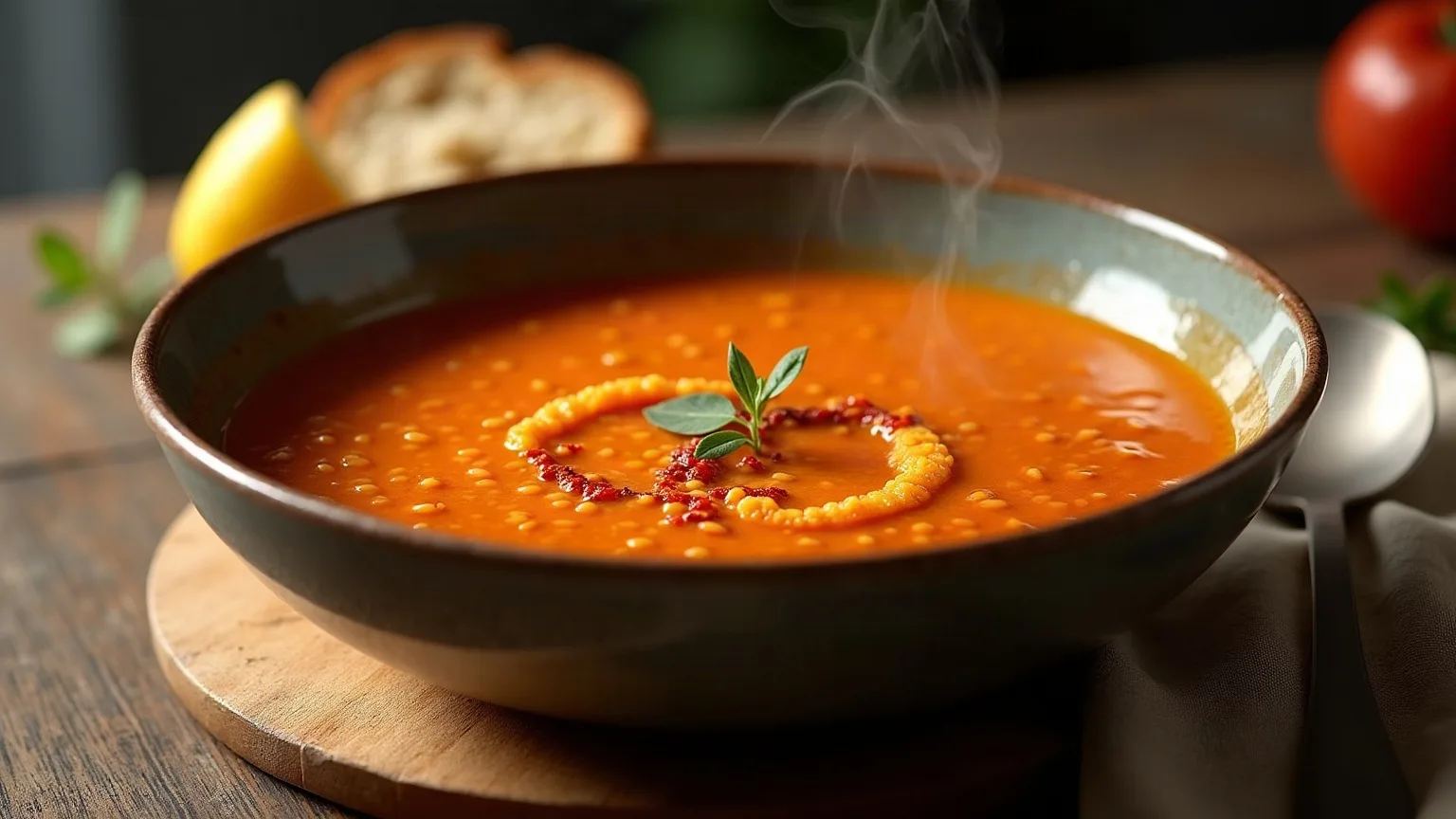
Red lentil soup
A load of ~5 a portion: one of the lowest-load soups on this site.
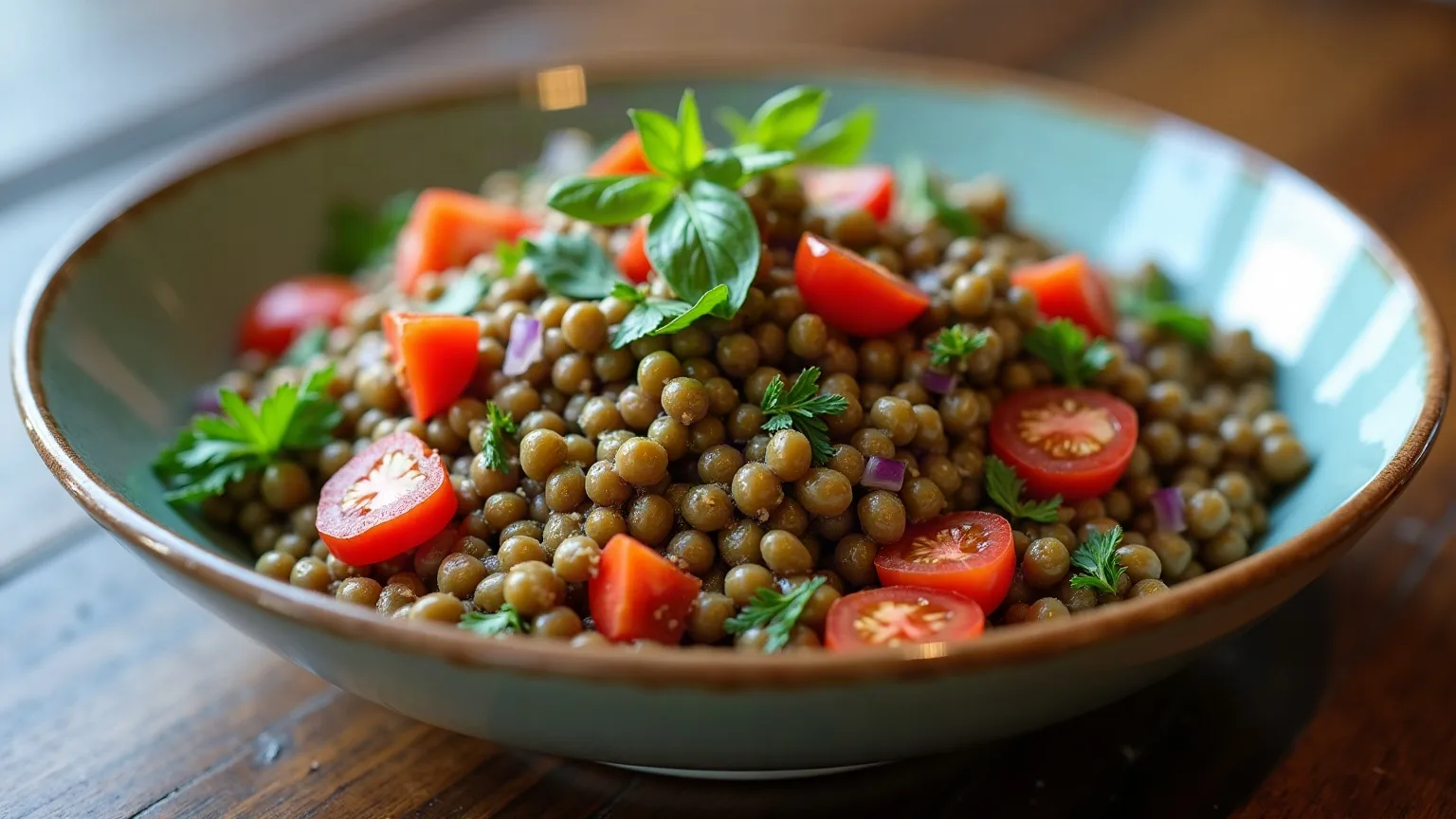
Green lentil salad
A load of ~8 and ~20 g of protein: the side that dilutes the load of a plate of pilaf.
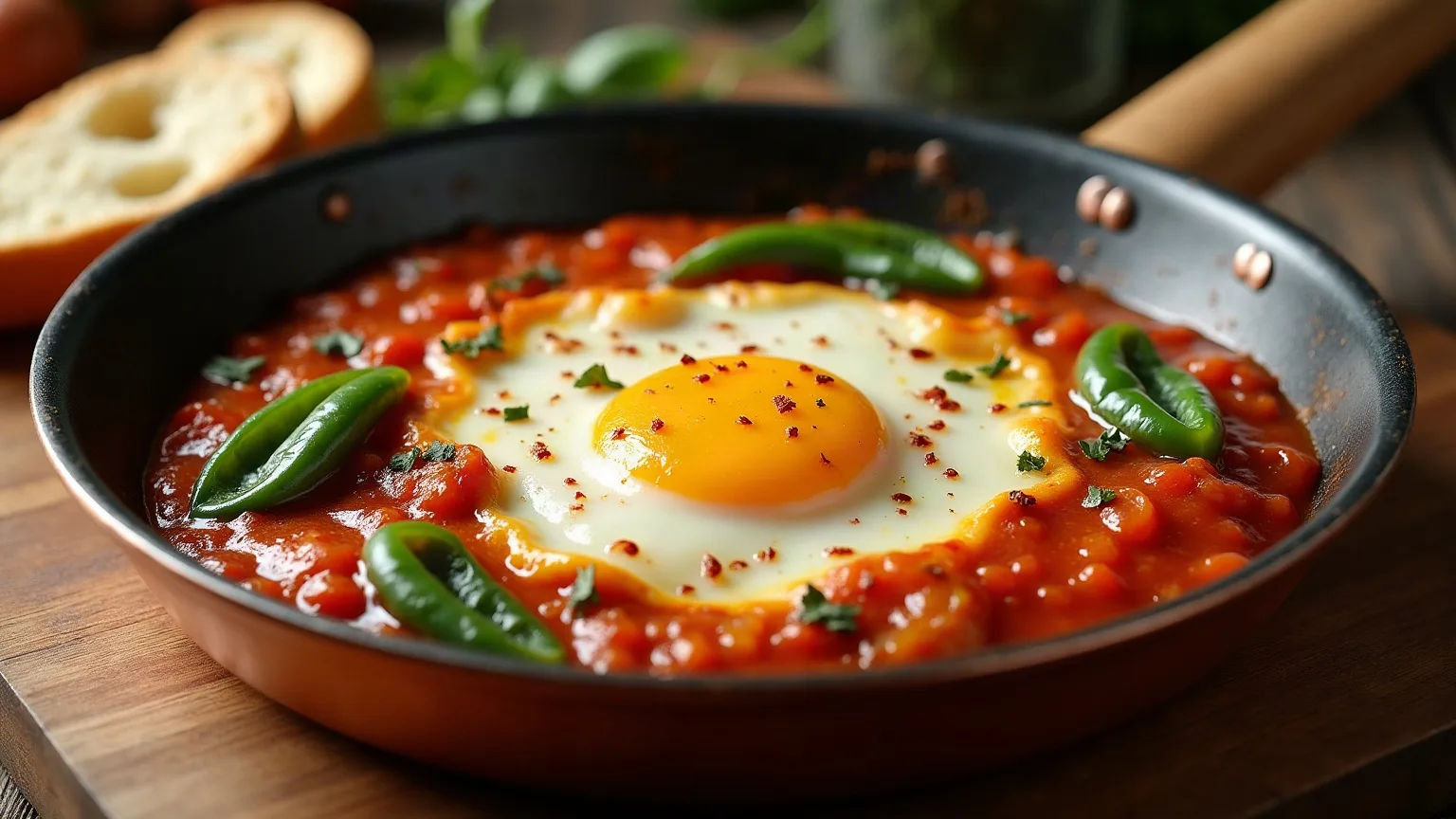
Menemen
~8 g of carbohydrate a portion. What sets the load of the plate is the bread beside it.
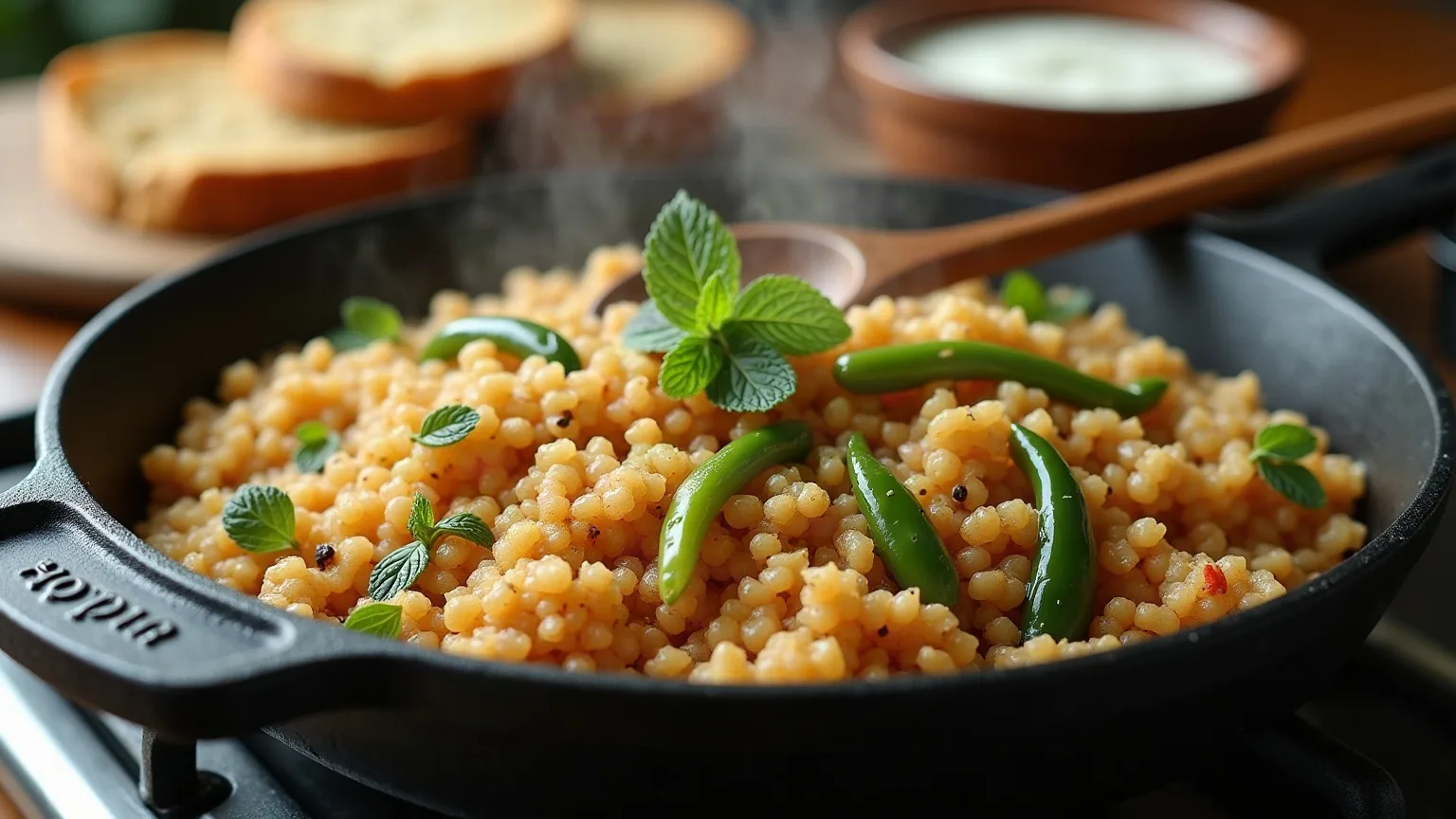
Bulgur pilaf
A load of ~24, against ~37 for rice pilaf. Half a portion is ~12.
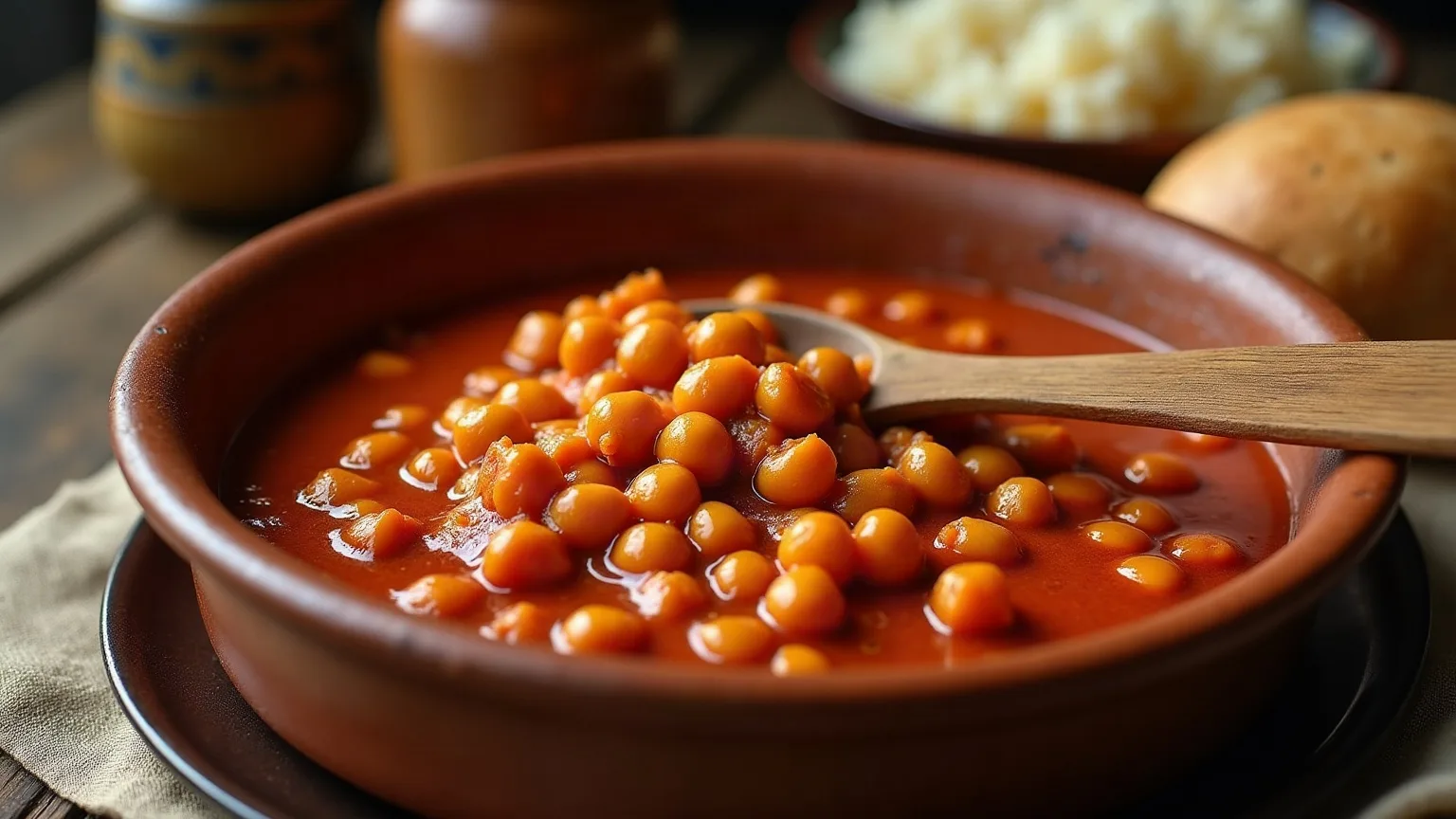
Chickpea stew
A load of ~12, the medium band; without pilaf beside it, that is the load of the plate.
- Atkinson FS, Brand-Miller JC, Foster-Powell K, Buyken AE, Goletzke J, AJCN, International tables of glycemic index and glycemic load values, 2021
- World Health Organization, Information note about intake of sugars recommended in the WHO guideline for adults and children, 2015
- World Health Organization, Salt reduction
- Republic of Türkiye Ministry of Health, General Directorate of Public Health, Türkiye Dietary Guidelines (TÜBER) 2022, 2022
Last read: 2026-09-19
The glycaemic loads are calculated from the measured indices of the ingredients; the cooked dish itself has not been measured, so the figures are an upper bound and an estimate. Medication, insulin dosing and blood glucose targets are not what this page is about: they are the calculation of the diabetes team that knows the person.
This is general information. Where there is a question about a child's development, allergy history, illness or a particular dietary need, decide it together with a paediatrician or a dietitian.
Add them to your table and the rest follows.
Reading a page changes no suggestion; adding somebody to the table does. Allergens are set aside, the split point is worked out, the portions are counted.