
Scaled to however many of you there are.
Change the headcount and the amounts follow. Salt and spice do not scale in a straight line, and we account for that.
A recipe is how you make a thing: the amounts, the order, the timing and where it goes wrong. The dish pages explain what that thing is — where it comes from, the mechanism behind it, and why skipping one step makes it something else. One stays open in the kitchen; the other is read when you wonder.
10 of 116 recipes. Clear the filter
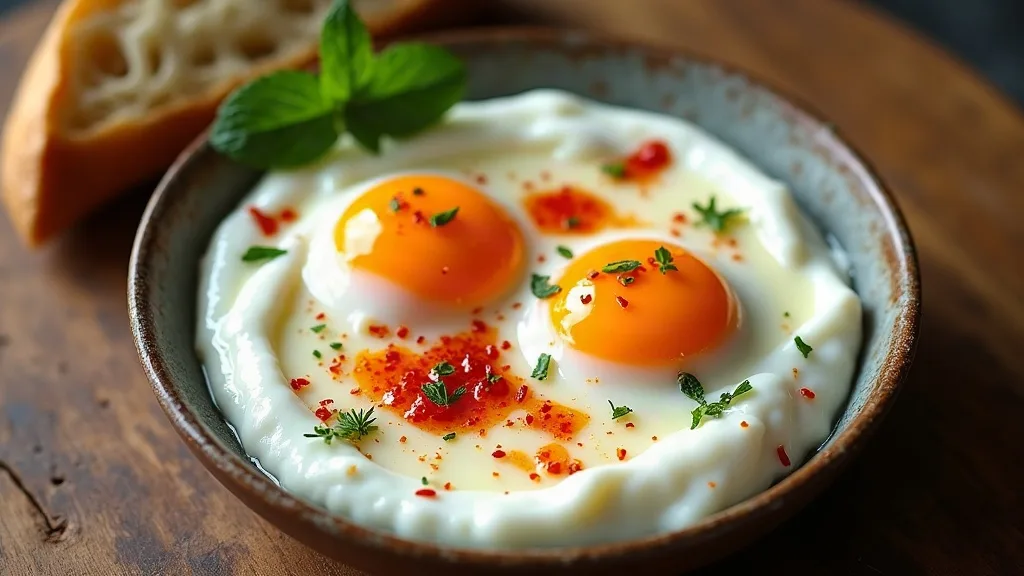
Çılbır
Poached eggs on garlicky yoghurt, finished with butter sizzled with chilli. Three temperatures stacked: warm yoghurt, running yolk, scalding fat.
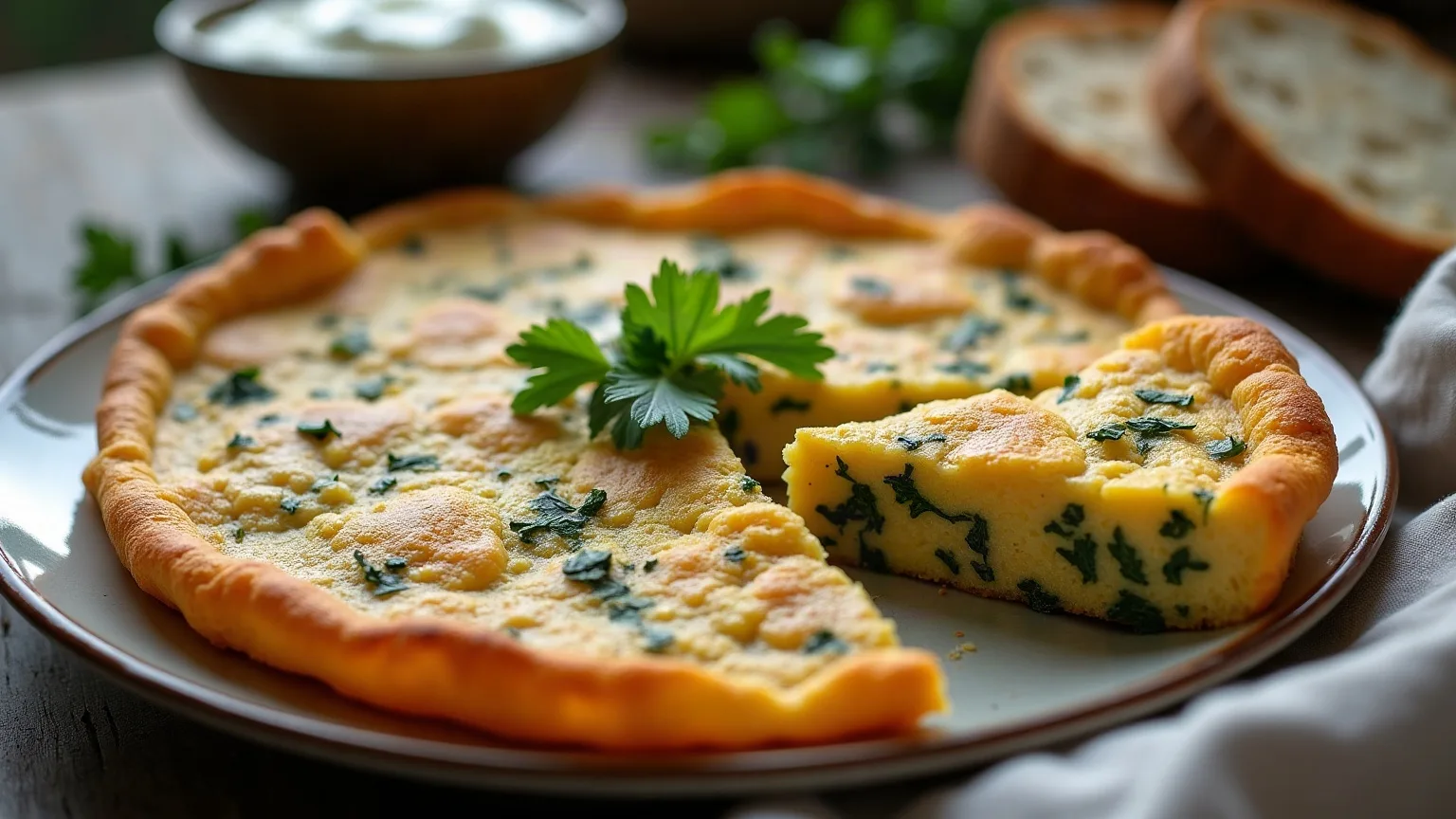
Kaygana
The Black Sea’s herb omelette, bound with flour. The flour holds the egg into a sheet that folds instead of breaking.
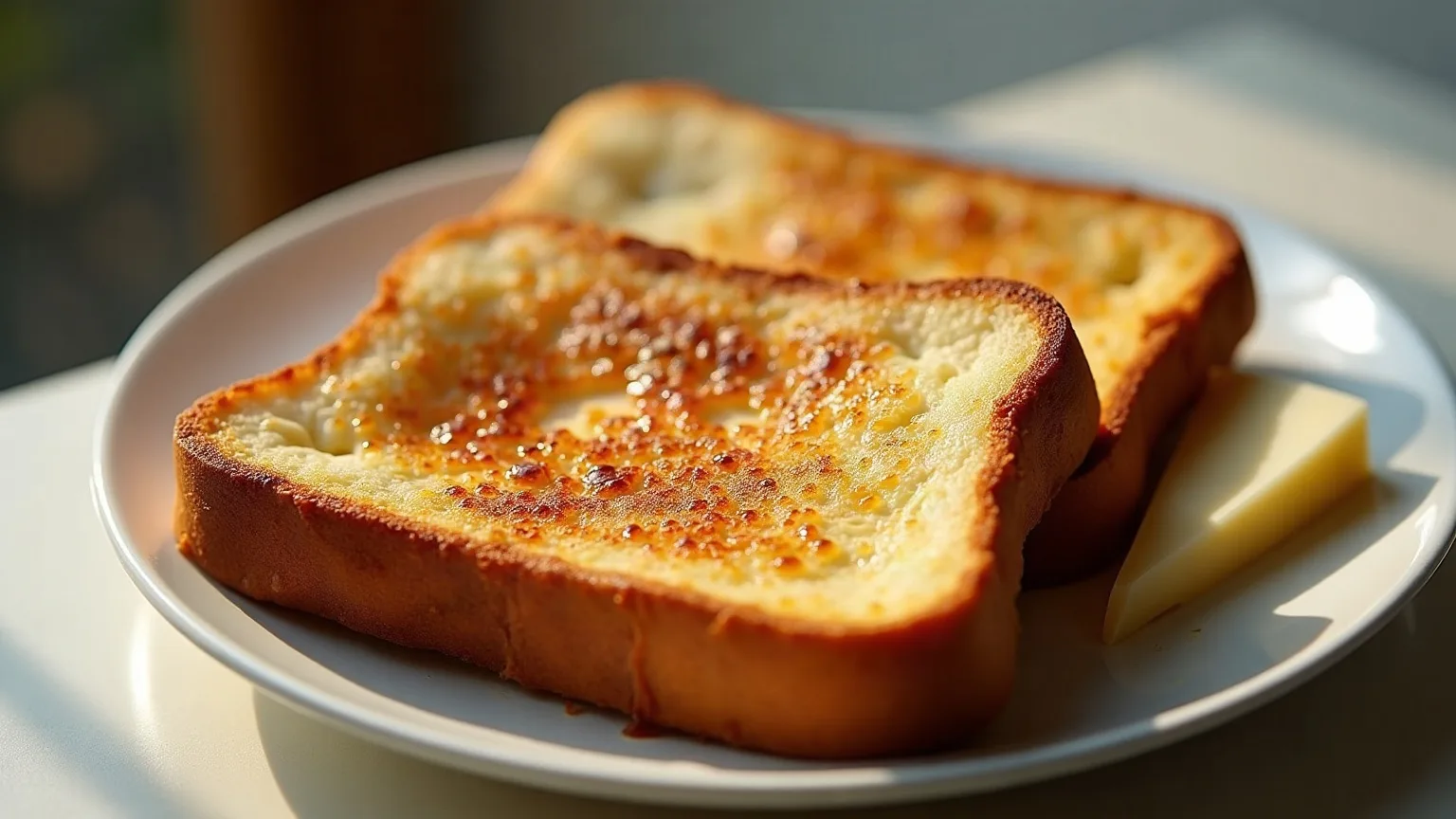
Eggy bread
The best use there is for stale bread. Fresh bread is no good here — it collapses before it has absorbed anything.
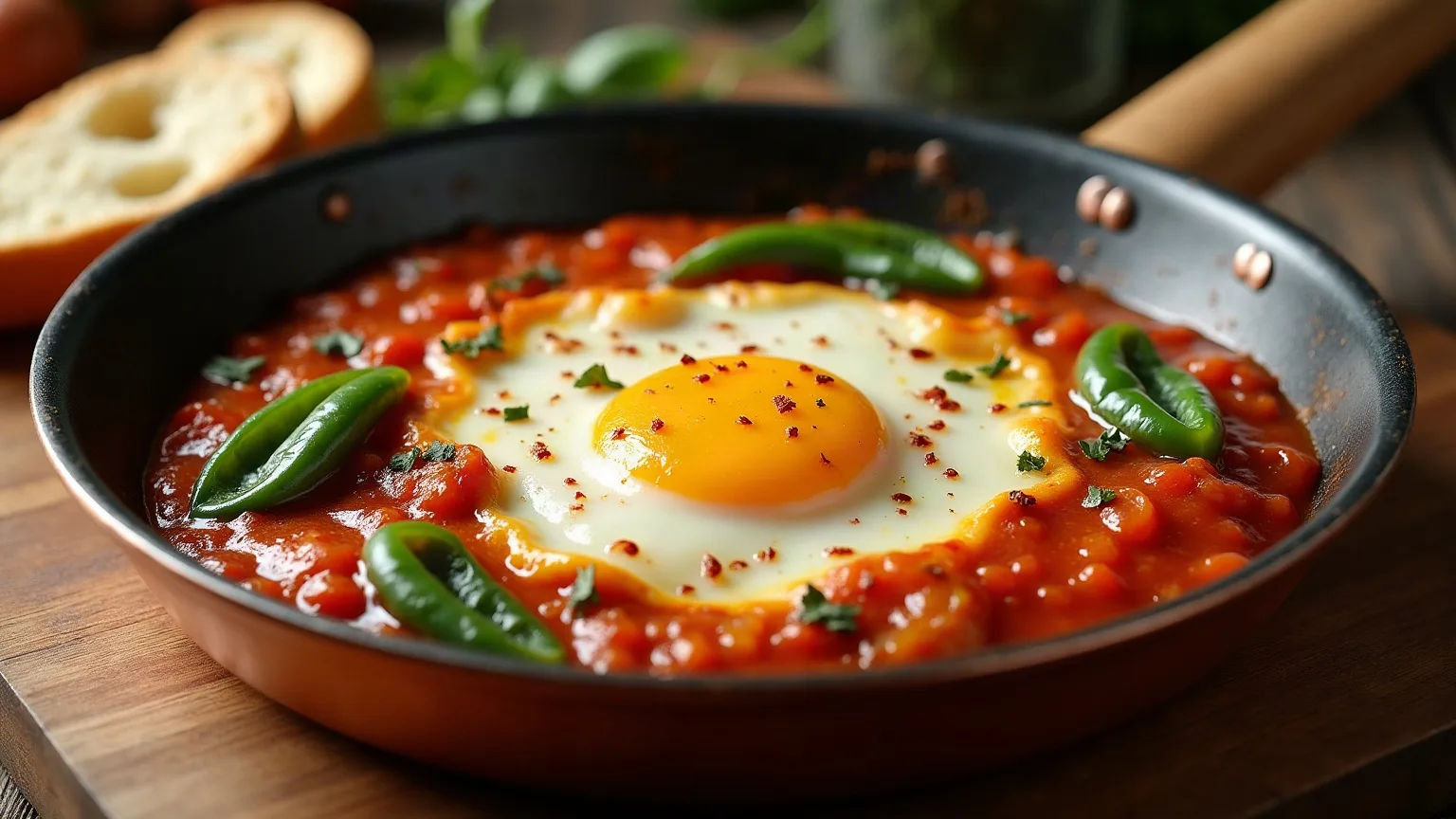
Menemen
Pepper, tomato and egg. Know the order and the heat and it takes fifteen minutes; miss them and you get a watery omelette.
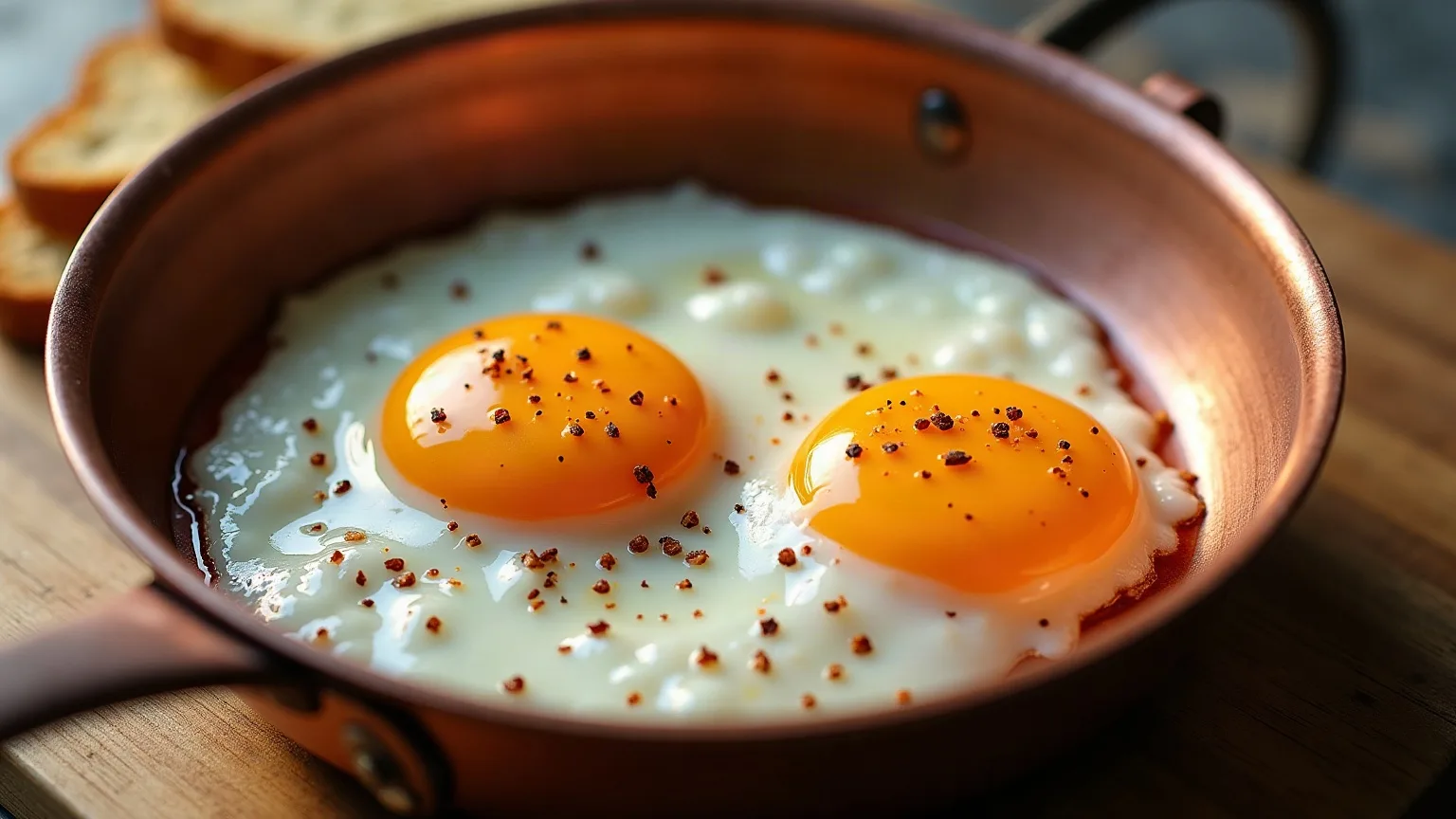
Fried eggs in butter
Eight minutes and one number: the butter must not pass 150 °C.
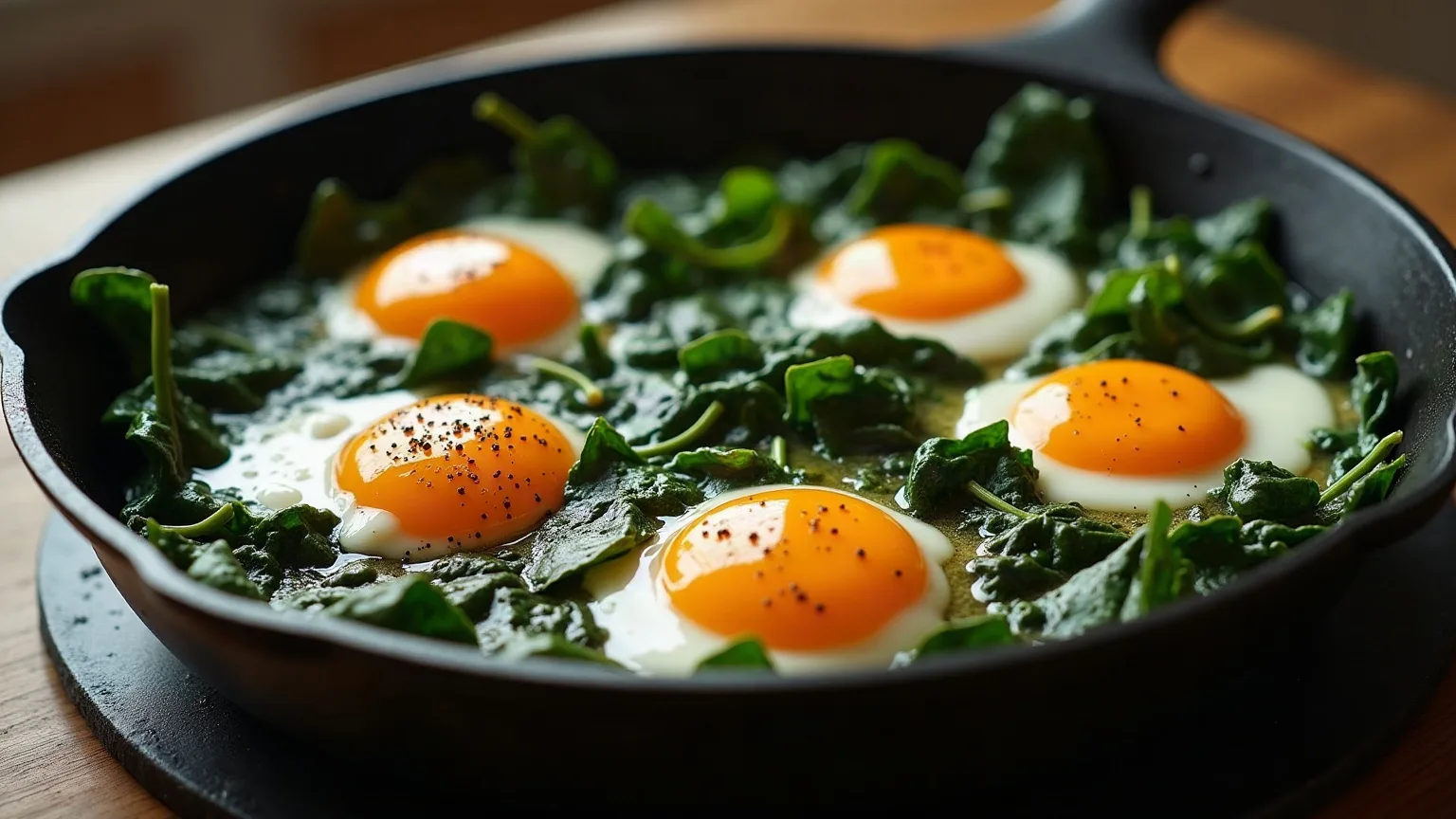
Spinach and eggs
Crack the eggs before the spinach has given up its water and a green puddle collects on the plate.
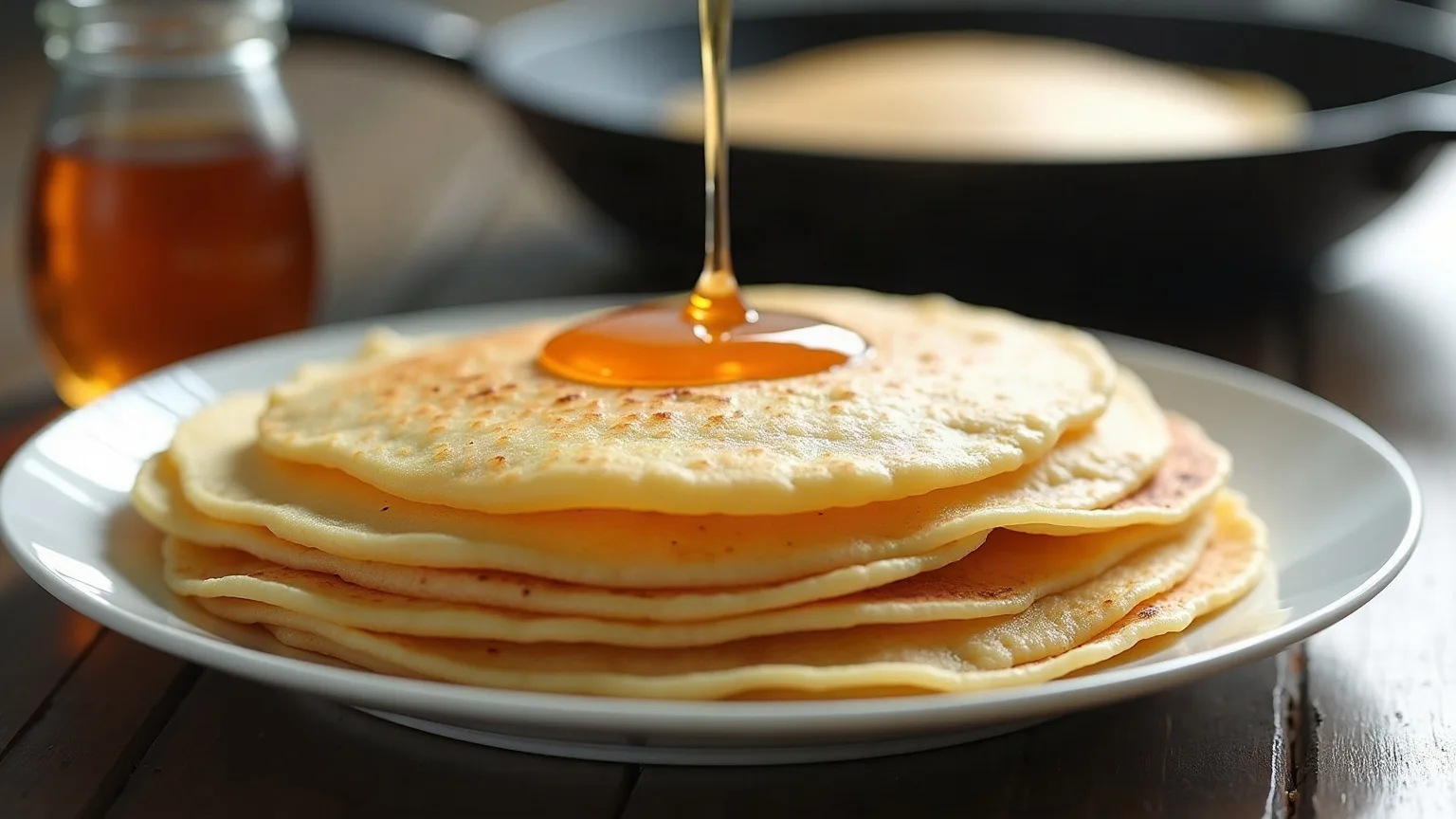
Crêpes
Flour, egg, milk. The one condition for crêpes that do not tear is half an hour of rest.
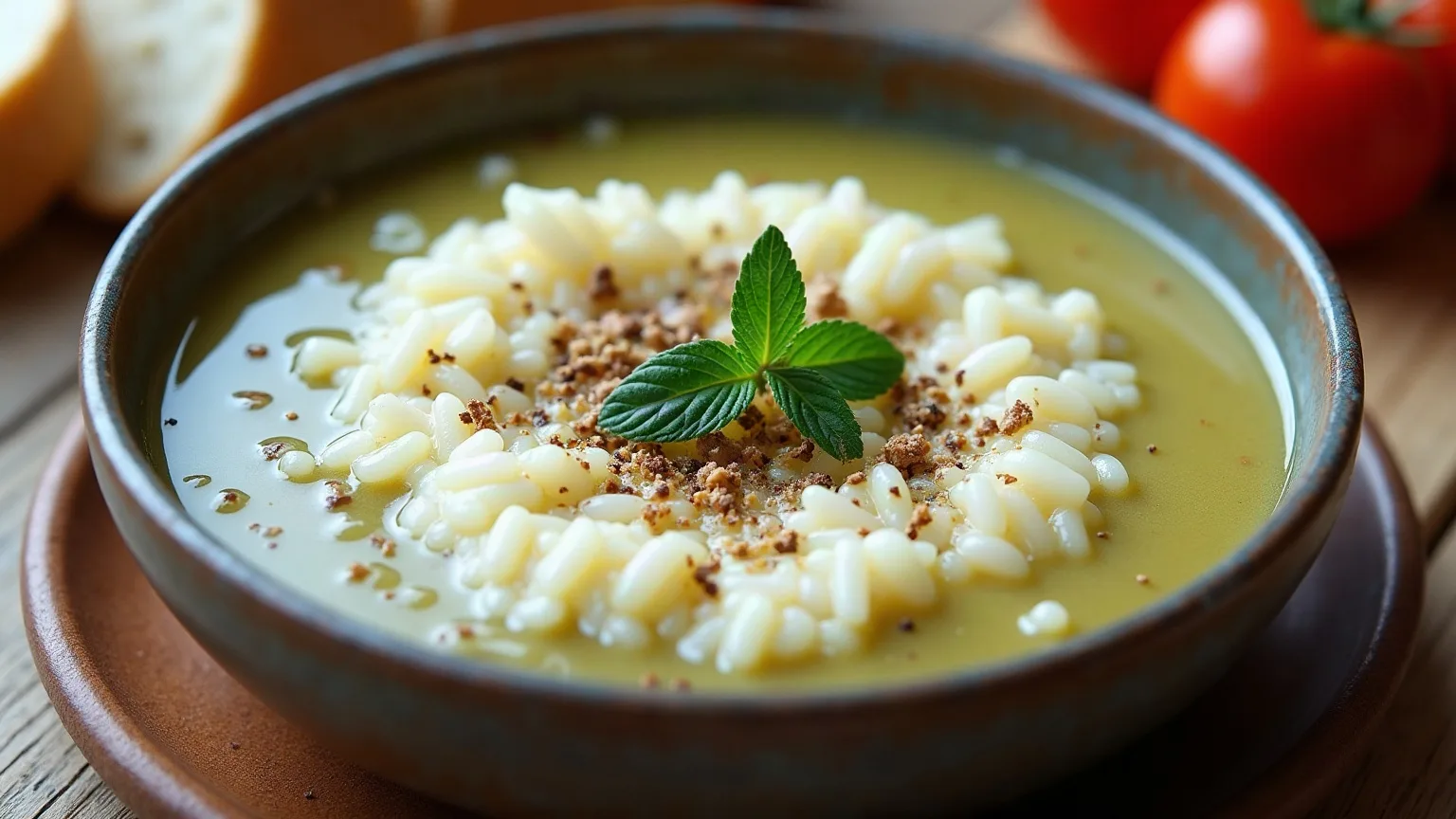
Yoghurt and rice soup
Every yoghurt soup has the same single problem: splitting. The answer is not the flour and the egg but the way the temperature is raised.
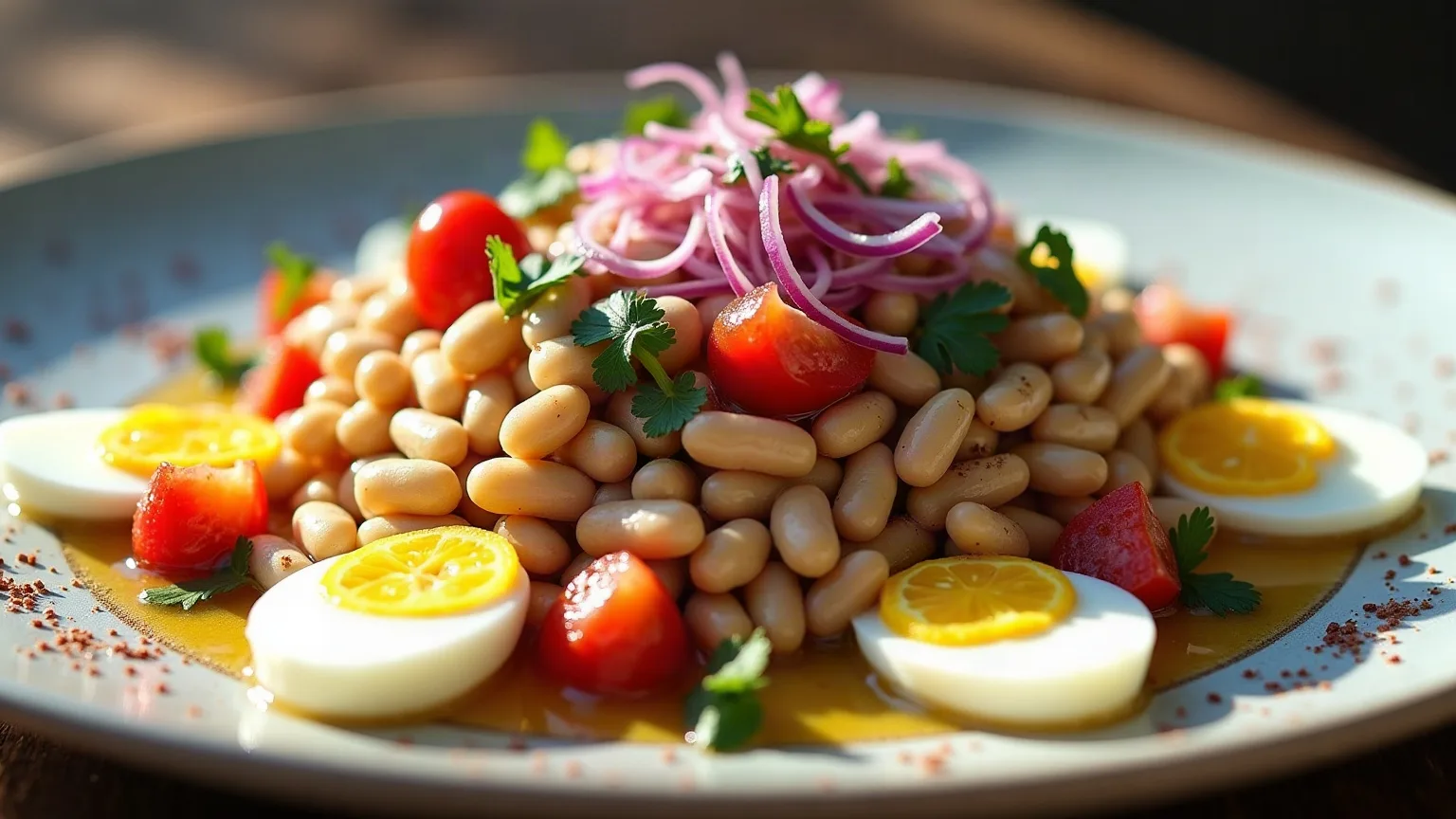
White bean salad
The dressing goes on while the beans are HOT. A cold bean takes nothing up; a hot one draws the dressing into its starch.
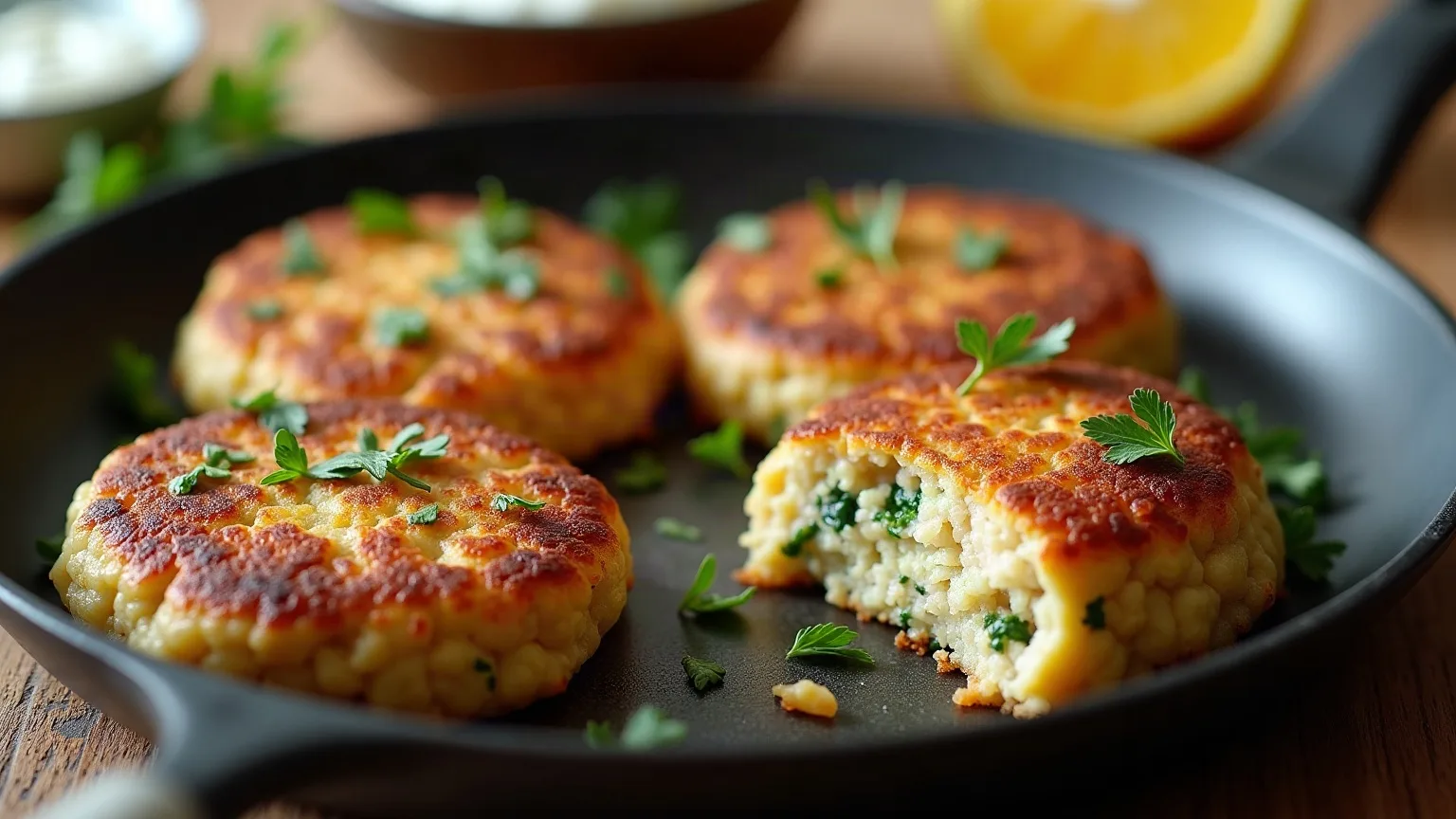
White bean patties
There is no protein network here to bind the patty. What takes its place is gelatinised starch, which firms as it cools: the fridge is what holds these together.