
Scaled to however many of you there are.
Change the headcount and the amounts follow. Salt and spice do not scale in a straight line, and we account for that.
A recipe is how you make a thing: the amounts, the order, the timing and where it goes wrong. The dish pages explain what that thing is — where it comes from, the mechanism behind it, and why skipping one step makes it something else. One stays open in the kitchen; the other is read when you wonder.
8 of 116 recipes. Clear the filter
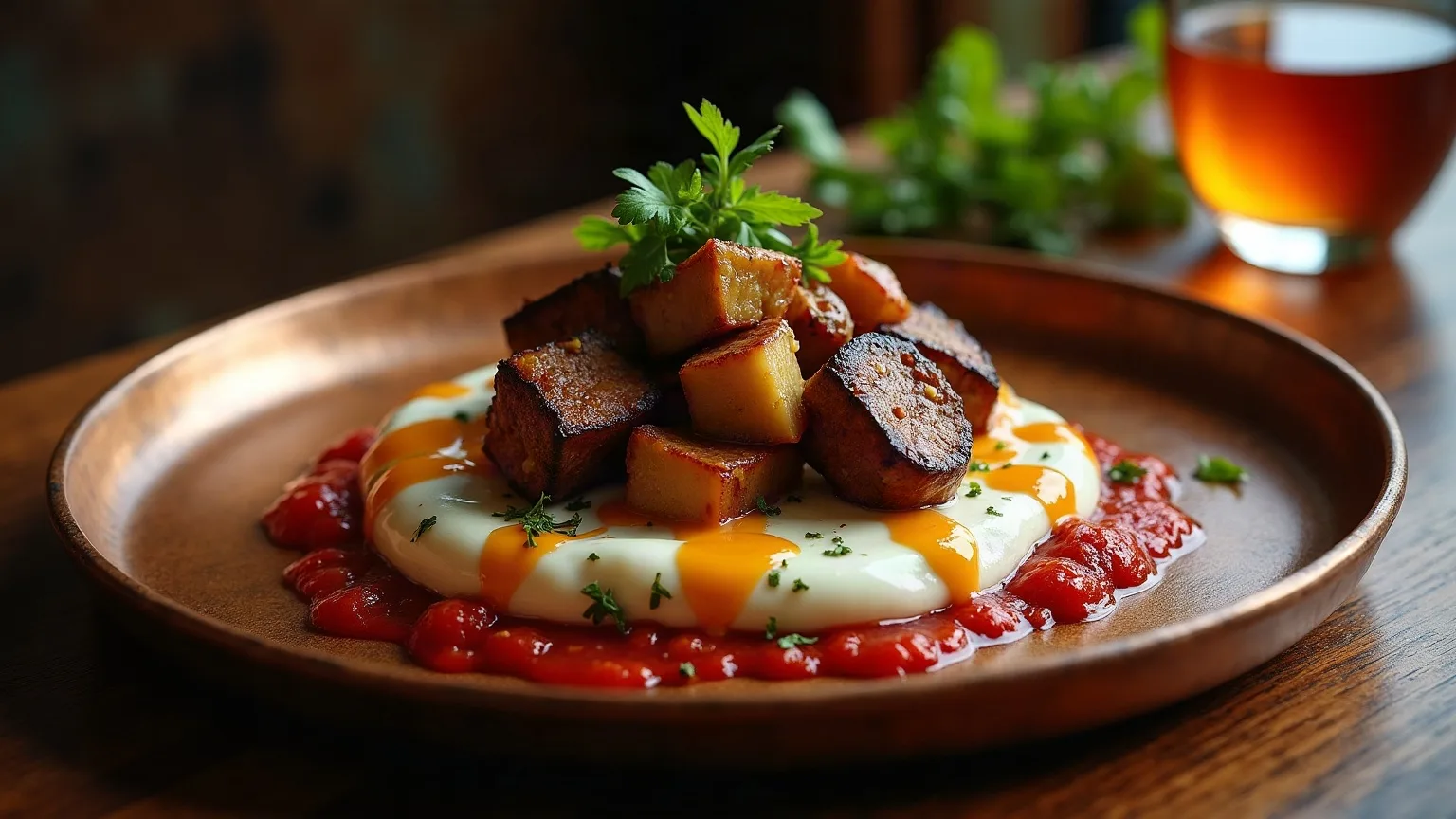
Ali Nazik
The Gaziantep classic: charred aubergine crushed with garlicky yoghurt under sautéed lamb. Everything rests on properly charring the aubergine — made with oven-roasted aubergine, this is simply not the dish.
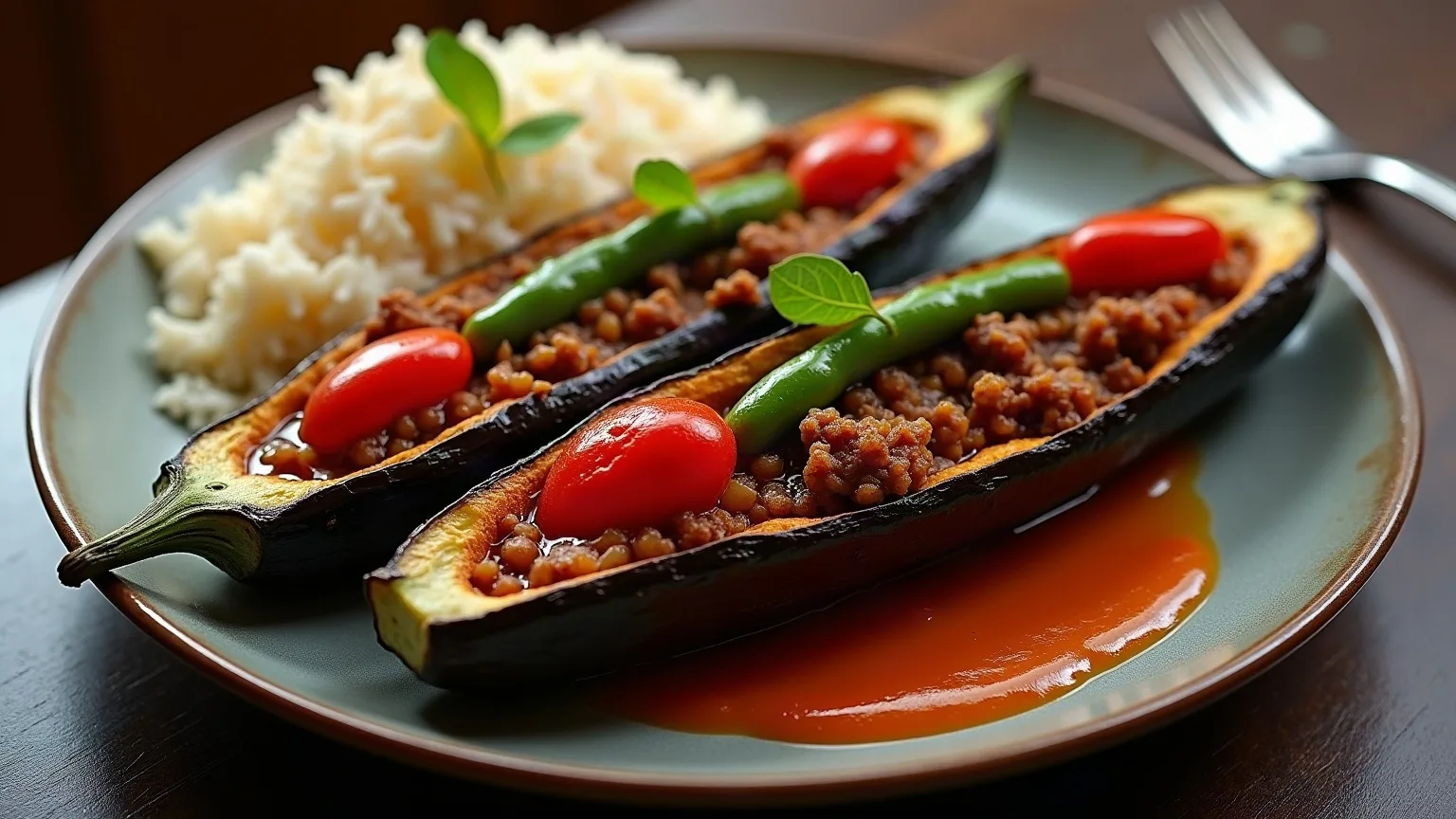
Karnıyarık
The one thing that stops an aubergine drinking oil is a soak in salted water: cells full of water leave no room for fat.
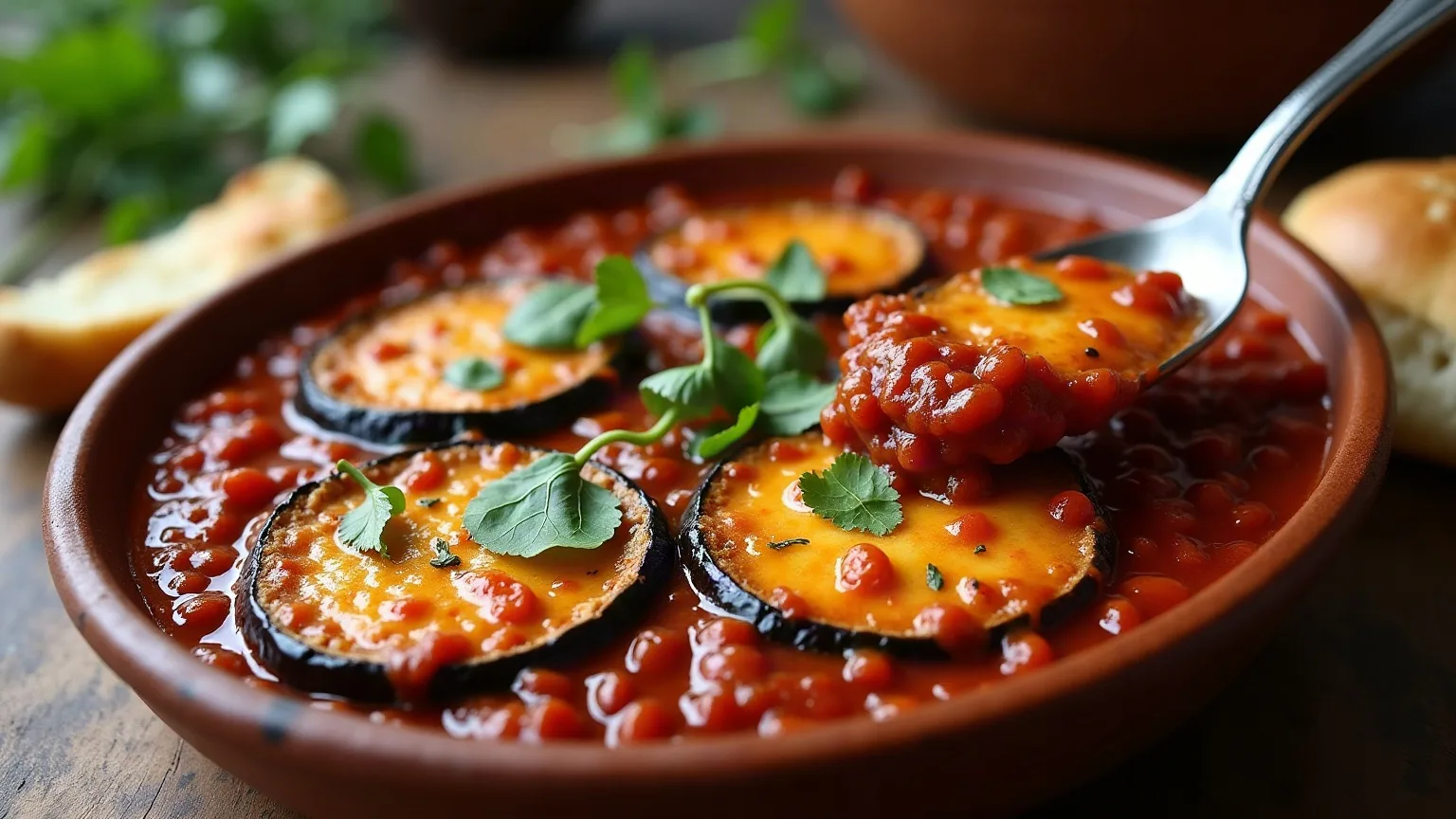
Musakka
Turkish musakka has no béchamel: aubergine, mince and tomato in one pan. Confusing it with the Greek version is a common mistake.
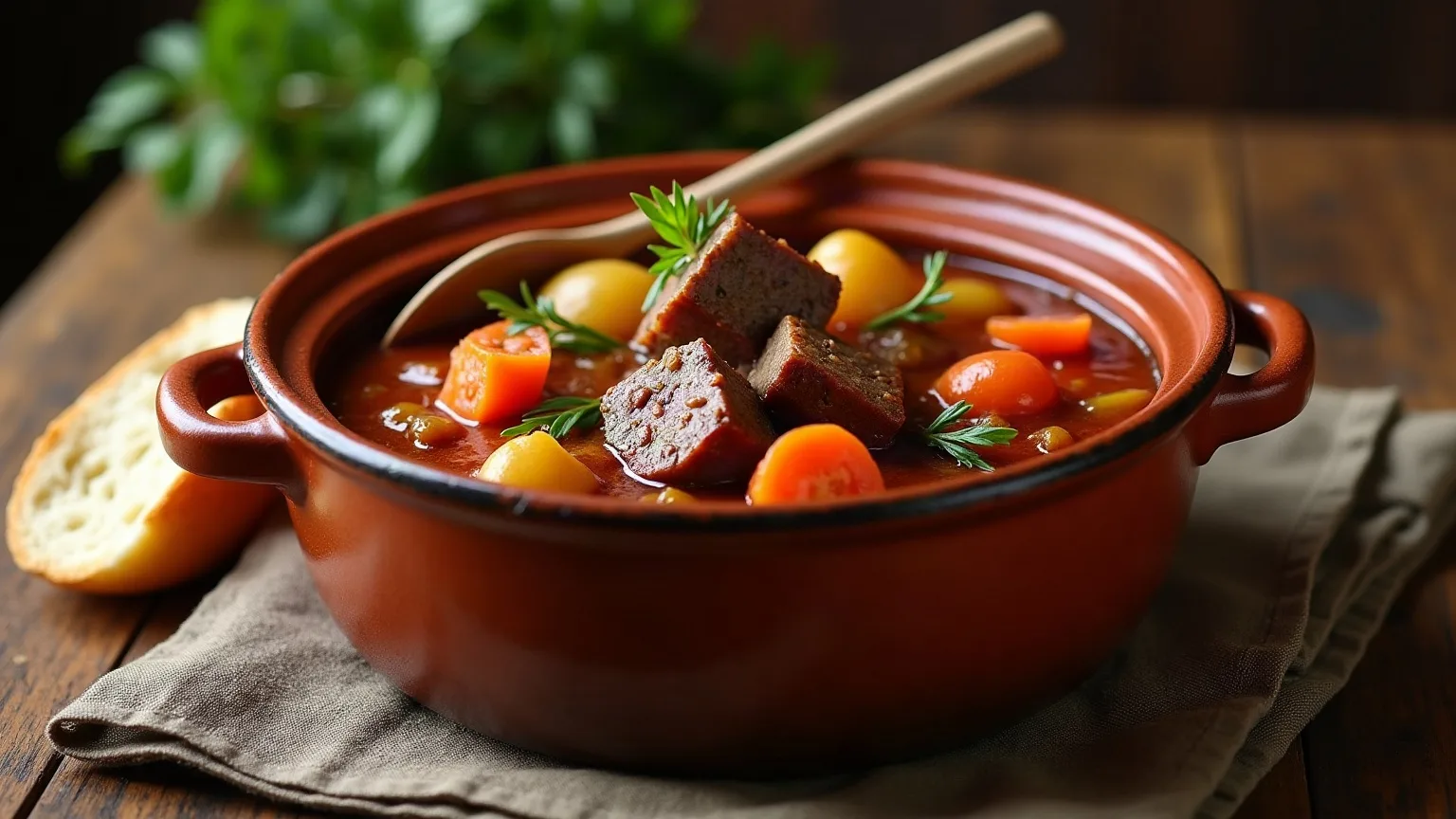
Lamb casserole
The meat has two hours and the vegetables have forty minutes. Put them in together and the vegetables vanish while the meat is still raw.
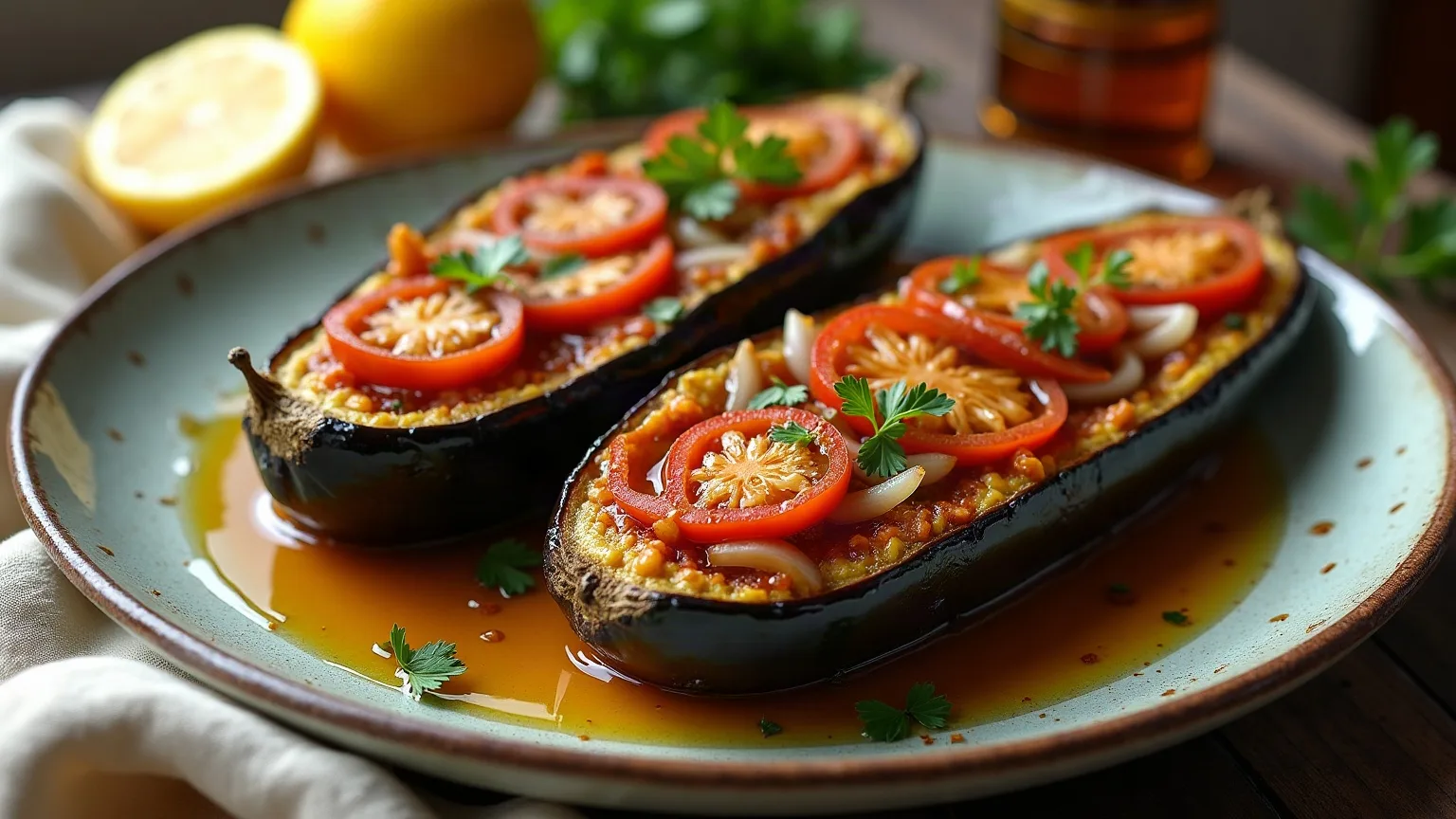
İmam bayıldı
Karnıyarık’s sibling: no meat, olive oil, eaten cold. The quantity of onion is not excessive — this is a dish about onion.
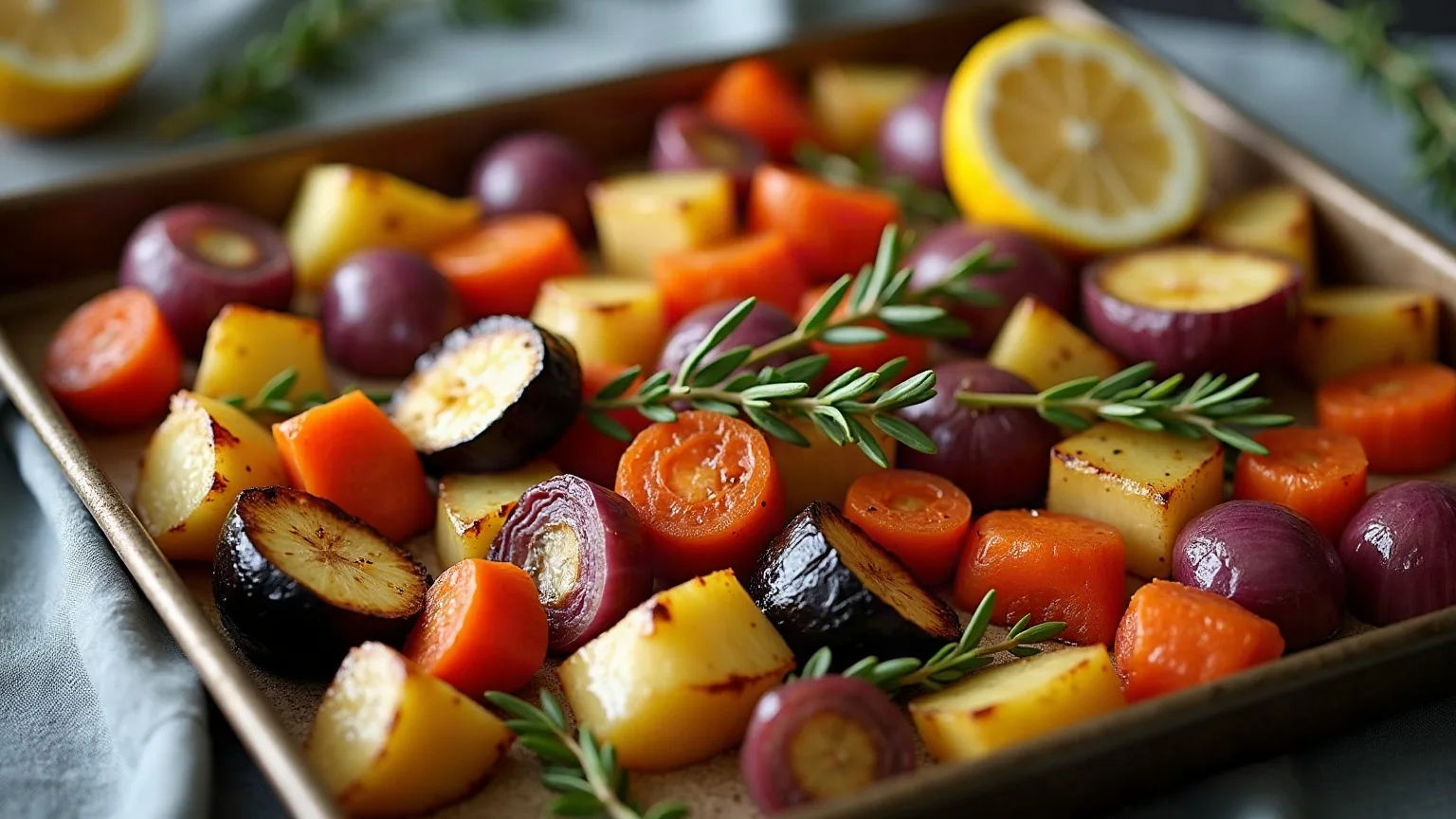
Tray-roasted vegetables
A vegetable that does not fit on the tray does not roast, it steams. Using two trays instead of one is the only trick in this recipe.
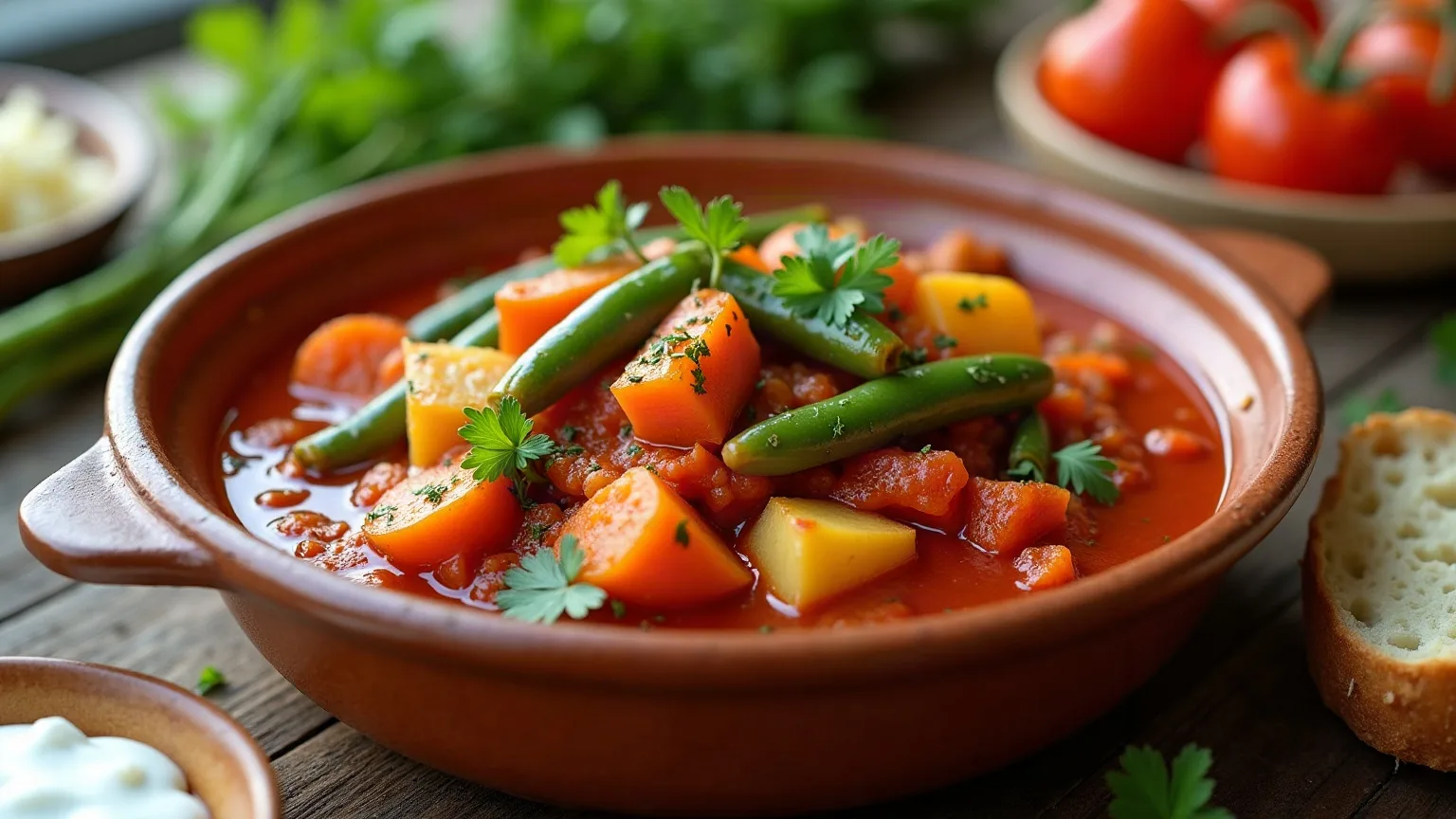
Türlü
The name means "all sorts" and the recipe means it: whatever is in the house goes in. The one rule is the order they cook in.
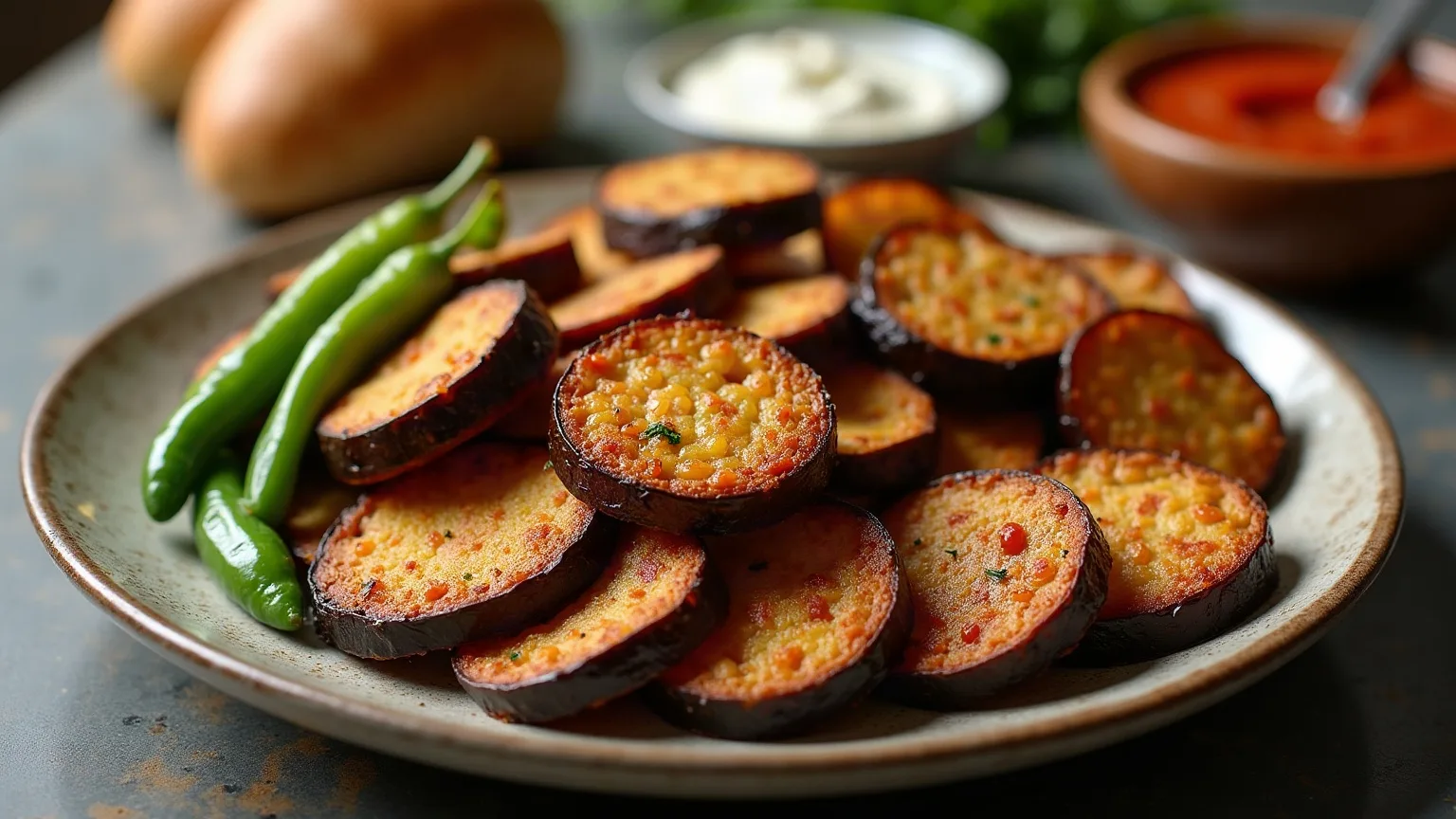
Fried aubergine
An aubergine can take up a third of its own weight in oil. Salted water halves that.