
Strawblnut bowl
Yes, we just made that name up 😄 There is no such dish — but with what you have, this is exactly what there will be.
This wants to be a bowl: fruit over something cold and dairy. No heat, only order and temperature.
Not cooked at all. The work is in the cutting and in keeping it cold. Every extra cut is another cut surface, and every cut surface leaks its juice onto the plate.
This is weight, not nutrition. Olive oil can be a tenth of the weight and most of the calories.
You gave no amounts; these are a sensible household measure for each. Change the ratio and you change the dish.
Salt, pepper, water and oil are assumed to be in every kitchen; we never count them as missing.
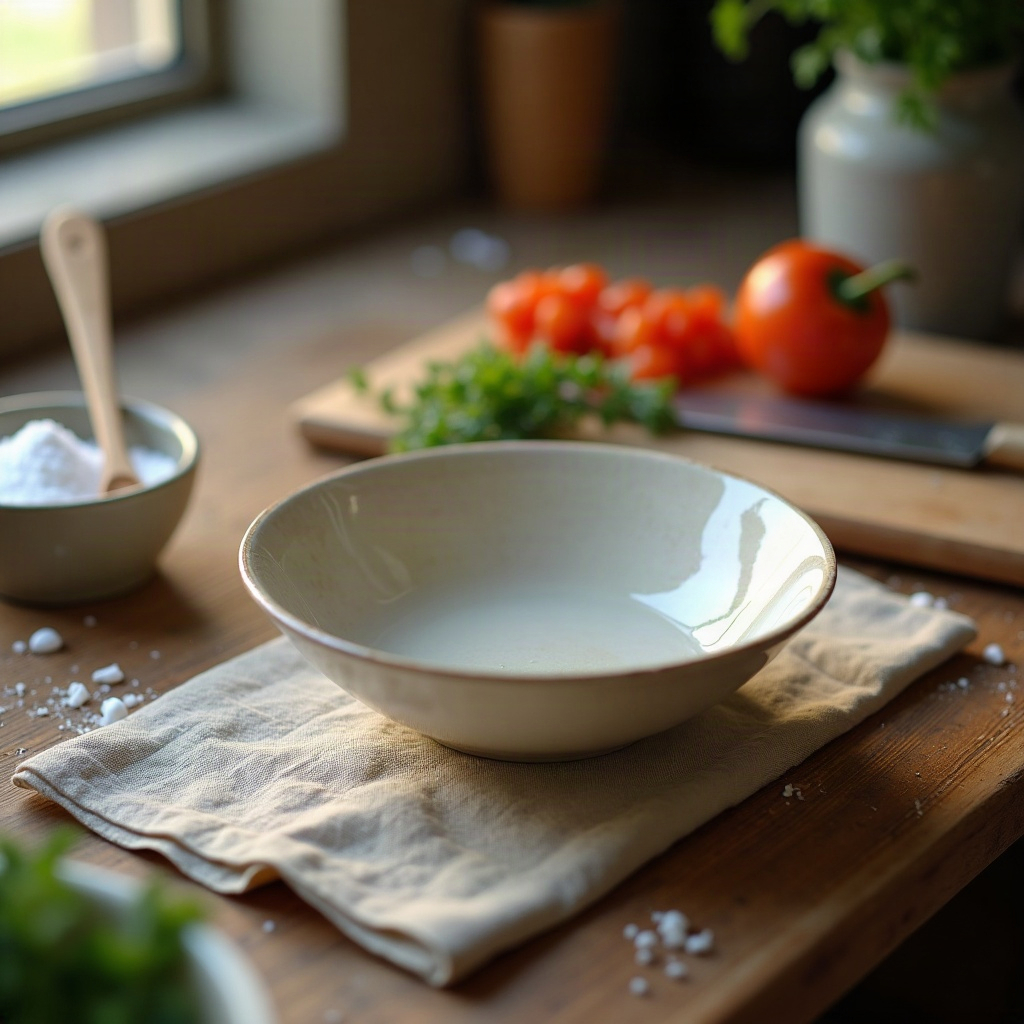
Generated once and kept against this exact combination of ingredients, cooking and cut, so everybody who picks the same things sees the same one. It is not a photograph of this dish: nobody has cooked it.
In a bowl, separate grains that hold and the colour of what went in, unbrowned. The surface will be glossy.
- Water
- 67% The first thing that decides the consistency.
- Fat
- 37% Gives the shine and the coating it leaves.
- Heat
- none Nothing is cooked: both the colour and the texture come straight from the ingredients.
The figures above are the engine’s reading: the colour comes from the measured colour of what went in and how far browning ran, the consistency from the water fraction, the shine from the fat. The image is generated from those same numbers.
There is no heat in this one: the colour and the texture come straight from the ingredients.
Red lentil soup
Turkey’s default soup. Four ingredients, thirty-five minutes and one rule: the lemon is squeezed at the table.
But not today
It needs Lentil, and you do not have that. Forcing a substitute is pointless: it stops being that dish anyway and becomes something else. So let us make that something else properly.
For 1, 240 g in total
- 100 g Strawberry
- 60 g Butter
- 10 pcs Walnut about 50 g
- 1 pcs Lemon about 30 g
Added at the end: Salt, Black pepper, Water, Olive oil. No weight is given for these: the amount is a matter of taste, and the engine’s prediction carries none for them either.
How to make it
-
Wash and dry the strawberry. A wet surface holds neither oil nor salt, and the water ends up in the bottom of the bowl.
-
 Strawberry
-
 Salt
Salt
-
 Water
Water
Why Olive oil does not mix with water: on a wet leaf it slides off in beads, on a dry one it becomes a thin film. That film is where the taste of a salad comes from. -
-
Cut it large. Every extra cut is another cut surface, and every cut surface leaks its juice onto the plate.
Why A cell wall gives up its water where it was cut. Cut the same weight twice as fine and you double the exposed surface, and the water you lose with it. -
Put the butter in the bottom of the bowl, lay the fruit over it and do not stir.
-
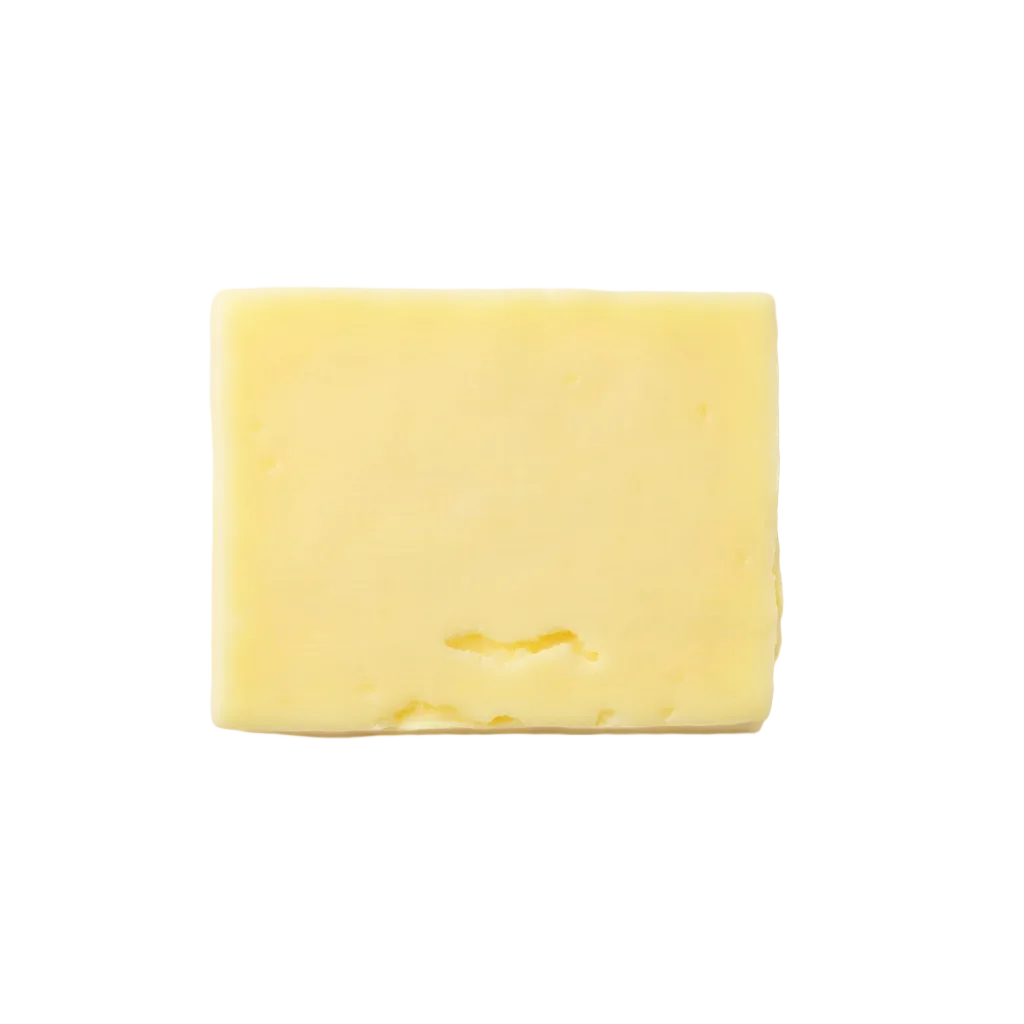 Butter
Why A stirred bowl goes one colour and every spoonful tastes the same. Layered, each spoonful is a different ratio, and that is what keeps it interesting. -
-
Break the walnut coarsely and keep it until last. Stirred in early it draws moisture and stops being crisp.
-
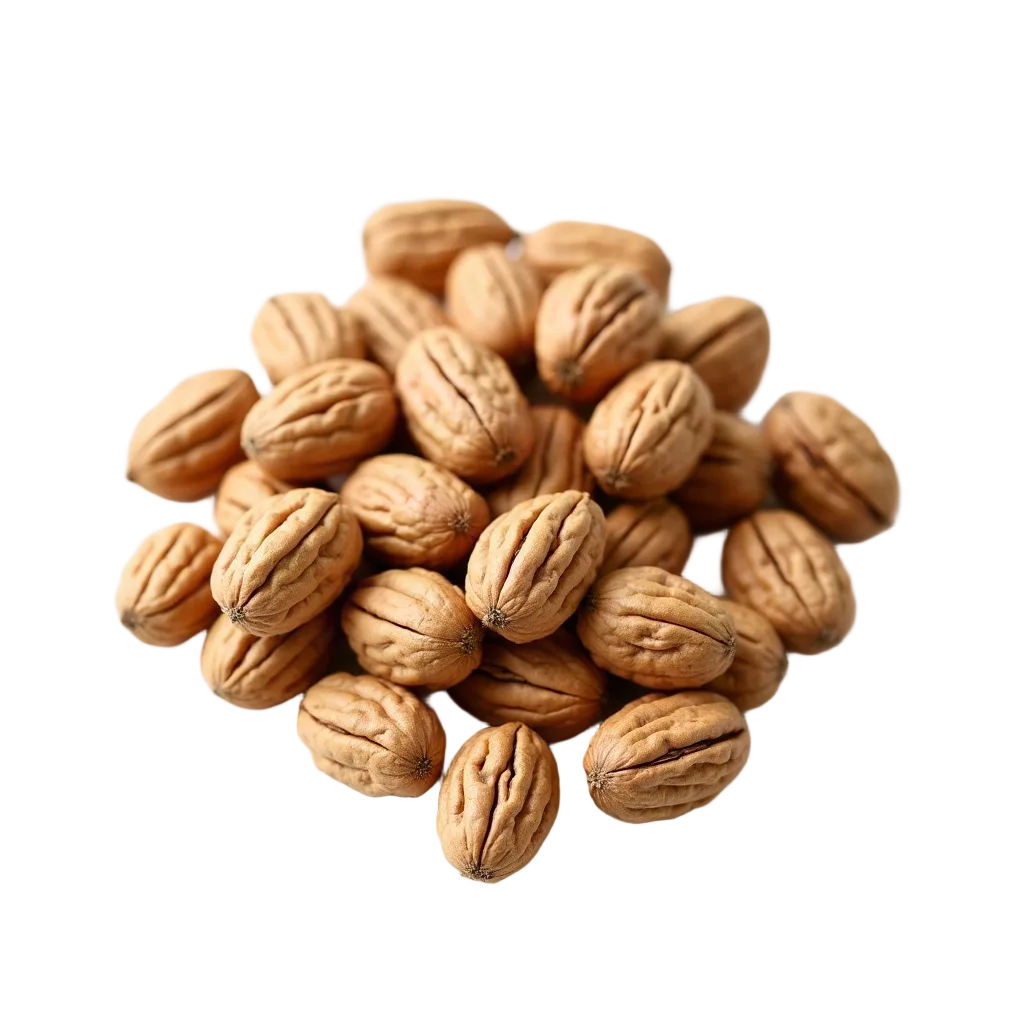 Walnut
Why Crispness is the sound a dry structure makes when it breaks. The moment moisture gets in, the structure flexes and the sound goes. -
-
Add the lemon at the moment of serving, not before.
-
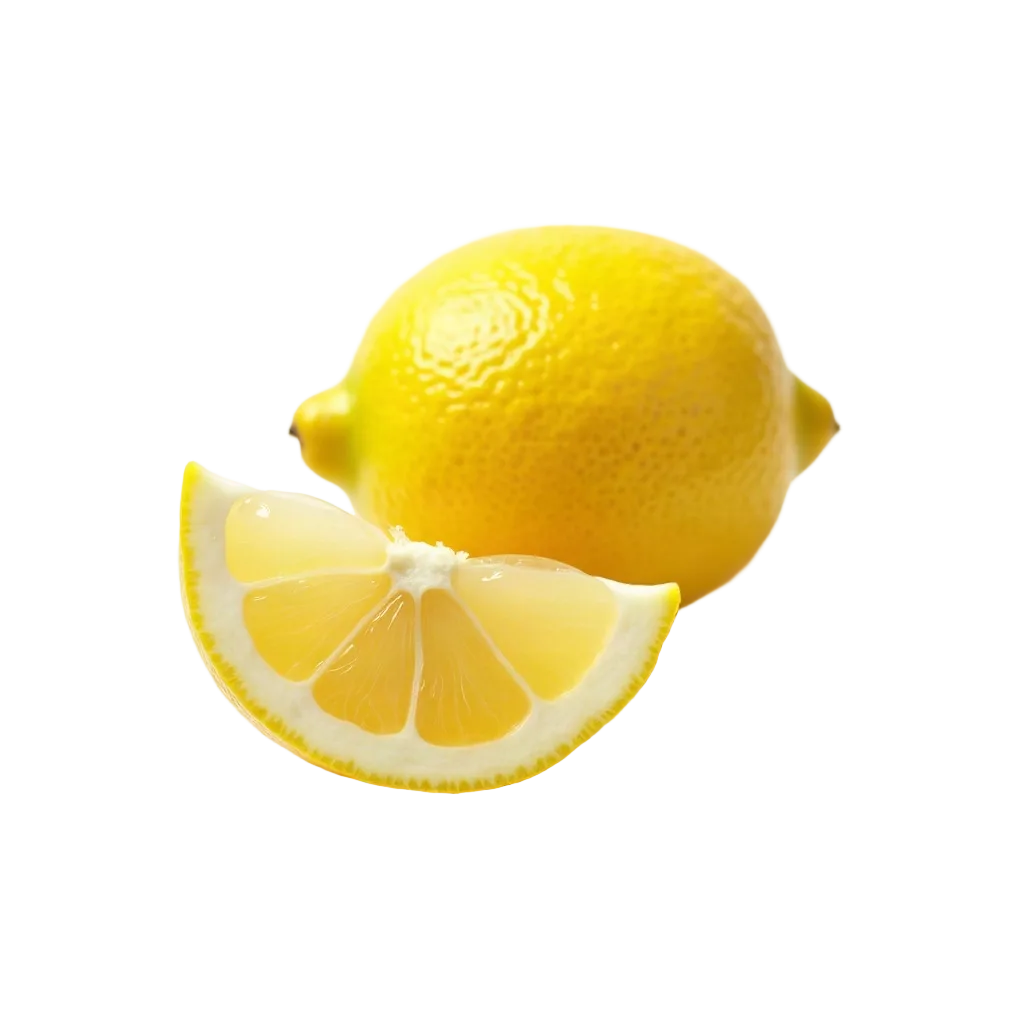 Lemon
Lemon
Why Salt pulls water out by osmosis: a salad salted early is sitting in its own liquid within ten minutes and has lost its texture. Acid does the same to a leaf, faster. -
-
Serve it ten minutes out of the fridge. At 4 °C most of the aroma never reaches the air, so it does not taste cold, it tastes of nothing.
Why Volatile aroma reaches the nose by evaporating, and evaporation depends on temperature. The same dish smells less when it is cold, and what smells less tastes less.
What it is like
Nobody has eaten this and there is no photograph of it. All we have is the taste vectors of what went in, through the same model every written recipe uses.
This profile is computed rather than measured: the role-weighted average of its ingredients’ taste vectors, shifted by what the cooking does. The thin line is the database average on that axis.
 Sugar
Sugar