
Cubed Broccmato grilled
Yes, we just made that name up 😄 There is no such dish — but with what you have, this is exactly what there will be.
This wants to be a sauté: high heat, a wide pan, and very little interference.
Radiant dry heat, hotter than a pan. The outside is done long before the inside, so start thick pieces away from the fire. Even cubes cook evenly. One piece twice the size of the rest is either raw or the reason the others fell apart.
This is weight, not nutrition. Olive oil can be a tenth of the weight and most of the calories.
You gave no amounts; these are a sensible household measure for each. Change the ratio and you change the dish.
Salt, pepper, water and oil are assumed to be in every kitchen; we never count them as missing.
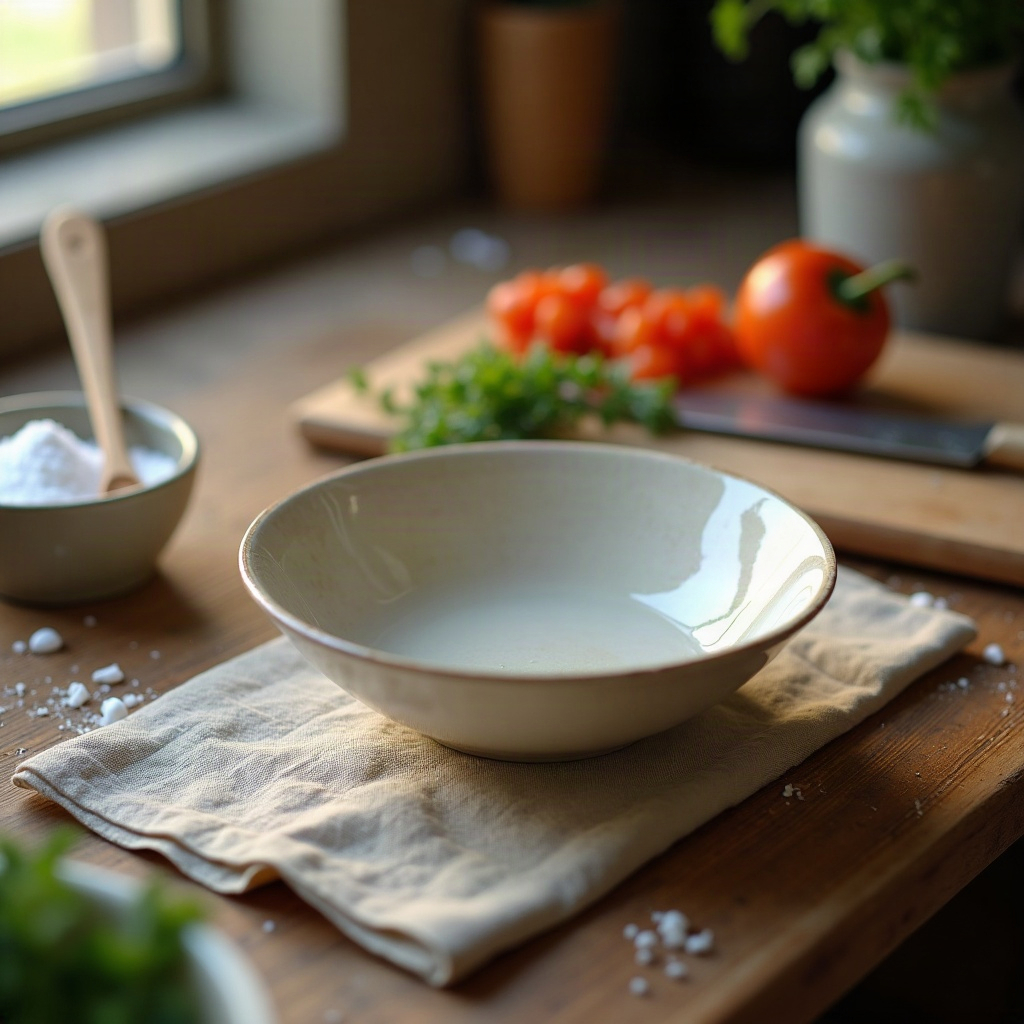
Generated once and kept against this exact combination of ingredients, cooking and cut, so everybody who picks the same things sees the same one. It is not a photograph of this dish: nobody has cooked it.
In a bowl, in visible pieces and lightly coloured.
- Water
- 82% The first thing that decides the consistency.
- Fat
- 3% Gives the shine and the coating it leaves.
- Browning
- 32% As Maillard runs the colour moves to a warm brown.
The figures above are the engine’s reading: the colour comes from the measured colour of what went in and how far browning ran, the consistency from the water fraction, the shine from the fat. The image is generated from those same numbers.
Worked out for: Frying, 240 °C, 8 minutes.
For 1, 223 g in total
The amounts, the steps and the engine’s readings are blurred: making the photograph opens them.
-
 1pcs
Tomato
≈ 120 g
1pcs
Tomato
≈ 120 g
-
 100g
Broccoli
100g
Broccoli
-
 3g
Cumin
3g
Cumin
Added at the end: Salt, Black pepper, Water, Olive oil. No weight is given for these: the amount is a matter of taste, and the engine’s prediction carries none for them either.
How to make it
-
Warm the olive oil in the pan, add the cumin and stir for a minute over a low flame. We are not after colour here, only for it to open up.
-
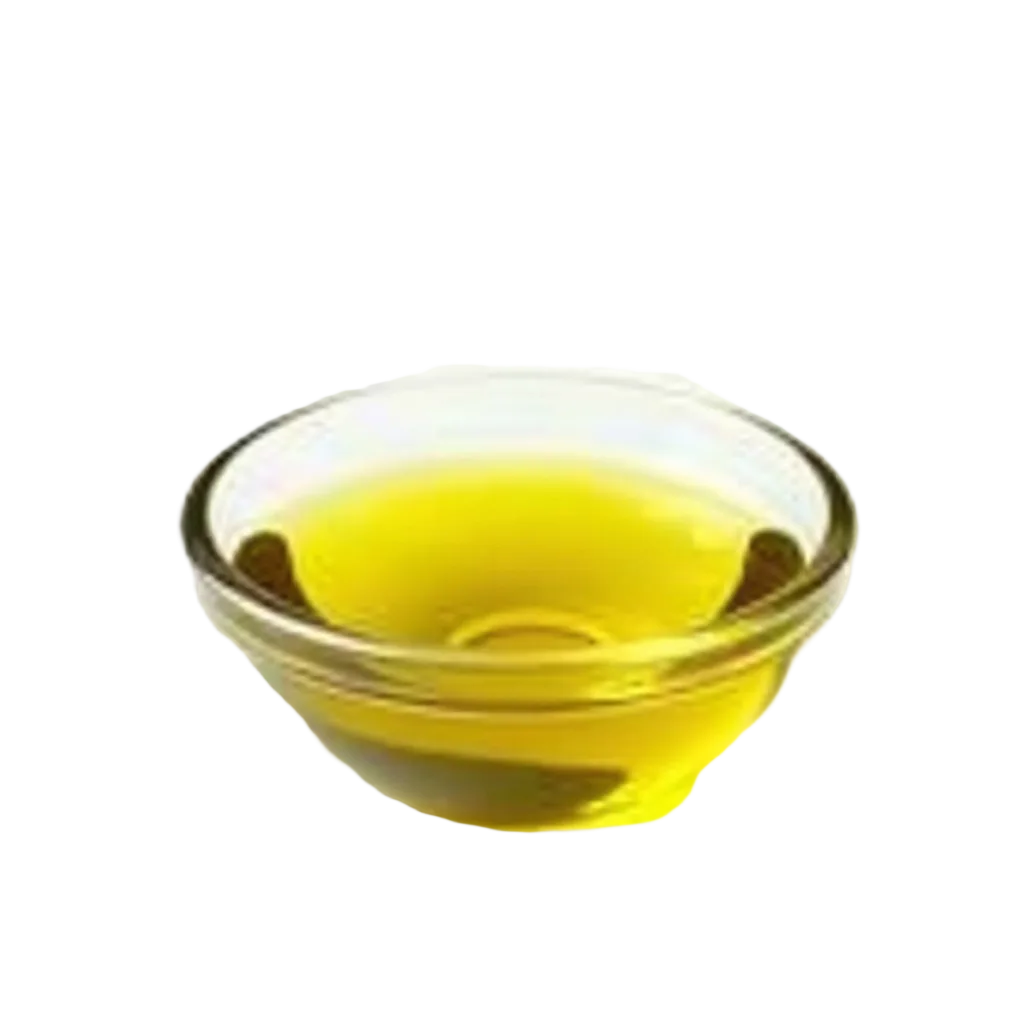 Olive oil
-
Cumin
Why Spice aroma dissolves in fat. Thrown in dry it tastes of powder; bloomed in fat it spreads through the dish. -
-
Add the broccoli, tomato and turn for another 3–4 minutes. Do not crowd the pan: crowded vegetables steam instead of browning.
-
Broccoli
-
Tomato
Why Vegetables are 90% water. In a crowded pan the steam cannot escape, the temperature locks at 100 °C and Maillard never begins. -
-
Season at the end and by weight: roughly 1% of the total. If it tastes flat, try a squeeze of acid before you reach for more salt.
-
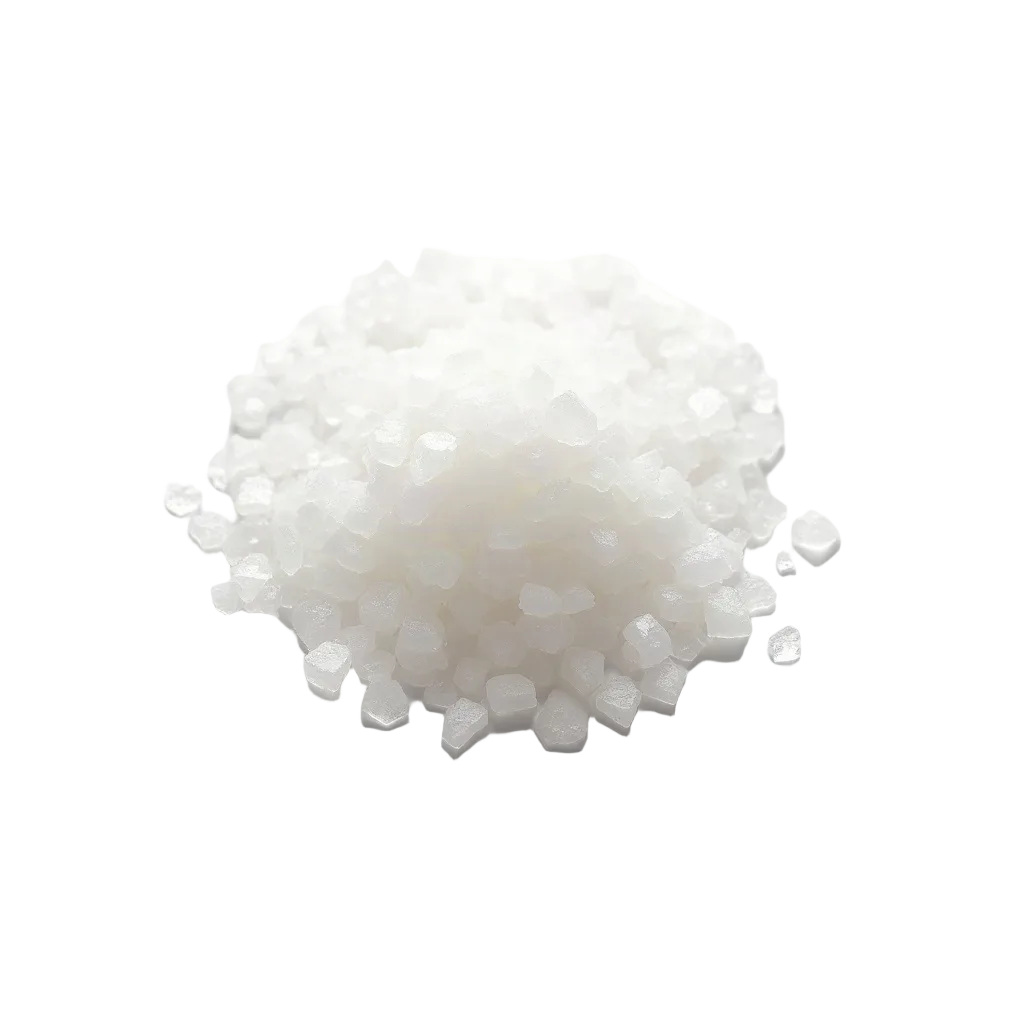 Salt
Salt
Why The 0.8–1.5% band is where flavours sharpen and bitterness is suppressed. Above it, osmosis pulls water out, the texture tightens and the flavour closes down — with no way back. -
What it is like
Nobody has eaten this and there is no photograph of it. All we have is the taste vectors of what went in, through the same model every written recipe uses.
This profile is computed rather than measured: the role-weighted average of its ingredients’ taste vectors, shifted by what the cooking does. The thin line is the database average on that axis.